From over 100,000 films, discover the handful you'll love.
Free or premium access to the world's largest documentary library.
22463 films(Page 17 of 468)
Vladimir Putin's rise from a low-ranking KGB agent to the Russian presidency is examined through insights from intelligence officials, historians, and journalists, revealing the factors that ignited his war on Ukraine.
Historian Joshua Levine analyzes the comedic portrayal of World War I in "Blackadder Goes Forth," highlighting the stark contrasts between commanders and soldiers.
Approximately 1.5 million people have been killed in Afghanistan over the past 20 years, with around 4 million fleeing the ongoing violence.
Drachen Fire, a notorious roller coaster at Busch Gardens Williamsburg, is examined for its troubled history and eventual closure.
Historians estimate that 20,000 children were kidnapped from Poland between 1941 and 1945 as part of a Nazi campaign for forced Germanization.
Blickling Hall in Norwich is renowned for the legend of Anne Boleyn's ghost, who is said to appear on the anniversary of her execution, accompanied by a headless horseman.
Luke Tomes tests iconic World War II German weapons at the Royal Armouries, exploring their historical significance and engineering innovations.
Written records of human history span only the last 2% of our species' existence, raising questions about the many lost cultures and civilizations.
Susa, a city with 6,000 years of continuous habitation, has withstood the rise and fall of empires while serving as a spiritual center in modern Iran.
Four flights and over 28 hours of travel lead Albert Lin to Micronesia, where he investigates the ancient city of Nan Madol built by the Sou Dynasty.
Nazi war criminals face justice at the Nuremberg Trials as Europe grapples with new conflicts and revolutionary polymer innovations in 1945.
Eight diaries reveal the thoughts and experiences of individuals living under Nazi rule, from fervent supporters to those fearing persecution.
Götheborg, the world's largest wooden sailing ship, is a meticulously crafted replica of an 18th-century vessel, currently on a two-year expedition through Europe and Asia.
Michael Wittmann, a notorious WWII tank ace, played a pivotal role in major tank battles before his defeat by Canadian forces.
Rare skeletons of combatants and horses, unearthed at the Waterloo Battlefield, provide new insights into the brutal realities of this historic battle.
Victorian surgery, marked by risky amputations without anaesthetics and a lack of germ understanding, reveals the gruesome yet pioneering practices of the era.
Soviet secret police agencies, from the Okhrana to the KGB, systematically enforced repression and control through torture, purges, and mass surveillance.
Viktor Schauberger's innovative ideas on nature and technology are explored through historical facts and current research in this comprehensive documentary.
869 Canadian soldiers participated in Operation Medusa, a military campaign aimed at countering a resurgent Taliban in Kandahar, Afghanistan.
Real Madrid's unparalleled success in the Champions League is attributed to a blend of strategic management, a resilient mindset, and a mix of youth and experience.
Roy Chapman Andrews' expedition in the Gobi Desert led to remarkable discoveries, including dinosaur eggs and velociraptors, reshaping our understanding of paleontology.
The Ovitz family, a group of seven dwarf performers from Transylvania, faced unimaginable challenges during the Holocaust, balancing their passion for performance with survival.
Seven handwritten scrolls discovered in 1947 near the Dead Sea provide the oldest known version of the Old Testament, revealing significant historical discrepancies.
A military officer requested the smallest hermetically sealed casket available for bodies exposed to the elements during a phone call in 1947.
Louis Armstrong's rise to prominence in the Jazz Age highlights the significant contributions of trailblazers who navigated racial tensions in America.
Medieval historian Matt Lewis evaluates the historical accuracy of the controversial film about William Wallace, examining key events and figures from his life.
Rasputin, a controversial figure in Russian history, is examined through historian Joshua Levine's answers to the internet's most pressing questions about him.
Lesser-known peoples of the Zagros Mountains in early antiquity interacted with Mesopotamian civilizations, revealing insights through recent archaeological findings.
In 1948, the history of Palestine changed, yet the voices of the Christian minority, who have lived alongside Muslims and Jews for nearly two thousand years, remain largely unheard.
Half of the Vienna Philharmonic performed in Auschwitz, where Jewish musicians played for their Nazi captors amid the horrors of the camp.
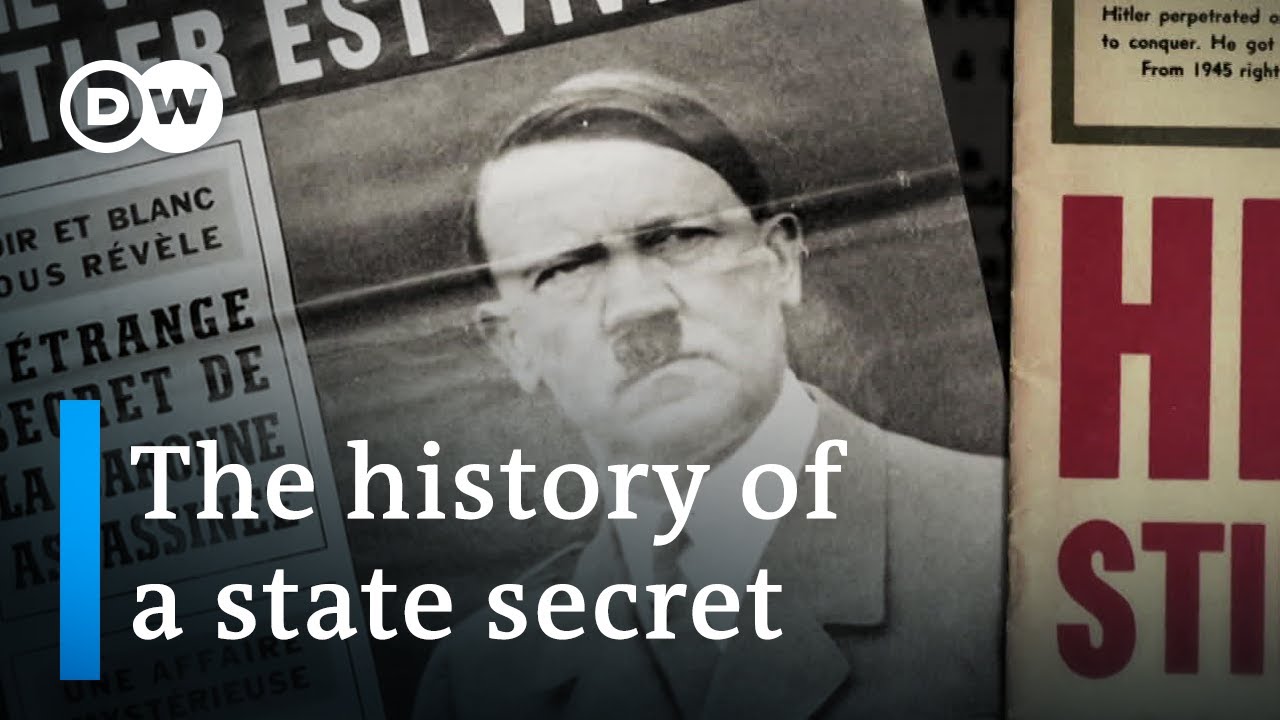
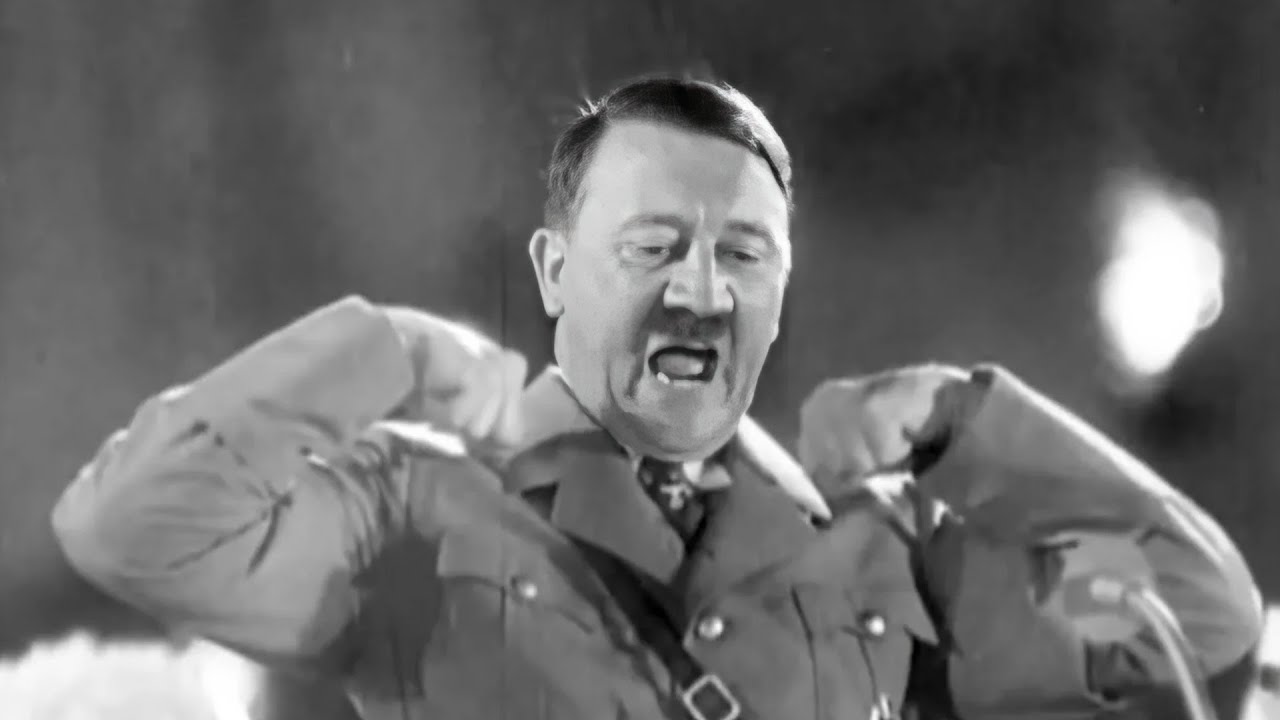
Adolf Hitler's suicide in his Berlin bunker on April 30, 1945, prompts a secret investigation into the identity of his remains after they are burned.
Fannie Lou Hamer was born on October 6, 1917, in Montgomery County, Mississippi, and became a key advocate for Black voting rights and political representation.
Two mysterious sarcophagi found beneath Notre Dame after the 2019 fire prompt archaeologists and historians to investigate their origins and significance.
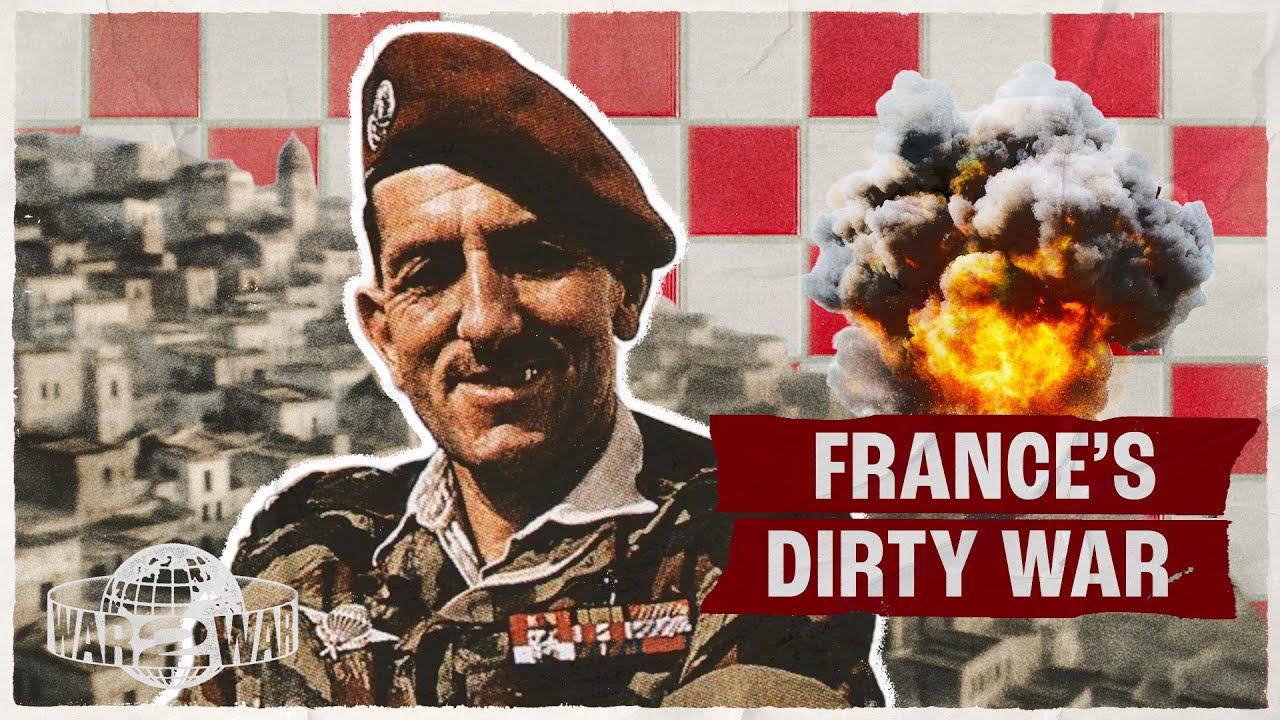
Algeria's struggle against French colonial rule escalated into mass violence and nationalism, culminating in the infamous Battle of Algiers and systemic torture.
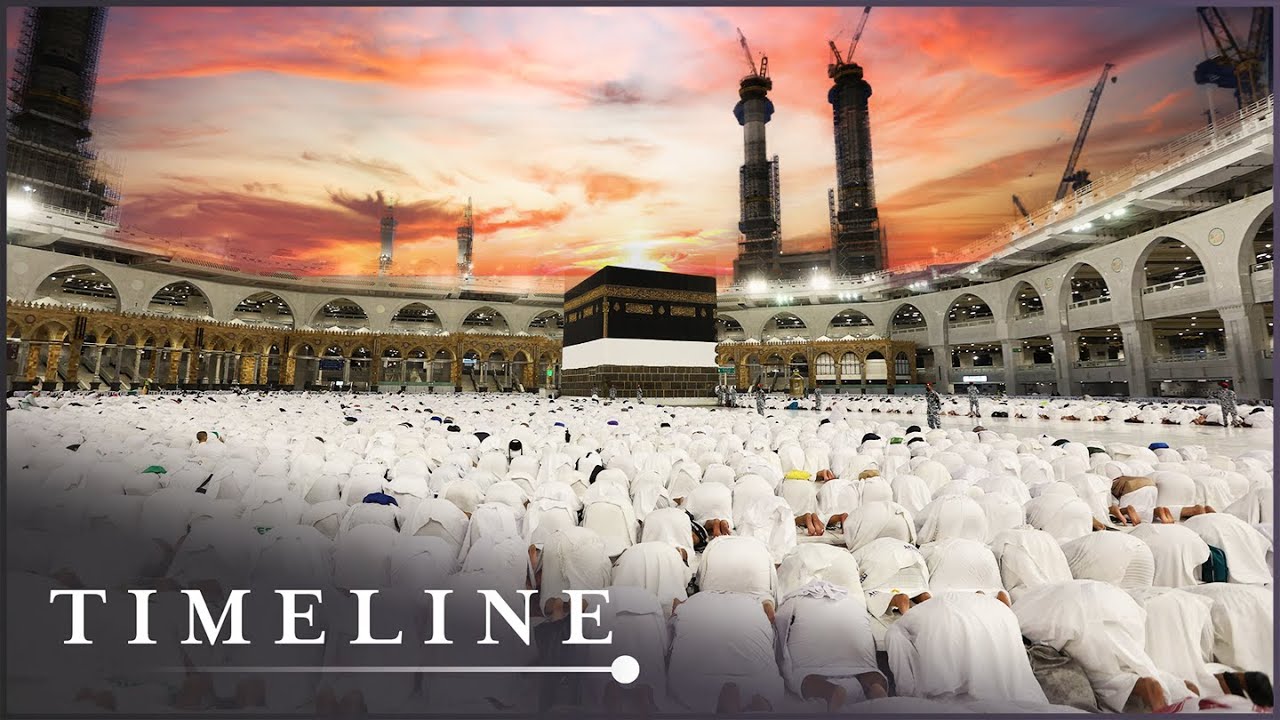
Over a billion Muslims pray five times a day towards Mecca, but new research suggests they may have been misled about the true origins of their faith.
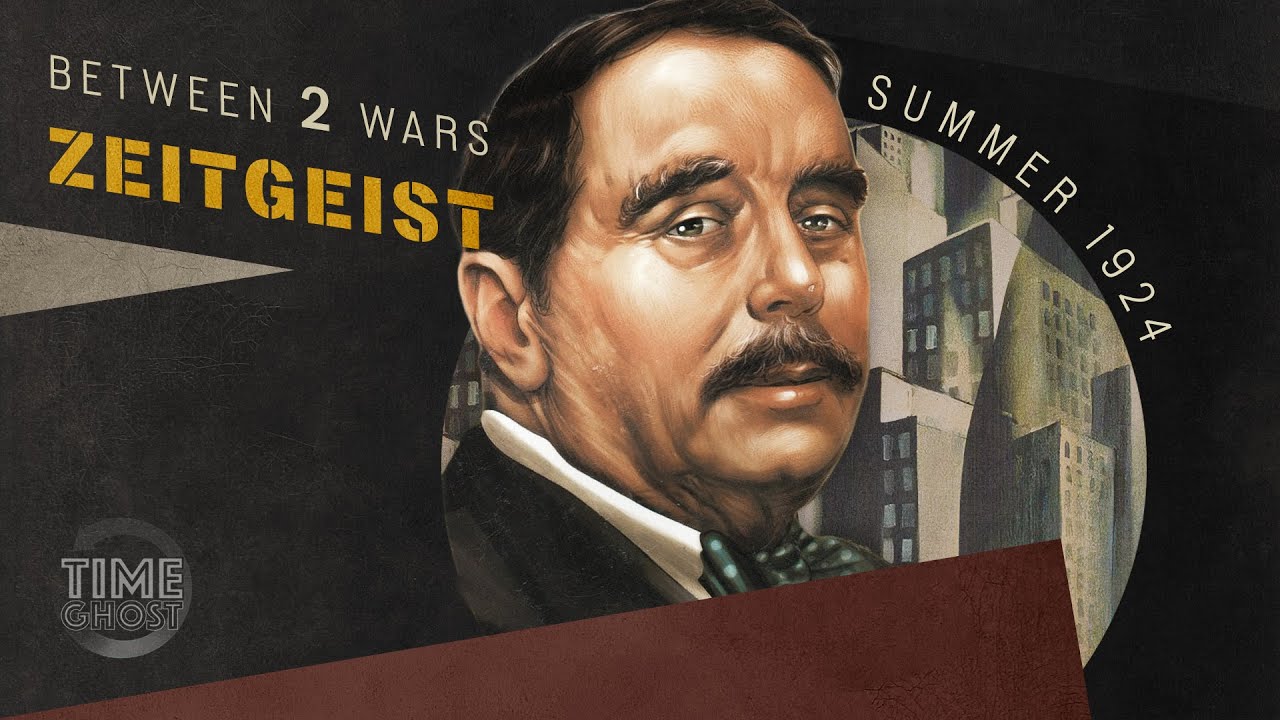
The World Power Conference gathers influential figures like H.G. Wells and the Prince of Wales to discuss global governance ideals during the interwar period.
In Wilmington, North Carolina, a violent coup in 1898 led by white supremacists resulted in the overthrow of the democratically-elected government and the massacre of Black residents.
Petra, an iconic ancient site in Jordan, showcases intricately designed rock-hewn buildings and the remnants of a long-gone civilization.
The global population increased from three million to 100 million over 8,000 years as humans transitioned from nomadic life to settled societies.
Queen Elizabeth II sent over 100,000 telegrams to centenarians across the Commonwealth during her 63 years and 216 days on the throne.
12.5 million copies of Mein Kampf were published before 1944, making it one of the best-selling political books in history.
Ancient Canaanite religion, characterized by its unique beliefs and practices, significantly influenced the daily lives of its Bronze Age practitioners.
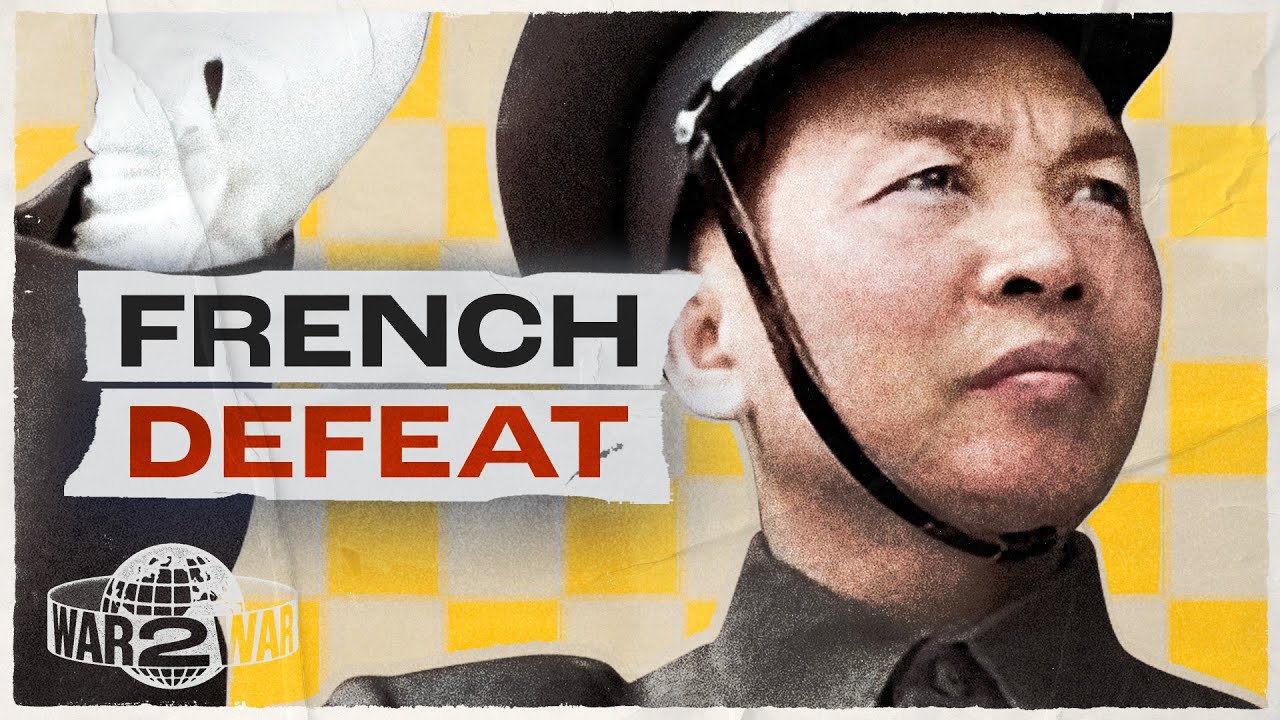
Viet Minh forces launch a series of coordinated attacks against French troops in Vietnam, challenging France's military leadership and strategy during the conflict.
Interwar art movements fiercely competed to redefine modern society, often resulting in intense rivalries and open conflicts among artists.
The early wars of the Yamato state shaped the emergence of the shogun and the bushi, highlighting the evolution of warrior power in Japan.
The Neo-Babylonian Empire, marked by the reigns of kings Nabopolassar, Nebuchadnezzar II, and Nabonidus, showcases a pivotal era in ancient Babylon's history.
In Trentino-Alto Adige, Italy's northernmost region, Stanley Tucci explores the cultural blend of German and Italian influences through its language and cuisine.
Medieval historian Matt Lewis answers frequently asked questions about daily life in the Middle Ages, covering topics from education to hygiene and entertainment.