From over 100,000 films, discover the handful you'll love.
Free or premium access to the world's largest documentary library.
22463 films(Page 58 of 468)
Operation Market Garden, aimed at swiftly ending World War Two, failed due to critical flaws in strategy, leading to fierce battles in Arnhem.
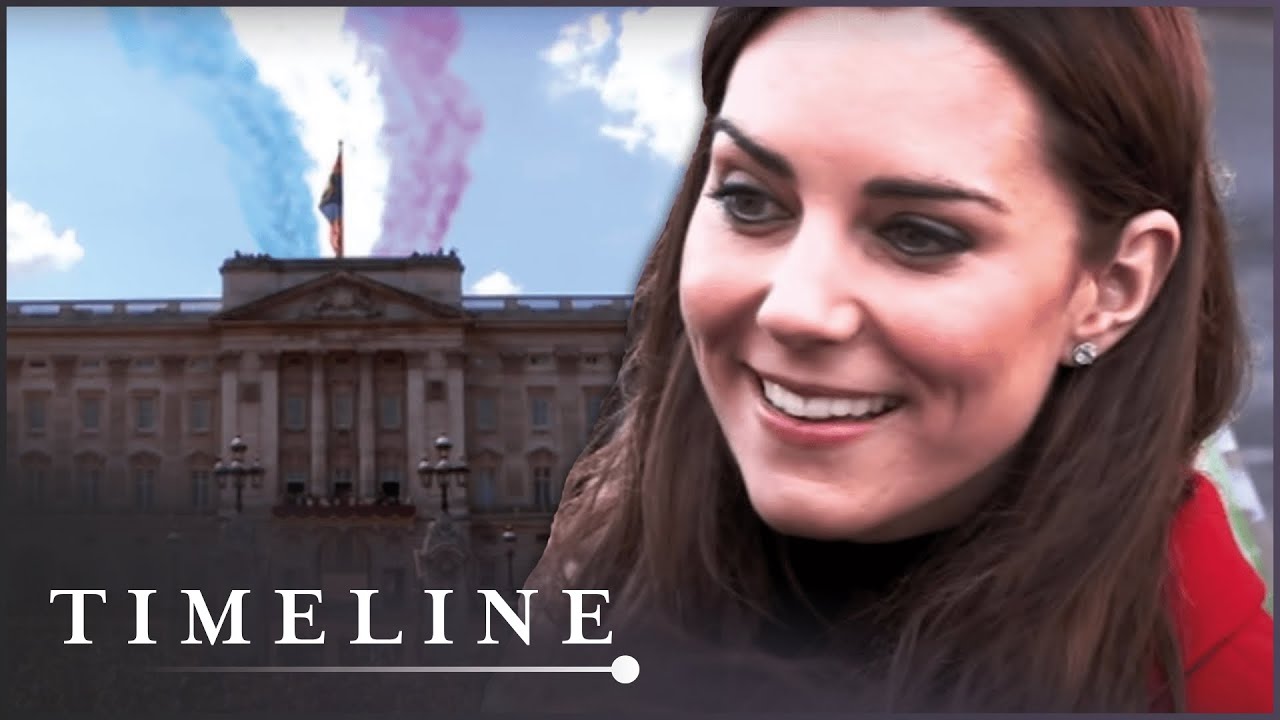
William and Kate's wedding in 2011 marked the beginning of their life as the Duke and Duchess of Cambridge, changing the face of the British monarchy.
The 1960s marked a transformative era in music, highlighted by the British Invasion led by The Beatles and the emergence of Motown legends, shaping American culture.
Six million tons of stone were shaped and transported over 30 years to build the Great Pyramid, a monumental achievement of ancient engineering.
Over 10,000 pyramids exist in Central America, suggesting a widespread ancient architectural phenomenon that may challenge current historical narratives.
King George III's extensive collection of military maps at Windsor Castle showcases detailed records of significant historical conflicts spanning several centuries.
Aldbourne, Wiltshire, served as a key base for Easy Company of the 101st Airborne Division during WWII, where archaeologists search for their forgotten artifacts.
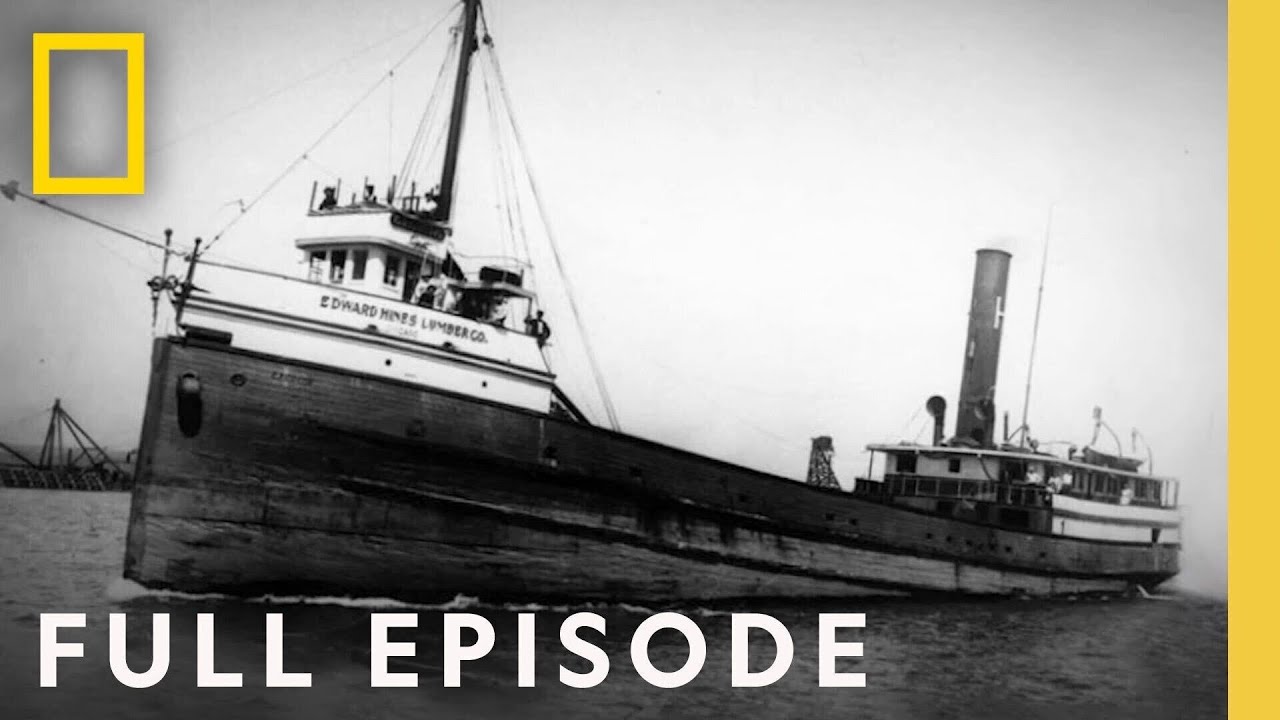
An estimated 8,000 ships have sunk in the Great Lakes since the 1600s, resulting in the deaths of as many as 30,000 people.
RAF Fighter Command lost 715 fighter aircraft and 544 pilots during the Battle of Britain, a critical defense against the Luftwaffe in 1940.
The Battle of Kapyong in April 1951 saw Australian and Canadian troops successfully defend against a relentless Chinese offensive during the Korean War.
President Trump’s attempts to exert control over the Federal Reserve highlight the ongoing tension between political influence and the central bank's independence.
The Duke of Wellington's military strategies, particularly at the Battle of Waterloo in 1815, were pivotal in defeating Napoleon Bonaparte and reshaping Europe.
Watch how aluminum, once considered more valuable than gold, shapes our modern world.
In 2001, two English backpackers were murdered on an isolated road in Australia, leading to one of the country's largest manhunts for Bradley Murdoch.
Nine children were born to Edward VII and his wife, Queen Alexandra, during his reign from 1901 to 1910, shaping the future of the British monarchy.
In Italy during 1944, the German Army reinforced its defenses with 60 elite units to counter the Allied advance following the successful campaigns in Sicily.
Scone Palace, the historic site of Scottish royal coronations since the 9th century, features the Stone of Destiny, symbolizing the divine right to rule.
In March 1945, the US Army's Operation Lumberjack and Operation Undertone led to a decisive collapse of the Siegfried Line and a catastrophic German defeat.
In Somerset, Time Team investigates ancient Roman mosaic shards, revealing multiple layers of intricate mosaics beneath a field.
A 4,000-year-old sealed burial chamber is discovered in Egypt's Valley of the Kings, revealing insights into ancient burial practices and looting.
Leonardo da Vinci completed the Mona Lisa around 1504, a painting that has become the best-known artwork in history.
Hundreds of sick people mysteriously disappeared from Hartheim Castle between 1939 and 1944, as it became a site for Nazi extermination efforts.
Nicholas Kazakov, a 92-year-old lifelong communist, reflects on the decline of the Soviet system during a family dinner on the 73rd anniversary of the October Revolution.
Roman artefacts from the British Museum, including a rare gladiatorial helmet and figurines, illuminate life in Roman Britain through an upcoming exhibition.
The Battle of Midway in June 1942 marked a pivotal moment in World War II, where the US Navy, despite being outnumbered, defeated the Japanese fleet through strategic tactics.
Wil Willis examines the evolution of iconic submachine guns like the Tommy Gun, Uzi, and Schmeisser, testing their performance and historical significance.
In Lincolnshire, archaeologists investigate a reported Anglo-Saxon cemetery, initially finding only two teeth before uncovering numerous significant artifacts.
Diana and Dodi's romance lasted just 30 days, marked by public speculation and private turmoil as she navigated her feelings for former partner Hasnat Khan.
Iraq's elite Golden Division special operations unit faced immense challenges in retaking Mosul from ISIS, navigating a complex urban battlefield filled with civilians.
Between August and November 1888, an anonymous killer murdered five women in London's East End, leaving the police seemingly powerless to stop him.
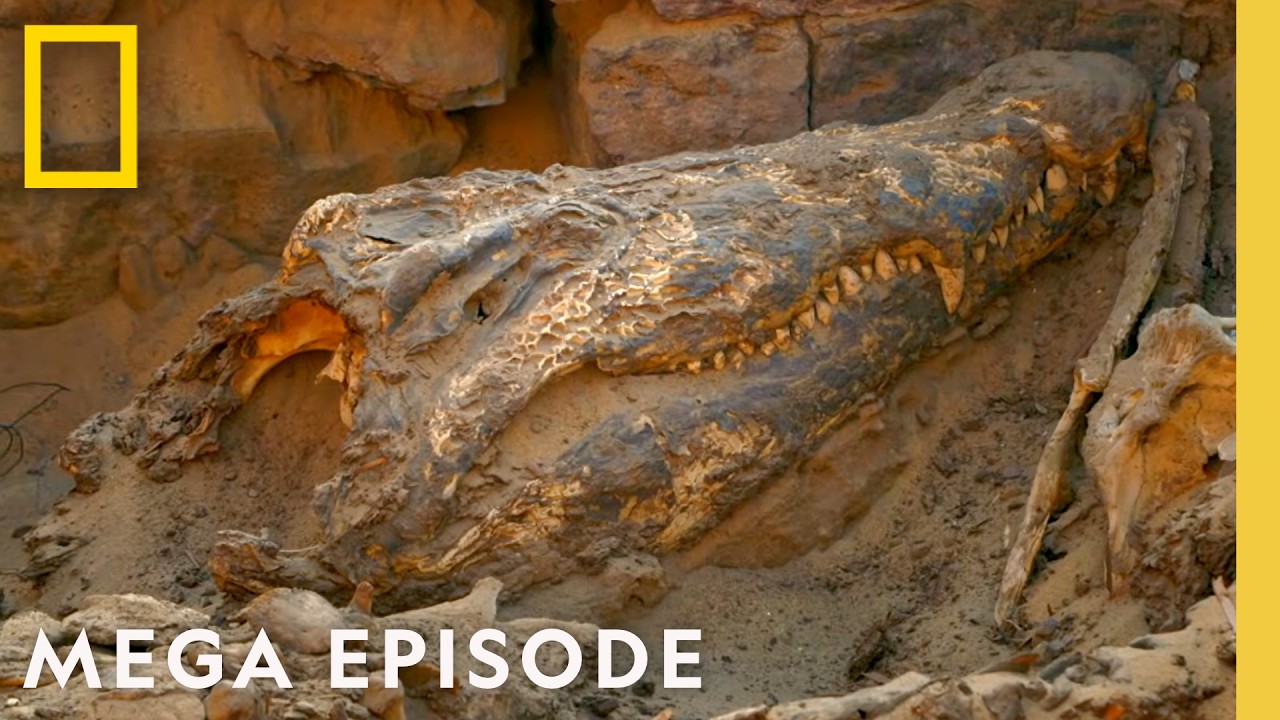
Ancient Egypt's enduring mysteries are explored through new excavations and discoveries related to the Great Sphinx, pyramids, and megatombs.
A supervolcano beneath Yellowstone has the potential to cause catastrophic destruction, with eruptions 1,000 times more powerful than Mount St. Helens.
More than 2,000 men were killed in the Japanese attack on Pearl Harbor on December 7, 1941, prompting the United States to enter World War II.
More than 90% of Cluny Abbey, once the largest church in the world, was destroyed after the French Revolution, leaving only a few remnants.
This special takes another look at ancient texts banned from the Bible and their implications.
In June 1944, the D-Day Invasion marked a critical turning point in World War II, leading to the liberation of France from Nazi occupation under British General Bernard Montgomery's command.
Princess Diana's death in a 1997 car crash is examined through allegations of a cover-up by British and French authorities, implicating members of the Royal Family.
Muammar Gaddafi's overthrow in 2011 was influenced by a CIA plan that spanned three decades, with a longtime CIA ally leading the rebel forces.
A reimagined Japan during the Bakumatsu period explores the potential of a modern republic led by the warrior class in a transformative historical scenario.
During World War II blackouts in Berlin and London, law enforcement struggled to apprehend serial killers exploiting the darkness, as highlighted by historians like Dan Snow.
Vladimir Putin's rise from a KGB colonel in St Petersburg to Russia's president is examined through key political events and insights from his inner circle.
Beer, a beverage with roots in ancient civilizations and a significant role in American history, is explored by food expert Adam Richman across the United States.
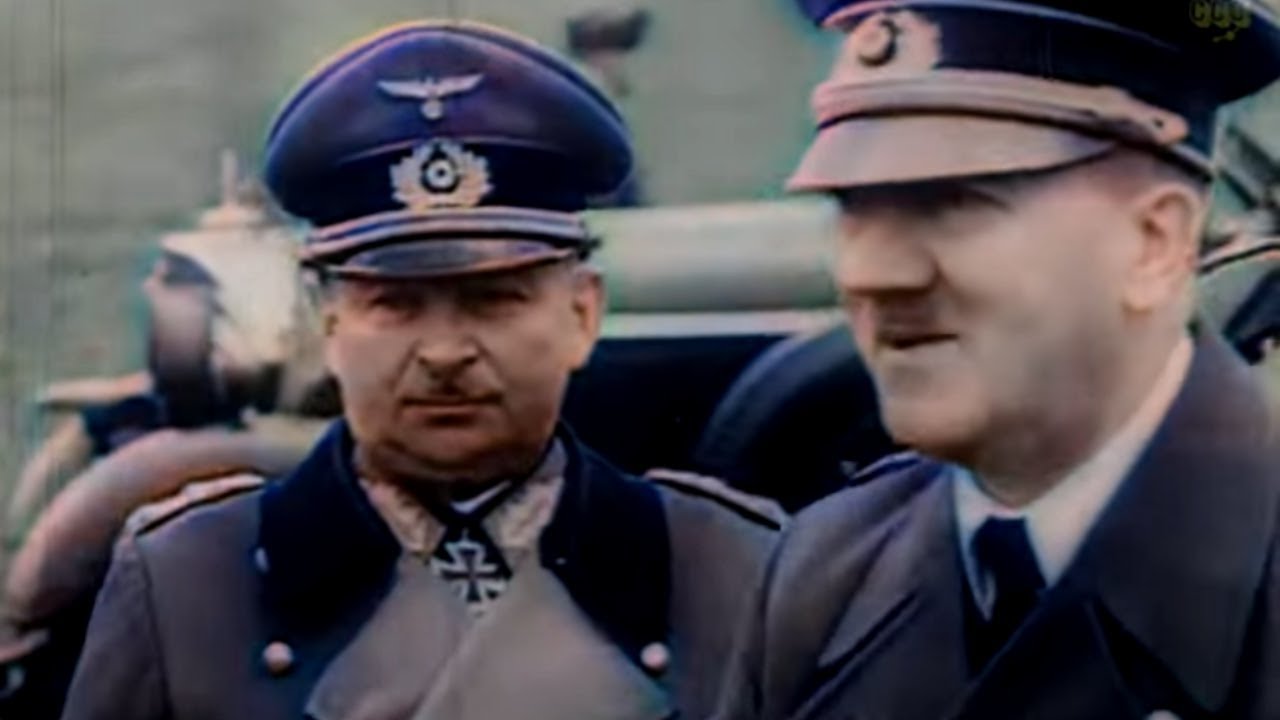
Hitler's plans for invading Britain faced significant obstacles, including early bombing attempts and intense air battles during World War II.
Boeing B-17 Flying Fortresses and German U-Boats played pivotal roles in World War II, influencing aerial and naval combat strategies significantly.
16 new iron bands were added to preserve an industrial heritage site in Lancashire, reflecting on Britain's significant engineering history.
Over 500 million pounds were wagered annually on horse racing in the early 20th century, fueling the rise of Birmingham's gang networks.
In 1966, Western foreigners in China experienced the upheaval of Mao's Cultural Revolution, contrasting their idealized views of Maoism with the harsh realities faced by the Chinese people.
Tangier served as an international zone from 1923 to 1956, attracting writers, artists, and those seeking an alternative lifestyle.