From over 100,000 films, discover the handful you'll love.
Free or premium access to the world's largest documentary library.
22463 films(Page 96 of 468)
90 percent of parents in Mosul report that at least one of their children works, often as scrap collectors amid the city's war-torn ruins.
American history is marked by significant milestones such as independence, the establishment of a democratic republic, and groundbreaking contributions from inventors like Thomas Edison and Nikola Tesla.
In El Sidrón Cave, Northern Spain, the remains of a Neanderthal family group, dated to 49,000 years ago, reveal a chilling story of cannibalism and sudden burial.
Bitcoin was created to provide an alternative to the banking system during a serious financial crisis, as stated by various participants in the film.
The excavation of the 'Triunfante' took place from 2008 to 2010, aiming to study its unique construction methods and recover artifacts for future display.
In Alaska, volcanic eruptions poison fish, impacting salmon and river ecosystems over 2000 years.
Five women from the Bible, including Eve and Esther, are examined for their roles and the societal challenges they faced in a patriarchal context.
Ilé-Ifè, the sacred city of the Yoruba in Nigeria, was a thriving center of civilization known for its glass bead production before its decline around 1400 AD.
A 14-foot-long fish once swam in what is now Kansas, revealing a time when much of the Midwest was underwater.
Over 61,000 nuclear weapons existed at the height of the Cold War, a number that has since decreased to just over 16,000 today.
21 ships of the U.S. Pacific Fleet were sunk or damaged during the Japanese attack on Pearl Harbor on December 7, 1941.
Ancient carvings and symbols from locations like Copan and Baiame's Star Vessel are examined for their potential connections to extraterrestrial encounters.
Thirty Hadzabe people live in Tanzania, relying on honey and wild game for survival while moving frequently in search of food and water.
Over one million casualties resulted from the Battle of the Somme in 1916, leading to ongoing debates about Field Marshal Douglas Haig's military leadership.
Military aviation's evolution is showcased through iconic aircraft, from the Sopwith Camel to modern marvels like the Apache Helicopter and F-16.
Ancient civilizations are examined for their potential advanced technologies and knowledge, challenging contemporary understandings of their capabilities.
Archaeological findings in Britain, including 800,000- to 1-million-year-old flint tools and Ice Age art, aim to determine when ancient humans first migrated to the region.
Marty and Rick Lagina investigate ancient artifacts and discoveries on Oak Island, Nova Scotia, that may reveal insights into its hidden past and legendary treasure.
The Maya civilization, flourishing from 250-900 CE, showcased remarkable advancements and complex societies before mysteriously declining and abandoning their cities.
Xinjiang, China's largest province, is about the same size as Iran and borders eight Asian countries, offering a mix of harsh landscapes and rich cultural heritage.
At Guédelon in France, modern builders recreate a 13th-century castle using authentic medieval tools and techniques, showcasing the engineering of the era.
Joan of Arc leads the French resistance against English forces during the 100 Years War.
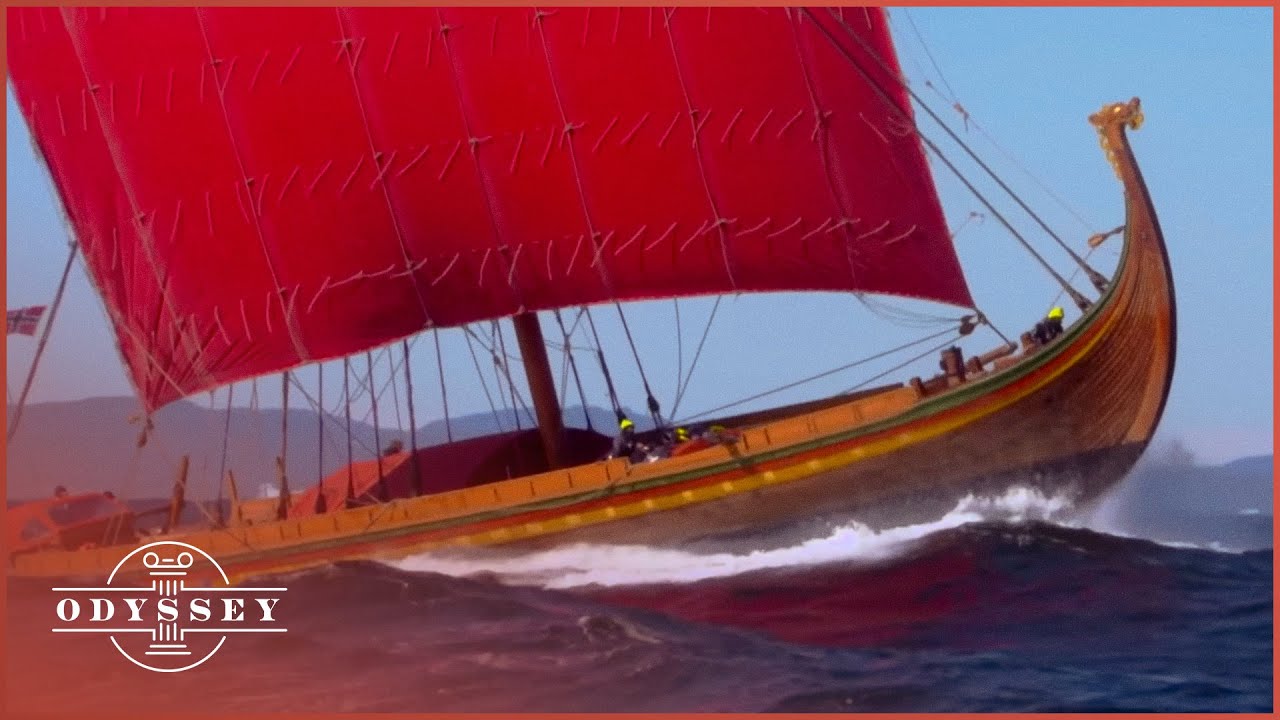
A crew of experts and volunteers recreates a Viking longship to navigate the Atlantic Ocean, exploring the historical impact of Vikings in England.
The Isle of Man's historic 1992 decriminalisation of homosexual acts marked a significant shift in gay rights, influenced by parliamentary debates and media coverage.
Adolf Hitler, blinded in a mustard gas attack during World War I, later led Germany into a devastating conflict that resulted in millions of deaths.
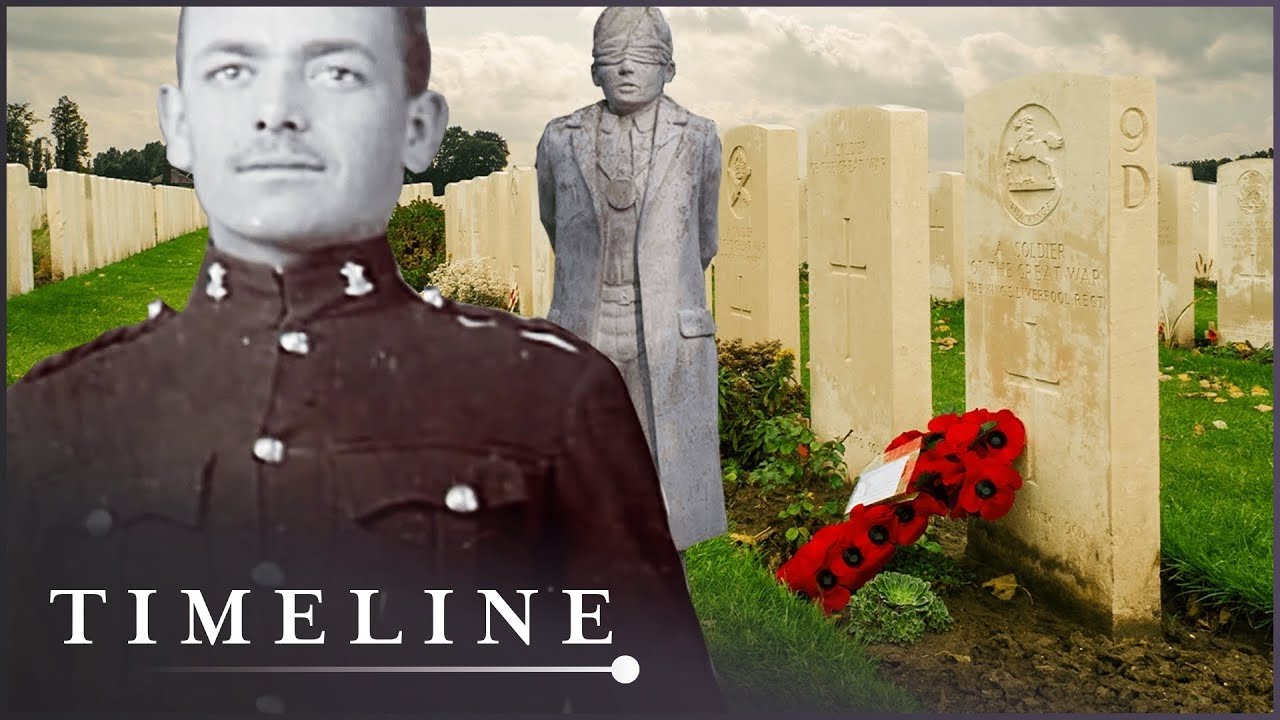
306 British and Commonwealth soldiers faced execution for cowardice and desertion during World War One, revealing the tragic consequences of war.
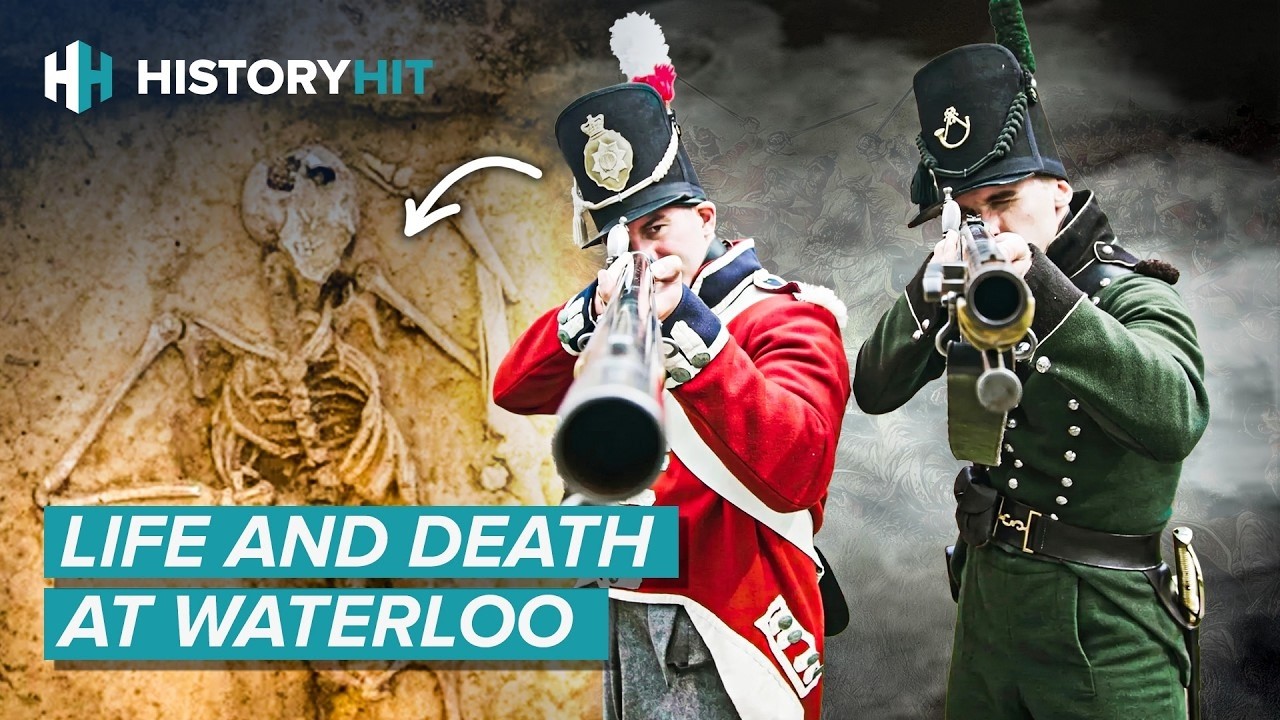
Life for soldiers at the Battle of Waterloo on June 18, 1815, was marked by intense combat and tragic losses, as explored through firsthand accounts and archaeological findings.
There are over 100 peace walls in Northern Ireland, with nearly 100 located in Belfast, marking the division between communities affected by decades of conflict.
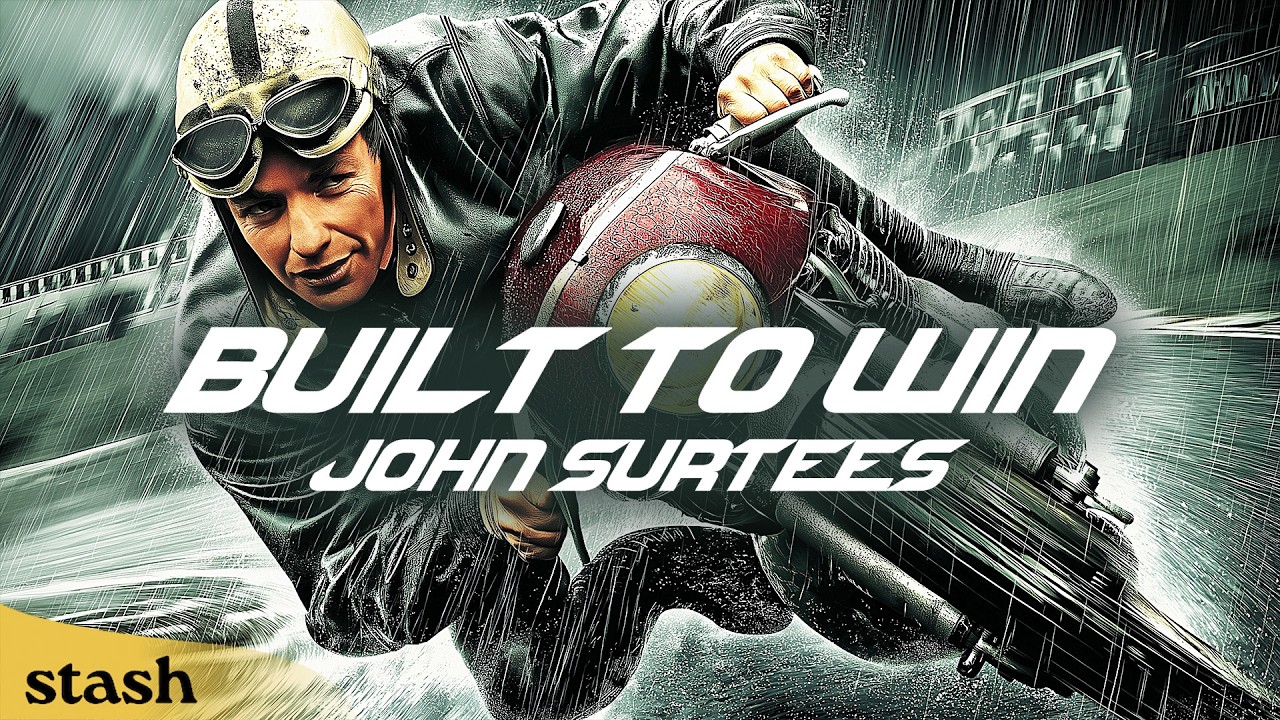
John Surtees, the only individual to win world championships in both Formula 1 and motorcycle racing, achieved three consecutive victories at the Isle of Man TT.
The Normans transformed from Viking raiders under Rolo to rulers of England after William the Conqueror's 1066 invasion, establishing significant landmarks like the Tower of London.
Death Valley National Park is examined through interviews and reenactments that reveal its legends, mysteries, and eerie stories.
Kilmartin Glen in Scotland reveals its prehistoric significance through Stone Age rock carvings and Bronze Age tombs, showcasing connections from Portugal to Orkney.
Forced labor became a grim reality during WW1 as empires resorted to desperate measures to meet the insatiable demand for munitions and armaments.
Columbine and Utoya serve as stark reminders of the devastating impact of mass shootings, exploring the motivations behind the perpetrators and the resilience of survivors.
Peter the Great was born on June 9, 1672, in Moscow, and became known for transforming Russia into a major European power during his reign.
Stonehenge has stood on Salisbury Plain for 5,000 years, with its current stone structure taking shape around 1,000 BC.
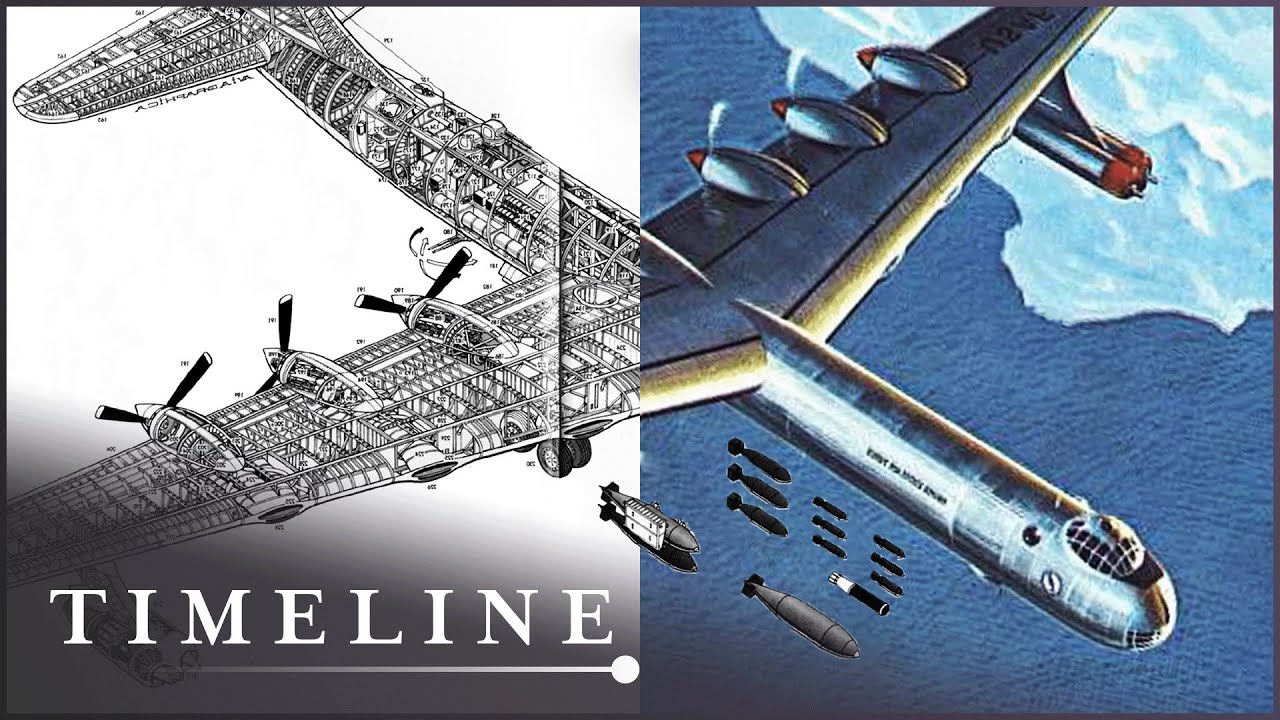
The B-36, a massive nuclear bomber, survived near cancellations on six occasions and became a symbol of rivalry between the Air Force and Navy during the Cold War.
Kamehameha, a fierce warrior with darting eyes, observes Captain Cook's arrival in Hawaii, marking the beginning of a historic confrontation.
A 17,000-year-old statue contains a chromium sphere that some believe is evidence of extraterrestrial visitors to ancient societies.
By July 1942, the Battle of Stalingrad was underway as German troops faced a fierce counter-attack from the Soviet Red Army.
Operation Gothic Serpent escalates into the Black Hawk Down battle in Mogadishu, where elite American soldiers face intense combat after two helicopters are shot down.
When the Ku Klux Klan planted a bomb under Fred Shuttlesworth's bed, he emerged unharmed and believed he was saved by God to lead the Civil Rights Movement.
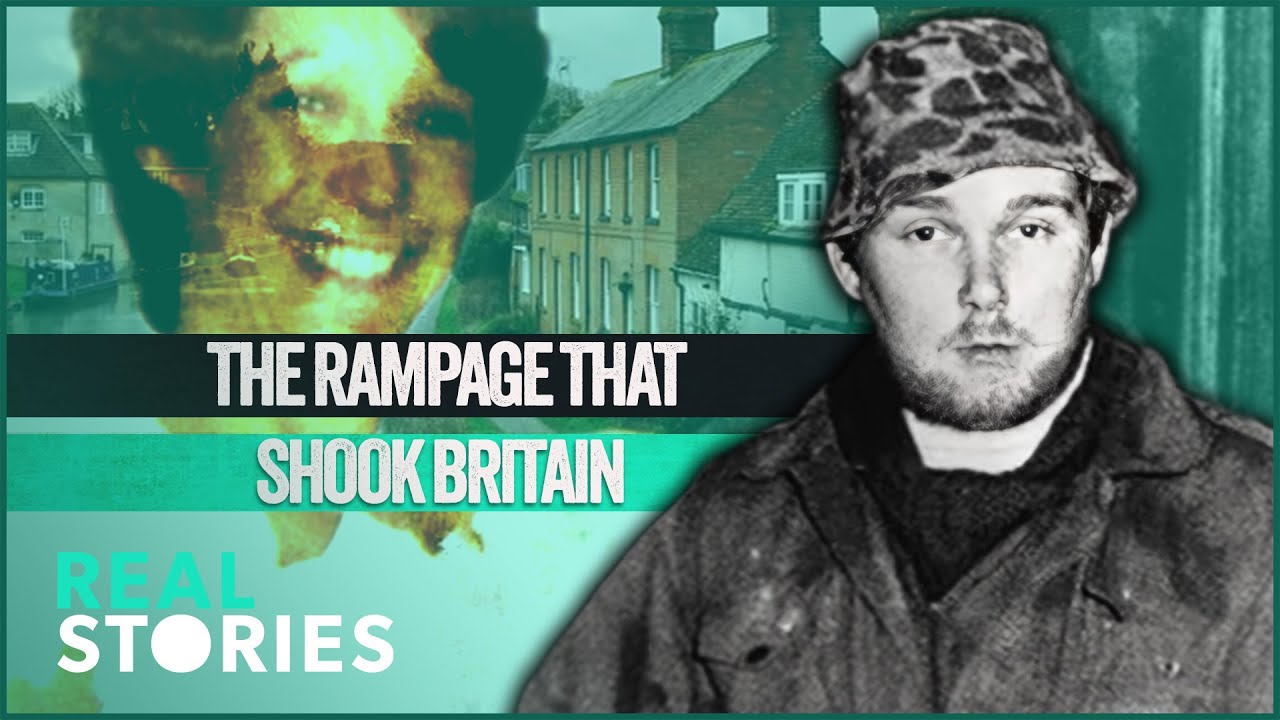
On August 19, 1987, Michael Ryan killed 16 people and injured 15 others during a six-and-a-half-hour shooting spree in Hungerford, England.
Dr. Harold Shipman, a general practitioner in Hyde, UK, was convicted in 2000 of murdering 215 patients through lethal injections of diamorphine.
In April 1941, German forces advanced to Benghazi, marking a significant shift in the North African campaign during World War II.
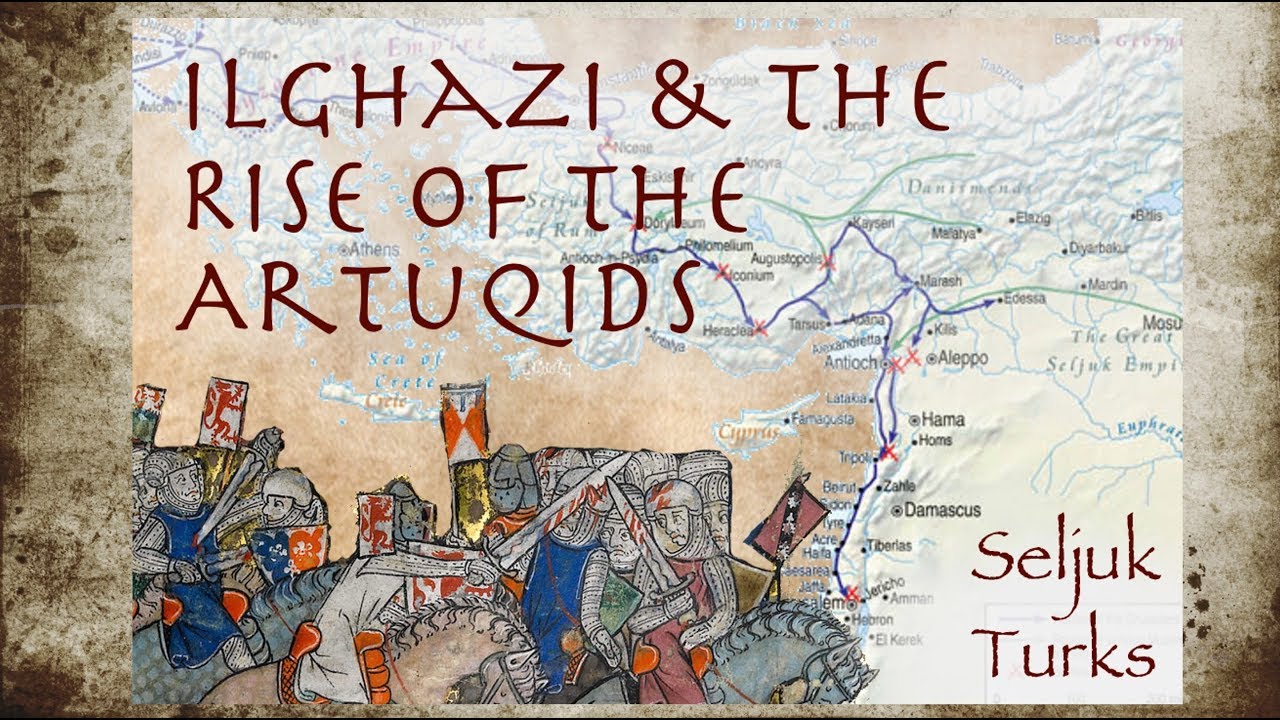
On June 28, 1119, a fierce battle near Aleppo resulted in the near-total destruction of the Antiochian army and a shift in power dynamics in the region.
Richard the Lionheart spent only six months of his ten-year reign in England while ruling extensive territories in France.
Eight gardens in Castle Hill, Ipswich, are excavated to reveal the remains of a Roman villa that dates back to the first century A.D.