From over 100,000 films, discover the handful you'll love.
Free or premium access to the world's largest documentary library.
22463 films(Page 103 of 468)
In South London, former Metropolitan police officer Rav Wilding revisits the investigation into the murder of ten-year-old Damilola Taylor, marking its tenth anniversary.
World's largest civil airplanes, including the Airbus A380 and Antonov An-124, showcase advancements in aviation technology and luxury travel.
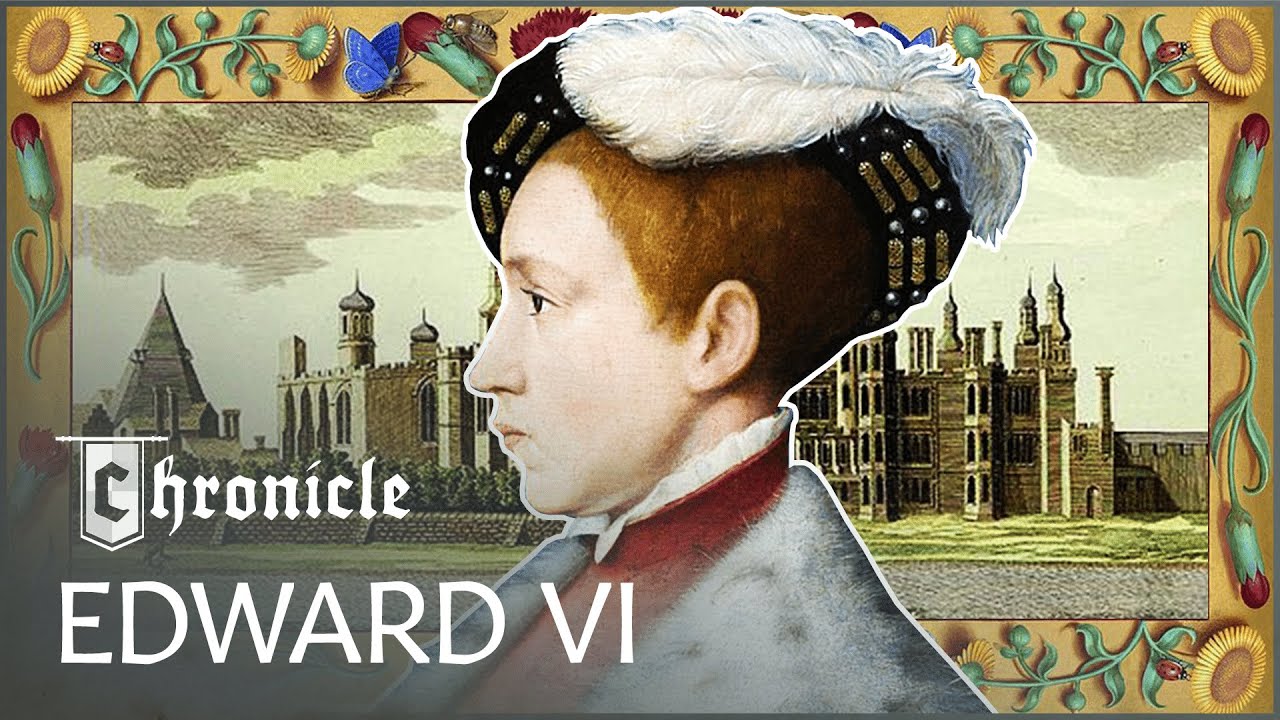
Edward VI became King of England at just nine years old after the death of his father, Henry VIII, navigating a divided Tudor court marked by religious conflict.
In the small town of Fouke, Arkansas, the legend of the Boggy Creek Monster has intrigued residents since the 1970s as a notable example of southern Sasquatch lore.
Post-war London in 1949 reveals a city in recovery, as a BBC news team explores its attractions and captures the subdued atmosphere of a bank holiday.
Between November 1977 and January 1978, Kenneth Bianchi and Angelo Buono murdered ten young women in Los Angeles, instilling fear throughout the city.
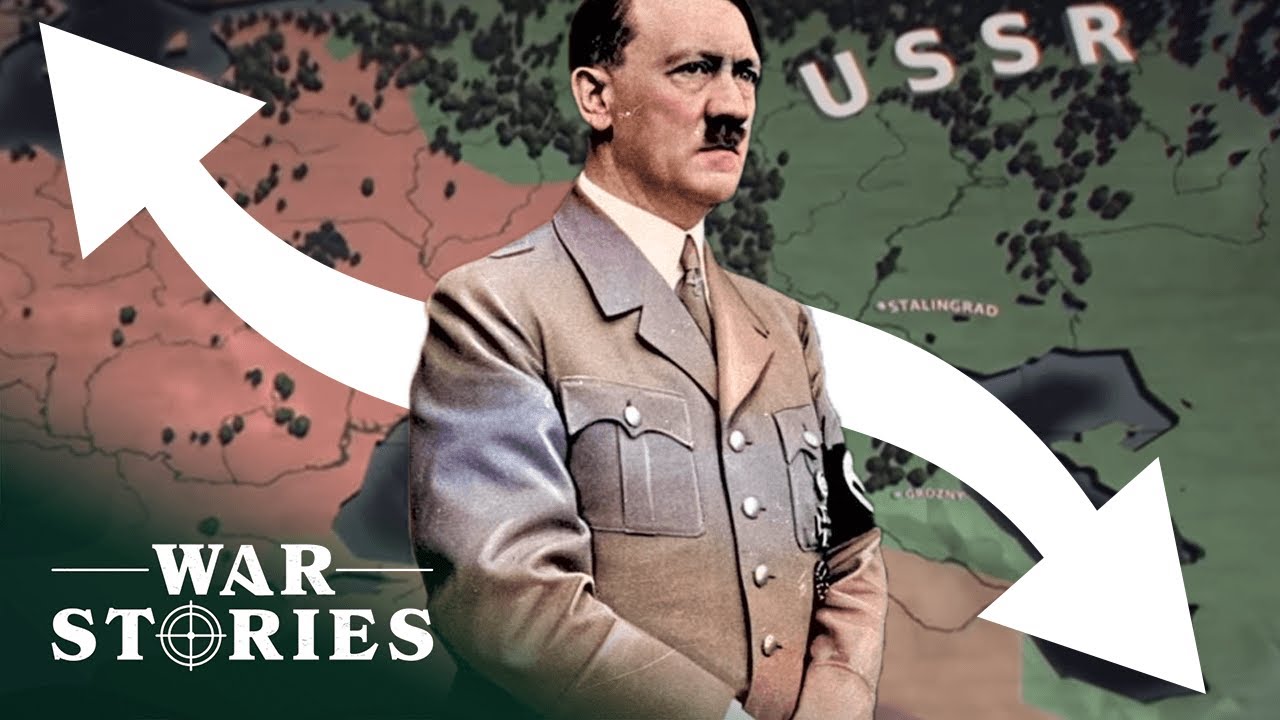
In 1942, Adolf Hitler's decision to split his forces between Stalingrad and the oil-rich cities of Maikop, Grozny, and Baku significantly impacted the Eastern Front.
Princess Diana's legacy as the People's Princess is explored through her defiance of royal traditions, including her fashion choices and personal vows.
In 1987, the Hoddle Street massacre in Melbourne resulted in seven deaths and 19 injuries, marking a significant moment in Australia's gun violence history.
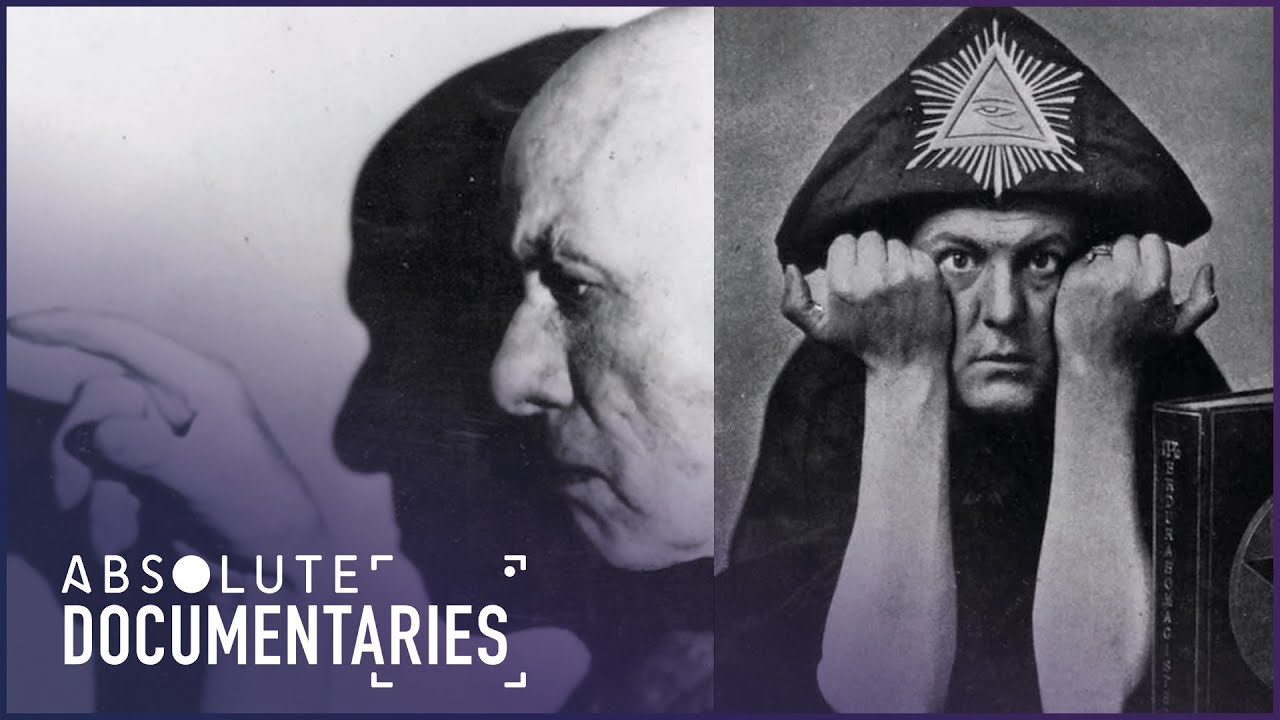
Aleister Crowley, known as "The Wickedest Man in the World," led a controversial life marked by mysticism and defiance against societal norms.
The Wars of the Roses, a series of dynastic conflicts between the York and Lancaster families, led to significant changes in English monarchy and the rise of the Tudor dynasty.
Britain's population rose from 25 million in the early 1800s to almost 40 million by the end of the Victorian era, reflecting significant societal changes.
Leningrad endured a brutal 872-day siege during World War II, relying on the perilous Road of Life for survival amid extreme food shortages.
The Churchill tank played a crucial role in the success of D-Day and subsequent battles, showcasing its versatility in the fight against Nazi Germany.
More than 300,000 Allied soldiers were evacuated from the beaches of Dunkirk in a miraculous operation that boosted British morale during World War II.
A P-47 Thunderbolt squadron conducts an interdiction mission in northern Italy, targeting Axis supply lines during World War II.
Clairvius Narcisse's claim of returning from the dead as a zombie, alongside past life regression and the Scole Experiment, raises questions about life after death.
In the Elizabethan era, TV presenters and celebrities including Fern Britton and Louise Minchin experience the demanding life of servants preparing a banquet for nobility.
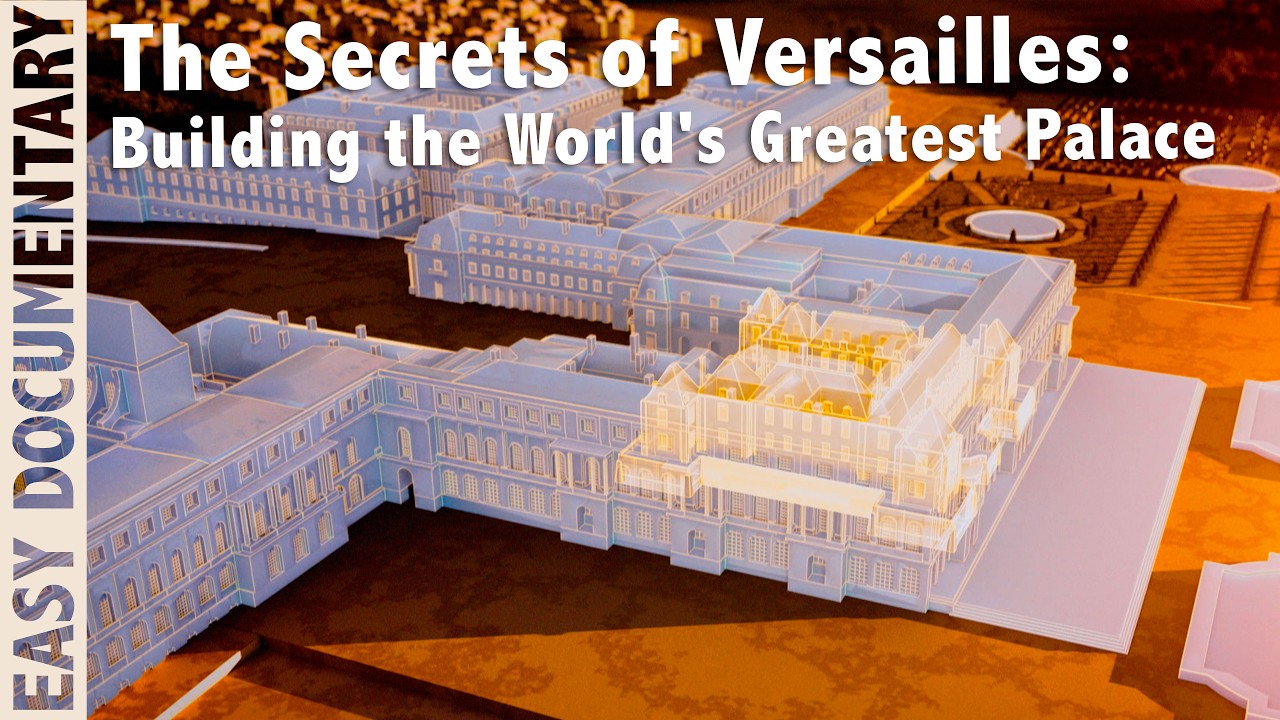
The Palace of Versailles, a monumental achievement of French kings Louis XIII, Louis XIV, and Louis XVI, showcases extraordinary engineering and architectural innovation over three centuries.
In 1914, Sir Ernest Shackleton's expedition to Antarctica faces disaster when The Endurance is trapped and destroyed by shifting glaciers, forcing a perilous survival trek.
150 bodies of Hezbollah fighters are returned by Israel in exchange for two Israeli soldiers during the conflict that began in 1984.
The Tudor dynasty, spanning from Henry VII to Elizabeth I, is marked by intense power struggles, familial betrayals, and civil wars for the English crown.
7,000 people died in the defense of Malta during World War II, as the island faced intense bombing from the Axis powers.
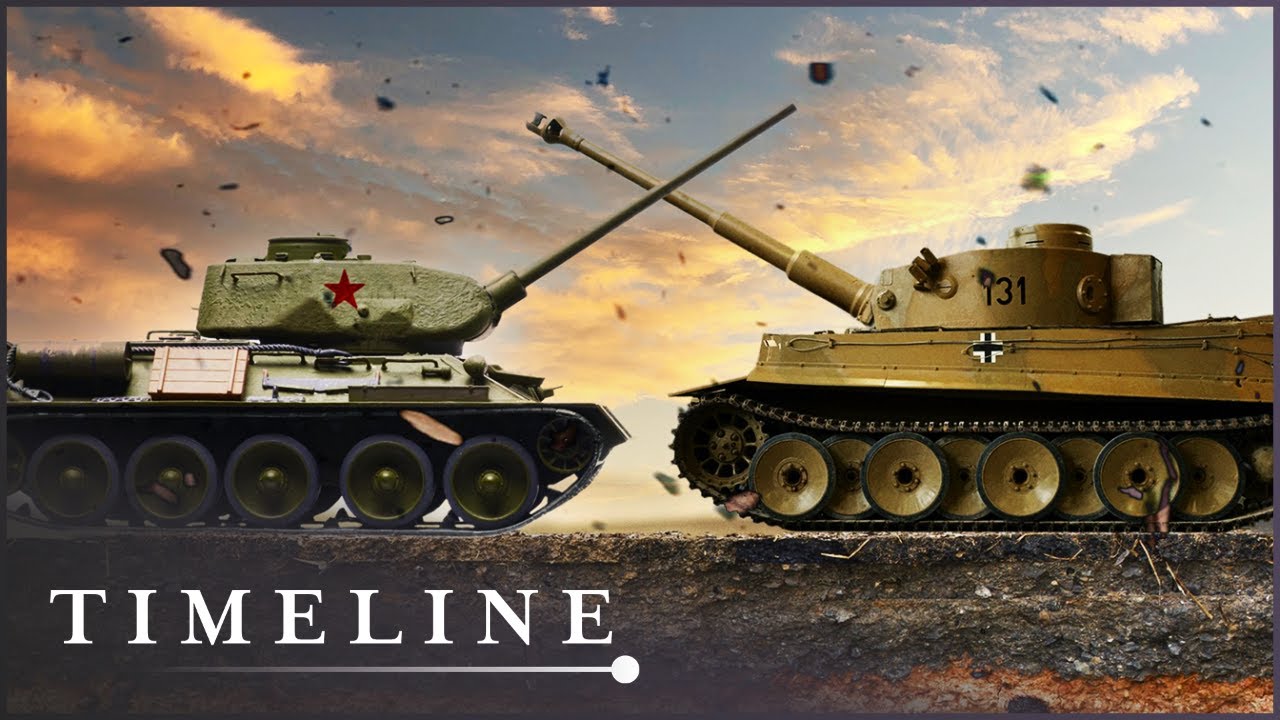
The Battle of Kursk is the last major German offensive on the eastern front in WWII.
Scottish serial killer Peter Manuel, convicted of seven murders and suspected of more, was executed at the age of 31 in 1958.
In Colombia, Jordan, and Peru, explorer Albert Lin investigates ancient civilizations and archaeological sites like Ciudad Perdida and Petra, highlighting their cultural significance.
The tank battles at El Alamein featured commanders Bernard Montgomery and Erwin Rommel, significantly influencing the outcome of the North African Campaign in World War II.
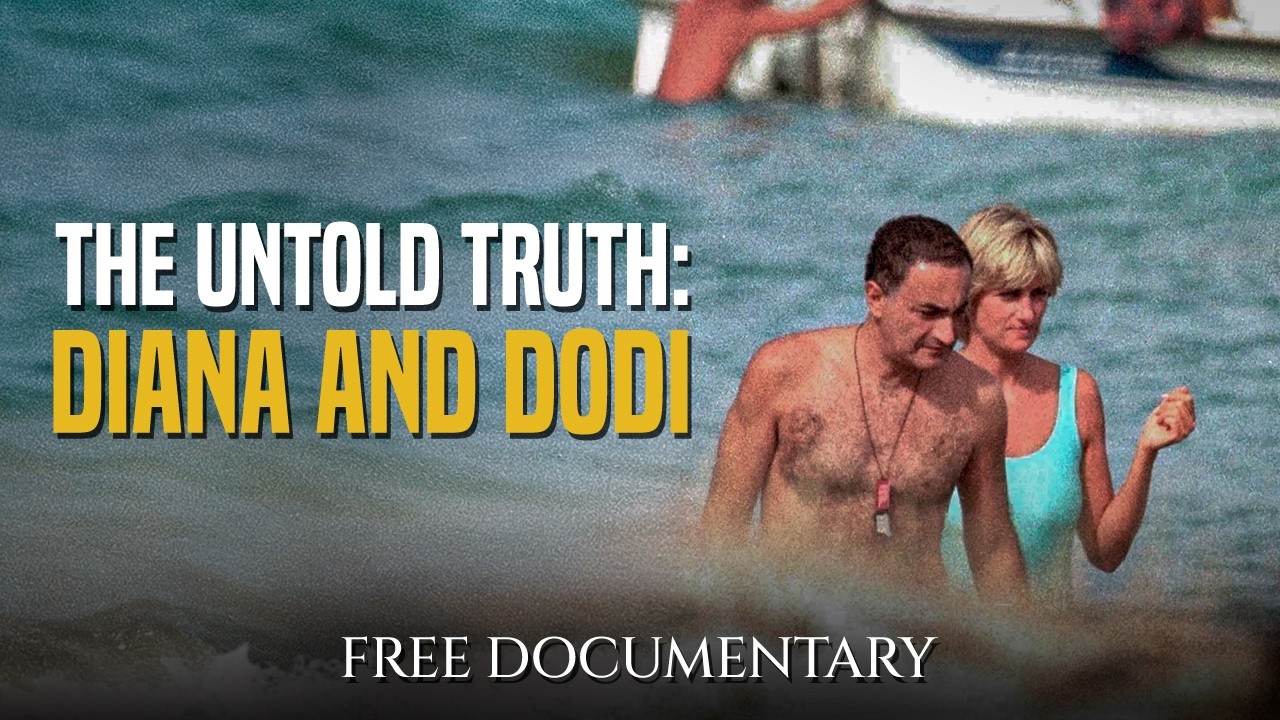
Princess Diana and Dodi Al-Fayed's relationship is examined through their final summer together, highlighting the pressures of royal life and media scrutiny.
30,000 soldiers die at the battle of Zenta on September 11, 1697, marking a critical defeat for the Ottoman Empire against Prince Eugene of Savoy.
In 1943, the Axis powers faced significant setbacks in World War II, marking a turning point that shifted the momentum towards the Allies.
Prague has a population of 1.3 million, with one-tenth living in the capital, which has a rich cultural heritage shaped by various historical influences.
Chevron Texaco's oil spill in Ecuador's Amazon rainforest resulted in a 25-year legal battle, highlighting the company's extensive environmental and human rights violations.
The Battle of the Atlantic in 1941 marked a pivotal year in World War II, influenced by events in North Africa, the Balkans, and Operation Barbarossa.
Sean Langan's immersive reporting in Iraq reveals the complex realities faced by American troops and resistance fighters in the aftermath of war.
Jerusalem's Temple Mount, a site of immense religious significance for Christianity, Judaism, and Islam, holds ancient secrets that reflect its historical importance.
Gnaeus Pompeius, known as Pompey the Great, was born on September 29, 106 BC, in Picenum, a region on the Adriatic coast of central Italy.
Lenin's radical transformation from a privileged upbringing to the leader of the Bolshevik faction fundamentally altered Russia's political landscape after WW1.
Templecombe in Somerset serves as the focus for a team of archaeologists aiming to locate the 12th-century priory of the Knights Templar.
At the age of 12, Andrew Carnegie begins working for a local railroad in Pittsburgh, setting the foundation for his future in the steel industry.
Legendary rivers in Thailand, Laos, and Myanmar serve as the backdrop for exploring significant Buddhist temples and mystical sites in this PBS documentary.
Six celebrities spend 24 hours in a Victorian city dump, enduring the harsh conditions faced by workers in 19th-century Britain.
New York's Metropolitan Museum of Art reveals the hidden histories of artifacts, including Henry VIII's armor and Nazi-looted manuscripts.
In Canada, Russia, and Eastern Europe, treacherous roads like the Arctic ice highways and the Adriatic Highway present significant challenges for transport and travel.
Ancient clues and historical connections are investigated to explore the mysteries surrounding the Ark of the Covenant and its significance in history.
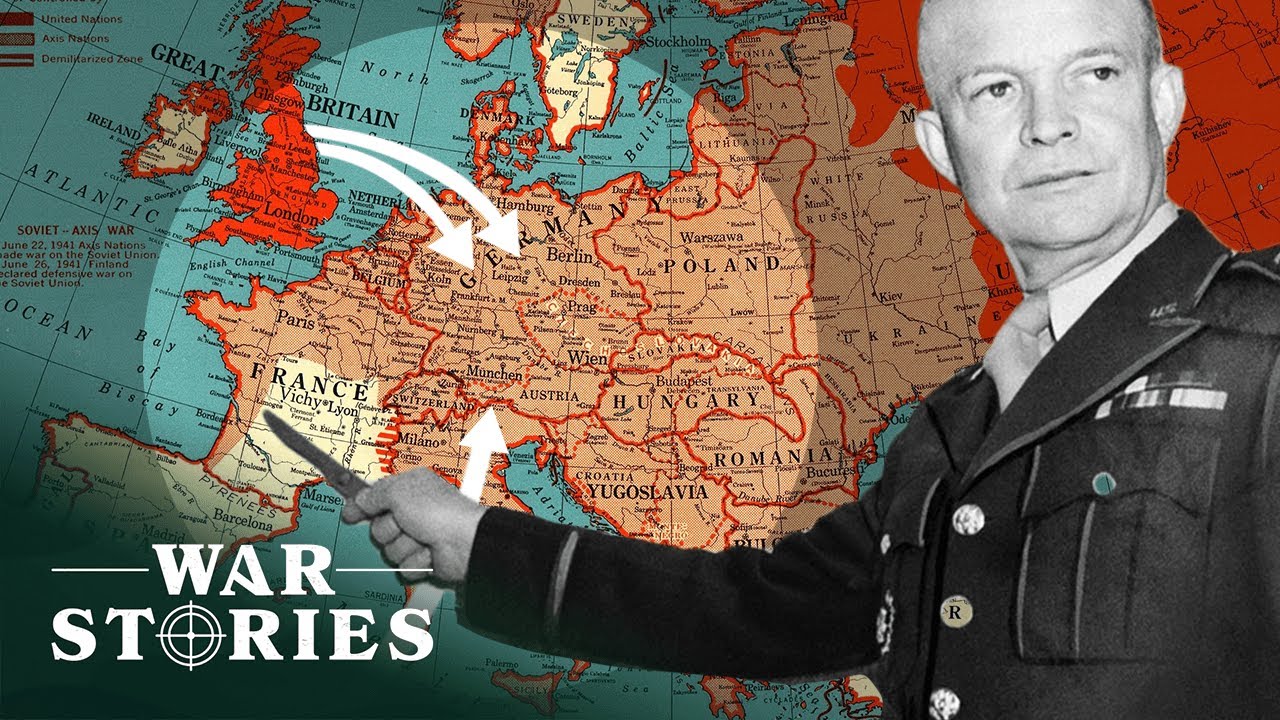
The Manstein Plan, developed by Erich von Manstein, strategically bypassed France's Maginot Line during WWII, leading to the rapid capitulation of France.
On June 10, 1918, the Austro-Hungarian battleship Szent Istvan sank after being hit by torpedoes, an event documented through original footage and historical reenactments.
This Ancient Aliens marathon questions if aliens really help shape our history.
Extraordinary survival stories include free falling 30,000 feet without a parachute and being buried alive, showcasing remarkable human resilience.