From over 100,000 films, discover the handful you'll love.
Free or premium access to the world's largest documentary library.
22463 films(Page 36 of 468)
In 2012, more than 1,600 deaths were reported in Iraq as sectarian violence surged in the aftermath of the US withdrawal from the country.
A painful inquiry into his past leads Edward Said to reflect on the shared memory of the Palestinian people during his return to his homeland.
American forces played a crucial role in the 1918 Allied counter-offensive that led to Germany's defeat, resulting in 11,000 casualties on Armistice Day.
Seventy percent of the planet's rough diamonds pass through Antwerp, where 1,500 companies operate within a tightly monitored market.
General relativity, a theory developed 100 years ago, transformed the understanding of gravity and the relationship between space and time.
Richard Nixon was reelected in 1972 in one of the biggest landslides in American history, capturing 49 out of 50 states.
King Edward III was born on November 13, 1312, at Windsor Castle, securing the royal succession during a time of great instability in England.
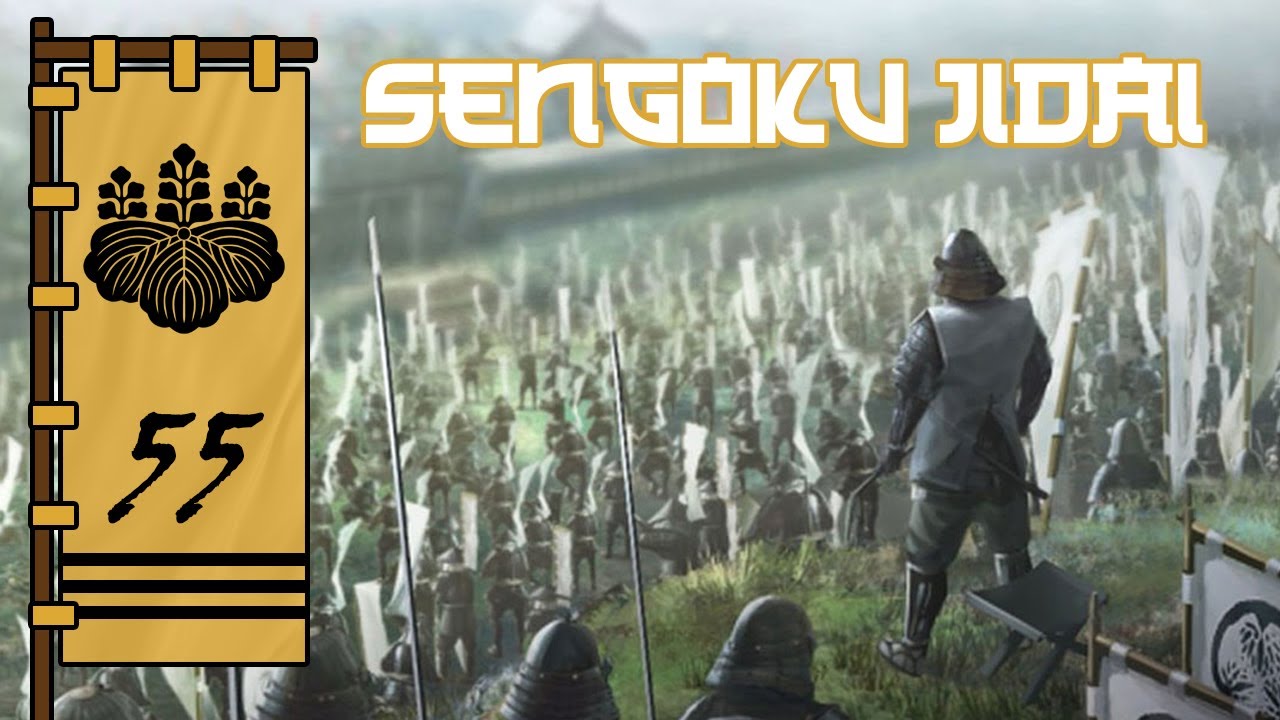
The Onin War, marking the onset of Japan's Sengoku Jidai, raises questions about whether its chaos was foretold years in advance.
An elaborately decorated 5,000-year-old chalk cylinder, found in a Yorkshire burial site, is hailed as Britain's most significant prehistoric art piece in a century.
Aleister Crowley, known as "The Great Beast," was a controversial figure in modern occultism, revered by some as a prophet and condemned by others as a Satanist.
In the Great Smoky Mountains, interviews and reenactments explore the legends and mysteries associated with North America's iconic national parks.
Unemployment in the United States exceeded 20 percent in 1932 as Franklin D. Roosevelt implemented policies to address the Great Depression.
The Hojo clans, including the original rulers of the Kamakura Shogunate and the Later Hojo family, played a significant role in shaping the Kanto region during the Sengoku period.
Former Special Forces soldier Jason Fox returns to Afghanistan to reconnect with the country and reflect on the enduring impact of the conflict.
The Tower of London, a historic prison for over 8,000 inmates, is explored through the remarkable escapes of a select few who defied its formidable walls.
18th-century women's fashion is explored at the Fashion Museum in Bath, featuring insights from curator Rosemary Harden and hands-on clothing experiences.
Jiyan Tolhildan, a Kurdish woman from Syria, dedicates two decades to the militant struggle for Kurdish rights, challenging oppression and patriarchal norms.
Miriam Cooke and Dr James Dilly employ traditional and experimental archaeology to explore the daily lives of Stone Age ancestors.
Mao Zedong's rise to power transformed China, reshaping its destiny in the wake of historical invasions and political upheaval.
Shaka Zulu, born in 1787, led the Zulu kingdom to inflict one of the most significant military defeats on British forces in Africa during the 19th century.
The long bow, with roots traced back to ancient hunting practices and significant archaeological finds in Britain, evolved into a formidable weapon of its time.
John George Haigh, known for his gruesome crimes in the 1940s, was investigated by London Police for the acid-based murders of six individuals.
At least 350 patients were murdered by Dr. Harold Shipman, a general practitioner who used his position to carry out his crimes over several years.
Simcha Jacobovici explores the significance of the red heifer prophecy and its connection to the Temple Mount in Jerusalem through various historical theories.
The Shimazu clan's strategic invasion of the Ryukyu Kingdom marks a significant turning point in Japan's new age of peace.
Earth has experienced five major extinction events, and experts discuss whether human activity is driving the planet toward a sixth mass extinction.
Francis Pryor argues that the political changes in Britain after the Roman Empire's fall in 410 AD were due to internal shifts rather than an Anglo-Saxon invasion.
A 70-pound box of emeralds, worth an estimated billion dollars, remains undiscovered from the wreck of the Nuestra Señora de Atocha off Florida's coast.
Hermann Goering's trial at Nuremberg marked a historic effort to hold Nazi leaders accountable for their crimes, shaping international law and justice.
Dwight D. Eisenhower, born on October 14, 1890, in Denison, Texas, served as Supreme Commander during World War II and later became the 34th President of the United States.
A massive earthquake off the coast of Sumatra triggers a tsunami that devastates Sri Lanka on December 26, 2004, leading to widespread destruction and loss of life.
Alexander the Great's early death at 32 sparked numerous myths about his demise, raising questions of illness versus murder and the fate of his empire.
A 69-minute examination of Leonid Brezhnev's leadership reveals how his policies contributed to the Soviet Union's decline and eventual dissolution in 1991.
Dutch colonialism established a lucrative drug trade that evolved into a modern network, making the Netherlands a central hub for narcotics in Europe.
Mao Zedong was born on December 26, 1893, in Shaoshan, Hunan province, where he grew up in a family of poverty-stricken farmers.
Pompeii expert Dr. Daisy Dunn evaluates the historical accuracy of the 2014 film, examining key events like the eruption and gladiatorial games.
In North Africa, the M3 Lee tank was modified for British use, resulting in the M3 Grant, which played a crucial role in the Battle of El Alamein during World War II.
Milan and Liverpool's paths to the 2005 Champions League final reveal a rich tapestry of managerial changes, player dynamics, and pivotal moments in football history.
Goering's secret reveals the powerful man behind Hitler and his rise in the Nazi regime.
Luke Tomes and Louee Dessent search for the rarest World War Two vehicles at an immersive event in Dorset, showcasing historic military machinery.
Iceland's iconic Viking sites, including Stafnes and Thingvellir, are explored by historian Dan Snow, highlighting their historical significance and artifacts.
Mossad's Kidon unit, comprising 50 elite agents, conducts global assassinations of Israel's enemies, employing various techniques and facing significant diplomatic repercussions.
Ten men were chosen to commit suicide at Masada as the Romans advanced, marking a significant moment in the struggle between Jewish traditions and Roman power.
Uncle Hitler reveals the fates of Adolf Hitler's descendants and Eva Braun's ancestry.
Tokugawa Ieyasu's strategic maneuvers during the early stages of the war focus on neutralizing the Sanada clan to secure his domain before facing Ishida Mitsunari.
In Germany, Antoni Porowski and James Marsden explore the origins of a cherished family dish while revealing unexpected aspects of Marsden's ancestry.
Rudolf Höss administered Auschwitz, where over a million people were murdered during the Holocaust, operating the camp with chilling efficiency.
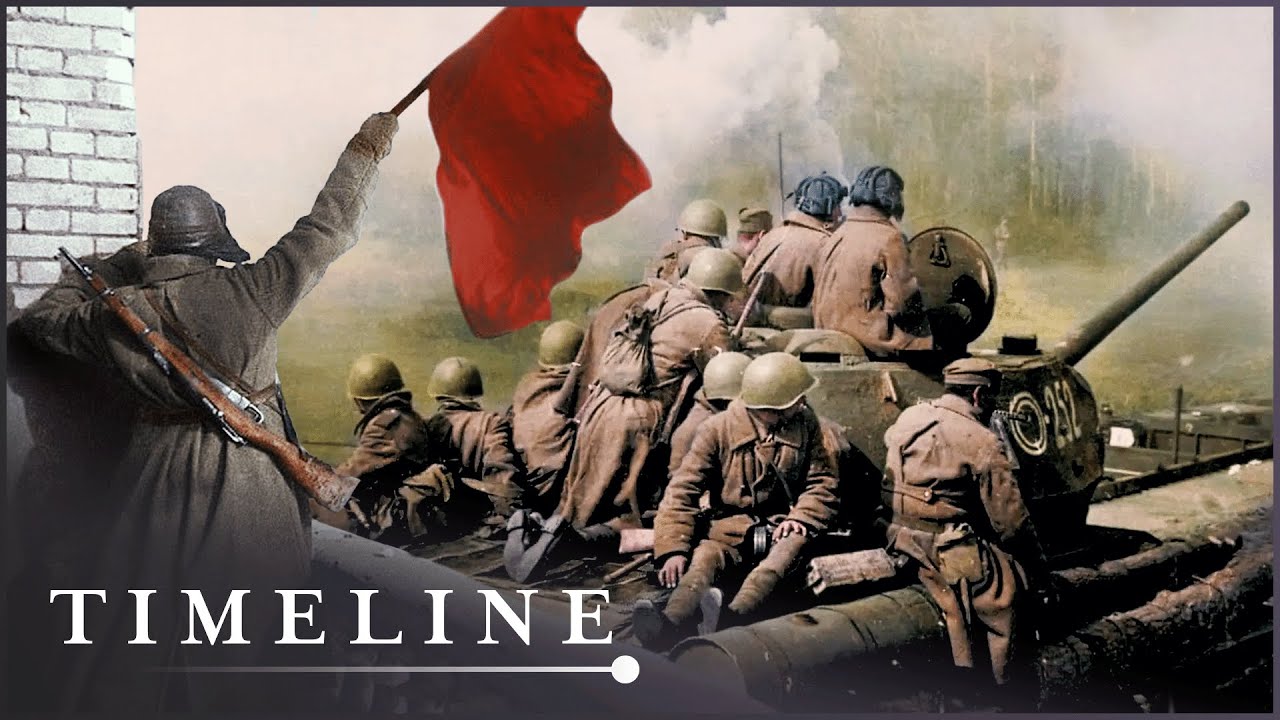
Over one million Soviet soldiers died defending Stalingrad in 1942, leading to the surrender of the German Sixth Army and a turning point in World War II.