From over 100,000 films, discover the handful you'll love.
Free or premium access to the world's largest documentary library.
22463 films(Page 154 of 468)
Gaius Julius Caesar Augustus, born as Gaius Octavius on September 23, 63 BC, became the first emperor of Rome, marking a significant shift in history.
Peter Sutcliffe, known as the Yorkshire Ripper, committed a series of brutal murders in the late 1970s, driven by deep-seated misogyny and personal trauma.
Archaeological discoveries, including a life-sized statue and richly furnished graves, reveal the transformation of the Celts from a peaceful society to a dominant warrior culture.
The Talpiot Tomb, discovered in 1980, is examined for its potential connection to Jesus of Nazareth and his family, based on scientific analysis and historical claims.
The Titanic's tragic sinking is examined through ten critical errors, from its construction to the iceberg collision near Newfoundland.
In August 1521, Spain's conquest of the Aztec Empire initiated the colonization of Mexico, yet Aztec culture endures through preserved codices and modern applications in artificial intelligence.
Osama bin Laden's life, from his Saudi upbringing to his leadership of al-Qaeda and the September 11 attacks, culminated in his death during a U.S. raid in Abbottabad, Pakistan, on May 2, 2011.
Felix Rodriguez, a top CIA agent, undertook a high-stakes mission to eliminate Che Guevara, whose revolutionary plans threatened U.S. interests in Latin America.
53 people appear in a painting commemorating Queen Victoria's golden jubilee, representing her extensive family that influenced European royal politics.
After Jesus Christ's death, the Twelve Apostles undertook the mission of spreading Christianity, traveling to various regions to preach his teachings.
In 1966, Frank Lee began screening Shaw Brothers films in Manhattan, targeting an audience of about 30,000 Mandarin speakers in the area.
Ancient Egypt's towering obelisks, traditionally viewed as monuments to pharaohs, are examined for their potential technological purposes in this episode.
The North African Campaign featured significant tank battles between Erwin Rommel and Bernard Montgomery, highlighting the Tiger, M4 Sherman, and Churchill tanks.
General Montgomery's strategic decisions during the North African campaign, particularly at the Battle of El Alamein, significantly shifted the momentum against Axis forces.
Mayan prophecies surrounding the December 21, 2012, "Doomsday" are examined through the history of the Aztec and Mayan Calendars in the Yucatan Peninsula and Guatemala.
A 12-inch mummified creature, believed to have been caught by a fisherman in the Pacific Ocean in the 1700s, is examined by scientists in Japan.
A knife attack in Victorian Manchester left a teenage gang member fatally wounded, marking a turning point in the city's gang violence.
Two World War II veterans from opposing sides revisit the battlefields of their past in a series that highlights their personal experiences and reflections.
Britain's first double henge near Stonehenge, a Bronze Age village, and the first Roman siege highlight significant archaeological findings across ancient sites.
Eva Braun's influence and role within Adolf Hitler's inner circle and the dynamics of the Third Reich are examined through historical analysis and expert commentary.
Daniel Harold Rolling, known as the Gainesville Ripper, murdered five students in Florida in 1990 and was later idolized by Bryan Kohberger, the Idaho Murders suspect.
Ben Cropp, a renowned treasure hunter, explores the west coast of Australia, revealing its maritime history and the thousands of shipwrecks still submerged.
New Zealand's unique biodiversity, including the flightless kiwi and kakapo, is explored through its geological history and evolutionary connections to Australia.
Armenia's population totals 10 million, with 3 million residing in the country and the rest spread across 120 nations worldwide.
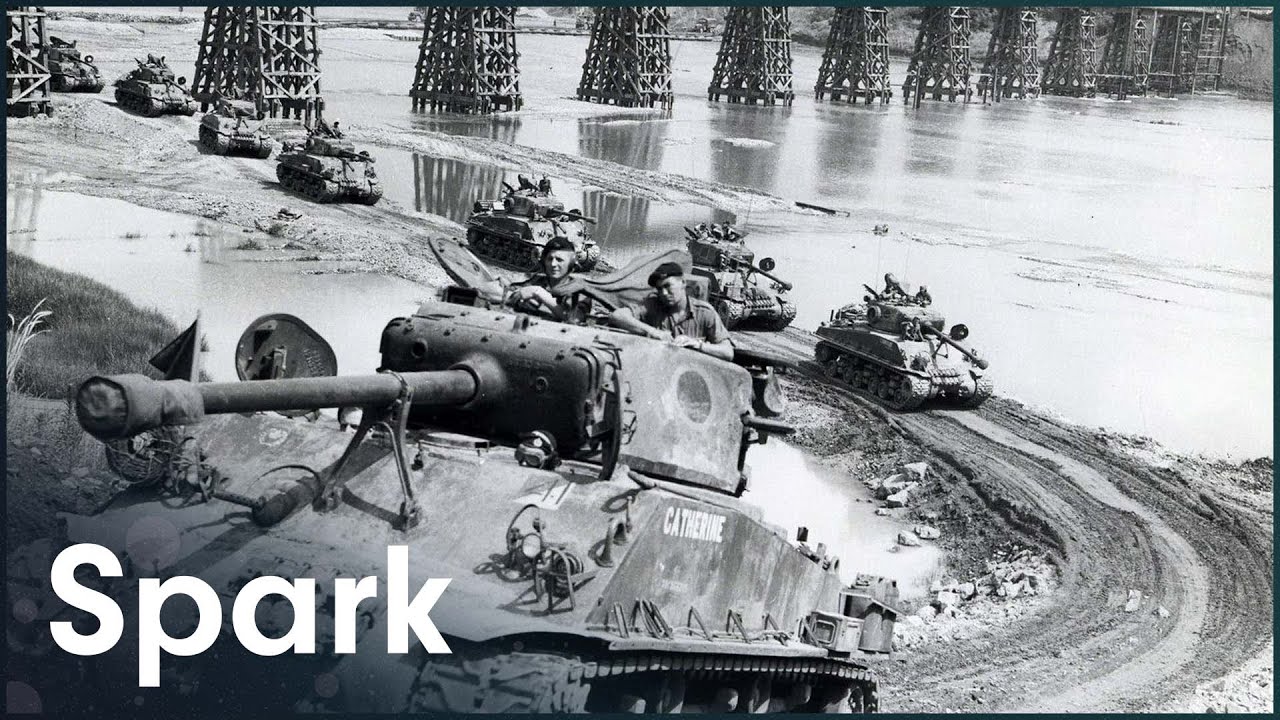
Over 120,000 North Korean soldiers and more than 1,100 heavy guns launched a surprise attack on South Korea in June 1950.
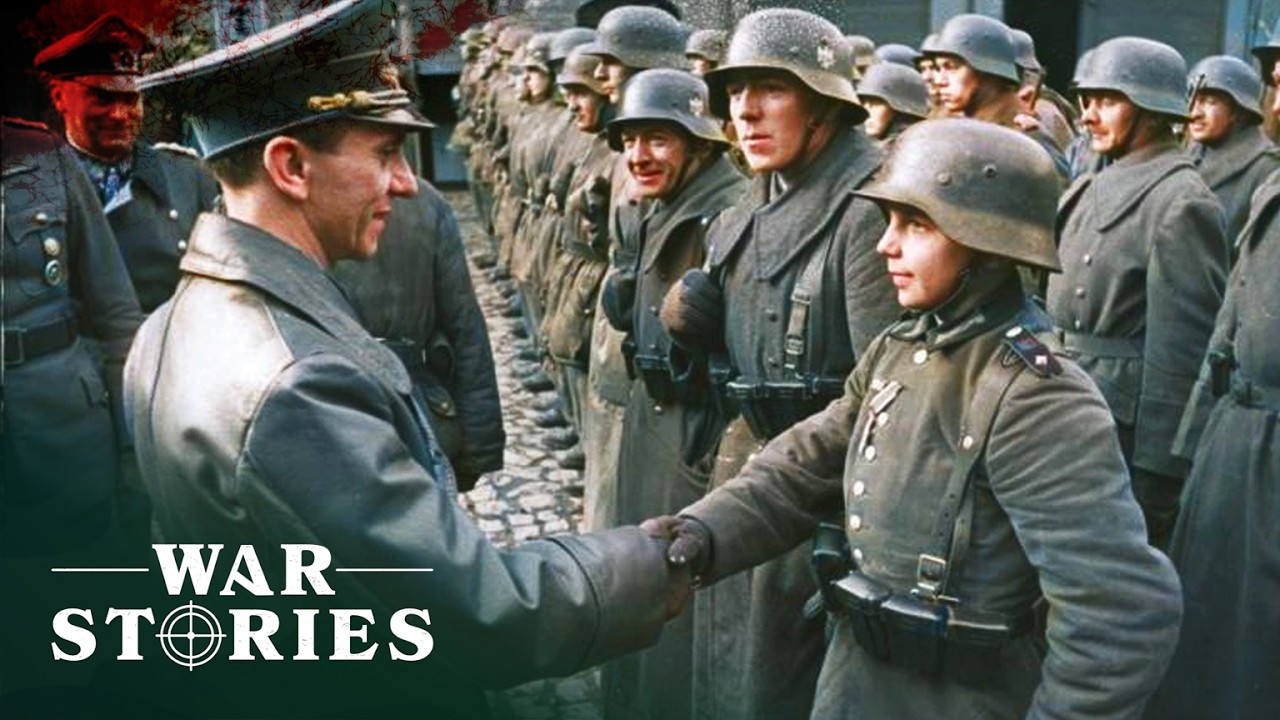
In the final days of World War II, the Hitler Youth were deployed as child soldiers in desperate battles, revealing the tragic consequences of indoctrination and warfare.
Professor Nick Eyles explores the Pacific Ring of Fire, revealing the science behind its active volcanoes, tectonic plates, and the history of mega-quakes.
Tanzania's Swahili Coast features the Zanzibar archipelago, known for its rich heritage, 13th-century mosques, and stunning natural landscapes.
More than 60,000 Canadians died in World War I, and in July 1936, the largest peacetime armada in Canadian history sailed to honor their sacrifices.
A thousand Monegasques celebrate the annual Sainte-Dévote festival, honoring the patron saint with a procession and the burning of a boat.
The Blue Bell Hill Hitchhiker, a ghost associated with the tragic 1965 car accident that killed 22-year-old Susan Browne and her bridesmaids, has become a prominent figure in UK folklore.
Pablo Escobar, the world's most wanted drug lord, was relentlessly pursued by Colombian police and American agencies in a high-stakes manhunt across Colombia.
Twelve Americans walked on the moon during six successful Apollo missions, marking a significant achievement in the Cold War space race.
455 years before the birth of Christ, Athens and Sparta engaged in a bitter feud that would lead to the devastating Peloponnesian War.
Satellites revolutionize communication and influence society through jets and computer games.
Fossilized dinosaur footprints found by a palaeontologist in the 1960s suggest a dramatic hunt and kill, revealing a one hundred million year old battle.
The Peterloo Massacre of 1819 saw a peaceful gathering in Manchester turn deadly when a militia charged into the crowd, resulting in numerous injuries and fatalities.
After World War II, American forces at the Attichy POW camp in France implemented a controversial program to rehabilitate former members of the Hitler Youth.
More than 10 million men lost their lives in World War I, setting the stage for Britain's fierce determination to defend against tyranny in World War II.
Montana's Glacier National Park is examined for claims that Nazi scientists built an underground base there, potentially housing advanced technology and Adolf Hitler.
Augustus, Rome's first true Emperor, manipulated the aftermath of Julius Caesar's assassination to consolidate his power and reshape the ancient world.
Half a million people live in Macao, a former Portuguese colony known for its unique blend of cultures and status as the Las Vegas of Asia.
6,300 WWII shipwrecks, many leaking oil, pose a significant environmental threat, prompting urgent research and monitoring efforts across global coastlines.
Canadian tankers of the Royal Canadian Armoured Corps played a crucial role in liberating Italy from Nazi occupation during World War II.
Two F-4 Phantom fighters engage in a dogfight with MiG-21s over Phuc Yen Airfield, demonstrating the tactical challenges of aerial combat.
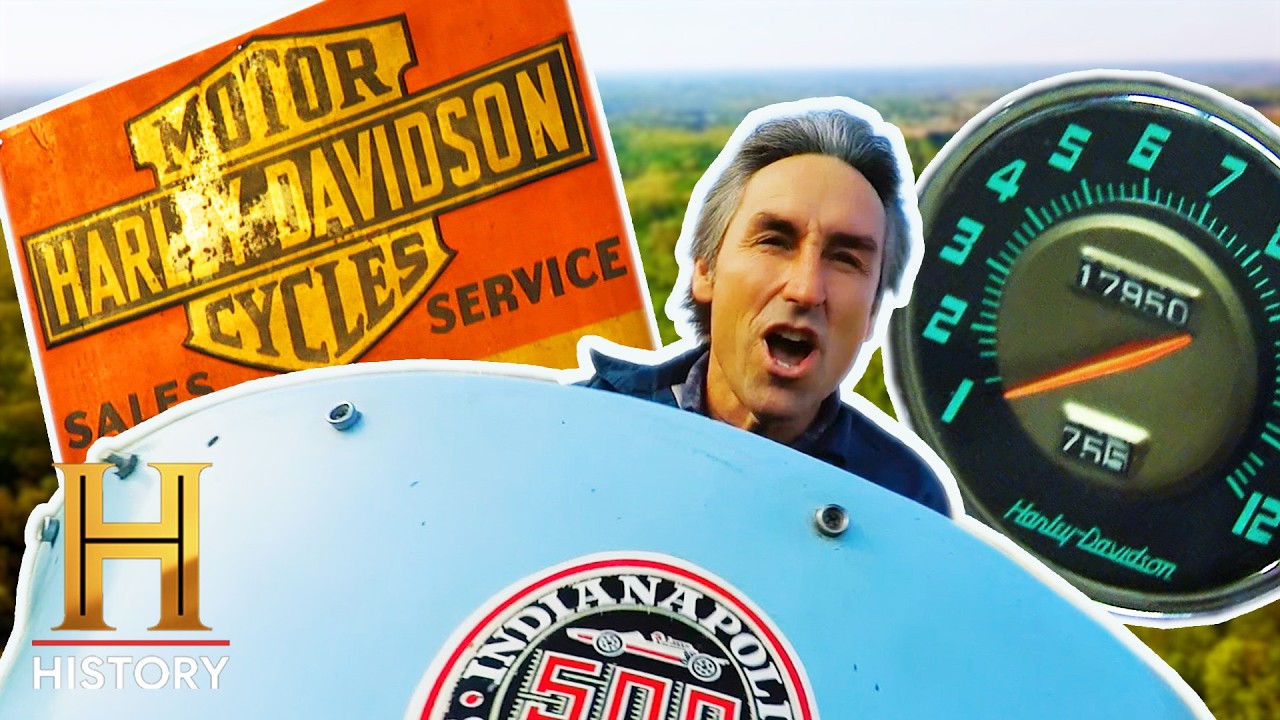
Mike Wolfe and Frank Fritz travel across the United States in search of rare and vintage Harley-Davidson motorcycles, showcasing classic bikes and forgotten parts.
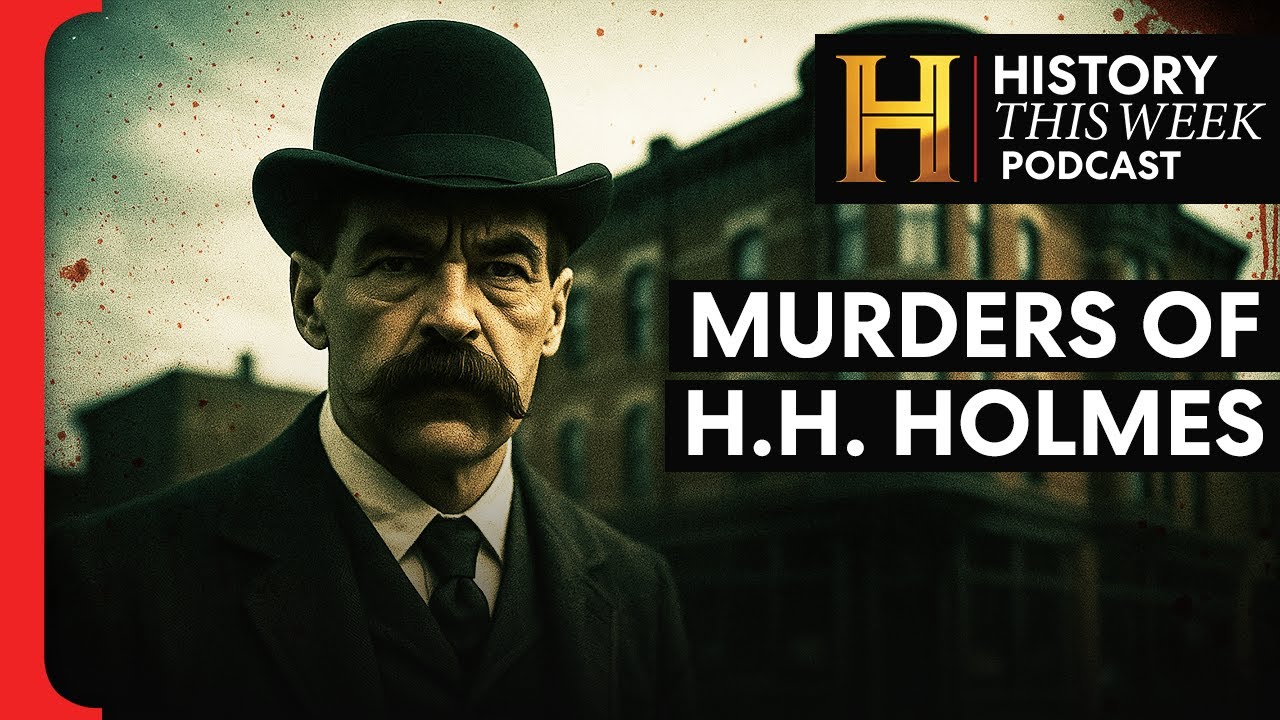
Sixty potential jurors gather in a Philadelphia courtroom on October 28, 1895, to vet their opinions on the guilt of H.H. Holmes, accused of murder.
Syria's young ruler Bashar al Assad faces domestic fears of becoming a target in the US-led war on terrorism while navigating the global economy.