From over 100,000 films, discover the handful you'll love.
Free or premium access to the world's largest documentary library.
22463 films(Page 90 of 468)
Itamar Ben Gvir and Bezalel Smotrich, key figures in Netanyahu's far-right government, are reshaping Israel through radical policies aimed at imposing Jewish supremacy and annexing territories.
In July 1992, all but three defendants in the Oka trial were acquitted, with the federal and provincial governments incurring costs exceeding $155 million.
School segregation in America resurges decades after the landmark Brown v. Board of Education decision, highlighting ongoing racial divides and community efforts for separate schooling.
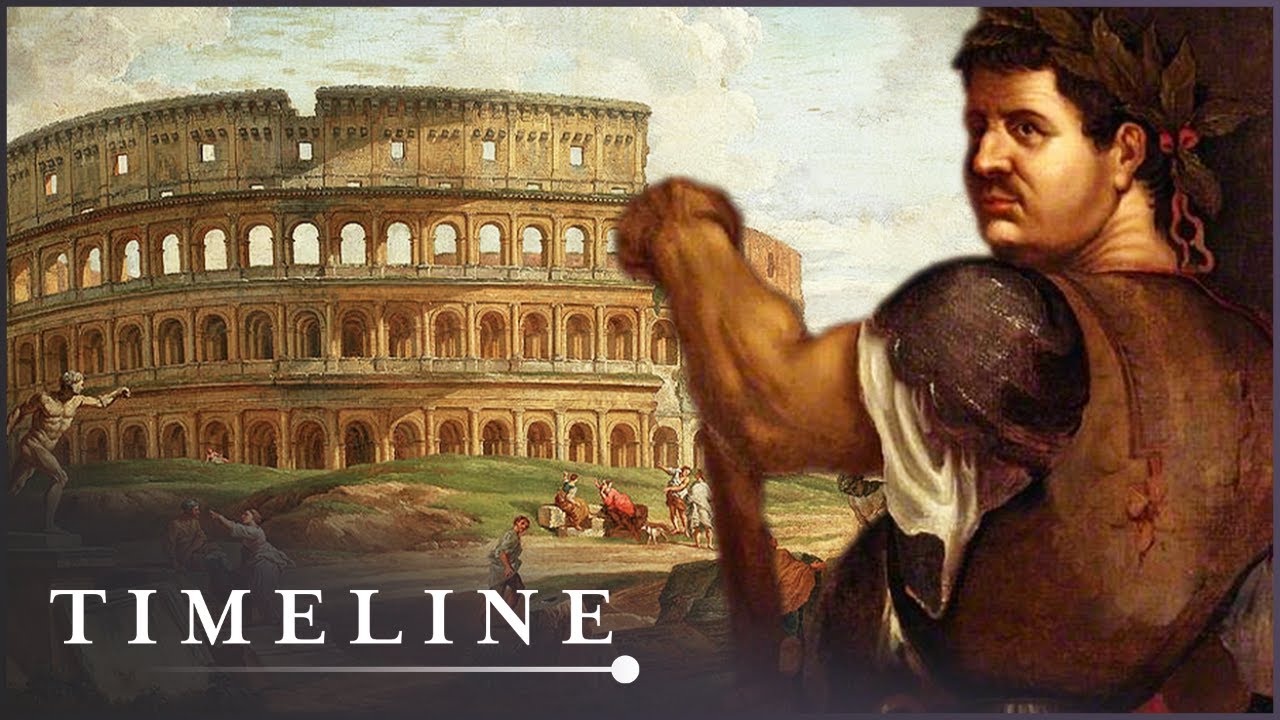
A budget of 25 million Euros is allocated for the restoration and preservation of the Colosseum's facade and interior.
Volcanoes have shaped life on Earth for four billion years, destroying empires and civilizations.
On August 20, 1940, Leon Trotsky is attacked in his study in Coyocan, Mexico, by a Stalinist agent wielding an ice axe.
Black Watch Snipers chronicles the experiences of an elite Canadian sniper unit during World War II, highlighting their pivotal role in the months after D-Day.
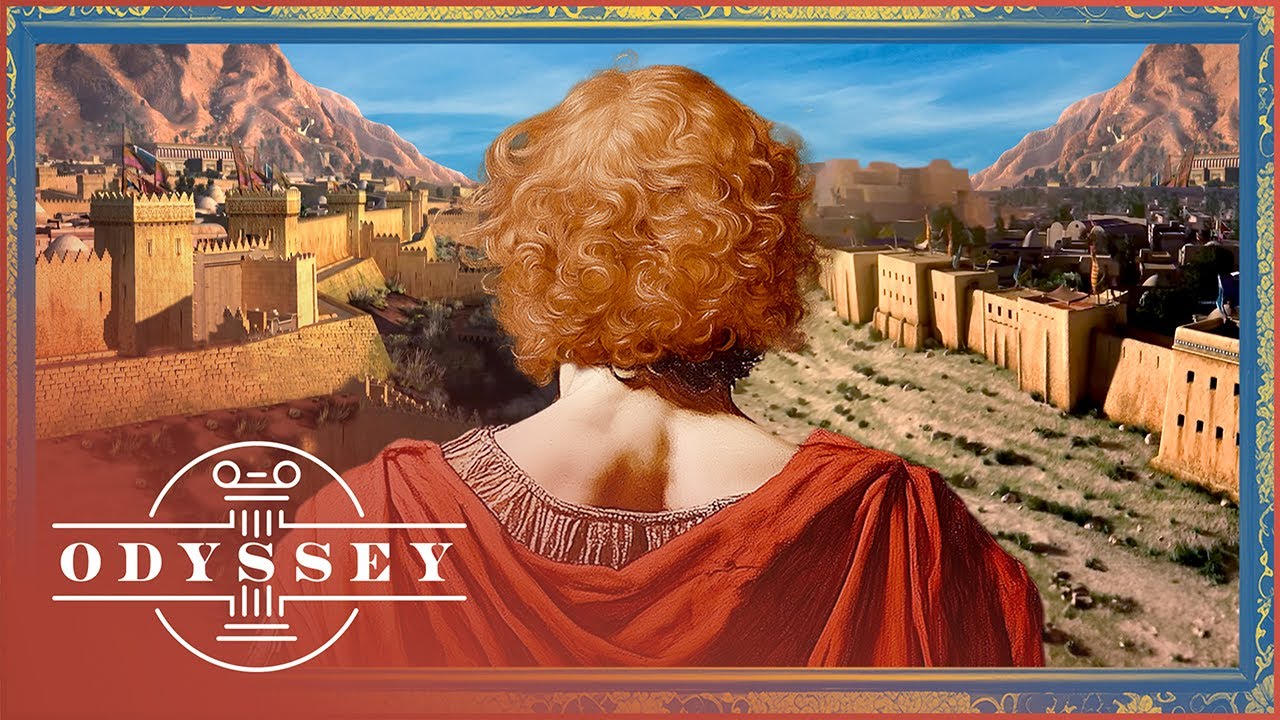
Alexander the Great's conquest through the Persian Empire and into India is explored alongside the remnants of ancient civilizations that shaped this region.
Over 6,000 tanks participated in the Battle of Kursk in July 1943, marking the largest tank battle in history and a turning point in World War II.
Dr. Joanne Fletcher studies three mummies from Ancient Egypt, including one woman whose coffin is described as a "fantastic preservation" after 3,000 years.
On November 30, 1934, the Flying Scotsman became the fastest steam locomotive in the world by reaching a speed of 100 miles per hour.
As the Battle of Stalingrad intensified, German soldiers faced severe hardships, including frostbite, starvation, and dwindling supplies, while their morale plummeted.
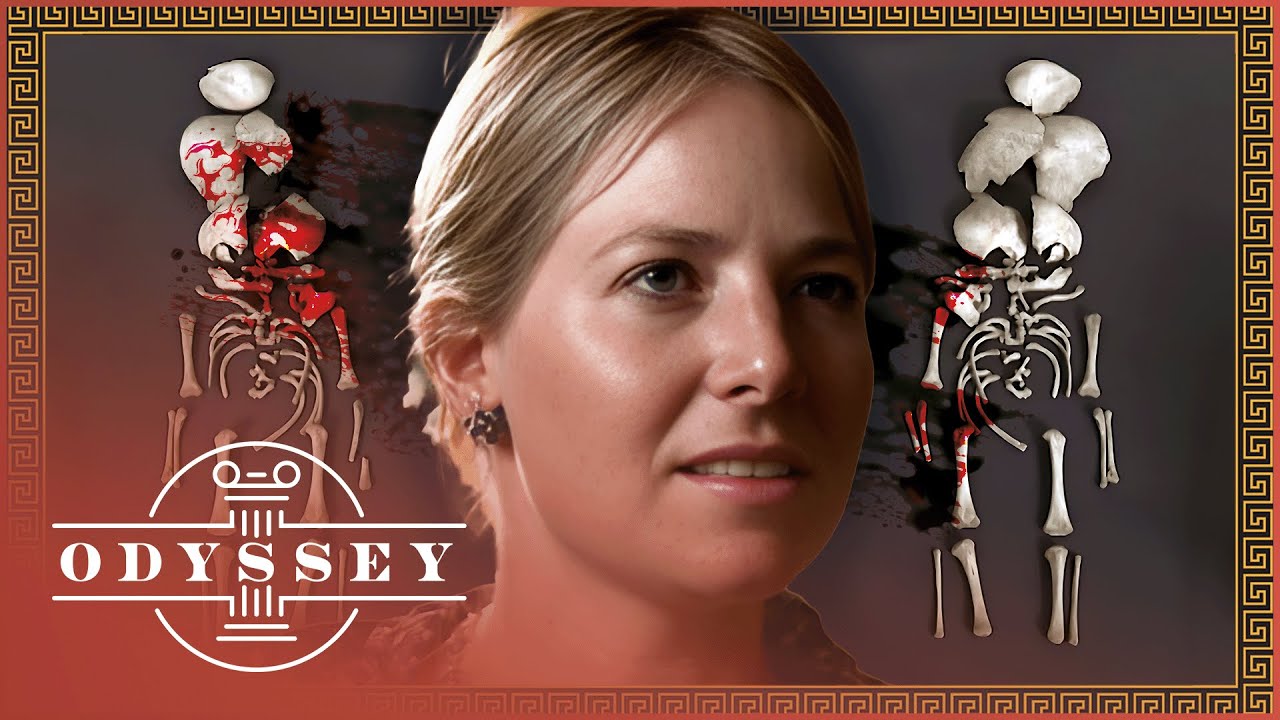
In rural Devon, 97 baby skeletons and a Roman cult figure were found buried near the Thames, revealing insights into ancient burial practices.
Historian James Holland retraces the pivotal events of the Allied invasion of Italy in 1943, highlighting its significance in World War II.
In the Yorkshire Dales, Chris and Barbara Bradley's farm reveals evidence of a medieval estate linked to Fountains Abbey, highlighting 1,000 years of agricultural history.
Marty and Rick Lagina investigate the mystery of buried treasure on Oak Island, Nova Scotia, using advanced technology and historical research to explore various theories.
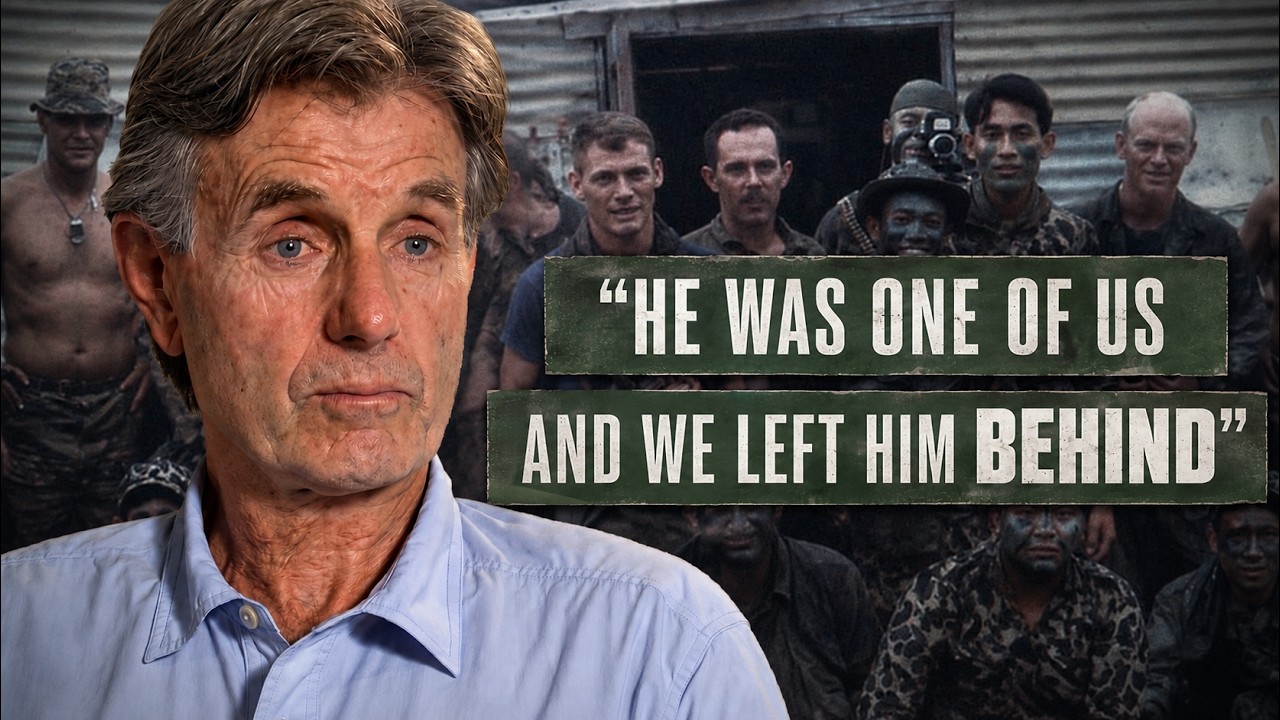
In 1975, a US Navy SEAL platoon left their interpreter Minh behind in Vietnam, prompting veterans decades later to search for him and confront their past.
Francis 1st, son of Charles of Angoulême, becomes King of France in 1515 and reforms the state.
Peter Sutcliffe, known as the Yorkshire Ripper, terrorized North England from 1975 to 1981 with a series of brutal murders before his eventual capture.
A young Bedouin shepherd discovered the first Dead Sea Scrolls in 1947, leading to a frenzy of scroll hunting and the search for hidden treasures.
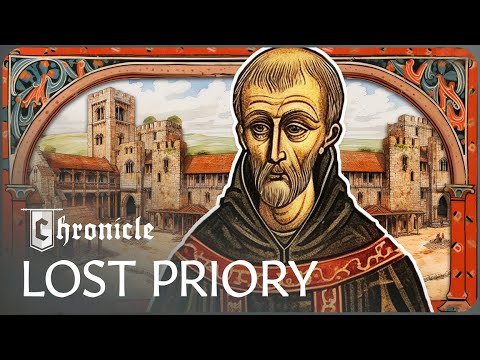
In Blythburgh, Suffolk, a family's discovery of human skulls in their potting shed leads Tony Robinson and Time Team to investigate a hidden 12th-century Norman priory.
An atomic cloud rose over the Nevada desert on May 19, 1953, spreading nuclear fallout across much of the United States and affecting nearby communities.
William Marshall, a landless squire who became the Regent of England, played a crucial role in shaping British democracy and defending the royal line during the 13th century.
The Battle of Goose Green, a pivotal engagement in the 1982 Falklands War, is examined through uncensored footage and firsthand accounts of the intense combat.
Kurdish guerrilla fighters in the PKK reveal their lives, philosophies, and struggles in secret camps, highlighting a decades-long conflict with the Turkish state.
Operation Barbarossa, launched by Nazi Germany in June 1941, is chronicled through rare footage and personal accounts, highlighting the Eastern Front's early brutality.
In April 1945, Adolf Hitler reflects on the strategic blunders that led to his downfall as the Red Army and Western Allied forces close in.
In 1939, Germany deployed 1,200 Panzer I tanks, which were originally designed for training and lacked the firepower to engage enemy armor effectively.
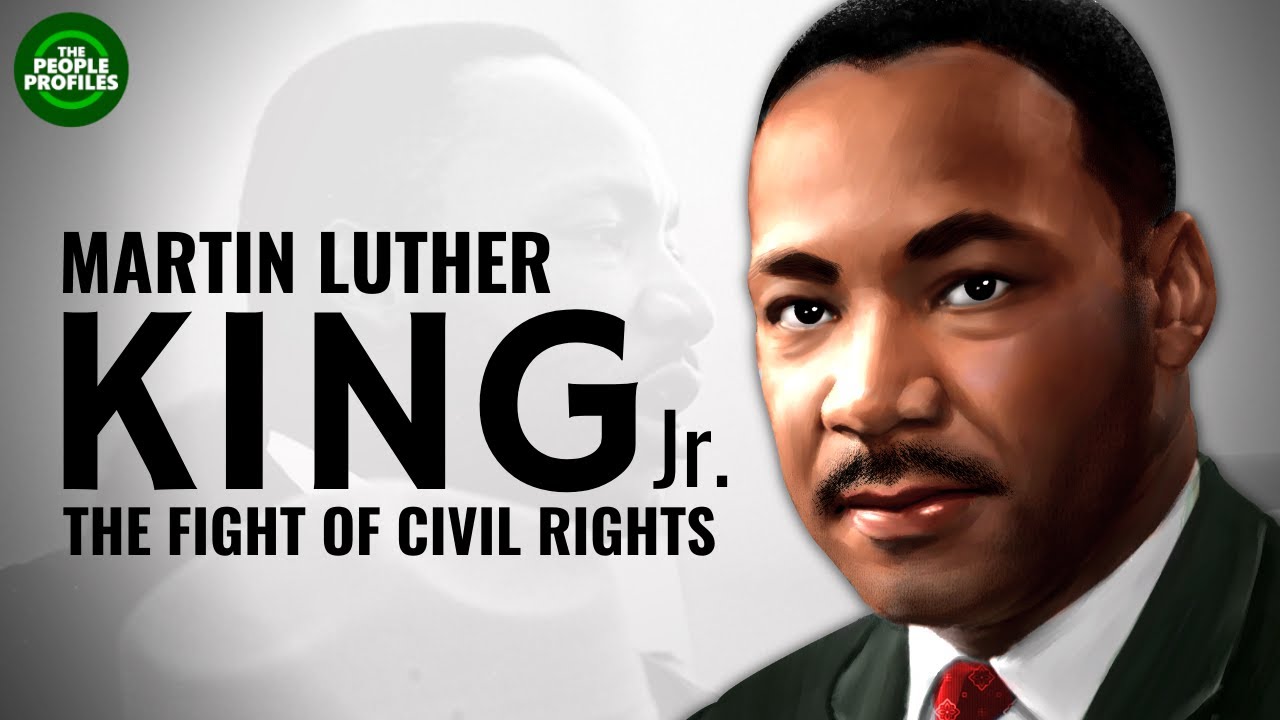
On August 28, 1963, Martin Luther King Jr. delivered his famous "I Have a Dream" speech to a crowd of 250,000 people at the National Mall in Washington, D.C.
Auschwitz could incinerate several thousand people in just 24 hours, raising urgent questions about the Allied response to the Holocaust in 1944.
Marion Davies, a pioneering screwball comedienne in early Hollywood, is remembered through interviews and archival footage that detail her legacy and ties to William Randolph Hearst.
Ray Mears investigates the historical roots of Robin Hood, exploring landscapes and records to determine if the legendary outlaw was a real person or a symbol of justice.
In the final weeks of World War II, American soldiers experienced intense combat in Nuremberg and participated in the liberation of Dachau concentration camp.
More than 25 families bury their loved ones at Arlington National Cemetery each day, a site that has served as a final resting place since the Civil War.
A terrorist monitoring program was discontinued just weeks before the September 11 attacks, raising concerns about the effectiveness of U.S. intelligence operations.
Over 85 million people live in Türkiye, a nation shaped by its founding in 1923 and its ongoing political, social, and economic developments.
Benito Mussolini's ascent as a journalist and leader of the National Fascist Party in Italy is examined alongside the violent collapse of his regime.
On October 7, 2023, Gaza launches an unexpected attack that shakes Israel's security.
Paleontologists explore the early discoveries of dinosaurs, examining fossil evidence and the scientific advancements that shaped our understanding of these ancient reptiles.
Viewers explore the famous secret military base, Area 51, and its outrageous claims.
The Federal Bureau of Investigation's crime laboratory is explored, revealing its critical role in solving high-profile cases and advancing forensic science.
Ernest Shackleton was born on February 15, 1874, in Kilkea, County Kildare, before embarking on a career as a mariner and explorer.
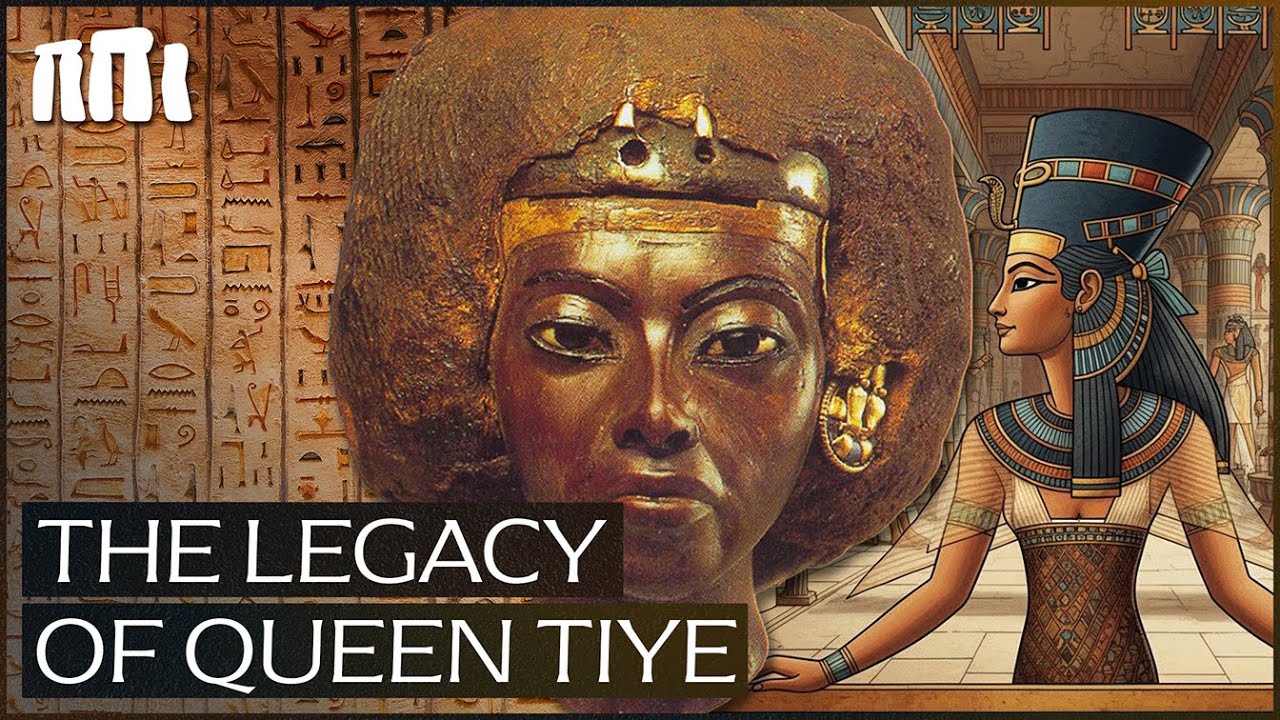
Queen Tiye of Ancient Egypt, wife of Pharaoh Amenhotep III, wielded significant political power and crafted a lasting legacy as a public figure over 3,000 years ago.
Raymond Edmunds, known as 'Mr. Stinky,' was a notorious rapist and murderer in Victoria, Australia, whose crimes spanned over two decades.
Operation Barbarossa, Hitler's 1941 invasion of the Soviet Union, failed due to strategic blunders and the impact of Stalin's purges on the Red Army.
Life for pirates during the Golden Age of Piracy was shaped by harsh conditions at sea, complex trade networks, and the notorious figures that defined the era.
Elvis Presley’s years in Las Vegas highlight the complexities of his rise to fame, featuring insights from associates like Sonny West and Jerry Schilling.
Java, home to 140 million people and 40 volcanoes, showcases Indonesia's rich diversity through its vibrant traditions and numerous dialects.