From over 100,000 films, discover the handful you'll love.
Free or premium access to the world's largest documentary library.
22463 films(Page 237 of 468)
Anders Breivik, a privileged Norwegian, transformed into a racist right-wing extremist who targeted children during the 2011 Utøya massacre.
In 1864, two newspapers falsely attributed a conscription call to President Abraham Lincoln, leading to chaos in New York and a crackdown on the press.
Ann Whelan's two-decade campaign to exonerate her son Michael Hickey leads Professor David Wilson to investigate inconsistencies in Bert's alibi regarding the murder of Carl Bridgewater.
Historic firearms researcher Joel Boy discusses live fire demonstrations of muskets and rifles at Fort Ticonderoga in preparation for the 250th anniversary of the Revolutionary War.
Art from Santa Fe, New Mexico showcases the region's rich cultural heritage and its influence on American art through diverse styles and historical contexts.
The early months of World War 2, from late 1939 to mid-1940, highlight the "Phoney War," the invasion of Norway, and Germany's rapid victories in France and the Low Countries.
Madagascar's political turmoil escalates as President Ravalomanana faces violent protests and a coup attempt led by former DJ Rajoelina amid accusations of corruption.
Lady Bird Johnson recorded 123 hours of audio diaries that reveal her role as a trusted advisor and active participant in her husband's presidency.
Valery Jarantsev, captain of the Russian trawler Elektron, abducted two Norwegian officials for five days while evading capture in the Barents Sea.
Winston Churchill's leadership during the critical days of May 1940, from Dunkirk to the London Blitz, shaped Britain's resistance against Nazi Germany.
In April 1851, the Fugitive Slave Act transformed Boston into a battleground for freedom seekers like William Parker, who organized resistance against slave catchers.
Suez Canal expansion and the construction of the Meraviglia cruise ship showcase groundbreaking engineering feats that transformed maritime capabilities and technology.
Mahmoud Ahmadinejad's presidency in Iran is marked by controversial nuclear policies and economic challenges, leading to mixed public sentiment and political instability.
African American women played a crucial role in the suffrage movement, facing significant barriers while advocating for their right to vote, as discussed by experts at the National Archives.
Robert Scheer's six-decade career as a muckraking journalist includes his work with the radical magazine Ramparts, the Los Angeles Times, and Truthdig.
Canada's pivotal involvement in the Korean War shaped the nation's identity and played a crucial role in defending South Korea against Communist forces.
Mennonite identity and heritage are explored through personal narratives and cultural reflections in this insightful examination of faith and lifestyle.
In May 1941, Liverpool endured eight days of intense Luftwaffe bombing, resulting in significant civilian casualties and highlighting the city's resilience amid devastation.
Queen Elizabeth II was born in 1926 and has faced numerous challenges, including family scandals and the pressures of modern monarchy during her 70-year reign.
Operation Mincemeat, a World War II deception strategy, reveals a hidden sinister secret about the corpse that was central to its success.
Between 400 and 500 Canadian and British soldiers sought refuge in a newly discovered underground cavern near Vimy Ridge during World War I.
In 1915, German agents, led by Paul Hilken in Baltimore, executed sabotage missions to disrupt British supply lines during World War I.
Churchill Mansion, a century-old private inn, is investigated for its haunted history, potentially linked to its influential owner and his troubled niece.
Over one million children have been adopted by Western families in the last 60 years, often stemming from political upheaval and exploitation in Africa.
A Japanese broadcast from 1944 features music, war news, and commentary by Iva Toguri D’Aquino, infamously known as "Tokyo Rose."
On April 16, 1862, President Abraham Lincoln signed the DC Emancipation Act, granting immediate freedom to enslaved individuals in the district.
Garri Urban, a Holocaust and Gulag survivor, revisits the sites of his past traumas and triumphs in a reflective exploration of memory and resilience.
Sugar cartels have a complex history rooted in slavery and continue to wield significant political influence in contemporary society.
Cleveland National Forest is examined for reports of ghostly figures, strange creatures, and theories of dimensional portals linked to its violent history.
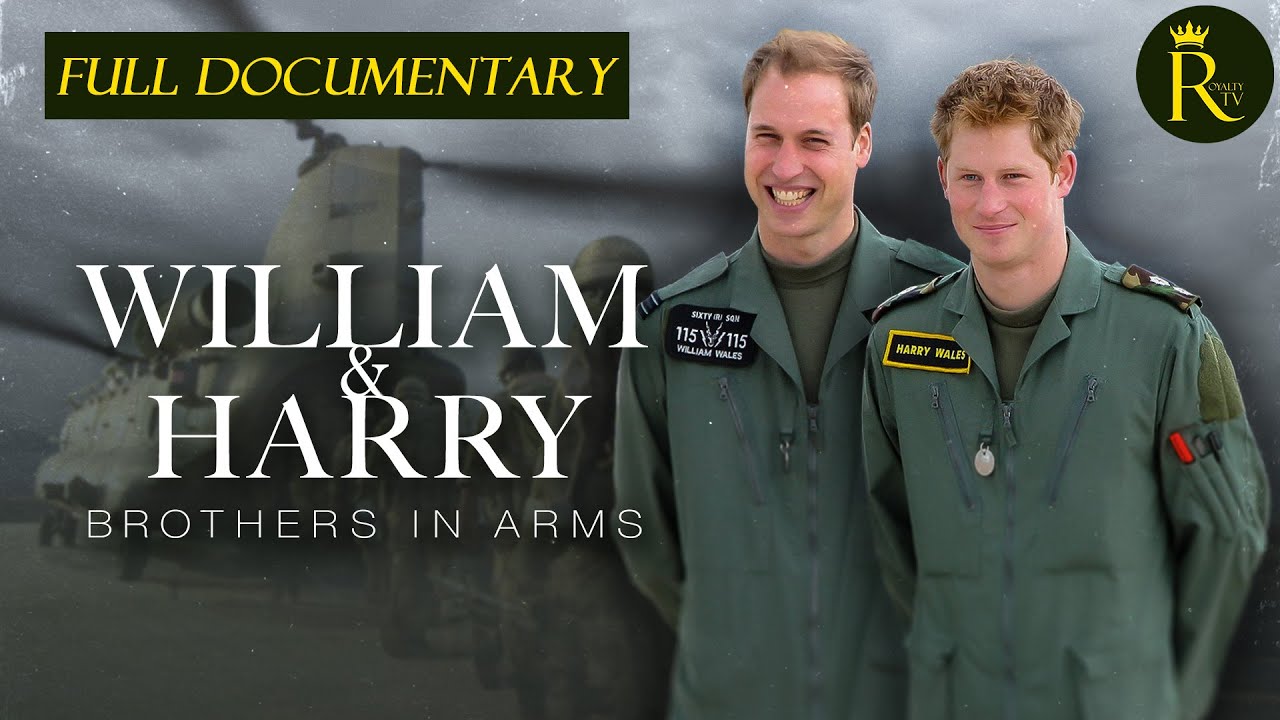
Prince William and Prince Harry navigate the complexities of royal life and public perception while honoring their mother, Princess Diana's legacy.
Amusement parks have a long history of thrilling rides, but even minor flaws can lead to catastrophic accidents, as explored in this examination of roller coaster incidents.
In 1969, Richard Nixon and Henry Kissinger implemented a secret global nuclear alert as part of their coercive diplomacy strategy to expedite the end of the Vietnam War.
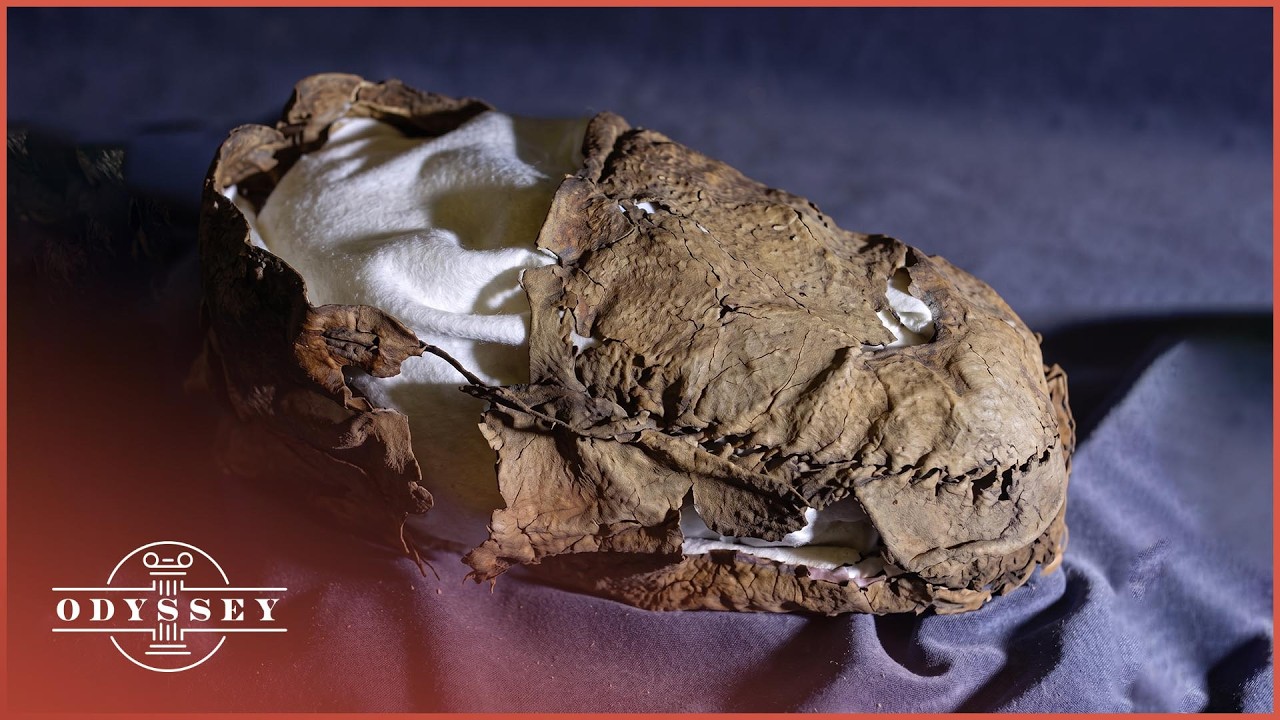
Ancient ice patches in the Yukon and Norway are revealing well-preserved artifacts and human remains, prompting archaeologists to collaborate with local communities.
A deteriorating graveyard of World War II ships in Chuuk, Micronesia, threatens to release millions of litres of crude oil, endangering marine life and local livelihoods.
Nationalist sentiments in Peru are rising as citizens, frustrated by economic hardships and foreign influence, rally behind radical groups advocating for indigenous rights.
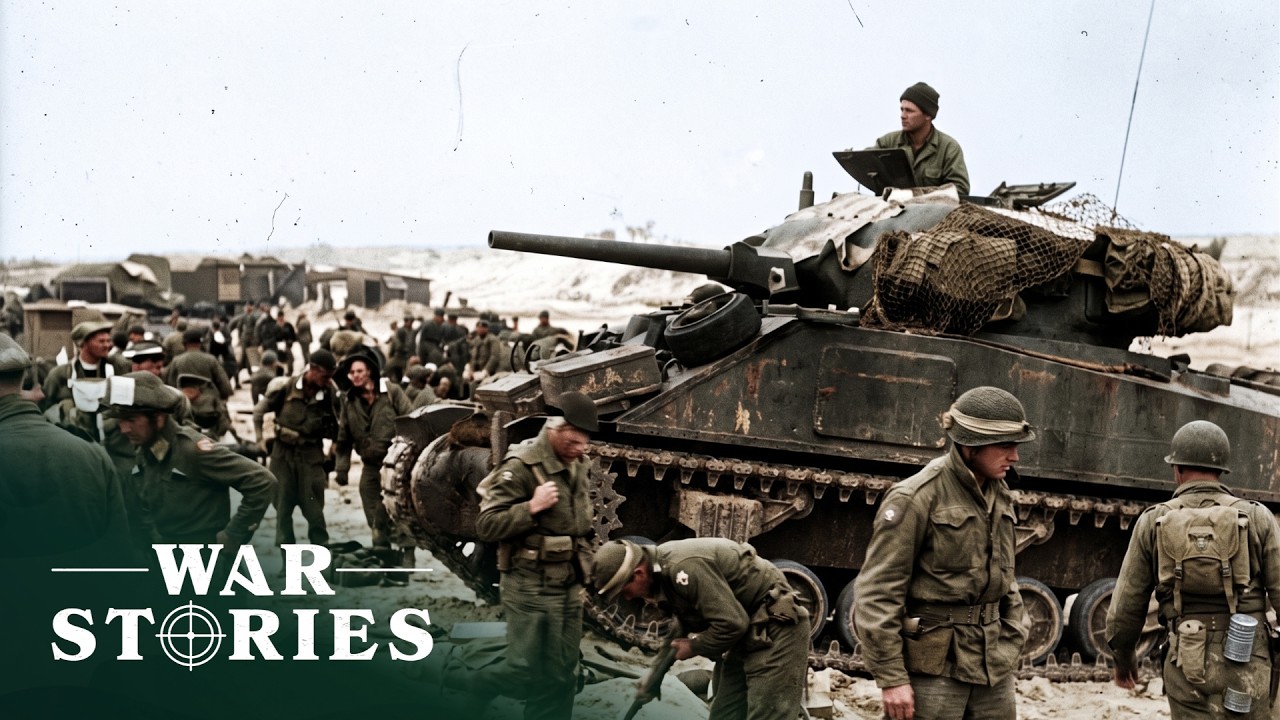
Operation Overlord, launched on June 6, 1944, was a pivotal military campaign that included the deception of Operation Fortitude and the brutal assault on Omaha Beach.
Coca, revered by Andean peoples as a sacred leaf for healing and cultural practices, contrasts sharply with its global perception as merely a source of cocaine.
The United States Army Air Forces played a crucial role in World War II, executing strategic missions that paved the way for D-Day and air superiority.
Seven women describe their experiences with illegal abortions before the 1973 Roe v.
Nazi Germany's strategic failures in the Battle of Britain are examined through the lens of air campaigns, aircraft engineering, and the Royal Air Force's resilience.
Donald Trump's political resurgence is examined alongside the influence of billionaires, media, and family loyalty in shaping a modern American dynasty.
Moqtada al-Sadr, a hardline cleric from a revered Shia family, seeks to replace American influence in Iraq with a Shi'ite administration enforcing Sharia law.
Tom Hurndall, a British peace activist, was fatally shot by Israeli troops while attempting to rescue children in Gaza, leaving his family to seek answers.
Prince William and Princess Kate's relationship is examined through their significant moments and experiences within the British royal family.
Pope Pius XII's silence during the Holocaust and the complicity of some Catholic priests with the Nazi regime are examined in this exploration of moral ambiguity.
Brazilians faced a harsh reality during the 2014 FIFA World Cup as extravagant spending on stadiums sparked protests and revealed deep-rooted corruption.
The power struggle among Alexander the Great's generals, particularly Ptolemy and Perdiccas, erupted into civil war over the control of his corpse after his death in 323 BCE.
Cleveland Sellers discusses the misconceptions surrounding Stokely Carmichael's admiration for Dr. Martin Luther King Jr. and highlights key figures in the Civil Rights Movement.