From over 100,000 films, discover the handful you'll love.
Free or premium access to the world's largest documentary library.
22463 films(Page 191 of 468)
Stacy Keach investigates England's lost cities, unique geological formations, and sacred sites, highlighting the region's rich history and enduring mysteries.
A remote island in the South Pacific may hold clues to the Maya civilization's astronomical knowledge, as archaeologist Jim Turner investigates a massive rock formation aligned with celestial events.
Sarah Darwin and author Redmond O’Hanlon retrace Charles Darwin's 1831 voyage on the HMS Beagle, exploring its impact on modern science across multiple continents.
In medieval England, accusations of witchcraft often targeted poor, elderly women, leading to their torture and execution based on dubious evidence and societal fears.
Alina lives in Miami quietly, conflicted about her father's legacy as crowds celebrate his anticipated death.
Ancient ice patches in the Yukon and Norway are revealing well-preserved artifacts and human remains, offering insights into the lives of early peoples.
At Chantiers de l’Atlantique in Saint-Nazaire, 2,700 workers utilize advanced technology to construct some of the world's largest ocean liners and tankers.
In Season 13, Episode 21 of American Pickers, Mike Wolfe and Frank Fritz find a garage filled with vinyl records and a rare pinball machine.
The first Triumph motorcycle rolled off the production line in 1902, marking the beginning of a legacy that would shape motorcycle culture for over a century.
Twenty thousand shipwrecks lie at the bottom of the Baltic Sea, including remnants of the German Hanse, a league of merchants founded around 1200 AD.
The Trojan Horse myth is reexamined through archaeological evidence suggesting it may have been a Phoenician ship or siege engine rather than a wooden animal.
Underwater espionage technology is examined through the lens of declassified government files and the innovative gadgets used in covert operations.
Biblical patriarchs and ancient Greeks are examined for their potential connections to extraterrestrial influences in Season 20, Episode 1 of Ancient Aliens.
King Leonidas I of Sparta led 300 elite warriors at Thermopylae in 480 BC, holding off the Persian army and influencing future Greek victories.
Wagner Group, a private military force, has played a crucial role in Russia's military successes while engaging in brutal tactics and disinformation campaigns across Africa.
Prophetic scholar Dr. Noah Hutchings and Ken Klein explore twenty-five Messianic signs from Hebrew prophecies that indicate the return of Christ in the Holy Land.
On July 22, 2011, Anders Breivik carried out a dual attack in Oslo and Utøya Island, resulting in the deaths of 77 individuals, primarily targeting Labour Party youth.
Explorers like Christopher Columbus and Ernest Shackleton shaped history through their daring expeditions, revealing the complexities of their motivations and legacies.
Nostradamus, a 16th-century French physician, gained fame for his ambiguous prophetic writings, particularly "The Prophecies," which continue to intrigue scholars and readers alike.
Comoro Islands, known as "the perfumed archipelago," are celebrated for their spice plantations, including cloves, nutmeg, and Ylang-Ylang, which shape their cultural heritage.
More than 20,000 prisoners died during the production of the V2 ballistic missile, a weapon developed by Nazi engineer Werner von Braun.
America's Gilded Age is illustrated through the opulent estates of Chicago, the Astor dynasty, and other architectural masterpieces that reflect elite ambition and wealth.
In 1189, the siege of Acre marked a pivotal moment in the Third Crusade, as Saladin's forces and the Crusaders engaged in a prolonged conflict lasting nearly two years.
King George VI and Queen Elizabeth's steadfast presence during World War II, including visits to bombed areas and troops in Normandy, strengthened national unity and morale.
The Berlin Wall stood for 28 years, from 1961 to 1989, symbolizing the divide between Eastern communism and Western capitalism during the Cold War.
Victory in Europe Day on 8 May 1945 marks Germany's surrender in World War II.
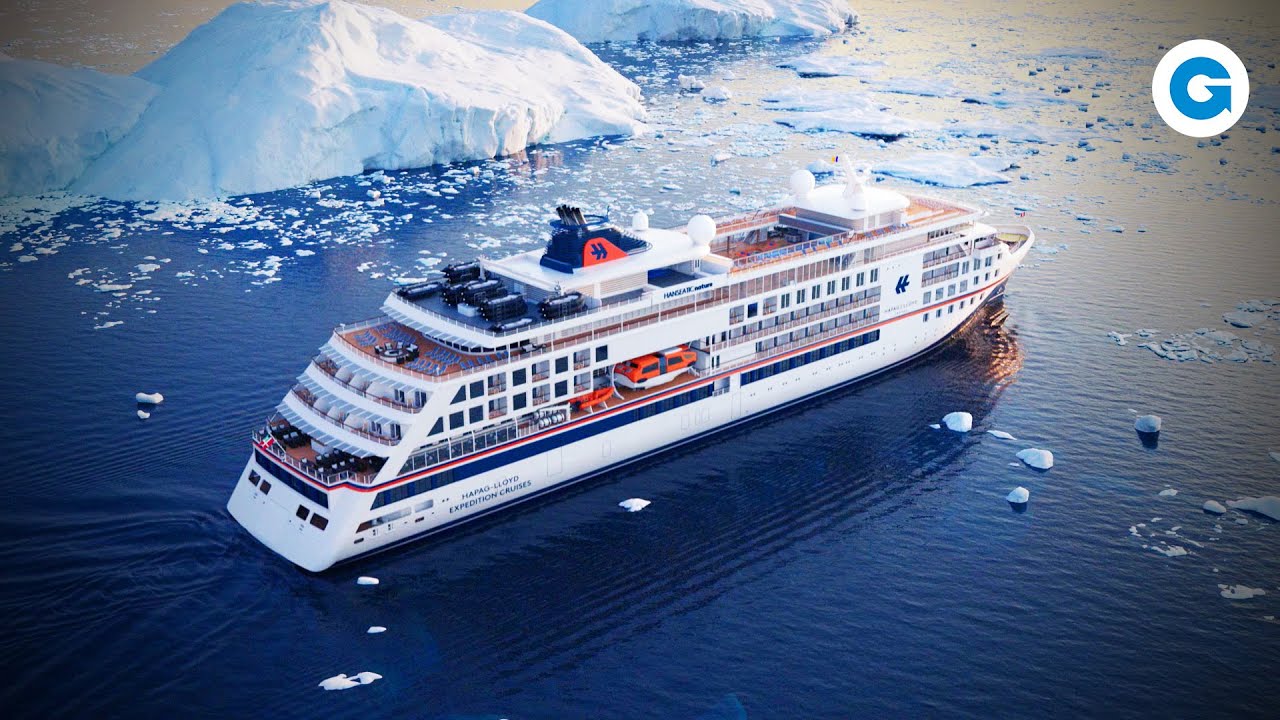
Cruise ships have transformed from mere transportation vessels into luxurious floating destinations, shaping a multi-billion dollar industry enjoyed by millions.
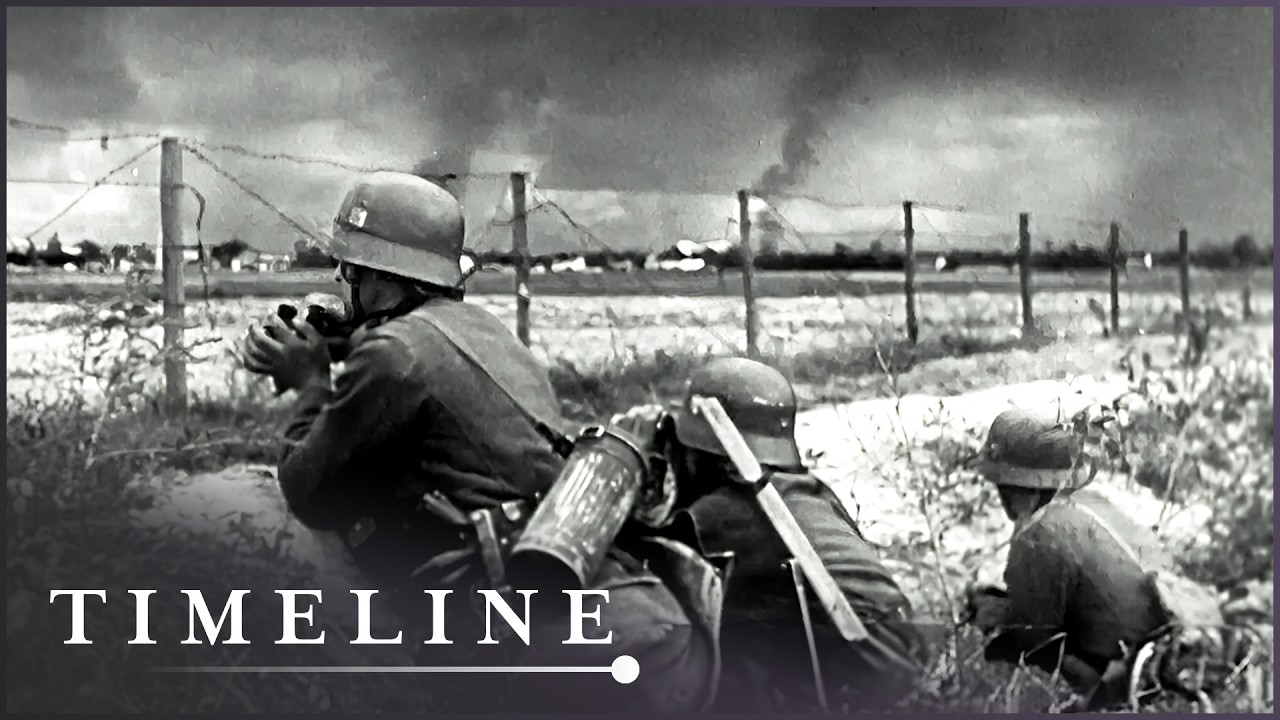
The Eastern Front of World War II highlights the brutal conflict between the Red Army and Nazi Germany, featuring key events like the Siege of Leningrad and the Battle of Stalingrad.
In 1940, the Battle of Britain marked a crucial turning point in World War II, highlighting the resilience of the British Empire against Nazi Germany's aggression.
£26 million worth of gold bullion, diamonds, and cash was stolen during the Brink's-Mat heist in November 1983, marking one of the largest robberies in British history.
South Georgia, an isolated island at the edge of the Antarctic, hosts diverse wildlife thriving in its harsh climate while reflecting on its turbulent human history.
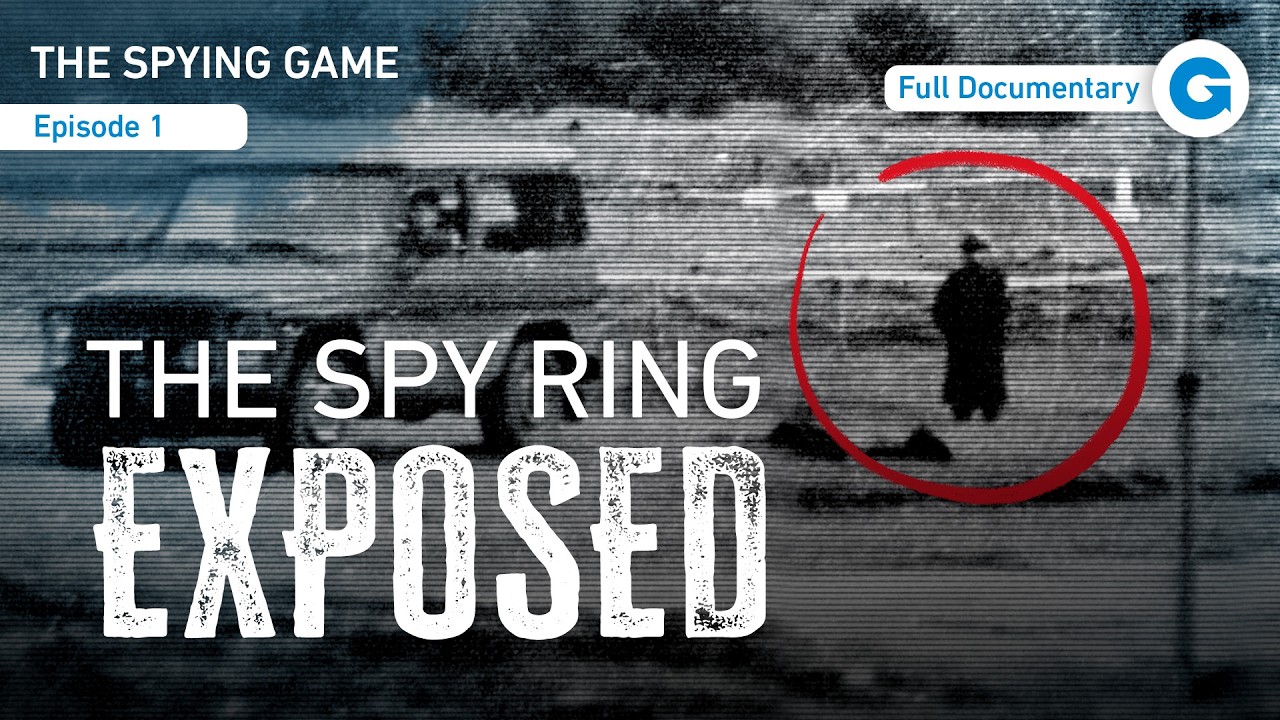
Germany served as a critical intelligence battleground during the Cold War, highlighting espionage efforts by NATO and the USSR, including the 1985 killing of Major Arthur D. Nicholson.
In 500 BC, Greek city-states revolted against Persian rule, leading to a series of battles that would alter the course of European history.
By 900 CE, the ancient Maya had largely abandoned their cities, dispersing into the rainforest and reorganizing into smaller, self-sufficient villages.
In the sixth century, Irish monk Columbanus established over one hundred centers of scholarship across Europe, influencing its spiritual and cultural landscape.
At least 300,000 people were murdered during Idi Amin's brutal rule in Uganda from 1971 to 1979, a period marked by fear and oppression.
A team of young scientists from the University of Alberta has only three weeks to excavate dinosaur fossils in Alberta's Dinosaur Provincial Park.
On February 20, 1962, John Glenn completed three orbits of the Earth in a mission that lasted four hours and 56 minutes aboard Friendship 7.
Grenfell Tower fire exposed systemic failures in safety regulations, leading to a community's fight for justice and accountability in the aftermath of tragedy.
By the time the railway was completed, only 400 of the original 1,700 British prisoners of war remained alive.
Ken Dornstein investigates the Lockerbie bombing case, tracking suspected plotters across the Middle East and Europe to seek justice for his brother's death.
China's surge in scientific innovation is transforming global fields such as medicine, robotics, and deep-sea research, shaping a future for all.
Sixty men lost their lives during the construction of the Forth Bridge, the largest bridge in the world at the time, completed in 1890.
Geological forces such as volcanic activity, erosion, and tectonic shifts have shaped iconic landscapes like the Grand Canyon, Hawaii's islands, and the Rocky Mountains.
North Yorkshire Moors Railway celebrates its 50th anniversary, highlighting the dedication of staff and volunteers who maintain this iconic heritage steam railway.
The Bismarck, Germany's mighty battleship, fails during its mission against American convoys.
Seek Kim Pua, a seemingly polite 19-year-old national serviceman, committed five brutal murders in 1983 Singapore, driven by a chilling obsession with violence.
20 million people died in World War I, leaving behind personal imprints, including the iconic poem "In Flanders Fields" by Canadian doctor John McCrae.