From over 100,000 films, discover the handful you'll love.
Free or premium access to the world's largest documentary library.
22463 films(Page 110 of 468)
Germany is defeated as the Red Army reaches the Oder and Allies capture Remagen's bridge.
John Alite, a former member of the Gambino crime family, shares his experiences as a drug dealer and informant in New York, revealing the complexities of organized crime.
Key battles of the American Civil War from 1861-1865 saw over 600,000 patriots engage in fierce combat, shaping the future of the United States.
Ancient pyramids in Antarctica are examined alongside theories of extraterrestrial encounters and the existence of forbidden caves that challenge historical narratives.
Marty and Rick Lagina continue their investigation of the buried treasure mystery on Oak Island, Nova Scotia, highlighting significant new findings and evidence.
Austrian-Hungarian adventurer Ladislaus E. Almásy conducted several expeditions in the largely unexplored regions of the Sahara during the early 20th century.
On February 1, 2003, Space Shuttle Columbia disintegrated into thousands of pieces during re-entry, killing all seven crew members aboard.
Between 1941 and 1945, German factories produced a variety of armored fighting vehicles in just a few months to meet the urgent demands of the Eastern Front.
Alfred Rosenberg, a key architect of Nazi ideology, shaped antisemitism and racial theory through his writings and policies during World War II.
Hermann Göring exemplifies the struggles of Germany's aristocracy as they aligned with the Nazis, seeking relevance in a rapidly industrializing nation.
This docuseries explores the Nazi invasion of Poland and Britain's military challenges.
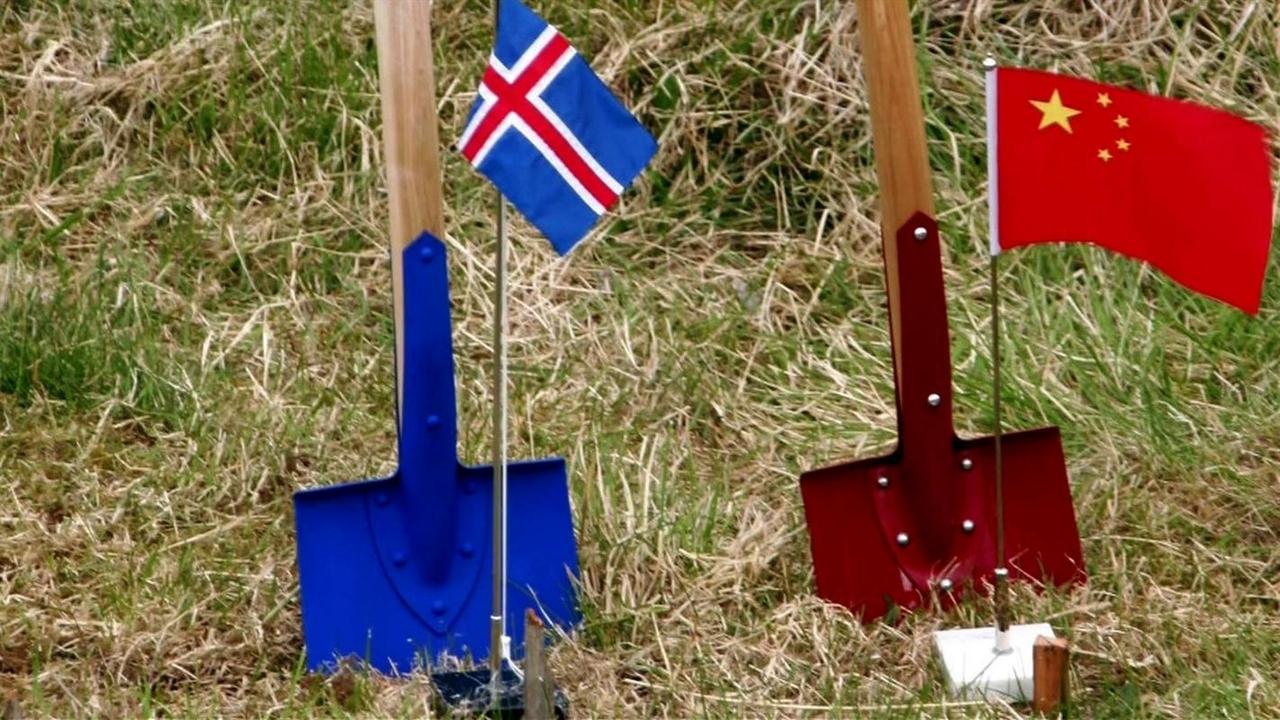
China's expansion in the Arctic region is reshaping global geopolitics, prompting nations to reassess their strategies and alliances in response.
In June 1944, Allied forces launched Operation Overlord, leading to 100 pivotal days of combat in Normandy that culminated in the liberation of Paris.
Apollo 17, the last lunar landing, took place in December 1972, marking the conclusion of NASA's Apollo Program after sending 24 men to the Moon.
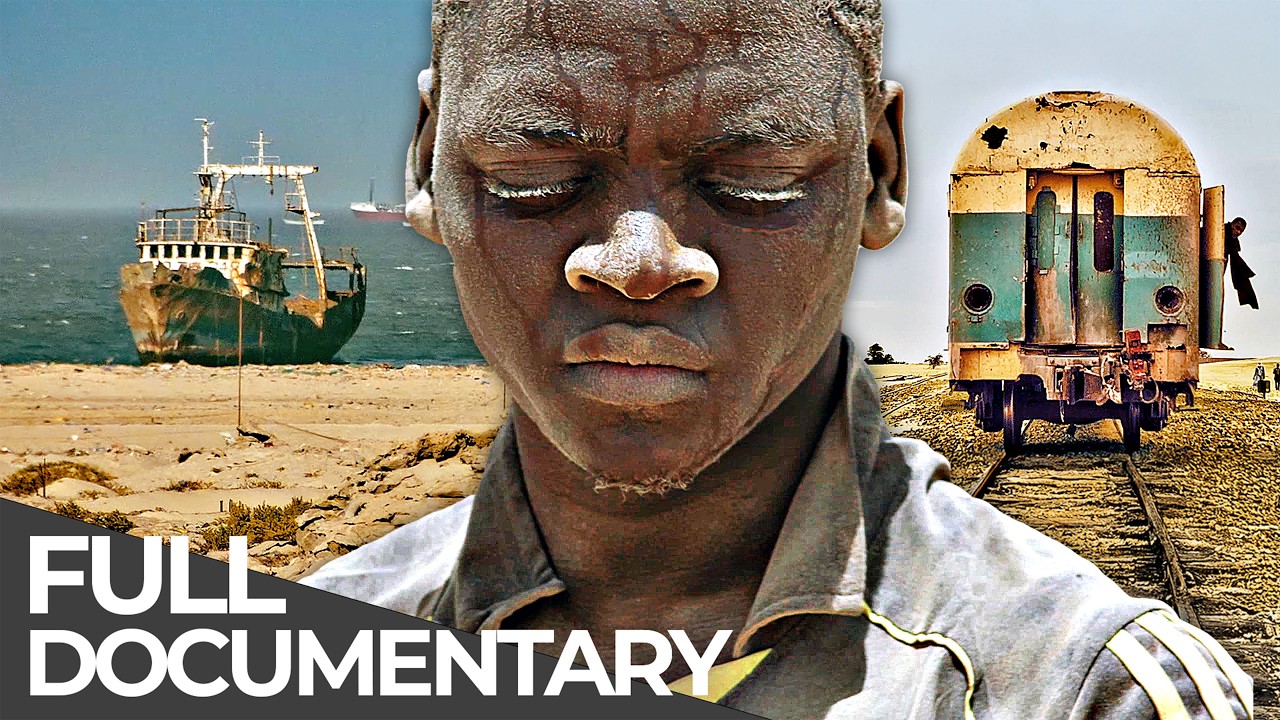
Inhabitants of the Sahara confront the challenges of migration, jihadism, and human trafficking as Bram Vermeulen traverses the desert from west to east.
Top-secret government experiments include monkey glands for immortality, hypnotized assassins, and a brain-linked cyborg couple, showcasing some of history's strangest occurrences.
Pompeii, the ancient Roman city, faces new threats as experts utilize advanced technology to reveal the final moments of its citizens and assess volcanic risks.
Dozens of motte-and-bailey castles were built by the Normans along the Welsh borders to establish control after the Battle of Hastings.
About 100,000 people set off for the gold rush, but only around 30,000 reached their destination, facing perilous conditions along the way.
In York, archaeologists from Time Team investigate potential ancient Roman burial sites, revealing significant historical findings from the city's past.
Bauhaus was forced to shut down in 1933 when Hitler seized power, leading many of its artists and architects to emigrate and spread its principles worldwide.
Controversial theories and ancient enigmas are examined through expert interviews and investigations, challenging established historical narratives.
A Typhoon jet, costing 60 million pounds and capable of flying at almost twice the speed of sound, represents the Royal Air Force's advanced technology.
King Charles I's struggle to maintain the monarchy during the English Civil War culminates in his execution, marking a pivotal moment in British history.
The stock market plummeted by nearly 50% during the Panic of 1907, prompting New York's leading businessmen to seek help from J.P. Morgan.
Over 320,000 Allied troops were evacuated from Dunkirk in 1940, allowing them to continue fighting against German forces in World War II.
In Norfolk, Orkney, and Devon, Dr. Roberts examines ancient flint tools, shipwrecks, and religious artifacts to explore early human presence in Britain.
A single foreign bead found in a Viking burial site in Repton, England, revealed a vast network of trade reaching thousands of miles to Baghdad.
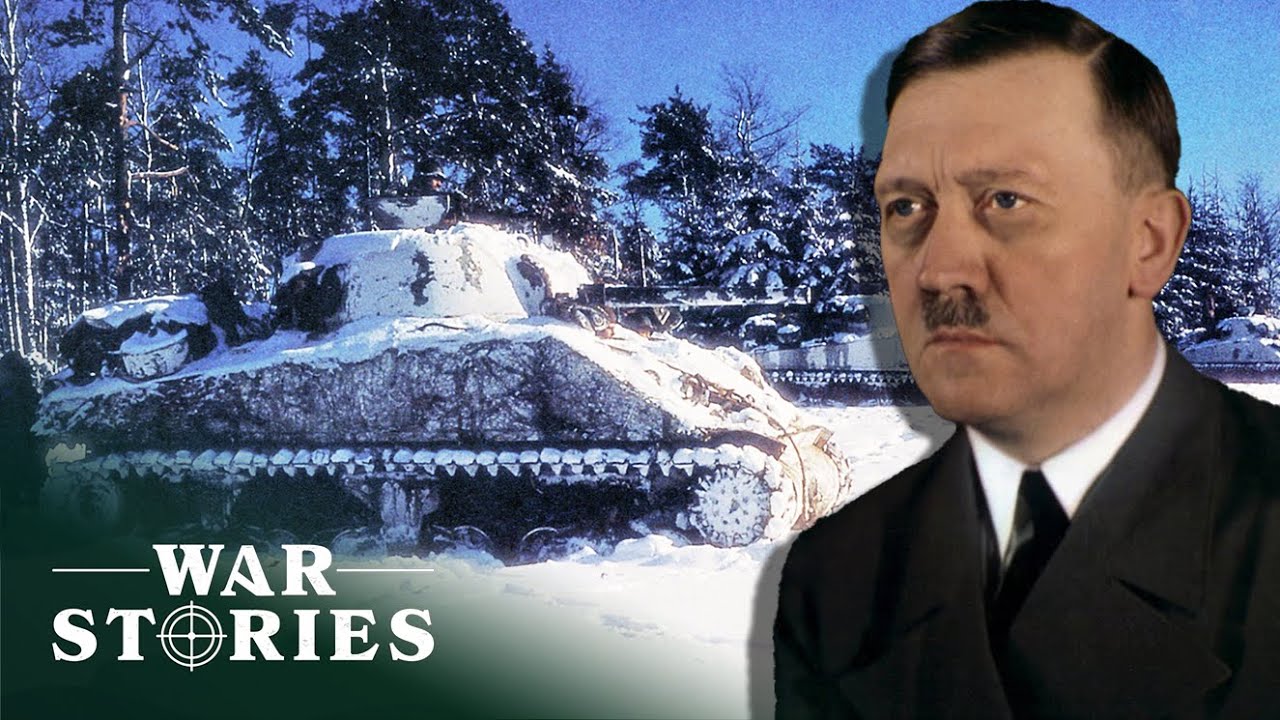
Hitler's surprise attack through the Ardennes in December 1944 aimed to capture Antwerp and turn the tide of World War II on the Western Front.
In the village of Tiébélé, Burkina Faso, the royal court of the Kasséna people exemplifies unique clay architecture and cultural heritage amid modern challenges.
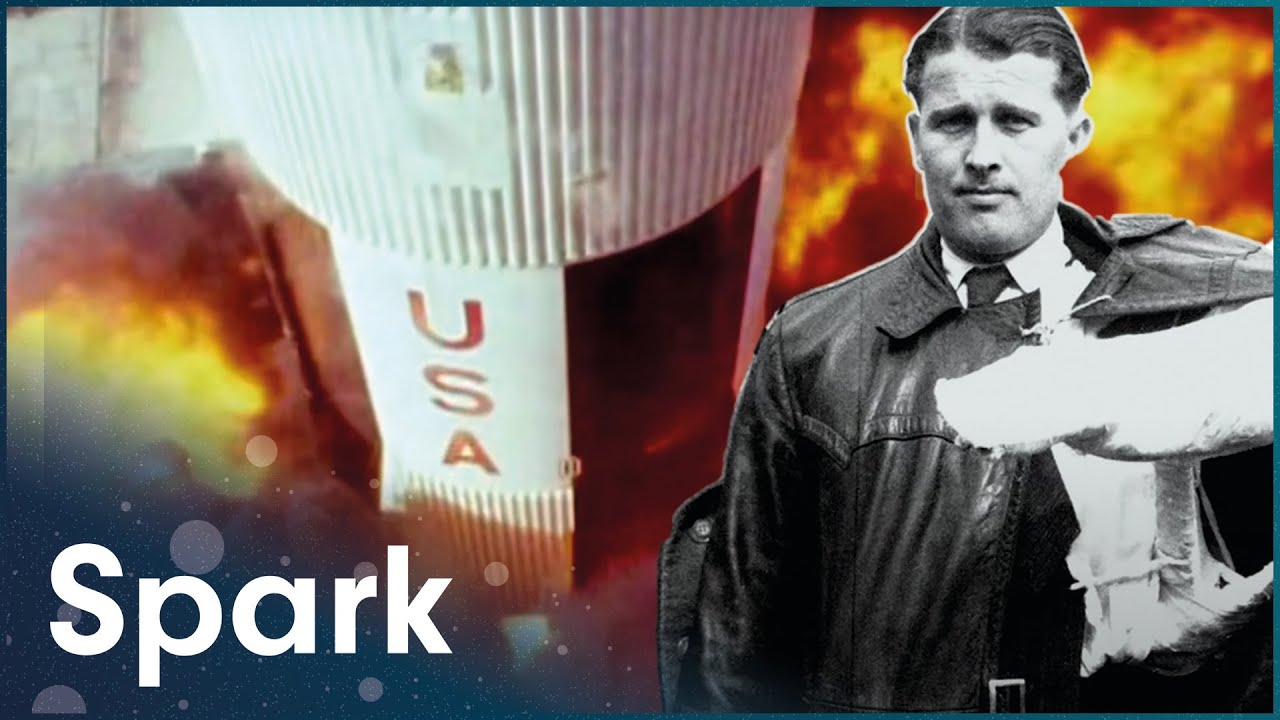
Over 200,000 scientists and engineers contributed to the development of the Saturn V rocket, which remains the most powerful vehicle ever built.
Crop circles, featuring intricate geometric patterns and unexplained formations worldwide, are examined alongside theories linking them to extraterrestrial intelligence.
Independent coal miners in the U.S. confront significant injustices as they strive to maintain their way of life amid mounting external threats.
Victor Arajs led the Arajs Kommando in Latvia, collaborating with Nazis to carry out mass executions, including the Rumbula massacre, and facing post-war justice efforts.
Poverty in the UK affects over 15 million people despite low unemployment, driven by inflation, wage instability, and cuts to social assistance.
A 22-meter-high granite monolith weighing 140 tons was relocated from the ancient temple of Philae to protect it from rising waters caused by dam construction.
Sir Ranulph Fiennes shares insights on Ernest Shackleton's legendary expeditions, highlighting his status as the greatest polar explorer of all time.
Foreign nationals played a significant role in the Spanish Civil War (1936-1939), influenced by political ideologies and the fight against fascism.
Subliminal messaging in America has a clandestine history dating back to the late 1950s, revealing its pervasive influence on mass media and society.
450,000 troops crossed into the Russian Empire on June 24, 1812, marking the beginning of Napoleon's disastrous invasion.
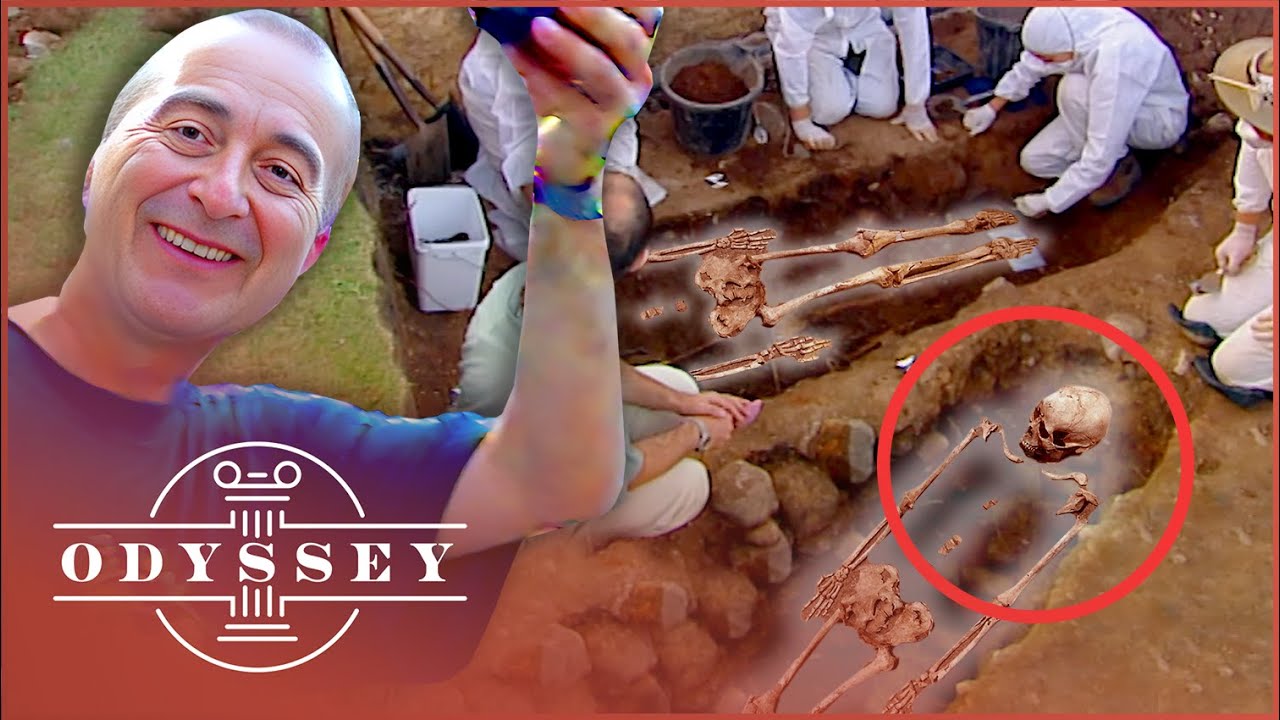
A mass graveyard of warriors, possibly linked to ancient European settlers, is discovered in Yorkshire, revealing new insights into Iron Age culture.
Professor Jim Al-Khalili examines the 600-million-year evolution of the human brain, tracing its development from simple nervous systems to complex cognition.
Avebury Stone Circle, a site of ancient habitation and work, is examined alongside evidence of Viking invasions and the discovery of Iron Age gold in Staffordshire.
8,000 years of myths and legends shape Scotland's cultural identity, featuring tales of the Loch Ness Monster and historical figures like Robert the Bruce.
Ancient texts and prophecies, including those of Nostradamus, are examined for potential connections to extraterrestrial contact and warnings from the past.
In August 1941, the Allies launched Operation Dervish to support the Soviet Union during WWII.
Ramesses II's mummy, transported to Paris in 1976, faced a scientific mission to combat a fungal infection and revealed insights into his health issues.
In 60/61 AD, Boudica led a massive anti-Roman revolt in East Anglia, as tens of thousands of Britons sought to expel the occupying forces from Britain.