From over 100,000 films, discover the handful you'll love.
Free or premium access to the world's largest documentary library.
22463 films(Page 287 of 468)
Aviation safety is often taken for granted, yet incidents and historical events reveal the complexities and challenges of air travel.
Dan Gibson presents evidence suggesting that the original Islamic holy city may not be Mecca, challenging the direction of prayer for 1.6 billion Muslims.
Lancaster Bomber squadrons of the Royal Air Force executed perilous missions over Germany during World War II, aiming to dismantle Adolf Hitler's regime.
Lancaster Bomber squadrons of the Royal Air Force executed high-risk missions against Nazi Germany during World War II, significantly impacting the war's outcome.
Berlin served as the central battleground of the Cold War, where CIA and KGB agents engaged in a covert intelligence war marked by economic pressures and secret diplomacy.
The Federal Reserve, established during the Wilson Presidency, operates by creating money from nothing, lending it to the U.S. Government, and charging interest.
Zafimaniry woodwork, a unique art form from Madagascar, embodies ancestral knowledge as Jean-Marie teaches his sons to preserve this invaluable cultural heritage.
Gustave Eiffel's ambitious project to construct the Eiffel Tower for the 1889 Universal Exhibition was significantly funded by the Panama Canal financial scandal.
Pavol Pochylý's historic winter crossing of the High Tatras ridge in 1978 remains unmatched, inspiring a daring 2013 attempt by Slovak climbers Adam Kadlecik and Michael Sabovik.
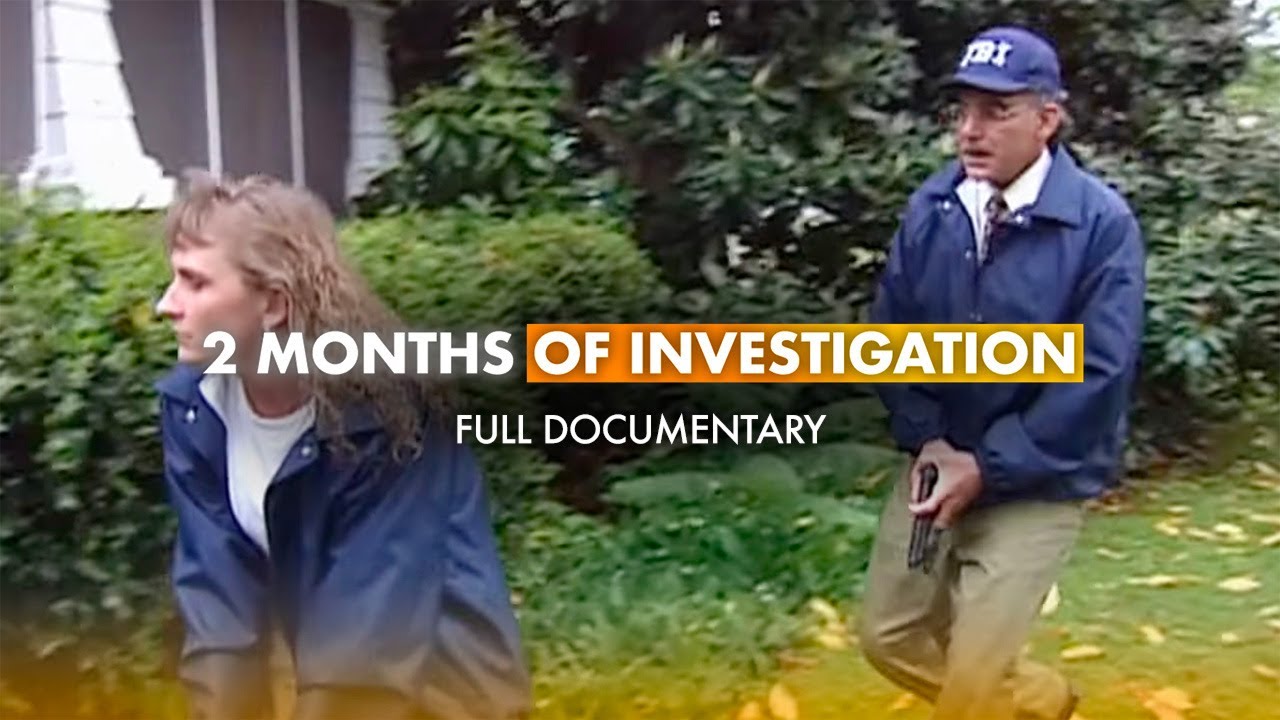
In 1993, the FBI utilized advanced forensic techniques to link Richard Allen Davis to the abduction and murder of 12-year-old Polly Klaas in California.
Military bomber aircraft, from the Avro Lancaster to the B-52 Stratofortress, have significantly transformed warfare strategies and historical outcomes.
The booming trade in dinosaur bones, driven by private collectors like Christian Link, poses challenges for natural history museums competing for fossils like the triceratops Cera.
On June 10, 2011, José Andrés launched the "America Eats" series at the National Archives, discussing American food history and its cultural significance.
Banteay Chhmar, an 800-year-old temple in Cambodia, is being restored by local villagers who aim to preserve its cultural significance and promote sustainable tourism.
Frank Hardy, born on March 21, 1917, became a prominent figure in Australian communism, facing state surveillance from the ASIO for over 50 years.
Military bomber aircraft, from the Avro Lancaster to the B-52 Stratofortress, have significantly influenced warfare strategies and outcomes from World War I to the Cold War.
In a ceremony at the National Archives on September 15, 2011, Jason R. Baron received the Emmett Leahy Award for his contributions to records management.
On June 26, 1999, five prisoners from Baumettes prison in Marseille escaped by clinging to ropes thrown from a helicopter.
In North America during the peak of rock radio, influential DJs like Scott Muni and Jim Ladd navigated the transition from free-form broadcasting to commercial control.
Hawaii was an independent nation until its illegal overthrow by the United States in 1893, a fact acknowledged by a 1993 Joint Resolution of Congress.
In Paris in August 1920, the mysterious disappearance of Monsieur Bassarabo led to a sensational trial that captivated public opinion and divided commentators.
The Boeing 737 MAX, involved in two fatal crashes in 2018, is examined through insights from pilots, engineers, and crash investigators.
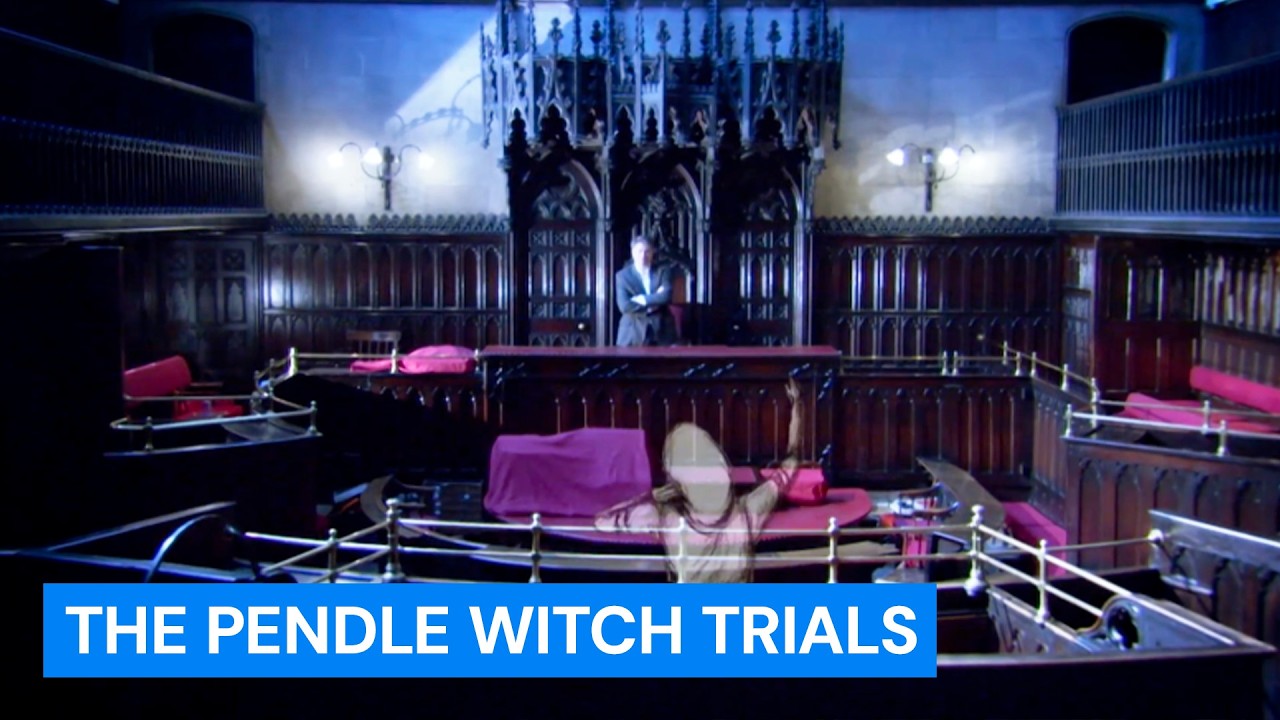
In 1612, nine-year-old Jennet Device played a pivotal role in the Pendle witch trial, leading to the execution of her family and neighbors in Lancashire.
Historical analysis questions whether contemporary violence is unprecedented compared to past conflicts, exploring patterns of destruction and terror throughout history.
John Jacob Astor's life exemplifies the rise of influential American dynasties, showcasing their impact on wealth, industry, and the nation's history.
Modern combat vehicles, including the Leopard 2, Tiger I, and Merkava Mark IV, are examined for their firepower, armor, and mobility in contemporary warfare.
On December 15, 2017, the National Archives and Records Administration hosted a naturalization ceremony in the Rotunda to celebrate Bill of Rights Day.
Barack Obama's administration implemented the ambitious "Green New Deal," prompting a nationwide shift towards renewable energy and corporate sustainability efforts.
Pinball enthusiasts, including collectors and champion players, share their passion for this iconic arcade game and its enduring cultural significance.
Engineering challenges for a manned mission to Mars are examined through propulsion systems and spacecraft design, featuring insights from experts like Paul Delaney and James Garvin.
In Naples, the culinary history of Margherita pizza, named after Queen Margherita of Savoy, is explored alongside traditional wood-fired pizza-making methods.
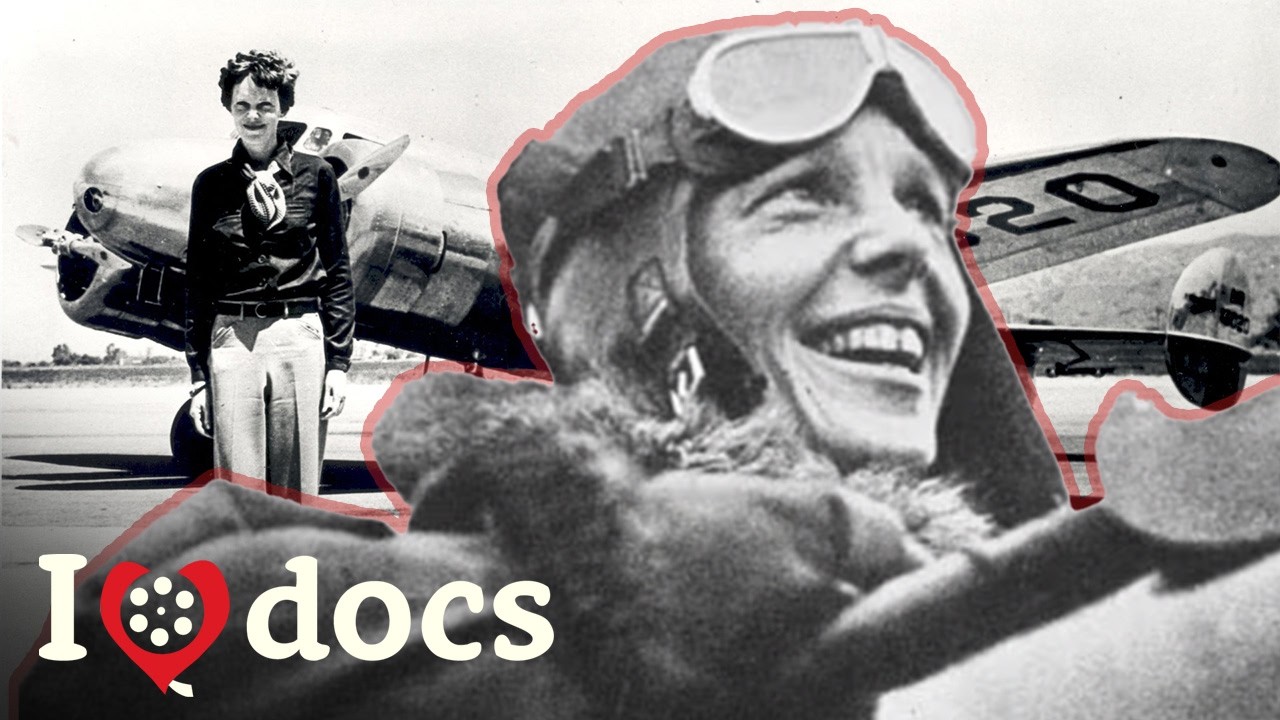
Amelia Earhart and her sister Muriel navigated a transforming society, where women's rights and aviation offered new opportunities and mutual support.
On June 6, 1944, military cameramen like George Stevens and John Ford documented the D-Day invasion at Normandy, capturing crucial footage that shaped historical memory.
Lija, a war veteran in Bosnia and Herzegovina, leads a multi-ethnic biker club to protect wild horses while fostering community healing and resilience.
On June 2, 1983, Air Canada Flight 797 experienced a catastrophic inflight fire that led to 23 fatalities and prompted significant changes in aviation safety regulations.
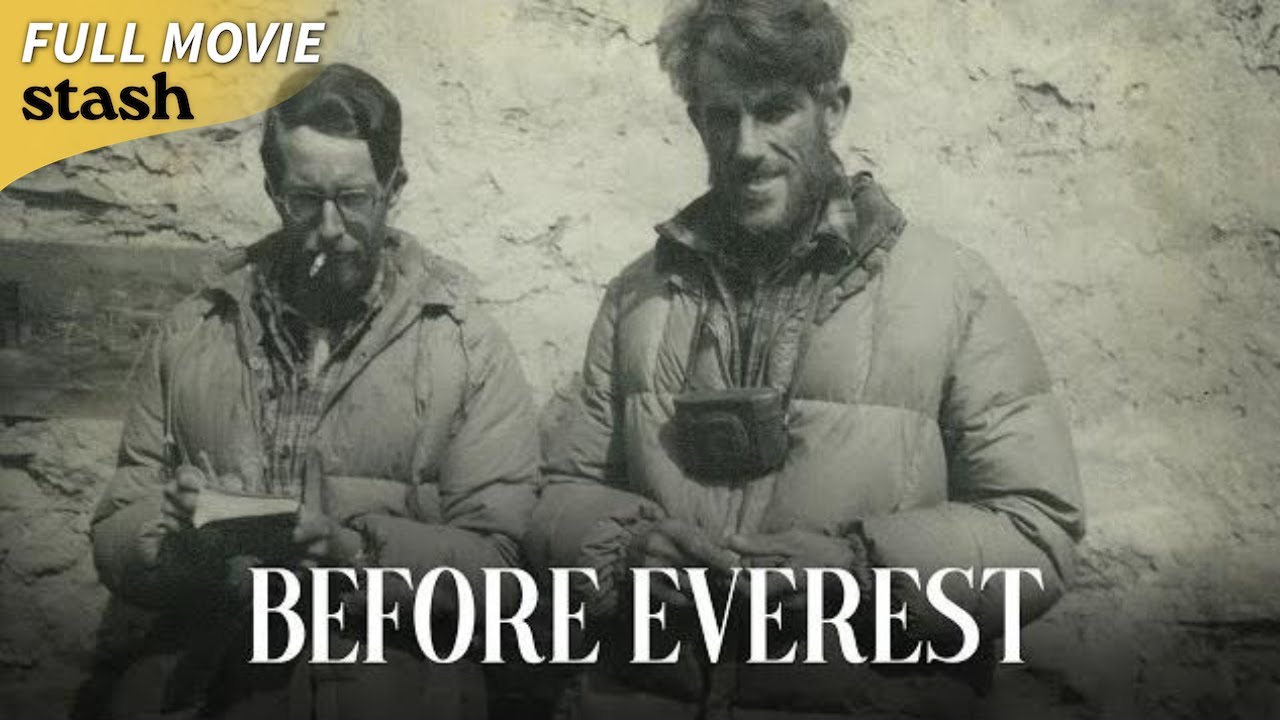
Sir Edmund Hillary's controversial remarks about Richard Riddiford's father, who played a crucial role in the Everest ascent, spark family tensions in New Zealand.
Hitler and Stalin's complex relationship, marked by both mistrust and mutual fascination, significantly influenced the political landscape of Europe in the 20th century.
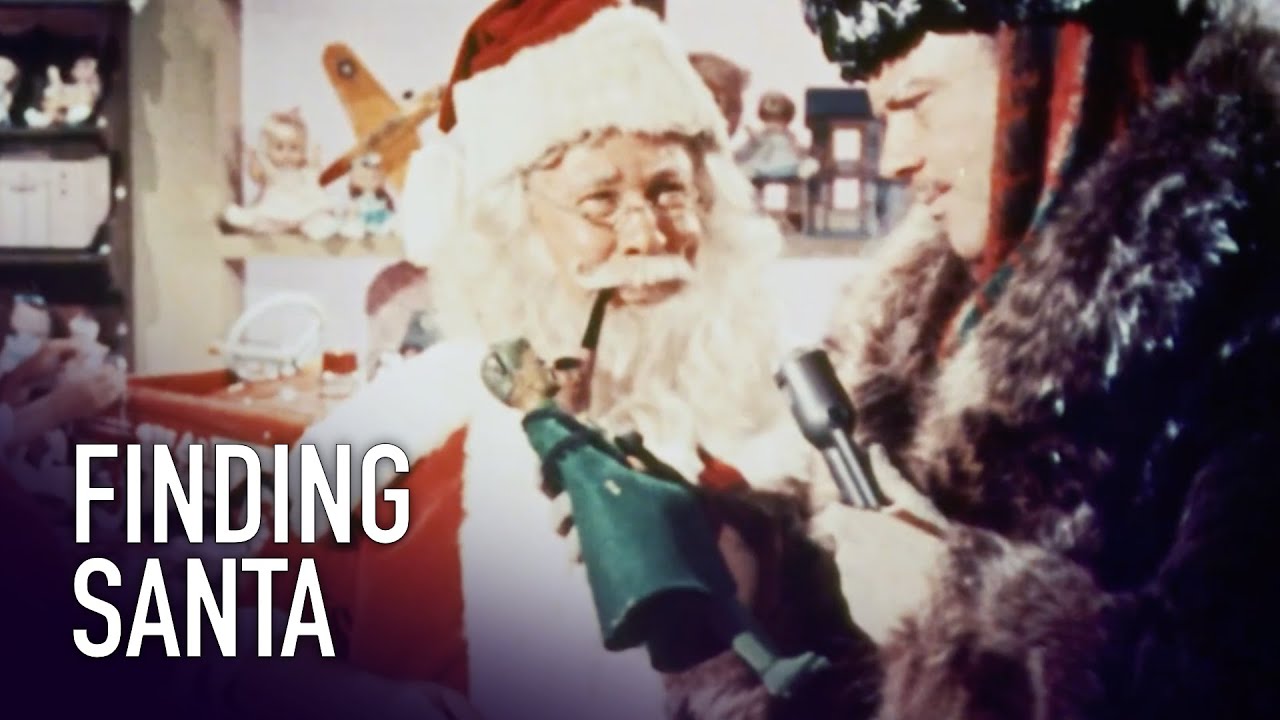
Santa Claus, an enduring symbol of Christmas, has a rich history shaped by various seasonal traditions passed down through generations.
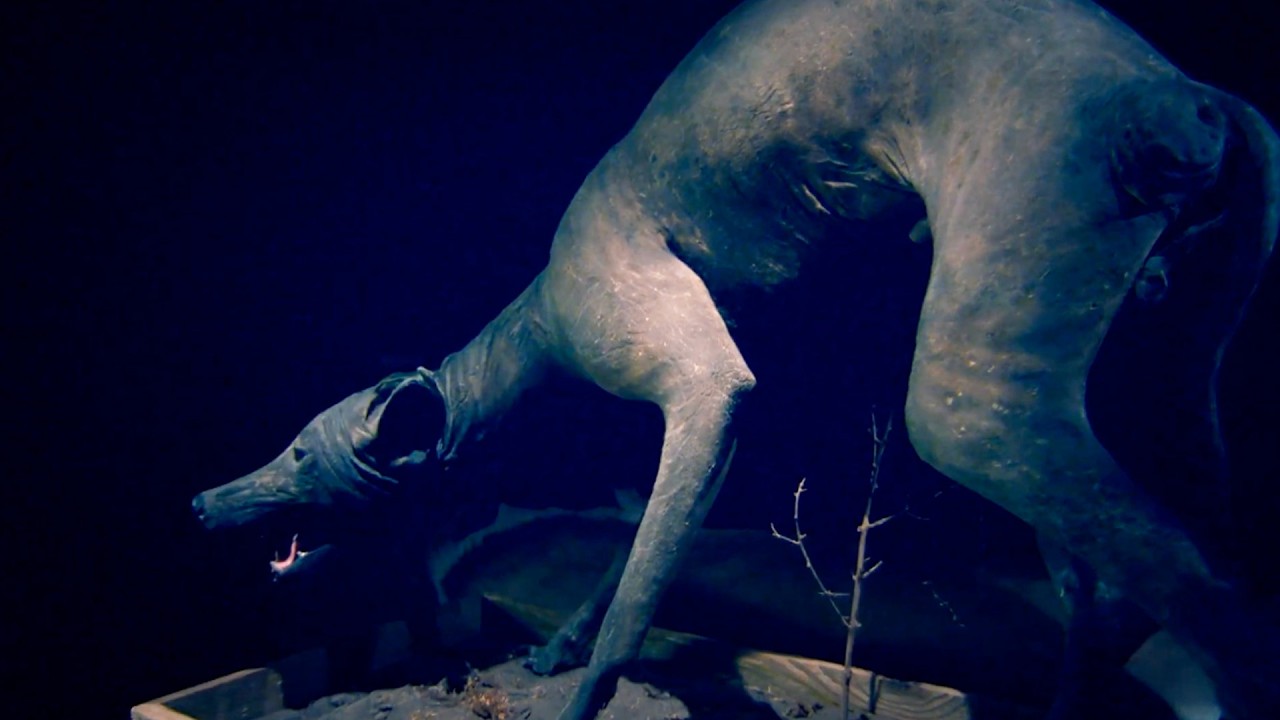
Vampiric creatures have been attacking livestock in South Texas, leading scientists to conduct DNA tests on three Chupacabra specimens for identification.
Gabriel García Márquez, a Nobel Prize-winning author from Colombia, transformed literature with his magical realism, influenced by his impoverished upbringing and political activism.
Survivors of the 2013 Lampedusa shipwreck gather annually to honor the tragedy, reconnecting with fisherman Vito Fiorino, who saved 47 lives that day.
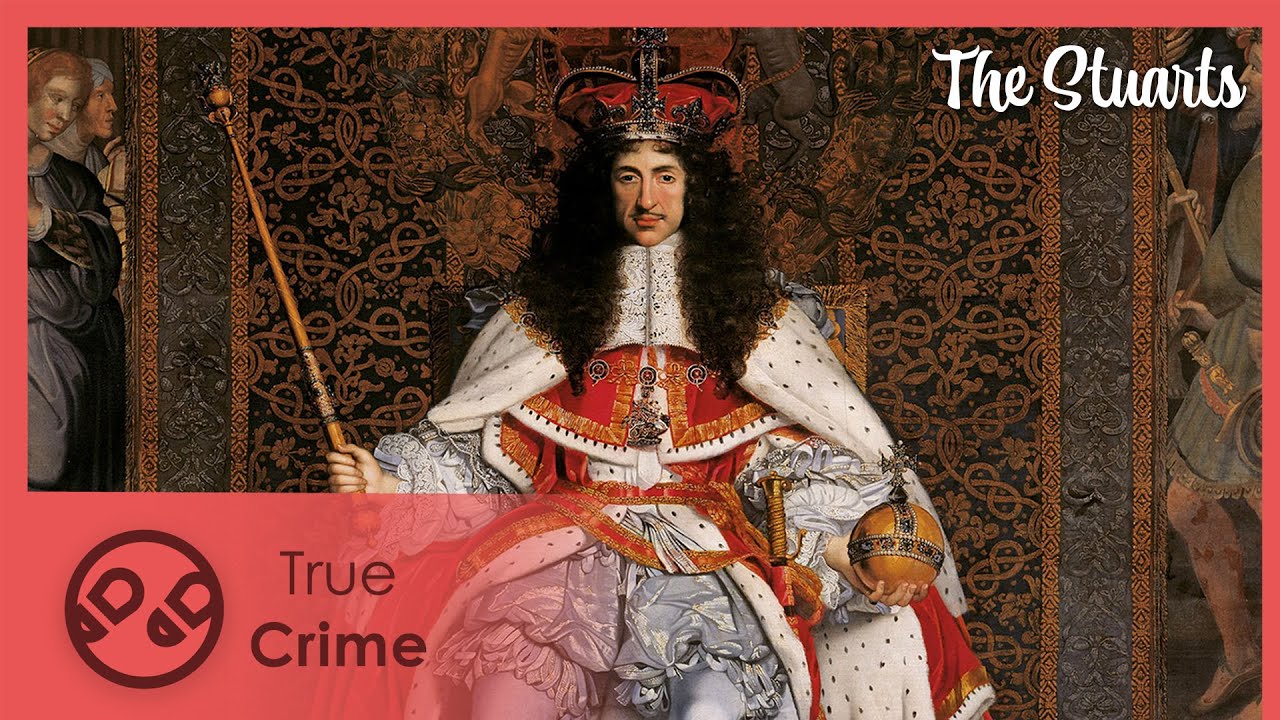
The reign of the House of Stuart from 1603 to 1688 is examined through the lens of the Wynn family at Gwydir Castle, highlighting key historical events and struggles.
Mothman sightings reported globally suggest these entities may represent omens of change or phenomena beyond current scientific understanding.
The French Revolution prompted significant changes in food consumption and presentation, reflecting the social upheaval and evolving culinary philosophies of the time.
Twice a week, the imara people travel to La Paz to sell traditional crafts, facing challenges in a changing economy.
Influential American families like the Rockefellers and Vanderbilts shaped the economy through immense fortunes, internal struggles, and political ties.
In a Colombian coalmine, scientists reveal the fossil remains of Titanoboa, a 50-foot snake that thrived in a prehistoric ecosystem alongside giant turtles and crocodiles.
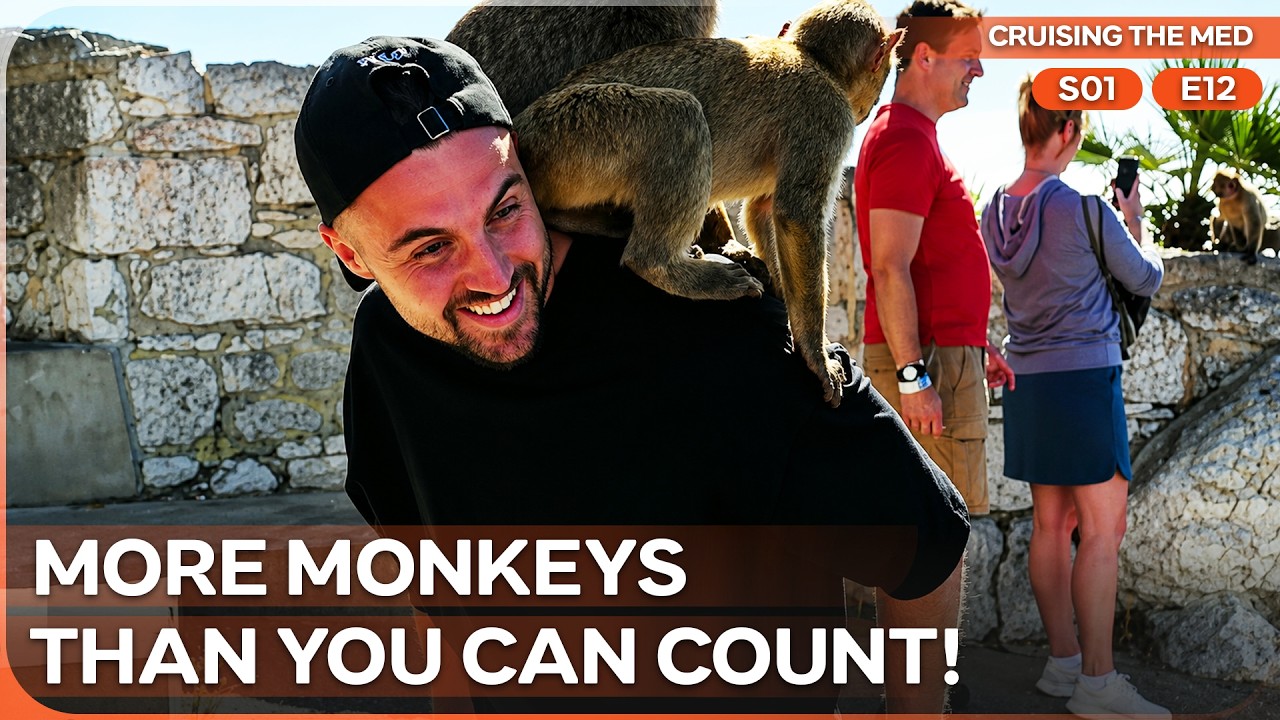
Wild macaques on the Rock of Gibraltar interact with tourists while the episode explores the territory's historic siege tunnels and unique wildlife.