From over 100,000 films, discover the handful you'll love.
Free or premium access to the world's largest documentary library.
22463 films(Page 264 of 468)
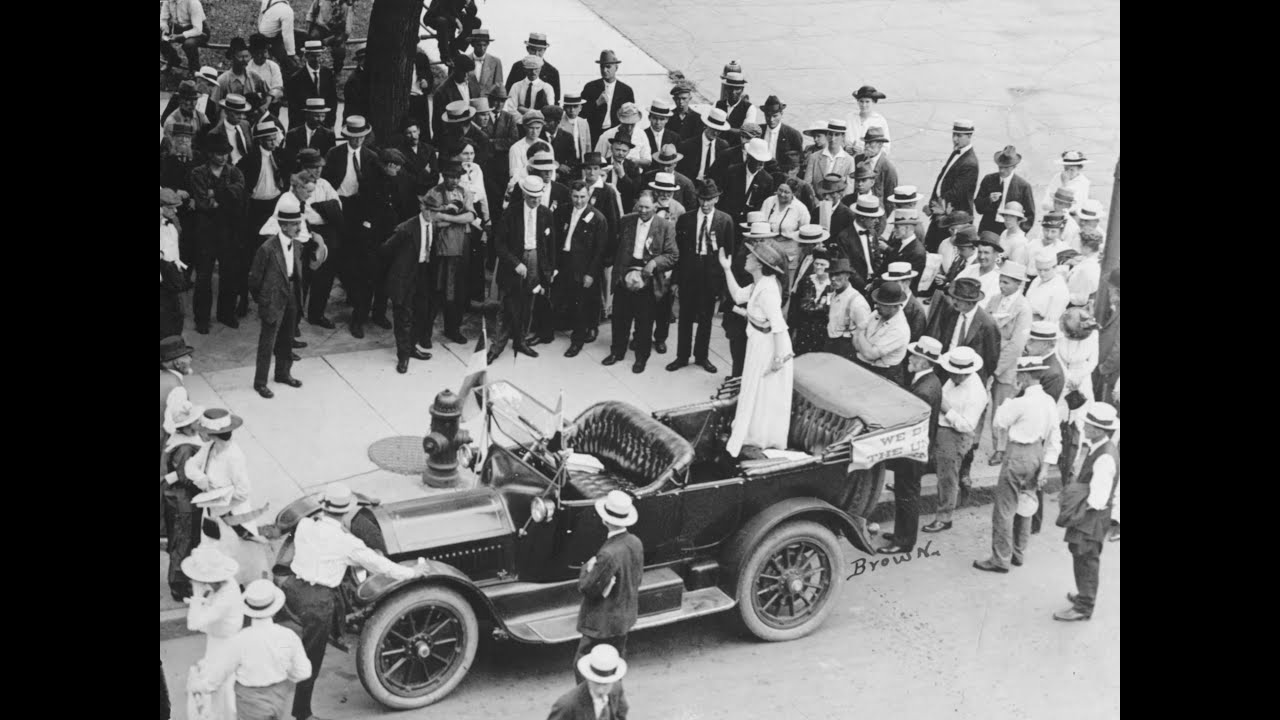
On August 18, 1920, Tennessee's legislature ratified the 19th Amendment, granting women the right to vote and altering the American electorate.
Ukraine's musicians navigate the tension between traditional and pop music as they adapt to market forces following the collapse of Soviet support for the arts.
Journalist Nadine Chalmers-Ross travels to India, where DNA testing confirms her family's terrifying myth about a brutal tiger encounter.
Israeli Defence Force military strategies during the conflict with Hezbollah led to extensive bombardment of Shia areas in Lebanon, impacting civilian populations and regional stability.
A prototype of the first hockey mask used in a professional game is authenticated by experts, alongside the verification of a vibrant 40-foot mural.
Relief efforts in New Orleans have faced criticism for their incompetence and potential political motives, leaving many poorer residents homeless and without support.
In 1844, tens of thousands of Irish immigrants arrived in Philadelphia, sparking violent riots fueled by nativist sentiments against their presence.
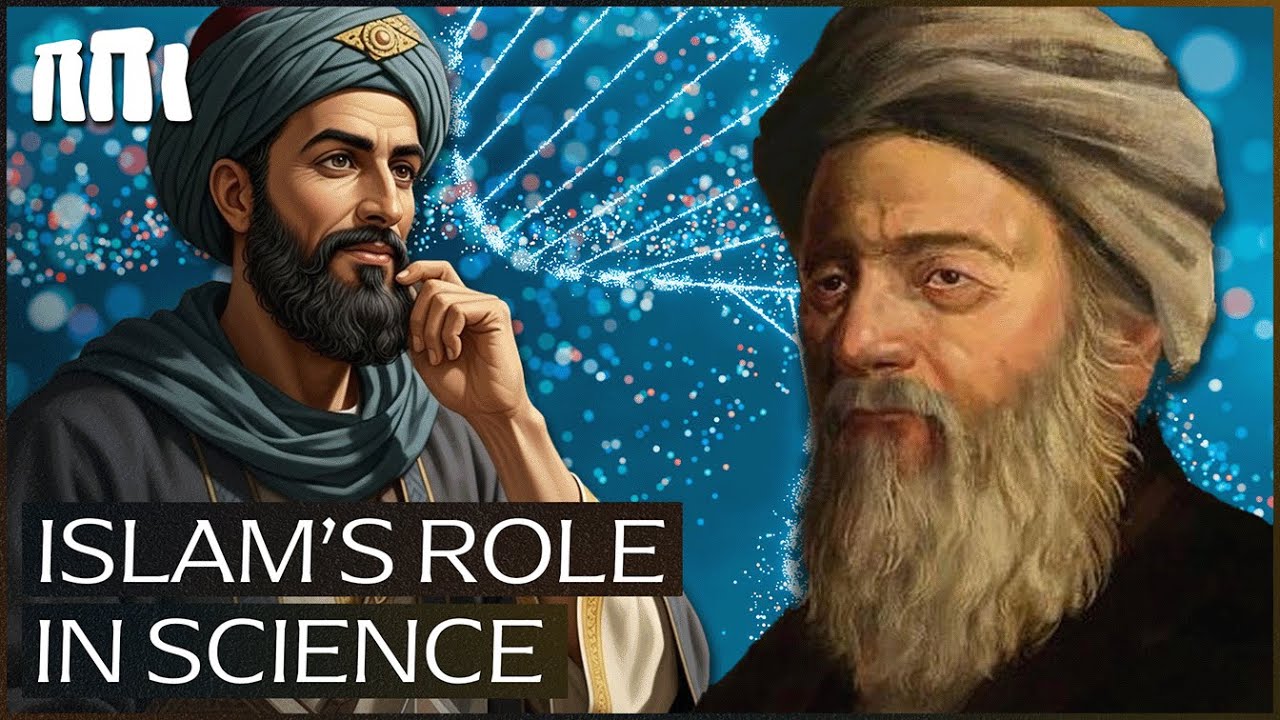
The Golden Age of Islam, centered in Baghdad, saw advancements in algorithms, astronomy, and medicine by scholars like Ibn Sina and Al-Jazari, shaping modern science.
The Rosetta mission by the European Space Agency (ESA) successfully studied Comet 67P/Churyumov-Gerasimenko, revealing insights into the Solar System's evolution.
Alice Paul, Ida B. Wells, Susan B. Anthony, and other suffragists are portrayed through music and dance in a performance celebrating the 19th Amendment.
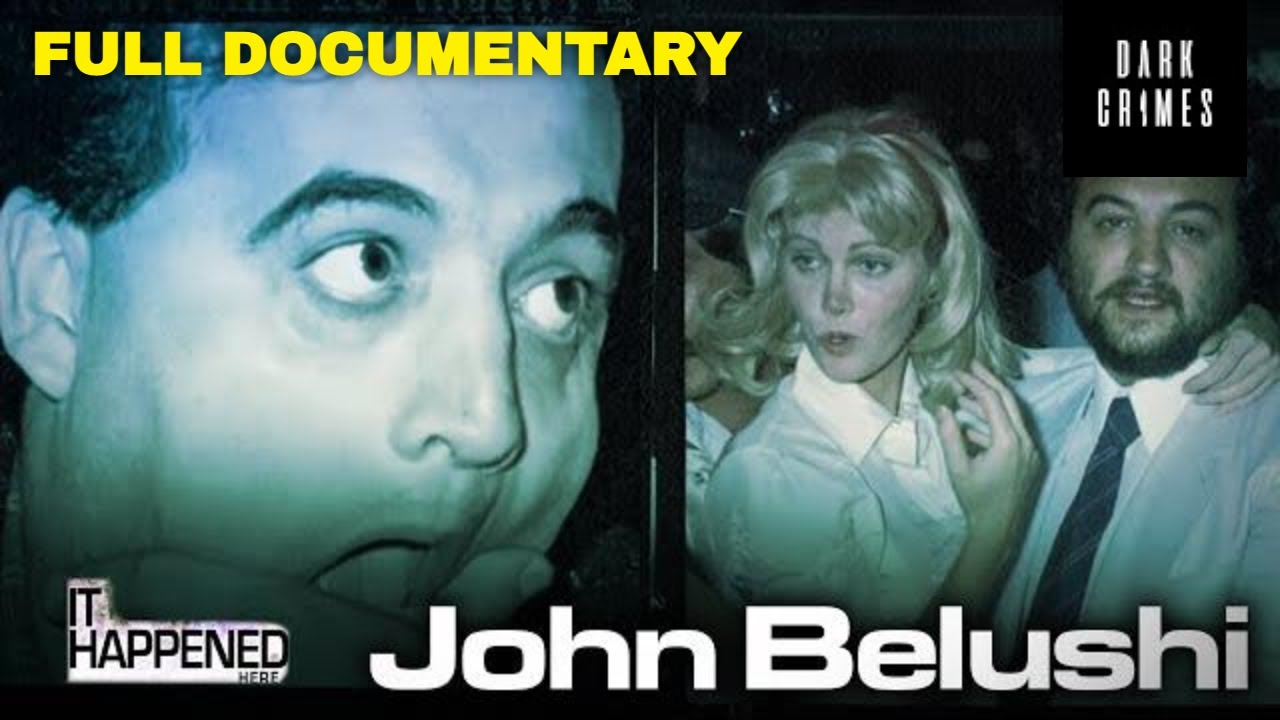
John Belushi's life and tragic overdose are examined through the lens of significant locations tied to his rise in pop culture and the impact of fame.
The U.S. Census Bureau has conducted a census every decade since 1790, with the 1950 Census marking significant changes in data collection methods.
Sicily's historical context and socio-economic conditions in the 19th century laid the groundwork for the emergence of the Italian mafia as a powerful crime syndicate.
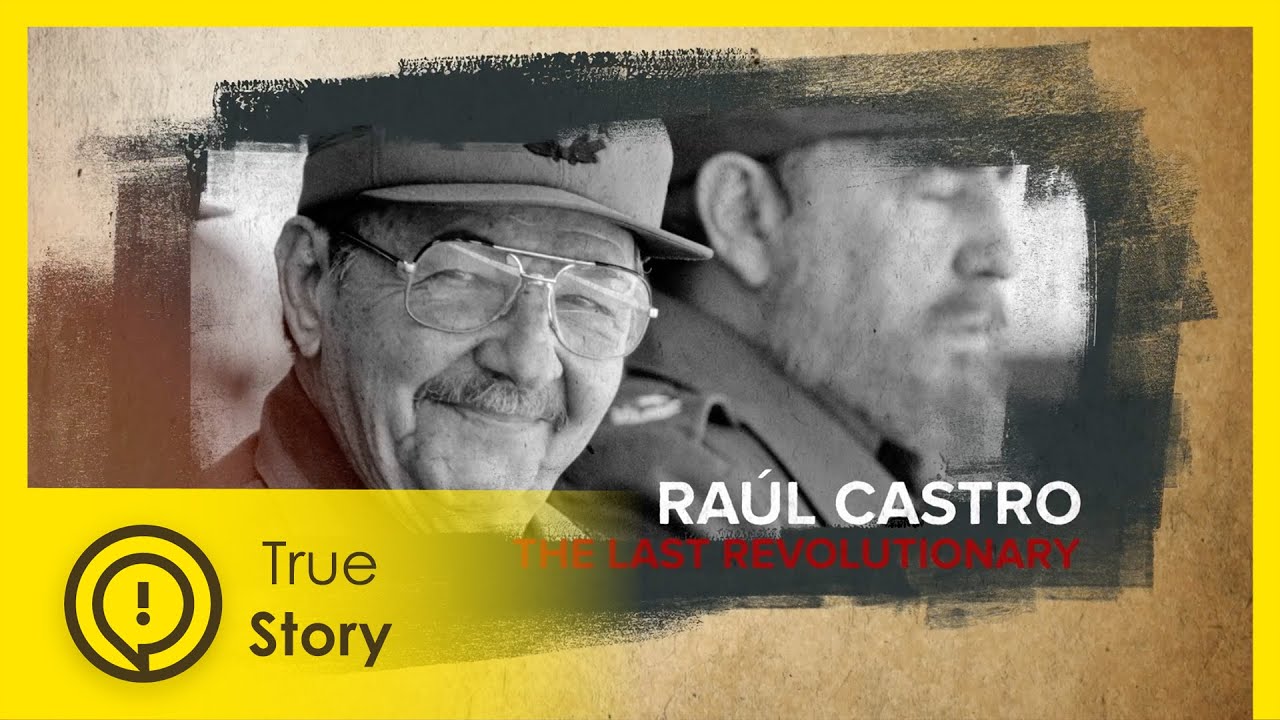
Raúl Castro, President of Cuba from 2008 to 2018, played a crucial role in the Cuban revolution and navigated the complexities of the Cold War and post-Soviet era.
The Etruscans, an ancient civilization in Italy, are explored through their lost cities, unique formations, and sacred sites, narrated by Stacy Keach.
Queen Elizabeth II's diamond jubilee is celebrated through her enduring relationship with America, featuring insights from authors H. Edward Mann, Ellen M. LeCompt, and Jacques J. Moore, Jr.
A centuries-old masked brotherhood is examined alongside their secretive rituals and the legends surrounding a mysterious holy relic in this episode.
Frederick Douglass, an influential abolitionist and statesman, fought for African American rights after escaping slavery in 1838 and founded The North Star newspaper.
Court-martial records at the National Archives at St. Louis provide insights into military trials, covering cases from theft to conscientious objection.
The significant rise in the white South African population since apartheid has resulted in 1 in 4 living below the poverty line.
Ukraine's musicians face challenges after independence from Moscow's grip in 1991.
Ernest Withers took iconic photographs of the civil rights movement in the 1950s and 1960s while also serving as an FBI informant.
Franklin D. Roosevelt and Al Smith formed an unlikely political alliance that reshaped the Democratic Party and American politics in the early 20th century.
Negotiations between Washington and Havana from the Kennedy to Obama administrations reveal a complex history of dialogue and diplomacy.
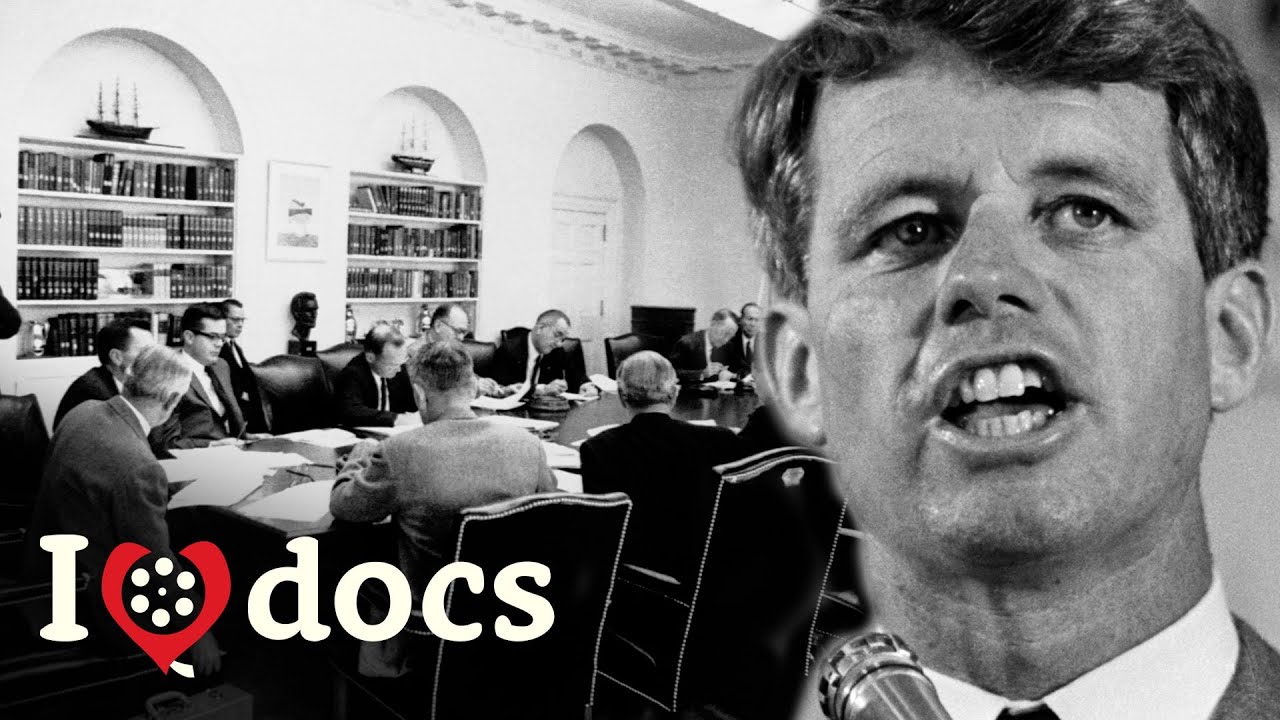
Robert F. Kennedy's potential presidency is examined through his evolution from a Cold War warrior to a proponent of peace and social justice.
In 1975, the Queen vowed never to have Camilla Parker Bowles in the same room as her again due to the couple's adulterous relationship.
The Suez Canal's expansion project aims to double its width and deepen its waterway, showcasing groundbreaking 3D imagery and historical insights from its 1859 construction.
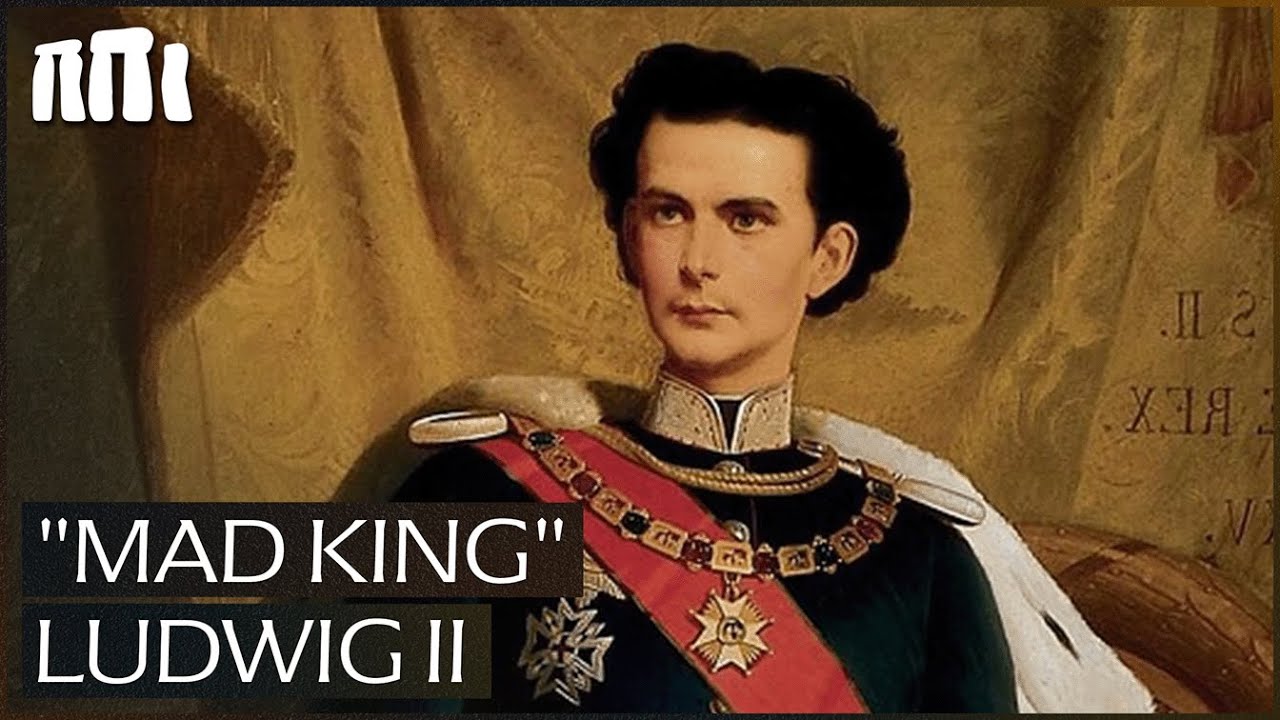
Neuschwanstein Castle, built by "Mad King" Ludwig II, is explored alongside the dark histories of Castle Frankenstein and Colditz Castle's WWII escape tunnels.
A luxury cruise ship in the Mediterranean is left to sink by its captain, who prioritizes his own safety over the lives of 4,000 passengers.
Herbert Schiffl, an eco-farmer, follows the legacy of Archduke Ludwig Salvator of Austria-Tuscany while living on Mallorca.
In December 1950, General Douglas MacArthur's offensive led to a desperate escape for American troops encircled by Chinese forces near the Yalu River during the Korean War.
A satiric skit featuring a paper mache sculpture of a sphinx with Franklin D. Roosevelt's head delighted him and became part of his presidential library.
Derrill de Heer and Dr Bob Hall work to locate nearly 4,000 missing Vietnamese troops from the Vietnam War, providing closure to their families.
Robert Tsai discusses alternative constitutions and the mid-19th century group that created a collectively owned farming project in Illinois.
Boeing's B-17 Flying Fortress, a pivotal US bomber in World War II, showcases its evolution from earlier models to a formidable wartime aircraft.
World War II combat cameramen from the U.S. Army Signal Corps documented military activities, with their photographs now featured in the book Aftershock.
Farley Grubb presents a detailed analysis of how the Continental Dollar functioned as a zero-coupon bond rather than a fiat currency during the American Revolution.
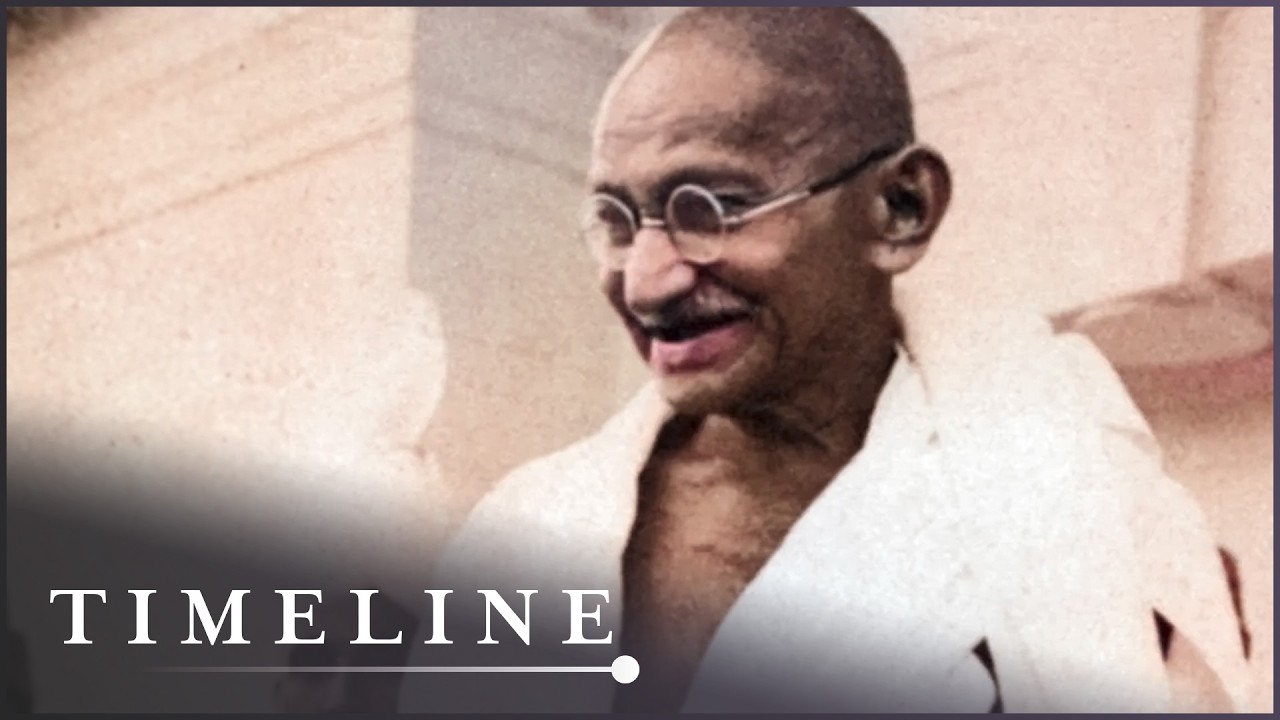
Mahatma Gandhi's philosophy of Satyagraha and his pivotal role in the Indian independence movement are examined through rare access to his private room at Sabarmati Ashram.
President Franklin D. Roosevelt’s funeral train arrived at Union Station in Washington, DC, followed by a procession down Pennsylvania Avenue to the White House.
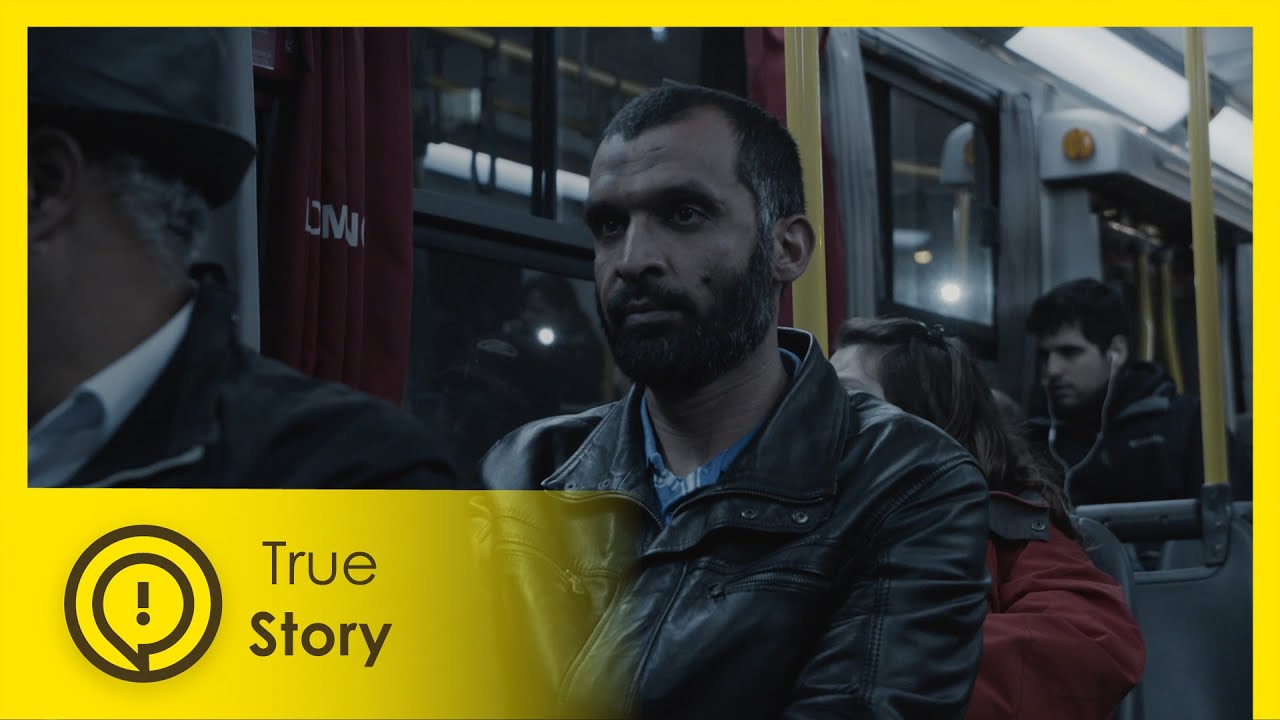
Muhammad, a 38-year-old Palestinian released from Guantánamo after 13 years, navigates life in Uruguay while coping with his traumatic past and seeking employment.
An 1888 petition from the National Women's Christian Temperance Union called for a Prohibition Amendment to the United States Constitution.
In Peru, the survival of indigenous customs and beliefs is explored through visits to Machu Picchu, Lake Titicaca, and Andean villages, highlighting their connection to the Sun God and Pacha Mama.
Historical artist Mort Künstler discusses his work and contributions to American history during an event at the National Archives in Washington, DC.
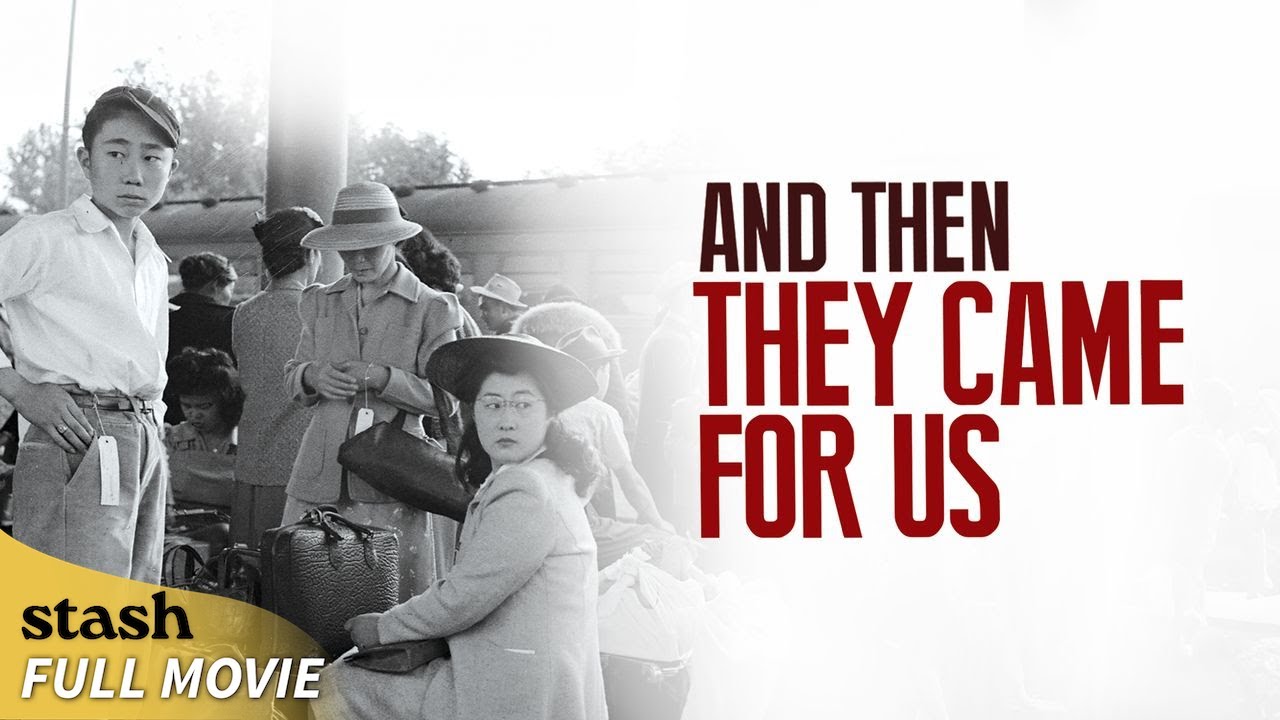
75 years ago, the FBI began arresting Buddhist priests, Japanese language school teachers, and community leaders as part of the mass incarceration of Japanese Americans.
Father Kino's efforts in Arizona to protect Native American rights and his geographical discoveries prompt reflections on modern borders and immigration.
Easter Island's Moai statues reveal the advanced astronomical knowledge of ancient Polynesians and Andean cultures, linking their navigation techniques to modern science.
Thirty-six thousand dollars was the cost to create the Faulkner murals in the National Archives Rotunda, a significant sum during the Great Depression.
Jean-Bédel Bokassa's authoritarian rule in the Central African Republic is scrutinized through personal testimonies and significant locations, highlighting his legacy of excess and human rights violations.