From over 100,000 films, discover the handful you'll love.
Free or premium access to the world's largest documentary library.
22463 films(Page 80 of 468)
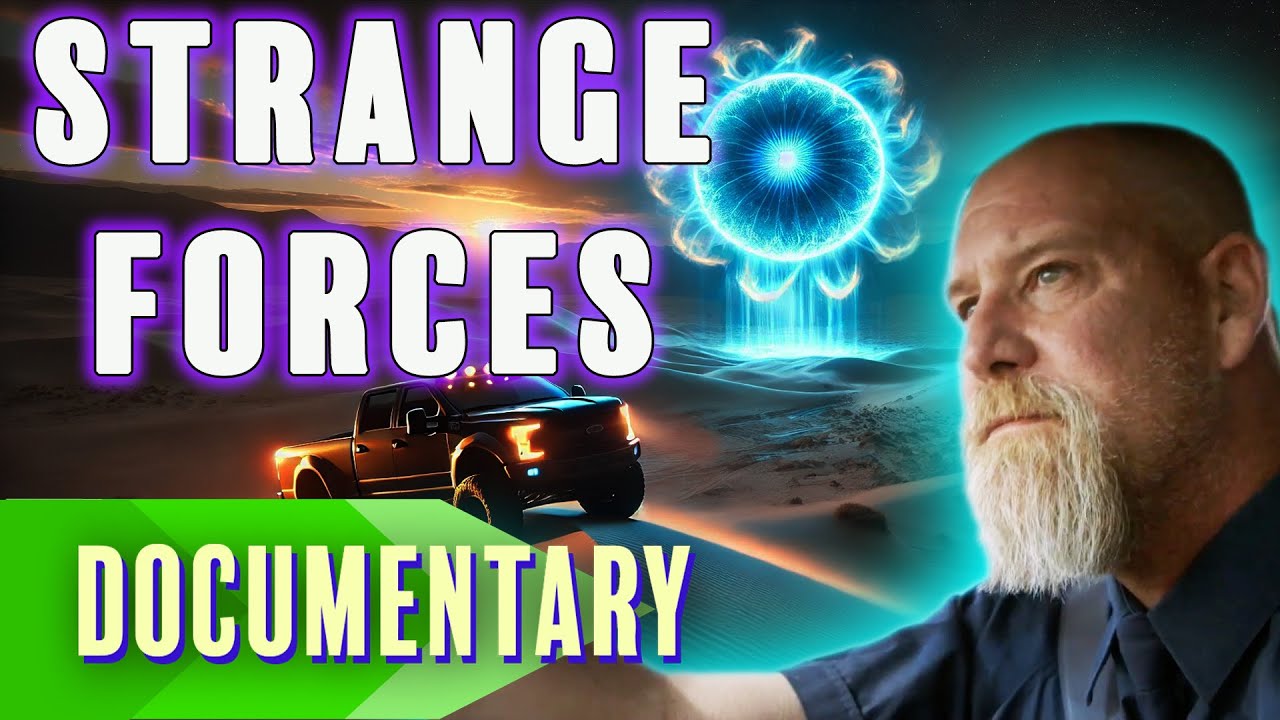
Great Sand Dunes National Park features interviews and reenactments that explore its unique mysteries and legends, highlighting its rich cultural history.
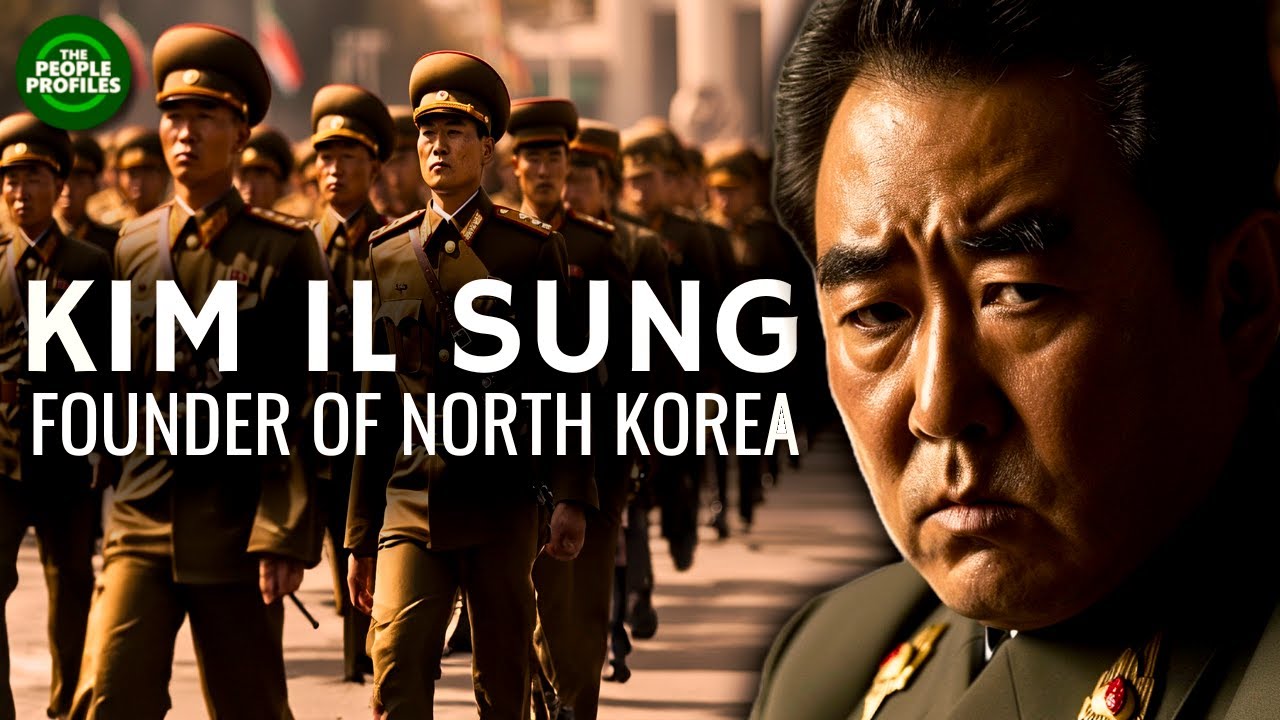
Kim Il Sung was born on April 15, 1912, in Namni, a village that is now part of Pyongyang, during the period of Japanese rule over Korea.
In 1939, French archaeologist Pierre Montet unearthed the remarkable treasures of Tanis, including the tombs of pharaohs Sheshonq II and Psousennès I, which are now being re-explored using.
Istanbul's population surged from 1.5 million in 1960 to over 10 million by 2000, reflecting its rapid urban expansion and economic growth.
100 million people lived in complex societies across the Americas in 1491, a world transformed by the arrival of European settlers.
Catharism, a 12th century Christian sect challenging Catholic doctrine, faced violent persecution during Pope Innocent III's Holy War in medieval Europe.
Queen Elizabeth II's reign faced numerous challenges, including personal tragedies and public scrutiny, which tested the stability of the British Royal Family.
The kidnapping of a Jewish boy by the Inquisition in 1858 ignites a father's battle that ultimately contributes to the downfall of the Inquisition.
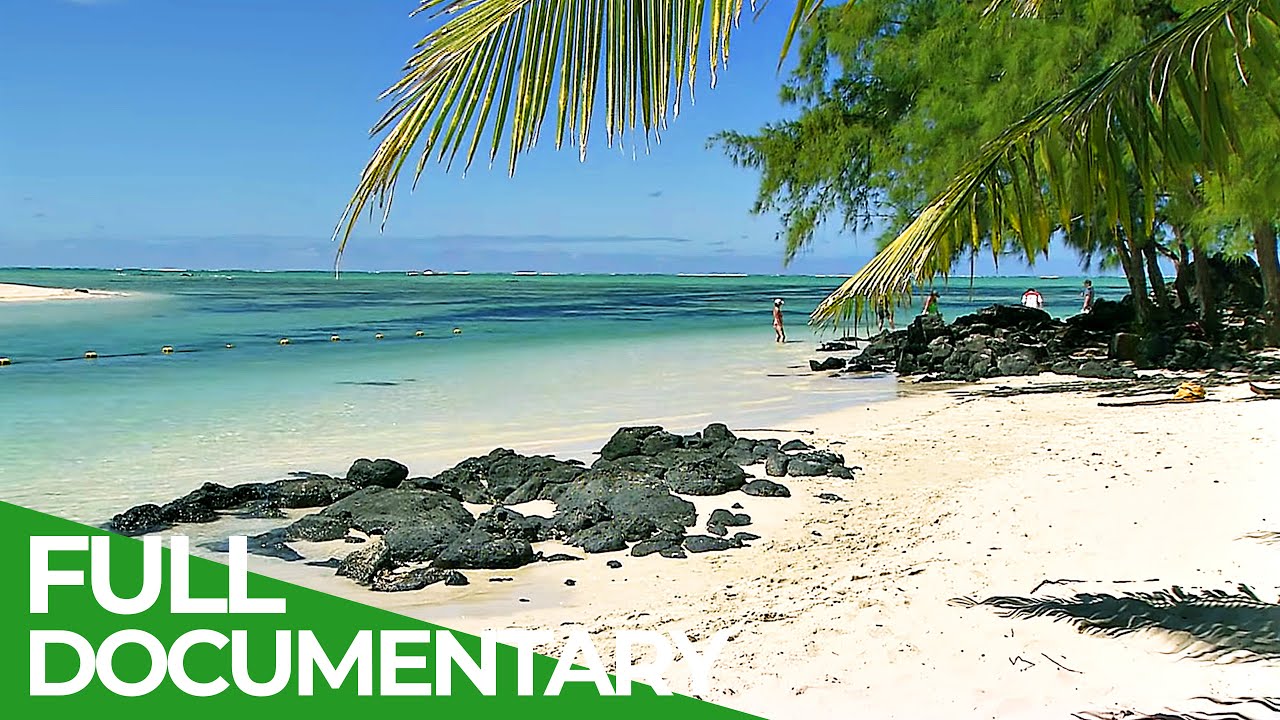
Mauritius, an island nation in the Indian Ocean, features sandy beaches, vibrant Creole culture, and a history shaped by colonialism and Indian immigration.
Casablanca, a city synonymous with romance and drama, contrasts sharply with its Hollywood portrayal, highlighting tensions between tradition and globalization.
The Maya train facilitates tourism in the Yucatán Peninsula, enhancing access to archaeological sites while promoting indigenous culture and regional development.
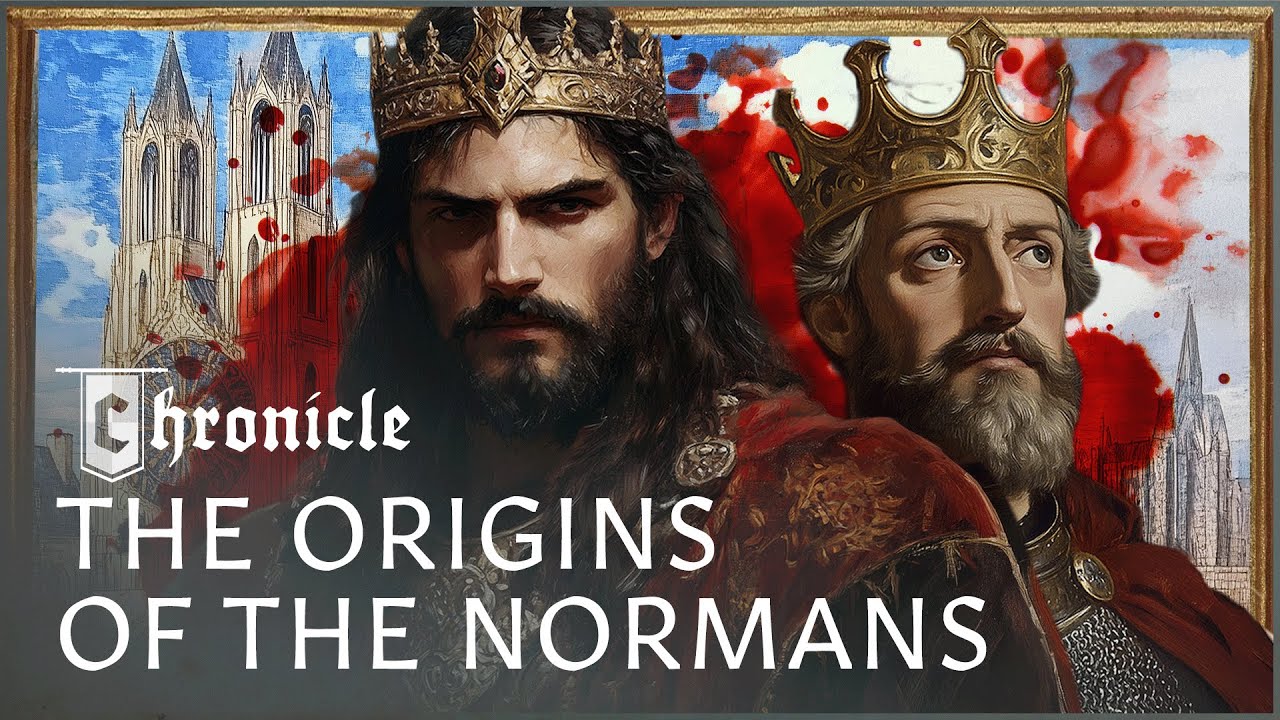
Rollo, known as "The Walker," was a banished Viking who negotiated the Treaty of Saint-Clair-sur-Epte, founding Normandy and shaping European history.
In ancient Greek mythology, the existence of a long-lost ocean is examined by historian David Adams, who seeks to connect these myths to historical reality.
Anton Mussert, leader of the Dutch Nazi party, collaborated with Hitler during WWII, leading to the betrayal of the Dutch people and tragic consequences for the Jewish population.
Five women were murdered in Whitechapel in 1888, leading to widespread panic and a lasting fascination with the identity of Jack the Ripper.
Forensic geologist Scott Wolter investigates claims of ancient Egyptian colonies in the Grand Canyon and Illinois, exploring historical artifacts and geological evidence.
Mary Beard examines the complexities of identity and citizenship in the Roman Empire through historical, archaeological, and mythological perspectives.
Major Bill Barkworth led a post-war mission to track down the Gestapo and SS executioners responsible for the execution of over 30 SAS soldiers in France during Operation Loyton.
Royal figures throughout history have faced legal troubles, from imprisonment and execution to political intrigue and treason, challenging the notion of their immunity.
900 years of monsoon rains, looters, and wars have taken a toll on the Banteay Chhmar temple, yet villagers work to restore its significance.
In ancient Egypt, internal strife weakened the civilization, allowing enemies to exploit its vulnerabilities, while the story of the forgotten Nubian Kings in Sudan unfolds.
Yellowstone National Park, home to the world's largest volcanic system, experienced a catastrophic eruption 6,000 years ago that covered 3,000 square miles in ash and lava.
The Battle of Hastings in 1066 marks the end of the Viking Age and the rise of King William I.
Operation Overlord, the Allied invasion of Northern France during World War II, was a meticulously planned amphibious assault that ultimately secured victory for the Allies.
Viking women played essential roles in managing farms and religious activities within a complex society that thrived on maritime exploration and trade.
Venice's history, marked by the decline of the Roman Empire, is examined through advanced 3D laser scanning and underwater archaeology techniques.
Edith Thompson and Frederick Bywaters were sentenced to death in 1923 for the murder of Thompson's husband, a case that shocked Britain and influenced views on capital punishment.
American WWII soldiers faced significant challenges with Post Traumatic Stress Disorder (PTSD) as they navigated their reintegration into society, highlighted in a banned film from the 1940s.
Queen Elizabeth II's fashion evolution reflects her role as the longest reigning British monarch and highlights the modernization of British style and culture.
Manned lighthouses along the Scottish coast rely on a complex support system and brave crews who navigate treacherous waters to ensure their operation.
Afghan journalist Najibullah Quraishi reports on the Taliban's advance, fears of civil war, and Iran's influence as the U.S. withdraws from Afghanistan.
10,000 Indigenous people fought in the War of 1812, a conflict that shaped Canada's identity and marked its path to sovereignty.
In 212 AD, Emperor Caracalla granted full Roman citizenship to 30 million people across the empire, reshaping identity and inclusion in Roman society.
Dr Ruxton, an Indian-born physician in Lancaster, brutally murdered his wife and maid in 1935, driven by violent jealousy and a desire to conceal his crimes.
Galileo Galilei, born in 1564 in Pisa, faced life imprisonment for advocating heliocentrism, challenging the Catholic Church's geocentric doctrine.
In 1890, Mississippi adopted a new constitution that implemented literacy tests and poll taxes, effectively disenfranchising many African American voters.
Venice, a city built on a marshy lagoon, has developed innovative architectural techniques over 1,500 years to combat rising sea levels while preserving its unique heritage.
Mont Orgueil Castle in Jersey, originally built by King John, is excavated to reveal its historical significance and connection to Britain's heritage.
Nazi Germany's innovative mobile armored warfare strategy, characterized by rapid tank assaults, transformed the landscape of Western Europe during WWII.
A 300-meter-long zip wire serves as the only access to Gateholm Island, where archaeologists investigate evidence of ancient habitation and artifacts.
Dr. Sarah Parcak employs satellite archaeology in Egypt to search for hidden structures, including pyramids and lost cities, potentially reshaping the understanding of ancient history.
An ancient copper scroll found in a Jordanian cave sparks a British scholar's lifelong quest for lost Jewish treasure.
Herodotus, known as the father of history, traveled through Ancient Greece, the Persian Empire, and Egypt, documenting his experiences in 'the Histories'.
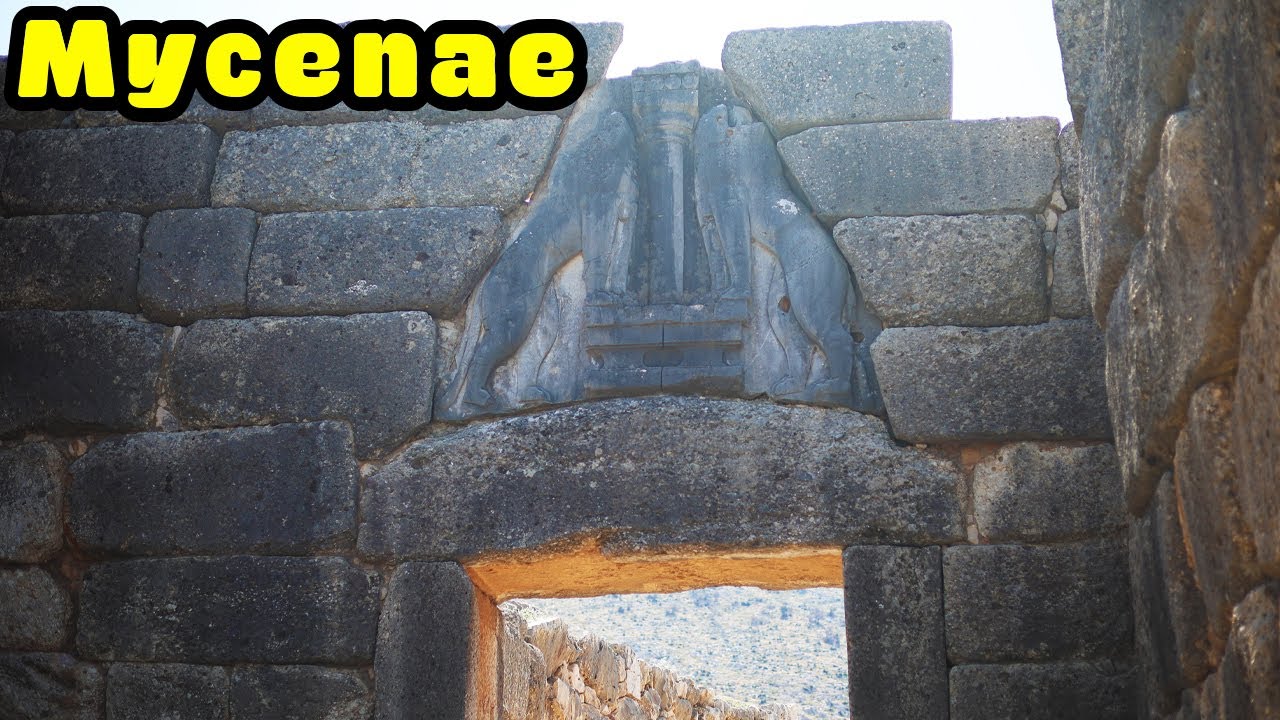
Mycenae, a prominent Bronze Age citadel, showcases its rich history and architectural marvels through an engaging walking tour of its ancient ruins.
Vladimir Putin was born on October 7, 1952, in Leningrad, now known as St Petersburg, and has since risen to become the President of Russia.
Michael Franzese's rise as a capo in New York and Frank Calabrese Jr.'s betrayal of his father in Chicago highlight the complex dynamics of loyalty and betrayal within the American mob.
JFK Jr. and Carolyn Bessette's wedding weekend is showcased through exclusive footage, offering an intimate glimpse into their celebrated romance.
Hitler's invasion of the Soviet Union marked a critical turning point in World War II, highlighting the catastrophic miscalculations that led to Nazi Germany's downfall.