From over 100,000 films, discover the handful you'll love.
Free or premium access to the world's largest documentary library.
22469 films(Page 45 of 469)
The Genpei War marked a pivotal conflict in 12th century Japan, leading to the decline of imperial power and the rise of the Kamakura Shogunate.
Joanna Lumley travels from Alexandria to Cairo, exploring the city's bazaar, riding camels to the pyramids, and cruising the Nile to Luxor.
Tibetan children, fleeing their homeland, navigate perilous journeys to Indian schools where they learn about their culture and history as orphans.
The Battle of Stalingrad, fought from 1942 to 1943, is recounted through the firsthand accounts of surviving soldiers who experienced its brutal conflict.
Rennes-le-Château, a small French village, has captivated treasure hunters for decades with a fabricated tale involving a local priest and hidden secrets.
Waffen SS reenactors gather in secluded areas across the UK, engaging in a controversial pastime that raises questions about the boundaries of cosplay and historical representation.
Hideki Tojo was Prime Minister of Japan from 1941 to 1944 and played a crucial role in instigating World War II in the Pacific.
Camp Bastion, Britain's largest overseas military base since World War II, is dismantled amid ongoing threats from the Taliban in Afghanistan.
Cadwallon, King of Gwynedd, navigates power struggles in early medieval Britain.
Josephine Bonaparte was born on June 23, 1763, in Martinique, where her family struggled financially despite owning a sugar-cane plantation.
National Fossil Day features a competition between the Eons team and SciShow, hosted by Gabriel-Philip Santos from the Alf Museum of Paleontology.
Around 1300, the city of Angkor, home to over 1,000 temples, was largely abandoned, leaving archaeologists to investigate the reasons behind its decline.
Islanders on Tanna have awaited the arrival of John Frum for over 100 years, believing he will bring them cargo from the gods.
Ancient civilizations such as Egypt, Rome, Greece, and the Mayans are explored through their monumental achievements and cultural legacies.
Adolf Hitler's rise to power and the subsequent decline of Nazi Germany are chronicled through rare color footage from 1933 to 1945.
Wolfgang Amadeus Mozart was born on January 27, 1756, in Salzburg, Austria, and began composing music at the age of five.
In the Three Gorges region of China, ancient human remains dating back over two million years provide insights into the possible origins of the Chinese people.
Albert Speer was born on March 19, 1905, in Mannheim, Germany, into a family with a long history in architecture.
President Truman authorized the use of atomic bombs on Hiroshima and Nagasaki in August 1945, leading to massive destruction and loss of life.
Military historian Dan Snow MBE analyzes 250 years of warfare as depicted in films, highlighting the evolution of tactics, technology, and strategies.
1.2 million Soviet troops and 1,500 tanks launch a massive offensive against German forces in January 1944 during the brutal Baltic campaign.
Medieval fortresses, designed for defense, were often breached by skilled warlords employing innovative tactics, as explored by historians in this examination of military strategy.
Between 950 AD and 1290 AD, the Kingdom of Mapungubwe governed from a hilltop and became a major trade hub in southern Africa.
1,500-foot-long crop circles appeared overnight in England, drawing thousands of tourists and sparking debate about their origins and creation.
In western Nepal, the Rajis community relies on fishing and gold dust collection, guided by the legend of the golden mahseer blessed by goddess Kanyakumari.
Naturpark Südheide features unspoilt landscapes between Hamburg and Hannover, rich in history.
Kaliningrad, a heavily militarized Russian enclave in Europe, faces economic hardship and rising tensions with neighboring Baltic states amid the ongoing war in Ukraine.
Margaret Thatcher's tenure as Prime Minister transformed 20th Century politics, revealing how her unwavering convictions led to both admiration and deep resentment.
A German U-boat, U-455, was discovered off the coast of Italy at a depth of 400 feet, nearly intact and resting vertically on the seabed.
Hank Voegler, a sheep and cattle rancher in Nevada, battles against coyotes and federal regulations to protect his livestock in the harsh desert environment.
Around 300 years ago, humans developed machines capable of processing extraordinary amounts of energy to perform previously unimaginable tasks.
RRS Discovery, Britain's first purpose-built polar research vessel, played a crucial role in early Antarctic exploration under Captain Scott and Ernest Shackleton.
The tomb of the First Emperor covers 22 square miles, making it larger than Egypt's Valley of the Kings and one of the greatest burial complexes in the world.
In June 1976, Air France flight 139 was hijacked by Palestinian and German terrorists, leading to a complex hostage rescue operation in Entebbe, Uganda.
Nunavut faces a severe social crisis, with crime and suicide rates soaring, largely attributed to the pervasive issue of alcohol despite its prohibition in some areas.
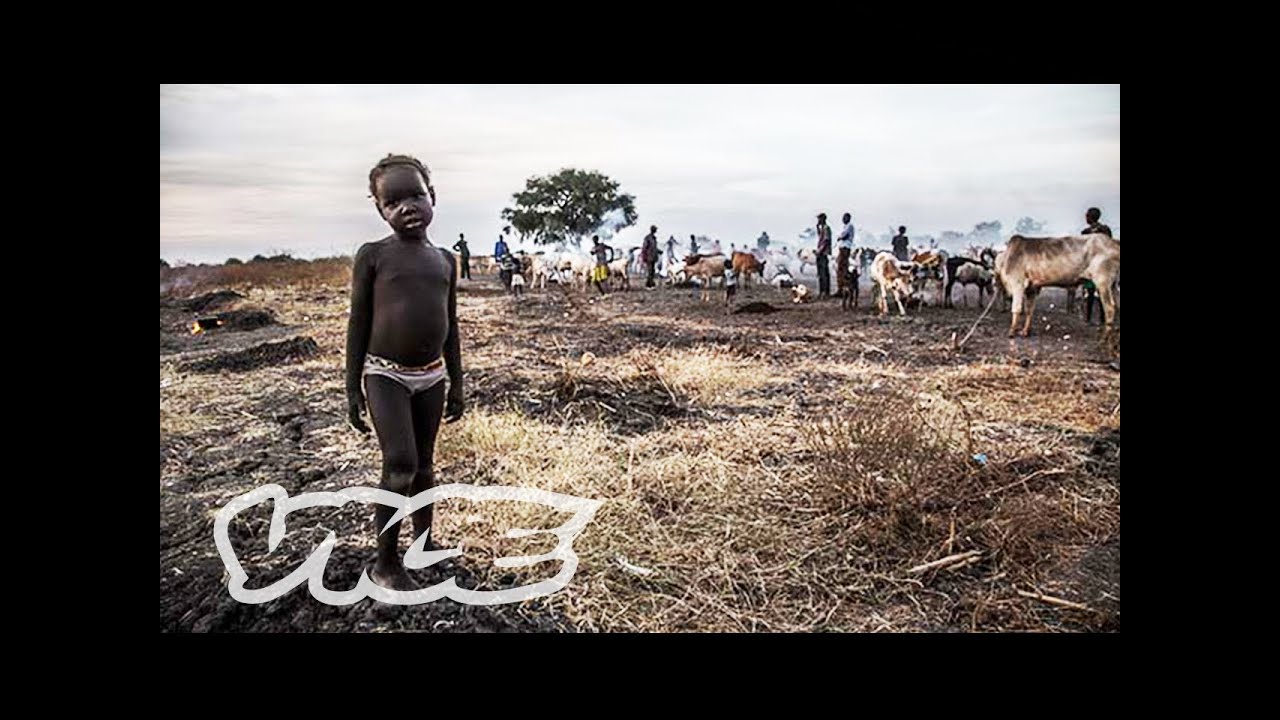
South Sudan faces a brutal civil war fueled by ethnic tensions and political betrayal, as former vice president Riek Machar seeks refuge from assassination attempts.
The Livens Large Gallery Flame Projector, a 60-foot flamethrower used in the Battle of the Somme, is rebuilt and tested by Tony Robinson and the British Royal Engineers.
At Tadcaster Castle in Yorkshire, experts analyze a 700-year-old skeleton of a medieval woman, revealing insights into her life and the historical context of women in that era.
Adolf Hitler's rise to power in Germany and the subsequent establishment of the Nazi regime are examined through the lens of World War II's hidden narratives.
The Basilica of Saint-Denis near Paris amazes locals with its Gothic architecture in 1144.
Lady Lucan breaks her silence on the 40-year mystery of Lord Lucan's disappearance.
On April 27, 2011, 62 tornadoes touched down in Alabama, resulting in 252 fatalities and widespread destruction across the region.
Leech collectors risk their health by wading into marshes, allowing bloodsucking leeches to cling to their legs for medical use.
Eighteen-year-old British conscripts were sent to the Western Front in March 1918 as the Germans launched a final offensive during World War One.
Nearly 60,000 British troops were killed or wounded in just 12 hours during the first day of the Battle of the Somme in World War I.
In 1973, Egypt attacks Israel to reclaim lost territory, leading to significant military conflict.
Rob Knox, an 18-year-old actor known for his role in Harry Potter and the Half-Blood Prince, was fatally stabbed while protecting his brother from an attacker in Sidcup, Kent.
In 1597, King James VI of Scotland published 'Daemonology', a manual that fueled a wave of witch hunts across England and Scotland.