From over 100,000 films, discover the handful you'll love.
Free or premium access to the world's largest documentary library.
22463 films(Page 76 of 468)
Samuel Colt and partners Edwin Smith and Daniel Wesson ignite the first arms race for revolvers.
Crater Lake National Park in Oregon is examined through interviews and reenactments that reveal its mysteries, legends, and tragic stories.
Lancaster factory, one of Europe's largest buildings, played a crucial role in producing the iconic Avro Lancaster bomber that contributed to WWII success.
Brixton's underground station faces significant challenges as staff navigate strikes and repairs while ensuring smooth operations for frustrated customers.
Patrick Mackay, a British serial killer with a fascination for the Nazi regime, was diagnosed as a psychopath at seventeen and later murdered elderly victims.
Two thousand islands make up Micronesia, each with its own distinct culture and history, connected by the vast Pacific Ocean.
On October 14, 1066, an unknown archer shot an arrow that struck King Harold II in the eye, marking the end of the Battle of Hastings.
Natural disasters such as the 2015 Everest avalanche, the 2017 Portugal wildfire, and the 2011 U.S. tornado outbreak have reshaped communities worldwide.
Theodore Roosevelt was born on October 27, 1858, in New York City, and became the 26th president of the United States.
The T-34 tank, a symbol of Soviet industrial strength, played a pivotal role in defeating German forces during World War II despite the USSR's limited tank production experience.
English windmills, once vital for grinding grain, are celebrated in a meditative exploration of their enduring legacy and artistry in rural England.
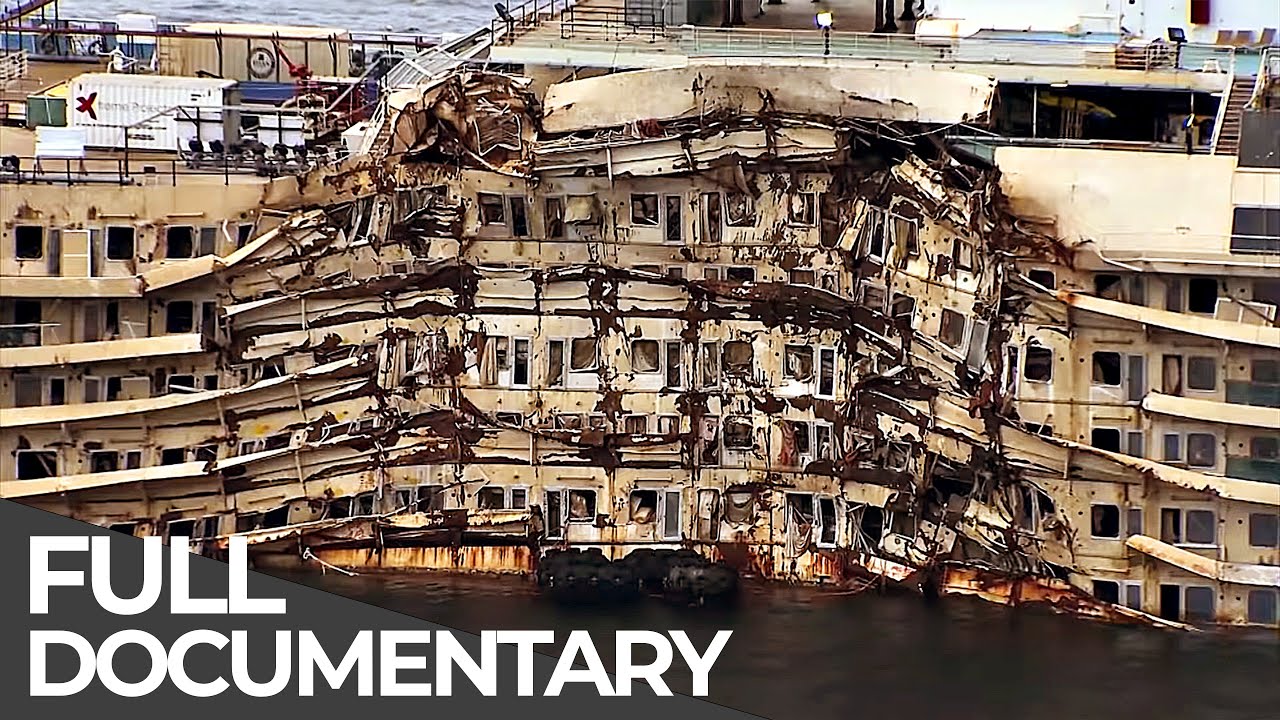
304 people died when the Sewol ferry capsized off the coast of South Korea in 2014, a disaster linked to human error and poor safety practices.
John F. Kennedy's assassination on November 22, 1963, remains a pivotal event in American history, shrouded in controversy and speculation about the true circumstances.
On November 4, 1922, Howard Carter's discovery of the entrance to Tutankhamun's tomb marked a pivotal moment in the field of Egyptology.
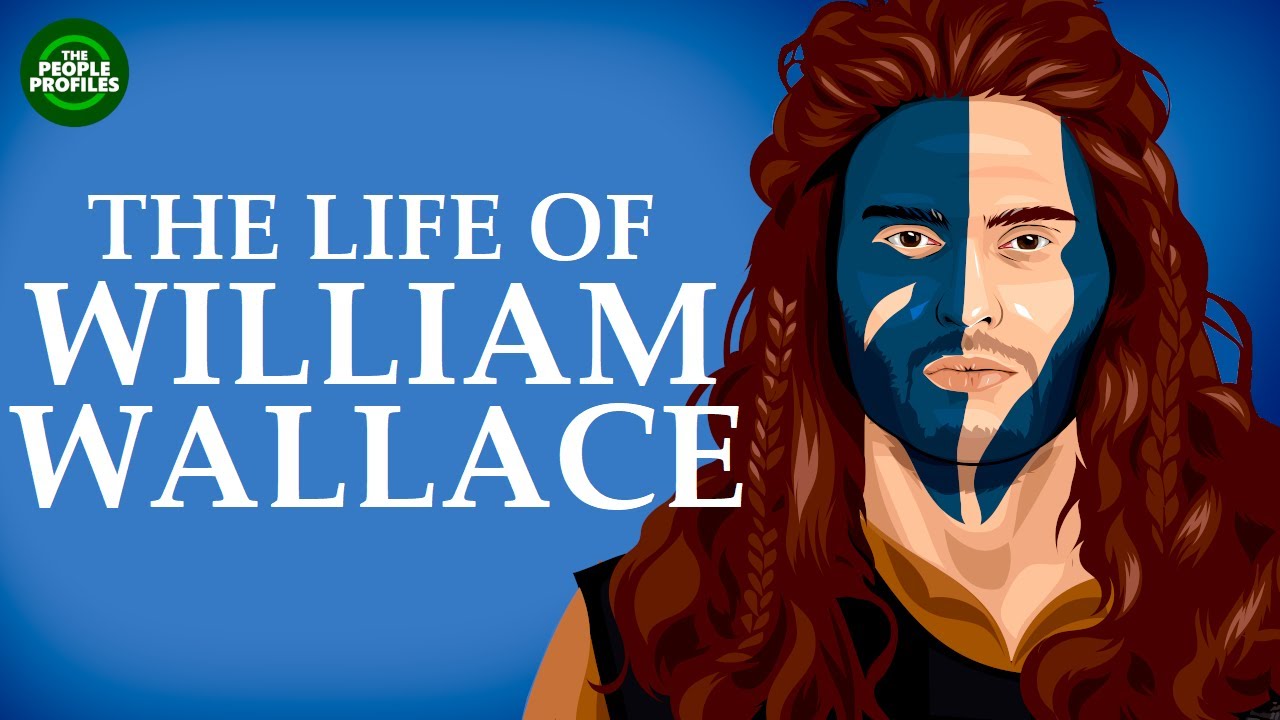
William Wallace is believed to have been born around 1270 AD in southwest Scotland, into a family with ties to the Scottish gentry.
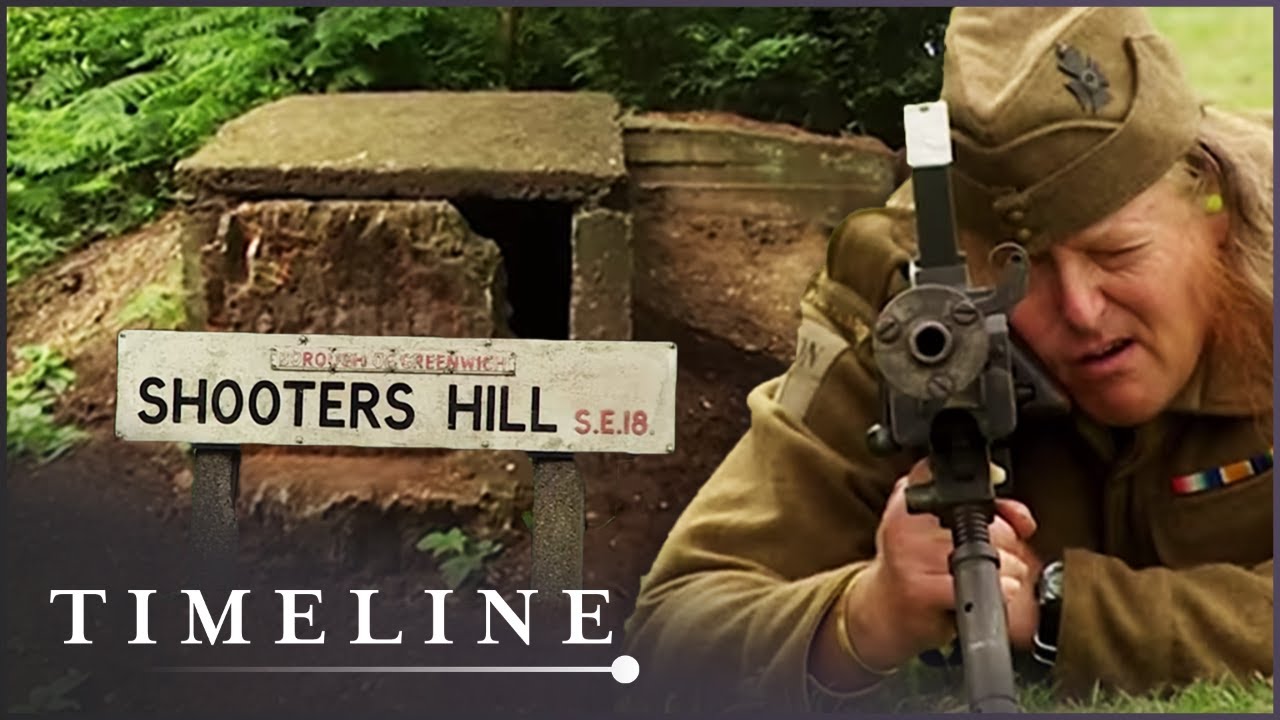
Hidden archaeological sites in London reveal the extensive WWII defenses planned to protect Britain from a potential Nazi invasion in 1940.
The decline of traditional local pubs in the 1970s highlights a shift towards modern establishments catering to youth, sparking nostalgia and concern among patrons.
In April 1982, British forces launched a significant nighttime raid on Port Stanley in response to Argentinian aggression during the Falklands War.
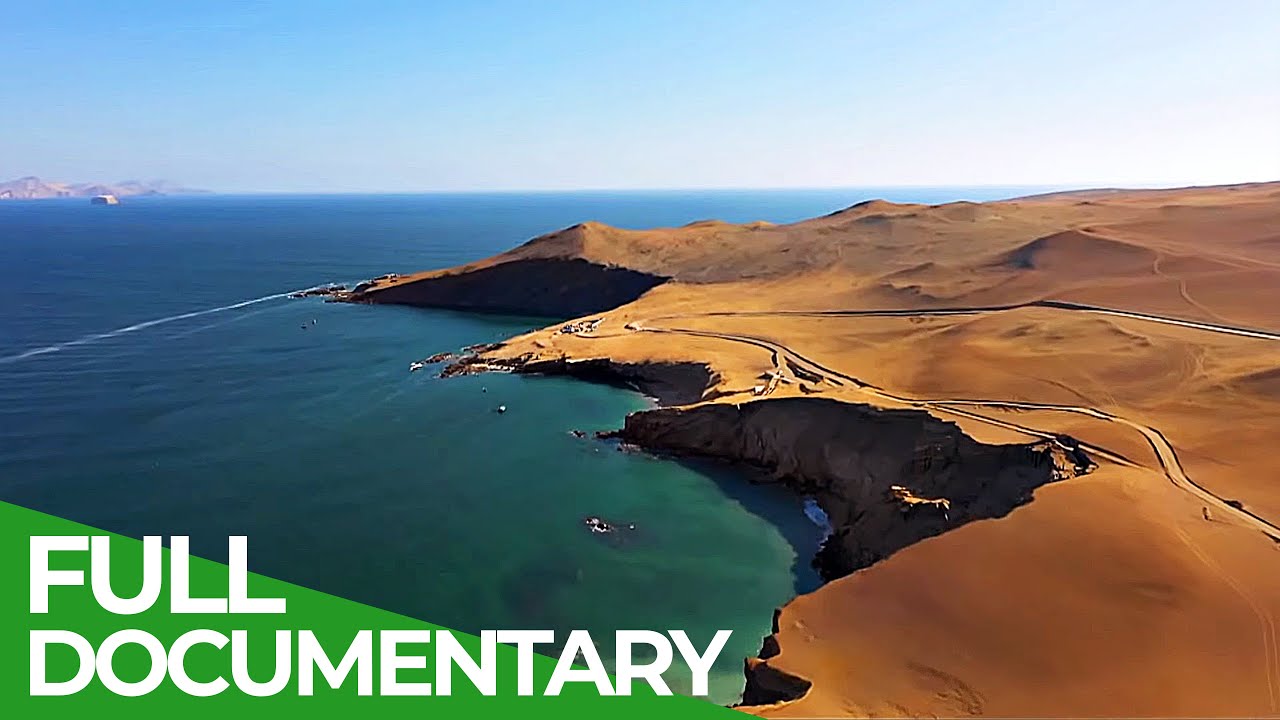
In northern Peru, fishermen in Huanchaco build traditional reed boats while grappling with personal fears, as vibrant mototaxis and chaotic traffic define urban life in Lima.
In May 1123, a large Egyptian fleet besieged the coastal city of Jaffa, taking advantage of the Crusaders' weakened position after Baldwin II's capture.
In April 1066, the appearance of Halley's Comet foreshadowed the Norman conquest of England led by William the Conqueror, a descendant of Vikings from Normandy.
New research challenges carbon dating of the Turin Shroud, suggesting it may bear Christ's image.
The final phase of World War II is marked by Allied advances into Germany, General Montgomery's Operation Market Garden, and Hitler's last offensive during the Battle of the Bulge.
Vikings left Denmark due to the influence of Christianity and cultural integration, significantly transforming European history and its cultural landscape.
Petra, an ancient city built by the Nabataeans, showcases advanced engineering, intricate rock-cut tombs, and a thriving trade empire in the desert.
One million people were murdered in just 100 days during the Rwandan genocide, which Samuel Ishimwe investigates through the lens of colonial history.
Elvis Presley’s childhood in Tupelo, Mississippi, shaped his rise to fame, influenced by poverty, family struggles, and pivotal relationships, including with Colonel Tom Parker.
A 13-meter-long whale shark glides through the murky waters of the Essequibo Delta, the largest fish on earth feeding on plankton.
Sugar's history reveals a global system of slavery and exploitation, from 19th-century plantations to modern refineries in Brazil, India, and the Dominican Republic.
Minas Gerais showcases its vibrant local cuisine, including pequi fruit and feijão tropeiro, while highlighting the region's rich Afro-Brazilian cultural influences.
The Battle of Quebec in 1759 marked a turning point in the Seven Years War, determining the future dominance of the British Empire in North America.
Peter Greste highlights General Sir John Monash and his Great Uncles' military fates.
Serj Tankian, lead vocalist of System of a Down, first visited Armenia 17 years ago and reflects on the cultural significance of his heritage.
Hampton Court Palace, home to the Royal Tennis Court built for Cardinal Wolsey, has hosted numerous monarchs playing real tennis, including King Henry VIII.
Franklin D. Roosevelt reaches the Oval Office as Hitler rises to power during the Great Depression.
Spitfire pilots played a crucial role in World War Two, showcasing the aircraft's unmatched performance during the Battle of Britain and its lasting legacy in British history.
New investigations in Mexico and Guatemala reveal the complex factors that led the ancient Maya to abandon their monumental cities.
A Ukrainian city, isolated from the outside world, harbors a hidden cancer epidemic linked to radioactivity, posing a grave threat to its residents.
The rise and fall of Spanish conquistadors, including Christopher Columbus, Hernán Cortés, and Francisco Pizarro, shaped the history of the Americas through conquest and colonization.
West Highland Railway showcases the breathtaking landscapes and sounds of Scotland's iconic railway, enhanced by stunning black and white cinematography and an inventive score.
Battles in the Dolomites during World War I are examined through the experiences of soldiers and insights from historians Dan Snow, Suzannah Lipscomb, and Matt Lewis.
Easy Company, the renowned Band of Brothers, is the focus of an archaeological dig in Aldbourne, Wiltshire, where volunteers search for traces of their training.
Houlgate Village serves as a focal point for exploring everyday life in Anglo-Saxon Britain, covering laws, religion, and the influence of Alfred the Great.
Earth's oceans may hold clues to extraterrestrial activity as researchers investigate deep-sea mysteries and unexplained phenomena related to intelligent life.
In London, Ye Old Mitre pub and Wild Card Brewery's Jaega Wise explore medieval drinking culture, revealing its significance and royal indulgences.
150 feet from the dock, wall-to-wall dead fish signal the environmental decline of the Salton Sea, once a popular destination for tourists.
90% of Libya is desert, yet it also features the best-preserved Roman city in the world, Leptis Magna, built over 2,000 years ago.
Ferdinand Porsche's design of super tanks for Nazi Germany ultimately failed due to technical issues and inefficiencies, contributing to the Axis defeat in World War II.