From over 100,000 films, discover the handful you'll love.
Free or premium access to the world's largest documentary library.
22463 films(Page 337 of 468)
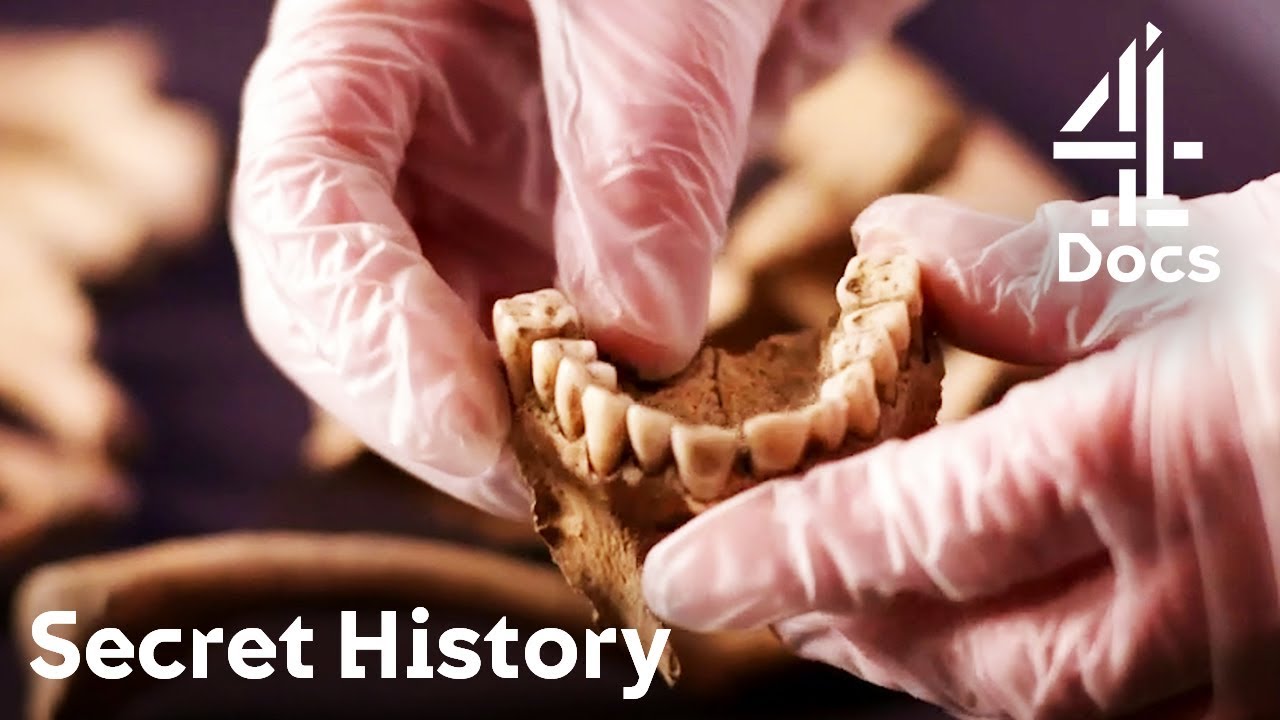
Analysis of teeth from victims of the Black Death reveals unexpected findings that challenge existing historical narratives about the plague's impact in Europe.
In the summer of 1988, wildfires in Yellowstone National Park prompted a reevaluation of wildfire management strategies across the United States.
A 1986 surrogacy case in New Jersey, known as Baby M, became the first contested case in U.S. history, shaping laws and public opinion on surrogacy.
Recently discovered clues reveal the true story of William 'Braveheart' Wallace and Robert the Bruce.
Learn to make the Bread Basket Sour cocktail by Derek Brown in this informative video.
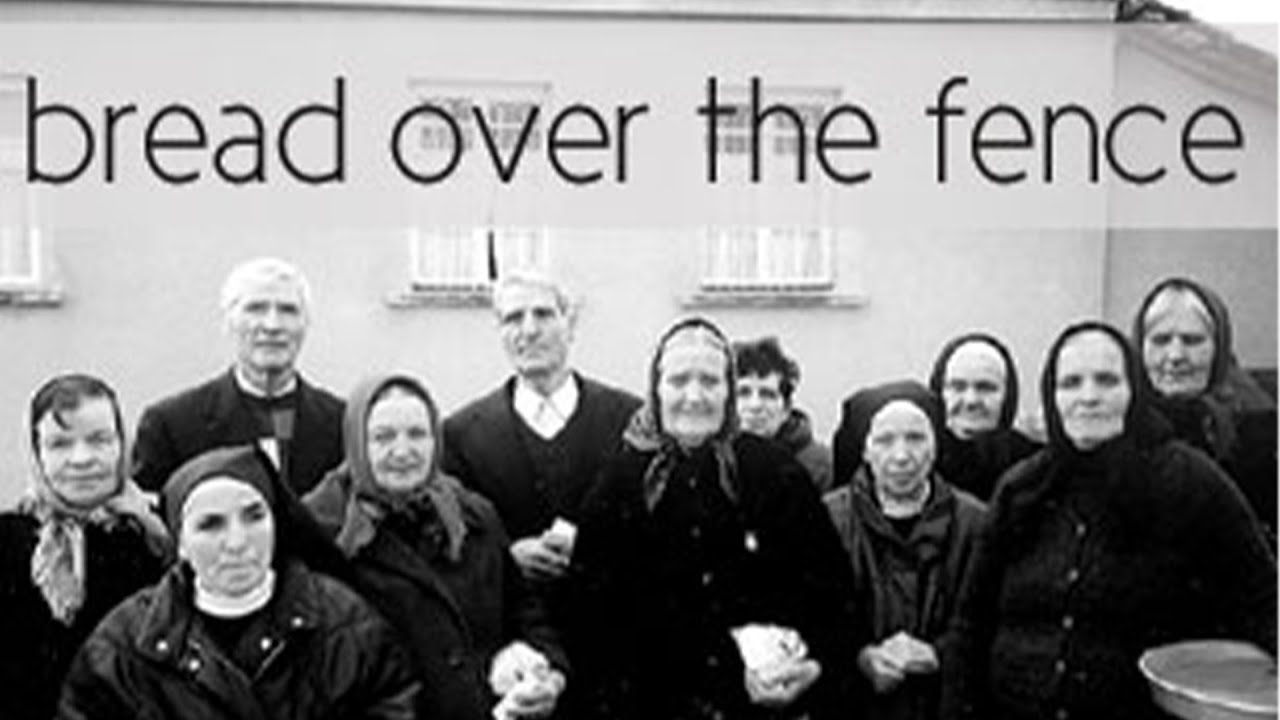
In the Bulgarian villages of Pokrovan and Bardarski Geran, historical rivalries between Catholics and Orthodox Christians evolve into a narrative of friendship and community.
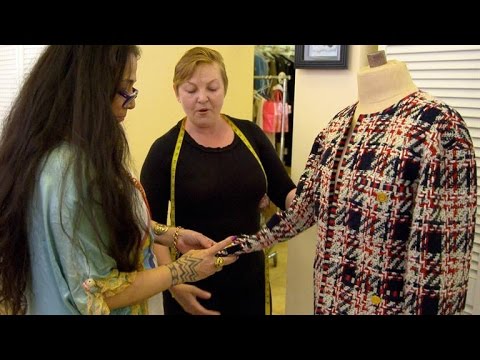
A flapper dress from the 1920s is altered to fit better, revealing a generous seam that allows for adjustments of nearly two inches on each side.
Buddhism began when a blue-skinned man came down from the sky, suggesting alien influences.
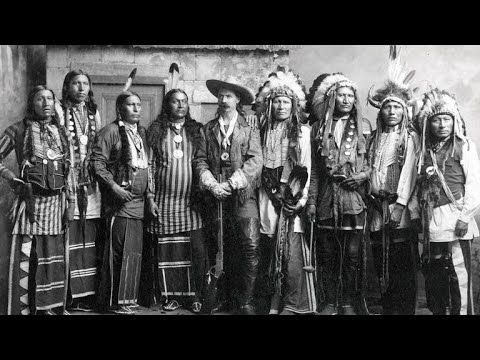
Buffalo Bill Cody’s Wild West Show features Native American performers from the Pine Ridge reservation, showcasing their culture and reenacting historical events like the Battle of Little Bighorn.
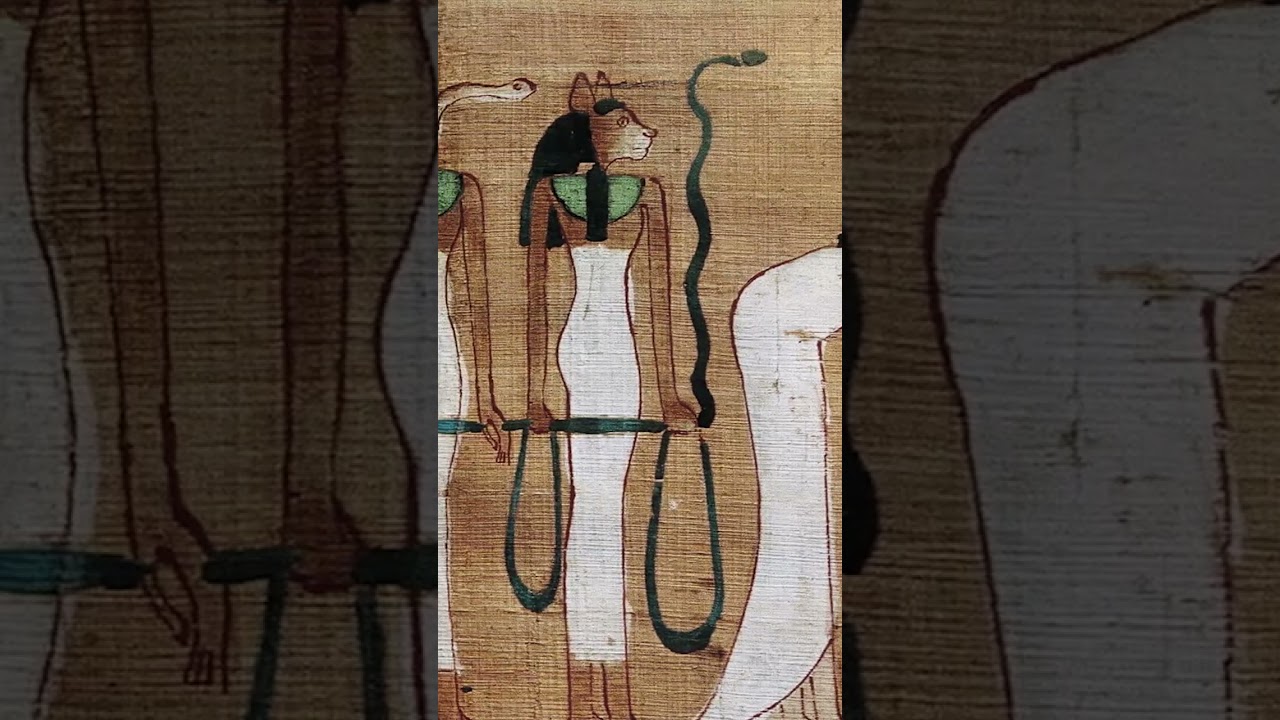
The Ancient Egyptians buried these beings in unusual ways, hinting at extraterrestrial connections.
The 2000 presidential election controversy prompted significant voting reforms in the US while also introducing new challenges that persist in current elections.
Dr. Martin Luther King Jr.'s impactful leadership in the civil rights movement is examined through key achievements and statistics that shaped American history.
Eva zu Beck meets the legendary Rarámuri runners in beautiful Copper Canyon.
Viewers debate the existence of dinosaurs and prehistoric crabs in this engaging short video.
In Maryland, Josh utilizes bull sharks to aid in locating a sunken World War II boat while exploring local legends like the Chessie sea monster.
Weapons expert Stephen Bull tests the ancient Roman Scorpio catapult's accuracy and effectiveness, evaluating its engineering and performance in military technology.
Julie Montagu, Viscountess Hinchingbrooke, learns about 18th century dance and its cultural significance during a session at Boughton House in England.
Cappadocia, Turkey, reveals its underground city and unique landscapes every Tuesday and Thursday.
Addison Scurlock began photographing black Washington in 1911, capturing the lives of notable figures and everyday workers facing racial segregation.
Mutilated remains found in Wharram Percy are analyzed through carbon dating to investigate medieval executions and the justice practices of that era.
Carrie Nation's axe-wielding activism against alcohol in the early 1900s ignites a nationwide temperance movement, influencing organized crime and societal unrest.
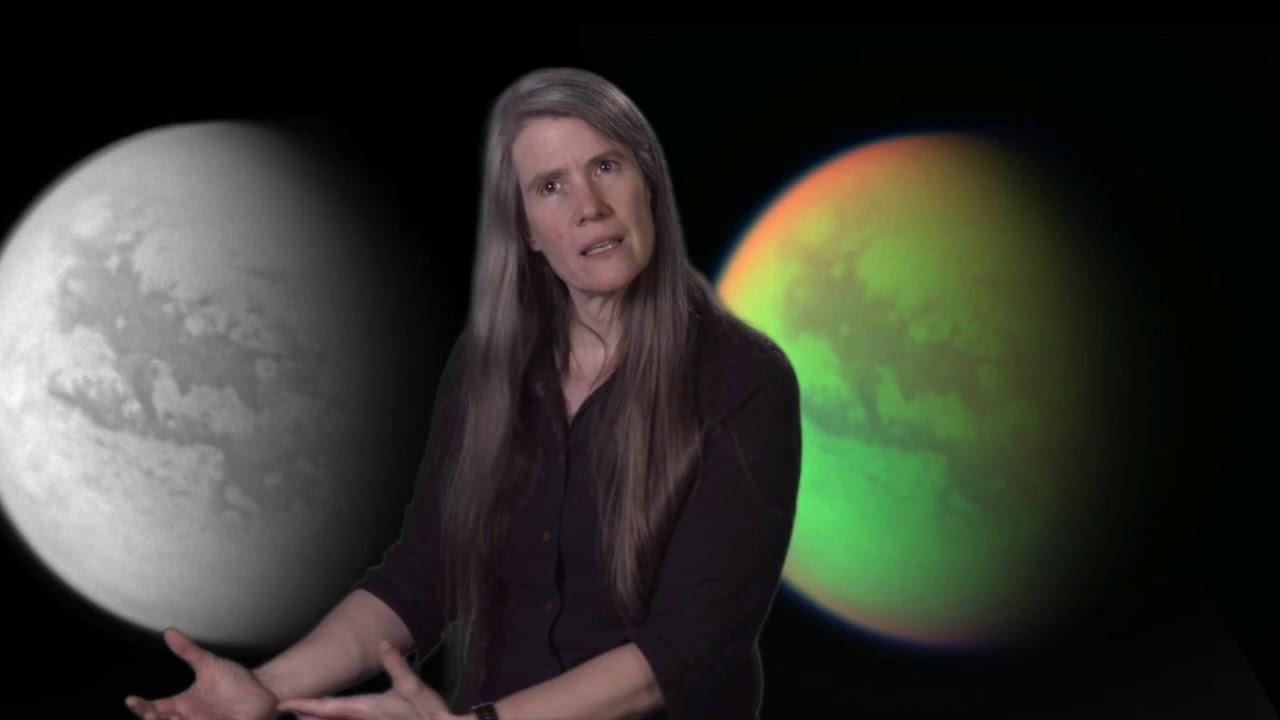
Titan, Saturn's largest moon, has revealed complex atmospheric and surface features through the Cassini-Huygens mission, enhancing understanding of planetary science.
The cassowary, a dangerous bird, descends from prehistoric Moas of Gondwana.
A scene recreates the first DNA profile revealed in a criminal case, set in a mental health community center in Halifax, Nova Scotia.
Tanago fishing in Japan features tiny fish and traditional Edo Wazao rods crafted by twin brothers.
Dave Arnold explains popcorn science and cereal history at the Museum of Food and Drink.
The chachapoyas lived in a fortress city of clouds in Peru, showcasing unique architecture.
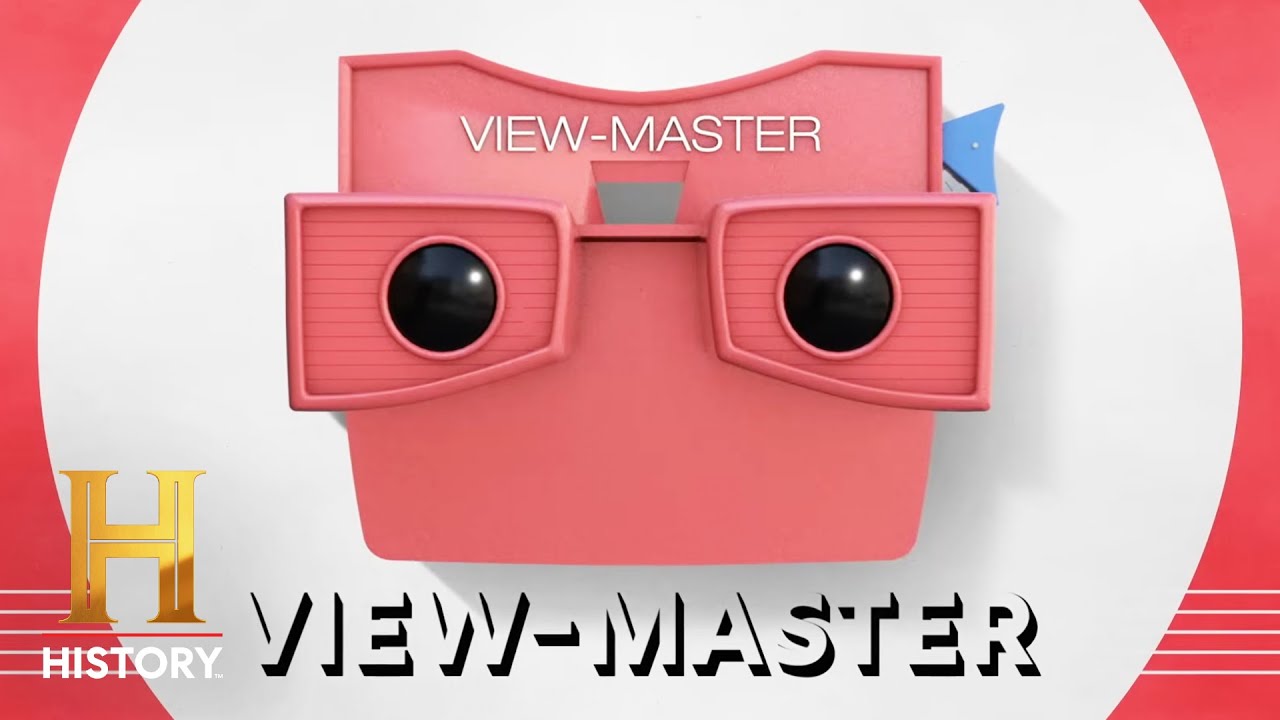
In 1958, Charles Harrison redesigns the View-Master, transforming it into a colorful, plastic toy that offers children 3D scenes from history and around the world.
Charles II's return in 1660 marks the Restoration of the English monarchy.
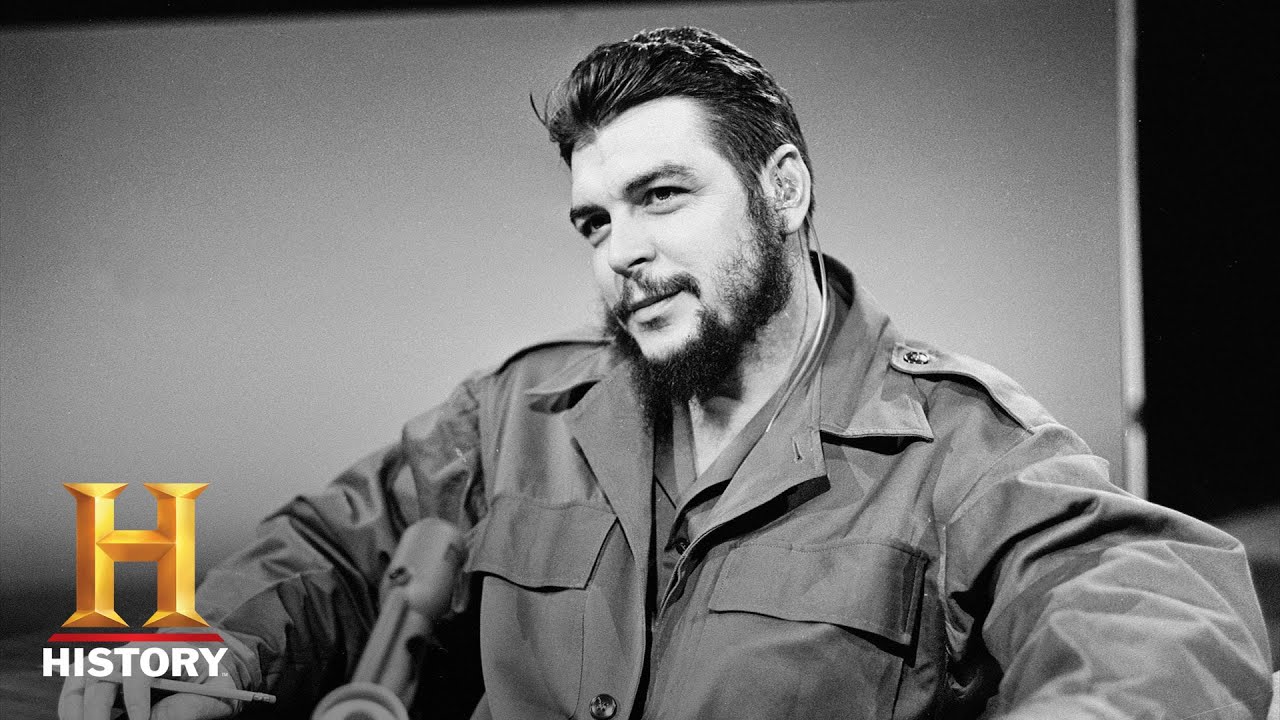
Ernesto Che Guevara transforms Cuba's economy and leads revolutionary efforts against Batista.
Bobby Fischer played Boris Spassky for the World Chess Championship in 1972, marking a significant moment in the popularity of chess-themed cartoons.
Japanese Americans reflect on life in internment camps during World War II.
Young Wing graduated from Yale in 1854, becoming the first Chinese student in America.
Taiwan sees itself as independent, but China claims it as part of the People's Republic.
China's economic rise is a dramatic transformation shaping the New World Order today.
The origins of Earth Day in 1970 are explored, highlighting public response to pollution and its impact on U.S. environmental policy.
Young Winston Churchill's military passion begins at Sandhurst Academy, shaping his future.
On May 5, 1862, Mexican General Ignacio Zaragoza led a small militia to a surprising victory against 6,000 French troops in Puebla.
Civil War prisons faced high mortality rates among inmates, with both Union and Confederate forces struggling to manage overcrowded and unsanitary conditions.
In 44 BC, Egypt suffers famine and political turmoil under Cleopatra after Julius Caesar's death.
Clifford Beers founds America's first outpatient mental health clinic in 1913 at Yale University.
Learn to make the Colonial Ties cocktail by Eric Alperin for Smithsonian's Raise a Glass.
The series reveals the savage truth of gladiators and Rome's Emperors at the Colosseum.
In the 1990s, flawed research on "superpredators" led to widespread panic and harsh juvenile sentencing, prompting states to reconsider life sentences for minors.
President Harry S. Truman warned Congress in 1950 that communism was spreading like an epidemic, urging immediate and resolute action.
James Burke discusses how innovations often lead to unexpected outcomes that can reshape society in ways not anticipated.
More than 40% of Americans believe in conspiracy theories, a trend that has intensified since the assassination of President Kennedy.
Santorini's volcanic landscapes and ancient ruins are central to the exploration of historical and archaeological evidence connecting the island to Atlantis.