From over 100,000 films, discover the handful you'll love.
Free or premium access to the world's largest documentary library.
22463 films(Page 262 of 468)
In the final weeks of World War II, Allied command faced a critical decision regarding the race to Berlin, leading to significant casualties among Soviet forces.
America's diplomats navigate complex global challenges, from Ben Franklin's era to modern conflicts like Benghazi, shaping U.S. foreign policy and preventing war.
A hundred years of women's activism from 1920 to 2020 includes efforts by Black women for safety and rights alongside white women's push for equality.
King Richard I of England, known for his legendary status and connection to King Arthur's Excalibur, faced a pivotal moment in his life at age 35 due to a fateful misstep.
Journalist Jack Tame and chef Ray McVinnie explore their complex ancestry through DNA testing, revealing unexpected connections to their heritage.
More than 15 million Americans have used DNA testing kits to trace their ancestry and understand their medical histories.
Martha Washington, Abigail Adams, and Dolley Madison shaped the role of First Lady, influencing public perception and women's roles in early America.
Sarah Ferguson, the Duchess of York, faced public controversies and personal challenges while redefining her identity within the British monarchy.
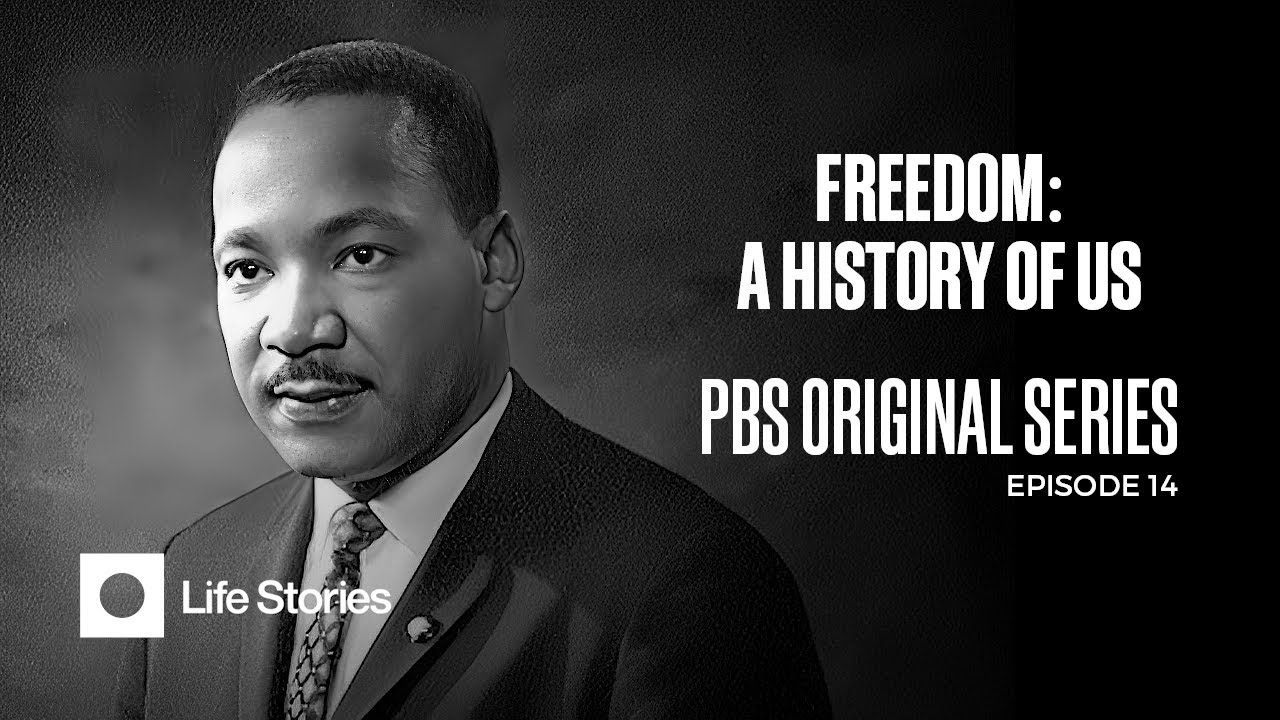
Freedom in America is explored through key figures and events, highlighting the evolution of social reform, labor rights, and corporate accountability.
Anarchy and insecurity plague southern Iraq as residents express their fears and hopes for the future in the aftermath of Saddam's regime.
In 1963, President John F. Kennedy and Attorney General Robert F. Kennedy confronted Governor George Wallace over the enrollment of African-American students at the University of Alabama.
Between 1993 and 1996, the East Midlands rail network featured steam locomotives and freight trains, including nine daily services to Wellington Power Station.
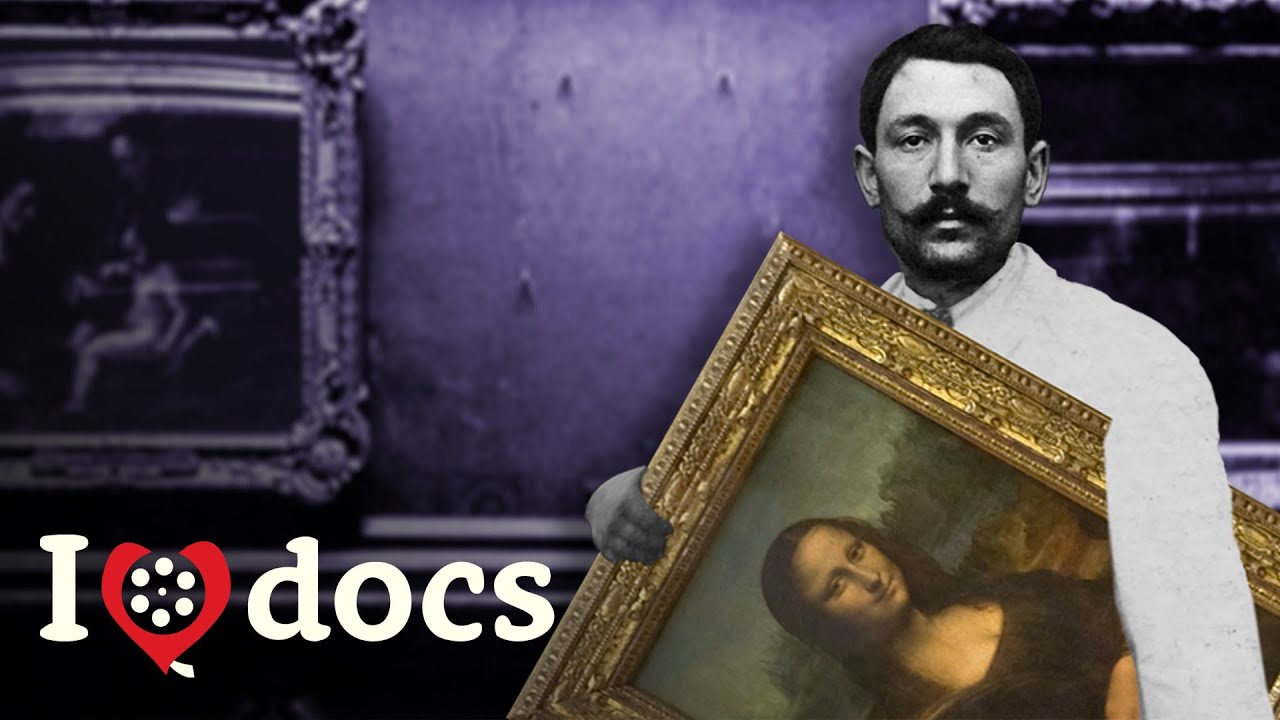
Vincenzo Peruggia, an Italian handyman, stole the Mona Lisa from the Louvre in 1911, hiding it for two years before attempting to sell it in Italy.
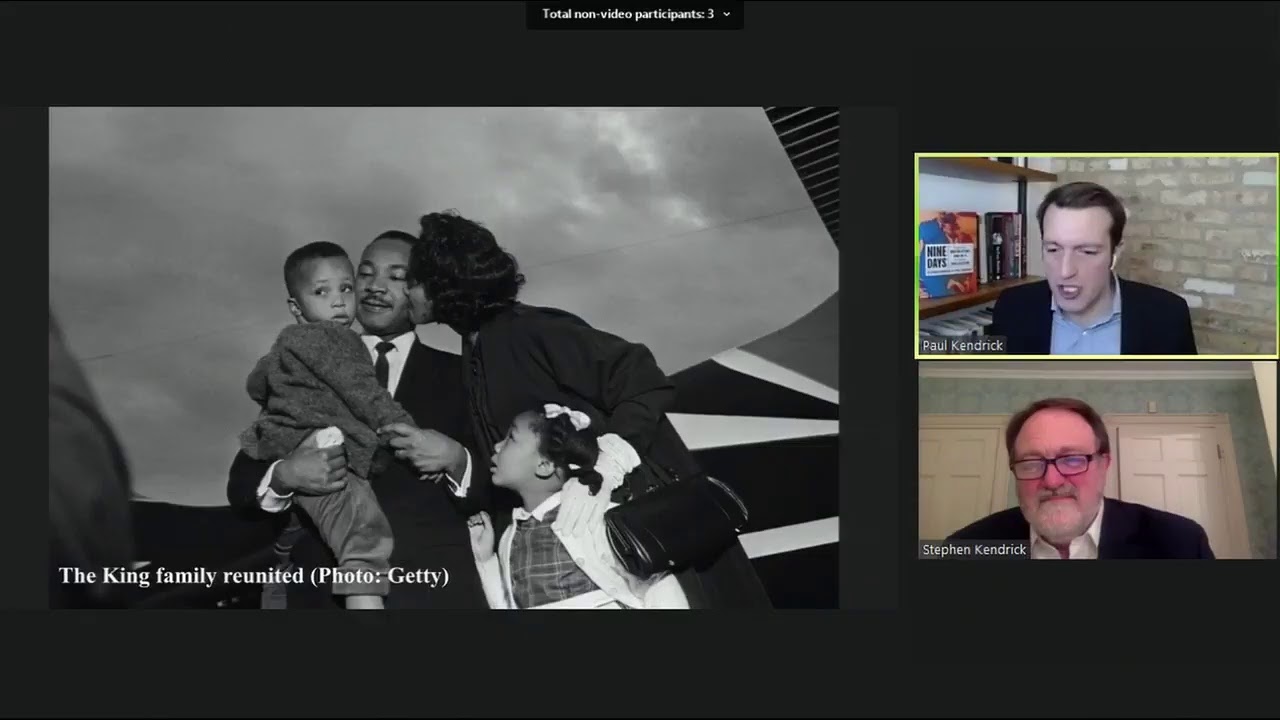
In October 1960, Martin Luther King Jr. was arrested during a sit-in at Rich’s Department Store in Atlanta, prompting urgent political responses from both campaigns.
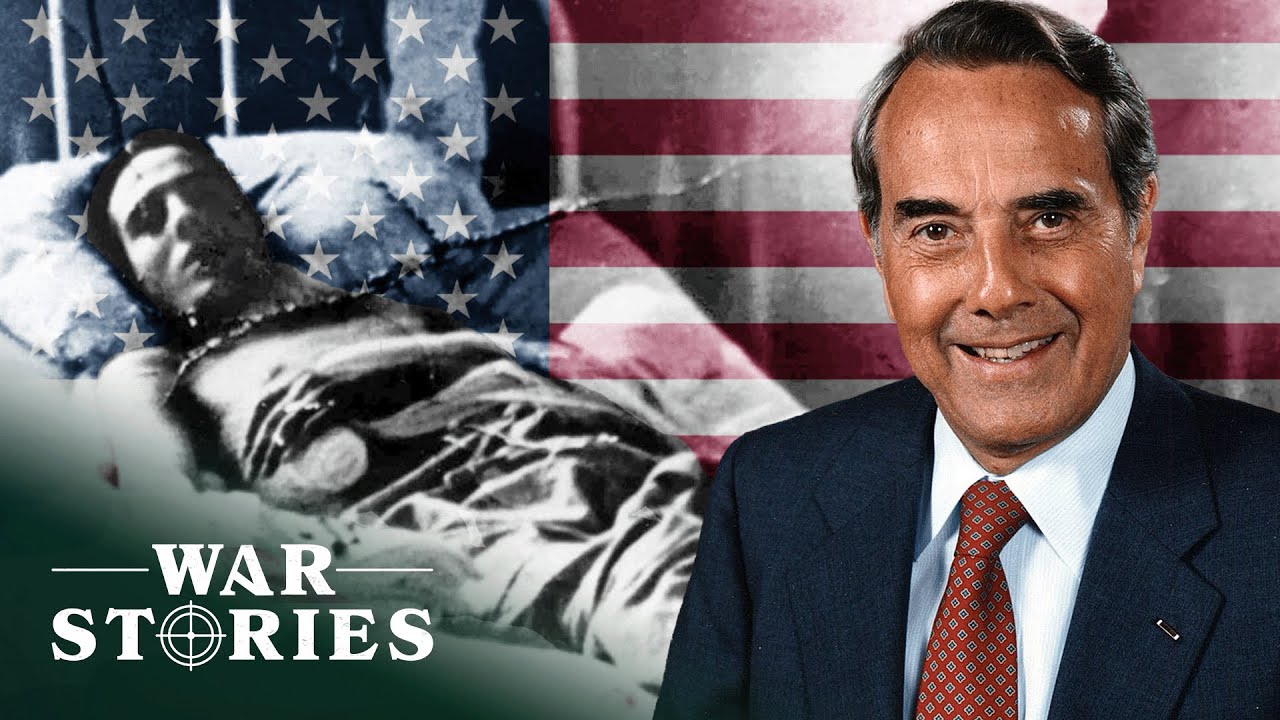
Bob Dole, a soldier in the 10th Mountain Division, was severely wounded during World War II's brutal fighting on Hill 913 in Italy before becoming a prominent U.S. Senator.
Medieval murder mysteries are examined through modern forensics and criminal psychology, revealing the true circumstances behind the deaths of historical figures like Richard III and Anne Boleyn.
The militarization of space has become a significant focus for the United States, with advancements in technology and strategies to maintain global dominance.
Matthew Margis discusses the history of African-American soldiers in World War I through photographic records at the National Archives.
Spitfires played a crucial role in defeating the Axis during World War II, showcased through their action in the Battle of Britain, Italy, and D-Day.
Archaeological and historical analysis of 1st-century Nazareth and Jerusalem reconstructs the life of Jesus of Nazareth, examining ancient texts and recent discoveries.
Argentina faces a severe economic crisis in 2002, with middle-class citizens demanding government change while many others scavenge for basic necessities.
Survivors of the Chernobyl nuclear disaster, including a senior engineer and a firefighter, share their personal stories and experiences from the 1986 catastrophe.
Freedman's Bank records, covering 1865 to 1874, provide vital documentation for tracing freed African-American ancestors after the Civil War.
In the Pendle Hills, Sean investigates the 1612 trial of the Pendle Witches and visits the New Inn, known for its haunted history and eerie encounters.
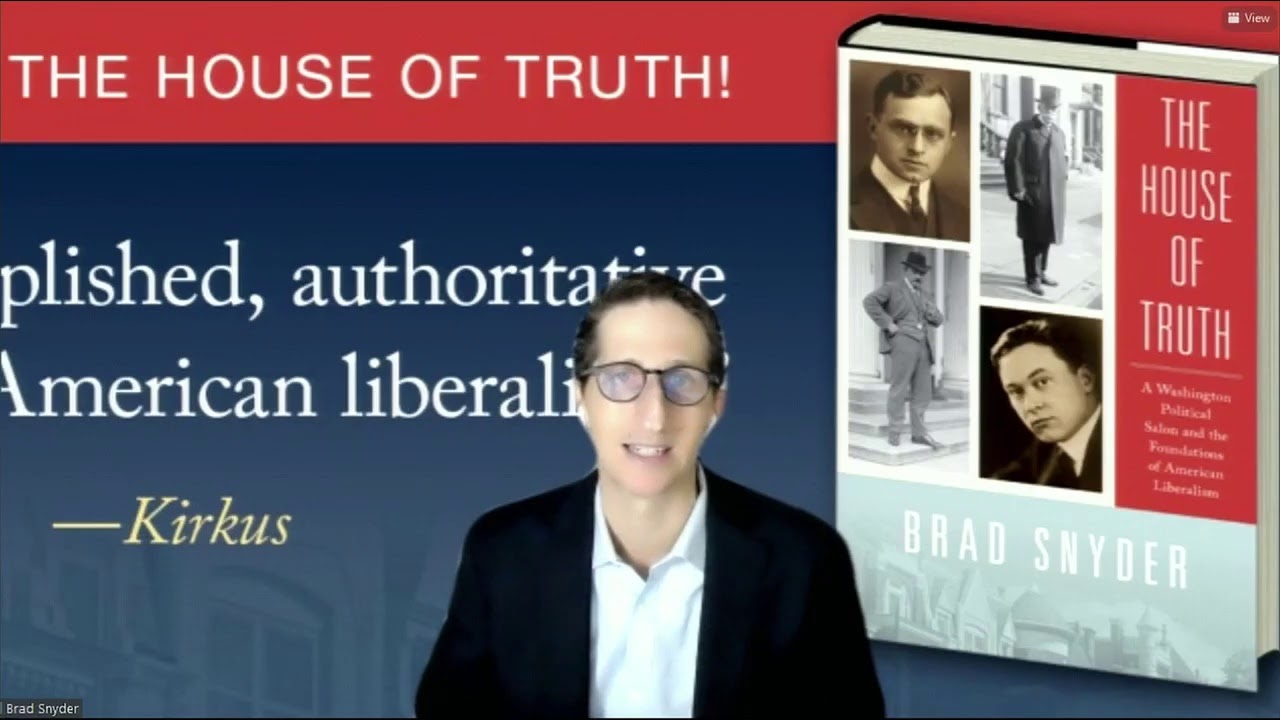
In 1910s Washington, D.C., political figures like Felix Frankfurter and Walter Lippmann rallied to support Louis Brandeis's Supreme Court confirmation.
Peyton Johnson declared himself Johnson in a legal pronouncement shortly after the first Juneteenth, marking a significant moment in his family's history.
In a post-World War II refugee camp, Lena Kuchler searches for her missing family while caring for the many hungry children she encounters.
The Civil Rights Movement stands as a pivotal chapter in U.S. history, marked by Martin Luther King's march on Washington and the integration of Little Rock's high school.
كولن والاس، ضابط مخابرات سابق، تم اتهامه زورًا بقتل صديقه بعد فضحه للأخبار المزيفة التي ساهم في نشرها خلال العمليات السيكولوجية في أيرلندا الشمالية.
Washington died on December 14, 1799, less than a year before the capital city officially opened on November 1, 1800.
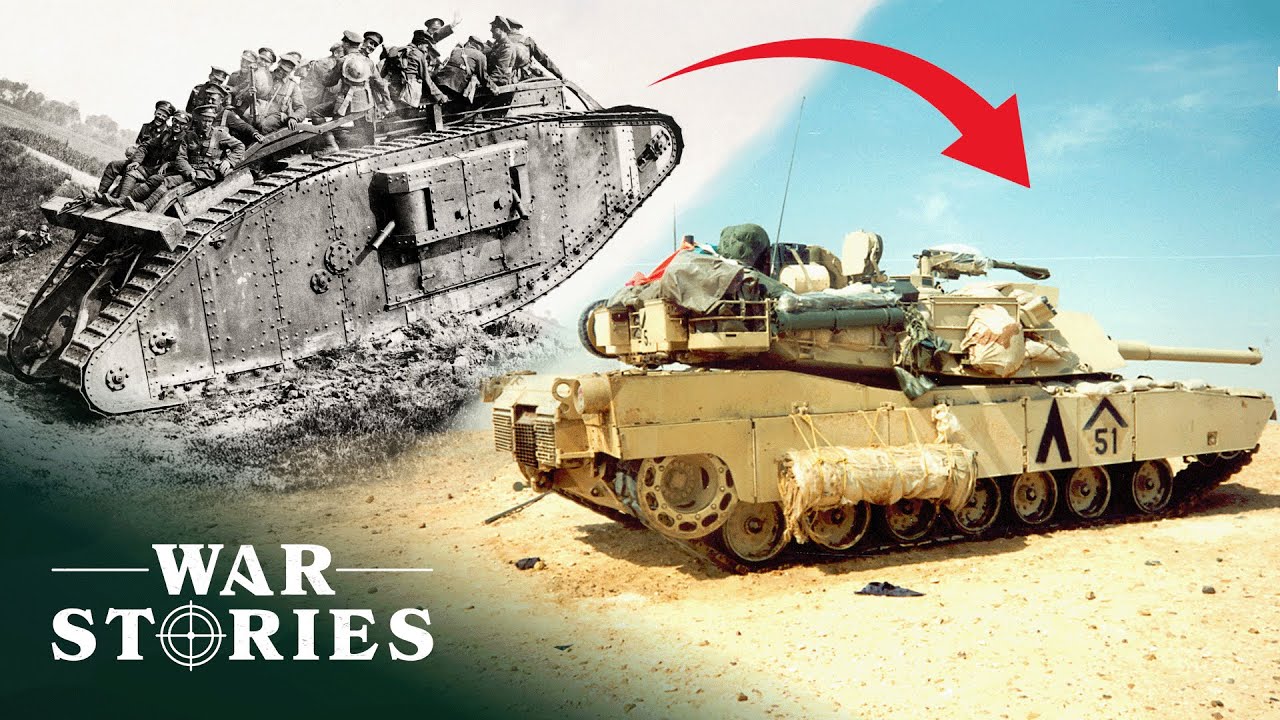
Specialized armored assault vehicles have evolved over the last century, playing crucial roles in conflicts from World War I's trenches to the Gulf War.
Three amendments-the 13th, 14th, and 15th-were passed after the Civil War to extend freedom and rights of citizenship to formerly enslaved persons.
In the 12th century, Richard the Lionheart expanded Norman control across England, Ireland, Sicily, and Spain, solidifying dominance over much of Europe.
Uppsala, a historic city in Sweden known for its ancient university and fertile landscapes, showcases a vibrant culinary scene through Tareq Taylor's exploration.
Absinthe's complex history and the mythology surrounding the Green Fairy are explored through narratives and insights from various drinkers and experts.
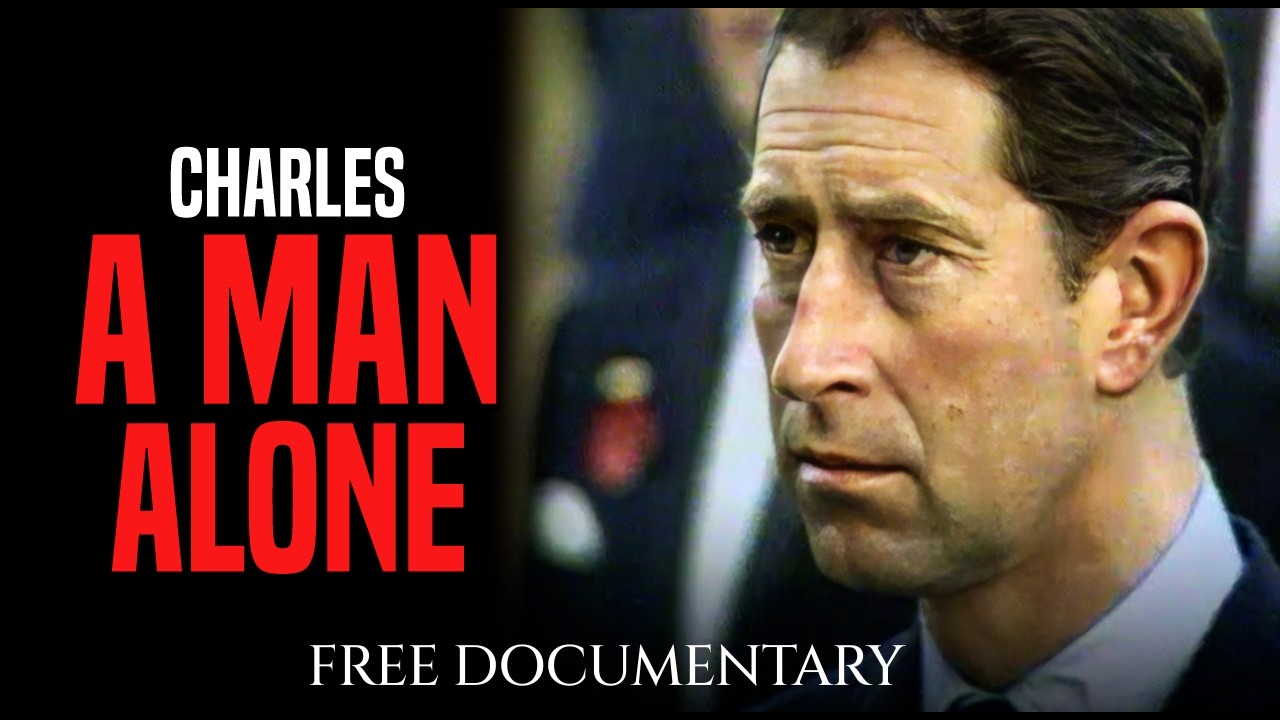
No first son has ascended the British throne since Edward III nearly 100 years ago, raising questions about Charles's future as king amid personal turmoil.
Pete Seeger and his team launched the Clearwater sloop in the 1960s to combat pollution in New York's Hudson River, leading to ongoing environmental education efforts.
The Revolutionary War's latter years, marked by the American alliance with France and the British southern strategy, culminated in the decisive victory at Yorktown.
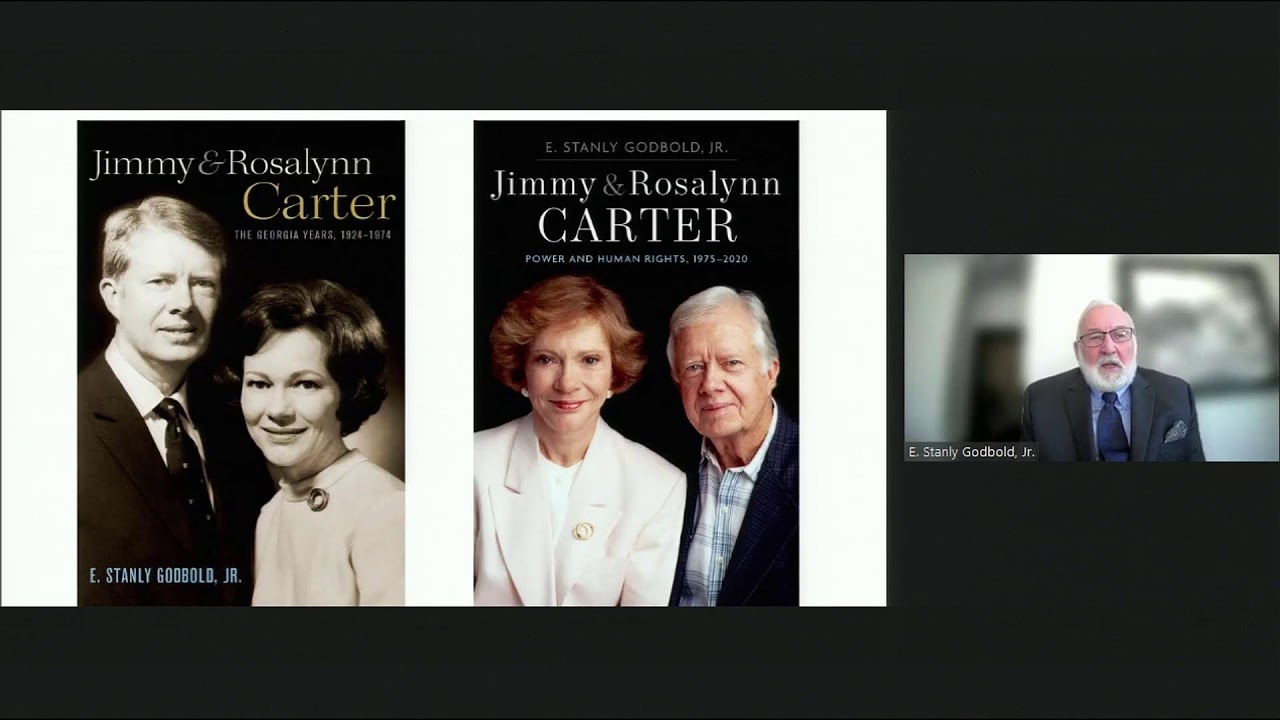
Jimmy and Rosalynn Carter have been married for 76 years, during which they have made significant contributions to peace and human rights.
The evolution of freedom in America is marked by significant labor movements, the triumph at the Lawrence strike, and Susan B. Anthony's advocacy for women's voting rights.
Jeremy Bamber, convicted of murdering five family members in 1985, continues to contest his conviction, citing police corruption and new DNA evidence.
Japan's National Football Team, known as Samurai Blue, has evolved significantly from its early days to its aspirations for success in the 2026 FIFA World Cup.
Activists in Eastern Europe unite against corporate encroachment and authoritarianism, marking a significant shift towards direct action in the region.
Seventy years after the Supreme Court's ruling, discussions with former law clerks of Justice Thurgood Marshall reflect on the ongoing impact of the decision.
The Protestant Reformation, initiated by Martin Luther, ignited the 30 Years' War, transforming religious conflict into a brutal struggle for power across Europe.
Francisco Franco's death in 1975 marked the end of his dictatorship in Spain, yet the legacy of his regime continues to provoke debates over accountability and memory.
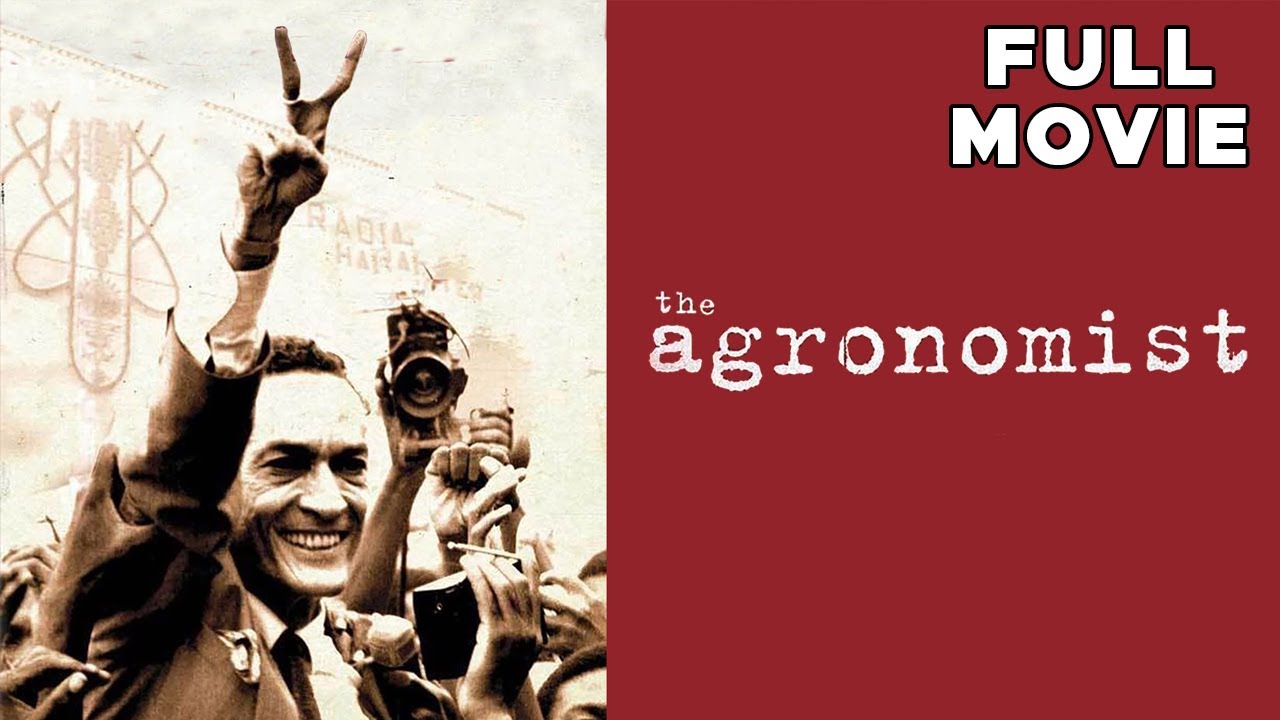
Jean Dominique, a Haitian radio journalist and human rights activist, is the focus of this documentary directed by Jonathan Demme, highlighting his impactful life and work.
The 1950 census records, along with those from 1790 to 1940, are discussed in detail regarding their management and transfer to the National Archives.