From over 100,000 films, discover the handful you'll love.
Free or premium access to the world's largest documentary library.
22463 films(Page 267 of 468)
In 1968, the Tet Offensive escalated the Vietnam War, while social upheaval in the U.S. and Europe, marked by protests and assassinations, signaled a transformative era.
In Norfolk County, Ontario, an armed bank robbery by Herbert McAuliffe in 1950 leads to two deaths and a community-wide manhunt, raising questions about capital punishment.
Censuses, from ancient times to the present, have shaped societies worldwide, serving as tools of democracy, exclusion, and even genocide.
634 meters tall, the Tokyo Skytree is the highest freestanding tower in the world, surpassing the iconic Eiffel Tower by more than 300 meters.
On December 26, 1980, servicemen Jim Penniston and John Burroughs encountered a UFO near RAF Woodbridge, leading to radiation readings and documentation by Lieutenant Colonel Charles Halt.
The Army Corps of Engineers developed the Army Mobility Model to enhance troop movement and vehicle performance in military operations.
Railways played a pivotal role in the Normandy Invasion by transporting troops, weapons, and supplies, significantly influencing military strategies during World War II.
In ancient Greece, the Oracle of Delphi was a significant religious center where priestesses conveyed prophecies from the god Apollo.
In 1981, Pope John Paul II survived an assassination attempt that a Portuguese nun, Lucia dos Santos, had allegedly predicted based on revelations from the Virgin Mary at Fatima.
American women's fight for the right to vote is explored through the stories of diverse activists who protested for full citizenship across the nation.
The 19th Amendment, which granted women the right to vote, was passed by the Senate in June 1919 and ratified in August 1920.
Franklin Roosevelt's April 1942 Fireside Chat presents the Seven-Point Economic Stabilization Program designed to tackle the economic challenges of World War II.
William and Kate navigate their first year as the Duke and Duchess of Cambridge, balancing royal duties, charity work, and public expectations.
Cambodia's cultural heritage has been severely impacted by the multi-billion dollar black market for looted Khmer art, driven by figures like Douglas Latchford and whistleblower Toek Tick.
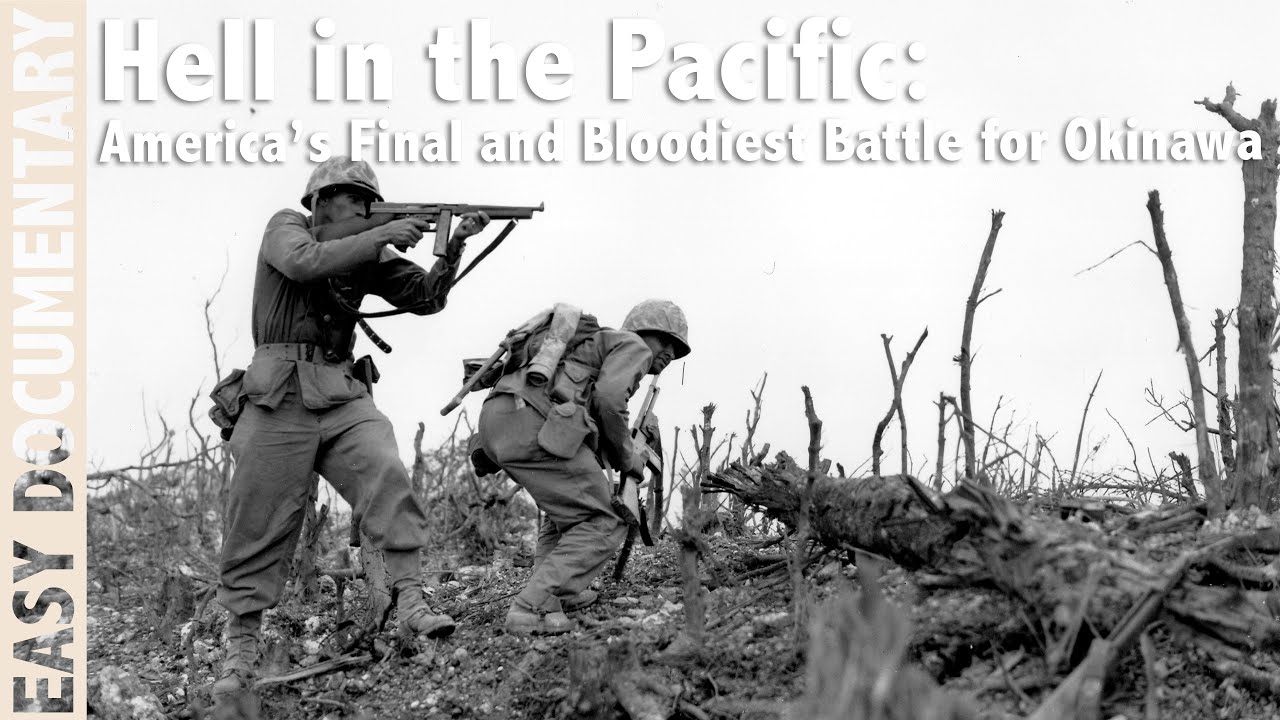
150,000 residents lost their lives during the 82-day Battle of Okinawa, which resulted in the destruction of 90% of the island's buildings and cultural heritage.
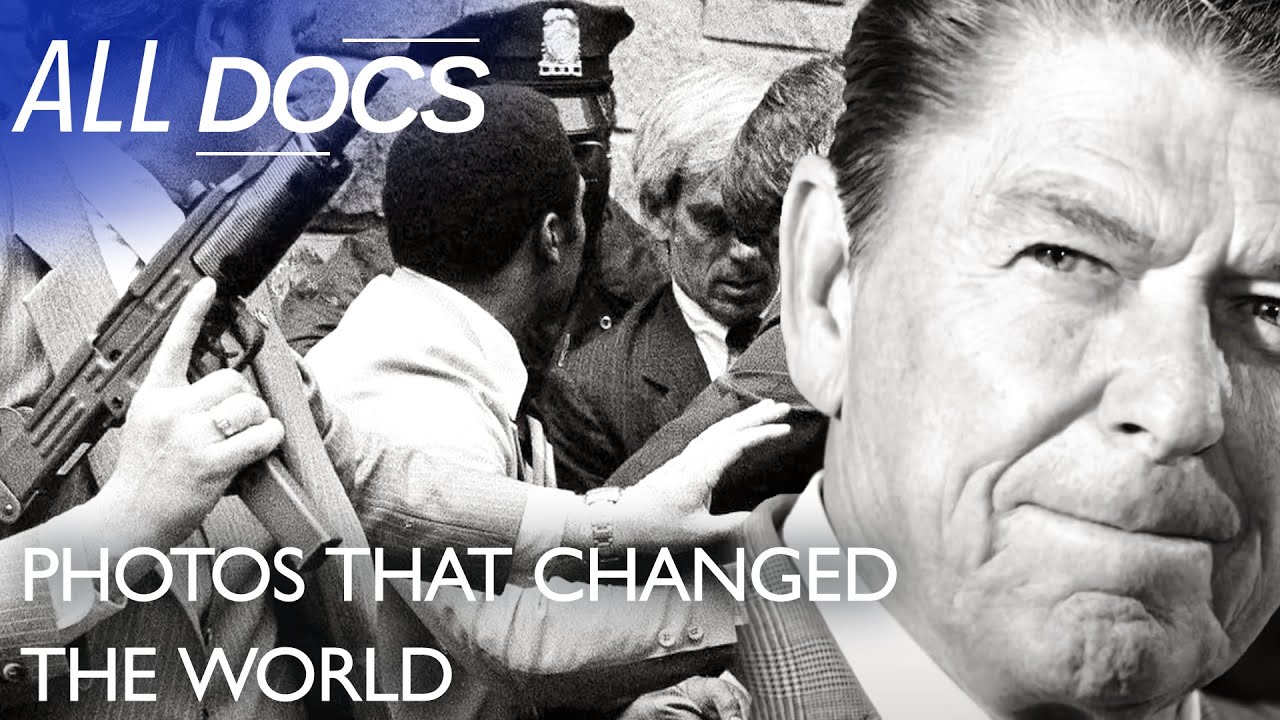
On March 30, 1981, a photographer captured the moment President Ronald Reagan was shot, marking a significant turning point in American history.
Eastern European Jewish life before the Holocaust is vividly depicted through folk histories and archival photography, featuring commentary from Martin Landau and Miriam Margolyes.
In Gary, Indiana, the infamous Demon House is the site of the most authenticated case of possession in American history, as documented by Zak Bagans.
George Orwell's predictions in "1984" resonate today as video surveillance, phone tapping, and internet monitoring have become pervasive realities.
Indonesian army involvement in the 2002 murder of two Americans in West Papua strains diplomatic relations with the United States.
On March 18, 1990, the largest art heist in history occurred when Rembrandt's paintings were stolen, prompting a reevaluation of his life and legacy.
Neoconservatives, including Dick Cheney and Paul Wolfowitz, are examined for their role in leveraging the September 11 attacks to promote military expansion under the Project for the New American Century.
Archivists Theresa Fitzgerald and Ashley Mattingly discuss military and civilian personnel records at the National Archives in St. Louis, detailing access and reproduction processes.
Washington, D.C.'s brewing history spans from the establishment of the Washington Brewery in 1796 to the resurgence of craft brewers like Garrett Peck after a 55-year hiatus.
500,000 people lined the streets to view Franklin D. Roosevelt's funeral procession as his flag-draped coffin was carried to the White House.
Corruption allegations marred Sydney's successful bid to host the 2000 Olympics, raising questions about ethics in international sports governance.
On January 12, 2012, the Costa Concordia capsized off the coast of Italy, leading to a complex salvage operation that took over two years and resulted in 32 fatalities.
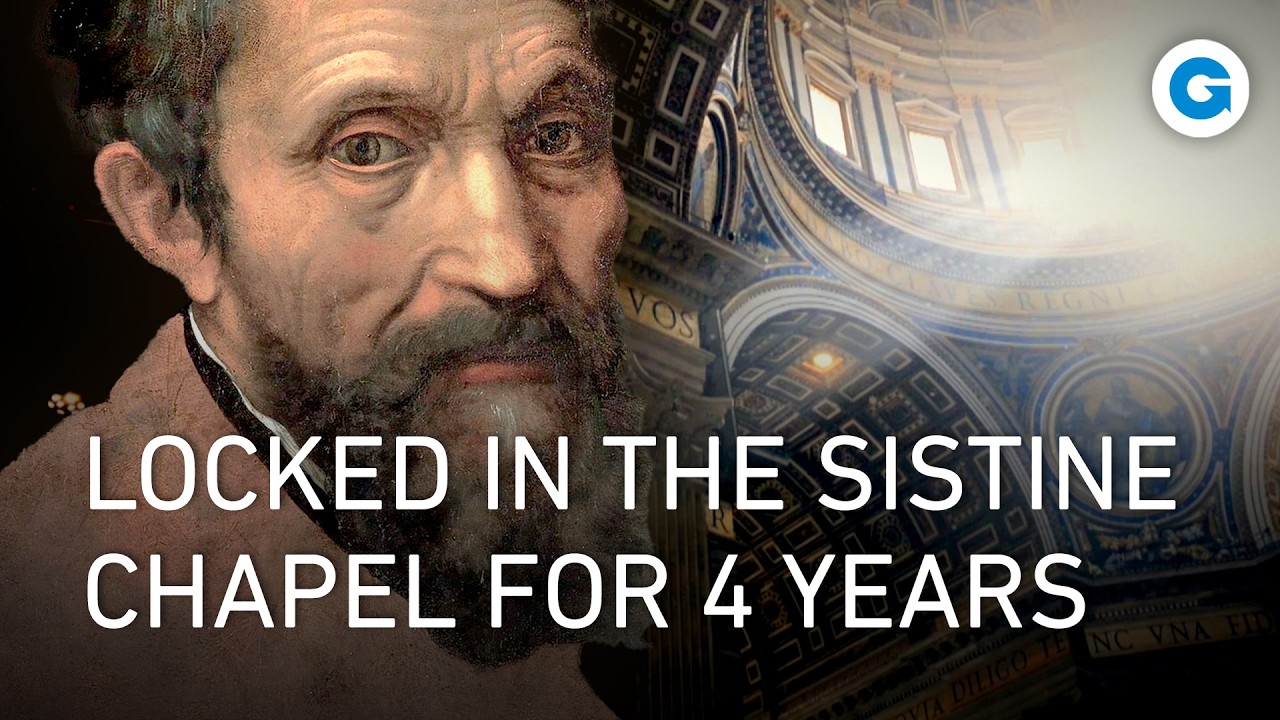
Michelangelo Buonarroti, born in 1475 in Caprese, Italy, revolutionized art with masterpieces like the statue of David and the Sistine Chapel's ceiling.
Pop culture icons like Marilyn Monroe, Biggie, and Tupac are examined through the locations tied to their tragic deaths and the fate that shaped their lives.
Princess Margaret's romantic relationships played a significant role in modernizing Royal love, reflecting her struggle between duty and independence within the British Royal family.
Over 40 percent of paratroopers in the 82nd and 101st Airborne Divisions were casualties during the D-Day and Normandy campaign in World War II.
Georgian tea enthusiasts are revitalizing historic plantations in Adjara and Guria, aiming to restore the country's once-thriving tea industry since 2011.
370 years ago, members of Parliament engaged in armed conflict with King Charles I, marking a turning point in England's first civil war.
Ida B. Wells, portrayed by Marti Gobel, highlights her journalism and activism against racism while discussing her role in the U.S. suffrage movement.
Vietnam's communist leaders view evangelical Protestantism as a significant threat to their authority, leading to increased persecution of Christians and arrests of community leaders.
Queen Elizabeth II inaugurates the St.
In Washington DC, top historians including Renee Romano and Claire Bond Potter analyze the impact of the musical Hamilton on American historical understanding.
Enslaved families in Prince George’s County, Maryland, filed hundreds of lawsuits for freedom from 1787 to 1861, challenging slavery in American law.
Varanasi, one of the oldest continuously inhabited cities, showcases the coexistence of life and death along the Ganges River amid ancient traditions and modern challenges.
In the Himalayas, the exploration of Buddhism's roots reveals the historical significance of Tibet, the spiritual haven of Dharamsala, and the unique culture of Ladakh.
In Chichester, England, researchers Danielle Allen and Emily Sneff from Harvard University identified a second parchment manuscript of the Declaration of Independence.
A small South African community challenges the government to reclaim land expropriated during apartheid, highlighting ongoing struggles for justice and restitution.
The National Archives holds passport applications submitted to the Department of State between 1795 and March 31, 1925, which can aid genealogical research.
Coca farmers in Bolivia face violent clashes with armed troops as they resist government efforts to eradicate coca production, a vital part of their culture and economy.
Seven eras of American political history are examined through the lens of presidential campaigns from 1789 to 2020.
Georgetown University owes its existence to the 1838 sale of nearly 300 enslaved people, a fact that prompts ongoing discussions about its historical legacy.
Vincent Van Gogh's posthumous rise to fame, largely attributed to his sister-in-law Johanna, raises questions about the whereabouts of his lost artworks.
Political cartoonists in Canada, including Duncan Macpherson and Aislin, provide a witty perspective on the nation's history through their art and commentary.