From over 100,000 films, discover the handful you'll love.
Free or premium access to the world's largest documentary library.
22463 films(Page 259 of 468)
In 1960, directors Otto Preminger and Kirk Douglas hired Dalton Trumbo under his own name, marking a significant shift in Hollywood's response to the blacklist.
Marcus Garvey, a pioneering Black Nationalist and Jamaica's First Hero, significantly influenced Black politics in the 1920s through the Universal Negro Improvement Association.
In 1970, Bella Abzug became one of 13 women in the House of Representatives, advocating for women's rights and social justice amid significant political opposition.
Prince Harry's life is examined through his royal duties, military service, and personal choices that challenge traditional expectations of the monarchy.
John Dunlap, the first printer of the Declaration of Independence, produced the Dunlap Broadside in 1776, making the document widely known.
Old cars, once seen as mere wrecks, now serve as habitats for diverse wildlife, highlighting the intersection of nature and human-made relics.
Joseph Brant, a prominent Mohawk leader, played a crucial role in the conflicts between First Nations and British forces during the 18th century.
The legend of Robin Hood is examined through historical evidence to assess the possibility of his existence and the origins of his myth.
Twelve New Zealanders undergo DNA testing to reveal connections to royalty, slave owners, and their long-lost ancestors.
An international effort led by the International Passamaquoddy Engineering Board studied the feasibility of tidal power generation in Passamaquoddy and Cobscook Bays.
Nazi Germany's post-war vision included plans for a new European order, population control, and economic exploitation across conquered territories.
In 1862, the DC Emancipation Act freed approximately 3,100 enslaved individuals in the District of Columbia.
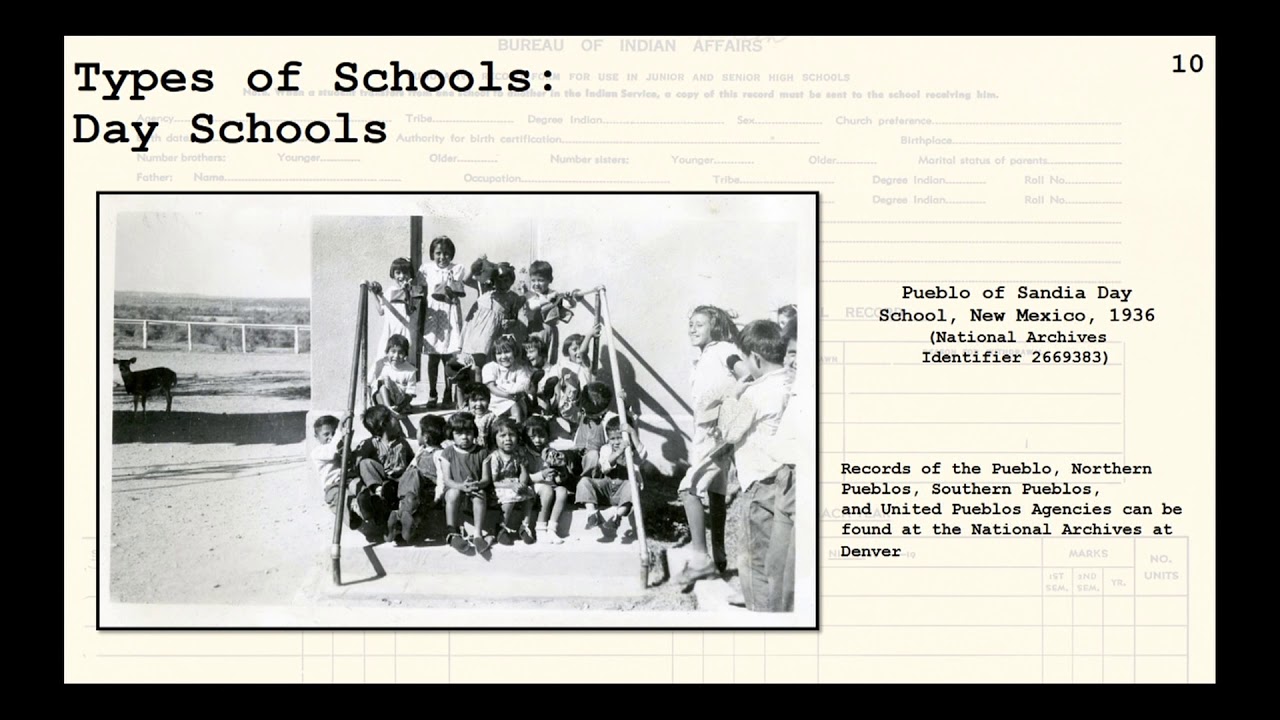
Bureau of Indian Affairs school records, spanning from the mid-19th century, provide insights into the academic and personal lives of American Indian students.
In 1992, twelve unknown actresses brought a case against talent agent Wallace Kaye, highlighting the pervasive issue of the casting couch in Hollywood.
Trains played a pivotal role in military operations, transporting troops and supplies, and transforming the landscape of warfare throughout history.
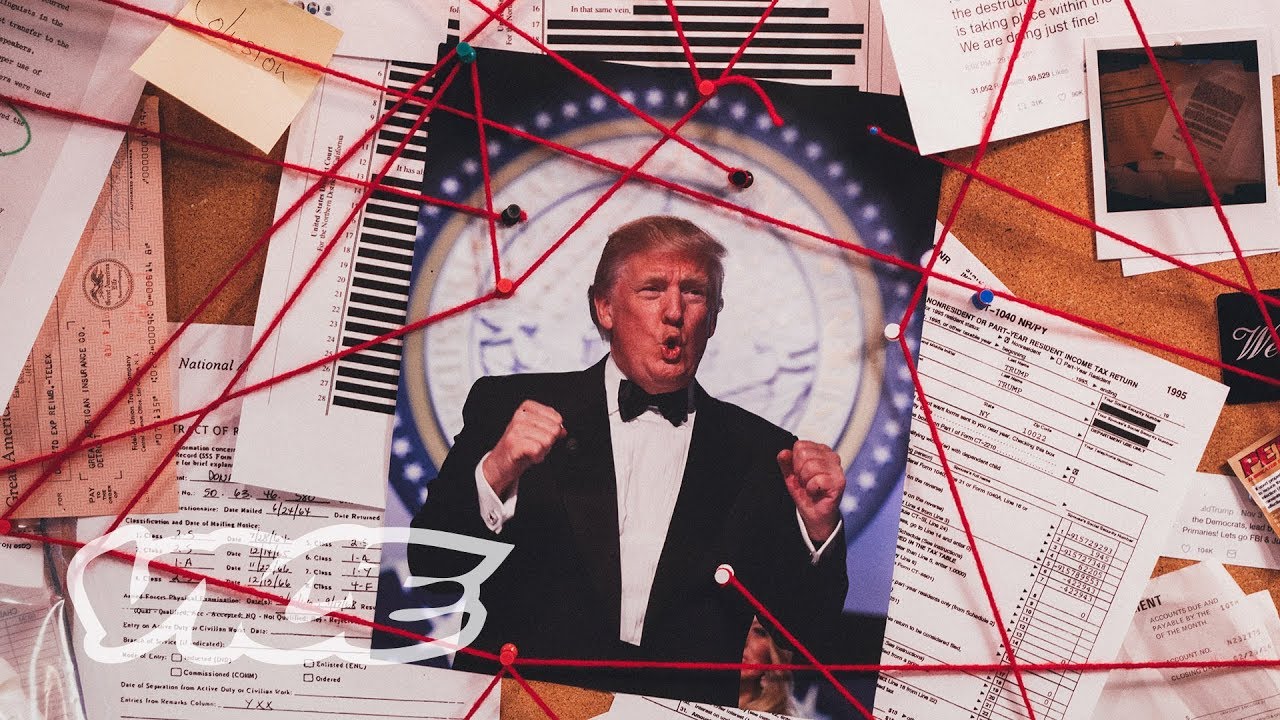
Tom Arnold investigates Donald Trump's alleged use of the 'N' word on the set of The Apprentice, seeking evidence and testimonies from those present.
Marylebone Station in London, once a hub of steam locomotives with only four platforms, is explored through its rich history and architectural significance.
In June 2018, twelve young footballers became trapped in Thailand's Tham Luang cave during a monsoon, prompting a complex 15-day rescue operation.
China's aggressive tactics against dissidents abroad are highlighted through the experiences of three activists in America fighting for democracy and freedom.
Archaeologists and weapons experts examine the historical significance of England's lost king, whose remains were found beneath a car park in Leicester.
1 billion cubic meters of water can now be stored in the Verdon Gorge, enabling its use for drinking, agriculture, and renewable energy.
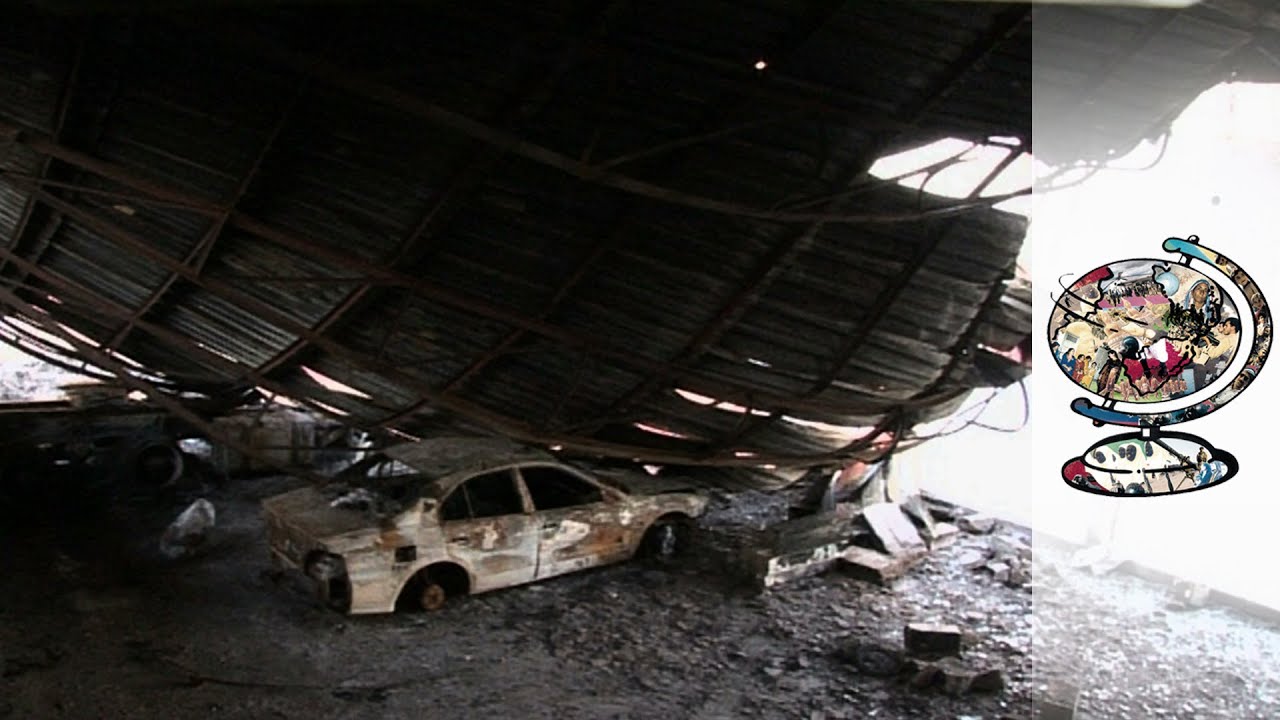
Kenya's post-election violence in 2007 resulted in over a thousand deaths and widespread displacement, raising critical questions about the nation's future stability.
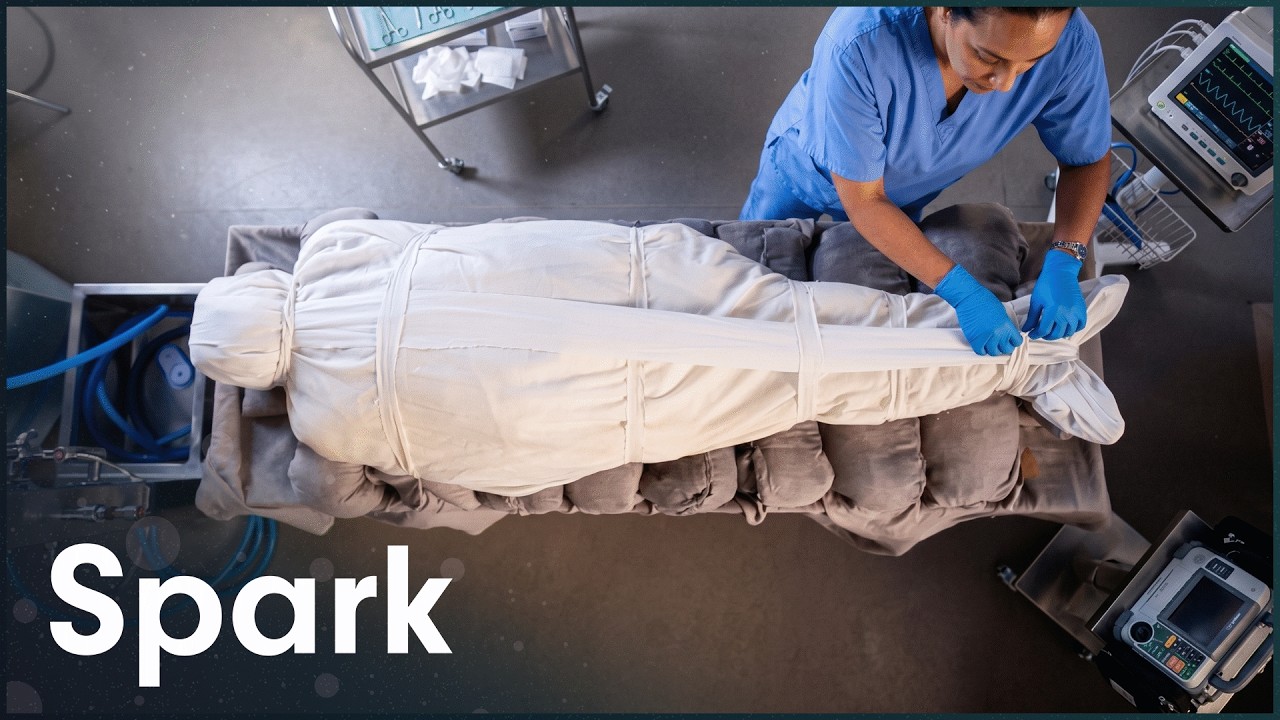
Alan Billis, a taxi driver from Torquay, becomes the first person mummified in 3,000 years as scientists seek to unlock Ancient Egyptian preservation techniques.
South African Broadcasting Corporation's news output on September 11, 2001, provides a detailed account of the terrorist attacks in the USA.
Post-World War II Europe experienced unprecedented peace and prosperity, but the rise of nationalism and events like Brexit threaten this unity.
In June 1940, Sousa Mendes issued approximately 30,000 visas, including 10,000 to Jews, defying orders from the Portuguese government.
East Timor faced significant unrest in June 2006, marked by riots following the re-election of leader Mari Alkatiri amid serious allegations against him.
Archaeologist Richard Miles examines the historical significance and authenticity of the Holy Nails, exploring their impact on biblical archaeology over 2,000 years.
NASA's Solid Rocket Boosters were left hanging by a thread, endangering civilians near over a million pounds of explosive rocket fuel.
The Paris Metro, invented by Fulgence Bienvene, connects over five million daily commuters.
Hitler's Ardennes Offensive in December 1944 marked a critical moment in the Battle of the Bulge, aiming to divide Allied forces and capture Antwerp.
In Burgundy, the Cluny Abbey, built by medieval monks, was the largest church of its time, showcasing innovative architecture that influenced Gothic design across Europe.
The search for the Inca Holy Grail, the Great Golden Disc of the Sun, drives explorers like David Adams to the misty heights of Peru's sacred landscapes.
Explosive decompression incidents in aviation reveal critical design flaws and safety regulations shaped by tragic events, highlighting the risks of high-altitude flight.
A Tanzanian cotton village experiences significant changes over two decades of liberalization and globalization, highlighting the impact of the global jeans market.
Black Hawk's memoirs and the accounts of his descendants highlight the brutal government response to First Nations resistance during the Black Hawk War.
Historic Census Bureau sources provide essential research tools for Filipino, Guamanian, Chamorro, American Samoan, and Native Hawaiian genealogy.
Thaddeus Stevens, a leading abolitionist in Congress, advocated for racial justice and equal rights for Black Americans during the Civil War and Reconstruction era.
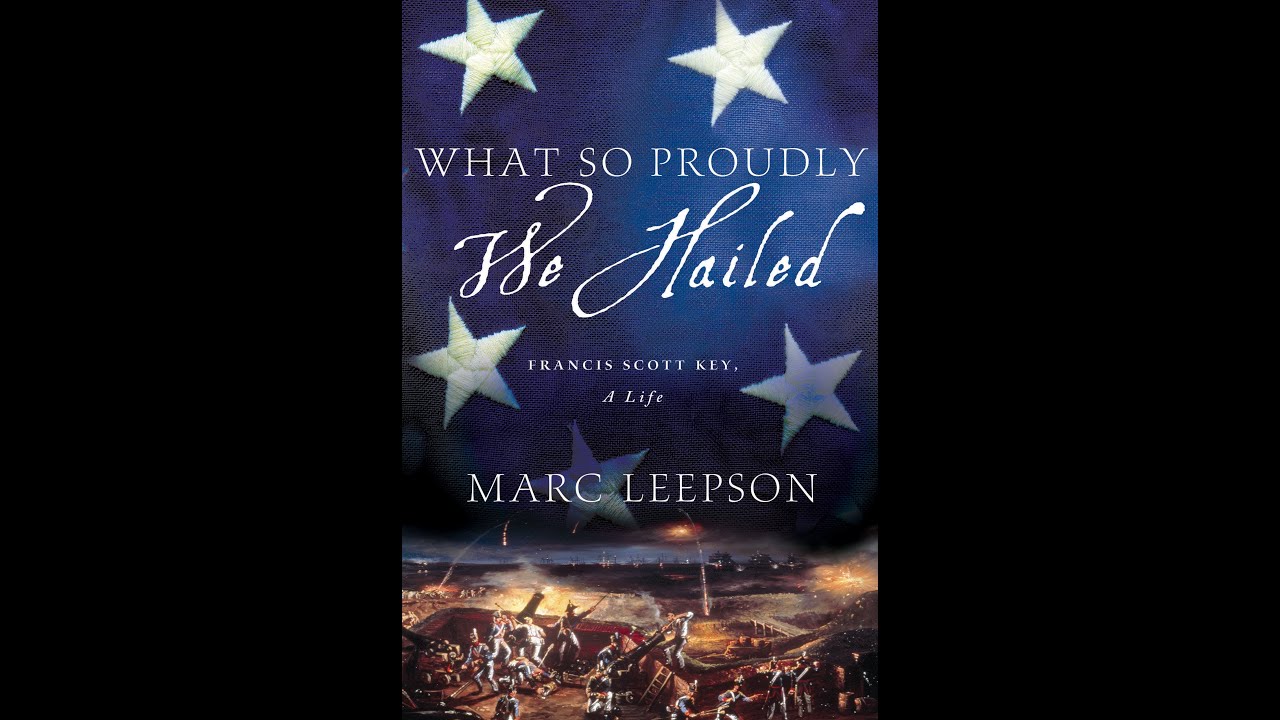
Francis Scott Key, known for writing "The Star-Spangled Banner," is examined through the lens of historian Marc Leepson, revealing his lesser-known legacy.
In modern Korea, the Demilitarized Zone (DMZ) symbolizes the division between North and South, reflecting the emotional scars of families separated since the Korean War.
The historic railway, known for its tragic past, connects extreme landscapes while highlighting the engineering feats and challenges faced by frontline crews.
Seventeen years ago, Alex Smithon began welding metal art in Great Falls, Montana, transforming scrap materials into sculptures that reflect his creativity.
In the Egyptian desert, archaeologists investigate the mysterious disappearance of King Cambyses' army of 50,000 men over 2,500 years ago.
Troops at Yale University and Camp Meade are shown setting up field radios, signal lamps, and flags, while receiving certificates for their training.
Ten contributors present original research on the roles of women in the era of George Washington, revealing their diverse experiences and contributions.
Alchemy is recognized as a protoscience that has contributed to the development of modern chemistry, biology, physics, and medicine.
Since its launch in 1990, the Hubble Space Telescope has revolutionized astronomy with stunning images that have deepened the understanding of the universe.
Teams build harpoon boats to retrieve a safe in the moat around Caerphilly Castle.