From over 100,000 films, discover the handful you'll love.
Free or premium access to the world's largest documentary library.
22463 films(Page 368 of 468)
35,000 people attended the opening of the Pan-African Film Festival in Burkina Faso, marking a significant moment for African cinema in 1995.
George Rogers Clark led Kentucky settlers from 1776 to 1779 in strategic military efforts against British forces and Native American allies in the Ohio Valley.
Atmospheric footage shows British and Indian troops in Baghdad from 1917 to 1920.
A 48-inch casing reinforces a 4-foot diameter hole leading to a void 20 feet down as treasure hunters Duane and Chad search for hidden gold in Utah.
In 1918, the armistice between the German Empire and the Entente was signed in a car that was part of the Orient Express' car-pool.
Immigration has shaped Europe's societal and cultural landscape since the end of World War II, influencing policies and debates across the continent.
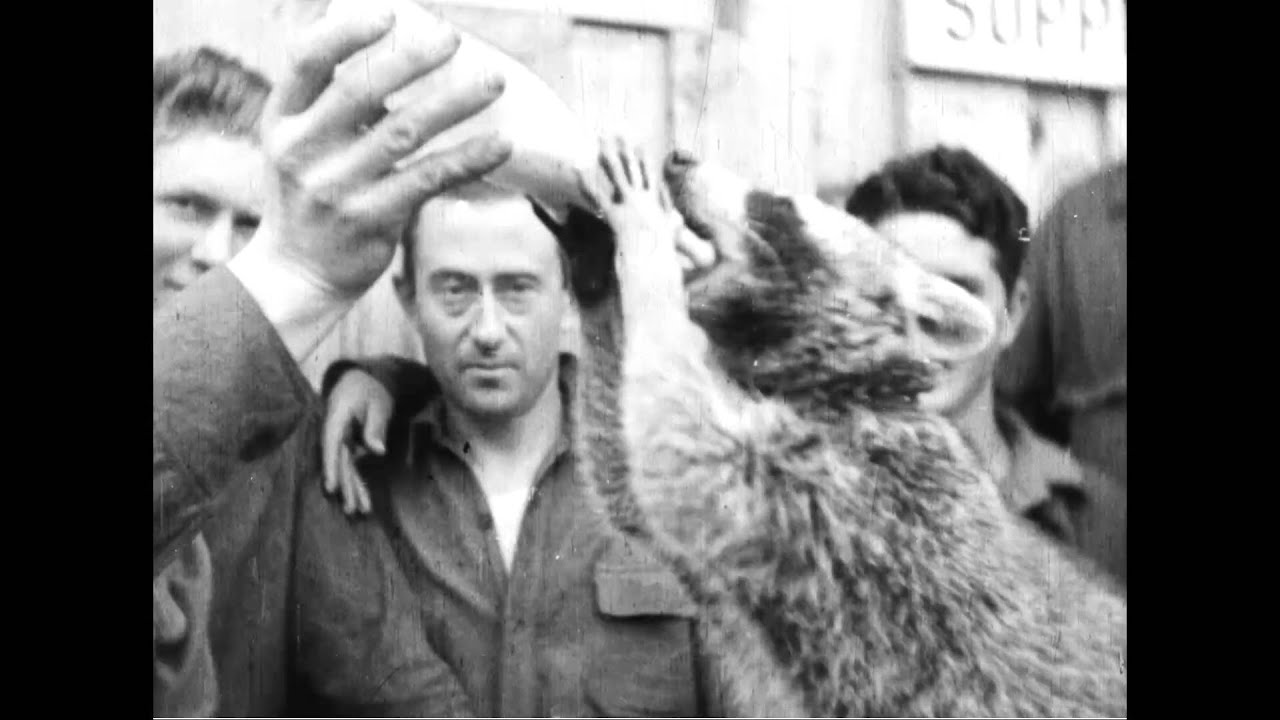
A survivor recounts her father's escape from a work detail in a camp during World War II, where he hid in a shed to avoid being counted.
Margaret Meisner, 96, volunteers at the Holocaust Memorial Museum in Washington D.C., sharing her experiences with young visitors to ensure the past is remembered.
Coney Island in Brooklyn is showcased through a split-screen tour highlighting landmarks like Nathan's Famous hot dogs and the historic Cyclone roller coaster.
Two engines are needed to pull the carriages up the steep hill of the Khyber Pass, a historic route used by smugglers and tourists alike.
Nasr-ed-din Hoja uses an elephant to teach three schoolboys a lesson about humility in a marionette film produced by the U.S. Information Agency in the 1950s.
Apple's transformation from a small computer company in Cupertino, California, to a global technology leader is marked by significant milestones and innovations.
Pompeii's preserved ruins reveal the lives of everyday citizens, including entrepreneurs and sex workers, highlighting their stories amidst the town's tragic history.
In Haiti, master machete fencer Alfred Avril explores the historical and cultural significance of machete fencing, rooted in the Haitian Revolution.
Gil Grosvenor became the first journalist to dive under the North Pole in 1979, an experience that connected him to his family's legacy in exploration.
Mineral extraction has shaped human history, from Tutankhamun’s iron dagger to the coltan essential for smartphones, influencing technological revolutions worldwide.
In 1992, South African police established an occult crime unit to investigate a rise in ritualistic murders linked to the use of human body parts for 'muti medicine.
In two years, the Civilian Conservation Corps employed hundreds of thousands of young men to restore and develop America's natural resources during the Great Depression.
Mars has a complex natural history that parallels Earth's, revealing insights into planetary evolution and the potential for life beyond our planet.
The team returns to Oak Island in Season 13, Episode 1, uncovering lost historical evidence.
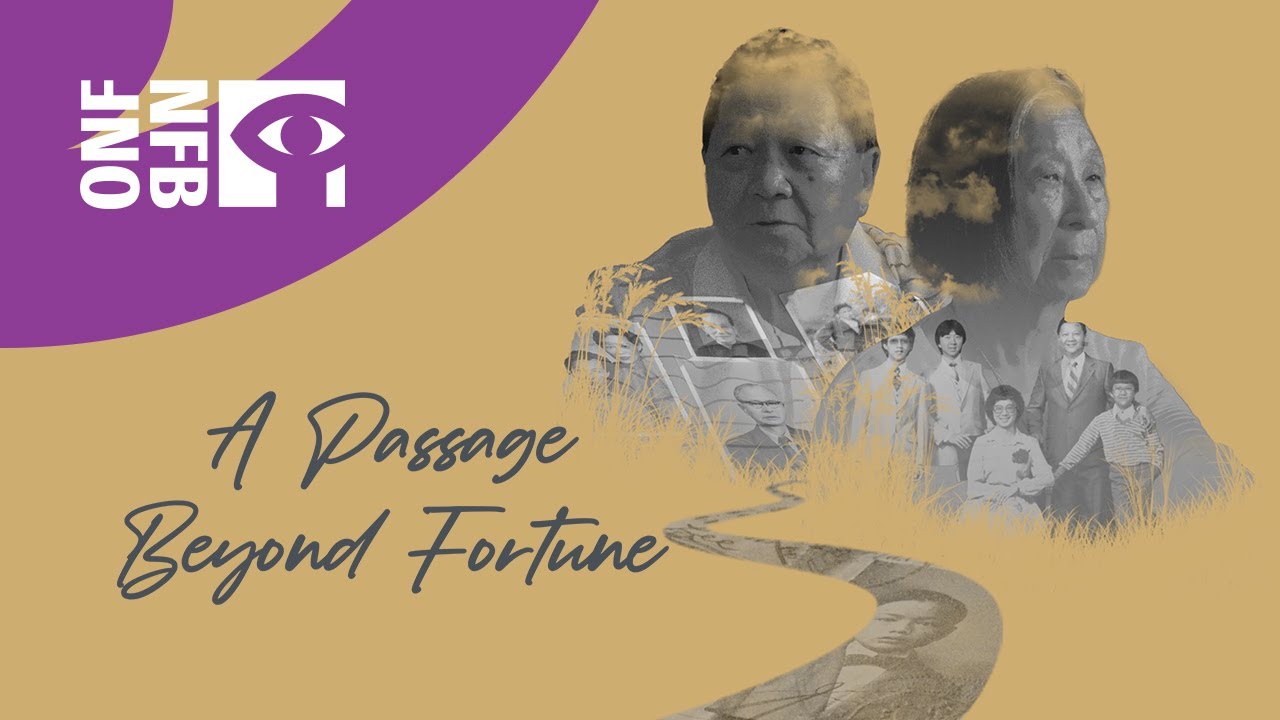
Through an intimate archive of the Chow family lineage, Moose Jaw's Chinese-Canadian communities are honored for their culturally significant yet overlooked history.
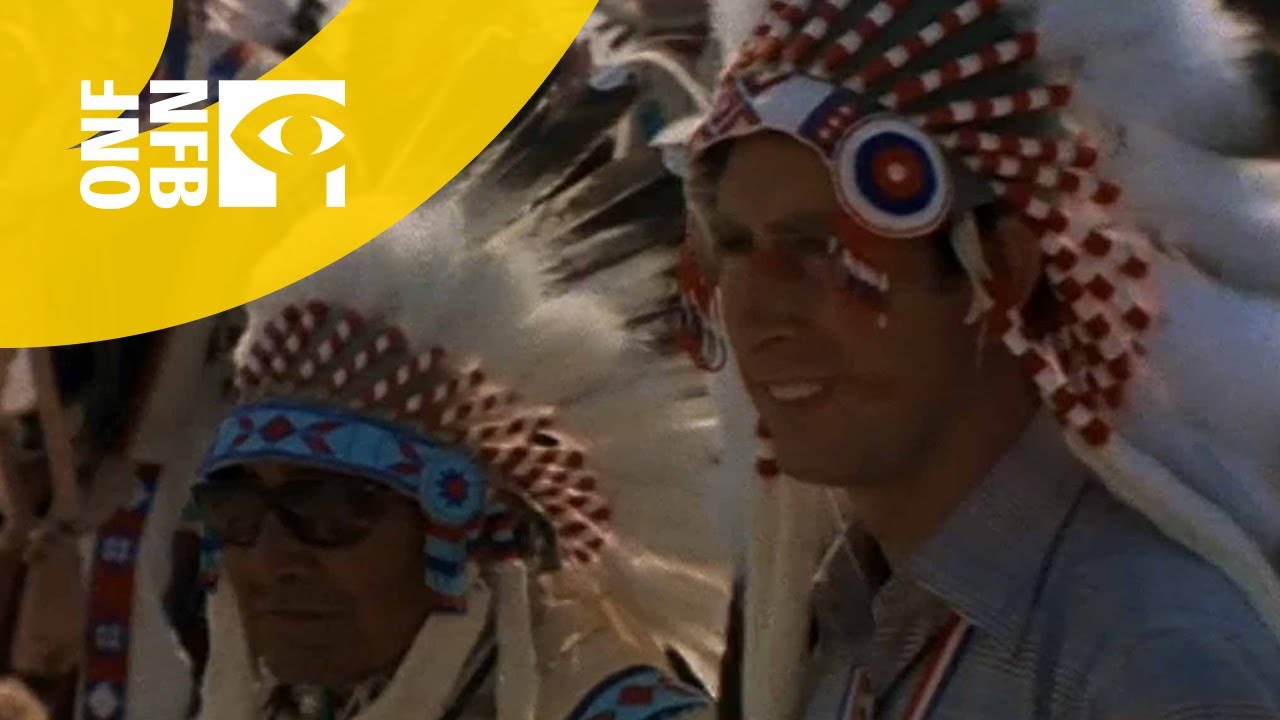
In July 1977, Prince Charles was inducted as an honorary chief of the Blood Tribe during a ceremony commemorating the 100th anniversary of Treaty 7.
Saime-Genç-Ring Street in Germany, named after Saime, the youngest victim of a Neo-Nazi arson attack, reflects ongoing issues of racism and violence in the community.
In 1769, at the age of 26, Thomas Jefferson begins his political career by being elected to the Virginia House of Burgesses.
The trial of Abdelbaset al-Megrahi and Lamin Khalifah Fhimah for the 1988 Lockerbie bombing took place at Camp Zeist in the Netherlands, highlighting conflicting views on justice.
October 18, 1962 marks a pivotal moment as President Kennedy and USSR Foreign Minister Andrei Gromyko discuss the escalating nuclear tensions over Cuba.
More than 20 million people attended the 1893 World's Fair in Chicago, where H.H. Holmes lured two victims into his hotel before they vanished.
The team finds a shoe leather fragment while excavating the Money Pit on Oak Island.
Long necks provided sauropods a significant advantage in accessing food, contributing to their status as the largest terrestrial animals in history.
Veterans Day ceremonies at Arlington National Cemetery on November 11, 1963, featured President John F. Kennedy placing a wreath on the Tomb of the Unknowns.
Fragments of a silver spoon from the late 1700s found on Lot 26 may link to Samuel Ball and the ongoing search for Oak Island's legendary treasure.
A giant squid sighting off the coast of Asturias in the early 21st century reignited interest in the region's legendary beast and its cultural significance.
7,000 Muslim men and boys were killed in Srebrenica during the Bosnian War, a crime linked to General Ratko Mladić's military strategy.
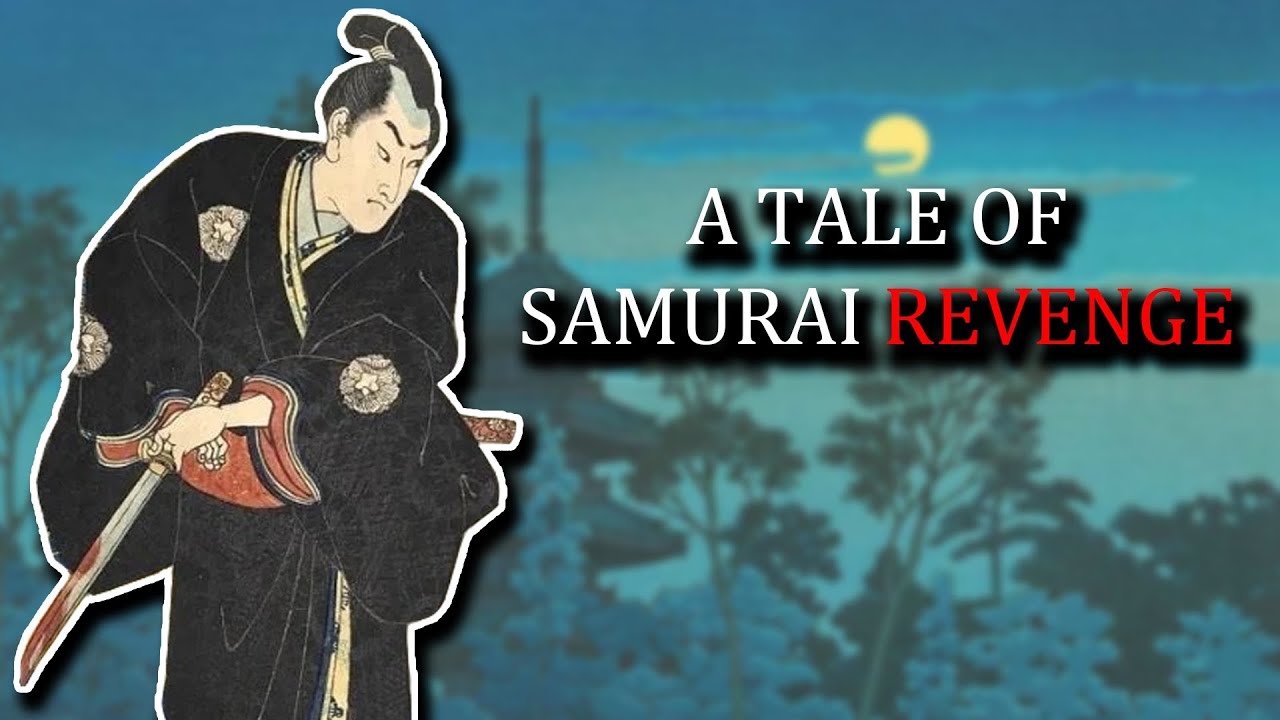
Samurai revenge in premodern Japan often led to punishment, yet one tale highlights a warrior who achieved vengeance and earned praise for his actions.
Morgan, a pilot whale, demonstrated the ability to dive to 1,654 feet and deploy a hydrazine recovery device during Project Deep Ops.
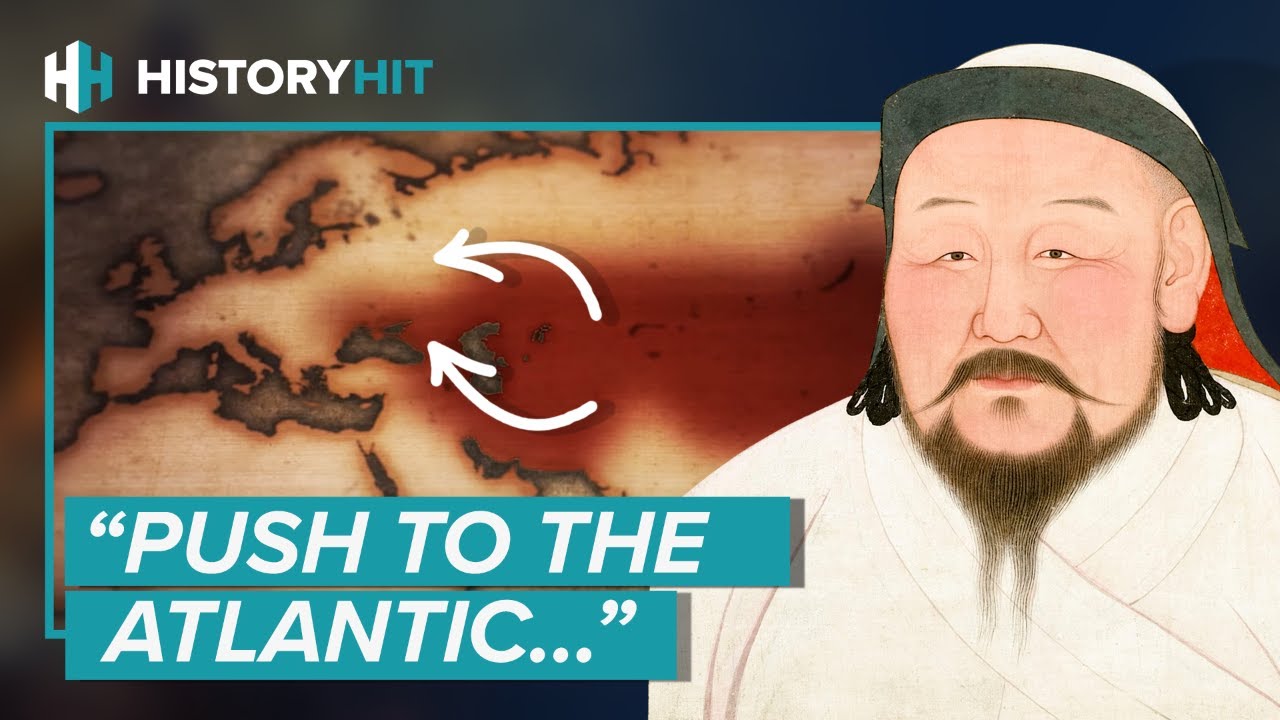
Mongol Empire expansion, from nomadic tribes to the largest land empire in history, is mapped through key conquests and territorial growth under Genghis and Kublai Khan.
Almost 5,000 citizens of Pondicherry, or about 10% of the population, chose to take French nationality at midnight on August 16, 1962.
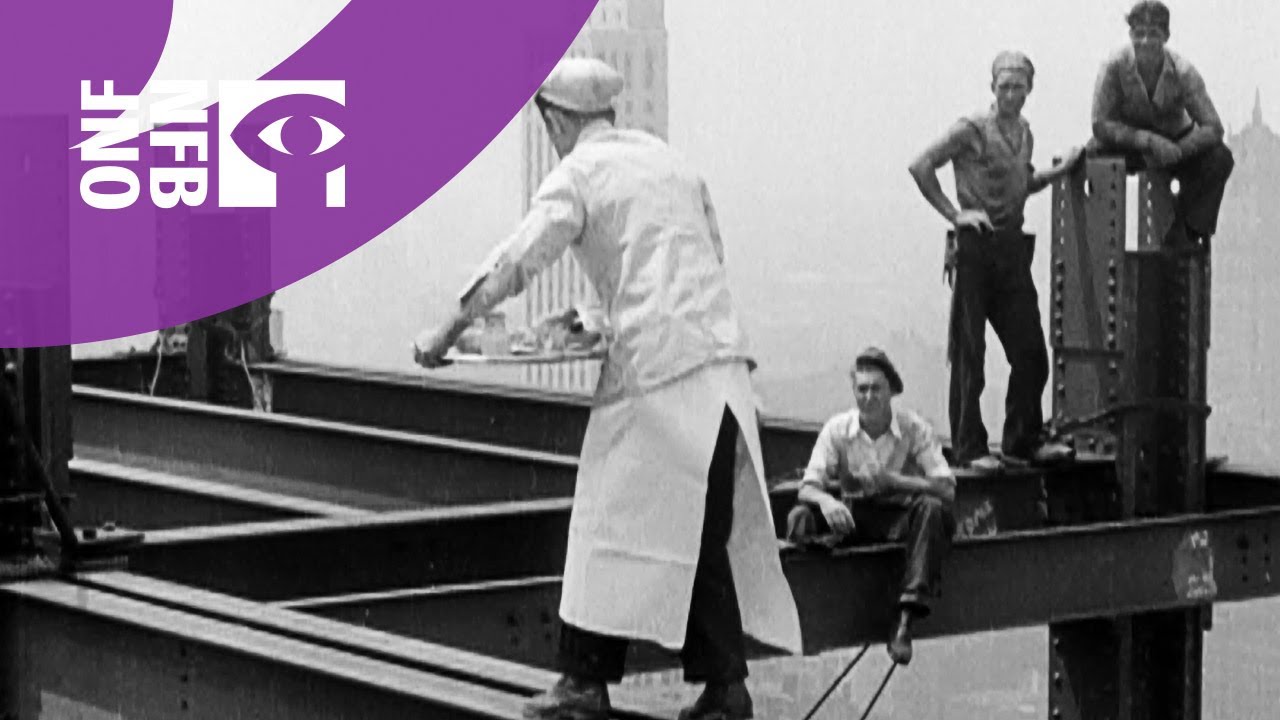
50 years of newsreel footage are compiled to present a unique perspective on human experiences marked by power, grandeur, and chaos.
Guna culture is explored through Marc's perspective as he navigates his Panamanian village, the surrounding forest, and the sea, highlighting their deep community bonds.
In 800 AD, Viking culture is explored through a solstice feast featuring Skause, a hearty stew, and Birch Bark bread, highlighting communal dining traditions.
The Second Day of July 1776 is described as the most memorable moment in American history by Abigail Adams in a virtual presentation by the National Archives.
On April 19, 1775, the British army attacked the Massachusetts militia, prompting the need for a second Continental Congress to discuss independence.
Richard Henry Lee introduced the Lee Resolution on June 7, 1776, a key moment in the American struggle for independence.
Thomas Jefferson and the Committee of Five played crucial roles in drafting the Declaration of Independence, adopted in 1776, shaping American history.
Timothy Matlack inscribed the final engrossed version of the Declaration of Independence in 1776, correcting three mistakes in the 1,337-word document.
A 130-year-old spirit lives on in Gadshill Place, where Charles Dickens' great-grandson cooks traditional Victorian dishes in the author's kitchen.
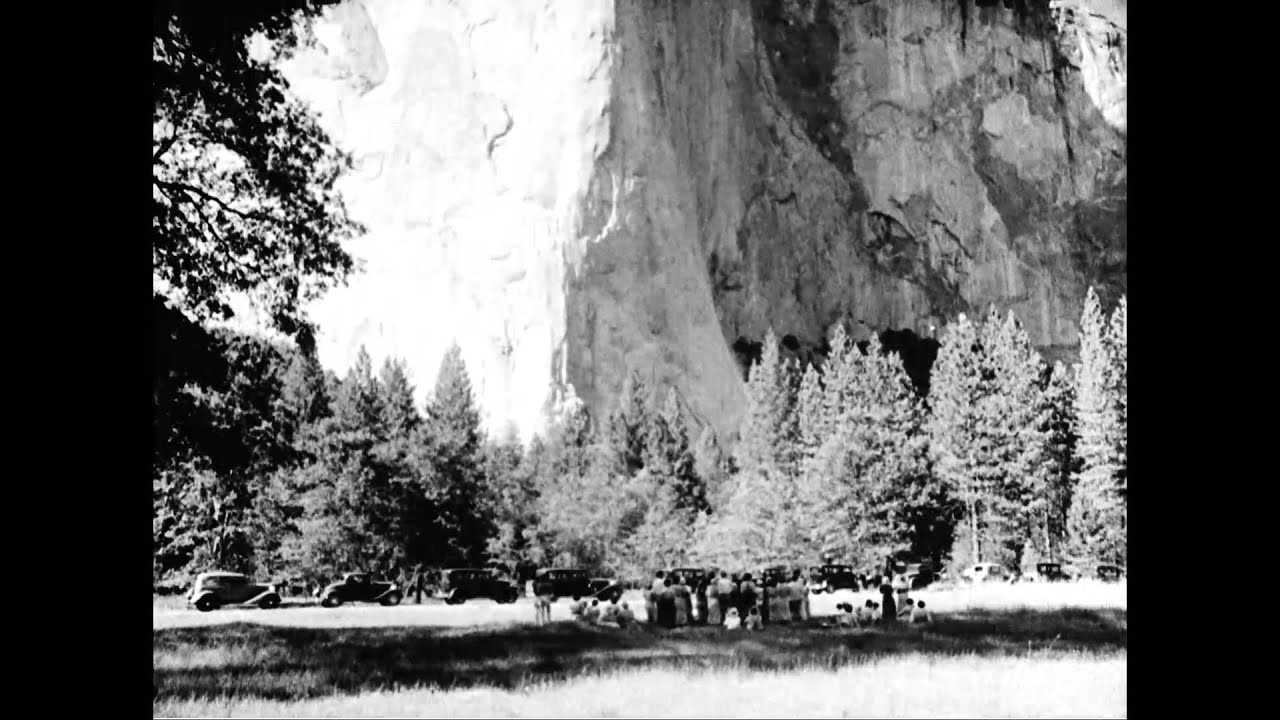
Yosemite National Park is showcased through its iconic landscapes, including Yosemite Falls, El Capitan, and Mirror Lake, while tourists engage in recreational activities.
In remote Siberia, the geological history shaped by one of Earth's largest volcanic eruptions reveals the impact of natural disasters on the planet's landscape.