From over 100,000 films, discover the handful you'll love.
Free or premium access to the world's largest documentary library.
22463 films(Page 422 of 468)
In 2003, a nearly complete mammaliaform fossil found in a Chinese lakebed revealed insights into the diversification and extinction of Mesozoic mammals.
John Dillinger's death raises questions about a possible fall guy, exploring the controversies and theories that have emerged regarding the notorious gangster's demise.
Over 30 genera of mega mammals, including the woolly mammoth, went extinct around 13,000 years ago, likely due to a catastrophic event.
Gigantopithecus, the largest known great ape, offers insights into its lifestyle and extinction, highlighting lessons for modern primates.
Sánema, Yecuanas, and Makiritare ethnic groups have influenced the Guiana massif in Venezuela for over 3,000 years, highlighted by the Barbasco fishing ritual.
A corned beef sandwich nearly caused a life-threatening accident during the Gemini 3 mission in 1965, illustrating the unexpected challenges of space travel.
The Cuban Missile Crisis of 1962 highlights the tension between US and Soviet military leaders over nuclear command and the potential for catastrophic decisions.
Black holes could be made of dark energy, gaining mass as the universe expands, according to a claim by University of Hawaii astrophysicists Duncan Farrah and Kevin Croker.
The Silurian hypothesis raises questions about the existence of pre-human industrial civilizations on Earth, suggesting humanity may not be the first technological civilization.
Mount Rainier rose to a height of 3 miles, shaped by volcanic activity and erosion over millions of years, becoming a significant feature of the Cascade Range.
The average price of one pound of chicken in 2019 was $1.92, nearly half of its price in 1960, while meat production has tripled since 1970.
The Biblical account of Jonah raises questions about the type of creature that swallowed him and the feasibility of human survival inside an animal's stomach for three days.
A potential flood tunnel near Smith's Cove shows water rushing in, prompting the team to assess the risks of further digging in unstable conditions.
One teaspoon of flavoring used in movie theater popcorn contains 2,740 milligrams of sodium, exceeding the recommended daily allowance by 14 percent.
The Clotilda, measuring 86 feet long and 23 feet wide, was the last American slave ship to illegally transport enslaved Africans to Alabama in 1860.
In 2022, a expedition located Ernest Shackleton's ship, Endurance, nearly two miles beneath the Southern Ocean, over a century after its sinking.
At Homestead 2 in Utah's Uinta Basin, a team employs a laser grid and smoke to reveal phenomena potentially invisible to the naked eye.
Ninety percent of Earth's history is recorded in a single gneiss rock from the Canadian Shield, which has survived geological upheavals for four billion years.
Ancient DNA retrieved from Greenland's permafrost reveals an ecosystem that thrived over 2 million years ago, offering insights into climate adaptation strategies.
SS Great Britain, designed by Isambard Kingdom Brunel, revolutionized maritime travel in the 19th century with its iron hull and innovative screw propeller.
Washington, D.C., had more listings in the Green Book than any other city, providing essential resources for African Americans traveling during Jim Crow.
Medieval women, from skilled stonemasons to blacksmiths, played vital roles in society, as explored by historian Dr Eleanor Janega through hands-on experiences.
Jim Romansky investigates a mysterious object in Pennsylvania on December 9, 1965.
The last universal common ancestor, or LUCA, represents the single common ancestor of all life on Earth, a topic explored by PBS Digital Studios.
The Dutch East India Company, known as the VOC, is examined as the world's richest company in history, valued at $7.9 trillion.
The origins of humanity's beverage consumption are explored through an examination of the world's oldest drinks, revealing unexpected historical insights.
The IBM Simon personal communicator, released in 1994, is recognized as the first all touch-screen smartphone, showcasing advanced technology for its time.
The Iran-Contra Affair nearly cost Ronald Reagan his presidency amid scandal and controversy.
Charles Darwin pondered the origins of life in a garden in Southeast England during the summer of 1859, surrounded by diverse living forms.
Only a dozen Americans have walked on the lunar surface, but new missions aim to establish permanent bases on the Moon within the next 10 to 15 years.
The Lines of Torres Vedras, a strategic network of forts built under Wellington's command, played a crucial role in defending Portugal from Napoleon's forces.
Neo-Hittite states emerged following the fall of the Hittite Empire, showcasing a rich tapestry of small kingdoms and their unique histories.
A 110-mile-wide crater in Mexico's Yucatán Peninsula marks the site of an asteroid impact that caused the extinction of 75% of life on Earth 66 million years ago.
The Faina crew recounts their experience as Pirate Hostages held by Somali pirates.
The Great Unconformity reveals a missing chapter in Earth's history, potentially linked to a fracturing supercontinent and the diversification of life.
Hateg Island's ecological niche for apex predators was filled by a giant pterosaur, showcasing the unique evolutionary adaptations of prehistoric life in Europe.
The Isthmus of Panama initiated a significant ecological shift by separating marine species, leading to profound impacts on global climate and biodiversity.
Artificial intelligence is distorting historical truths, creating misleading images that challenge our understanding of the Holocaust.
Cultural evolution has enabled ancient peoples to modify their own DNA, illustrating the profound impact of learned behaviors on human development.
Ancient weeds mimicked early crops during the agricultural revolution, leading to the accidental domestication of both beneficial and harmful plants.
Before the Eocene Epoch, Antarctica was a lush, green landmass connected to Australia and South America, shaping the southern hemisphere's ecological history.
During the Miocene epoch, apes thrived across Europe, but today, they are confined to small regions in Africa and Asia due to evolutionary changes.
Bats appear in the fossil record as fully developed flying mammals across all continents except Antarctica, raising questions about their origins and evolutionary features.
Archaeopteryx, a pivotal figure in the evolution of birds, is examined for its relationship to modern avians and its unique dental features linked to non-avian dinosaurs.
Ratites, including ostriches, emus, and kiwis, adapted to diverse environments across continents, revealing insights into their evolutionary history and global distribution.
Bhutan, the last country to legalize television in 1999, faced diverse reactions to the arrival of cable TV, sparking debates on cultural preservation and modernization.
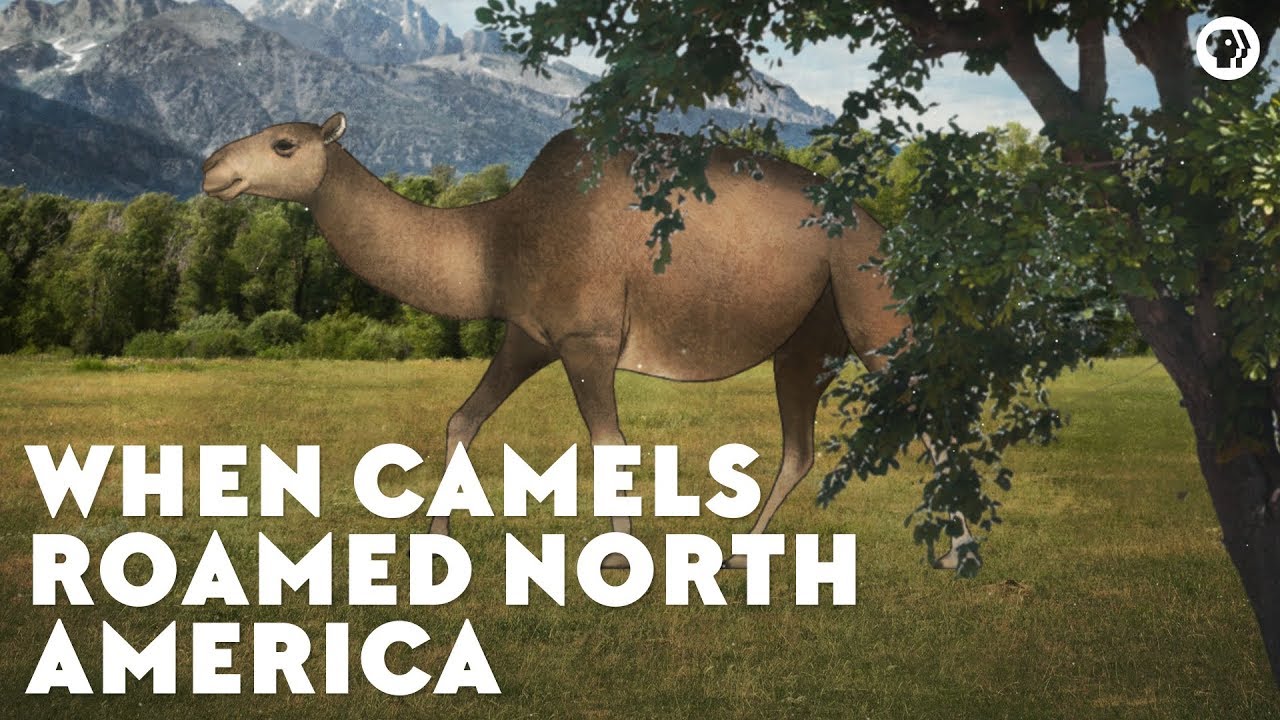
Camels originated in North America over 40 million years ago, thriving in a rainforest environment before adapting to harsher climates.
Metriorhynchids, a group of marine reptiles, thrived in prehistoric seas while dinosaurs dominated the land, showcasing unique adaptations for aquatic life.