From over 100,000 films, discover the handful you'll love.
Free or premium access to the world's largest documentary library.
22463 films(Page 20 of 468)
Therapsids, ancient ancestors of mammals, adapted and survived multiple extinction events, leading to the diverse mammalian lineage present today.
Recent archaeological findings in Wirral may finally identify the location of the Battle of Brunanburh, where Athelstan achieved a pivotal victory in 937 AD.
Hammurabi, renowned as a lawgiver, was also a formidable king, skilled politician, and master builder who unified much of ancient Mesopotamia.
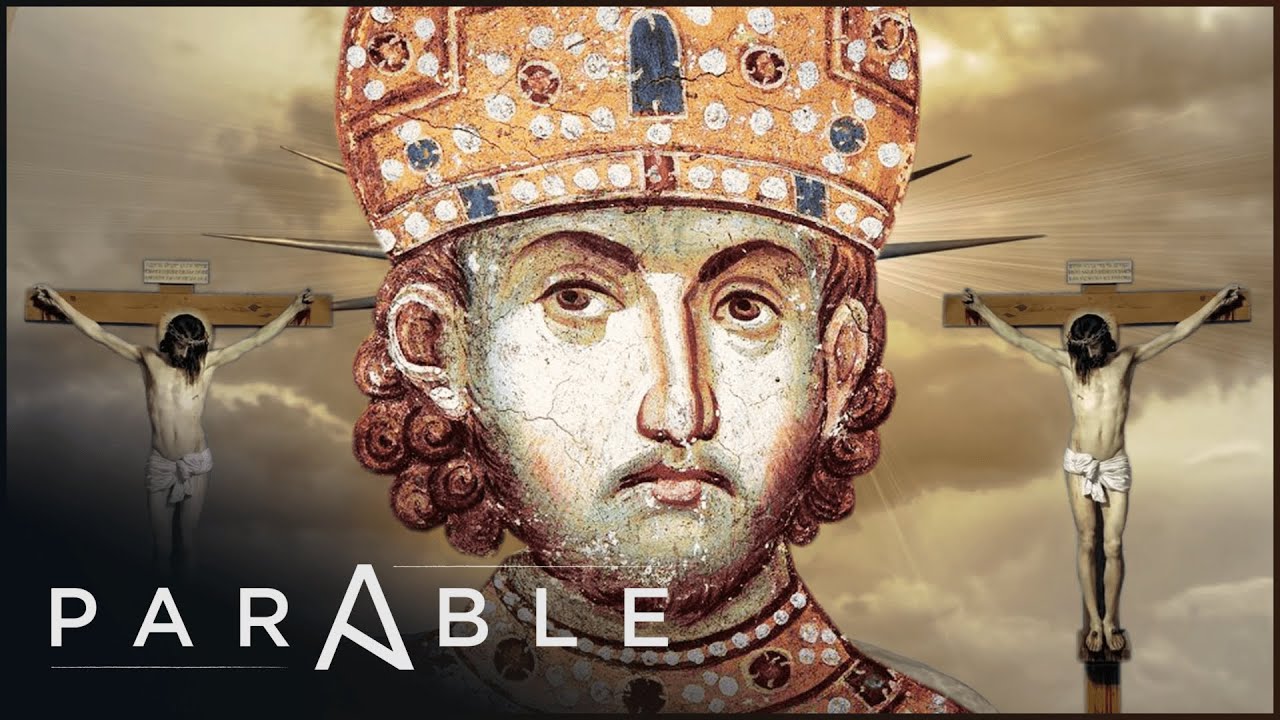
Constantine's conversion to Christianity in the 4th century prompts an examination of whether pagan traditions continued to influence Roman society.
Medieval Historian Hetta Howes answers key questions about King Arthur, exploring his historical existence, legendary tales, and the origins of the Arthurian myth.
Boudica, Queen of the Iceni, led a massive revolt against Roman rule in 60/61 AD, marking a significant moment in British history.
Twelve electrical transformers, each weighing 150 tons, are transported from Chile to Bolivia by the Antonov An-225 in a series of flights over four weeks.
Classicist Honor Cargill-Martin critiques AI-generated images of ancient Roman life, raising questions about the implications for historical accuracy and representation.
10,000 soldiers and officials could be housed in the massive forts built by Egyptian Pharaohs to protect their civilization and control trade.
Over 4 million German soldiers were deployed for Operation Barbarossa, the planned invasion of the Soviet Union in 1941.
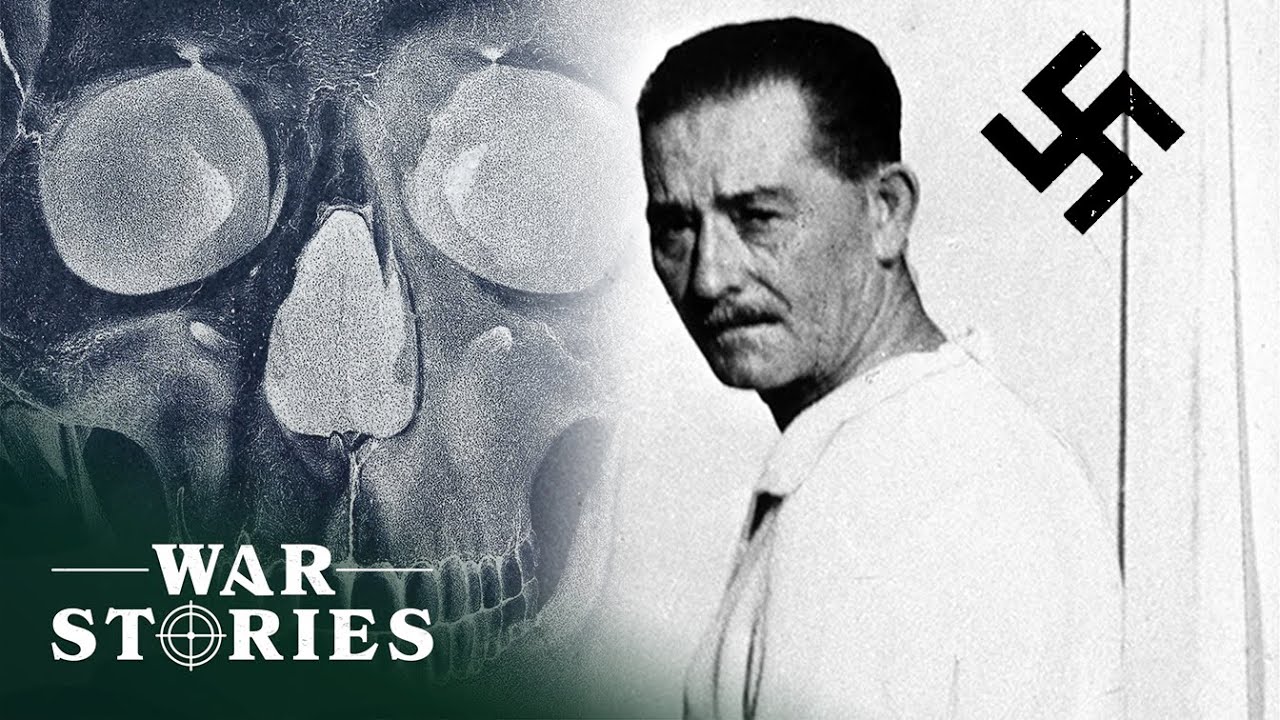
Josef Mengele, indicted by the West German government in 1959 for mass murder, lived in Buenos Aires among Nazi sympathizers for years.
Samurai castles, pivotal in shaping Japan's history and culture, are ranked based on their significance and lasting influence on the nation.
Alexander Litvinenko's assassination by poisoning in London in 2006 is examined through key testimonies and an international investigation linking to the Kremlin.
36,000 people worked at the Packard Auto Plant when it opened in 1903, a site now abandoned and symbolizing Detroit's industrial decline.
In northeast Brazil, archaeologists Paul Bahn and Jean-Loïc Le Quellec investigate 50,000-year-old rock art and hearths at Serra da Capivara, challenging the "Clovis First" theory.
Brooksley Born, head of the CFTC, warned of the dangers of unregulated derivatives in the late 1990s, but her efforts were thwarted by key economic leaders.
John Watts, the son of a WWII RAF hero, encounters his father's downed Hampden Bomber for the first time at the RAF Museum, revealing a poignant family connection.
Samurai, often romanticized in popular culture, are revealed to be shrouded in myth, challenging long-held beliefs about these iconic warriors of Japan.
Calciopoli, a scandal that severely impacted Italian football, raises questions about whether it represents the largest scam in the sport's history.
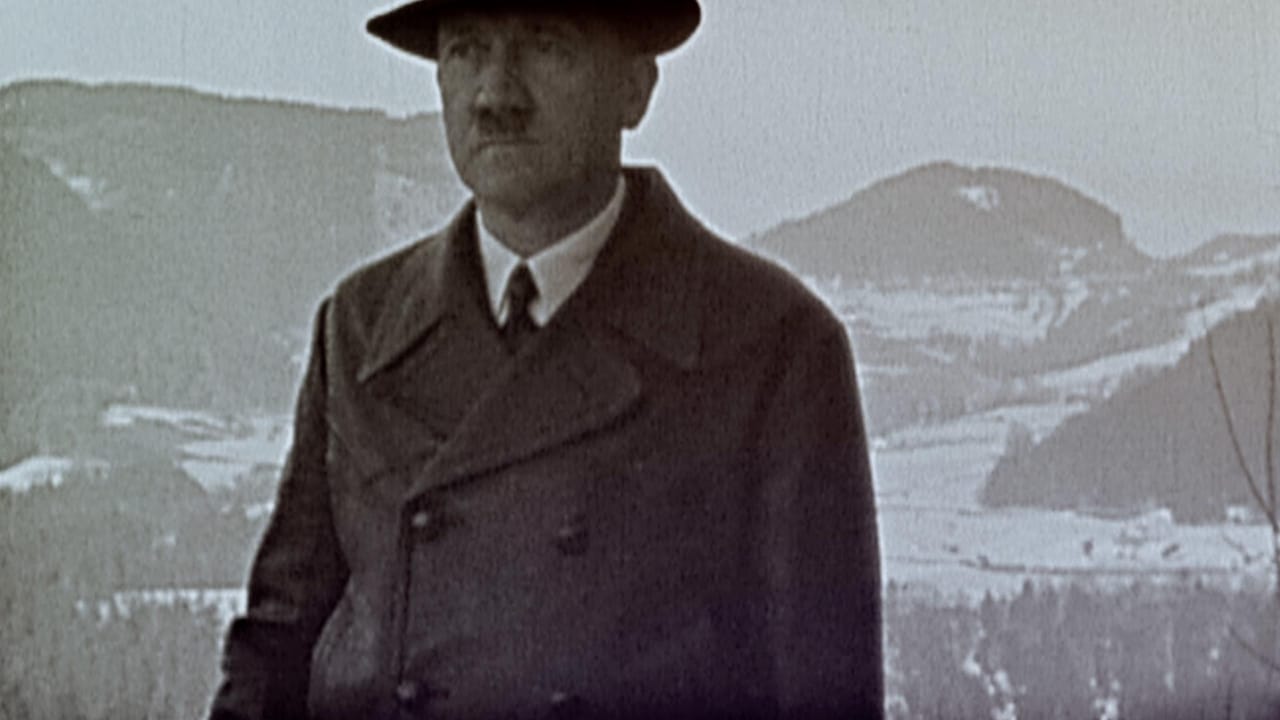
After Adolf Hitler discovered Obersalzberg in 1923, it became a key meeting place for him and his inner circle, including Eva Braun.
3,000 years ago, the Hittites ruled a vast empire in Anatolia before their decline and eventual disappearance from history.
New technologies in the Tudor period transformed domestic life, but they also introduced hidden dangers that threatened the health of households.
Britain, France, and the Netherlands struggle to reclaim their colonies in 1946, as the U.S. and USSR vie for influence over emerging nations.
Bess of Hardwick, a prominent Tudor figure, constructed an extraordinary home that epitomizes the elegance of the Elizabethan age and reflects her remarkable life.
Traditional English Christmas fare is explored through festive meals, family farms, and pub gatherings, highlighting the rich culinary heritage of the season.
China, with a civilization spanning over 5,000 years, has evolved through numerous dynasties and emperors, shaping its status as a global superpower.
The Suez Crisis marked a pivotal moment in history, as Egypt's nationalization of the canal led to military intervention by Israel, Britain, and France, ultimately reshaping global power dynamics.
Adolf Hitler's secretive sexual behaviors included voyeurism, sadomasochism, and compulsive masturbation, which he sought to conceal from the public.
Classicist Dr. Daisy Dunn analyzes the mythological accuracy of the 1981 film Clash of the Titans, exploring its characters, creatures, and special effects.
Apollo 8 astronauts Frank Borman, James Lovell, and William Anders became the first humans to escape Earth's orbit in December 1968.
Ninja, the shadow warriors of feudal Japan, were experts in unconventional warfare, employing tactics of deception and espionage to influence historical outcomes.
Survivors of the September 11 attacks become separated by a toxic dust cloud in New York City as they seek to reunite with their loved ones.
Mount Shasta is the focus of interviews and reenactments that explore the legends and mysteries associated with this iconic North American national park.
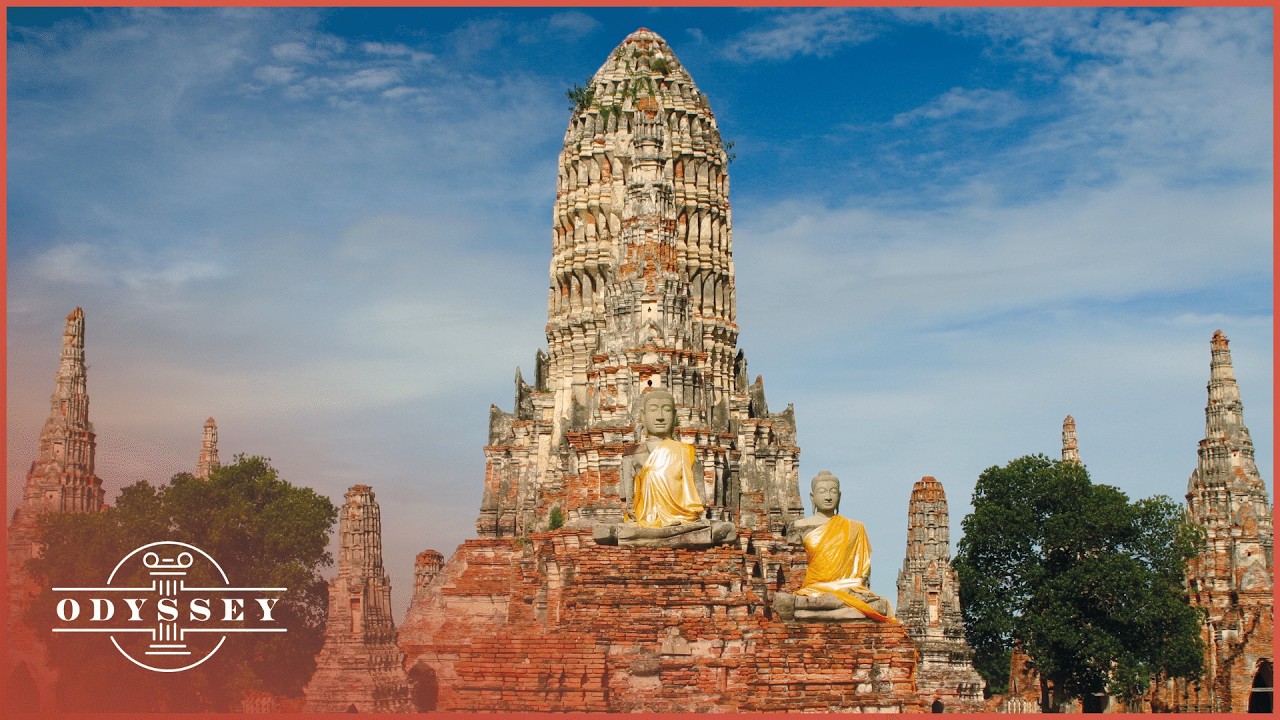
Ayutthaya, a powerful ancient city in Thailand, played a crucial role in shaping Southeast Asia's diverse civilizations and their histories.
Three terrorists hijacked a bus carrying workers from Israel's Dimona nuclear reactor, resulting in the deaths of three individuals during a failed rescue attempt.
Medieval health care practices, including bloodletting and uroscopy, reveal the complexities and misconceptions of medical knowledge during the Middle Ages.
Boeing's 737 Max jet, linked to two fatal crashes, faces renewed scrutiny over design flaws and oversight failures, raising ongoing safety concerns.
NASA's Mariner 9 became the first probe to orbit another planet in 1971, revealing Mars' surface features after months of dust storms.
Rebuilding efforts in 1946 highlight the struggle of nations to recover from WWII's devastation while superpowers vie for influence in a fragile new world order.
Amputations in the 18th and 19th centuries evolved significantly during major conflicts, highlighting the challenges of battlefield medicine amid industrial warfare.
Survivors' accounts from World War One veterans reveal the heroism and heartbreak experienced during the tragic stalemate of the Battle of the Somme.
The winter of 1924 marks the end of Lenin and the Ottoman Caliphate while George Gershwin introduces a vibrant soundtrack to the Jazz Age.
The American Civil War features the conflict between the Union and the Confederacy in the United States.
On May 22, 2017, a terrorist bombing at the Manchester Arena during an Ariana Grande concert killed 22 people and injured over 250 others.
On June 15, 1381, thousands of peasants from Kent and Essex marched toward London, challenging the rigid rules of medieval society.
More than 80 dangerous chemicals were found leaking to the surface in Love Canal, leading to severe health problems among residents.
150,000 residents lost their lives during the 82 days of combat in the Battle of Okinawa, which destroyed 90% of the island's buildings and cultural heritage.
The intense politicization of Supreme Court confirmations, highlighted by Brett Kavanaugh's hearings, reveals a decades-long battle for judicial control.