From over 100,000 films, discover the handful you'll love.
Free or premium access to the world's largest documentary library.
22487 films(Page 175 of 469)
Monotheistic religions in the Middle East, particularly Judaism and Islam, emerged from historical and cultural developments in ancient Mesopotamia and surrounding regions.
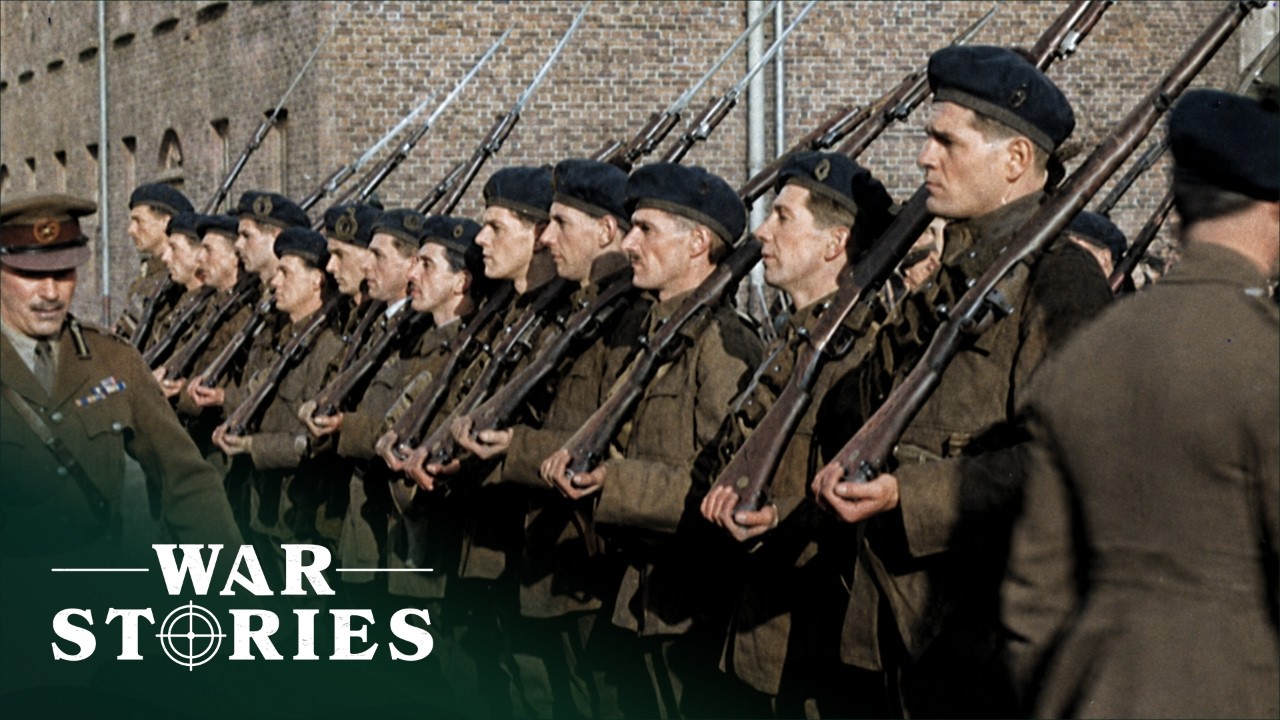
The Irish War of Independence saw ordinary citizens, led by Tom Barry and the West Cork Brigade, fiercely challenge the British Empire's military might.
On 24 May 1941, the British battleship HMS Hood was sunk by the German battleship Bismarck during the Battle of Denmark Strait, marking a significant naval defeat.
Home movies and personal diaries from 1937 to 1941 reveal the experiences of ordinary Germans during the Third Reich, including early WWII victories and emerging atrocities.
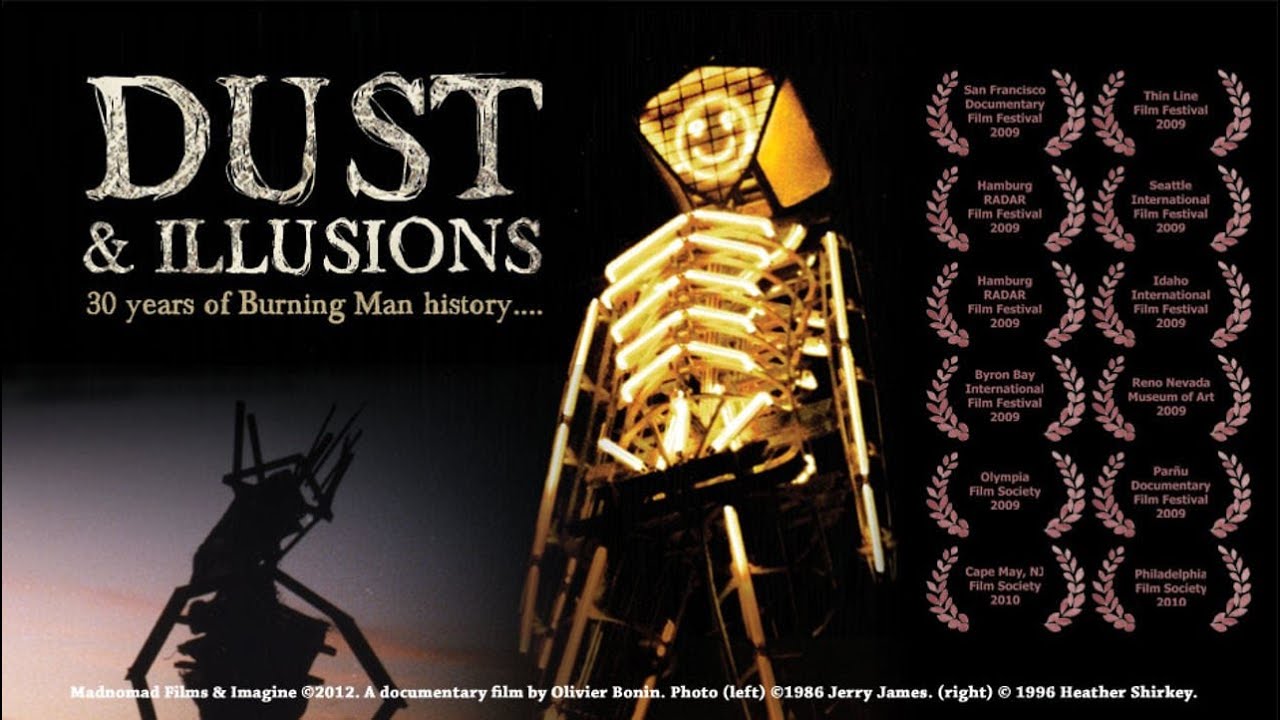
Burning Man evolved from a small gathering of artists in San Francisco to a $65+ million cultural phenomenon, reflecting significant changes in its ideals and organization.
Abraham Lincoln's assassination and its aftermath highlight the nation's profound loss, turbulent personal life, and enduring legacy of justice and peace.
Surma and Bumi pastoralists in Ethiopia face intensified cattle raids fueled by modern weaponry and worsening drought, threatening their survival and way of life.
Ancient Rome's complex history is explored through its rise to power and eventual decline, highlighting key events and figures that shaped the empire.
In 1930s Germany, the Hitler Youth program indoctrinated children with Nazi ideology, preparing them to serve as a youth army for Adolf Hitler.
Anzac Forces landed at Gallipoli on April 25, 1915, marking the beginning of a devastating eight-month campaign that shaped national identities in Australia and New Zealand.
HMS Victory, launched in 1765, was the largest warship in the world, requiring 6,000 trees and 27 miles of rope rigging for its construction.
Elisabeth Thieriot examines the myths surrounding the December 21, 2012 end-of-the-world theories related to the Aztec and Mayan calendars.
Prince William evolves from a grieving son to a dedicated heir, embodying a modern monarchy that prioritizes connection with the people.
Three songs from the Soviet East reflect the widespread admiration for Lenin, who is described as a friend and deliverer of every slave.
The Trojan War, often regarded as a significant historical event, is examined for its blend of myth and reality, revealing the complexities of its true origins.
Danny Koker and his team at Count's Kustoms in Las Vegas restore and customize a Manta and an 80s era Corvette in Season 8, Episode 15 of Counting Cars.
At the Spitfire Factory in Biggin Hill, a 1943 Mark 9 undergoes meticulous restoration, featuring insights from a female WW2 flight mechanic and a historic display.
Abu Rawash, an ancient Egyptian site near Cairo, reveals insights into the construction and eventual disappearance of a pyramid that has puzzled historians.
Chatham Islands' sole policeman offers insights into life on the remote islands, featuring a visit to Air Chathams' flight simulator and the isolated Pitt Island school.
Renowned photographer Craig Potton explores the 425-kilometre Waikato River in New Zealand, showcasing its breathtaking landscapes and local history.
Four Navy SEALs died during a mission at Paitilla Airport to disable Manuel Noriega's private jet and prevent his escape in December 1989.
240 kilometers of electrical fences along Hungary's border with Austria were designed to prevent crossings, but by 1989, they were failing.
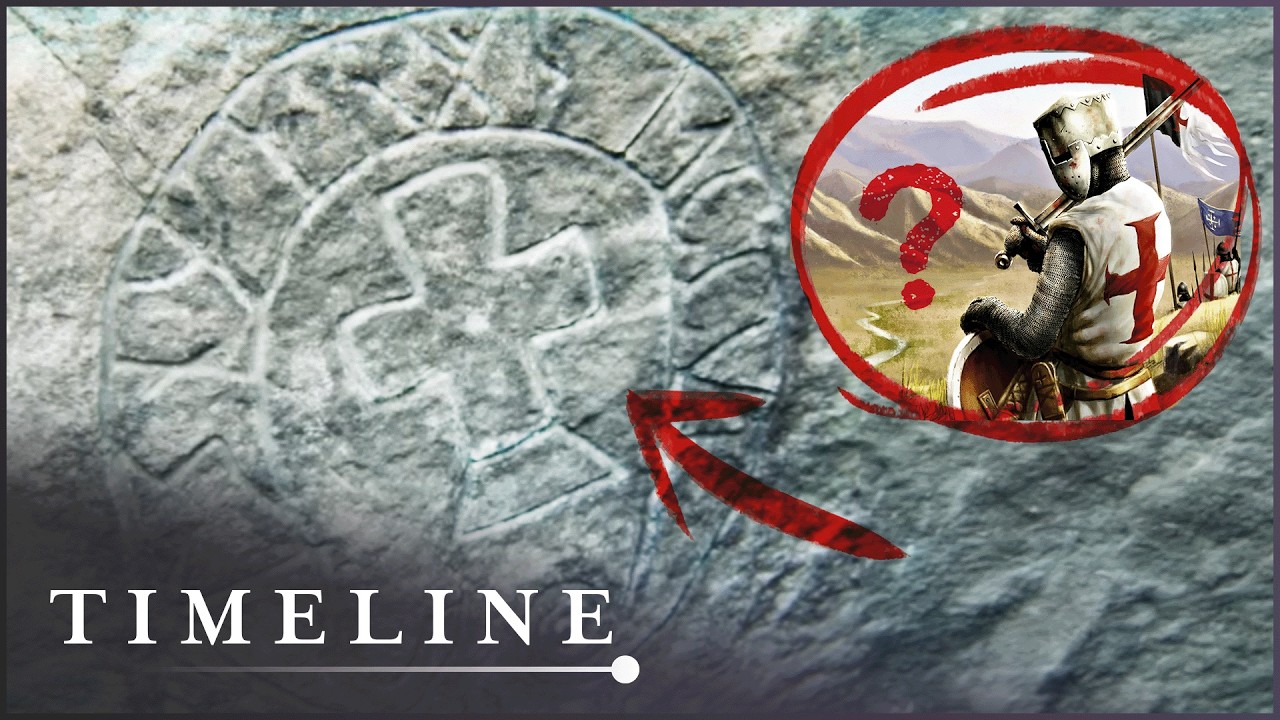
Forensic geologist Scott Wolter investigates the Knights Templar's legacy in America, examining coded symbols and historical sites from Pennsylvania to France.
Medieval weaponry is examined through the lens of the Japanese yumi bow, the Knights Templar's rise to power, and the significance of tournaments in European culture.
Two explorers uncovered the remains of 44 ancient Mayan cities in the jungles of Central America during their expedition in the 1840s.
Wernher von Braun, a former SS Major, played a pivotal role in the U.S. space program after Operation Paperclip brought him to America despite his Nazi past.
The Heysel Disaster of 1985 led to significant changes in football safety regulations and fan behavior, reshaping the sport for future generations.
The Gresham Ship, a Tudor shipwreck, reveals insights into Sir Thomas Gresham's maritime ventures and the economic landscape of Henry VIII's England.
In Jerusalem, the excavation of a home foundation reveals 2,000-year-old relics, prompting a comparison between amateur finds and professional archaeological practices.
Mennonite communities, with over 2 million members, maintain distinct customs and beliefs, living without modern conveniences and engaging in traditional practices like farming and quilting.
Danny Koker faces challenges in restoring a 1970 Plymouth Road Runner and a 1970 Dodge Coronet in the first episode of Season 4 of Counting Cars.
A $200 million gamble on a new aircraft design aimed to revive a struggling Canadian factory and compete in the business jet market.
Richborough, a significant Roman-occupied site in Britain from 43 AD to the Roman departure, showcases its complex history through archaeological remains with insights from Andrew Roberts and Tristan Hughes.
Seven airplanes make up the fleet of Wardair, a small airline founded by Max Ward, who advocated for deregulation in Canada's aviation industry.
Recent archaeological findings challenge the historical accuracy of the Israelites' conquest of Canaan as described in the Book of Joshua, suggesting a local revolt instead.
During the 1970s, New York City's Lower East Side became an open-air marketplace for drugs, attracting a creative community amid rampant poverty and danger.
Pilots at the Royal Canadian Air Force's number three fighter wing in West Germany average under 24 years old and fly aircraft worth a quarter of a million dollars each.
Erich Hartmann achieved 352 aerial victories during World War II, making him the most successful fighter pilot in history.
Adolf Hitler's military strategy during World War II, marked by critical errors such as the Dunkirk evacuation and Operation Barbarossa, significantly weakened the German war effort.
Easter Island was settled by Polynesian people around 900 or 1,000 AD, who developed a deep knowledge of the stars for navigation and agriculture.
Country music's evolution from regional roots to global phenomenon is illustrated through iconic artists, stunning photography, and rich historical context.
In 1817, Giovanni Belzoni's exploration in Egypt led to the discovery of the largest tomb in the Valley of the Kings, belonging to Ramesses the Great.
Half of all of Germany's dead in the Second World War occurred in the last ten months of the war, marking a devastating period of loss and destruction.
Sam Wallace and Amanda Billing explore their DNA results across Europe, revealing royal ties, Viking ancestry, and a poignant family secret.
In 373 BCE, the Greek city of Helike vanished beneath the sea, prompting speculation about its connection to the legendary Atlantis.
Ancient fishing traditions in Polynesia, Madagascar, and Vanuatu showcase the deep connection between local communities and the ocean, blending skill, belief, and survival.
Al Capone's rise to power in Chicago's criminal underworld culminated in the infamous St. Valentine's Day Massacre, which solidified his legacy as a notorious gangster.
Catastrophic events, driven by human error and natural phenomena, have significantly influenced advancements in space travel safety and technology.