From over 100,000 films, discover the handful you'll love.
Free or premium access to the world's largest documentary library.
22463 films(Page 43 of 468)
Military historian James Rogers evaluates the historical accuracy of World War II air combat scenes in films like Memphis Belle and Dunkirk.
The information revolution, marked by advancements like voice-controlled word processors and targeted political lobbying, is poised to reshape society as profoundly as the printing press.
Saddam Hussein ruled Iraq from 1979 until 2003, a period marked by the Iran-Iraq War and the Gulf War, which had lasting impacts on the nation.
Anglo-Saxon Britain in 999 AD faced the dual challenges of Viking invasions and maintaining a sophisticated social structure, as explored through dramatizations and expert insights.
Delphi, once deemed the center of the world by ancient Greeks, features a walking tour of its historic ruins, including the Temple of Apollo and ancient theater.
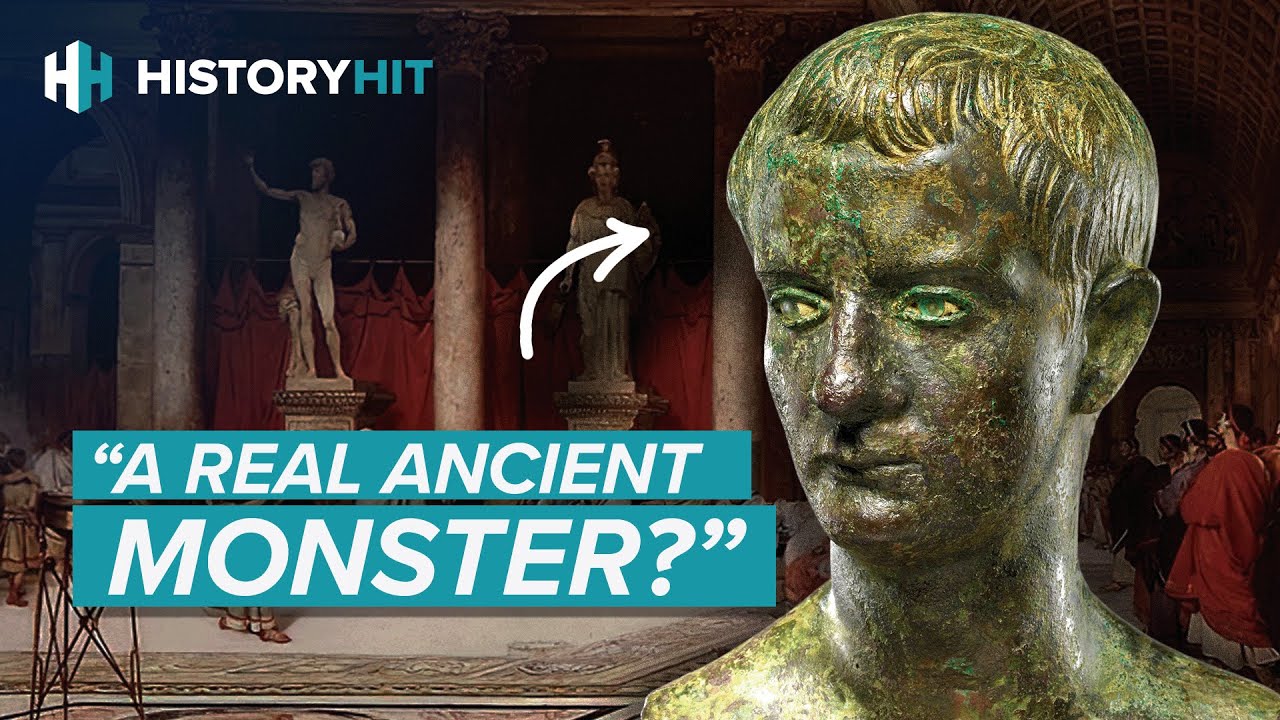
Caligula, the third Emperor of Rome, is often regarded as one of history's most tyrannical rulers, notorious for his extreme cruelty and debauchery during his reign from 37-41 AD.
A remarkable Roman mosaic floor, along with hundreds of coins and masonry, has been unearthed near Coberly, igniting excitement among archaeologists.
In modern Japan, a master swordsmith trains his last disciple in the traditional katana crafting technique, emphasizing dedication and the preservation of this ancient art.
In 1943, U.S. soldiers learned about British pubs, where patrons gather for companionship and drink warm beer, in an orientation film produced by the Department of Defense.
Treasure hunting has captivated people for centuries, and draining the oceans reveals some of the richest shipwrecks ever discovered.
Chernobyl's exclusion zone has become a dark-tourism hotspot, attracting visitors while highlighting the ongoing health risks and environmental contamination from the disaster.
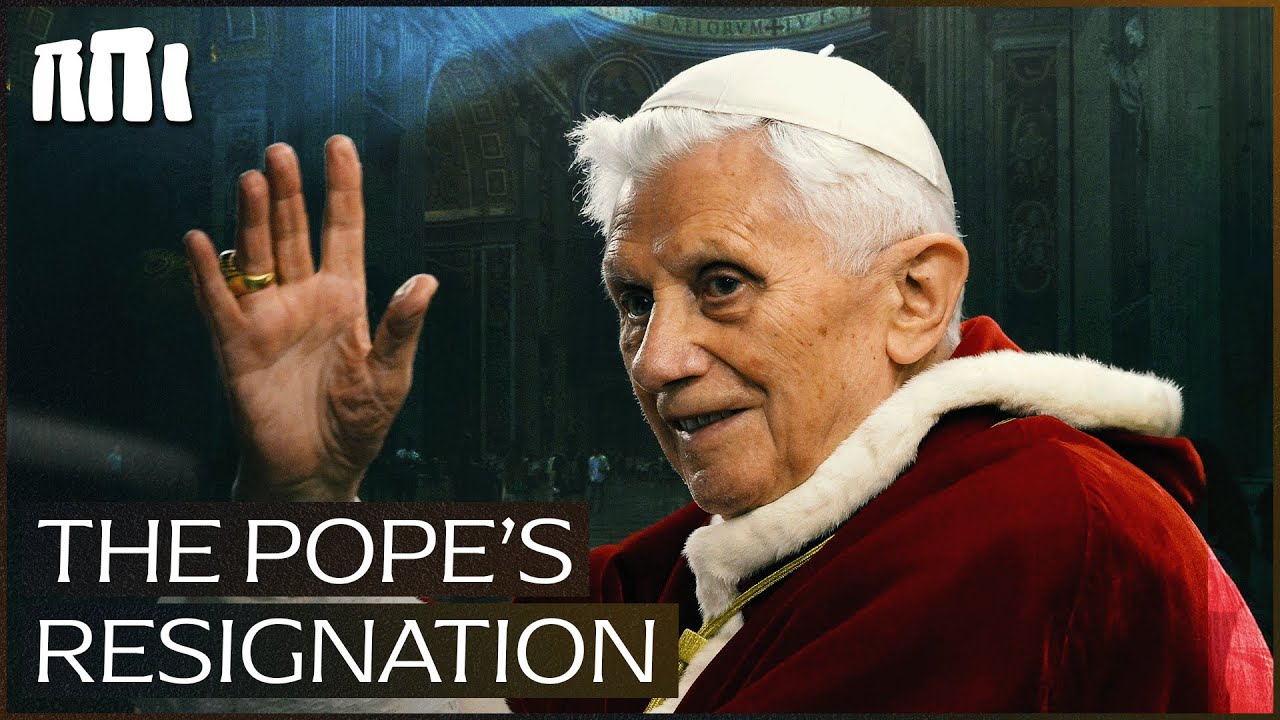
Pope Benedict XVI's resignation on February 11, 2013, marked the first papal abdication in nearly 600 years, sending shock waves around the world.
Almost 900 feet long, the Yamato was the largest battleship ever built, launched by the Imperial Japanese Navy in 1941 and lost in October 1944.
A man recounts a fishing trip in Northern Minnesota in 1980, where he heard a mysterious pounding sound in the night that still haunts him.
In 1500, England's population had dropped to 2.5 million due to the Black Death, while monasteries controlled much of the farmland and influenced daily life.
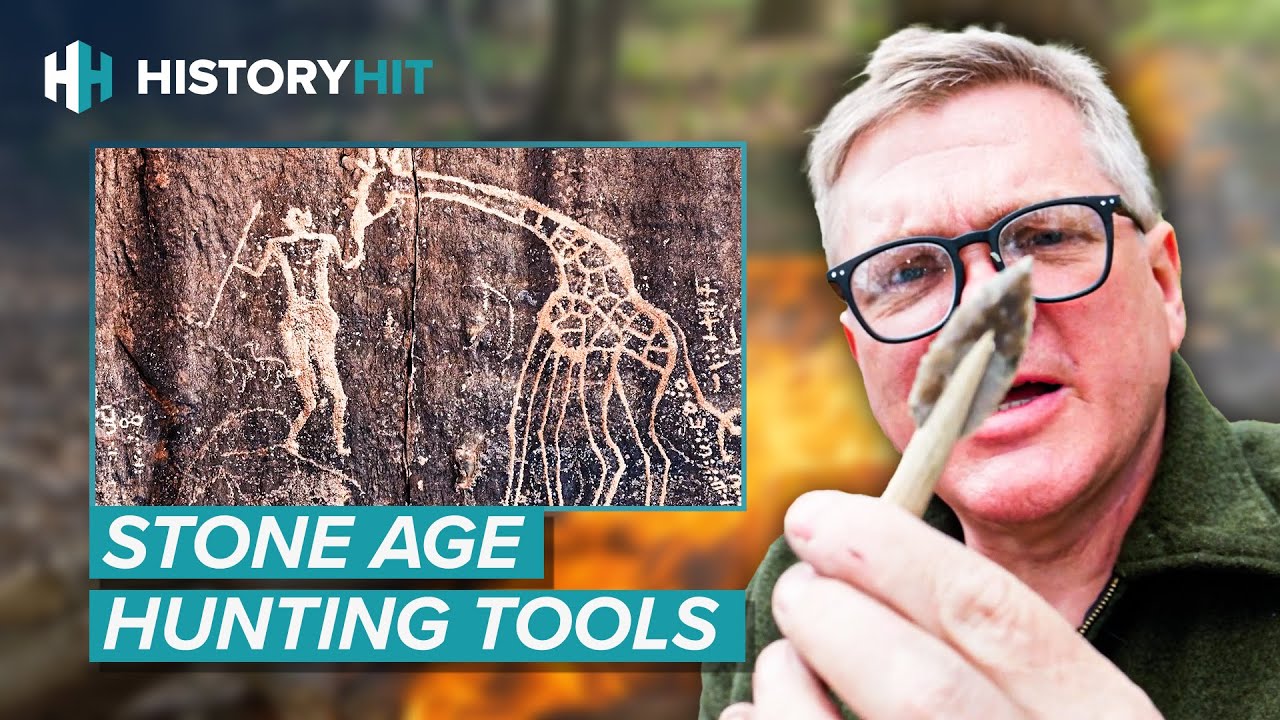
Hunting tools in Britain evolved from heavy spears to bows and arrows, marking a significant shift in human hunting practices during the Mesolithic era.
Alexander the Great's elaborate funeral carriage was stolen in 321 BC, igniting a fierce conflict between rival warlords Ptolemy and Perdiccas.
Sherlock Holmes influences modern crime-solving and espionage through his literary legacy.
Anti-tank weaponry, from the RPG to the FIM-92 Stinger, has significantly influenced military strategy from World War II to contemporary conflicts.
The 2024 adaptation of Shogun receives a comprehensive review, highlighting its narrative, character development, and production quality across all episodes.
3 million combatants died during the Pacific War, which also saw the destruction of 3,000 ships, many of which remain lost beneath the ocean.
453 sorties were flown from a naval air station in southern England on D-Day, supporting the largest amphibious assault in history.
New archaeological evidence and artefacts suggest a potential link to the lost Ninth Legion and a significant battle against Iron Age Britons.
On August 9, 1945, the Soviet Union launched an offensive that resulted in over 87,000 Japanese soldiers killed and 594,000 taken prisoner in Manchuria.
Water, essential for life and covering 71% of Earth, remains a mystery in its origins, raising questions about how this vital resource came to be.
290,000 Allied troops crossed the Rhine in March 1945, marking a significant advance towards Berlin as the war in Europe neared its conclusion.
In ancient Mesopotamia, the Sumerians established the first cities, invented writing and mathematics, and laid the groundwork for modern civilization.
By 975, strong independent Scandinavian kingdoms had emerged, with figures like Harald Bluetooth and his son Sven Forkbeard leading significant conquests.
Oak Island's legendary treasure shaft is explored through the investigations of brothers Marty and Rick Lagina, revealing clues and dangers within its depths.
Twins and triplets were separated at birth in the 1960s for a controversial psychological study, leading to lifelong trauma and ethical questions about consent.
September 11, 2001, remains a pivotal moment in history, marked by unprecedented tragedy, human courage, and lingering questions about national preparedness.
Nearly 3,000 lives were lost on September 11, 2001, as terrorists hijacked planes, leaving lasting scars on survivors and families of the victims.
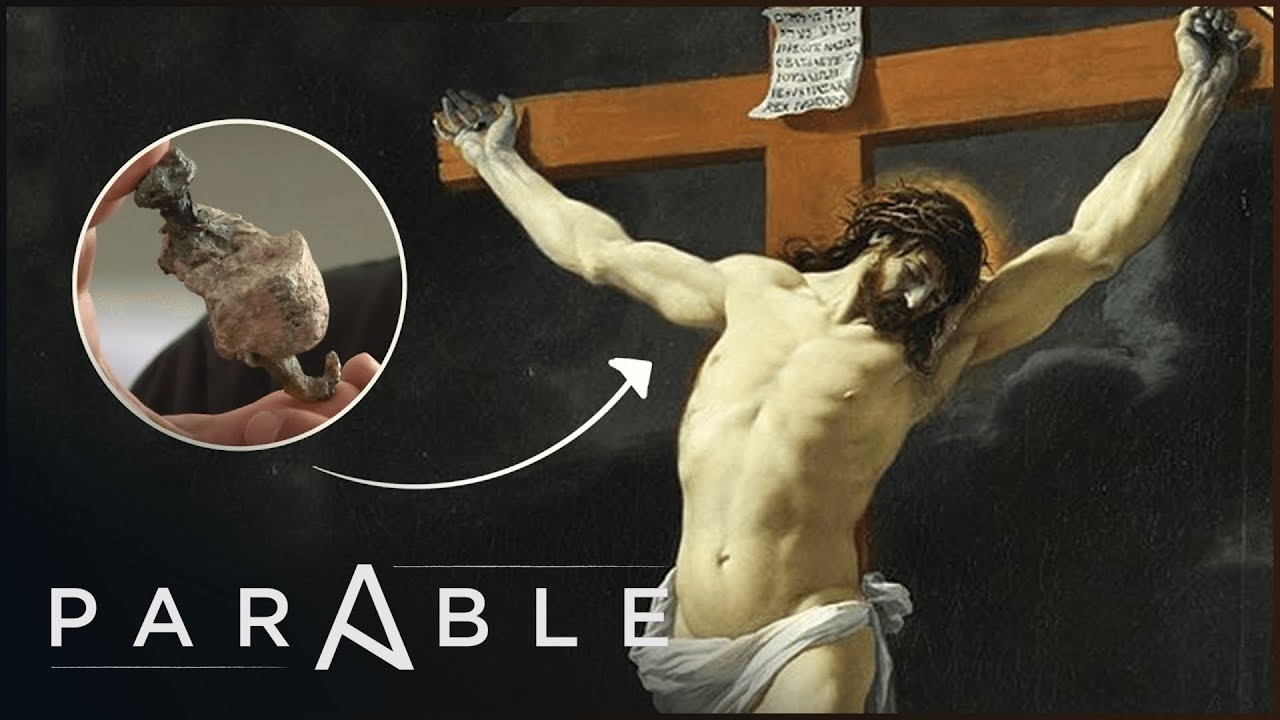
The tomb of High Priest Caiaphas, linked to the trial of Jesus, was excavated in Jerusalem in 1990, revealing artifacts that have since vanished.
Silk Road trade significantly shaped empires, influenced military tactics, spread ideas and diseases, and played a crucial role in the Age of Revolutions.
Marines have served as the nation's first line of defense for over 230 years, embodying a commitment to honor, courage, and duty.
On March 28, 1945, General Eisenhower declared that Berlin was no longer a major military objective, allowing Soviet forces to advance.
Sargon of Akkad established the first superpower of the early Bronze Age, leading the Akkadian Empire through expansion, administration, and eventual collapse.
The Mueller report's completion highlights President Trump's confrontations with the DOJ and FBI during the Russia investigation and his efforts to undermine these authorities.
In 1974, scientists sent a coded message into space using binary digits to inform potential extraterrestrial beings of human existence.
In 1969, six-year-old Doug Blackmon became part of Mississippi's first integrated class, marking a significant shift in the state's educational system.
Medieval peasants in 14th and 15th century Germany experienced a bizarre phenomenon known as the 'dancing plague', raising questions about its causes and effects.
George Mallory's fateful 1924 Everest expedition intertwines with modern climber Conrad Anker's quest to solve the mystery of his disappearance.
On June 6, 1944, 150,000 Allied troops launched a critical invasion of Nazi-occupied Europe at Normandy, facing immense challenges and sacrifices.
Three key figures, including former Israeli prime ministers Ehud Barak and Benjamin Netanyahu, discuss the conflict in occupied Palestine.
More than 10,000 Egyptian soldiers and 700 tanks were lost during the Six Day War, while Israeli forces suffered 1,400 casualties and over 60 tanks destroyed.
J’ouvert, a vibrant pre-dawn street masquerade in New York City, celebrates Caribbean culture but faces scrutiny due to a history of violence at the event.
The Maeda clan, notable for figures like Maeda Toshiie and Maeda Keiji, played a significant role in Japan's history and rise to prominence.
In 1812, Swiss explorer Johann Ludwig Burkhardt discovered the ancient ruins of Petra, hidden in the valley known as Wadi Musa in Jordan.