From over 100,000 films, discover the handful you'll love.
Free or premium access to the world's largest documentary library.
22463 films(Page 183 of 468)
Heinrich Himmler, once the architect of the Final Solution, faced betrayal by Adolf Hitler and became a hunted man by May 1945.
Franz Stangl, the Commandant of Treblinka, evaded capture for nearly 30 years while Nazi hunter Simon Wiesenthal pursued justice for Holocaust victims.
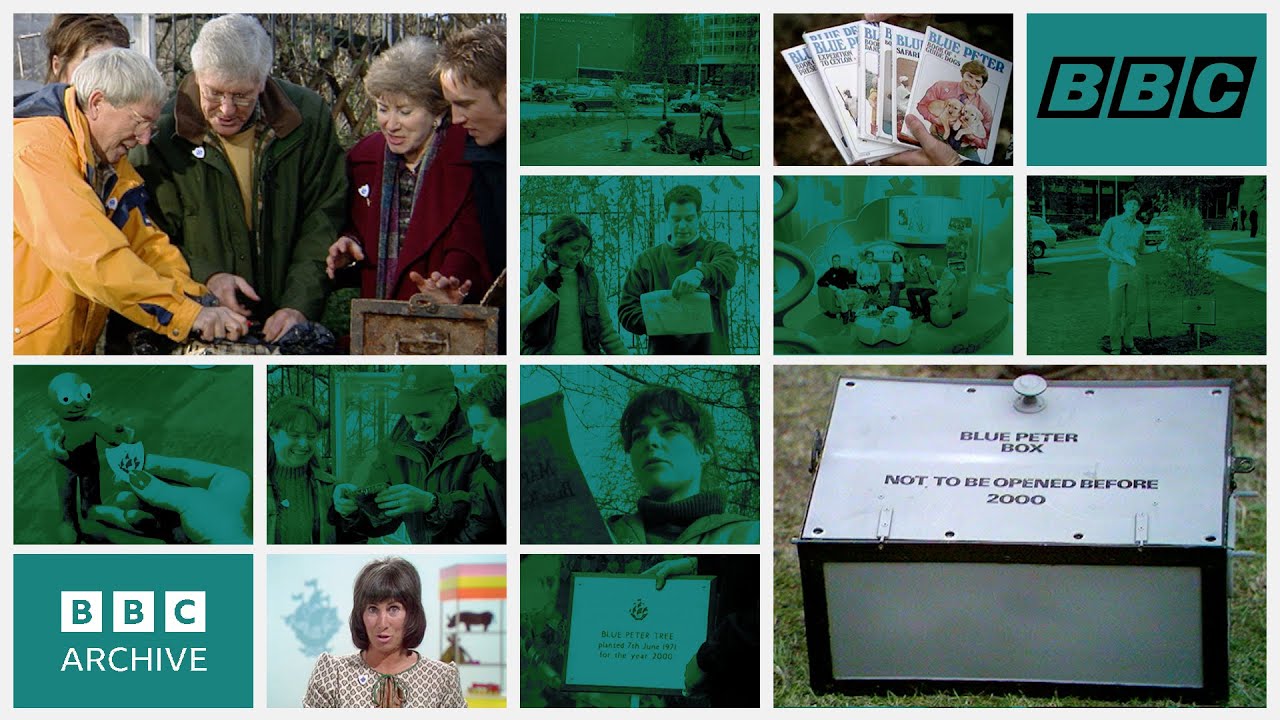
Blue Peter time capsules, buried in 1971 and 1984, reveal their contents in 2000, showcasing a nostalgic connection to the show's history and its presenters.
More than 80 years after Amelia Earhart disappeared, her legacy as a pilot and advocate for women's equality continues to inspire.
In April 1945, camera teams document the aftermath of the Nuremberg battles and the atrocities at Dachau concentration camp under the direction of George Stevens.
USS New York, built to honor 9/11 victims, stands as a testament to resilience and strength, embodying the spirit of American freedom.
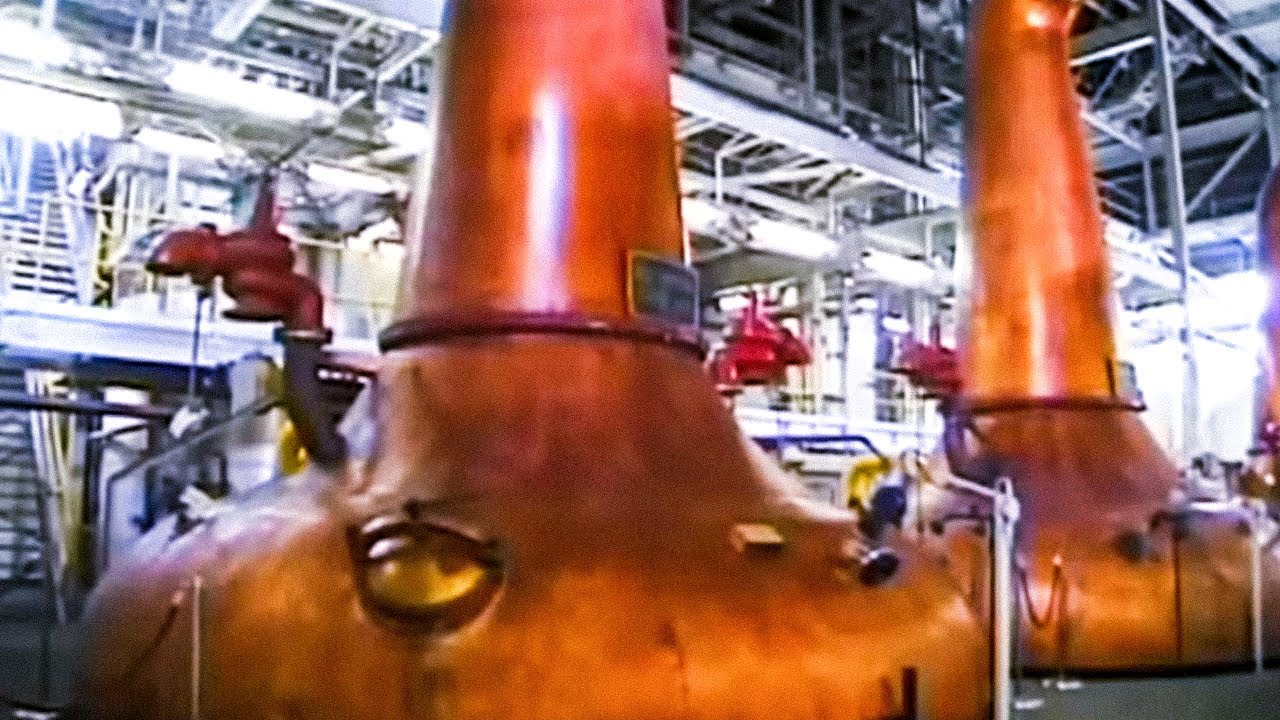
Irish whiskey has roots dating back to the 6th century, when monks learned distillation techniques from Arab alchemists.
In 1942, German saboteurs landed on American shores as part of Operation Pastorius, aiming to disrupt US industry, but were thwarted by the FBI's rapid response.
In West Virginia, the curse of the Mothman intertwines with local politics, while the Bermuda Triangle, Atlantis, Vlad the Impaler, and Louisiana's Bayou reveal their own legends.
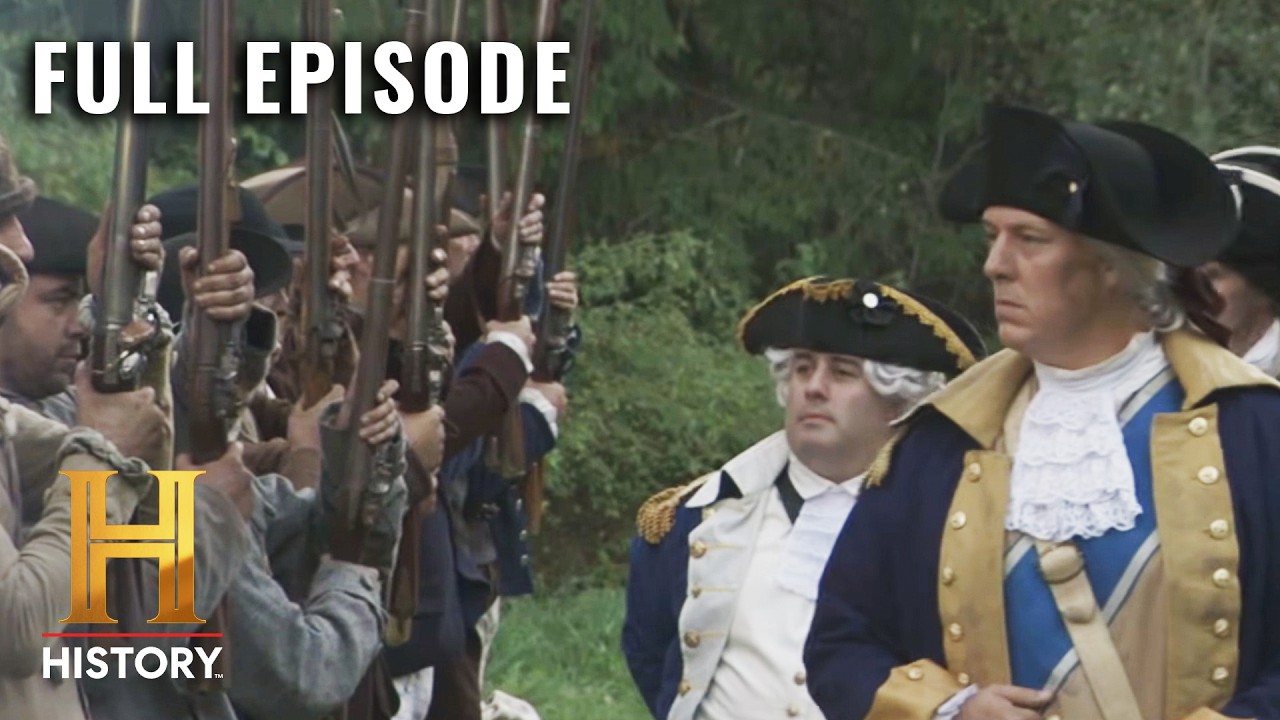
The Battle at Bunker Hill marks a pivotal escalation in the American Revolutionary War as the Continental Congress establishes an army and appoints George Washington as Commander-in-Chief.
1966 World Cup in England showcases early successes amid skepticism, featuring insights from fans, referees, and players as the tournament unfolds.
757 enemy aircraft were destroyed by the Fighting Lady during military operations in the Pacific from 1943 to 1944, including missions over Marcus Island.
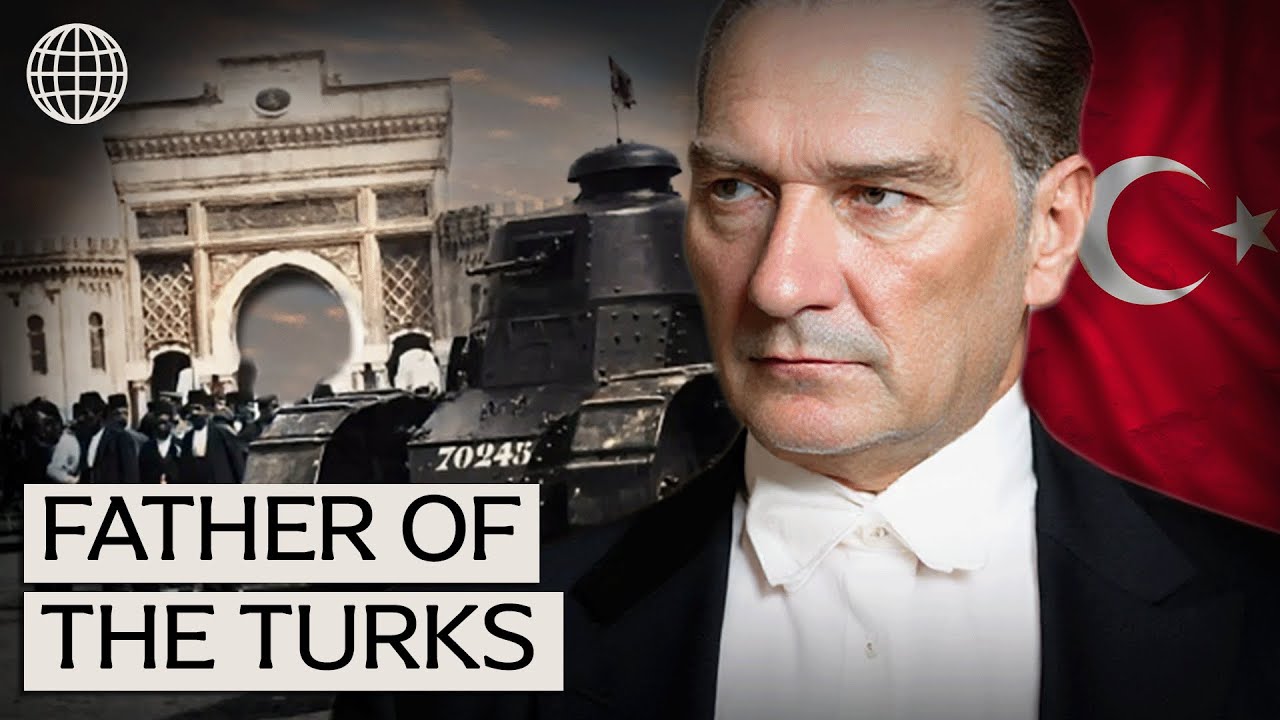
Mustafa Kemal Atatürk was born in Salonica in early 1881 and later became known as the father of modern Turkey after significant reforms in the 20th century.
The 1993 World Trade Center attack in New York kills 6 and injures thousands.
In August 1910, a catastrophic wildfire swept through the Northern Rockies, consuming over three million acres and leading to significant changes in U.S. forest management.
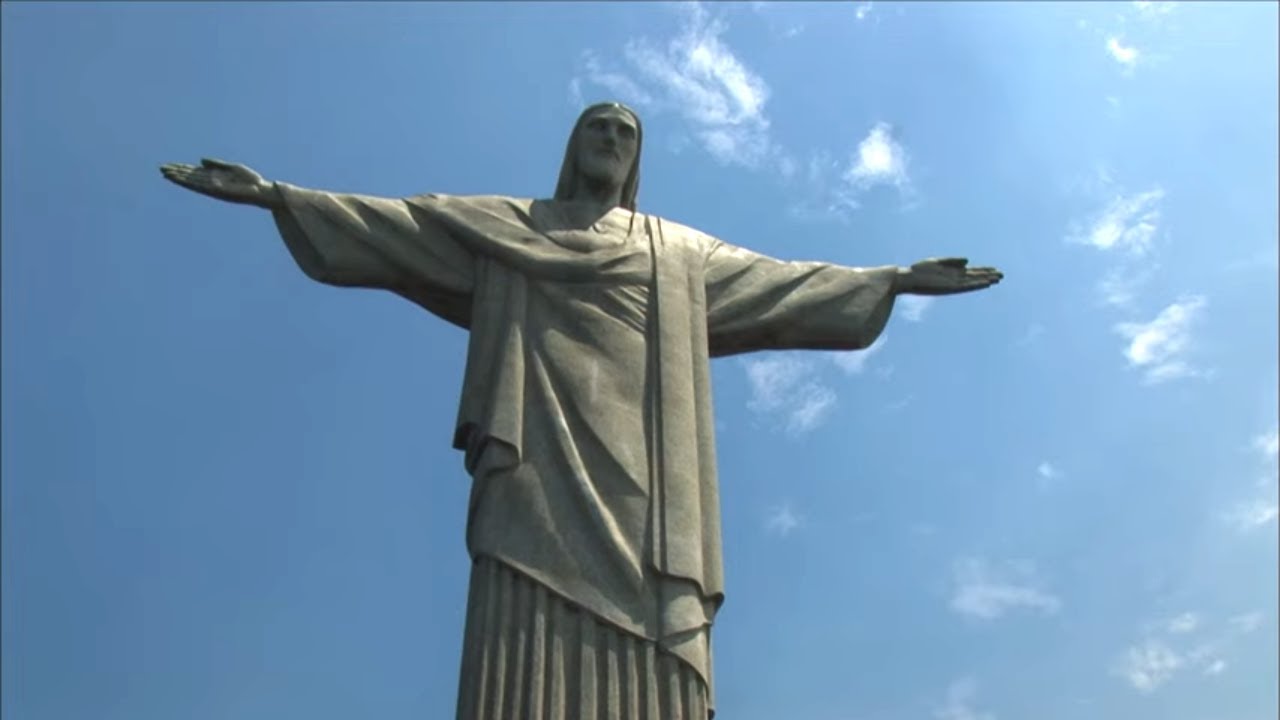
In 2007, the selection of seven modern wonders is expanded to include 100 iconic sites, featuring The Christ of Rio, the Ramesseum Temple, and Lake Atitlan.
In Claremont, Australia, the mysterious disappearances of several women lead to the revelation of serial killer Peter Dupas and his crimes.
Medieval castles evolved from military fortresses into symbols of wealth and status, exemplified by structures like Windsor Castle and Cardiff Castle.
Forensic archaeology experts in the UK utilize DNA analysis and isotopic testing to examine human remains, revealing identities and historical narratives from the past.
Qoyllur Rit’i, a vibrant religious festival in the Andes, attracts over 70,000 Indigenous pilgrims each year, blending ancient Andean traditions with Catholic faith.
The aircraft carrier played a crucial role in the United States Navy's strategy to combat Japan during World War II following the attack on Pearl Harbor.
Julius Caesar's military strategies, Augustus's establishment of the Roman Empire, and Boudica's rebellion against Roman rule highlight the impact of legendary ancient leaders.
In the Himalayas, Buddhist monk Tsultrim Chonjor uses a bulldozer to construct a road to Kargyak, challenging decades of isolation for Zanskar's residents.
A 2,400-year-old body discovered in a Danish bog reveals insights into ancient burial practices and preservation techniques.
Monster sharks, a mysterious hillbilly beast, and swarms of giant killer bees are examined through eyewitness accounts and investigations in this themed marathon.
North Yorkshire Moors Railway celebrates its fiftieth anniversary by welcoming diverse visitors and aiming for its busiest year yet in the golden age of steam.
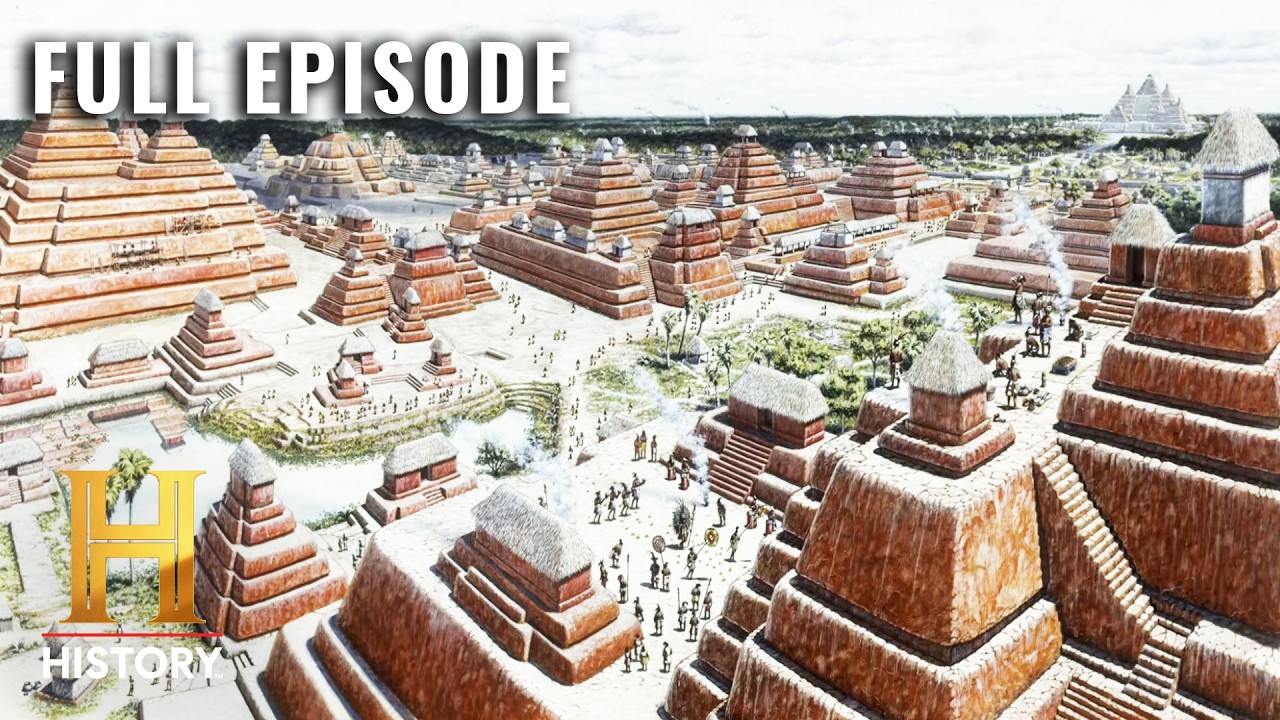
New evidence suggests that the ancient Maya civilization may have had contact with extraterrestrial visitors over its 2,000-year history.
At the end of World War II, a team of experts investigates Hermann Göring's stolen multi-billion dollar collection of treasures that remain missing since 1945.
The Battle of the Teutoburg Forest marked a pivotal moment in history, halting Roman expansion and showcasing the fierce resistance of Germanic tribes against a powerful army.
The IRA's criminal activities are reportedly expanding, with evidence linking them to major heists and a shift towards legitimate business ventures for money laundering.
A leopard killed over 20 people in the village of Punani during the 1920s, marking Sri Lanka's first known case of a man-eater.
Ruth Goodman and archaeologists Tom Pinfold and Peter Ginn work as farmers under monastic control, mastering long-lost Tudor farming methods.
Hitler's Berghof in the Bavarian Alps served as a Nazi hub and features an extensive underground bunker system, ultimately destroyed by Allied bombing in 1945.
The sinking of the Titanic in 1912 resulted in over 1,500 deaths and triggered a shift in shipbuilding from luxury liners to massive warships.
Mapping the Milky Way combines ancient mythology and modern science, revealing how satellite technology enhances our understanding of this vast galaxy.
Amanda Knox, an American student, became embroiled in a controversial murder case after the brutal killing of her roommate, Meredith Kercher, in Italy.
Three astronauts aboard Apollo 8 became the first humans to orbit the moon in 1968, paving the way for future lunar exploration and potential settlements.
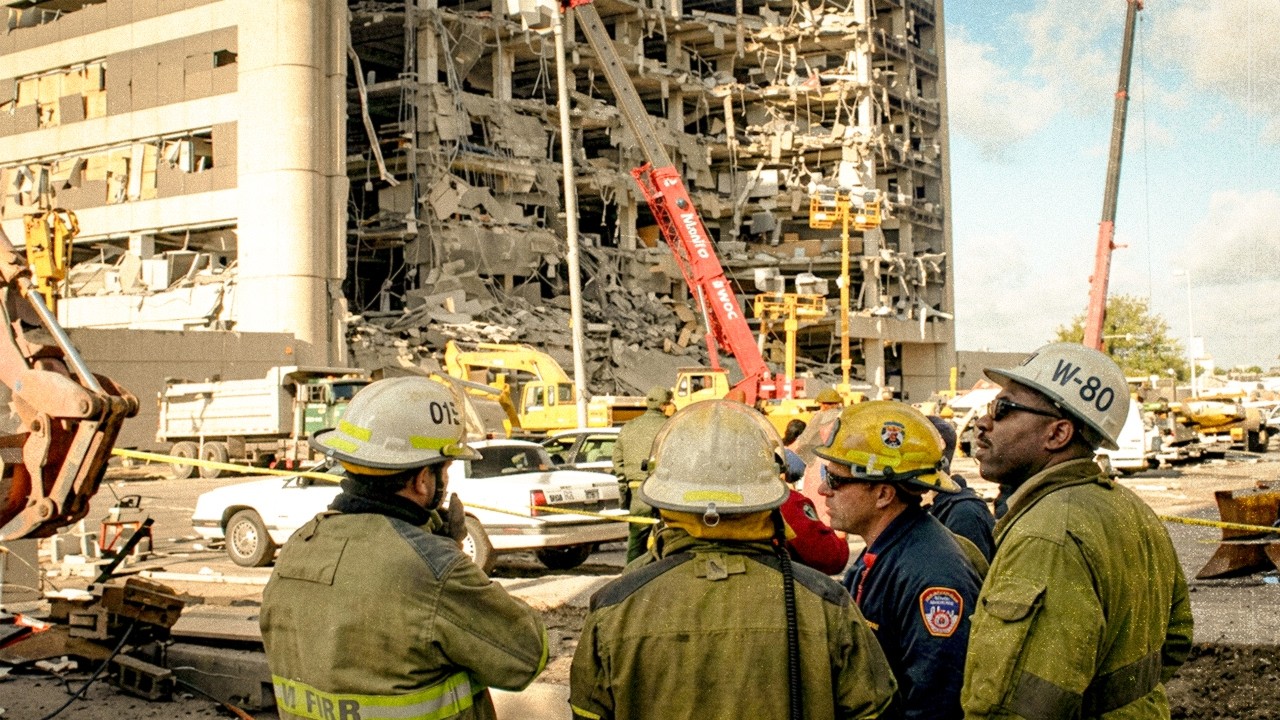
On April 19, 1995, the bombing of the Alfred P. Murrah Federal Building raises questions about Timothy McVeigh's involvement and potential government foreknowledge.
Auschwitz-Birkenau serves as a memorial to over a million victims, showcasing preserved artifacts like glasses and hair, alongside stories of resistance and survival.
Roman Catholicism, as the largest branch of Christianity, is explored through its core beliefs and their relevance to millions of adherents today.
The North American Free Trade Agreement aims to create a unified economic region among Canada, the U.S., and Mexico, raising concerns about individual freedoms.
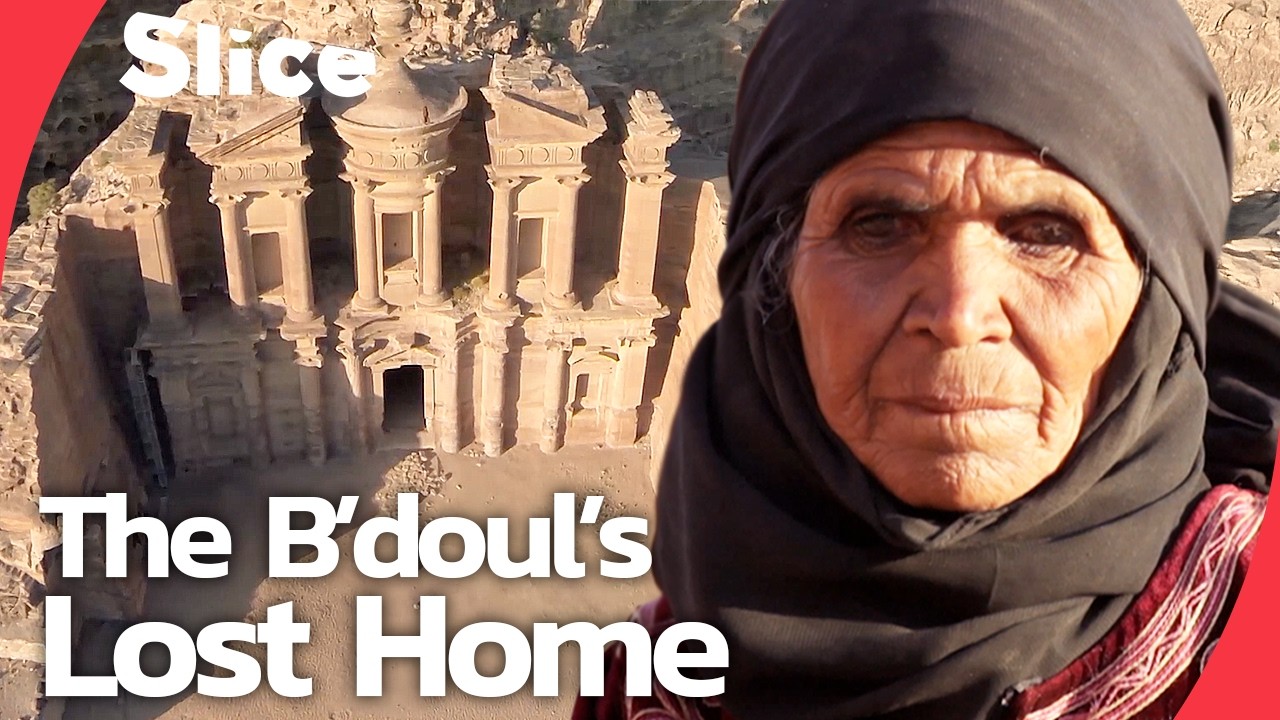
The B'doul tribe was driven out of their caves in Petra 30 years ago, leaving them to adapt to life in a nearby settlement amid rising tourism.
Norman Bethune established the world's first mobile blood-transfusion service during the Spanish Civil War, significantly advancing military medicine.
Tiberius Gracchus's political actions in Ancient Rome incited mob violence, leading to significant social and political upheaval.
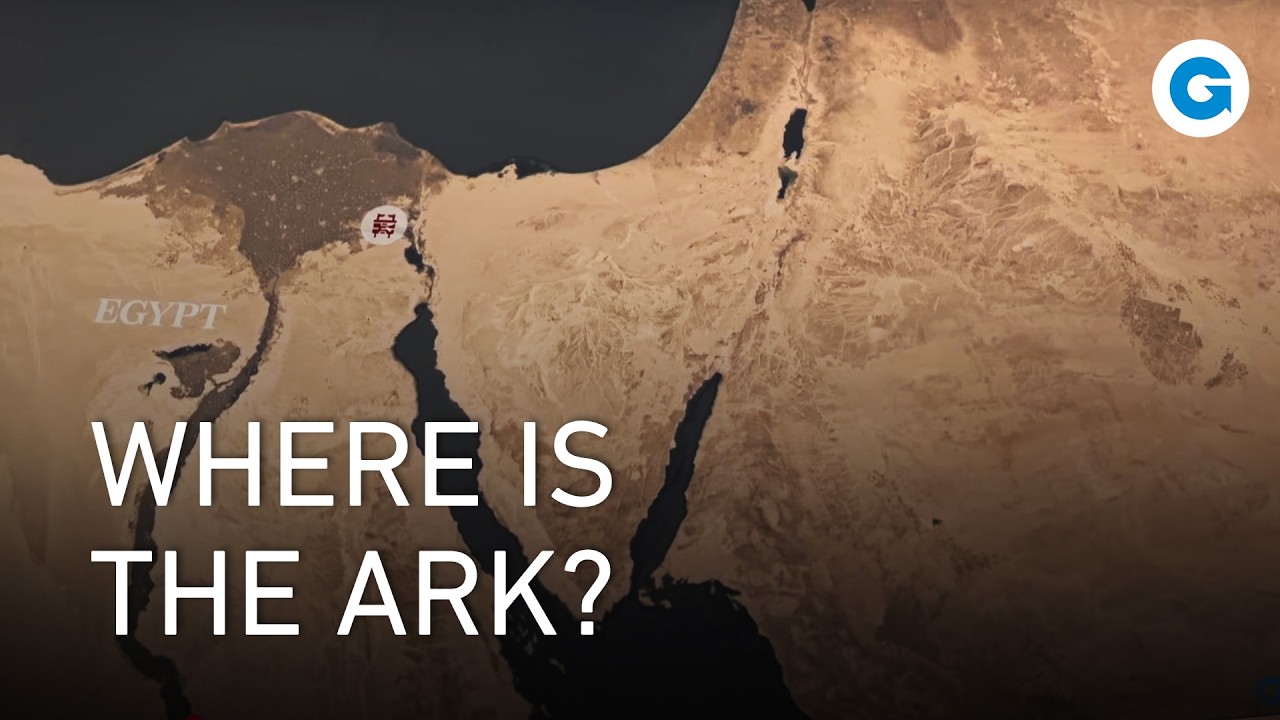
The Ark of the Covenant, a sacred chest in Judaism believed to hold the Ten Commandments, raises questions about its role as a lost relic or divine weapon.
A deliberate underground explosion during a 1992 strike at a Yellow Knife gold mine killed nine miners, leading to Roger Warren's conviction for murder.
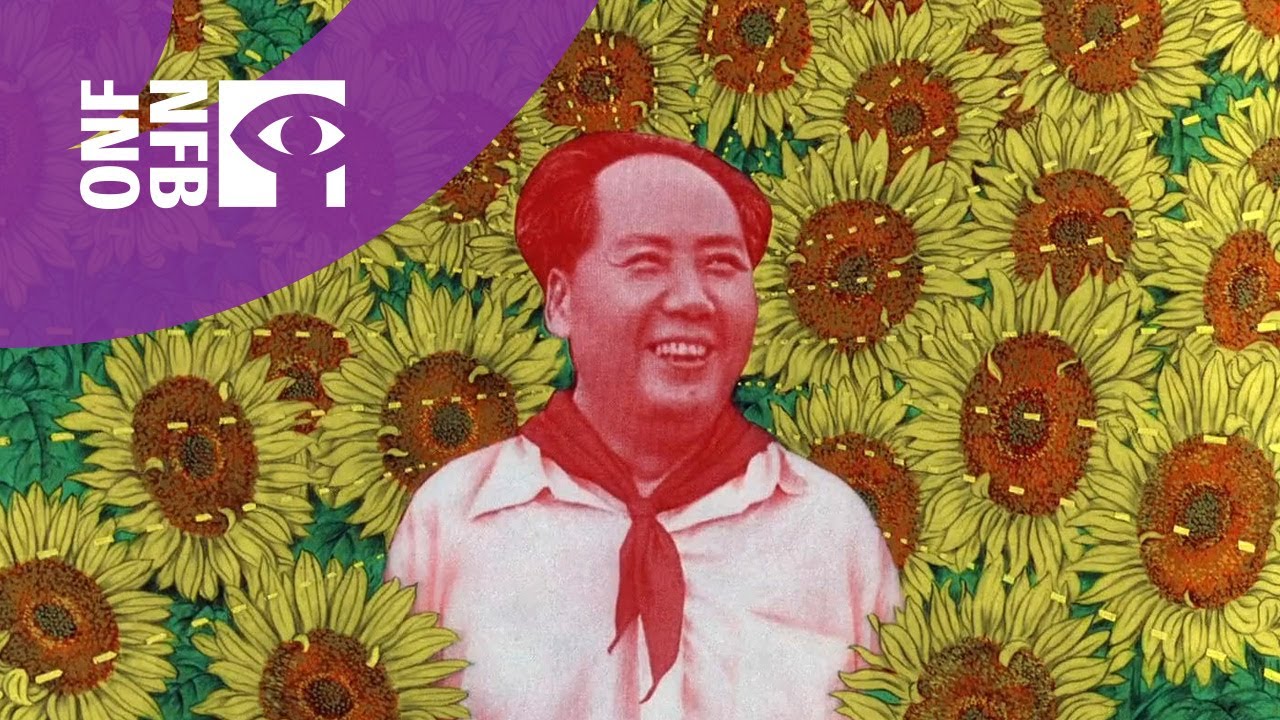
On June 4, 1989, a former comrade witnessed the massacre of protesters in Tiananmen Square, marking a turning point in his life and beliefs.
The evolution of bombers, from 1849 Austrian paper balloons to the mass destruction tactics of the Spanish Civil War, transformed modern warfare forever.