From over 100,000 films, discover the handful you'll love.
Free or premium access to the world's largest documentary library.
22463 films(Page 370 of 468)
Ancient Egypt's tombs are examined for evidence of extraterrestrial influences, linking the age of dinosaurs to human history and mass sightings in the US.
Over 23,000 petroglyphs at Puoa in Hawaii suggest ancient beliefs about the islands as a portal for extraterrestrial beings.
Alien hybrid theories suggest that extraterrestrials may be experimenting with human DNA through secret programs, raising questions about hybrids living among us.
An army airfare major finds strange markings at a UFO crash site in Season 21, Episode 3.
An unknown sonar target moving at over 150 knots was tracked by the USS Wasp off the coast of Puerto Rico in March 1963.
Significant mass sightings in the U.S. and historical events from the age of dinosaurs to ancient Egypt are examined for their potential extraterrestrial influences on nuclear weapons.
Stonehenge's construction methods are examined, exploring how ancient civilizations transported massive stones without modern equipment.
In 1947, the Roswell crash marked a significant event in UFO history, influencing perceptions of extraterrestrial encounters in American culture.
Almost 4,000 German and civilian lives were lost during three days of Allied bombing raids in Lower Normandy leading up to the D-Day landings.
15 Swordfish torpedo bombers from the aircraft carrier Ark Royal attack the German battleship Bismarck in a critical World War II confrontation.
In 1913, Australian explorer Douglas Mawson faced extreme conditions during a 95-mile trek across Antarctica after a disastrous expedition.
A 1.8-meter-wide metal mirror made by William Parsons in the 19th century became the largest telescope of its time, enabling deeper observations of the universe.
West Point reveals secrets of the most prestigious military academy in Part 1 of Season 1.
West Point reveals secrets of the most prestigious military academy in the Army.
West Point reveals secrets of the most prestigious military academy in the Army today.
The FBI's elite Special Agents use secret tactics to protect America in this episode.
The FBI's Special Agents reveal their secret tactics and operations in America.
A young George Washington took the Freemason Blood Oath of secrecy in 1752, blindfolded and facing a sharp instrument against his chest.
This episode reveals America's most private organization, the Freemasons, and their secrets.
Air Force One has roughly 4,000 square feet of space across three levels, accommodating 70 passengers and 26 crew members.
Air Force One is equipped with in-flight refueling capability and advanced missile defense systems to protect the president during emergencies.
Nearly 20 heavily-armed vehicles formed President Obama's motorcade during his state visit to Britain on May 24, 2011, following Osama bin Laden's death.
Eighteen Black soldiers, including Sergeant George Jordan, received the Medal of Honor for their bravery during the Indian Wars in the late 19th century.
In Coblenz, U.S. Generals Allen, Pershing, and British General Moreland observe military maneuvers and engage in various activities with troops and local children.
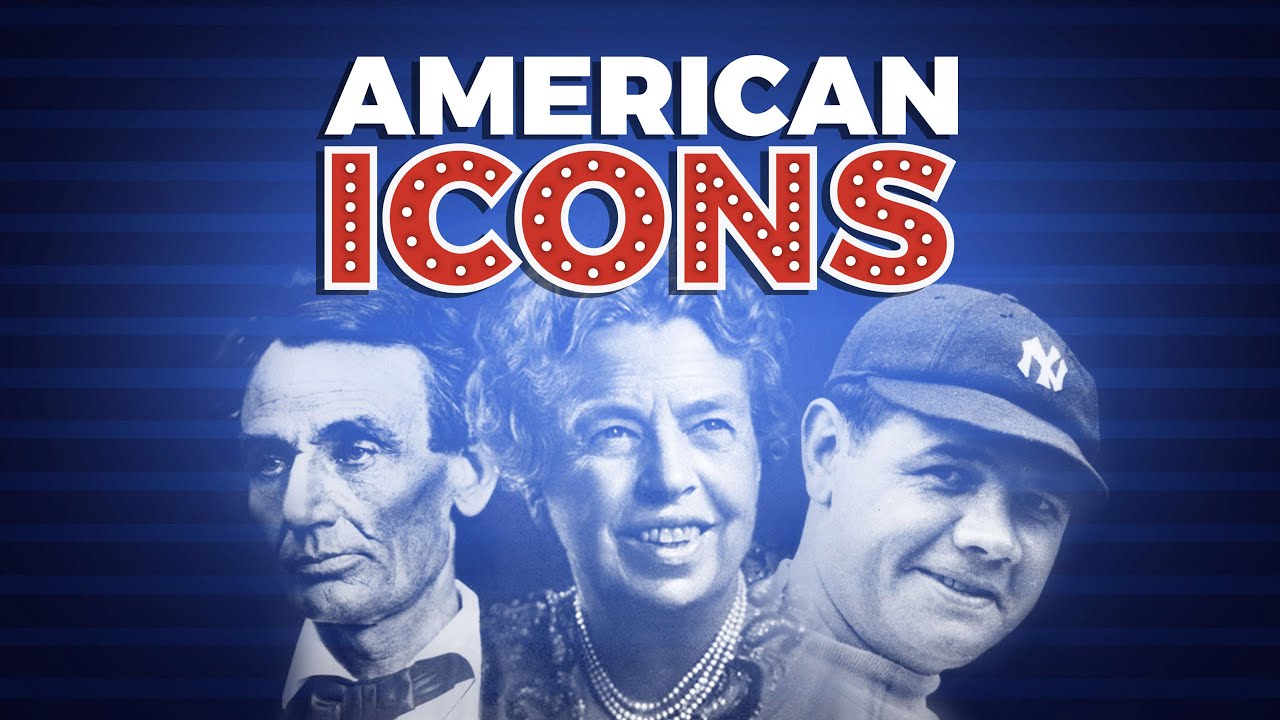
Eleanor Roosevelt, known as the First Lady of the World, champions numerous humanitarian causes.
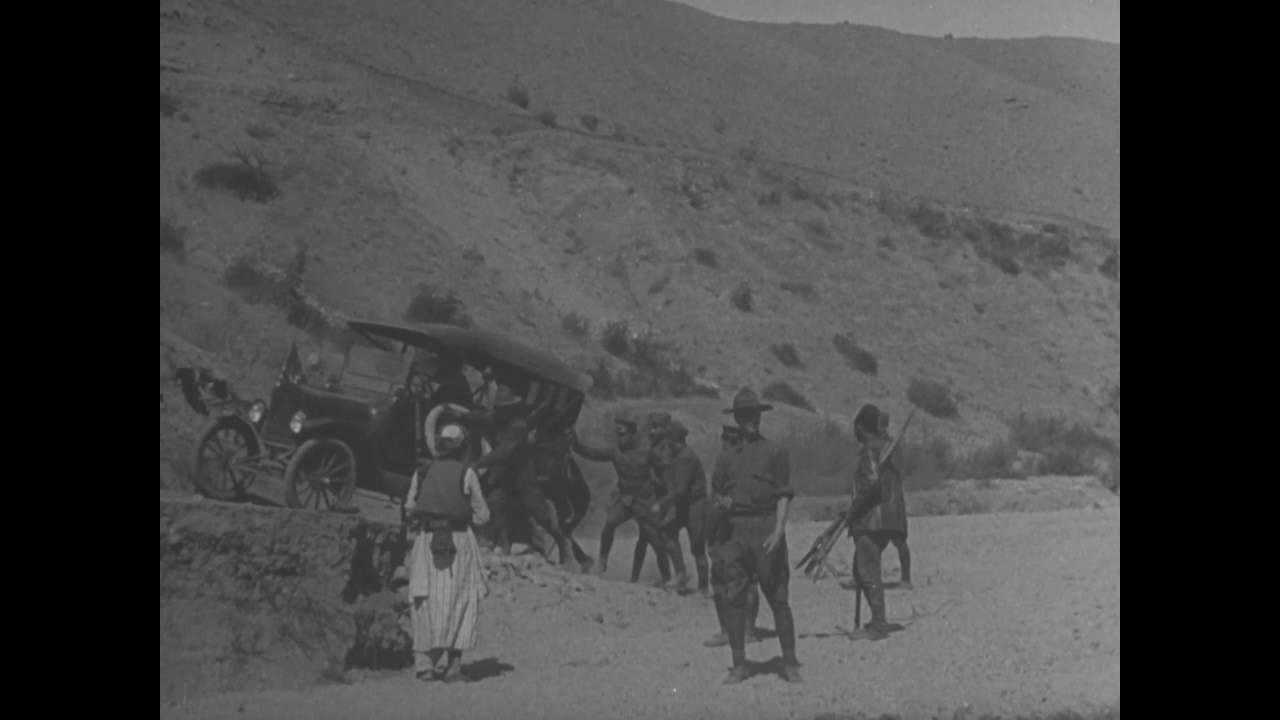
In 1919, General James G. Harbord leads a military mission through Turkey and Armenia, inspecting agricultural sites, military parades, and local customs.
186 crew members are lost when the USS Johnston sinks after a fierce battle against the Japanese Navy on October 25, 1944.
Three U.S. presidents faced deep personal struggles, including Lincoln's severe depression and Johnson's fight for civil rights, shaping their leadership.
Ralph Lauren began his career with a simple tie, which led to the creation of a multi-billion dollar global fashion business.
An immigrant from South Central Europe arrives in Gary, Indiana, to work at the Illinois Steel Company, showcasing safety practices in steel production.
Once a year, men from the Bamba region gather for a fishing expedition at the Entongo pond, where sacred silurid fish are believed to bring happiness.
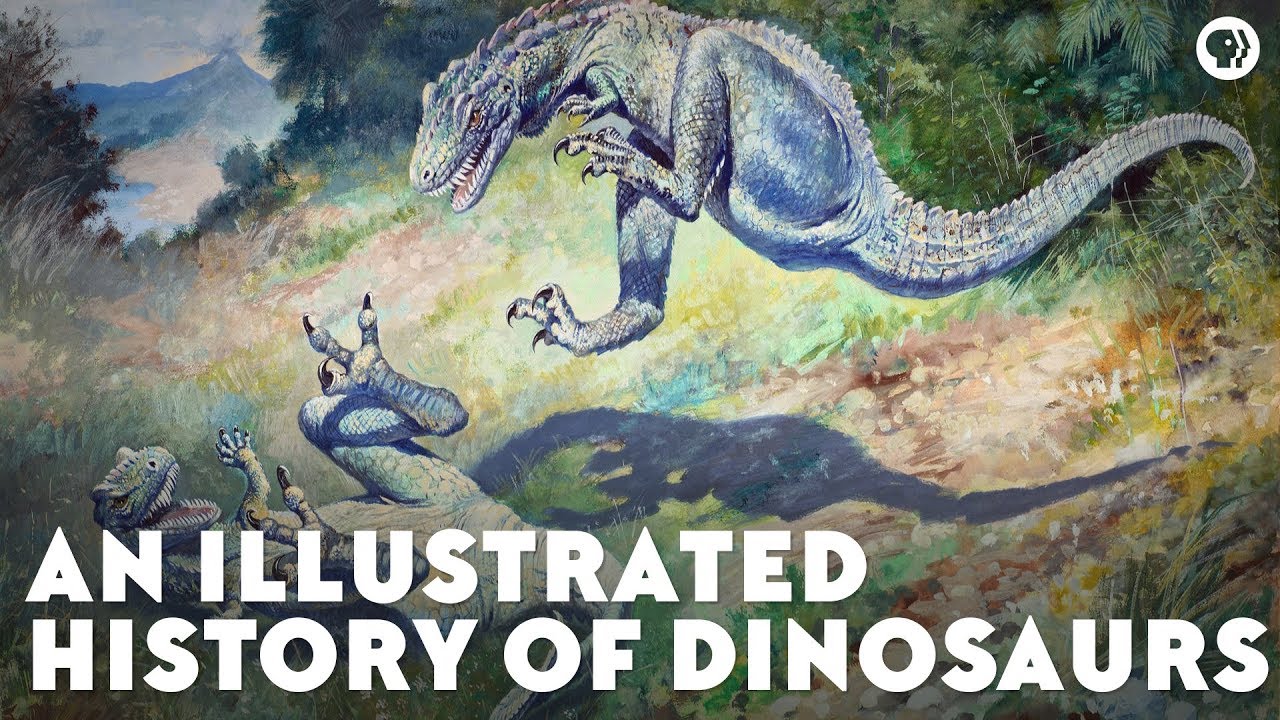
The evolution of dinosaur science over the past 350 years is illustrated through the artwork of notable paleoartists like Greg Paul and Doug Henderson.
Sally Ride shares her experiences and insights as the first American woman in space during an uncut interview conducted in 1984.
Miagi Orchestra, a South African ensemble, uses music to bridge divides and inspire hope, reflecting on apartheid's legacy through the lives of its musicians.
A coalition of Irish kings expelled the Vikings from Dublin in 900, leading to significant shifts in power dynamics across Wales.
Ichthyostega, an early vertebrate, marks a pivotal moment in evolution as it develops lungs to breathe air after being chased into stagnant water.
1482 marked the arrival of Portuguese explorer Diogo Cao in the Congo, where he encountered ancient rituals and beliefs about souls and zombies.
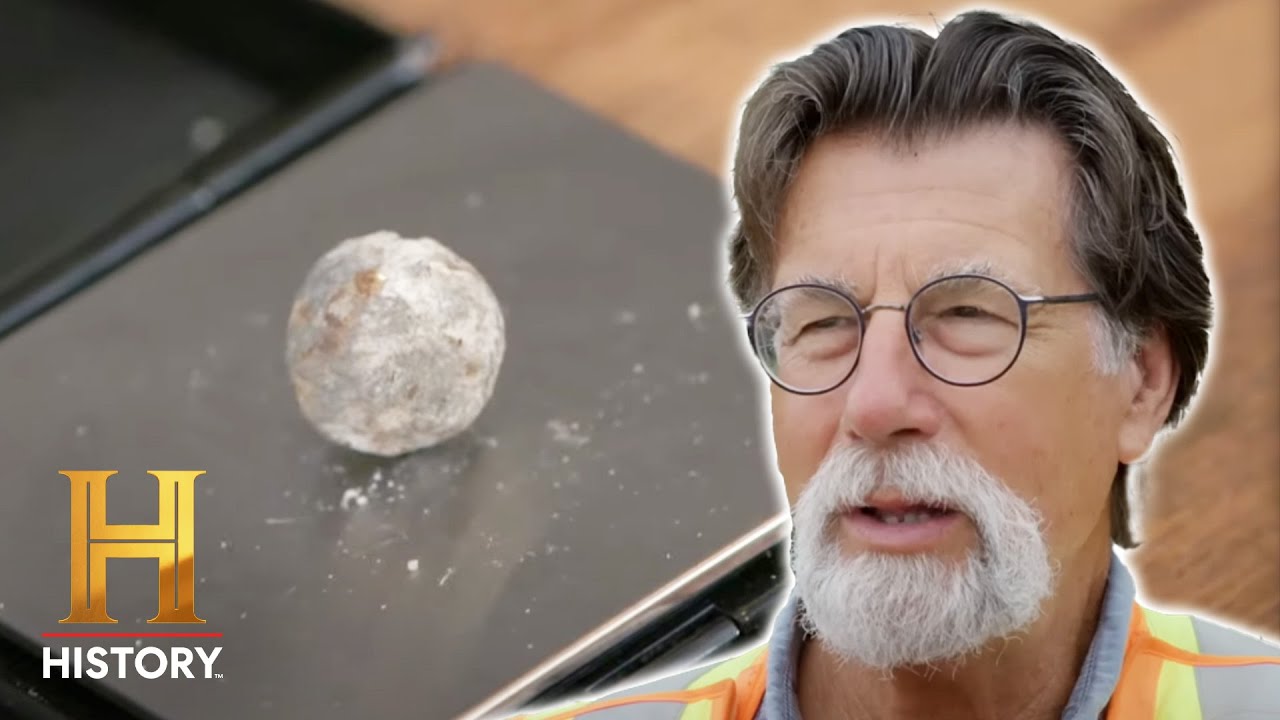
The team discovers a musket ball on Lot 7, linking it to French firearms from the 1700s.
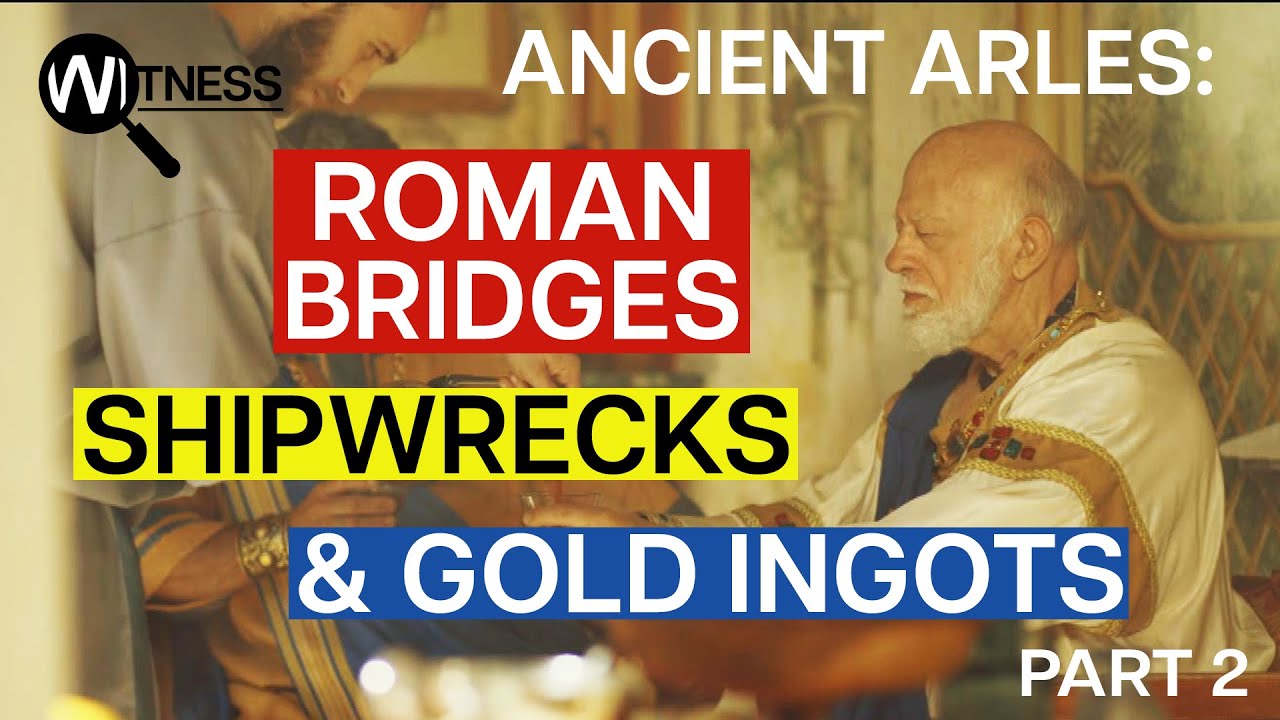
In the Rhône River, archaeologists and scuba divers investigate a 4th-century Roman shipwreck near Arles, revealing insights into the city's historical significance and the era's religious transformations.
Ancient cave art in Santa Monica is analyzed by theorists who propose that these carvings may reveal insights into past civilizations and extraterrestrial interactions.
Ancient customs and folk traditions across the UK showcase unique rituals and celebrations, reflecting the rich tapestry of local heritage and community spirit.
In 334 BC, Alexander the Great confronts the Persian forces at the Battle of Granicus, showcasing his military strategy and the fate of Macedon.
In January 331 B.C., Alexander the Great became Pharaoh of Egypt, fulfilling his perceived destiny as a divine ruler.
In 326 B.C., Alexander the Great marched his army 11,000 miles, nearly half the circumference of Earth, before facing mutiny from his troops in India.
Caesar initiates a massive rebuilding of Rome, constructing libraries and a new forum, while providing thousands of jobs for Roman citizens.
On March 15, 44 B.C., Julius Caesar is assassinated, leaving Cleopatra vulnerable and forcing her to flee Rome for Egypt.
At age 18, Cleopatra becomes queen of Egypt after the death of her father, Ptolemy XII Auletes, and is named co-regent with her younger brother, Theos.