From over 100,000 films, discover the handful you'll love.
Free or premium access to the world's largest documentary library.
22469 films(Page 342 of 469)
Alexander the Great's early life in Macedonia, marked by his father's assassination and subsequent military campaigns, reshaped the ancient world through his conquests in Persia.
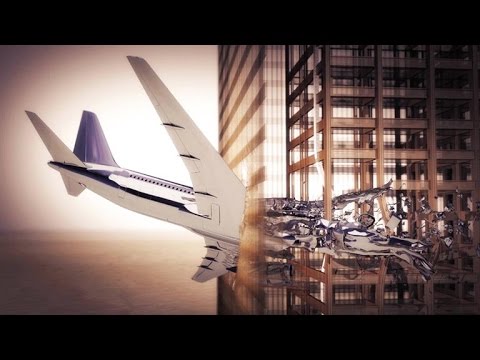
Aluminum's role in the Twin Towers' collapse is examined in this Smithsonian Channel Plus episode.
Gene Roddenberry's vision for a peacekeeping spaceship in Star Trek reflects his hopes for a better future and has significantly influenced the sci-fi genre.
Widespread belief in evil spirits in medieval Britain led to numerous accusations of witchcraft as communities sought explanations for misfortunes.
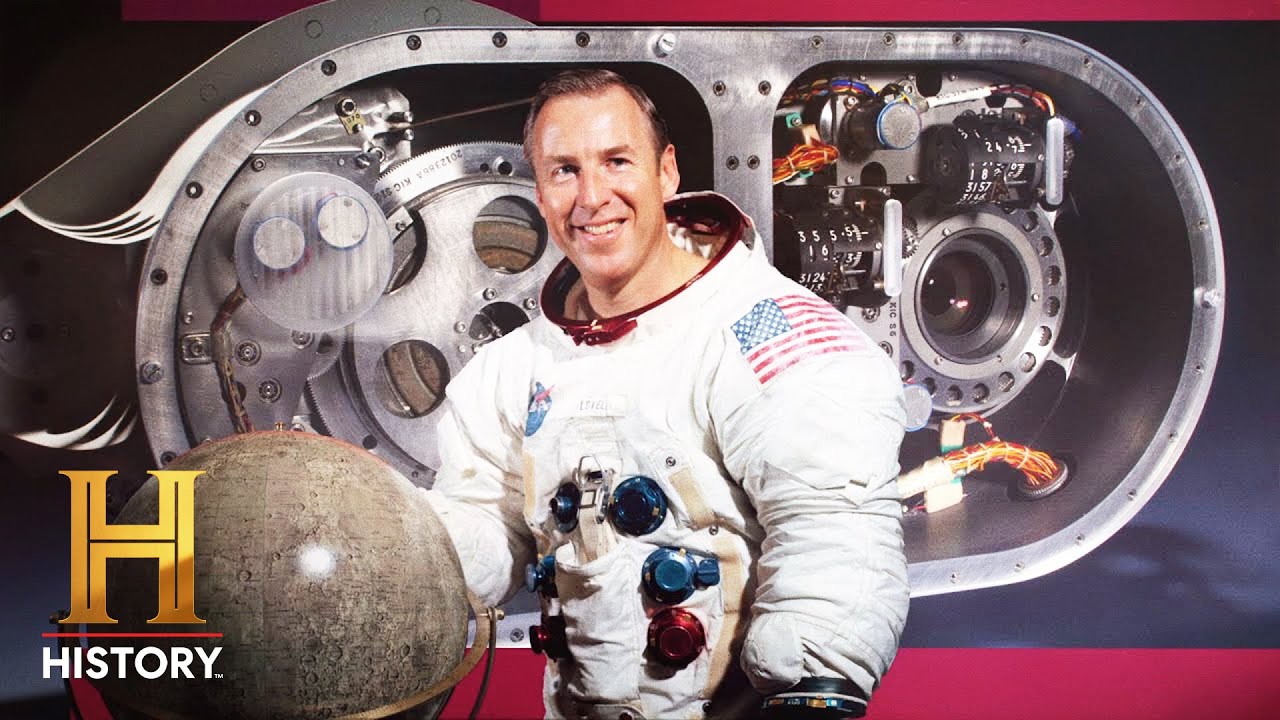
Apollo 13 astronauts Jim Lovell, Fred Haise, and Jack Swigert navigated their way back to Earth using 250 years of American technological advancements.
Artificial light has been around since fire, impacting civilizations like the Egyptians and Romans.
William of Normandy's massive army faces delays due to bad weather before invading England.
African Americans join the Union Army to fight for freedom after Congress declares their enlistment will ensure it.
African-American women faced systemic barriers such as poll taxes and discriminatory laws even after the 1920 Constitutional amendment granted women the right to vote.
One bridge can significantly reduce isolation in rural communities, breaking the cycle of poverty and opening up opportunities for residents.
The Shwedagon Pagoda is Burma's most sacred site, inspired by Buddha's hair legend.
Bill Cody transforms from Buffalo hunter to water tycoon in Wyoming's arid landscape.
Severe drought conditions in Mesopotamia played a crucial role in the collapse of the Akkadian Empire, highlighting the impact of climate on ancient civilizations.
Automotive advancements have significantly influenced the design and consumer behavior of supermarkets, reshaping the shopping experience in modern retail.
China's high-speed rail network, spanning nearly 40,000 kilometers, raises questions about construction costs and environmental impacts compared to similar projects in the EU and US.
Thousands of Hongkongers have been arrested, jailed, or forced to flee as the Chinese Communist Party tightens its grip on the city.
In 2008, Xiangyunsha was added to China's National Intangible Cultural Heritage list, recognized for its traditional craftsmanship and unique production methods.
A large-scale nuclear attack on the United States could produce a patchwork pattern of fallout covering two-thirds of the nation.
Composite Films outlines the extensive research and techniques used to colorize historical footage for the series America in Color.
A man creates an occult board game to contact the dead after the Civil War.
Germany's defeat after WWI leads to radical beliefs and myths in the Sacred Sites series.
In 1941 Los Angeles, a former British naval officer becomes entangled in a Japanese spy network, influencing espionage activities before the Pearl Harbor attack.
Dinosaurs evolve into birds while facing survival challenges in this docu series.
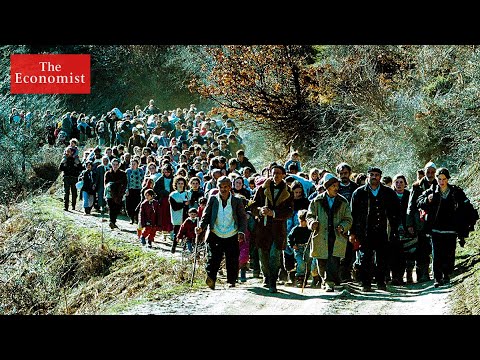
Kosovo, Europe's newest country, reflects on its tumultuous path to independence following a brutal conflict and the ongoing challenges of high unemployment and a grey economy.
Merchant caravans from the Navatans brought religious influences to the Arabian Peninsula, contributing to Mecca's development as a major religious center.
Ancestors from Africa adapted to the harsh climates of Ice Age Europe by employing innovative survival strategies and overcoming significant environmental challenges.
The Black Death rapidly spread across Europe in the 14th century due to factors such as trade routes, population density, and social conditions.
The historical conflict over Middle East borders has roots in colonial mandates, national identities, and geopolitical interests involving key players like Britain and France.
In the 4th century CE, the Huns invaded Europe, forcing tribes like the Goths and Visigoths to flee into Roman territory for safety.
The Soviet Union wins the Cold War space race with Sputnik and Laika, leaving Americans disheartened.
Freddie Foreman discusses the impact of WWII on London's gang culture and crime dynamics.
YouTube's evolution from a small startup in 2005 to a dominant force in online video content is explored, highlighting its impact on digital media.
Eagles engage in combat by using their powerful talons to pin each other down while throwing punches with their muscular wings.
Secret societies, such as the Freemasons and Skull and Bones, are explored through their rituals, membership processes, and historical significance.
In Los Angeles, Cambodian immigrants like Teresa Ngo of Blinkie’s Donut Emporium use the donut business to achieve prosperity and integrate into American society.
In 1066, King Edward the Confessor's death leaves England's throne contested by three contenders, including Harold Godwinson, his most trusted advisor.
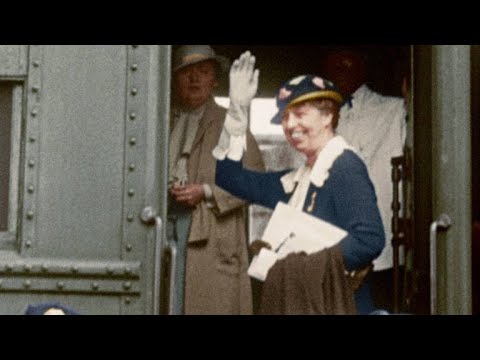
Eleanor Roosevelt dedicates her life to advocating for the oppressed and establishing the National Youth Administration.
The Mongols used the composite bow, known for its long range and high accuracy, as a key weapon in their military strategy.
Enslaved people in the New World faced immense challenges in observing Ramadan, yet their resilience contributed to the broader narrative of equality and diversity in the U.S.
President Roosevelt authorizes beer sales nine days after his inauguration, ending Prohibition.
Francis Marion's guerrilla tactics in South Carolina reshape America's fight for independence.
George Remus made $40 million in three years by reselling legal medicinal alcohol into the illegal black market during Prohibition.
King George VI and Queen Mary kept their children in Britain during the Nazi Blitz, a decision that bolstered their popularity and connection with the public.
New Episodes Thursdays showcase HISTORY as the leading destination for original series.
Greek Fire gives Constantinople hope against Arab forces by targeting enemy ships effectively.
Hawaii's path to statehood involved a complex struggle for equality and resilience, culminating in its admission as the 50th state of the United States in 1959.
In 1906, Henry Ford purchased 8,000 pneumatic tires from Harvey Firestone, marking the largest tire deal at the time, worth about $2.8 million today.
Henry Ford shifts from pacifist to major WWI supplier using his assembly line by 1917.