From over 100,000 films, discover the handful you'll love.
Free or premium access to the world's largest documentary library.
22463 films(Page 46 of 468)
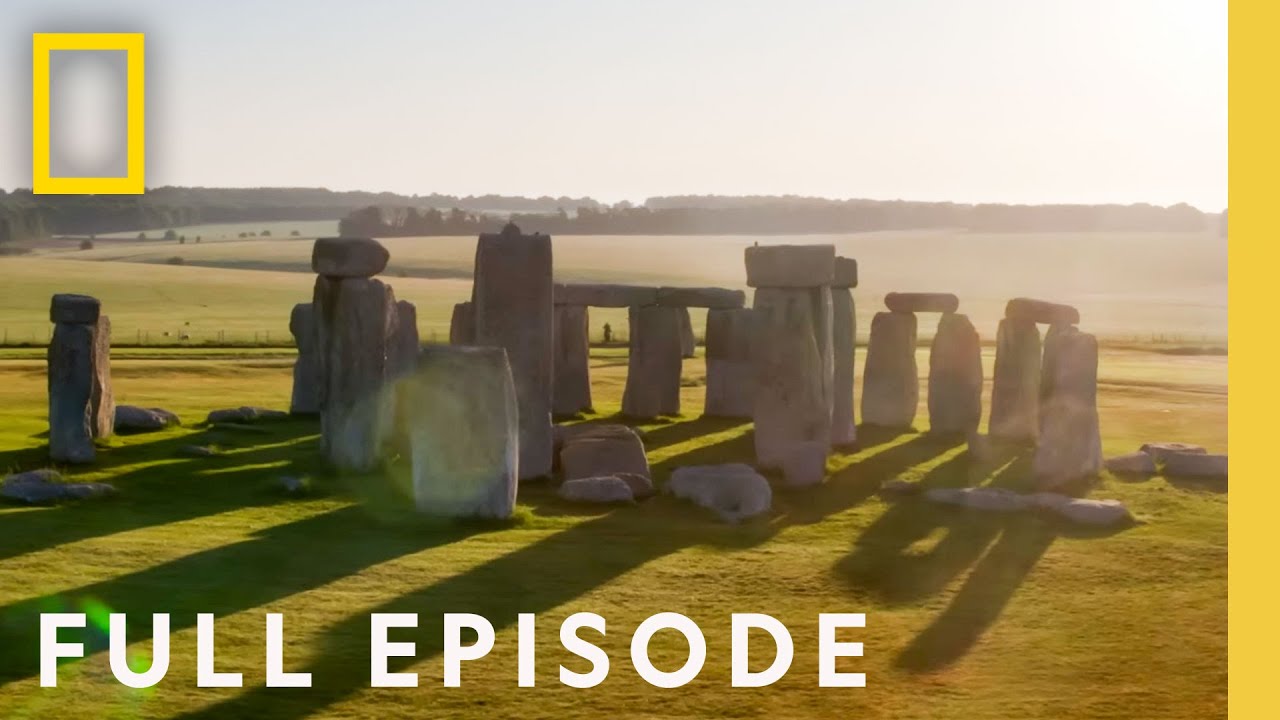
5,000 years ago, settlers from mainland Europe built Stonehenge, a monumental structure that required significant time, labor, and resources.
Boudicca, the fierce leader of the Iceni Tribe, led a significant revolt against Roman rule in ancient Britain, leaving a lasting legacy in history.
On 18 June 1815, the Battle of Waterloo marked a decisive moment in history, as ordinary soldiers faced the chaos of war, narrated by actor Sean Bean.
Historian Dan Snow analyzes the historical accuracy of Ridley Scott's 'Gladiator II', highlighting its strengths and significant inaccuracies.
Native American veterans have the highest per-capita service rate of any group in America, reflecting a deep commitment to military service despite historical injustices.
Achaemenid Persian Empire, founded by Cyrus the Great, expanded under Cambyses II and Darius I, influencing vast regions and cultures from 550 to 486 BC.
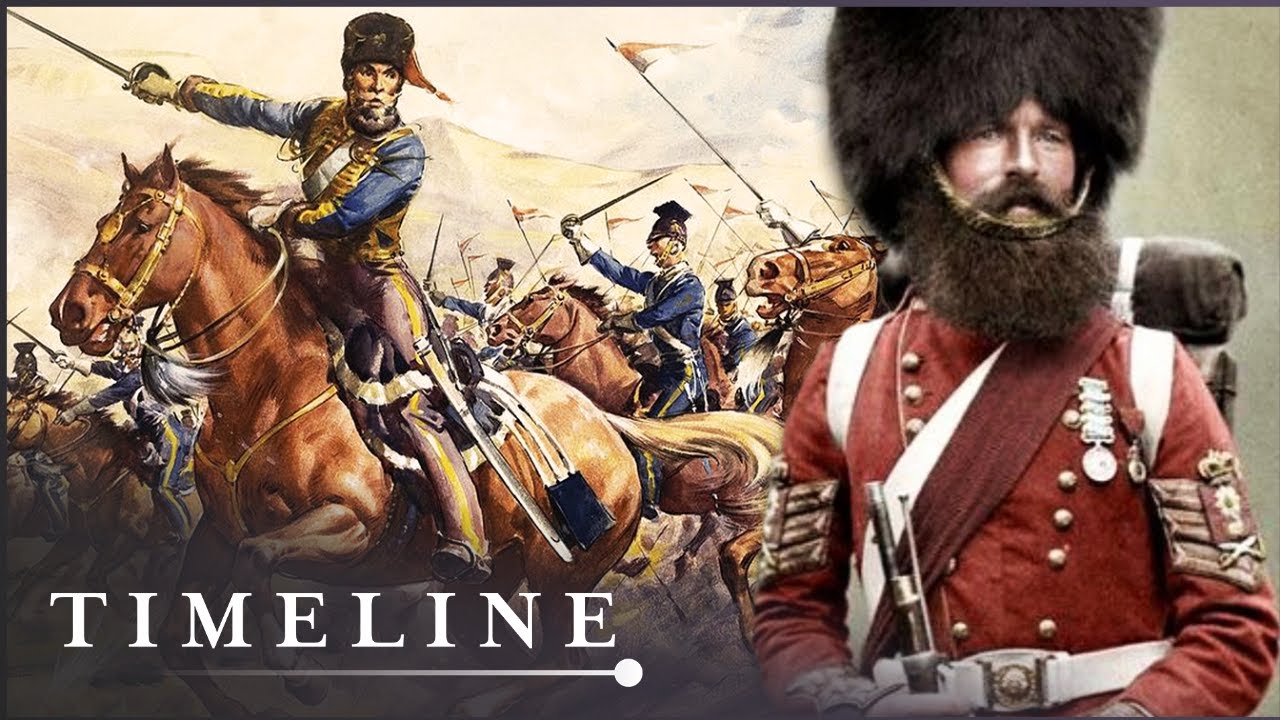
The ill-fated Charge of the Light Brigade highlights the bravery and tragic miscalculations of British forces during the Crimean War.
90% of the toys owned by one child in the early '80s were Star Wars related, reflecting the franchise's dominance in popular culture at the time.
An expedition in the jungles of Guatemala seeks to locate Site Q, a lost ancient city that has eluded researchers since the 1960s.
In Oxfordshire, archaeologists investigate a potential medieval castle site believed to be linked to Empress Matilda during the Anarchy period of English history.
Melting glaciers in the Alps reveal World War I relics, a WWII Nazi aircraft, a 4,500-year-old mystery box, and a tragic love story from 1942.
Dr. Marcel Petiot exploited the chaos of Nazi-occupied France to murder individuals fleeing persecution, intertwining his medical practice with horrific crimes.
1307 marked the sudden arrest of the Knights Templar across Europe, leading to widespread disbelief about the charges against them.
President Trump's immigration policies transformed the Republican Party and intensified political division, as explored through the actions of three political insurgents.
Snowboarding's evolution is explored through interviews and archival footage featuring legends like Todd Richards and Terje Haakonsen, highlighting its cultural impact.
Venezuela faces an uncertain future as the Trump administration's efforts to topple Nicolás Maduro continue, with key regime insiders like Delcy Rodríguez remaining in power.
Medieval castles, once adorned with vibrant interiors and intricate designs, now stand as remnants of their former glory, marked by centuries of decay.
On April 22, 1176, Saladin led his Ayyubid forces against the Zengid army outside Tell Sultan in modern-day Syria.
A live dig at a ruined Norman church in Norfolk reveals numerous archaeological finds, including a brutally murdered skeleton and artifacts from various historical periods.
4,500 planes were in the air during the September 11 attacks as the FAA declared ATC Zero, grounding all flights across the United States.
On October 5, 1997, vault supervisor David Ghantt disappeared with over $17 million in cash from the Loomis Fargo warehouse in North Carolina.
Approximately 100,000 residents were left behind in New Orleans as Hurricane Katrina approached in August 2005, facing a chaotic evacuation.
In Lavenham, the 600-year-old Crooked House, built in 1395, stands as a remarkable example of medieval timber-framed architecture from England's wool trade era.
Opus Dei, founded in 1928 by Jose Maria Escrivá, has 90,000 members worldwide and operates under a strict vow of secrecy that discourages dissent.
John D. Rockefeller cornered 98% of the world's kerosene and oil production, becoming the richest man in America with a net worth of $225 billion today.
Henry II ruled England for 35 years from 1154 to 1189 and is often referred to as the first Plantagenet king.
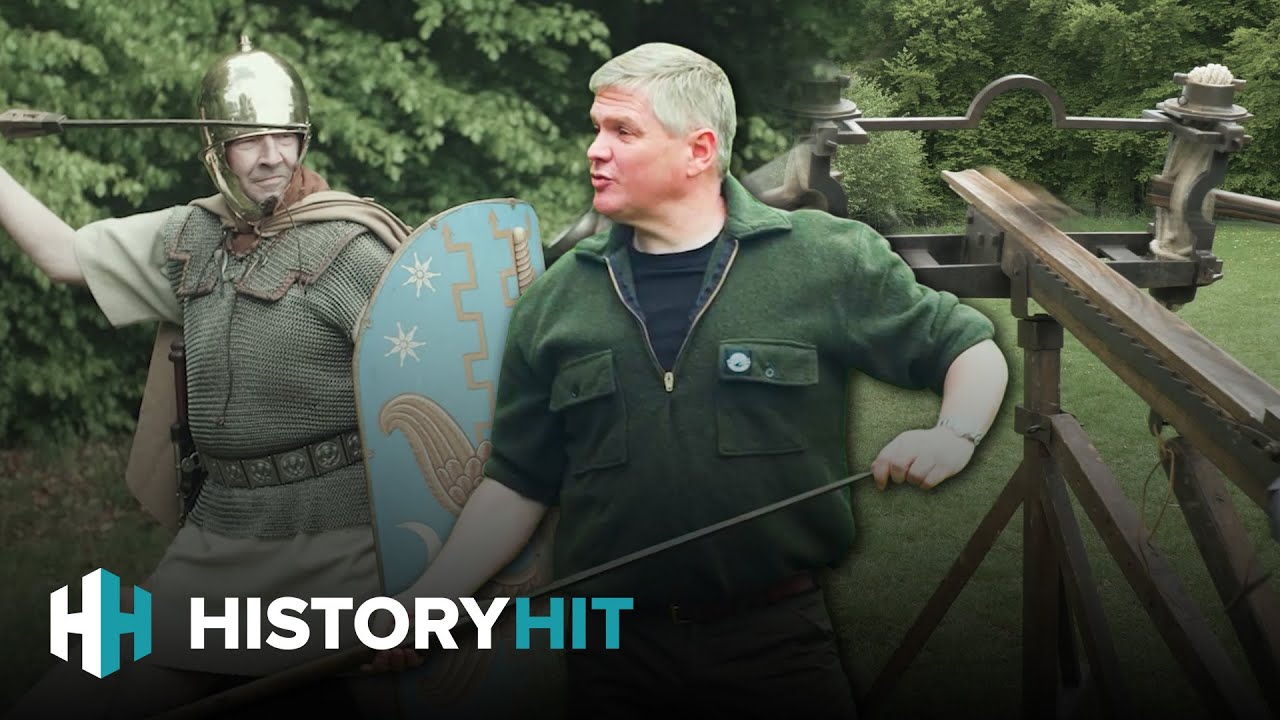
Julius Caesar's British invasion in 55 BC faced fierce resistance, prompting a test of his army's advanced weapons and tactics by experts Ray Mears and David Richardson.
The American Civil War began when Confederate gunners in Charleston, South Carolina, fired upon the Stars and Stripes at Fort Sumter in April 1861.
A carved stone disc measuring over 3 meters in diameter, depicting a decapitated goddess, was discovered beneath the streets of Mexico City in 1978.
The British Channel Islands experienced a complex occupation from 1940 to 1945, marked by collaboration, resistance, and the harsh realities of life under Nazi rule.
August 6, 1945, marked the day the United States dropped an atomic bomb on Hiroshima, signaling the start of a nuclear arms race with the Soviet Union.
Militant groups, including M23 and the LRA, pose significant threats to the Democratic Republic of Congo's stability, as explored through US Special Forces' efforts.
America's public lands face significant threats from extractive industries and political interests, highlighting the urgent need for their protection.
Rollo of Normandy, born around 860 AD, was a Viking who became the founder and first ruler of the Duchy of Normandy.
31 men, 14 horses, and 11 laptops are deployed in Mongolia to search for the long-lost burial site of Genghis Khan.
The Hong Kong-Zhuhai-Macau Bridge, a 55-kilometer bridge-tunnel system, connects three major cities in the Pearl River Delta and is the world's longest sea-crossing structure.
In Greenland, a team led by test pilot Darryl Greenamyer undertakes the challenging restoration of a B-29 bomber abandoned since 1947.
Nikola Tesla's secret files were sought by the U.S. military, as explored through his last patent and insights from declassified CIA documents.
Only 450 deep coal miners remain in Britain, working 800 metres below ground at Kellingley Colliery, which is set to close soon.
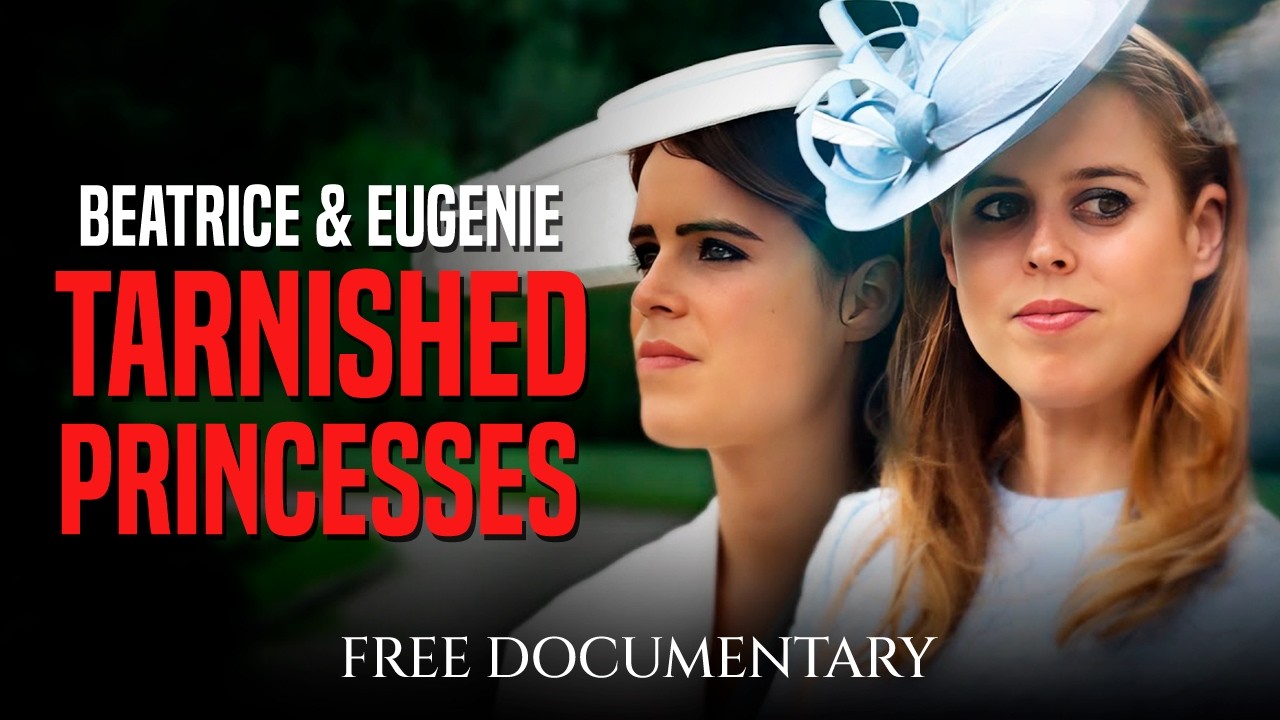
Princesses Beatrice and Eugenie navigate the challenges of royal life and intense media scrutiny while coping with their parents' public struggles and personal isolation.
A hidden box in a British manor may contain evidence about the Titanic disaster.
Louis XIV was born on September 5, 1638, and became one of the most important kings in French and European history.
Near-death experiences provide intriguing insights into the enduring mystery of what happens after death, as explored in Season 1, Episode 6 of The UnXplained.
Somali pirates held the MV Iceberg 1 hostage for nearly 1,000 days, prompting a daring rescue mission by mercenaries training local forces.
10,000 Allied air force officers were forced to march through Northern Europe in January 1945 as the Nazis sought to prevent their liberation.
Donald Gaskins claimed responsibility for over 100 murders, including the brutal killing of 13-year-old Kim Calkins in 1975.
Tiberius Claudius Nero was born on November 16, 42 BC, in Rome and later became the second emperor of the Roman Empire.
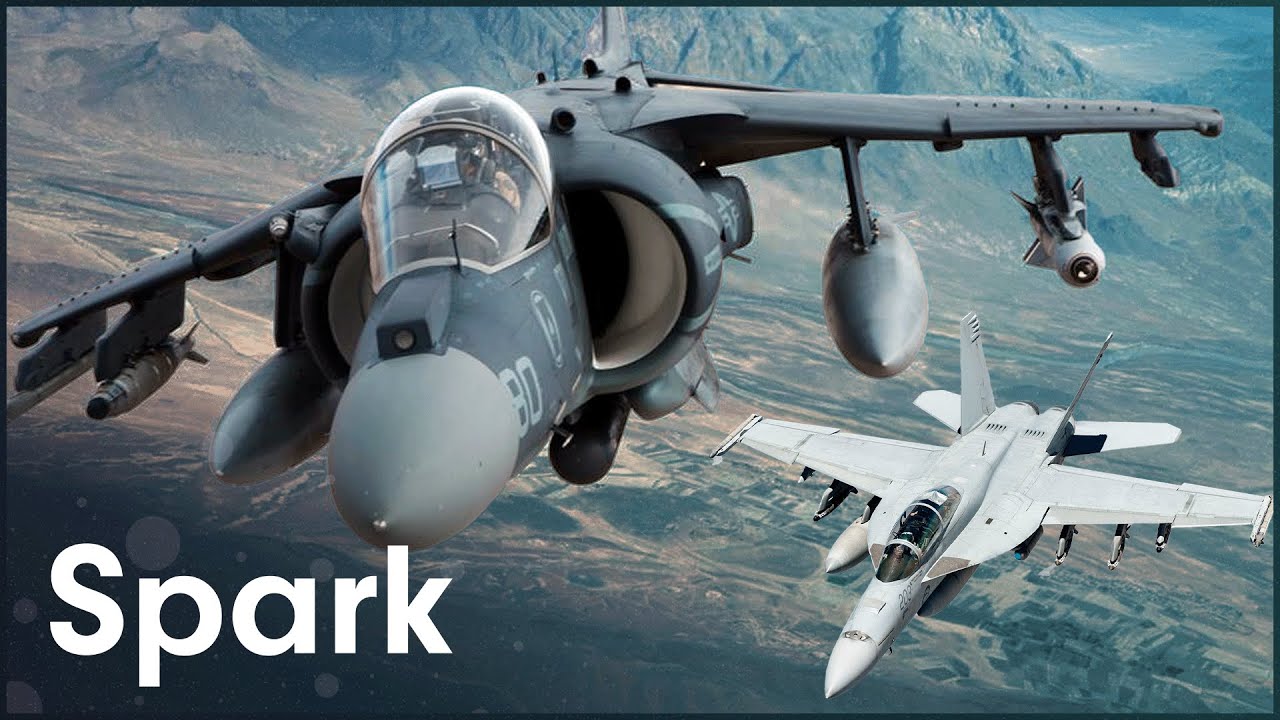
2,300 kilograms of bombs can be carried by the F-117 stealth fighter, which remains undetected by enemy radar during combat missions.