From over 100,000 films, discover the handful you'll love.
Free or premium access to the world's largest documentary library.
22469 films(Page 352 of 469)
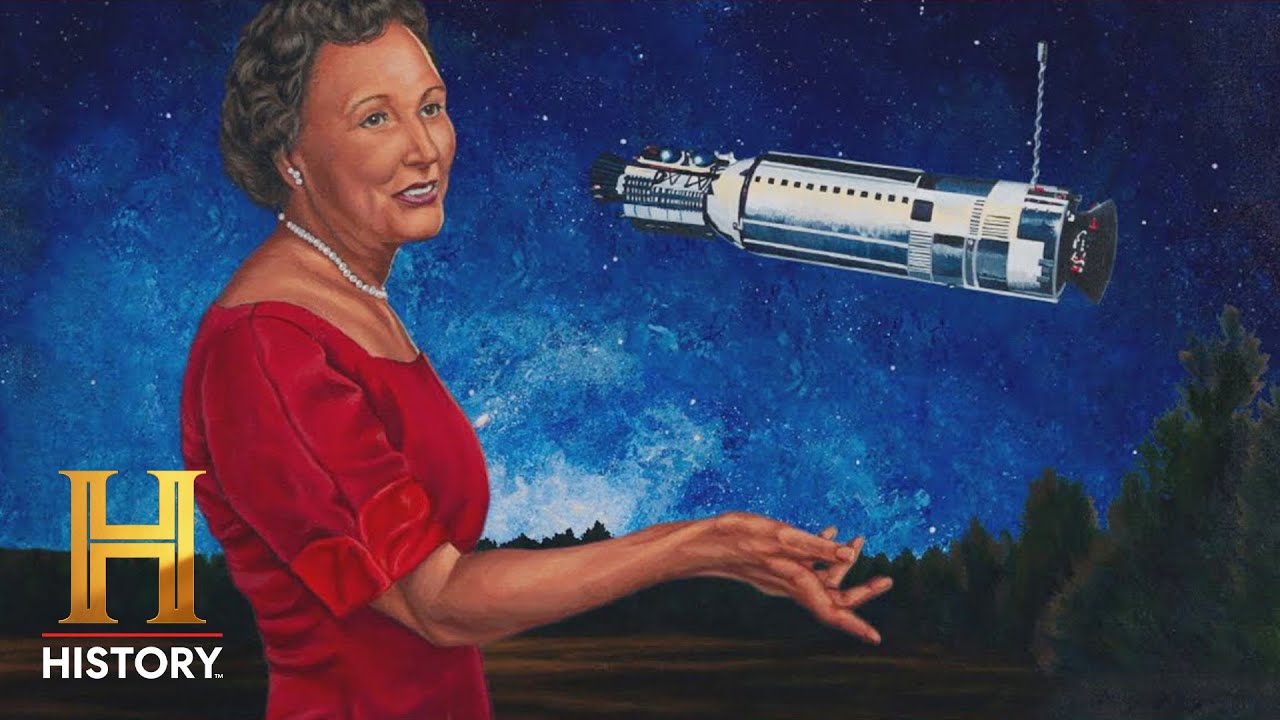
Mary Ross was the only female engineer at Lockheed Skunk Works, where she calculated the feasibility of ballistic missiles during the Cold War.
In 1870, London had 3.2 million fires, creating hazardous conditions for child laborers known as chimney boys, who often suffered serious health problems.
Cappadocia in Turkey reveals its underground secrets in this short documentary.
The Alhambra palace in Granada showcases intricate geometric designs and rich history.
More than 30,000 Union soldiers were crammed into a Confederate prison camp in Andersonville, Georgia, designed for only 10,000, leading to severe overcrowding and disease.
Carthage's ancient civilization is examined through the lens of its construction techniques, exploring the myths and realities that shaped its legacy.
On May 31, 1916, British and German warships engage in a small skirmish leading to the Battle of Jutland.
Mark Twain is America's first celebrity, known for capturing the public's imagination.
Copper is vital for constructing The Great Pyramid in ancient Egypt and its transport to Cairo.
In the 1980s, crack-addicted pregnant mothers faced prosecution amid media hysteria about "crack babies," which later proved to be based on faulty science.
Vincent Chin's 1982 murder in Detroit galvanized the Asian American civil rights movement and led to significant changes in hate crime legislation.
A pottery tablet found in Tutankhamun's tomb bore the inscription "death shall come on swift wings to him that touched the tomb," but it has since disappeared.
An eerie cave in the United States, known for its dark witchcraft history, reveals mysterious artifacts and cryptic symbols tied to its sinister past.
The video reveals how the National Anthem originated from a raging battle in Maryland.
Francisco Franco's rise to power in Spain during the 1930s established a dictatorship that profoundly influenced the nation's political landscape for decades.
References to Alexander the Great's tomb end around 391 AD, coinciding with the rise of Christianity and the destruction of pagan sites in Alexandria.
Galba leads a revolt against Nero in 68 AD, marching his armies toward Rome.
Britain's finest actors read World War 1 poetry, remembering the war's impact and sacrifices.
The video highlights how the invention of numbers 0-9 transformed calculations in Europe.
Khufu's legacy as the Great Pyramid's builder shapes Egypt's tourism for millennia.
Most people believe Emperor Haile Selassie was murdered, but Rastafarians see him as alive.
The Treaty of Guadalupe Hidalgo ends the Mexican-American War, reshaping U.S.-Mexico relations.
The history of the universe is humorously condensed into a two-minute video, referencing 'The Hitchhiker's Guide to the Galaxy' and covering 14 billion years.
The Hope Diamond is the most famous diamond, with a history spanning over a billion years.
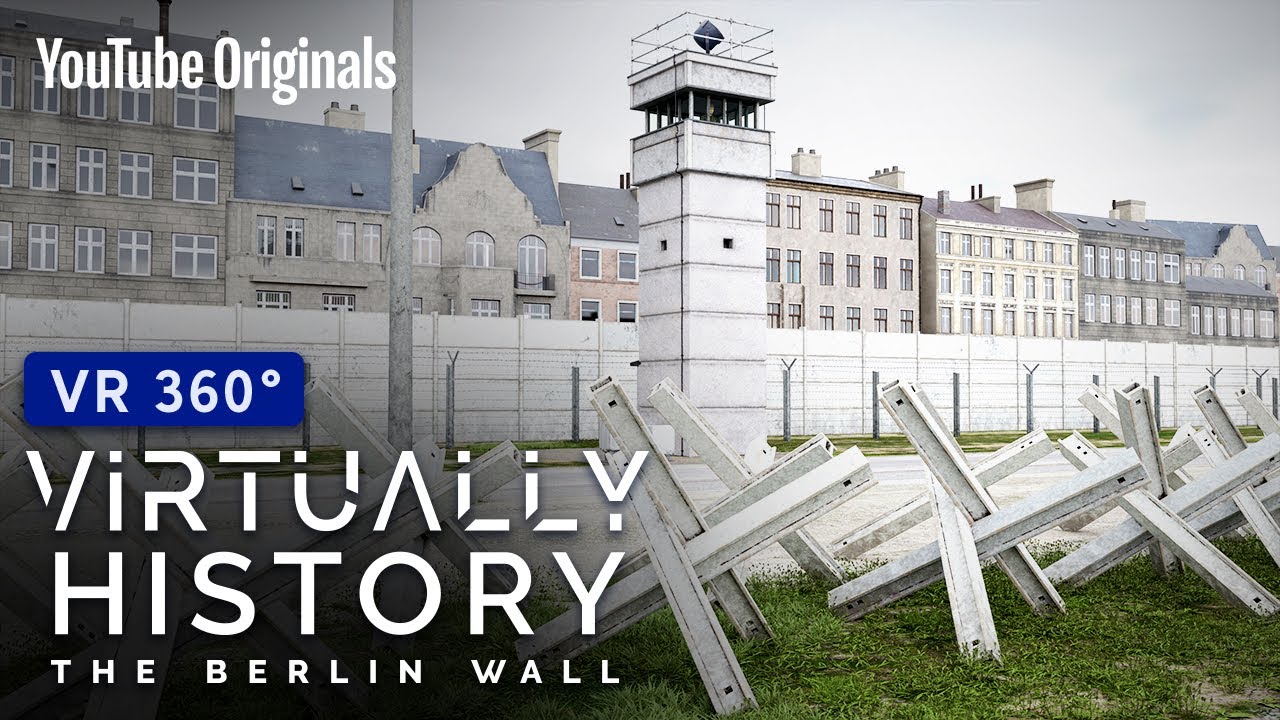
The Berlin Wall becomes a fortified barrier with a deadly Death Strip and Czech Hedgehogs.
Arabic textbooks, including Avicenna's Canon of Medicine, were compulsory reading for centuries in Europe, influencing medical practices and education.
On September 13, 1985, Major General Pearson fired a missile from an F-15 at a satellite 345,000 feet above Earth, marking a significant military achievement.
In 1974, a packet of gum became the first item purchased using a finalized UPC barcode system, marking a significant shift in retail technology.
In 1895, Paul Boyton opened Sea Lion Park in Coney Island, introducing a new way for Americans to enjoy amusement rides.
On April 14, 1894, the first Kinetoscope parlor opened in New York City, charging 5 cents for a 20 to 30 second silent film.
Watch Ancient Aliens Fridays at 9/8c on HISTORY to learn about the first known civilization.
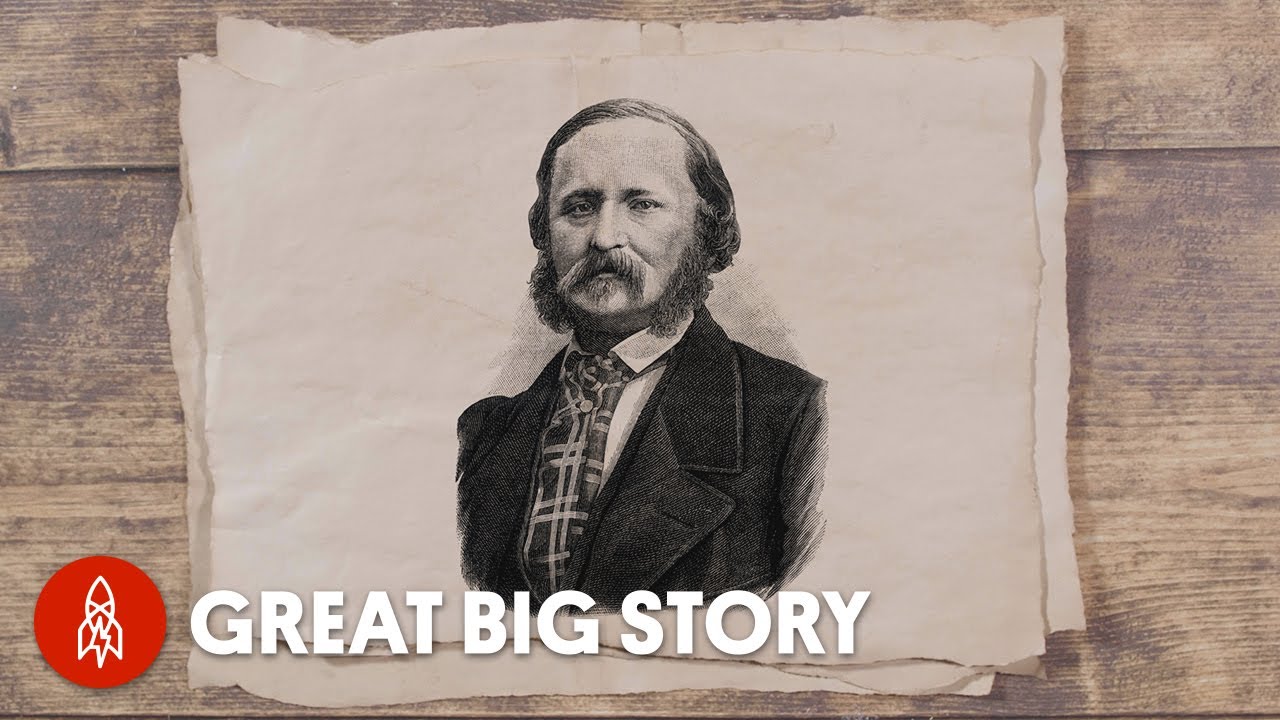
Édouard-Léon Scott de Martinville invents the first-ever sound recording device in Paris.
Dolley Madison, First Lady of president James Madison, redefines style in the White House.
In 1885, architect William Le Baron Jenney used iron and steel to construct the Home Insurance Building, the first skyscraper, reaching 10 stories high.
Narcissa Whitman and her husband Marcus are the first to travel the Oregon Trail in 1836.
Neapolis thrives as a Roman trading hub, known for its fish sauce production and trade.
In 1981, the Mediterranean fruit fly outbreak in California's Santa Clara Valley sparked a conflict between environmentalists and farmers over agricultural practices.
Food entrepreneurs like James Kraft and Milton Hershey revolutionize American cuisine and culture.
Peter Hassler details the history of Yerevan, a uranium-mining town in Colorado, in the New Yorker.
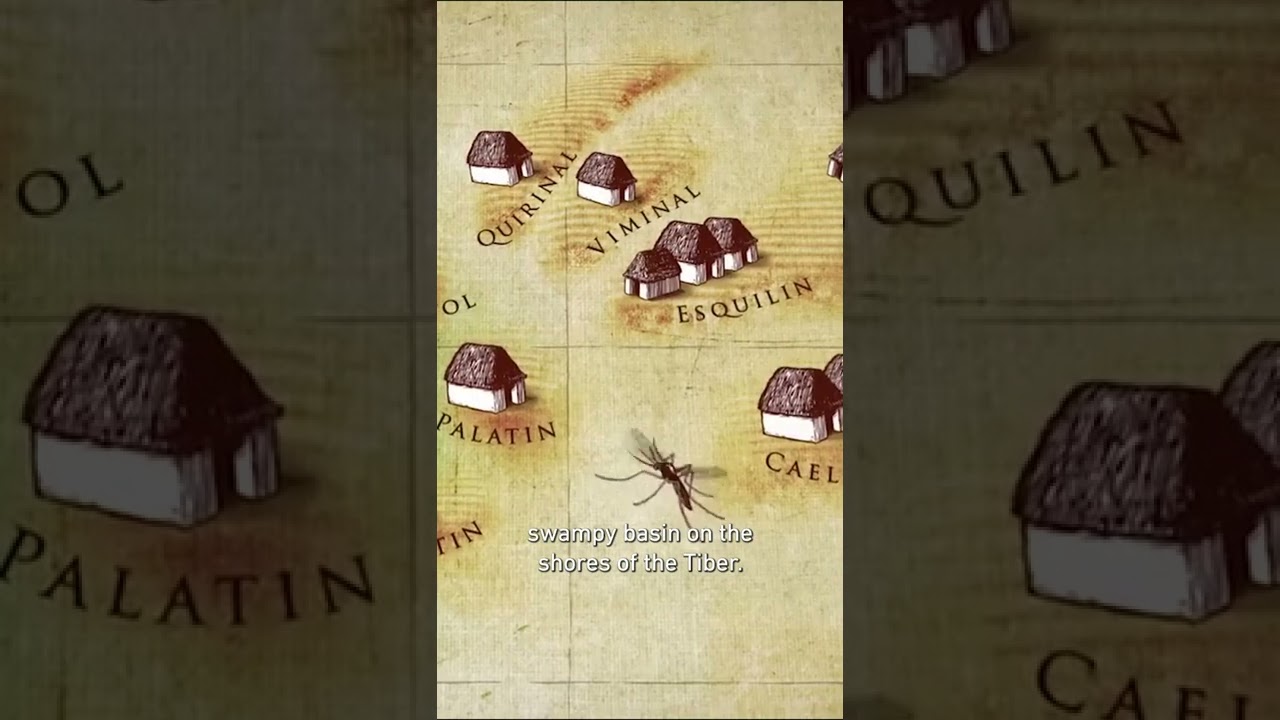
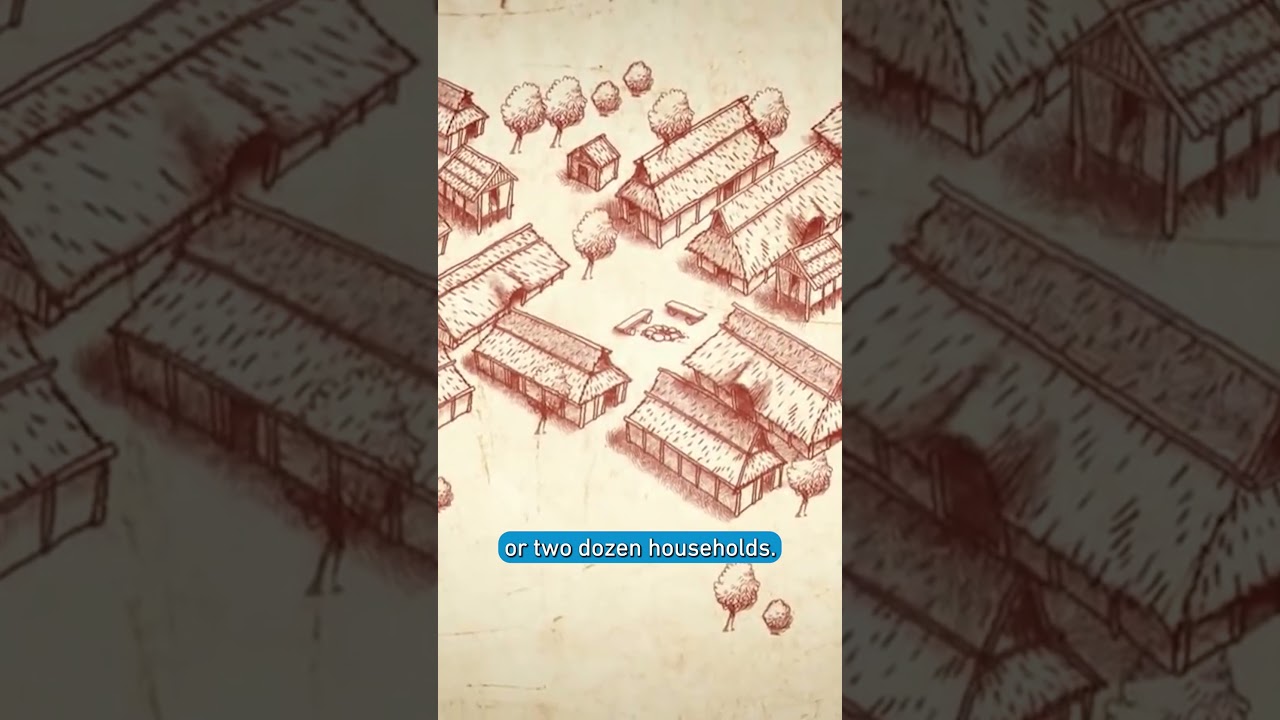
Around 3,000 years ago, a small settlement began to grow into the largest empire of the ancient world on the shores of the Tiber River.
Watch The UnXplained on Fridays, hosted by William Shatner, about the Freemasons in the Revolution.
The Charles de Gaulle is the flagship of the French Navy and a nuclear-powered aircraft carrier.
The French and Indian War highlights the territorial conflicts in North America between Britain and France.
Germanic tribes played a crucial role in the transition from ancient societies to the foundations of modern European civilization.
The war in Ukraine exacerbates global hunger and unrest, revealing vulnerabilities in the food system and the ongoing crisis despite export agreements.
Ancient Arabia's contributions to mathematics are explored through the influence of early mathematicians, highlighting their impact on various fields and historical advancements.
In 1848, the discovery of gold by John Sutter and James Marshall in California sparked a gold rush that accelerated the state's admission to the Union in 1850.
The video highlights Glasgow's Brigton Billy Boys gang and their cultural impact.