From over 100,000 films, discover the handful you'll love.
Free or premium access to the world's largest documentary library.
22463 films(Page 398 of 468)
On June 9, 1944, Allied troops moved inland after executing a massive amphibious assault on German-occupied beaches in Normandy.
Citizens of Oslo celebrate their liberation as President Truman and Allied leaders discuss post-war agreements in 1945.
The Maya predict a violent apocalypse on December 21, 2012, linked to The Long Count calendar.
The Maya predict a violent apocalypse on December 21, 2012, linked to their calendar.
Marshal Joffre's visit to New York City in 1921 included a parade, a meeting with Mayor Hylan, and the unveiling of a Lafayette Memorial in Brooklyn.
Bugsy Siegel, the notorious mobster, is murdered in his Beverly Hills home in this episode.
Between 20 and 30 photographers captured the assassination of John F. Kennedy on November 22, 1963, providing critical evidence for ongoing investigations.
In 1945, plans for the United Nations were formulated at Dumbarton Oaks to establish a renewed international organization focused on world peace.
Fifty years ago, a march across a bridge in Selma became a key moment in the fight for civil rights and voting equality in America.
The Parker Solar Probe is designed to withstand temperatures as high as 2,500 degrees Fahrenheit while flying within four million miles of the Sun's surface.
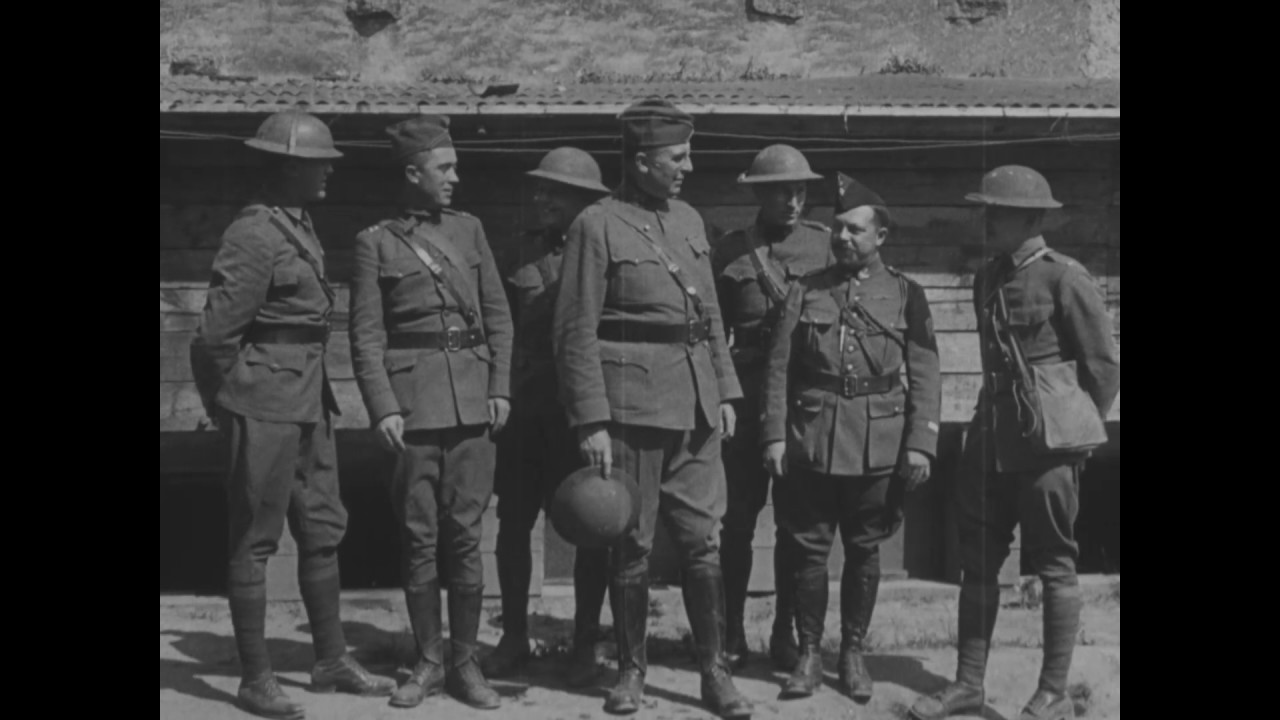
In Baccarat, France, from March 21 to June 21, 1918, the 42nd Division conducted military operations, including artillery barrages and troop inspections led by Col. Douglas MacArthur.
Allied defenses and the aftermath of the April-June 1918 battles in Cantigny, Picardy, are documented, highlighting troop movements and casualties.
In June and July 1918, American and French troops engaged in various activities, including artillery operations and inspections by Generals Pershing and Bullard, in the Cantigny sector of Picardy.
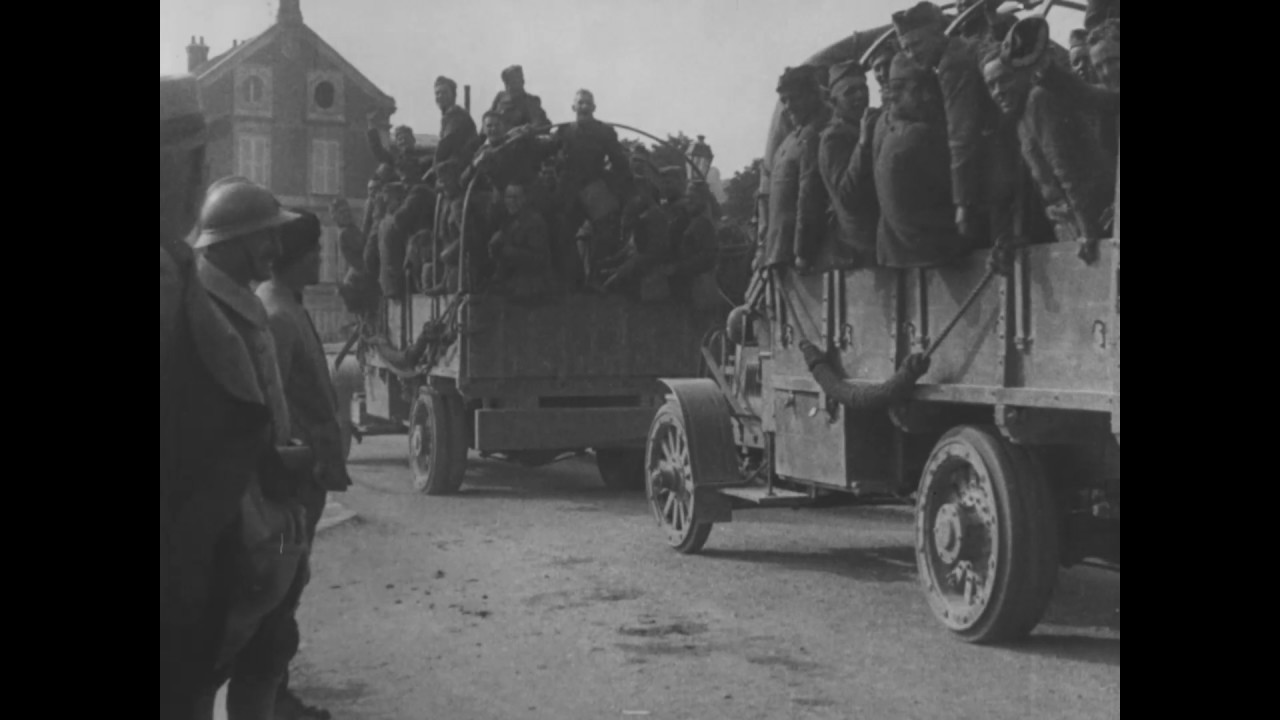
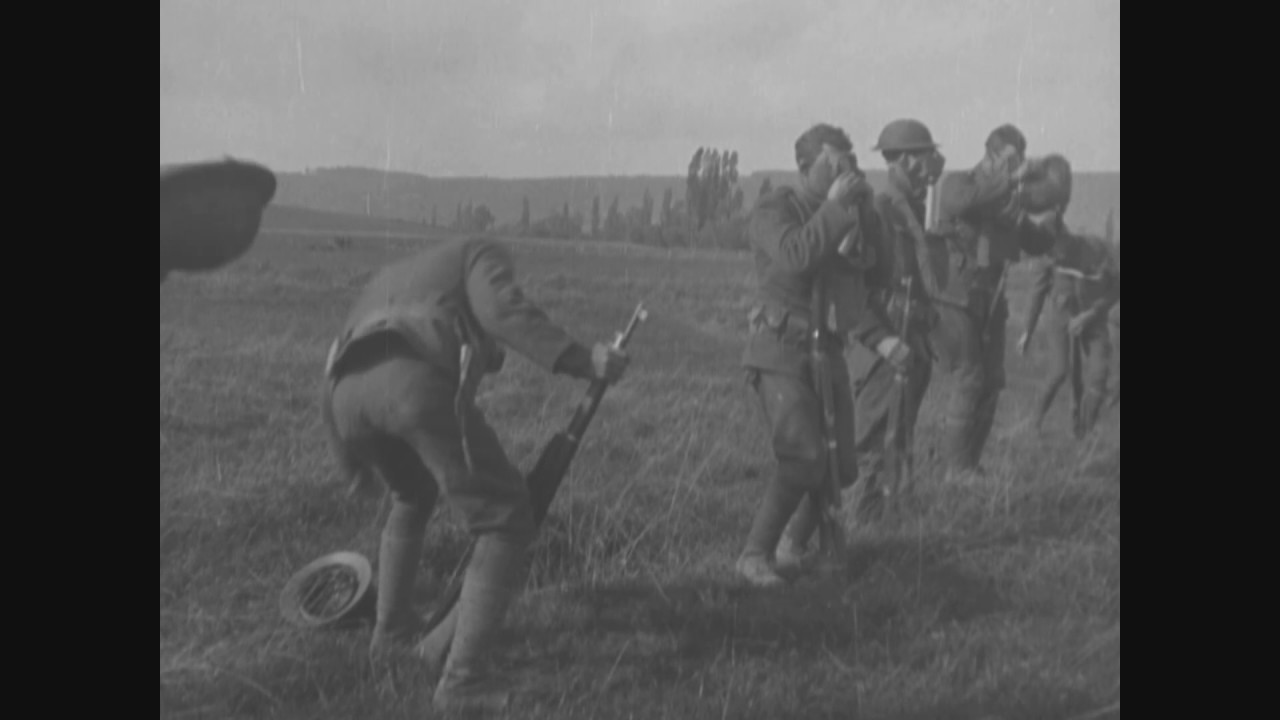
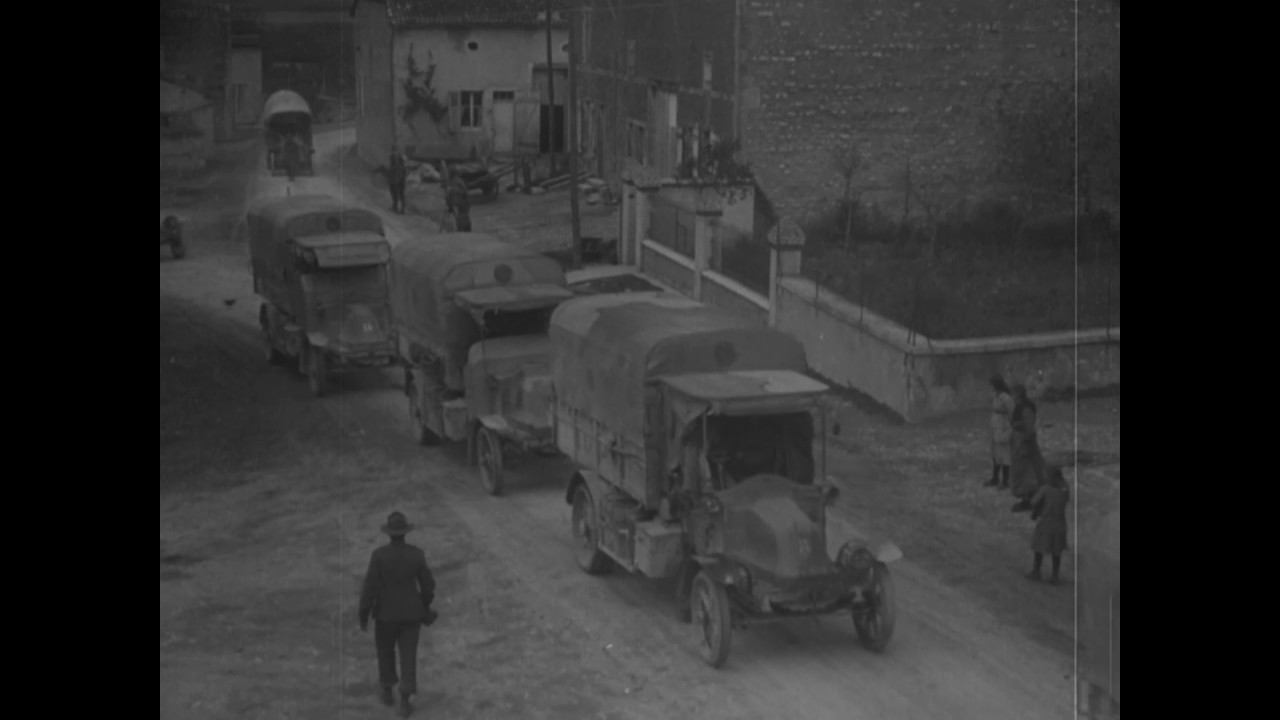
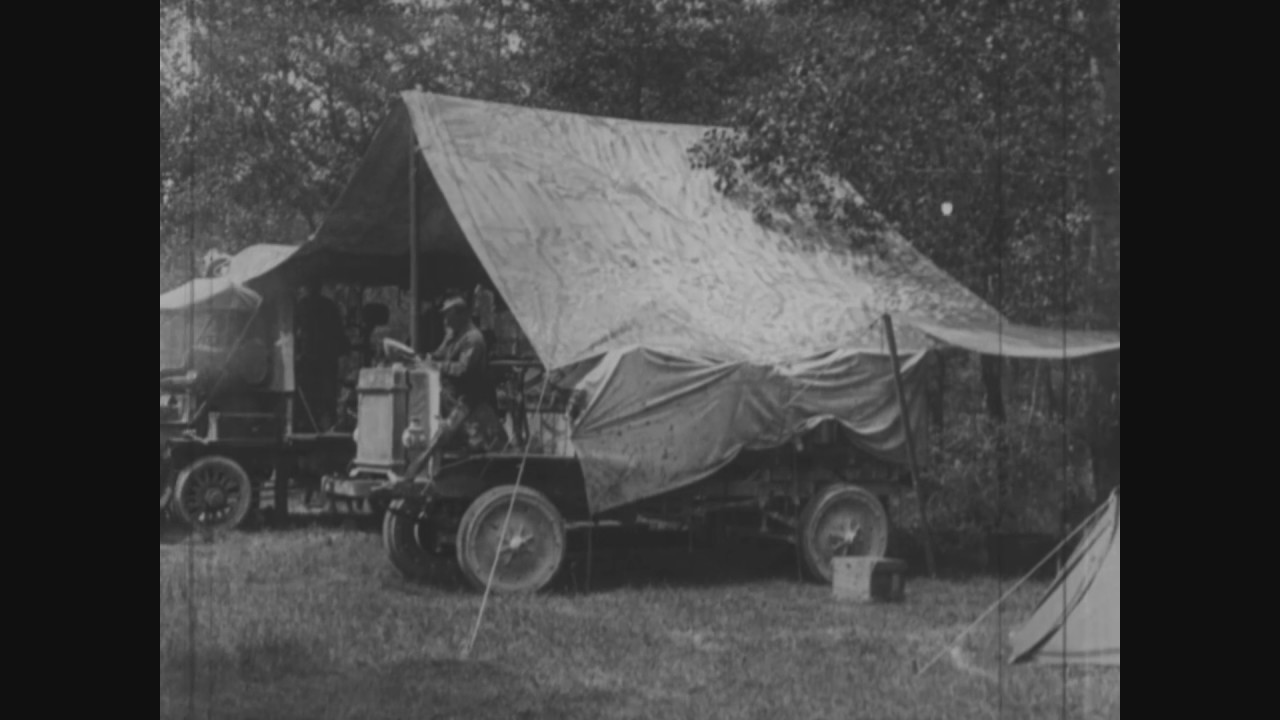
Activities of the 32nd Division during the occupation of Alsace from May 20 to July 19, 1918, are documented, featuring troop training and inspections by Generals Pershing and Haan.
Chateau Thierry served as a critical battleground during World War I, showcasing the efforts of the 3rd and 26th Divisions from June 18 to July 14, 1918.
The 12th Field Artillery and Marine units are shown in action during the occupation of Chateau Thierry, featuring inspections by Generals Harbord and Pershing.
U.S. troops of the 35th Division engaged in combat operations in the Gerardmer sector of Alsace, showcasing military activities and conditions during World War I.
In February and March 1918, the 42nd Division's operations in the Luneville Sector included troop movements, artillery fire, and inspections by General Menoher and War Secretary Baker.
Panoramic views of Gezoncourt and Griscourt, along with military activities of the 55th Infantry and 20th Field Artillery, are documented during the occupation of Lorraine.
In October and November 1917, First Division troops engaged in trench warfare near Gypse Hill, with supply trains and medical aid operations documented in silent film.
U.S. troops, including the 117th Field Signal Battalion and the 167th Infantry, are shown preparing for combat and managing daily life during the 1918 occupation in France.
In June and July 1918, the 82nd Division conducted military operations in the Lagney Sector of Lorraine, featuring troop movements, trench construction, and medical evacuations.
The Sahara Desert, the largest desert, reveals a surprising geological history in Africa.
The team assembles to excavate a buried anomaly identified by Muon technology in the swamp.
Traveling 500 kilometers along one of Southeast Asia's worst roads, a guide and his co-pilot face numerous obstacles on their way to an elephant sanctuary.
In December 1942, Leon Henderson of the Office of Price Administration addresses consumer inquiries about rationing and price controls during World War II.
In August and September 1918, American and French troops engaged in the Oise-Aisne Operations, showcasing military advances, wounded aid, and German prisoners.
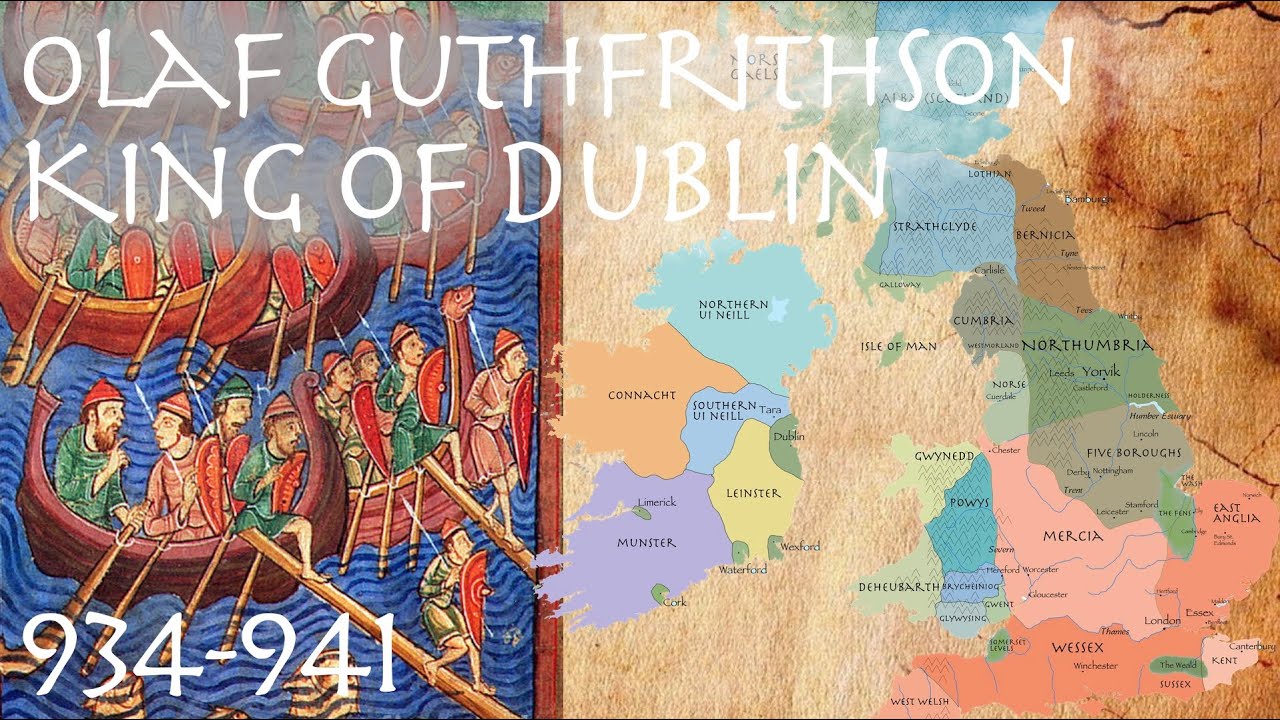
A coalition of Norsemen, Scots, and Britons fought at the Battle of Brunanburh in 937, marking a significant moment in the formation of England.
Olaf Haraldsson, a 19-year-old battlefield commander, sought to unify Norway and resist Danish control after the death of King Sweyn Forkbeard in 1030.
300 Saxon warriors fought against a Viking horde led by Olaf Tryggvason near Malden in Essex in 991, resulting in a decisive victory for the invaders.
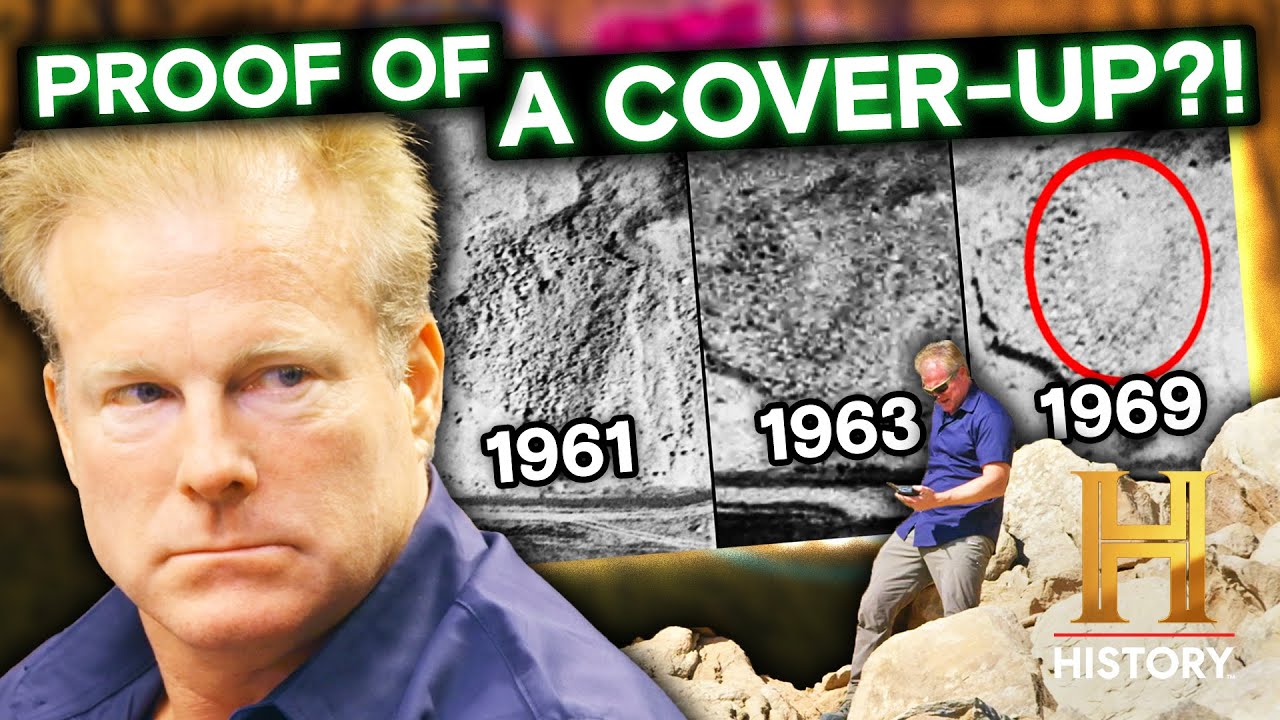
The team uncovers a nickel at a drill site linked to a 1964 dig in Season 6, Episode 12.
In the 1970s, Congress passed a law deregulating the airline industry, leading to the decline of luxury perks in air travel.
The 2004 Indian Ocean tsunami devastated Thailand and surrounding regions, showcasing the catastrophic impact of natural disasters through significant events caught on camera.
Moonshine whiskey poses significant health risks due to poisonous lead salts, as narrated by Raymond Burr in a cautionary film produced by the U.S. Customs Service.
Navy Deck Logs, which provide chronological accounts of events on ships, are among the most requested records at the National Archives.
Little Rock High School's integration in 1957 is documented through footage of African American students arriving under military protection from the 101st Airborne Division.
USS Mt. Olympus (AGC-8) arrives at the Navy Yard in Washington, D.C., where Admiral Richard E. Byrd greets Secretary of the Navy Chester W. Nimitz.
Operation MANTRAC illustrates the use of triangulation and radar stations to track aircraft under jamming conditions, featuring a demonstration with a plotting board.
In Quang Tri, Vietnam, on October 11 and 12, 1967, U.S. Marines conduct Catholic Church services and MEDIVAC operations in a combat area.
Omaha Beach sees Arial and Naval artillery miss their targets during the D-Day invasion.
Operation Safeguard 4 addresses technical and operational security threats faced by military forces and civilian personnel in coalition environments.
In 1946, the United States conducted atomic bomb tests at Bikini Atoll, which were meticulously documented by the Office of the Chief Signal Officer.
A device with a force of 22 kilotons was successfully exploded in the New Mexico desert on July 16, 1945, marking a turning point in warfare.
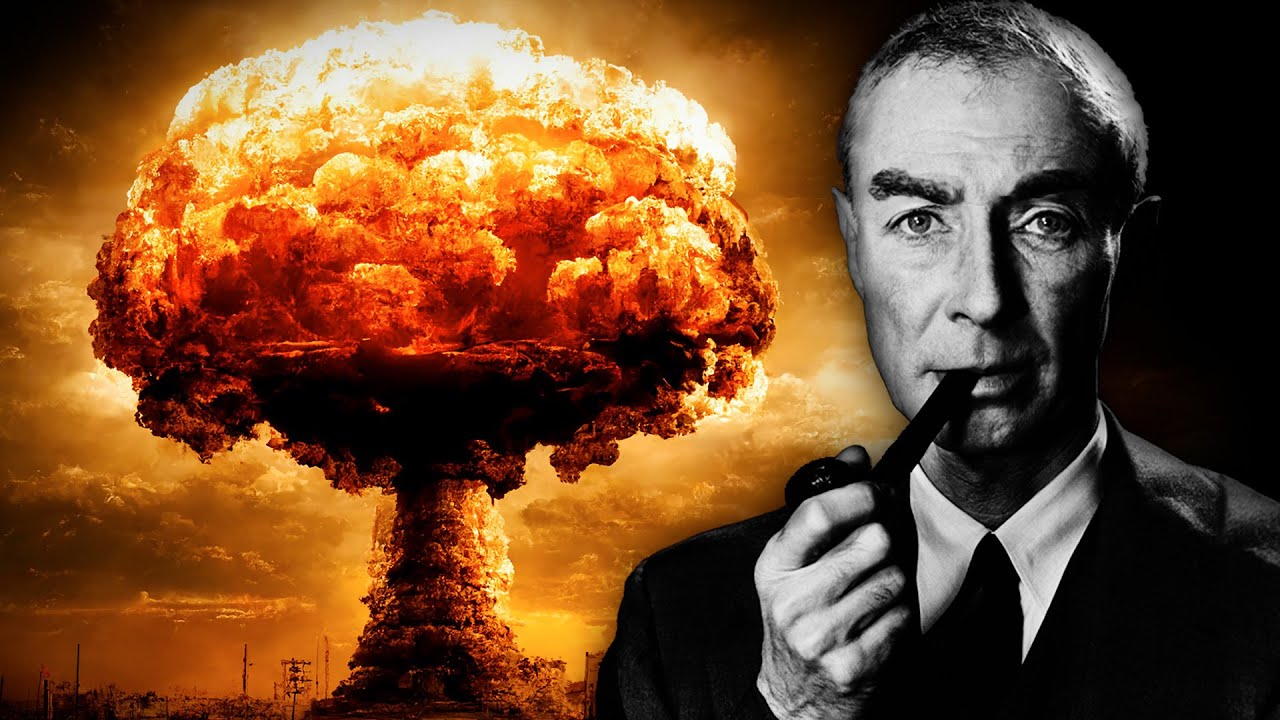
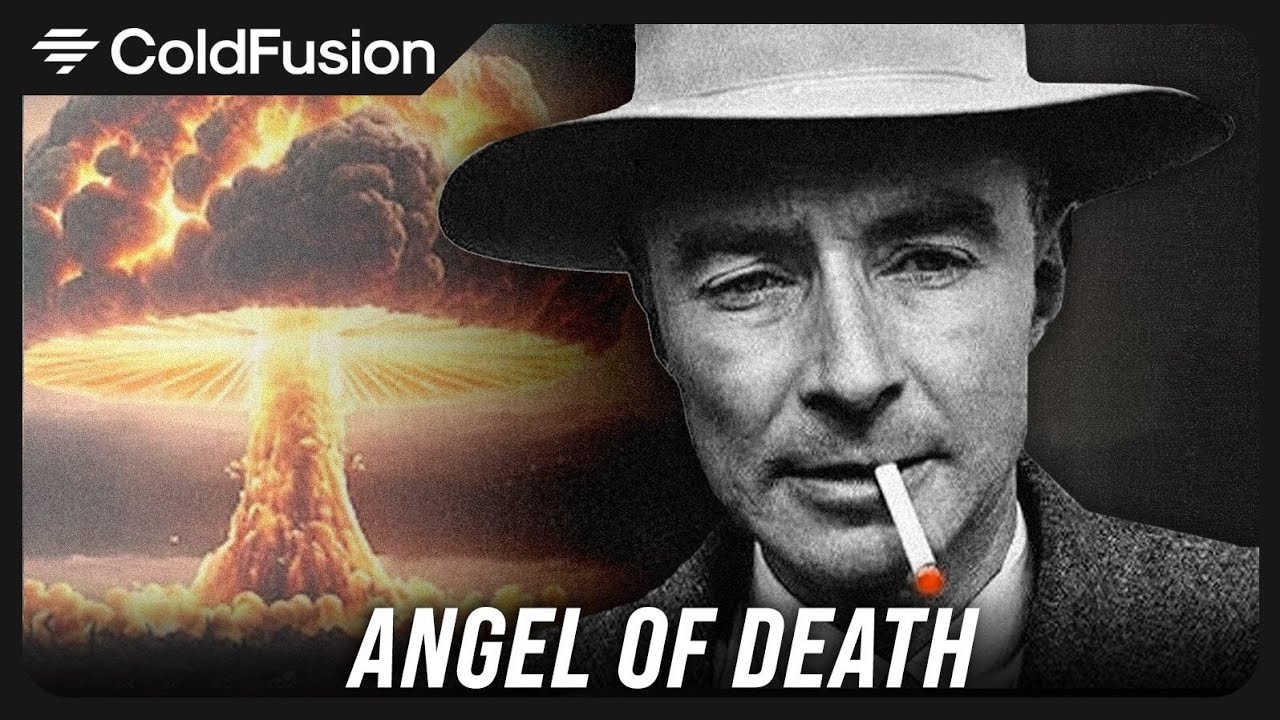
Robert Oppenheimer's contributions to nuclear physics, including his black hole collapse model, are examined alongside the moral implications of his role in the atomic bomb's creation.
Opus Dei, founded in 1928 by Jose María Escriva, is a controversial ultra-conservative Christian sect known for its austere practices and global influence.
Temperatures reached -50°F (-45°C) as British Army mountain commandos trained in the Canadian Rockies during the winters of 1944 and 1945.
Viktor Orekhov, a former KGB officer, recounts his transformation from enforcer of repression to supporter of dissidents in Soviet-era Russia.








![Documentary backdrop image for Occupation of Center Sector (Lorraine [SIC]), May 20-July 19, 1918, 32nd Division (2017)](https://i.ytimg.com/vi/s7cfJePbqq0/maxresdefault.jpg)