From over 100,000 films, discover the handful you'll love.
Free or premium access to the world's largest documentary library.
22463 films(Page 24 of 468)
In Indonesia, French scientists investigate the Rinjani-Samalas supervolcano, believed to be the source of the largest volcanic eruption in human history, which disrupted global climate and societies.
James Cameron examines the myths surrounding the Titanic shipwreck and tests the plausibility of Jack's survival on a raft.
A sample of DNA taken from a descendant of Christopher Columbus suggests a possible genetic link to the explorer, raising questions about his true origins.
Emperor Haile Selassie I was born on July 23, 1892, in Ejarsa Goro, Ethiopia, into a noble family linked to the Solomonic line of kings.
Military historian Dan Snow MBE analyzes 250 years of warfare as depicted in films, highlighting the evolution of tactics and weaponry from the American Revolution to World War I.
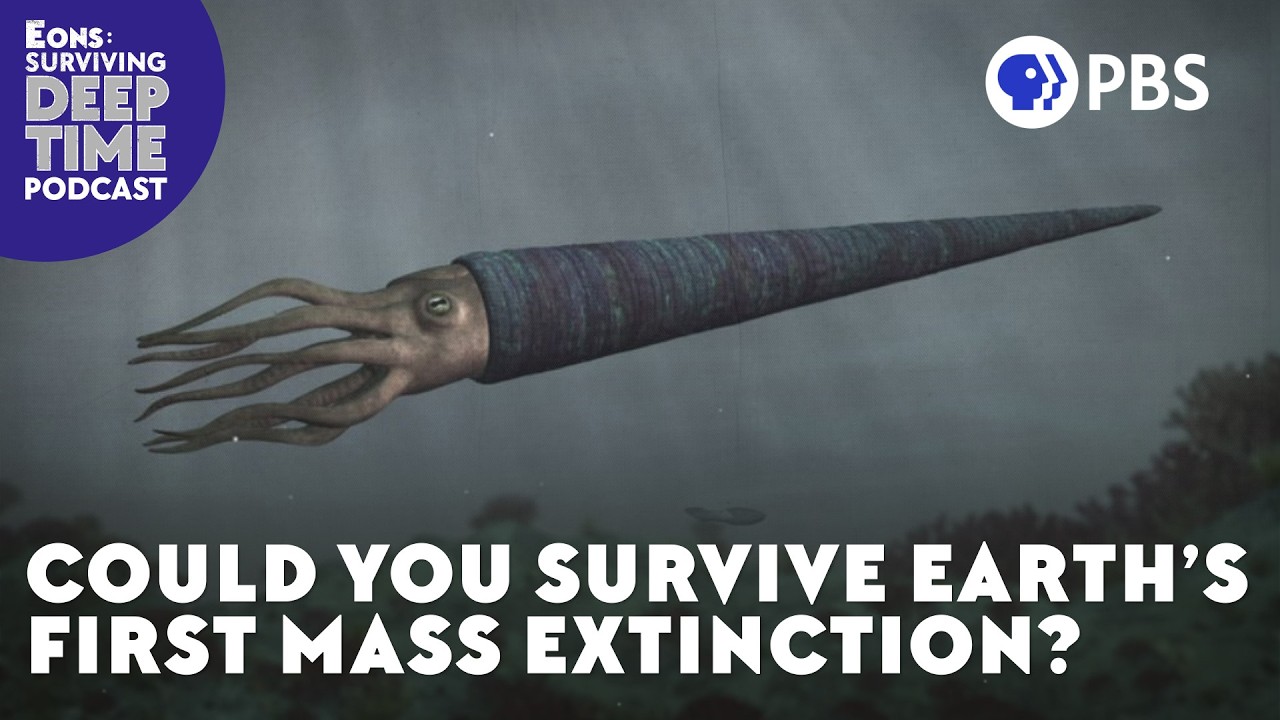
The End-Ordovician Extinction, marking the first of the 'Big Five' mass extinctions, led to the loss of over 80% of marine species on Earth.
China's transformation from a poverty-stricken communist state to a global economic powerhouse over the past 40 years highlights the pivotal role of reform and international relations.
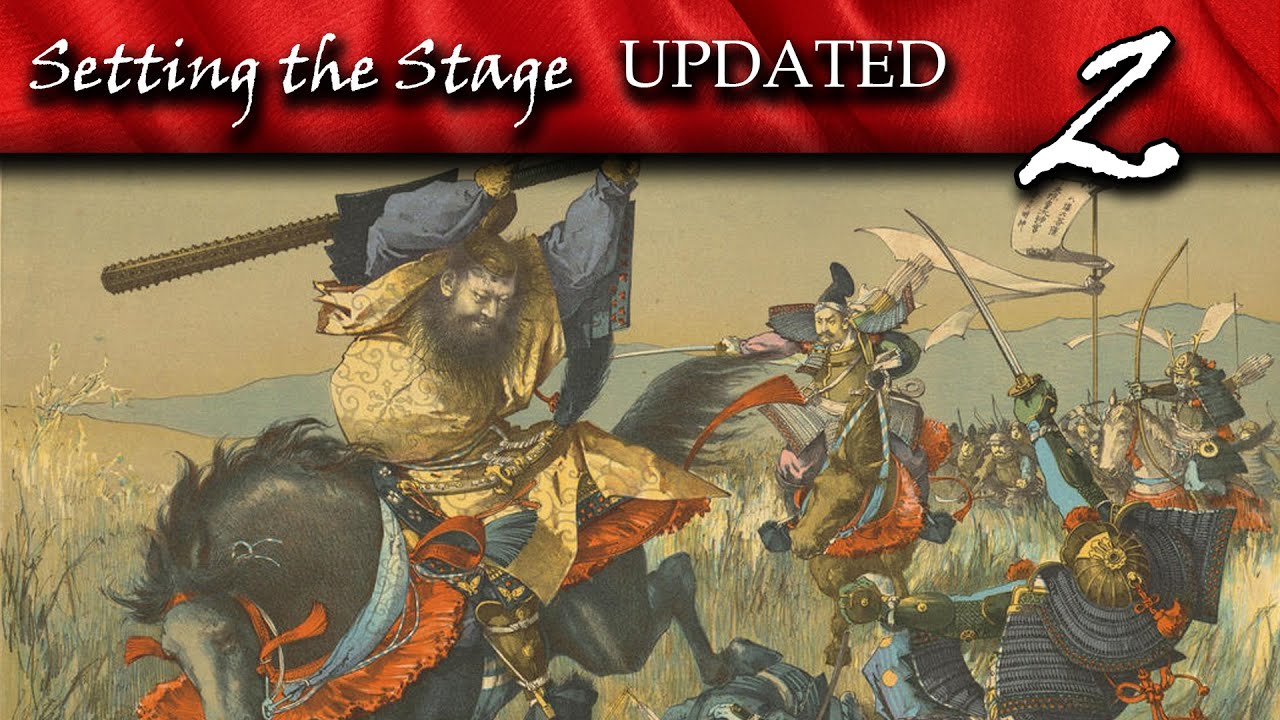
Japan's warrior class emerges as private warrior groups evolve into the Bushi, shaping powerful clans that will influence the nation's history.
In 1943, Captain Gilbert Roberts and his Wrens implemented new strategies like "Step Aside" to turn the tide against German U-boats in the Battle of the Atlantic.
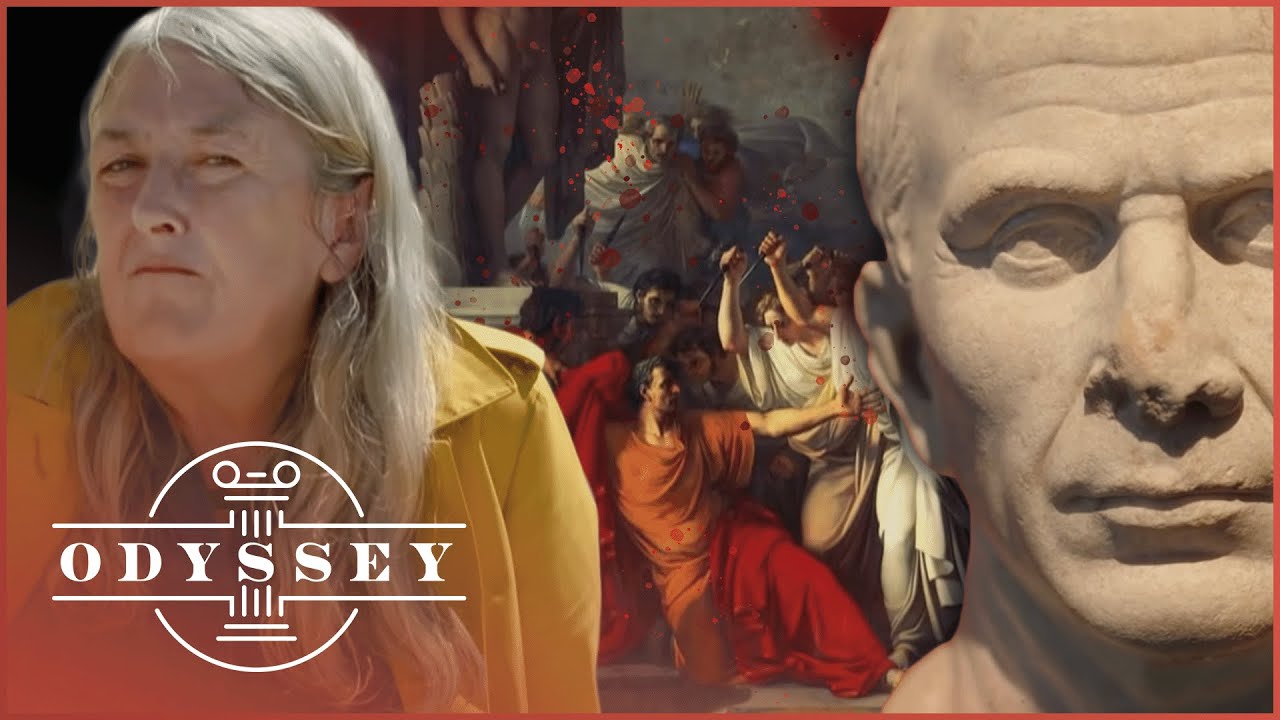
Mary Beard examines Julius Caesar's rise to power, his use of public relations, the circumstances of his assassination, and his enduring influence on modern politics.
Oxus Civilization, also known as the Bactria-Margiana Complex, is recognized as a significant Bronze Age culture with remarkable artwork and historical importance.
In the Late Miocene Epoch, tectonic activity isolated the Mediterranean Sea, transforming it into a vast, salty desert and drastically altering marine life.
Minamoto no Yoritomo, the first Shogun of the Kamakura Shogunate, rose to power through the brutal elimination of his own family members during the Genpei War.
Bobby Fischer, a controversial chess genius, shares insights on his career and the high-stakes 1972 World Chess Championship against Boris Spassky in Reykjavik.
The legend of the Minotaur and its labyrinth is examined through archaeological evidence and ancient artefacts from the Bronze Age settlement of Knossos in Crete.
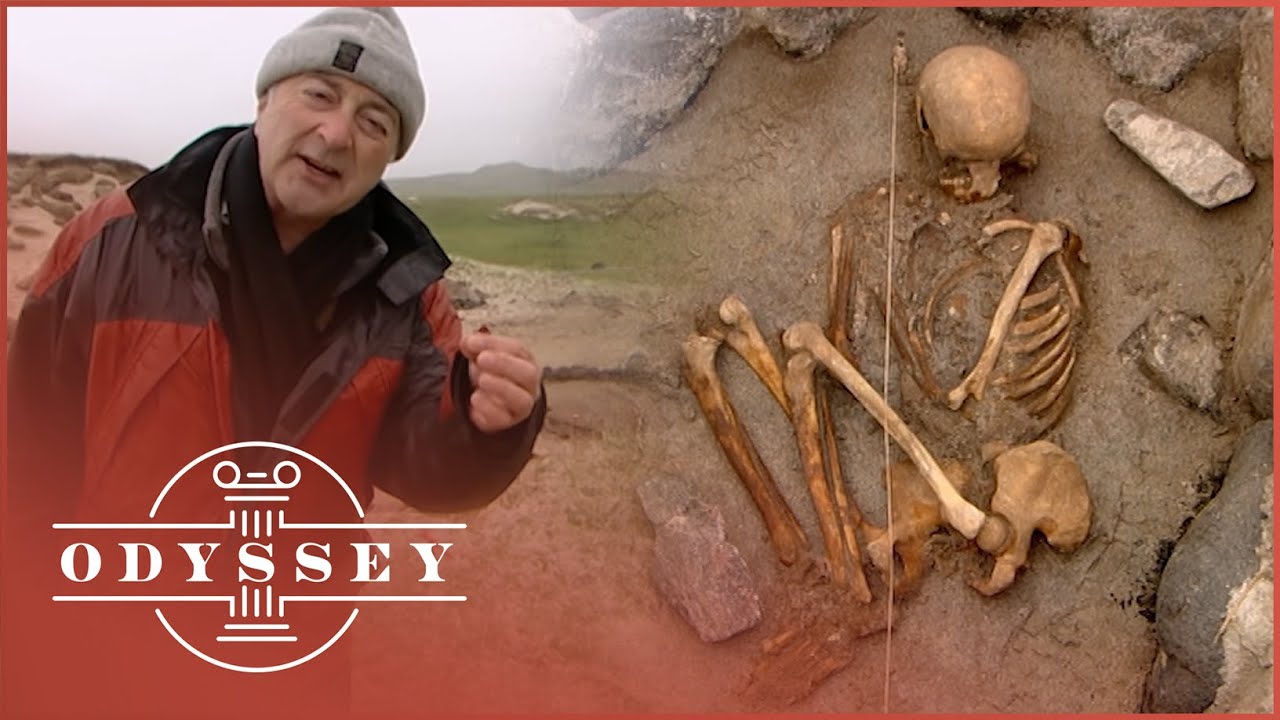
In 2005, a storm at Allasdale, Barra, revealed ancient cists and human remains, prompting a rescue dig by archaeologists Mike Parker Pearson and Keith Branigan.
Hitler's first radio address as chancellor on February 1, 1933, was carefully crafted to appeal to a broad audience, avoiding any sign of anti-Semitism.
Kassite Dynasty, the longest reigning dynasty of ancient Mesopotamia, is marked by a period of peace and prosperity, ultimately facing pressures from Assyria and Elam.
The Ku Klux Klan's evolution from a Reconstruction-era terror group to a decentralized movement during the Cold War highlights its violent campaign against civil rights.
Over 300 feet of sea level rise transformed the Black Sea from a freshwater lake into a vast inland sea, possibly inspiring ancient flood legends.
Thirty travelers cram into just 3 square meters of a cattle truck, their only option for transport during a minibus strike in Central Africa.
On December 25, 1991, the Soviet Union officially ceased to exist, breaking apart into 15 independent republics after nearly 70 years of existence.
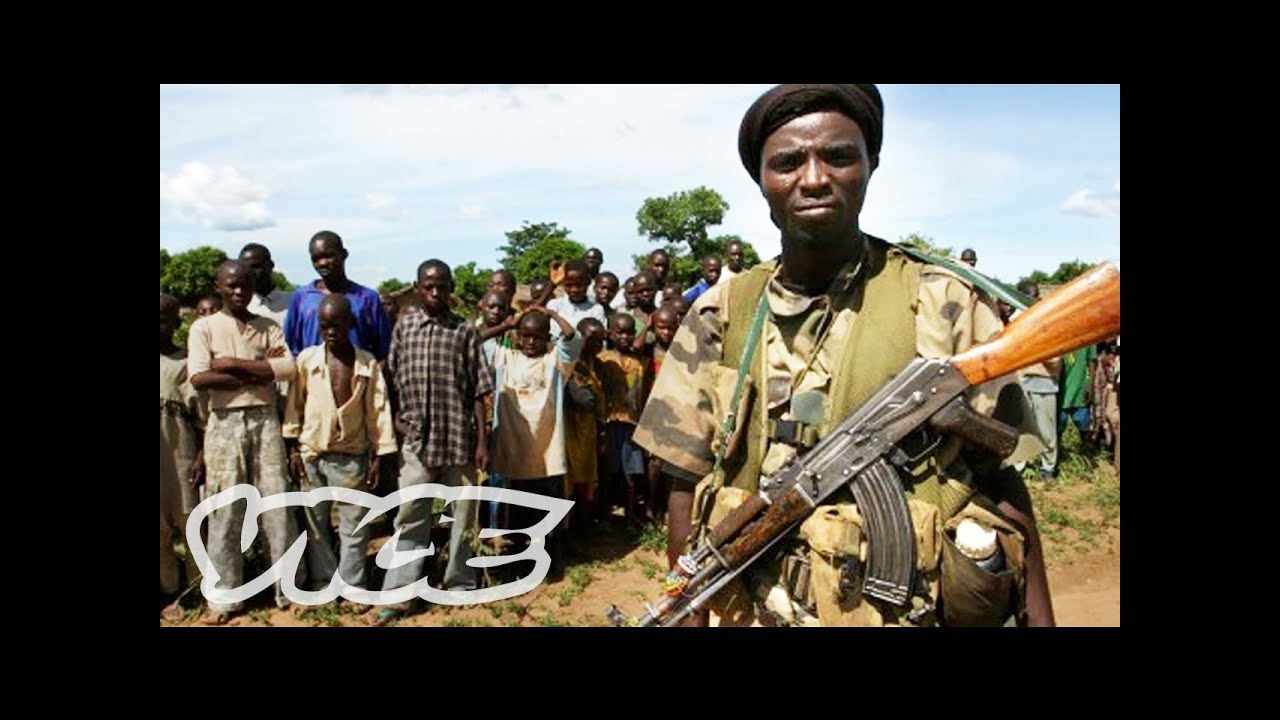
Coltan, a conflict mineral essential for electronics, is linked to the exploitation of child soldiers and the deaths of over 5 million people in Congo.
Historian Dan Snow samples a variety of historical foods and drinks from different eras, exploring culinary traditions from Roman to World War II.
The origins of the Roman Empire are explored through its early history, examining how Rome evolved into one of the most powerful empires in antiquity.
Grace O'Malley, a formidable figure in 16th-century Ireland, rose from pirate to chieftain, navigating the Irish Sea and meeting Queen Elizabeth I.
One second after the Big Bang, the universe had already accumulated 436 quadrillion seconds of history, shaping its current state and future.
The Otomo clan's history chronicles their significant rise to power in Japan and their eventual decline, highlighting key events and figures in their legacy.
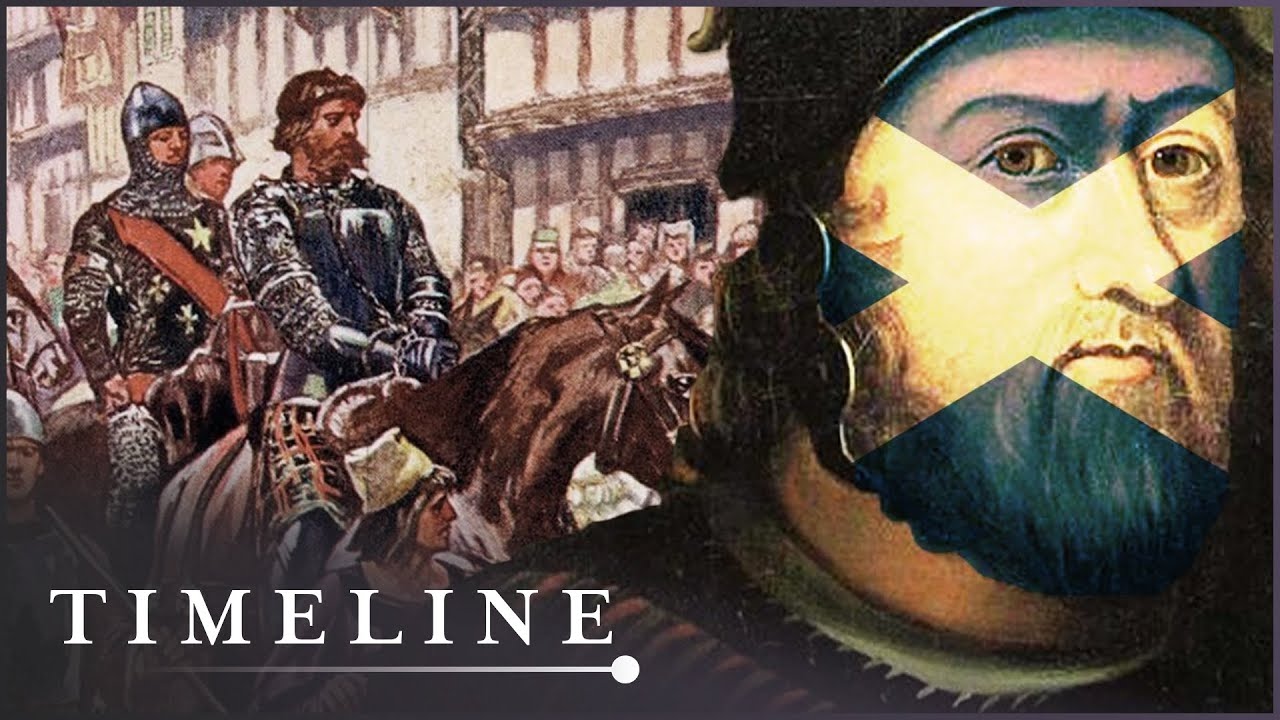
On May 12, 1297, William Wallace murdered the sheriff of Lenexa, an act that significantly altered the course of Scottish history.
Herod the Great ruled Judea for 37 years, during which he transformed the region into an international trading state while also ordering the execution of his own sons.
Medieval historian Matt Lewis evaluates Hollywood's portrayals of Robin Hood, highlighting the blend of historical fact and creative fiction in various adaptations.
80% of the shops in Dara Adamkhel bazaar are closed, reflecting the decline and violence affecting communities in Pakistan after Osama bin Laden's death.
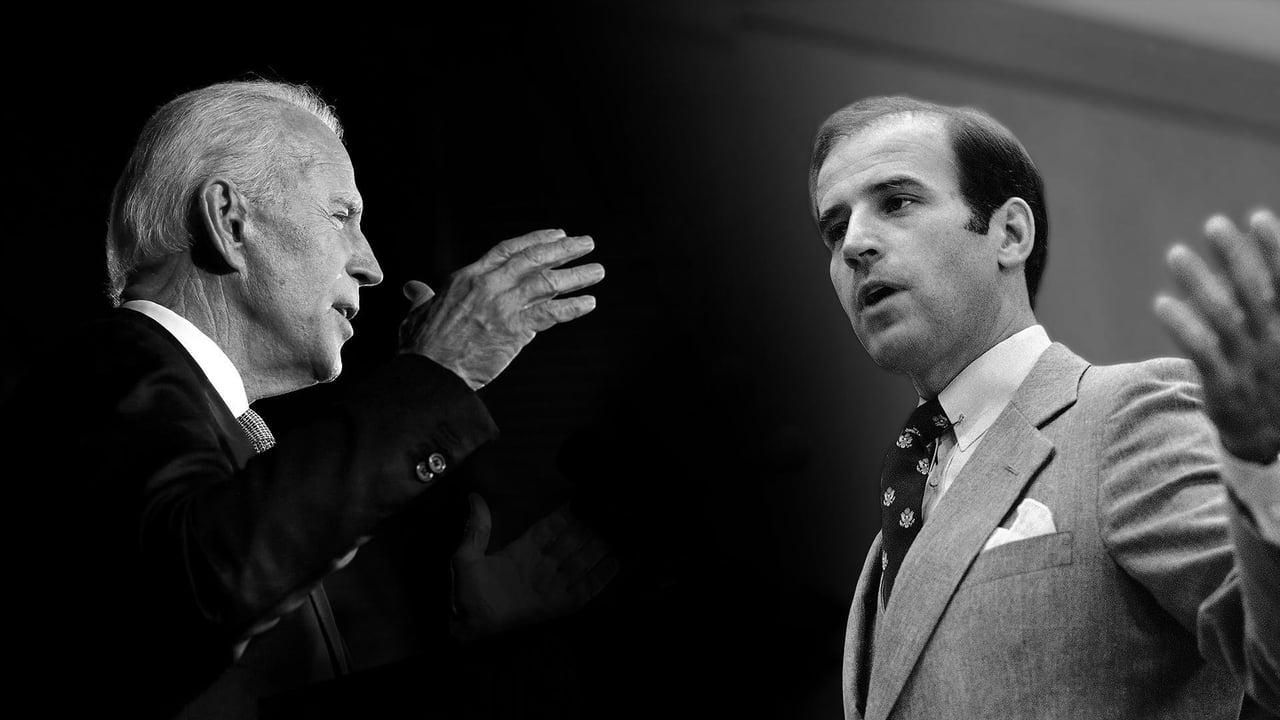
Joe Biden's presidency begins amid a national crisis marked by the Capitol attack, a pandemic, and racial tensions, shaped by his personal experiences and challenges.
In Mobile, Alabama, the 1995 murder of 18-year-old Katherine Foster remains unsolved for decades until advancements at the Body Farm provide crucial forensic evidence.
Seven days of grandiose ceremonies mark the wedding of Danenjay Singh, heir to the Khimsar throne, in Rajasthan's royal tradition.
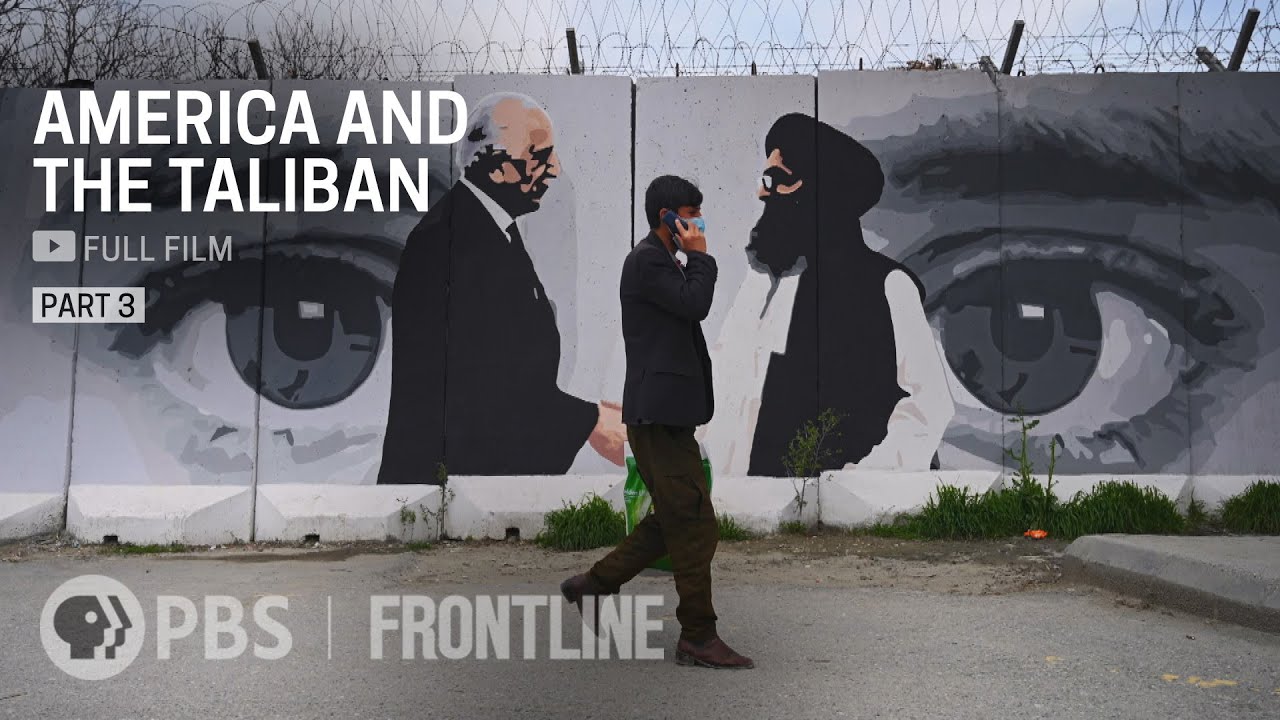
Negotiations between the Trump administration and the Taliban culminated in the U.S. withdrawal from Afghanistan, leading to the Taliban's resurgence and control of Kabul.
Season 2 of Hidden Realms reveals the Hopi Nation's cosmic mysteries in Arizona.
Zoot Suit Riots in Los Angeles during WWII saw white servicemen and civilians violently attack Hispanic youths, targeting their distinctive clothing as unpatriotic.
Forty-eight confirmed murders mark Gary Ridgway's nineteen-year reign of terror in Washington, making him the most prolific serial killer in U.S. history.
Five murders are officially attributed to the Zodiac Killer, who claimed to have killed 13 individuals and sent taunting letters to the media.
Ancient Roman London, established around 50 AD, reveals daily life through archaeological finds, including trade records and military artifacts.
Four teenagers were shot to death in Plamann Park, Appleton, Wisconsin, in 1995, raising concerns about gang violence in the small town.
Mary Ann Cotton, a notorious Victorian figure, was executed in 1873 for murdering multiple family members out of greed.
Georgia has cultivated grapes for 7,000 years, making it a key region in the history of wine culture and home to over 500 grape varieties.
Around 800 years ago, Polynesians arrived in New Zealand, marking it as the last significant landmass colonized by humans.
Scargill Castle, a 12th-century medieval site in Yorkshire/Durham, is examined by archaeologists Niall and Caroline to reveal its historical significance and original structure.
Franz Stangl, an Austrian policeman and Nazi party member, oversaw the genocide of 800,000 people before escaping to Brazil after World War II.
Shah Mohammad Reza Pahlavi's reign began in September 1941 when he was sworn in as Iran's ruler at just 21 years old.