From over 100,000 films, discover the handful you'll love.
Free or premium access to the world's largest documentary library.
22463 films(Page 147 of 468)
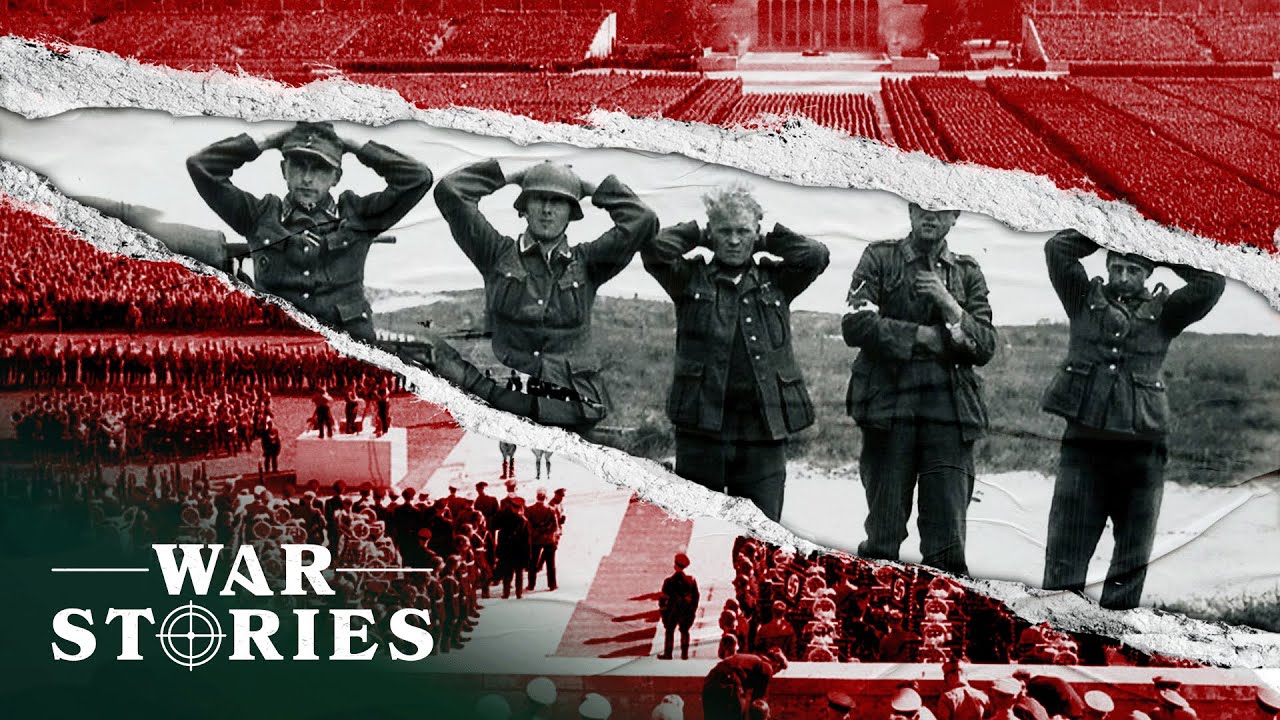
In the final days of World War II, Germany faced a profound reckoning as survivors recount their experiences of defeat and the transition to peace.
Private motion pictures of Adolf Hitler and Eva Braun, seized by the US Army in 1945, showcase their life at Berghof and interactions with notable figures.
The evolution of bomber planes from World War I's ineffective runs to the devastating aerial assaults of World War II illustrates their role as a key military force.
Adolf Hitler's suicide on April 30, 1945, led to Germany's surrender and the United States' use of atomic bombs on Hiroshima and Nagasaki, ending World War II.
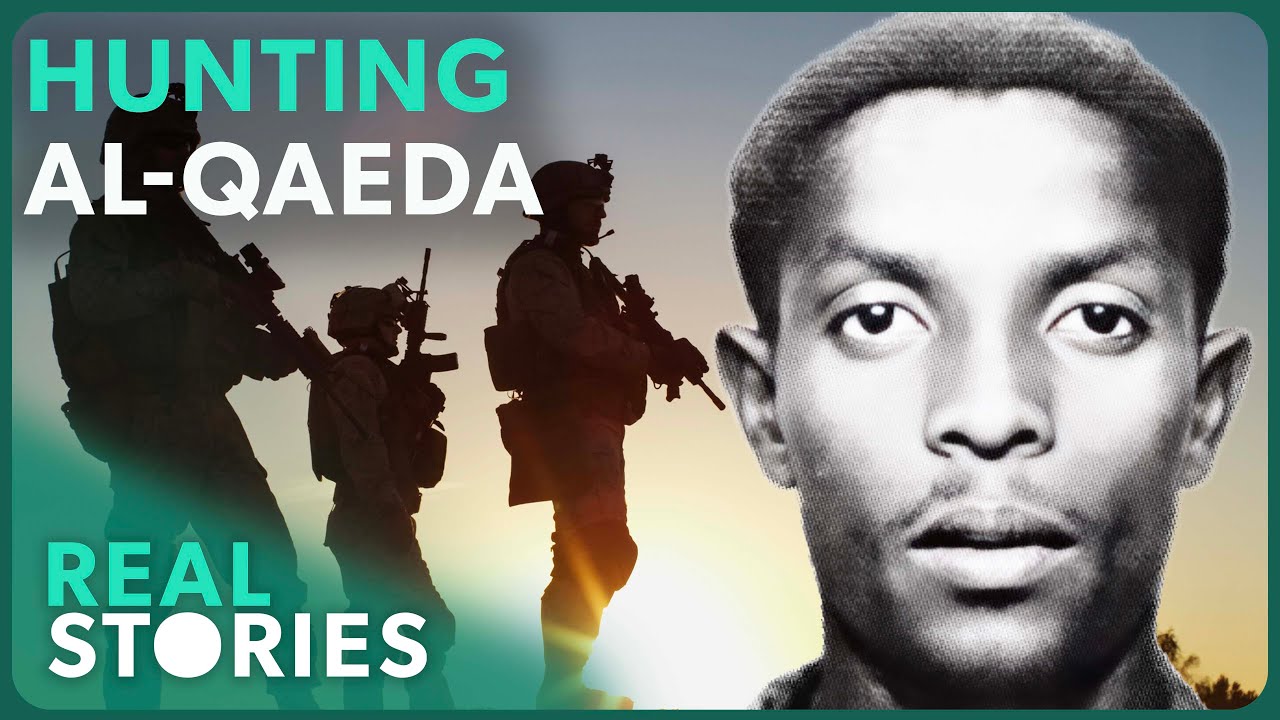
Al-Qaeda's 1998 embassy bombings prompted a legendary CIA operative to infiltrate Somalia, leading to a high-stakes mission that reshaped the war on terror.
Twenty Jewish children, aged 5 to 12, were subjected to medical experiments at Noama concentration camp before their deportation by the SS.
The Mediterranean theatre played a crucial role in World War II by serving as a vital supply route and drawing German resources away from other fronts.
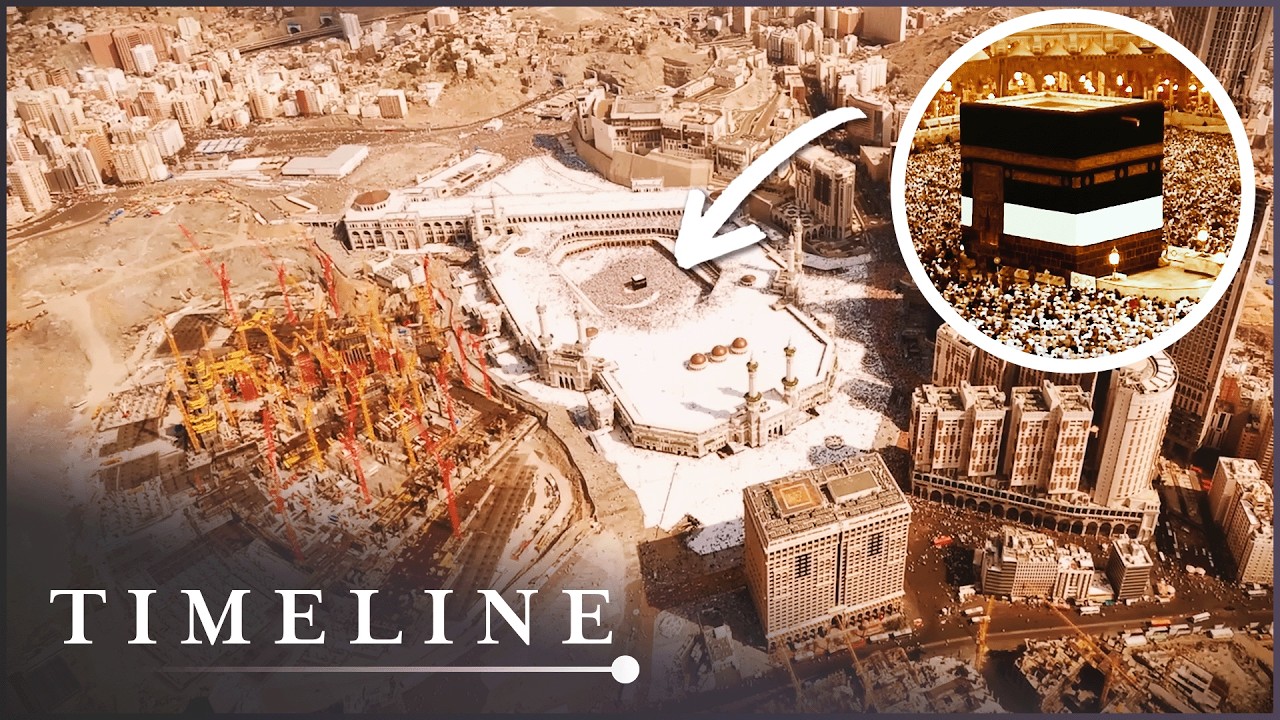
Over a billion Muslims pray towards a black rock in Mecca, but new research suggests the original holy city may actually be Petra.
Large, shaggy, two-legged creatures have sparked global intrigue, prompting investigations into sightings, hoaxes, and the iconic Patterson-Gimlin film.
Jimmy Coonan's leadership marked a violent shift in Hell's Kitchen's mob scene, as his aggressive tactics replaced the older, more cautious methods of organized crime.
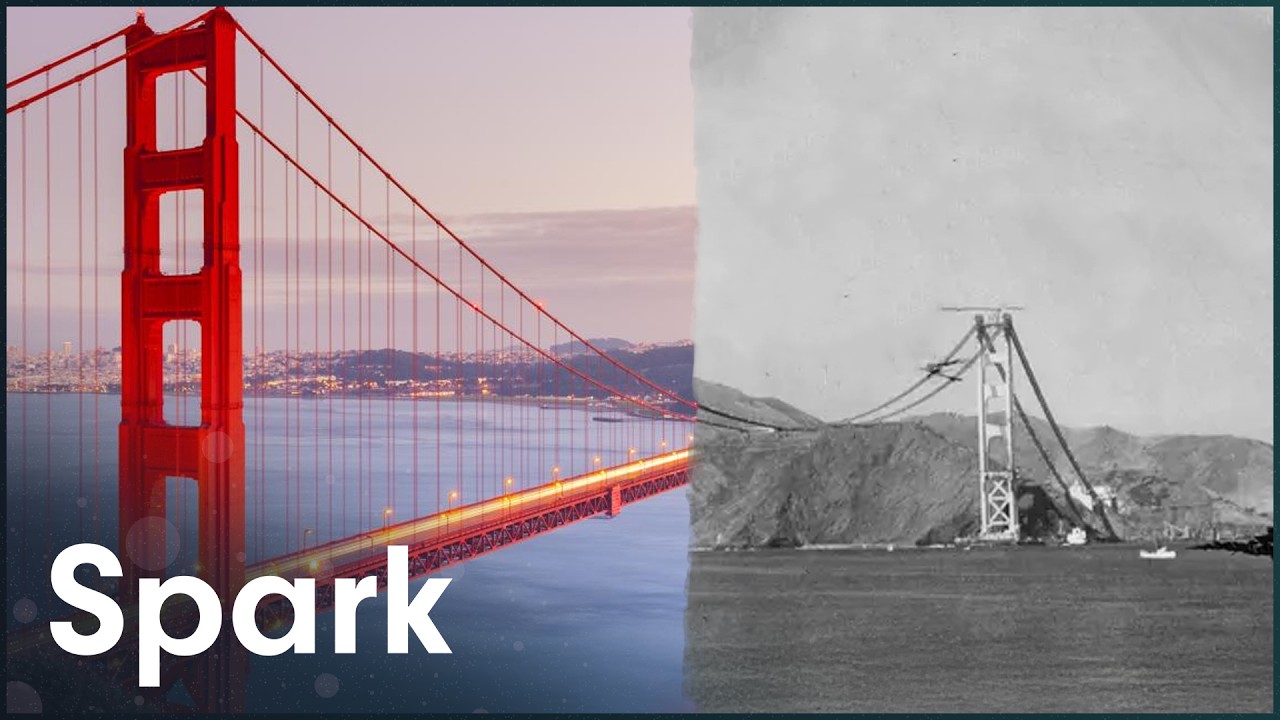
More than 28,000 buildings were destroyed in the 1906 San Francisco earthquake, prompting a citywide effort to rebuild and innovate, leading to the bridge's construction.
In 1899, Richard Wilhelm arrived in China as a young missionary, where he spent 20 years immersing himself in the culture and translating key texts.
Vis Island, known for its strategic position, features Tito's cave and the Blue Grotto.
Fidel Castro's childhood, often overlooked and misrepresented, provides crucial insights into the complexities of the Cuban dictator's later life.
Holland's legendary football team, featuring stars like Ruud Gullit and Marco Van Basten, dominated the 1988 European Championship with unforgettable performances.
On June 6, 1944, 136,000 Allied soldiers launched the D-Day invasion at Normandy, marking a pivotal moment in the fight against Nazi Germany.
Hessdalen Lights, a phenomenon of mysterious orbs in a remote Norwegian valley, challenge scientists seeking to capture definitive evidence of their existence.
Rick and Marty Lagina investigate an ancient stone carving that may link Portuguese explorers and the Knights Templar to the Oak Island treasure mystery.
In Saqqara, a dedicated team of Egyptian scientists conducts a three-month excavation to reveal ancient artifacts and secrets of Egypt's illustrious civilization.
Brochs, the Iron Age towers of Scotland, reveal insights into their construction, purpose, and the sophisticated societies that built them across locations like Glenelg and Orkney.
On August 7, 1942, five of the eight Wildcat fighter planes under Pug Southerland's command were lost during a fierce dogfight over Guadalcanal.
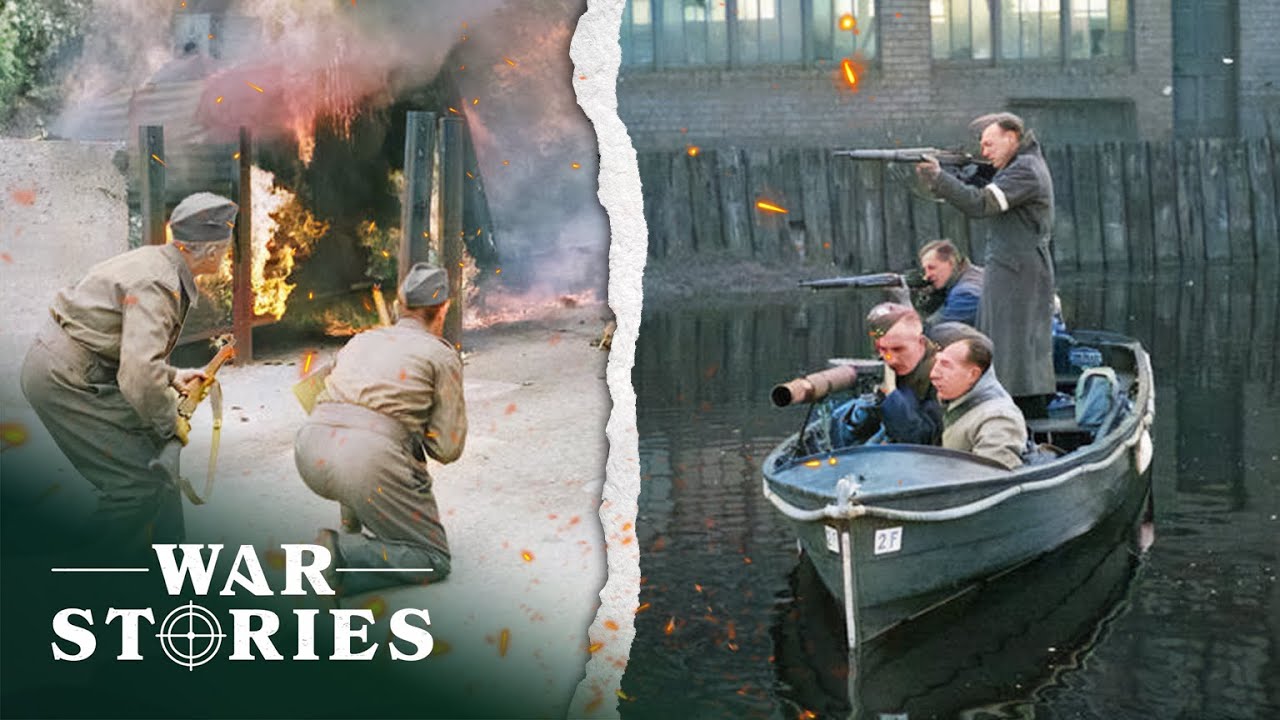
The British Home Guard, formed in 1940 as the Local Defence Volunteers, comprised civilians who trained and improvised to defend against a potential Nazi invasion during World War II.
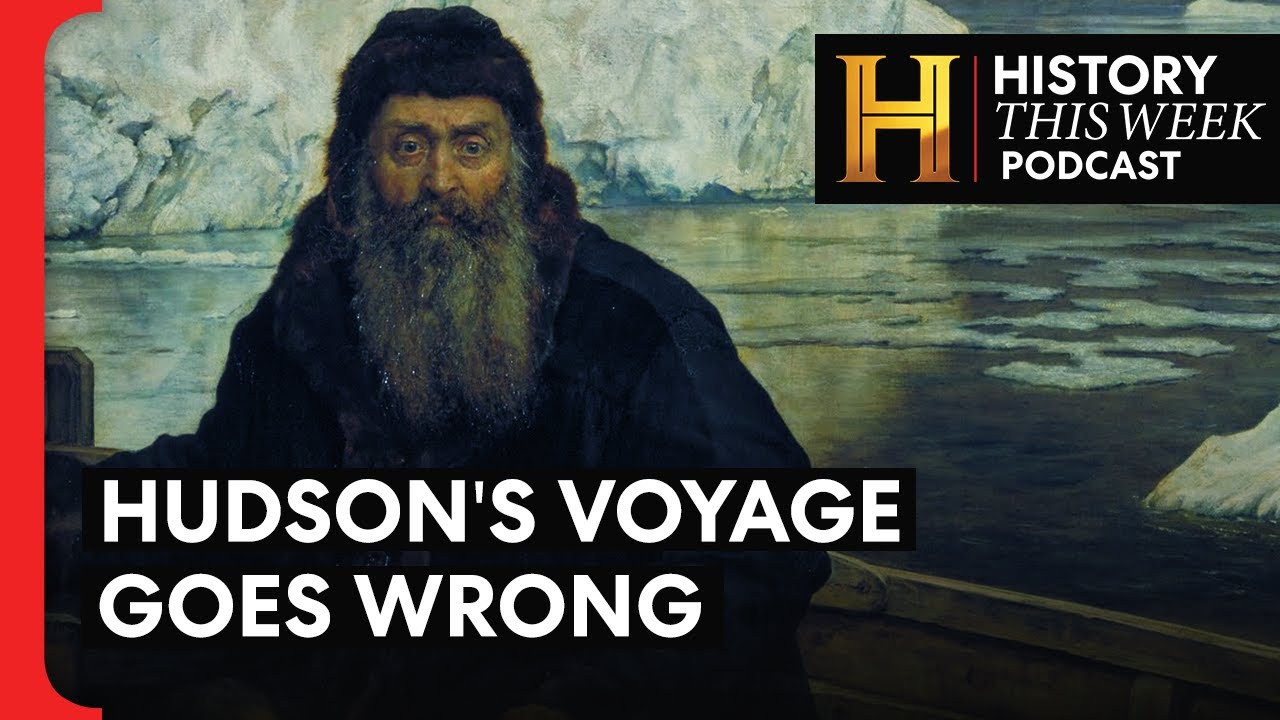
On June 22, 1611, Henry Hudson's crew, stranded in the Canadian Arctic, mutinies after enduring months of starvation and harsh conditions.
Frederic Raphael travels from Jerusalem to Asia, Spain, and the USA, exploring the intersections of Buddhism, Islam, Catholicism, and Puritanism.
Jack the Ripper's diary is meticulously analyzed and scrutinized by experts, who assess its authenticity and the implications of its contents.
Five centuries after their deaths, Anne and Mary Boleyn remain subjects of debate, with little known about their lives or true identities.
London's Docklands redevelopment in the 1980s aimed to transform the area into a thriving hub, but local residents felt marginalized by rising costs and gentrification.
Washington D.C. is examined for its potential design as a temple dedicated to Goddess Worship, featuring sacred geometry and symbols linked to Freemasons and the Founding Fathers.
In 2012, archaeologists revisited the site of a Roman temple of Mithras in London, revealing significant evidence of the city's ancient past.
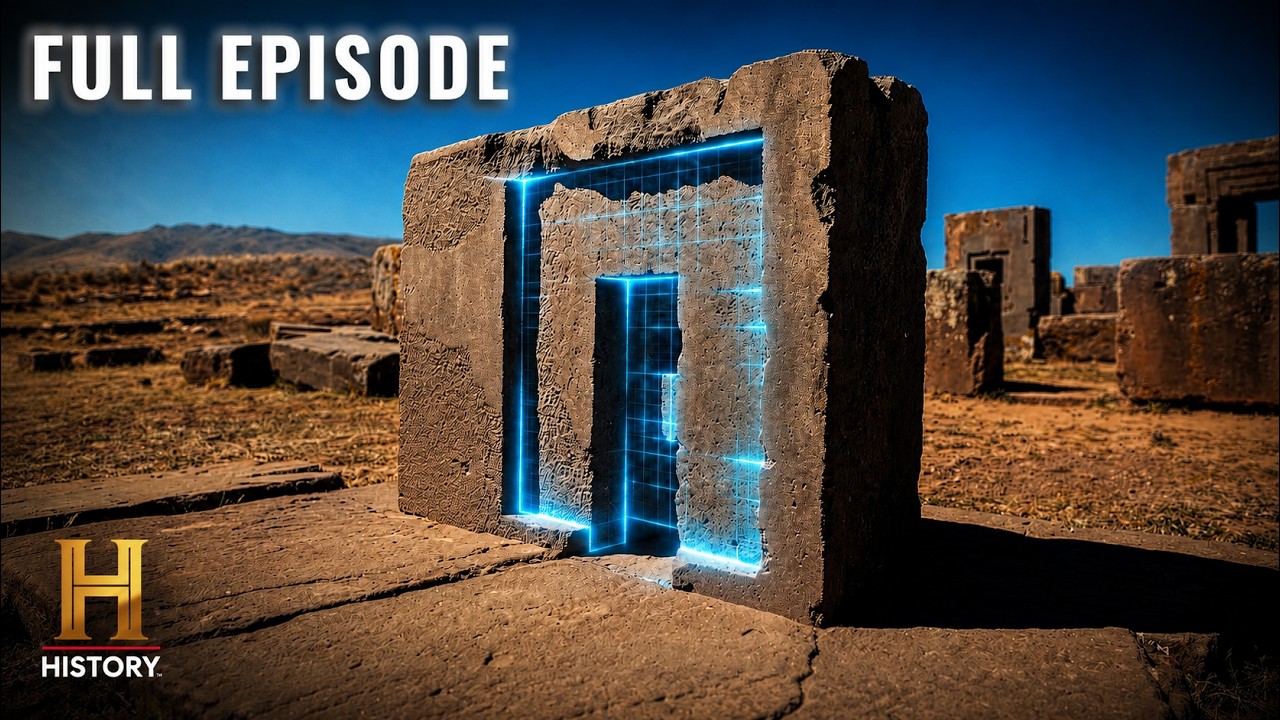
Puma Punku, a site in Bolivia, features ancient ruins that are nearly 14,000 years old and continue to intrigue researchers with their complex construction.
In the 1960s and 1970s, notorious serial killers like the Zodiac, Son of Sam, Charles Manson, and Ted Bundy instilled fear across America's streets.
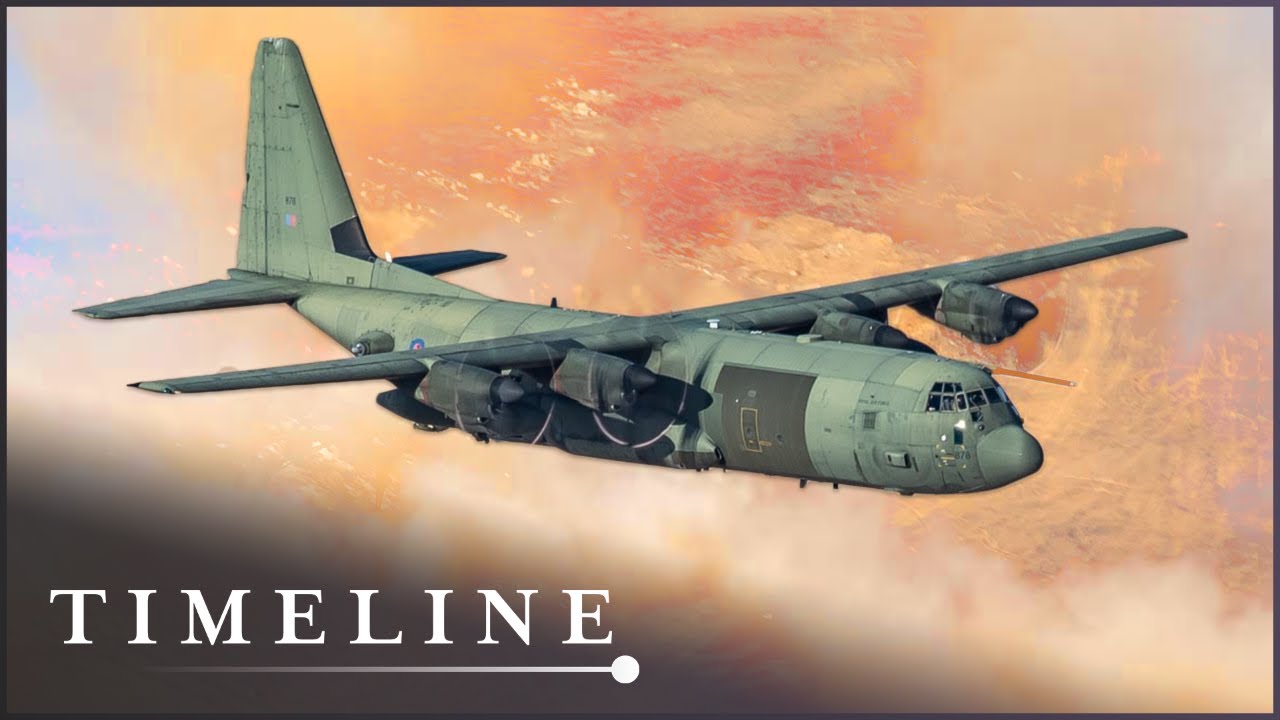
The C-130 Hercules is the longest-serving cargo plane of the Royal Air Force, enhancing capabilities.
Bigfoot, a legendary cryptid, is examined through historical accounts, sightings, and various theories regarding its existence and nature.
Benito Mussolini, the architect of fascism, is examined through his rise to power in Italy and the oppressive nature of his totalitarian regime.
Cleopatra's rise to power in Ancient Egypt involved strategic marriages and ruthless political maneuvers against her own family and rivals.
William Shatner discusses apocalyptic predictions with a man fearing a 2012 super-volcano eruption, NASA experts on solar flares, and futurist Ray Kurzweil on robot takeovers.
In London, thieves tunnel into a Lloyds Bank vault, but their plans are thwarted when an amateur radio enthusiast intercepts their communications.
Jumboization involves cutting old ships in half and using advanced engineering techniques to stretch them, addressing the cruise industry's demand for larger vessels.
After facing police harassment in Oakland, musician Sunru Carter decides to repatriate to Ghana, retracing his great-grandfather's path from slavery.
John Duffy and David Mulcahy, known as the Railway Killers, are re-examined by former Detective Chief Inspector Jackie Malton for their coordinated crimes against women in Britain.
In Jamaica, the Azores, the Aegean Sea, and Croatia, diverse landscapes and cultures are explored through the lives of local adventurers and naturalists.
Bosnia, a fragile multi-ethnic state, faces renewed tensions and potential collapse nearly thirty years after a devastating war, amid foreign influences and internal divisions.
More than 200 years ago, Jacob and Wilhelm Grimm collected folk tales that reflected the realities of their time and the mysteries of the forest.
In Orkney, the Ness of Brodgar reveals a 5,000-year-old Neolithic ritual complex alongside a newly discovered Viking boat burial and insights from Hadrian's Wall.
The Great Plague of 1665 devastates London, killing 100,000 and reshaping Britain.
Underwater explorer Barry Clifford gained international attention in 1985 for locating the Whydah, the first fully verified pirate shipwreck, off Cape Cod, Massachusetts.
In 1918, Germany launched the Kaiserschlacht offensive on the Western Front, aiming for a decisive victory before American forces could impact the war.
The Gallipoli Campaign of 1915, orchestrated by Winston Churchill, resulted in a catastrophic defeat for Allied forces, with significant casualties and no strategic advantage.