From over 100,000 films, discover the handful you'll love.
Free or premium access to the world's largest documentary library.
22463 films(Page 102 of 468)
Thousands of women campaigned for suffrage over decades, facing abuse and imprisonment, while the Pankhurst sisters led the movement amid personal conflicts.
Happy accidents in scientific history reveal how unexpected events have led to remarkable breakthroughs, as explored by Professor Brian Cox.
Vladimir Putin's rise from KGB officer to authoritarian leader illustrates how power can corrupt, shaping global politics and impacting citizens' lives.
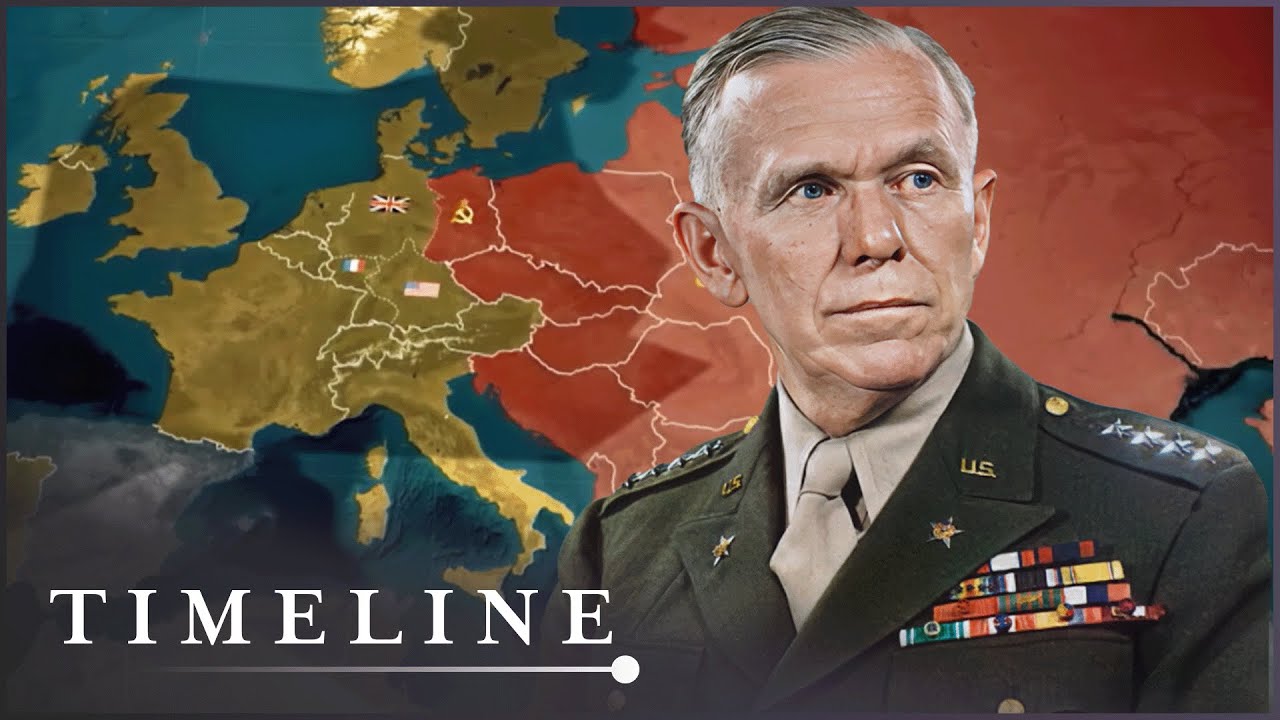
The Marshall Plan, initiated by the United States in 1948, aimed to rebuild Western European economies after World War II and is analyzed for its effectiveness.
In Newport, the 1988 murder of gay man Danny Denbury by ex-soldier Christopher McGovern highlights issues of violence and prejudice in society.
Warships have evolved from 17th-century galleys to modern aircraft carriers, showcasing over 400 years of naval engineering and military strategy.
In the headwaters of the Oxus, British explorers' accounts of forgotten tribes reveal connections to Alexander the Great and the origins of ancient cities.
Operation Market Garden, launched by Bernard Montgomery in September 1944, aimed to breach German defenses but ultimately resulted in a costly Allied defeat due to poor tactics and communication.
Ancient manuscripts and sacred scriptures are examined for evidence of extraterrestrial contact throughout human history in this exploration of enigmatic texts.
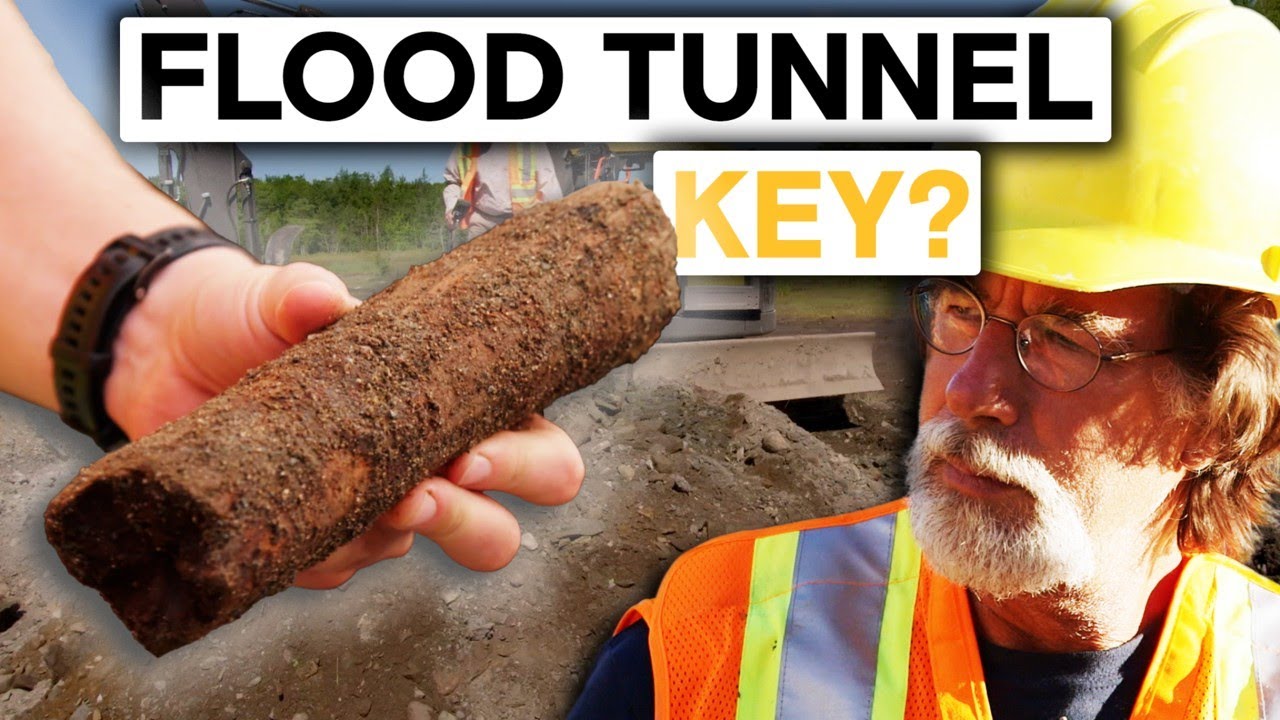
Oak Island's wooden structures and artifacts are analyzed by brothers Marty and Rick Lagina, potentially revealing clues to hidden tunnels and buried treasure.
A newly discovered ancient tablet suggests the existence of a messiah who returned from the dead before Jesus Christ, raising questions about early Christianity.
The National Museum of Anthropology in Mexico City reveals artifacts like ancient athletic equipment and peasant dresses that shaped historical narratives.
Charles Manson, the notorious leader of the Manson Family, orchestrated a series of infamous crimes in California during the late 1960s.
Archaeologists and theologians analyze an ancient shard of wood to determine if it is a fragment of the cross on which Jesus was crucified.
Robert Redford discusses the intersections of journalism, politics, ecology, and cinema while promoting his film about the Watergate scandal.
In 1979, US Army surgeon Jeffrey MacDonald was convicted of murdering his pregnant wife and daughters, a case that remains controversial despite his ongoing claims of innocence.
Civilians find hope and humor on the home front during WWII despite early cinema closures.
Archaeological findings reveal the existence of a 10th-century female Viking warrior, challenging traditional gender roles in Norse society.
Around 3,500 brown bears inhabit the primeval forests of Karelia, where summer brings vibrant life to the region's unique ecosystem.
In a post-World War II refugee camp, Lena Kuchler searches for her missing family while caring for the many hungry children she encounters.
In 1987, archaeologist Juris Zarins claimed to know the earthly location of the Garden of Eden, igniting controversy among religious and academic circles.
In northern Israel, the historical context of Jesus' ministry around the Sea of Galilee is analyzed, questioning the intersection of history and theology.
In 1942, the aftermath of Pearl Harbor catalyzed Japan's rapid conquests and Germany's U-boat campaign, while the United States mobilized its industrial power to shift the war's momentum.
Seventy-nine of Princess Diana's dresses were auctioned by Christie's in New York two months before her death, raising millions for charity.
Renaissance culinary practices transformed dining with strict table manners and the introduction of imported vegetables, reflecting broader cultural shifts in Europe.
On September 1, 1939, Germany invaded Poland, marking the beginning of World War II and prompting a global conflict that lasted six years.
After D-Day, the Allies advanced from the Normandy beachhead towards the Rhine, while the Red Army launched Operation Bagration in the East.
The D-Day landings on June 6, 1944, marked a significant turning point as Allied forces began their campaign to liberate France from Nazi occupation.
The D-Day landings on June 6, 1944, and the subsequent Battle of Normandy are chronicled through rare footage, highlighting key events and military strategies.
The F-117 Stealth fighter, known for its ability to evade enemy radar, gained prominence during the Gulf War in 1991.
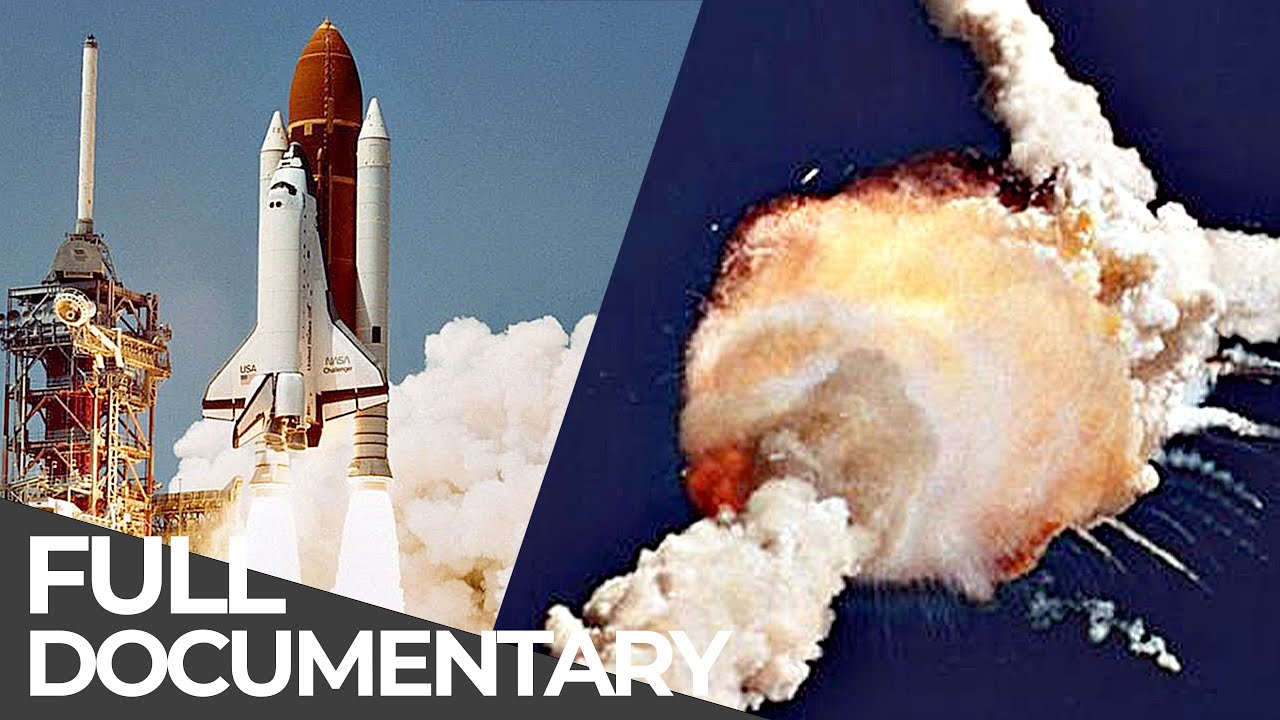
On January 28, 1986, NASA's Space Shuttle Challenger disaster resulted from critical decisions made despite warnings from Morton Thiokol engineers about faulty 'O' rings.
The European Space Agency's probe landed on comet 67P, marking one of the most complex space missions of the century.
Peter Moore, a serial killer, confessed to nearly 50 violent attacks and was charged with the murder of four men in North Wales in December 1995.
Captured by 150 army cameramen, the film features authentic footage from the Volga battlefield during the summer of 1942, amidst the Battle of Stalingrad.
In the 16th century, the Inca Empire retreated to the jungles of Peru to establish Vilcabamba, a stronghold later sought by explorer Hiram Bingham.
NASA's enhanced film footage of the Apollo moon landings provides a new perspective on lunar exploration and the evidence collected about Earth's origins.
Oak Island in Nova Scotia is the site of ongoing investigations by brothers Marty and Rick Lagina, focusing on its mysterious earthworks and potential hidden treasures.
Crusader fortresses in Syria, Israel, and Lebanon exemplify military and architectural innovations developed during the nearly two-century conflict between Christian and Muslim forces.
Germany's alliances with the Axis Powers during World War II were fraught with instability, ultimately contributing to the nation's defeat.
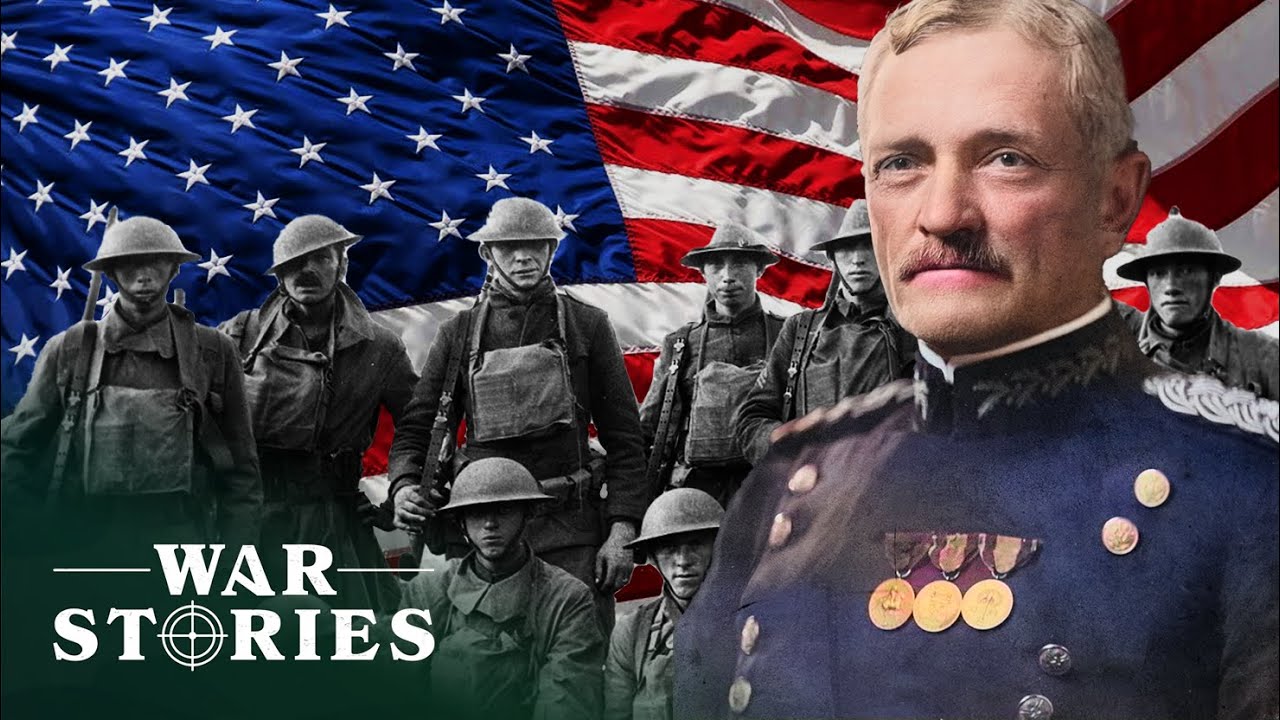
General John J. Pershing's leadership and military strategies continue to influence young American cadets as they explore his historical achievements and modern impact.
60,000 tons of steel and 260,000 cubic meters of concrete are used to construct the Shanghai World Financial Center, which stands nearly 500 meters tall.
Hoover Dam, a monumental engineering feat completed during the Great Depression, harnesses the Colorado River to provide electricity and water to millions, facing challenges from climate change today.
John List meticulously planned the 1971 mass murder of his family in New Jersey, evading capture for nearly two decades before his arrest in Virginia.
Dawei fishermen in the remote village of San Lan navigate the ocean's tides and their spiritual connection to the sea, shaped by tradition and survival.
In a potato field in England, two metal detectorists uncovered a hoard of 2,000-year-old Iron Age coins, marking the largest discovery of its kind.
In 480 BC, 300 Spartans faced overwhelming Persian forces at Thermopylae, sacrificing themselves to protect Greece from invasion.
Rottweilers, originally known as Rottweiler Metzgerhund, were used in the 19th century to transport butchered meat to market in Rottweil, Germany.
Rob Rinder reveals the harsh realities of Shepton Mallet prison in Somerset, Britain.