From over 100,000 films, discover the handful you'll love.
Free or premium access to the world's largest documentary library.
22463 films(Page 95 of 468)
Che Guevara's final days in Bolivia are marked by a tense pursuit led by CIA agent Felix Rodriguez, culminating in a pivotal moment in South American history.
Dozens of human bones from at least 20 individuals, including seven newborns, were discovered in a cave in Derbyshire, dating back nearly 5,000 years.
In Tudor England, monasteries were the largest landowners, shaping education, technology, and daily life for farmhands and surrounding communities.
Waverly Hills Sanatorium in Kentucky, a former tuberculosis hospital, is investigated for its alleged paranormal activity linked to the deaths of nearly 10,000 patients.
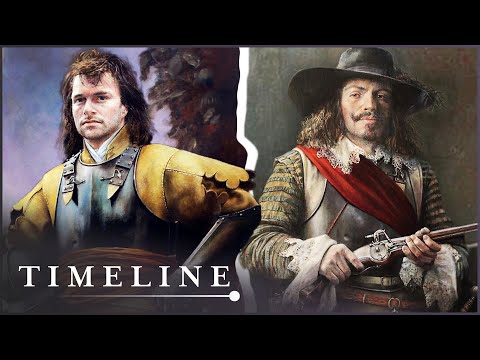
The battle at Edge Hill in October 1642 marked a critical moment for King Charles, who failed to capitalize on his best chance to win the Civil War.
More than 2 million people have died in Sudan's civil war, driven by the struggle for control over oil resources.
Queen Margaret of Anjou plays a pivotal role in the escalating conflict between the houses of York and Lancaster during the Wars of the Roses.
Soldiers fired at least 100 million rounds during World War One, averaging about 40 rounds every minute throughout the conflict.
The Glacier Express, known as the world's slowest fast train, takes about 8 hours to travel 300 kilometers from St. Moritz to Zermatt.
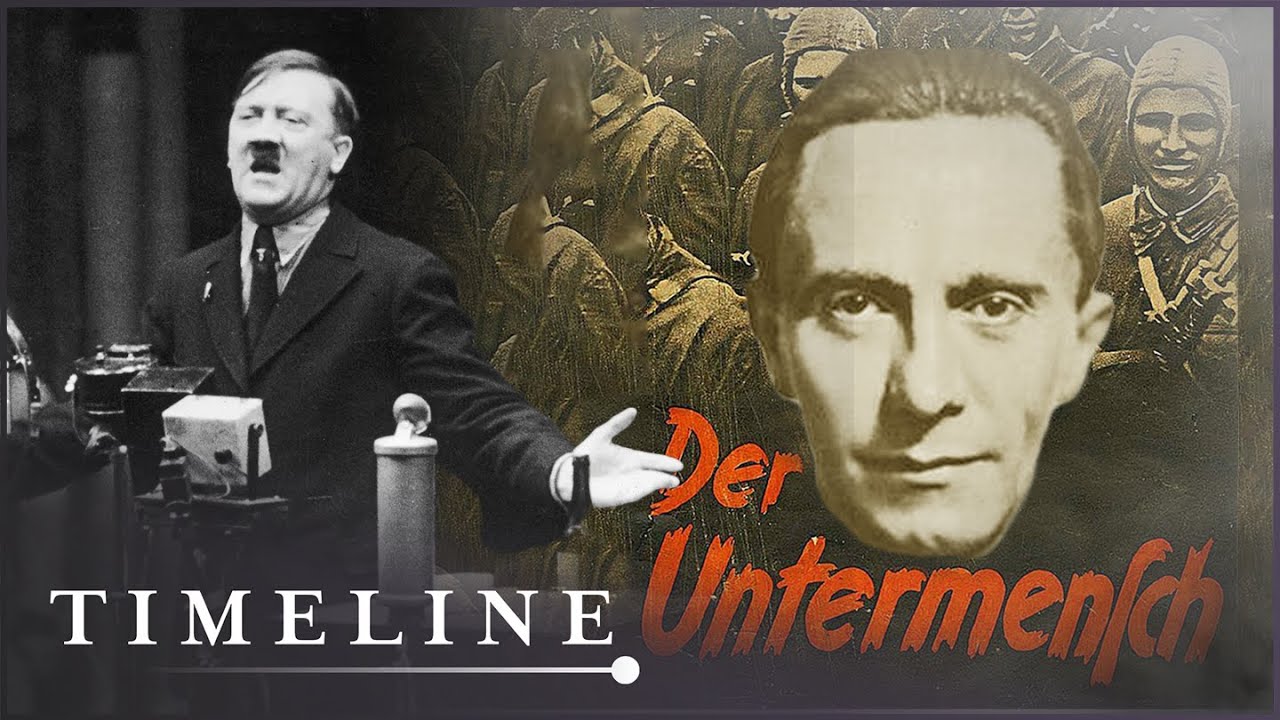
60 million people died as a result of the war ignited by Joseph Goebbels' propaganda, which fueled the Nazi regime's campaign of hate.
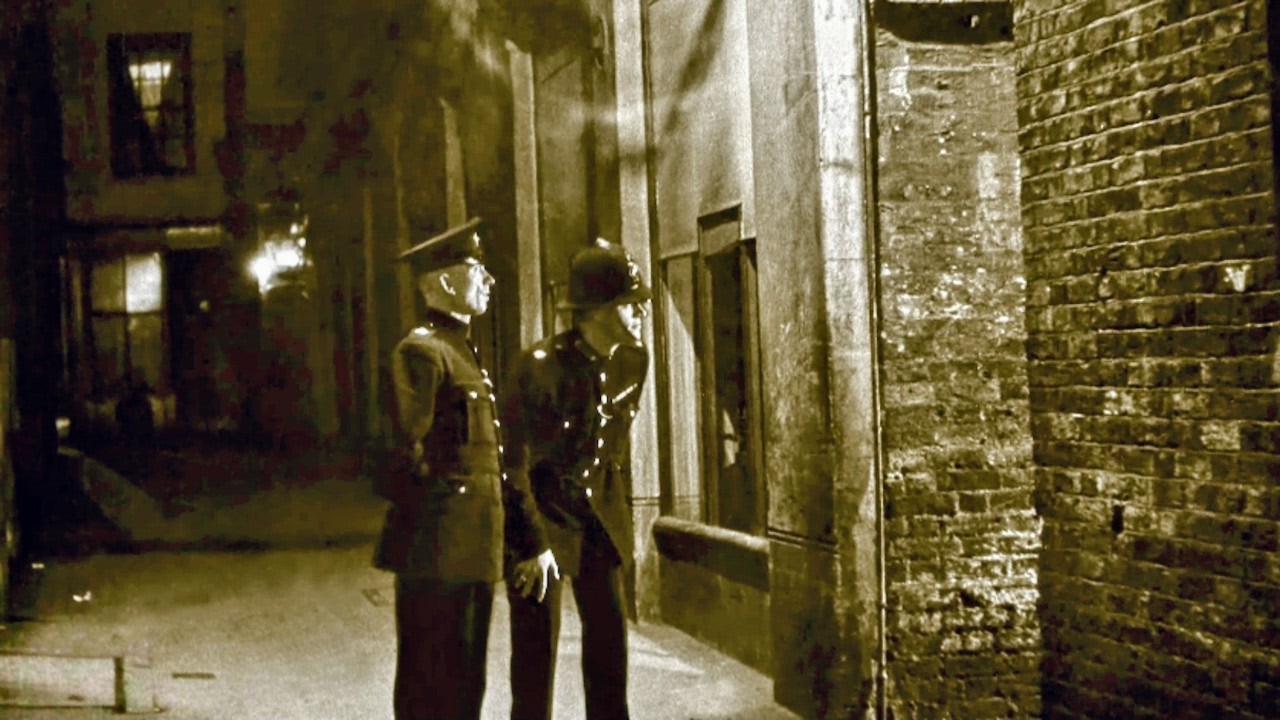
The series examines notorious London crimes, featuring cases like The Bermondsey Horror, Dr Crippen, and The Brides In The Bath Killer through re-enactments and expert insights.
Over 60 miles of cable connect new light fixtures to electronic components in EPCOT's Spaceship Earth as part of a major park transformation.
César Ritz was born on February 23, 1850, in Niederwald, Switzerland, the youngest of 13 children in a family that lived modestly without electricity or running water.
In 1935, Theodor Morell began treating Adolf Hitler for stomach cramps, eventually becoming the dictator's personal physician for over a decade.
Charles Guth's acquisition of a bankrupt rival company ignites a fierce competition in the soda industry, reshaping corporate strategies and consumer choices.
Bashar Al-Assad's regime maintains control over a devastated Syria, where cities like Aleppo lie in ruins and over 90% of the population lives in poverty.
The Nile River, covering a distance of 1,200 km, has been central to Egypt's culture and daily life for over 4,000 years.
The assassination of Philadelphia mob boss Angelo Bruno in 1980 ignites a violent power struggle between the New York and Philadelphia crime families.
Charlemagne, born between 742 and 748, became King of France in 768 and expanded his empire through numerous military campaigns until his death in 814.
On November 15, 1944, the German U-boat U-479 disappeared without a trace in the Baltic Sea during a secret mission.
A live cavalry reenactment involving 30 modern riders attempts to stage a Roman tournament that has not been seen for over 1,600 years.
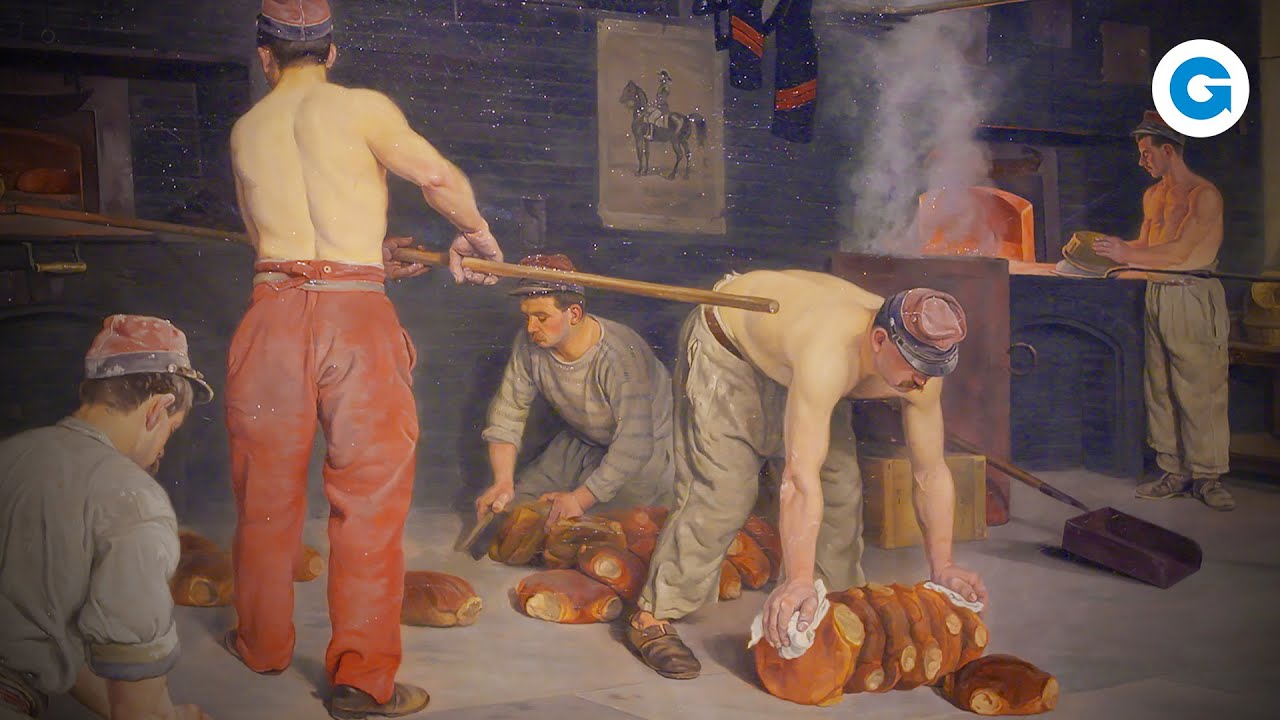
Supermarkets, bread, and refrigerators illustrate the evolution of modern convenience, highlighting their historical significance and future challenges.
Wawata Topu, a group of fearless women divers from Adara, have transformed their community's relationship with the ocean, fostering empowerment and survival.
A young CIA officer, the real-life inspiration for Carrie Matheson from "Homeland," faces a life-threatening kidnapping during a routine intel exchange.
In 15th century England, knights prepared for tournaments while armor evolved to balance protection and mobility, addressing the high mortality rates of combat.
Marie Antoinette's life as the last queen of France illustrates the complexities of her reign and the political turmoil that led to the French Revolution.
Haunted concert halls and union buildings reveal spine-tingling encounters with ghostly figures and inexplicable phenomena that terrify night shift workers.
Henri, King of Navarre, navigates religious conflict in France from 1589 to 1610.
Edison and Westinghouse battle to provide electricity for America, leading to a flawed electric chair execution.
Wisconsin's bar and brewing history showcases the evolution from stagecoach taverns to craft breweries, highlighting the cultural significance of these establishments.
The Apollo 11 moon landing remains a contentious topic, with 10-15% of Americans questioning its authenticity, prompting an exploration of popular conspiracy theories.
A catastrophic asteroid strike 65 million years ago led to the extinction of dinosaurs, reshaping Earth's biodiversity and paving the way for human evolution.
Rare Aerosmith memorabilia is tracked down by Mike Wolfe and Frank Fritz in a compilation from American Pickers, highlighting significant pieces of rock history.
Suleiman I, born on November 6, 1494, transformed the Ottoman Empire into a superpower during his reign from 1520 until his death in 1566.
Jerash, an ancient city in Jordan founded by Alexander the Great's veterans, evolved from a Hellenistic settlement into a prominent Roman metropolis.
In Vladivostok, a kilometer-long network of secret military tunnels, an abandoned V2 rocket fuel factory in Peenemünde, and a ghost town in Apice, Italy, reveal the remnants of forgotten histories.
The Polish Jews in the Warsaw Ghetto resist German oppression during World War II.
In Bath, Time Team investigates parch marks in the Royal Crescent park lawn, suggesting a Roman road, and explores Roman sarcophagi linked to St. Andrew's Church.
The Vichy government, established in France after the 1940 defeat, collaborated with Nazi Germany and faced widespread resentment for its role in the Holocaust.
Richard Nixon was born on January 9, 1913, in Yorba Linda, California, to a poor family of Quaker descent, the second of five boys.
The Soviet campaign in Manchuria in 1945 significantly weakened the Imperial Japanese Empire, overshadowed by Japan's surrender following the atomic bombings.
In August 1977, the Enfield Poltergeist case in a north London suburb involved 11-year-old Janet Hodgson and attracted attention from journalists and investigators like Maurice Grosse.
On March 13, 1996, three residents were murdered in Warilla, New South Wales, leading to an investigation that revealed a calculated crime rather than a robbery.
Pericles' strategic response to the onset of the Peloponnesian War highlights Athens' efforts to defend against Spartan attacks and maintain its empire.
In 2011, the Fukushima Nuclear Disaster exposed the political and financial interests of TEPCO and the Japanese Government, while its health and environmental impacts remain largely unexamined.
90% of Stalingrad was captured by German forces during a four-month battle that ultimately led to a decisive Soviet counteroffensive.
Seven days of grand ceremonies mark the wedding of Indian prince Dhananjay Singh, blending traditional customs with modern influences.
In 1930s Germany, the Hitler Youth served as a key organization in indoctrinating children to support Adolf Hitler's regime and military efforts.