From over 100,000 films, discover the handful you'll love.
Free or premium access to the world's largest documentary library.
22469 films(Page 4 of 469)
Around 75% of all species on Earth vanished after an asteroid impact near the Yucatán Peninsula 66 million years ago.
China is building airstrips on disputed islands in the South China Sea, raising concerns about escalating tensions with the United States.
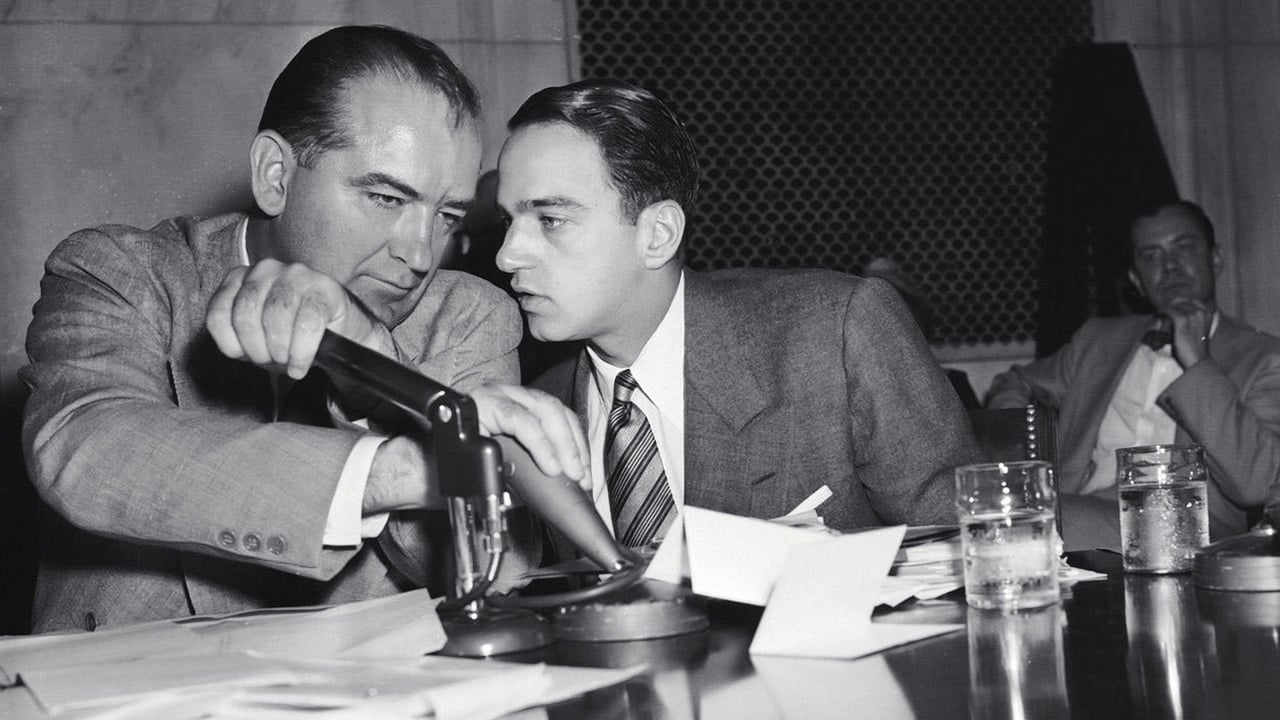
At age 20, Roy Cohn graduated from Columbia Law School and became a prominent figure in American politics, influencing leaders like Donald Trump.
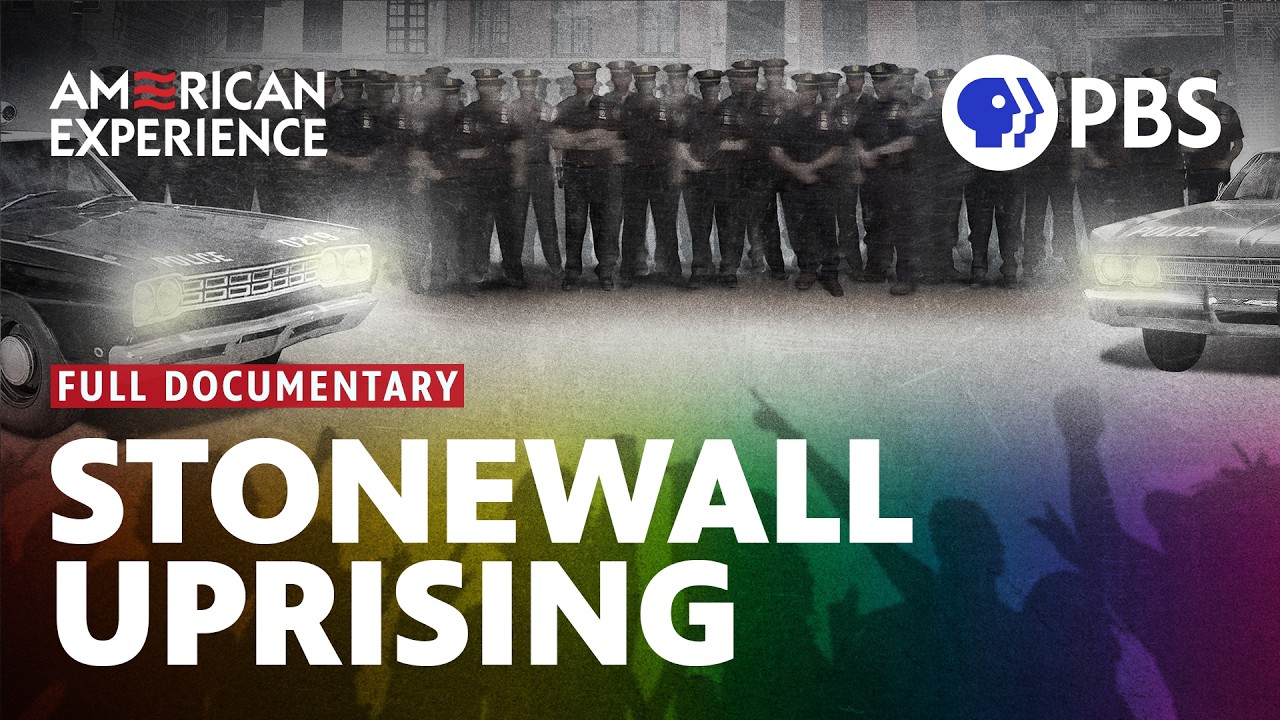
On June 28, 1969, patrons at the Stonewall Inn refused to leave during a police raid, sparking protests that lasted several days.
Thirty children live in a slum in Saigon, relying on shoe shining and petty crime for survival amid the chaos of the Vietnam War.
From late October to mid-December 1943, San Pietro was the site of intense fighting as Allied forces sought to capture the town from German troops.
Thousands of individuals trapped in The Twin Towers made recorded messages and private calls to loved ones during the September 11 attacks.
The global financial collapse of 2008 led to the disintegration of European economies and raised critical questions about the future of the global economy.
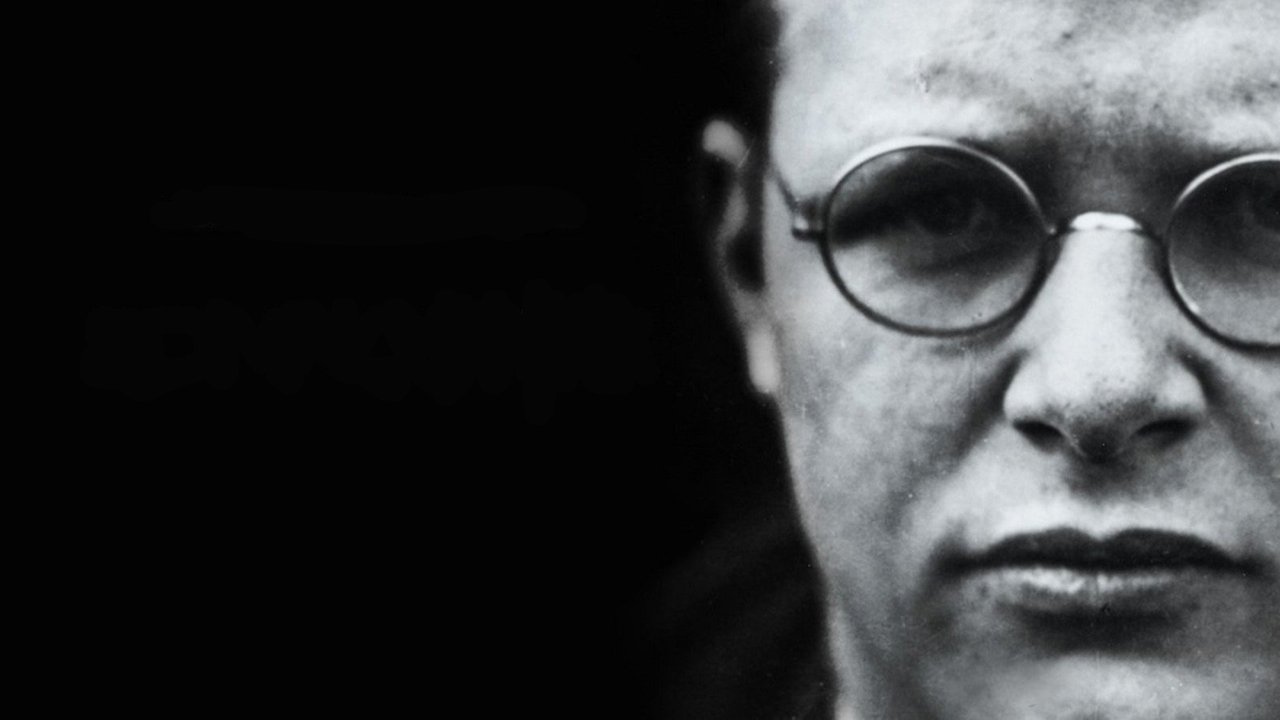
Dietrich Bonhoeffer, a German theologian, opposed the Nazi regime and was arrested by the Gestapo in 1945 for his involvement in plots to assassinate Adolf Hitler.
Chicago's creative community revolutionized modern advertising, shaping consumer behavior and culture in America for generations to come.
Twenty-six miners died in the Westray coal mine disaster on May 9, 1992, due to a methane and coal dust explosion in Nova Scotia.
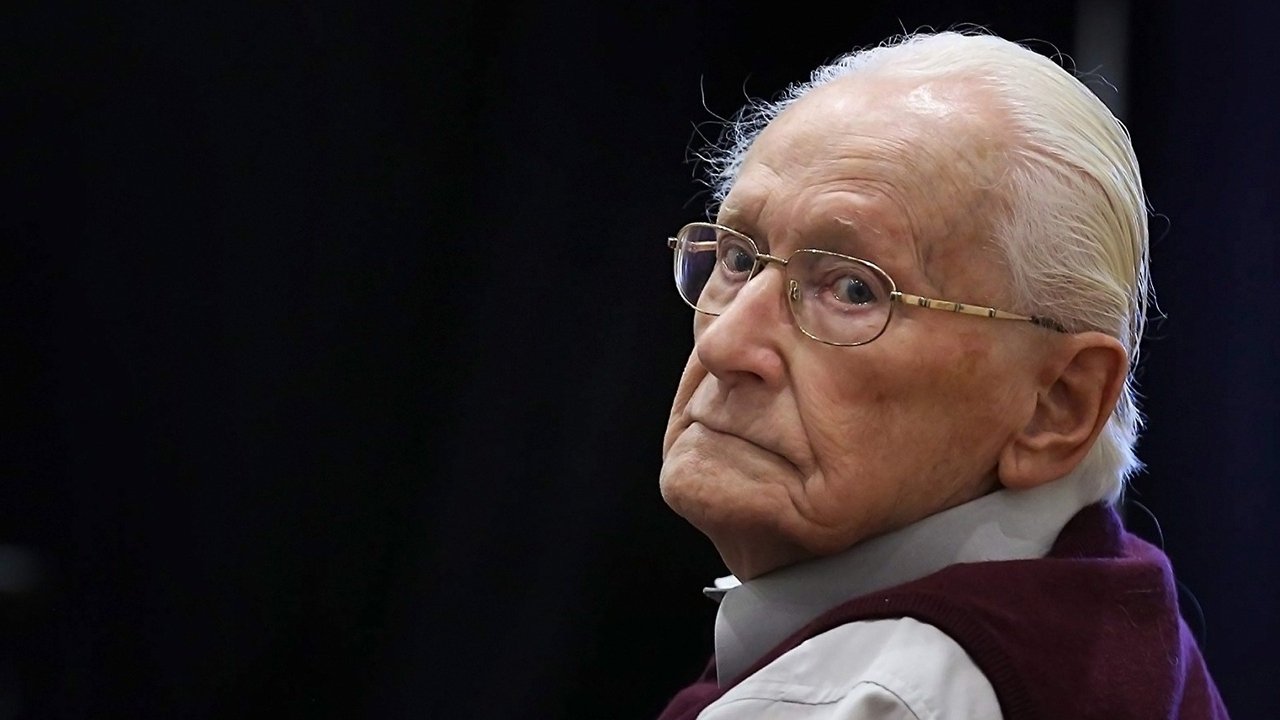
At 94 years old, Oskar Gröning stands trial in 2015 for his role in the murder of 300,000 Jews during the Holocaust at Auschwitz.
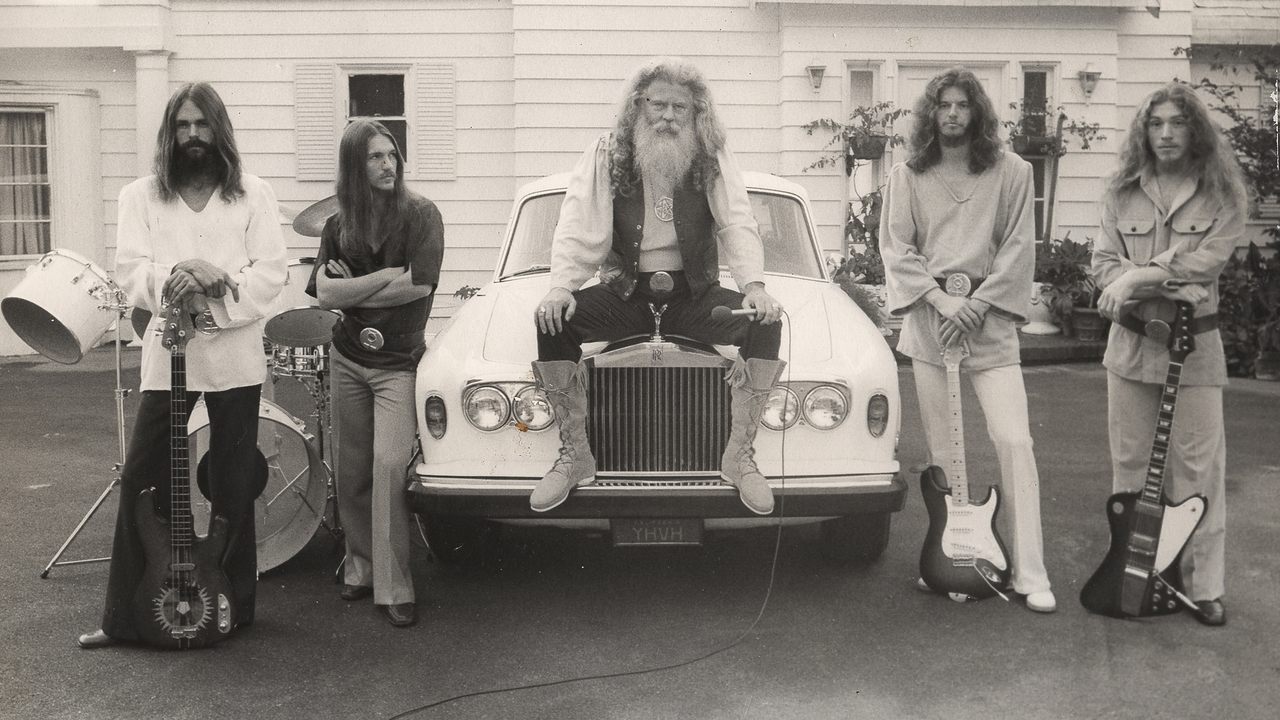
Over 60 cities screened a feature documentary about Father Yod and the Source Family, a group known for their radical communal lifestyle in 1970s Hollywood.
Bodybuilders clash in a fierce showdown for bodybuilding supremacy.
In the Occupied Territories of the West Bank and Gaza, John Pilger interviews Israelis and Palestinians to explore the ongoing conflict and the Gaza blockade's impact.
Peter Joseph presents insights from Jacque Fresco and John Perkins, exploring the roots of global issues like war and poverty while proposing societal reforms.
The 14th Amendment is cited in more litigation than any other amendment, shaping the fight for equal rights in America.
Interviews with 1980s and 1990s actors and filmmakers reveal how iconic action films like "Die Hard" and "Rambo" shaped modern cinema.
Media coverage of war has evolved significantly from the First World War to contemporary conflicts, shaping public perception and understanding of military actions.
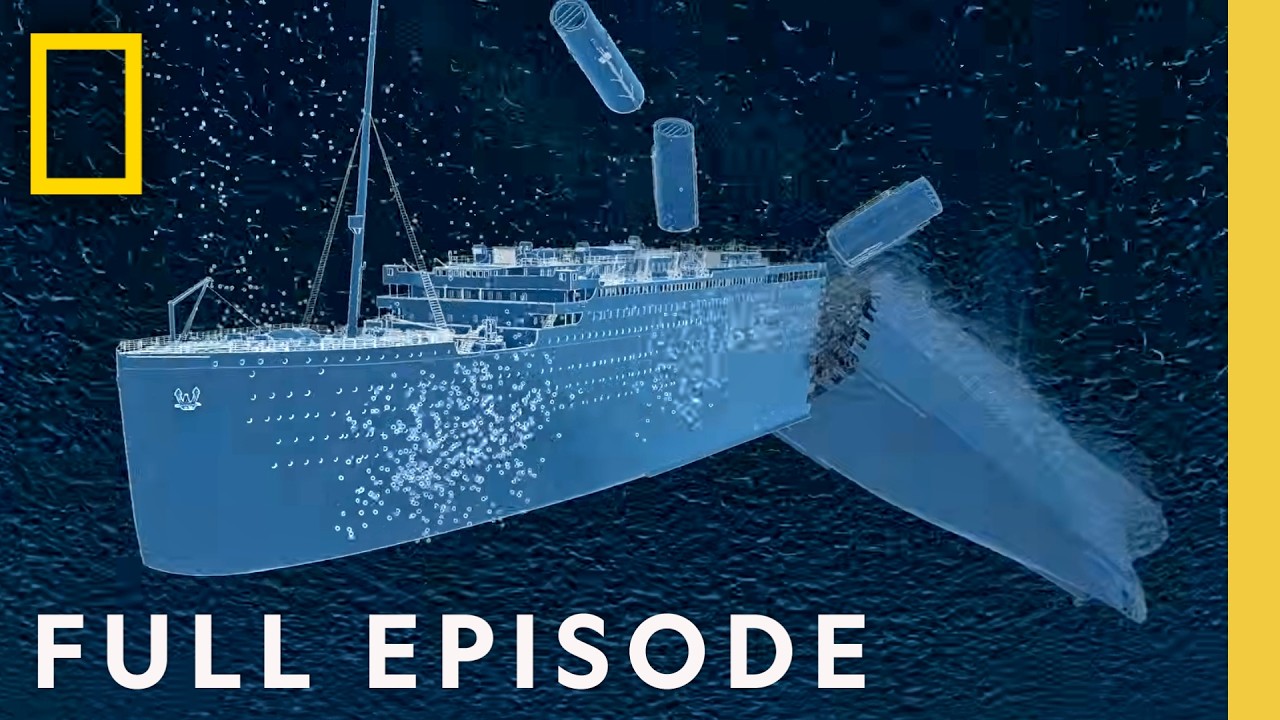
A cutting-edge undersea scanning project has created the first high-resolution 3D Digital Twin of the Titanic, revealing new insights into the shipwreck's history.
Children affected by the Chernobyl disaster continue to suffer from severe health issues, with thousands facing cancer and ongoing treatment challenges.
Three key figures-Treasury Secretary Henry Paulson, Federal Reserve Chair Ben Bernanke, and New York Fed President Timothy Geithner-worked to prevent economic collapse during the 2008 financial crisis.
African-American soldiers played a crucial role in World War II, contributing significantly to the American war effort and challenging racial stereotypes.
One hundred million hits of acid were distributed by the Brotherhood of Eternal Love, a group of surfers and hippies in Southern California during the 1960s and 1970s.
At least 6 million people died in Nazi Germany's system of camps, including more than 3 million Jews, as documented by Allied footage from 1945.
Apache helicopter pilots and their crews demonstrate exceptional courage and adaptability during a high-stakes mission in Iraq in March 2003.
In 1946, the brutal beating of Black army sergeant Isaac Woodard by a South Carolina police chief sparked national outrage and influenced civil rights legislation.
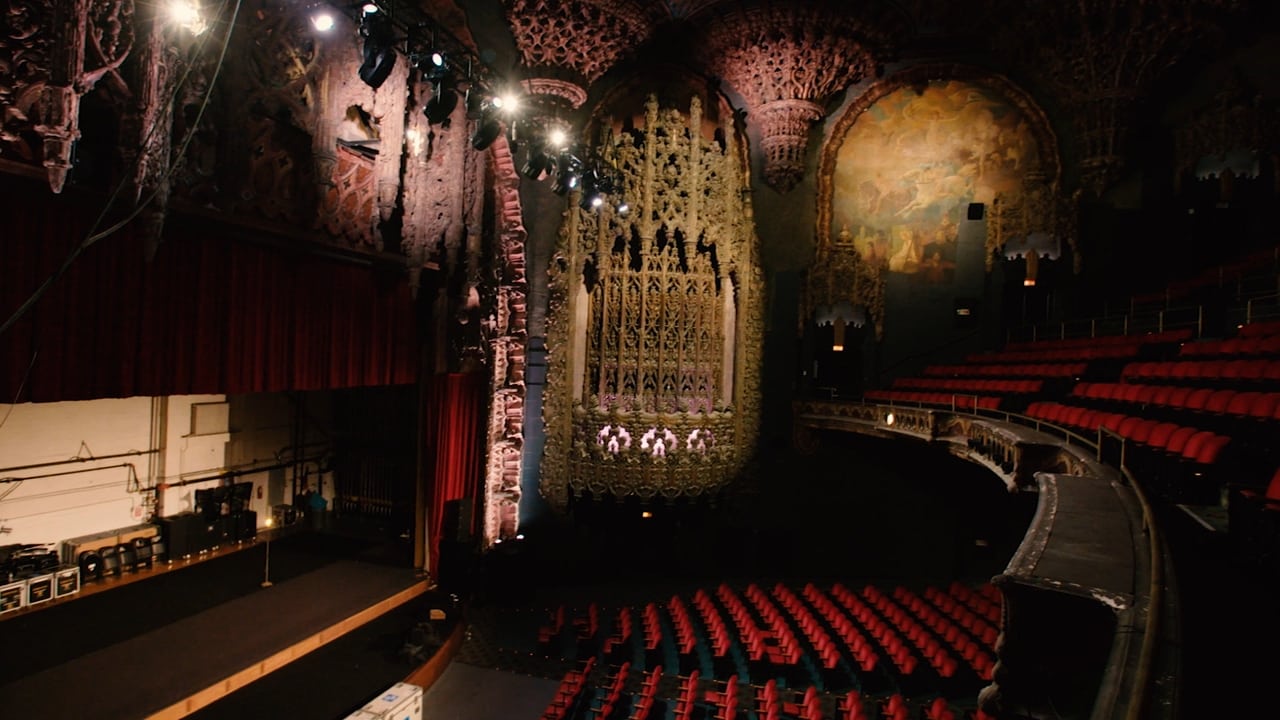
Iconic movie palaces like the Fox Theatre in Detroit and Grauman's Chinese Theatre in Los Angeles highlight the architectural and cultural significance of cinema's golden age while addressing their decline and preservation efforts by the Theatre Historical Society of America.
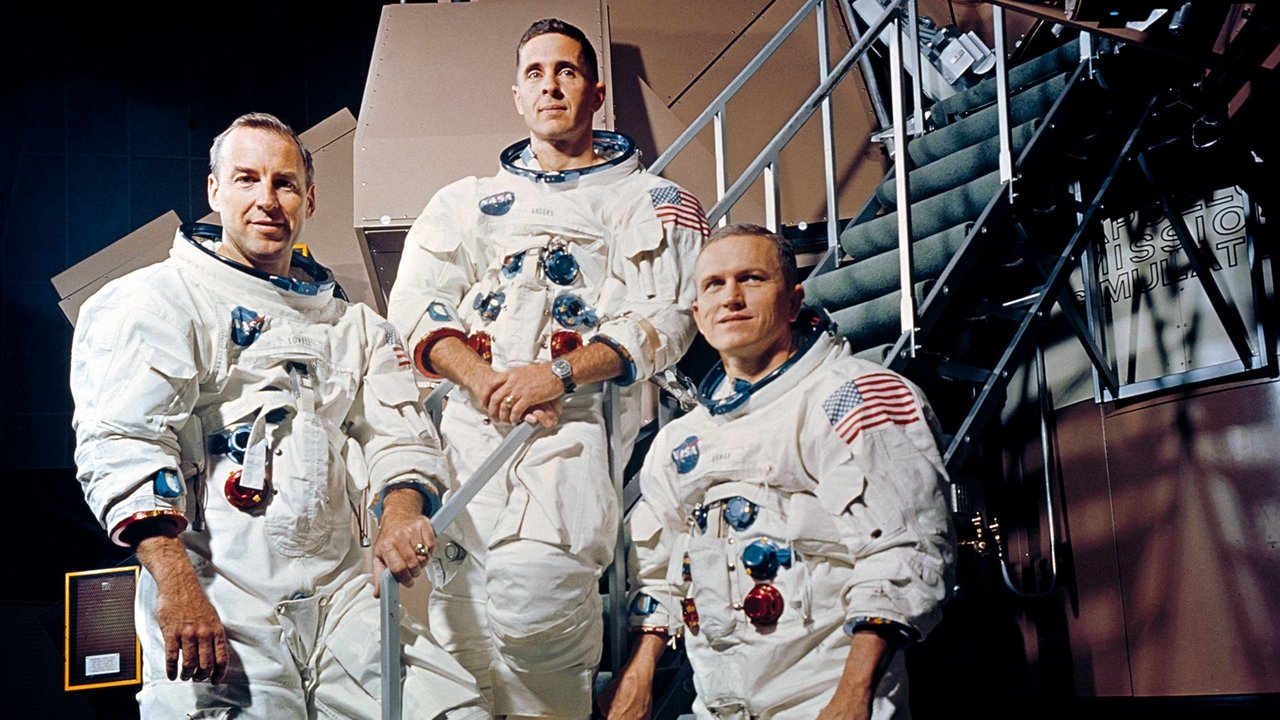
Apollo 8 launched on December 21, 1968, becoming the first crewed spacecraft to leave low Earth orbit and orbit the Moon before returning safely to Earth.
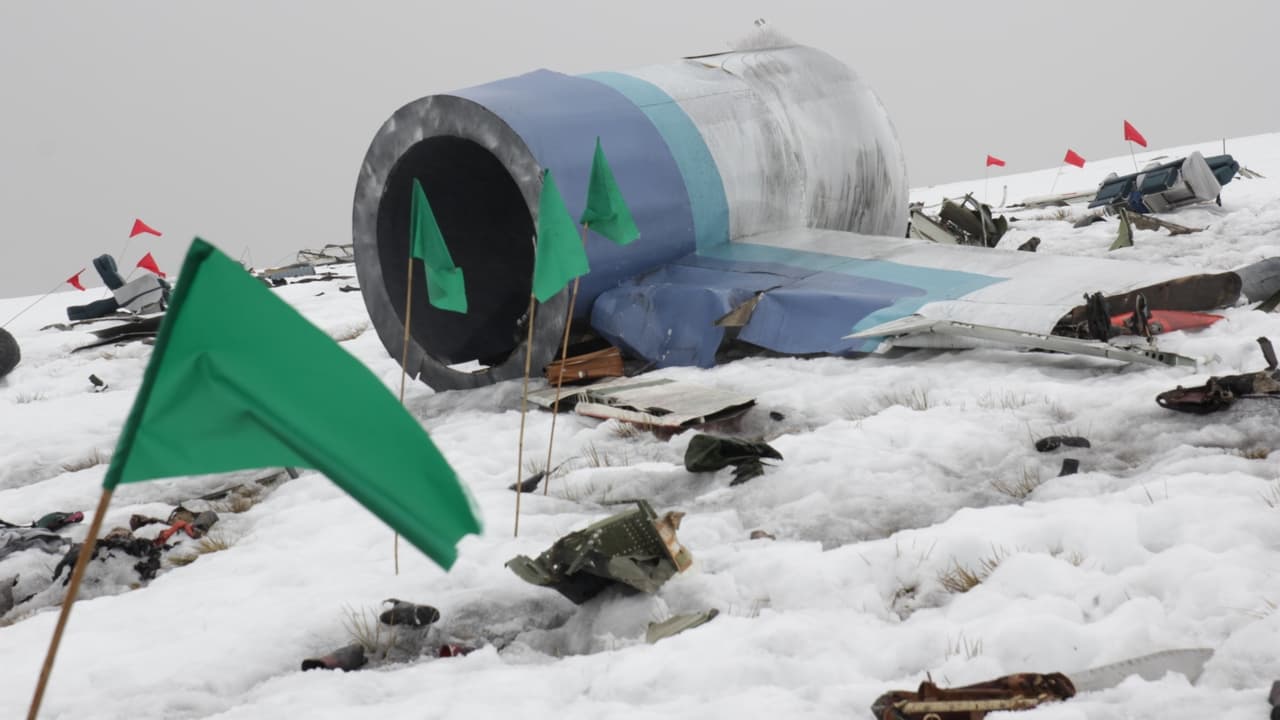
257 passengers were aboard Air New Zealand Flight 901 when it crashed into Mount Erebus during a sightseeing tour over Antarctica on November 28, 1979.
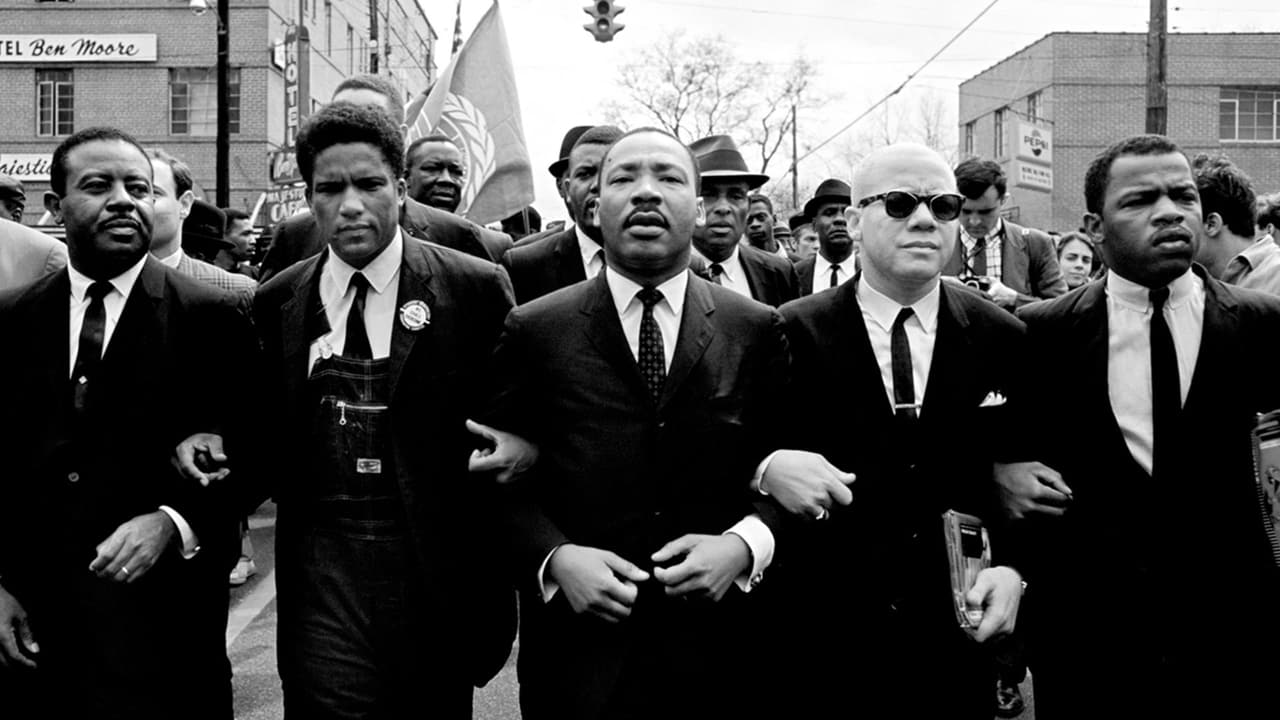
Dr. Martin Luther King Jr. led significant events in the civil rights movement, including the Montgomery Bus Boycott and the March on Washington.
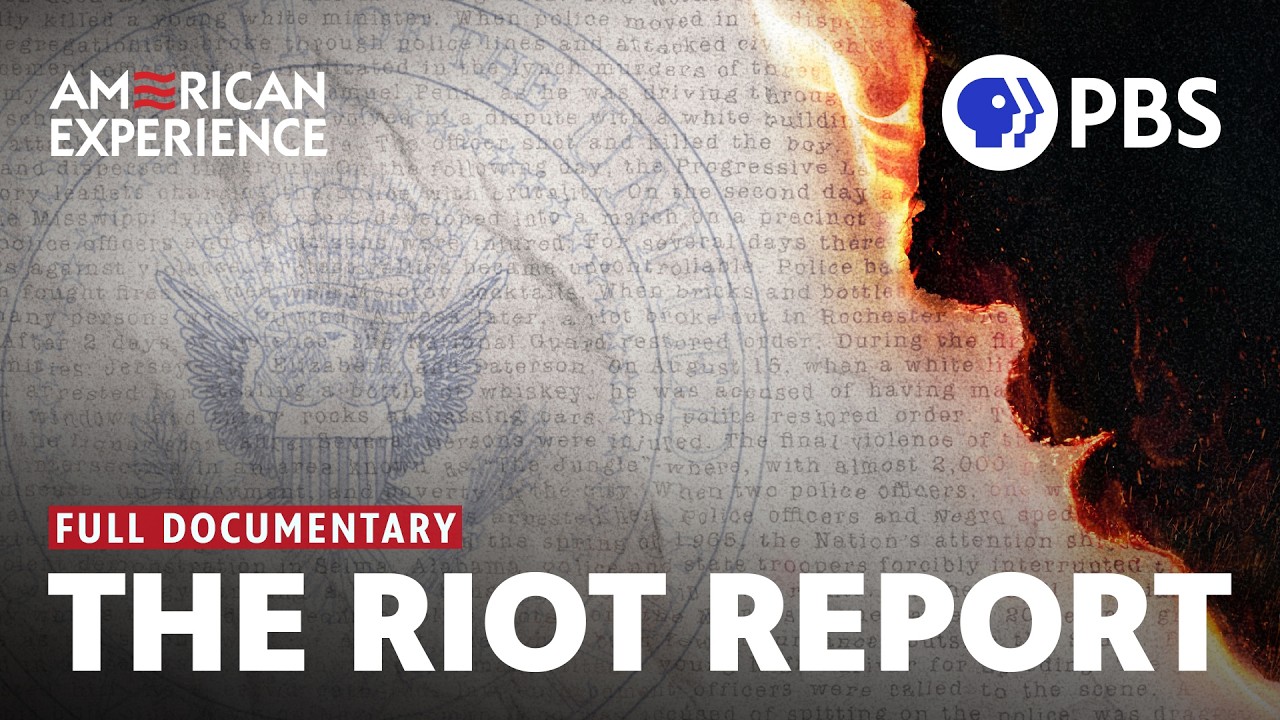
The Kerner Commission's 1968 report on the 1967 riots provided a candid analysis of American race relations, yet faced political rejection from President Johnson.
The Camp Fire, California's most destructive wildfire, is examined through survivor accounts and expert insights on its causes and climate change's role.
Daniel Mergler meets with his final student, nine-year-old Xin Ben Yu, 26 times over the course of one year as he faces terminal cancer.
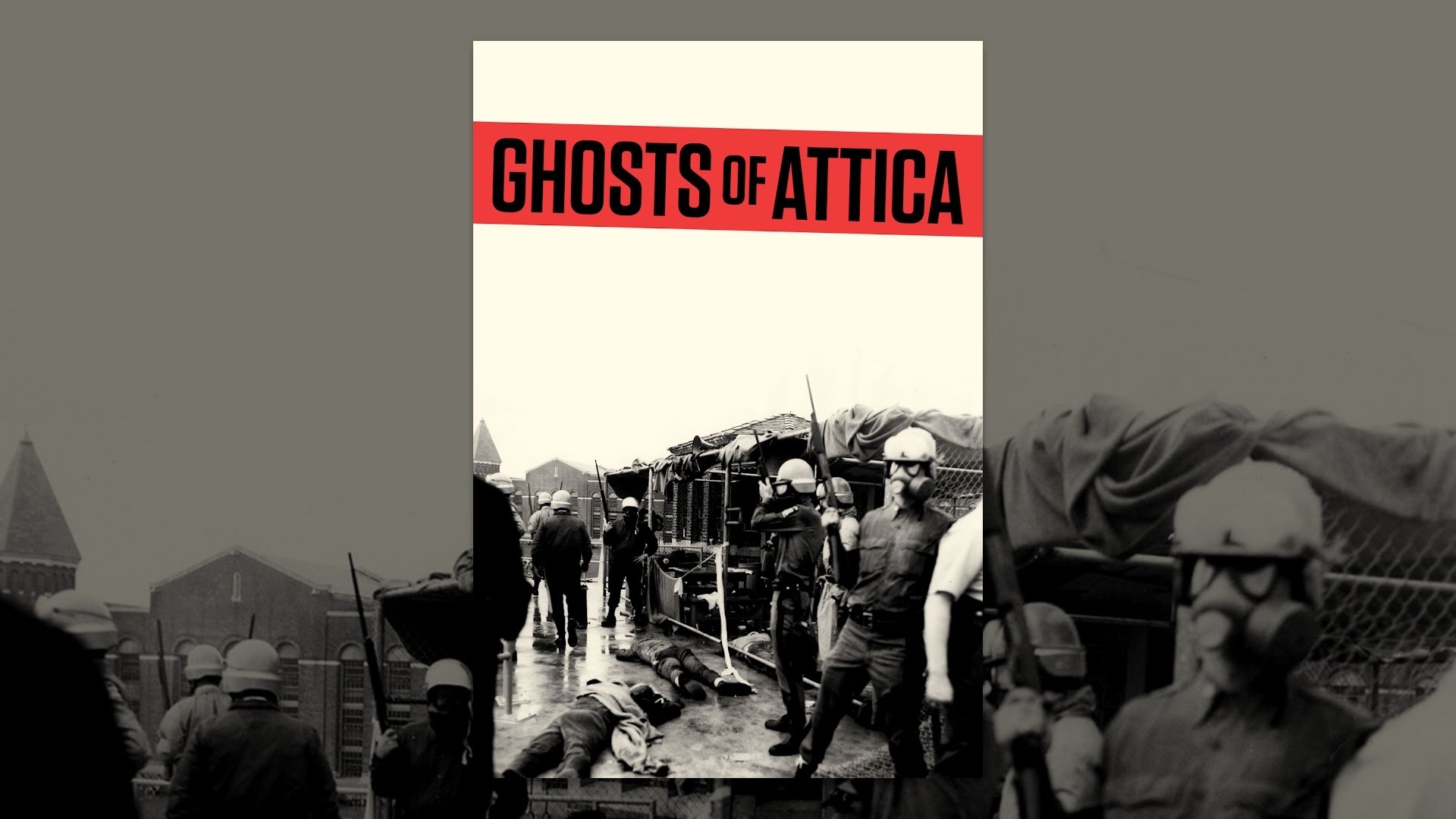
America's most violent prison rebellion at Attica Correctional Facility in 1971 led to deadly suppression, torture, and a nearly 30-year legal battle.
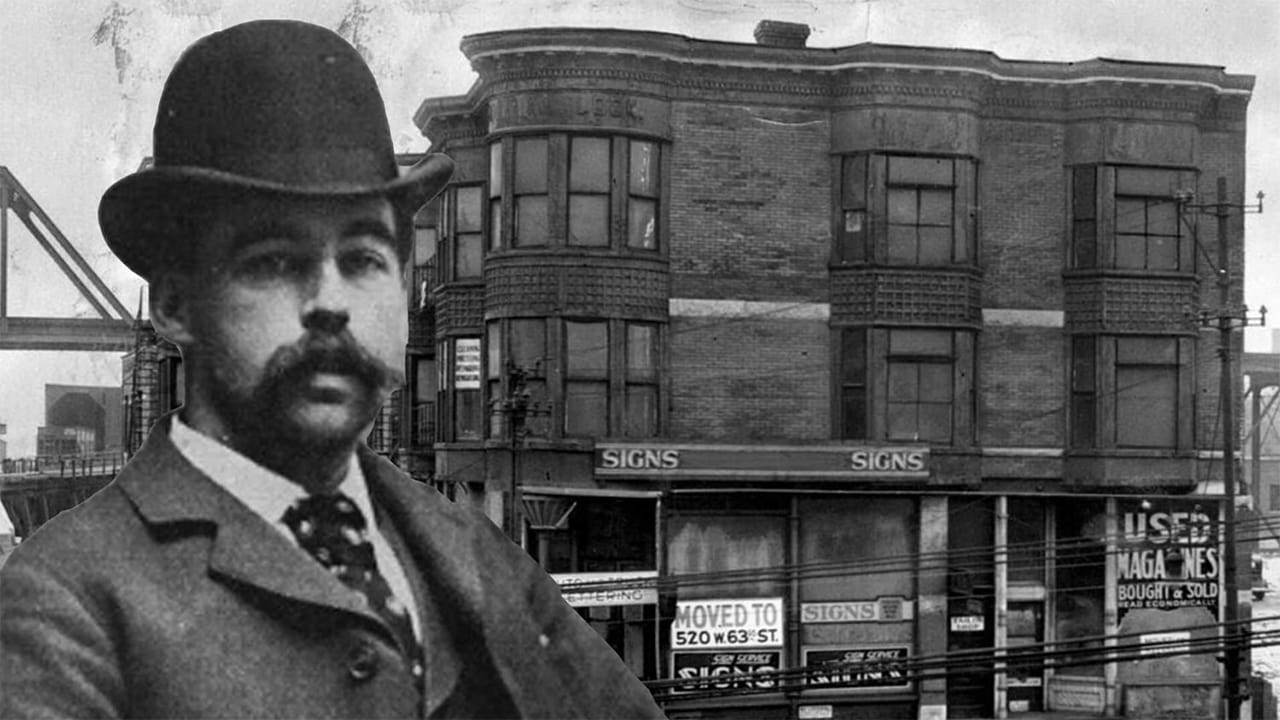
Over 100 rooms in H.H. Holmes' hotel were designed with hidden traps, including torture chambers and gas rooms, to facilitate his murders.
Ancient skywatchers and modern astronomers reveal the Milky Way's evolution, exploring its mythology and the scientific methods used to map its structure.
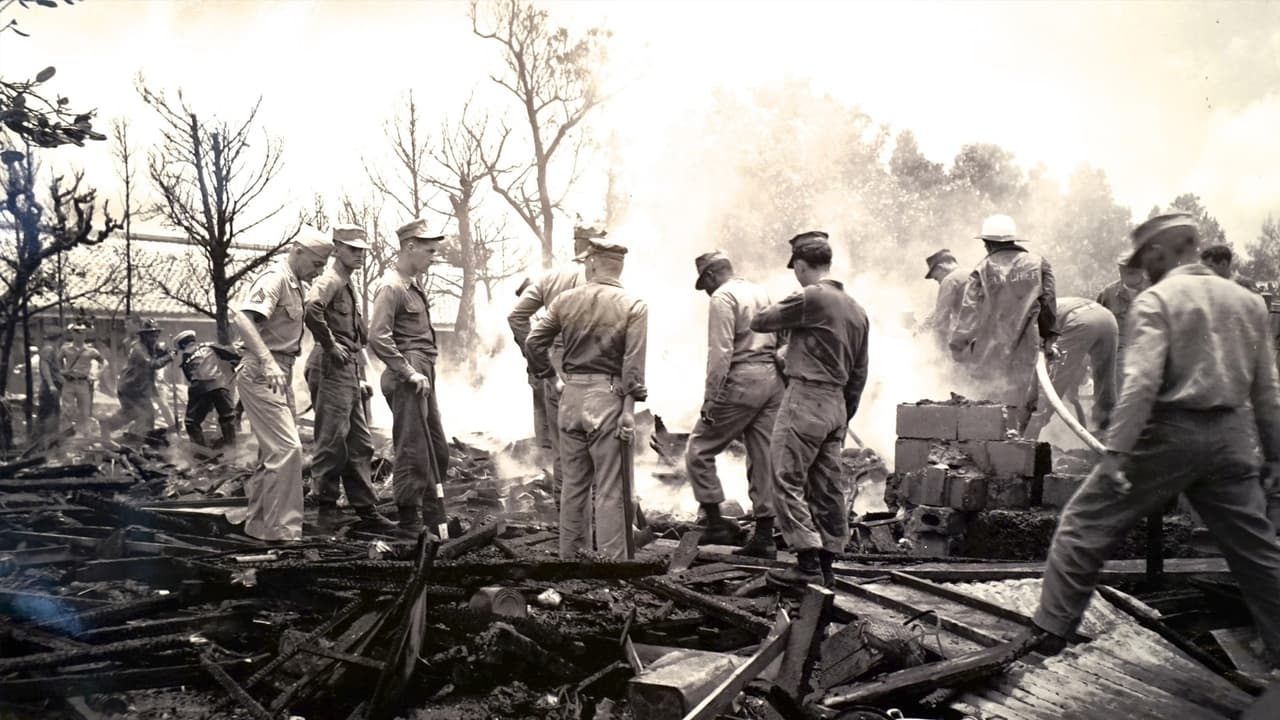
The Hindenburg airship met its tragic end during its final flight in May 1937 at Naval Air Station Lakehurst in New Jersey.
In 2010, former police investigator Andre Zikov posted evidence on YouTube detailing Vladimir Putin's alleged involvement in corruption and organized crime.
310 Afghan soldiers and police die each month, as Ben Anderson documents the challenges facing U.S. efforts to train local security forces before withdrawal.
By the 1970s, over 60,000 Americans had been sterilized under eugenics policies that aimed to control reproduction and improve societal health.
30,000 years ago, a young she-wolf made a choice that led to the domestication of dogs, transforming them into essential companions for humans.
Before the 1960s, the prevailing view of how markets worked was rarely expressed, marking a significant shift in investment strategies.
The 2010 Gaza Freedom Flotilla, aimed at delivering humanitarian aid, faced a deadly Israeli raid that resulted in the deaths of ten activists amid conflicting narratives.
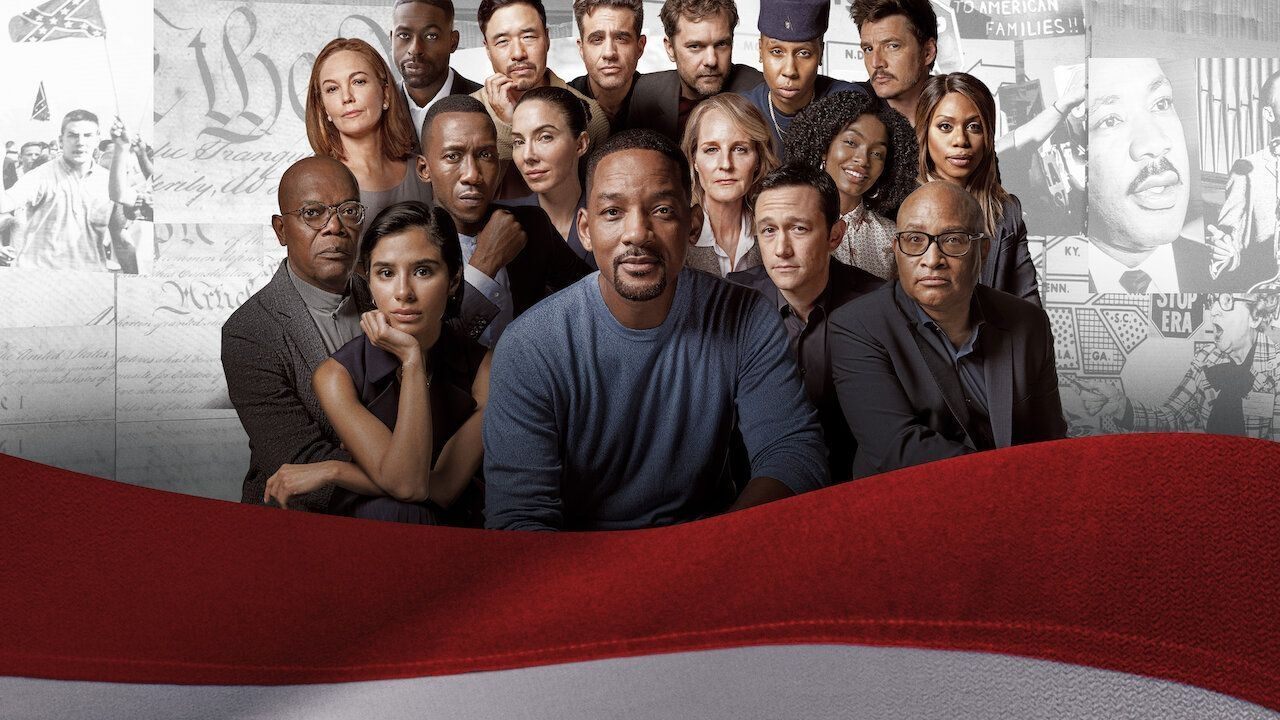
The 1619 Project has expanded into a book, podcast, and documentary series since its launch in 2019, examining slavery's impact on American society.
A bear cub named Winnie is left at the London Zoo after soldiers depart from White River, Ontario.
House Music emerged from the decline of disco in the 1970s, showcasing contemporary artists and their personal stories through vibrant visuals and historical context.
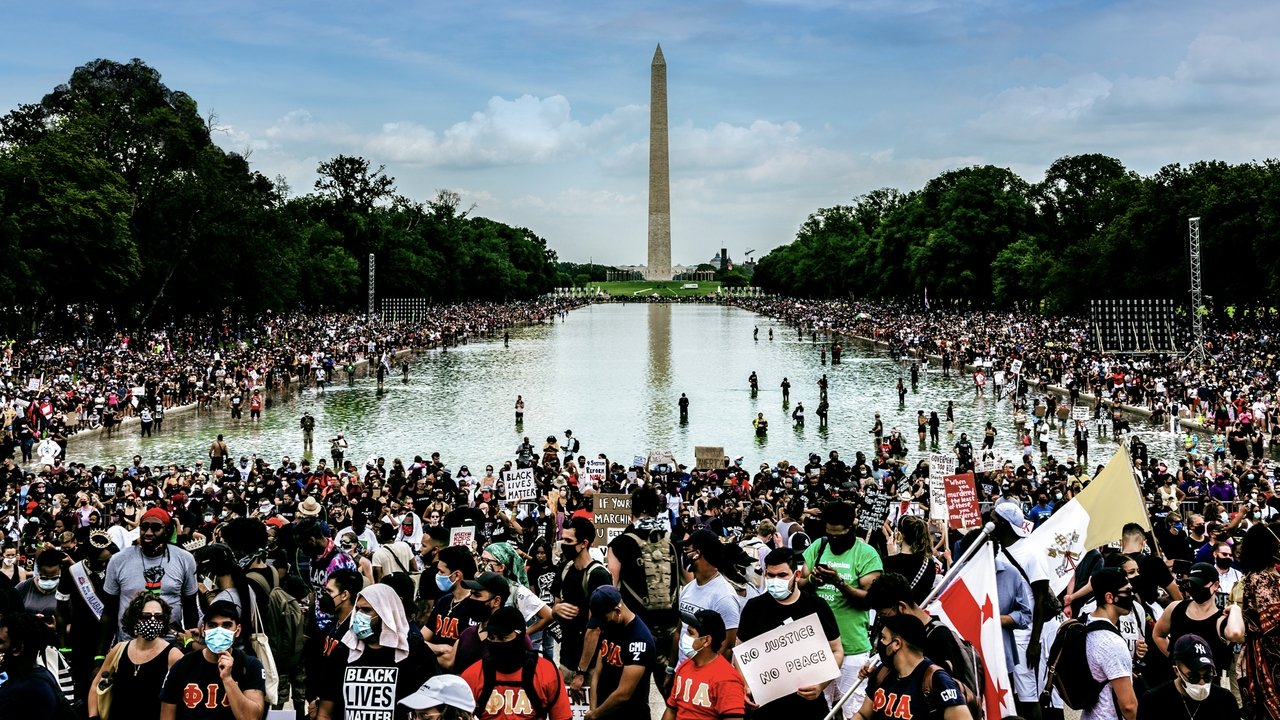
More than 50 years after Martin Luther King Jr.'s 'I Have a Dream' speech, activists gathered at the Lincoln Memorial for the 2020 March on Washington.