From over 100,000 films, discover the handful you'll love.
Free or premium access to the world's largest documentary library.
22463 films(Page 233 of 468)
Boulder, Colorado, features actual files from the late 1960s and early 1970s that document the hippie movement and its impact on local culture.
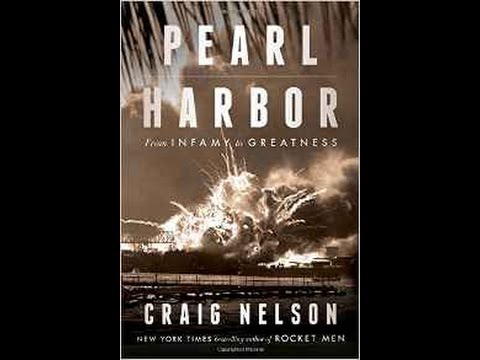
2,403 Americans died during the Japanese attack on Pearl Harbor on December 7, 1941, which led to the United States entering World War II.
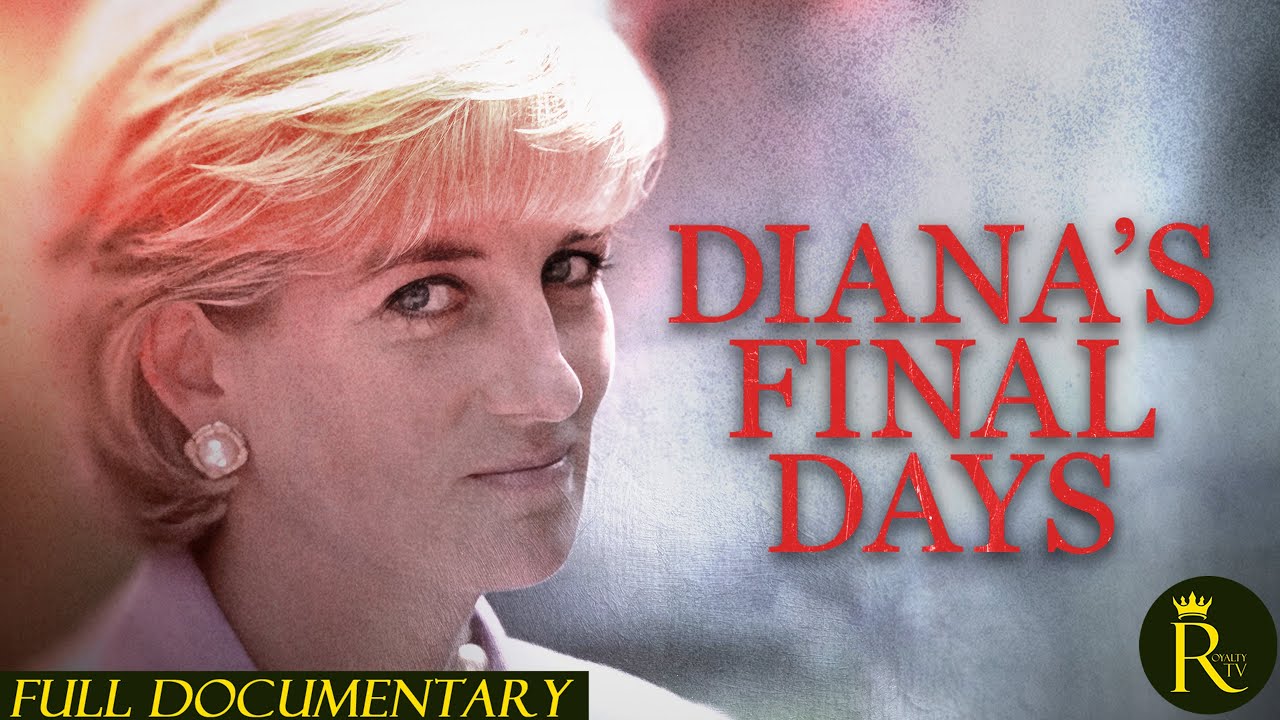
Princess Diana's final days are examined through her complex relationship with the media, her role within the royal family, and the public's enduring fascination.
Historian Steven Hahn examines the evolution of slavery in American history through narratives, resistance, and the impact of the Civil Rights Movement.
Henry Kissinger reflects on his friendship with John McCain, recalling their connection during the Hanoi negotiations and McCain's experiences as a POW.
Three former "comfort women" from South Korea, China, and the Philippines confront their traumatic past and seek justice from the Japanese government decades after World War II.
CBC Radio's production complexities across six time zones are explored through candid moments and the diverse individuals who contribute to Canada's radio landscape.
Ancient cities reveal gladiator arenas, hidden tunnels, and barbarian strongholds that shaped some of history's fiercest battles in this marathon from Cities of the Underworld.
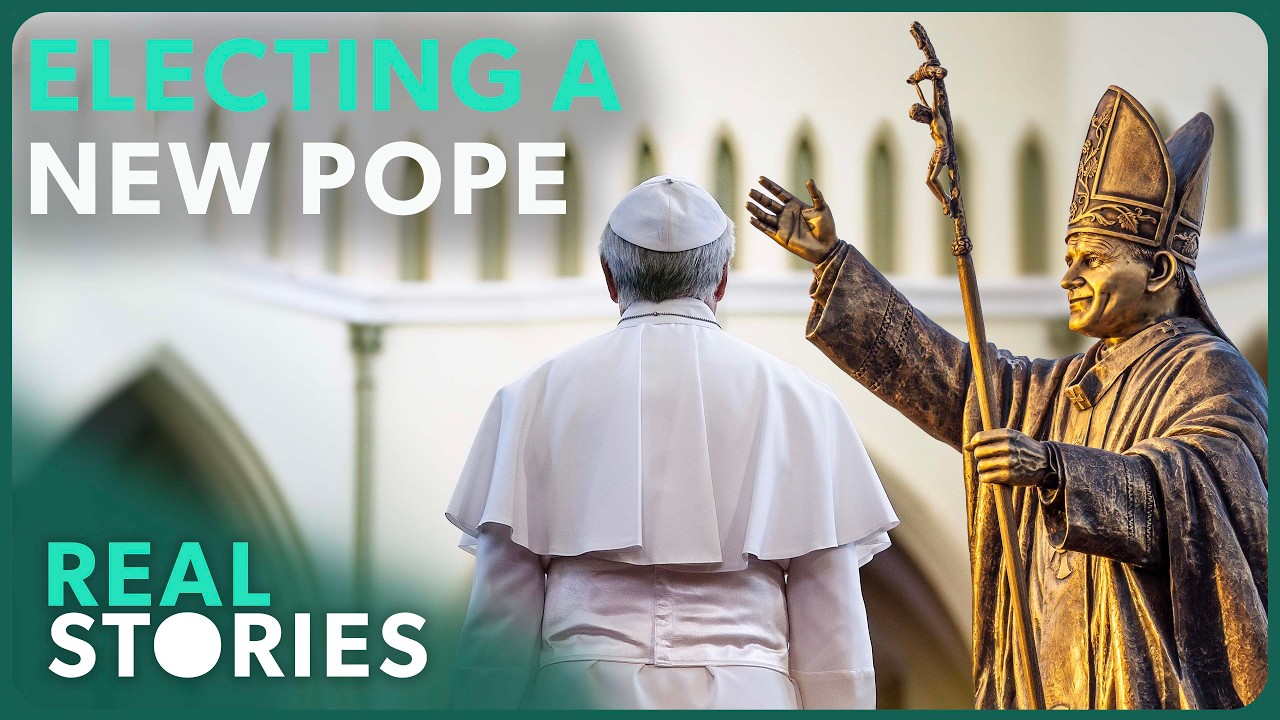
Jorge Mario Bergoglio's election as Pope Francis marked a transformative moment for the Catholic Church, addressing its past scandals and future reforms.
The Canadian Corps transformed from untrained volunteers into a formidable force during World War I, notably at the battles of Montserrat and Hill 70.
Twenty cowboys work on a 25,000-acre ranch in Mexico, where they round up cattle and maintain a connection to their agricultural heritage.
Aileen Wuornos in Florida, Joanna Dennehy in England, and Maria Felicia Feldt in Germany exemplify the disturbing reality of female serial killers and their crimes.
A South American mummy with visible wounds raises questions for the Mummy Research Team about the possibility of violent crime in ancient times.
On October 13, 1996, the body of 18-year-old Angélique Dumetz is found in a ditch in Oise forest, revealing a crucial clue at the crime scene.
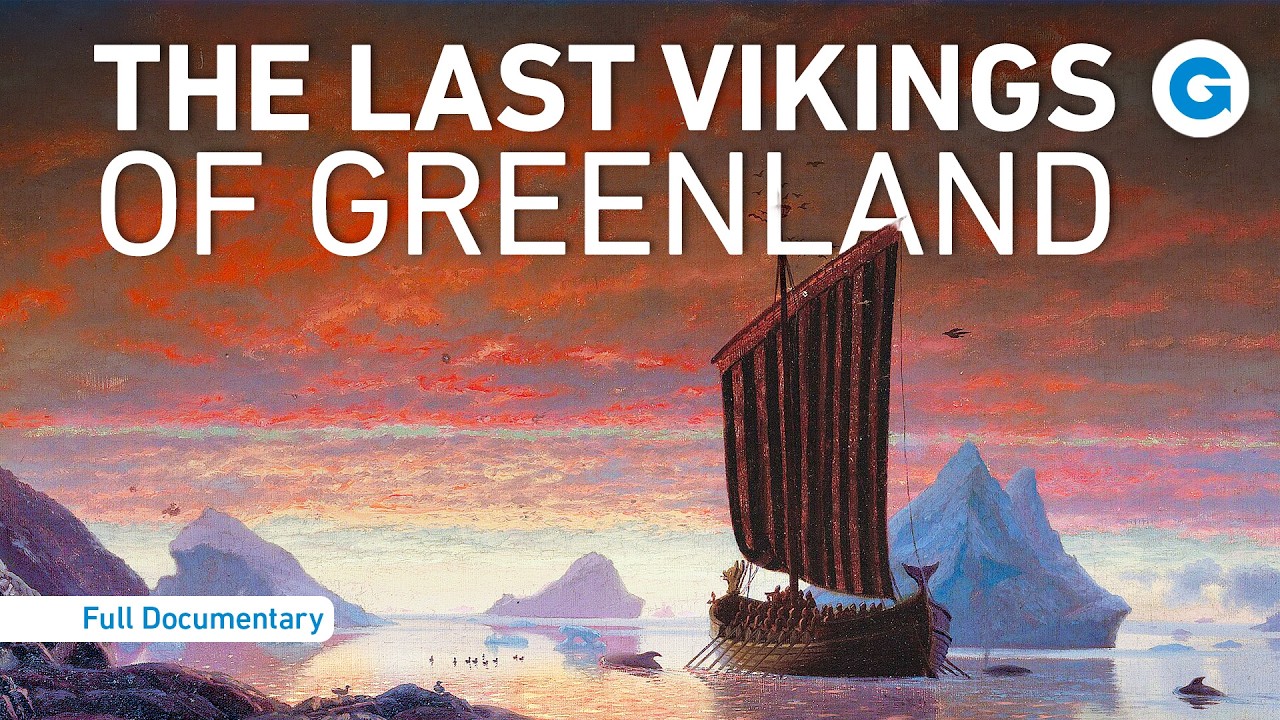
In 985 AD, Erik the Red led Vikings to establish two settlements in Southern Greenland, which thrived for centuries before mysteriously vanishing by the 15th century.
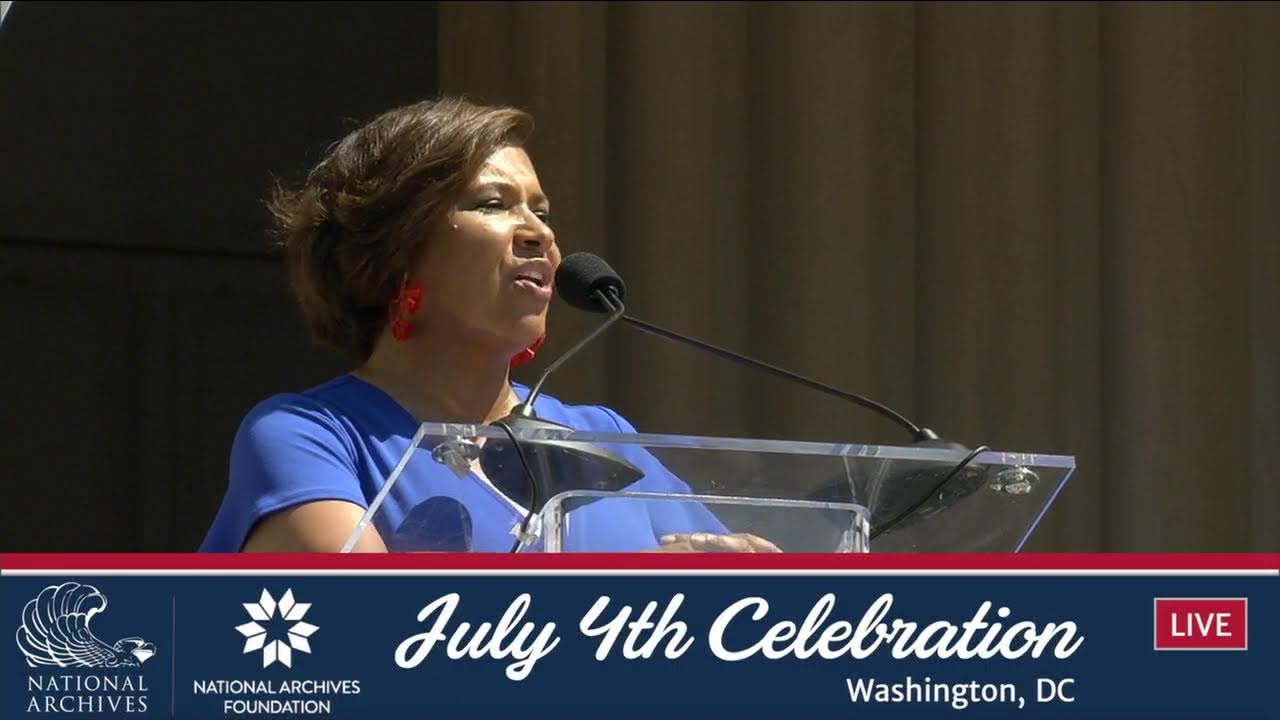
The National Archives hosts a reading ceremony of the Declaration of Independence on July 4th, supported by the National Archives Foundation and sponsors like John Hancock.
Operation Oak, the 1943 rescue of Benito Mussolini, is reexamined through new evidence, revealing a different narrative of Nazi propaganda and military actions.
Sifa Suljic returns to Bosnia to bury her last family member lost in the Srebrenica massacre, reflecting on the violence and divisions that persist in the region.
Charles I struggles to maintain the monarchy amid the political turmoil of the English Civil War, ultimately becoming the first English king to be executed.
The final stages of World War II are examined, highlighting key events from the Battle of Leyte Gulf to the atomic bomb's impact and the Nuremberg Trials.
Prince William and Prince Harry's relationship evolved from close brothers to rivals, shaped by duty, media scrutiny, and their differing roles within the British monarchy.
Britain's oldest towns, from Roman settlements to medieval hubs, reveal their rich histories through ancient landmarks and local expert insights.
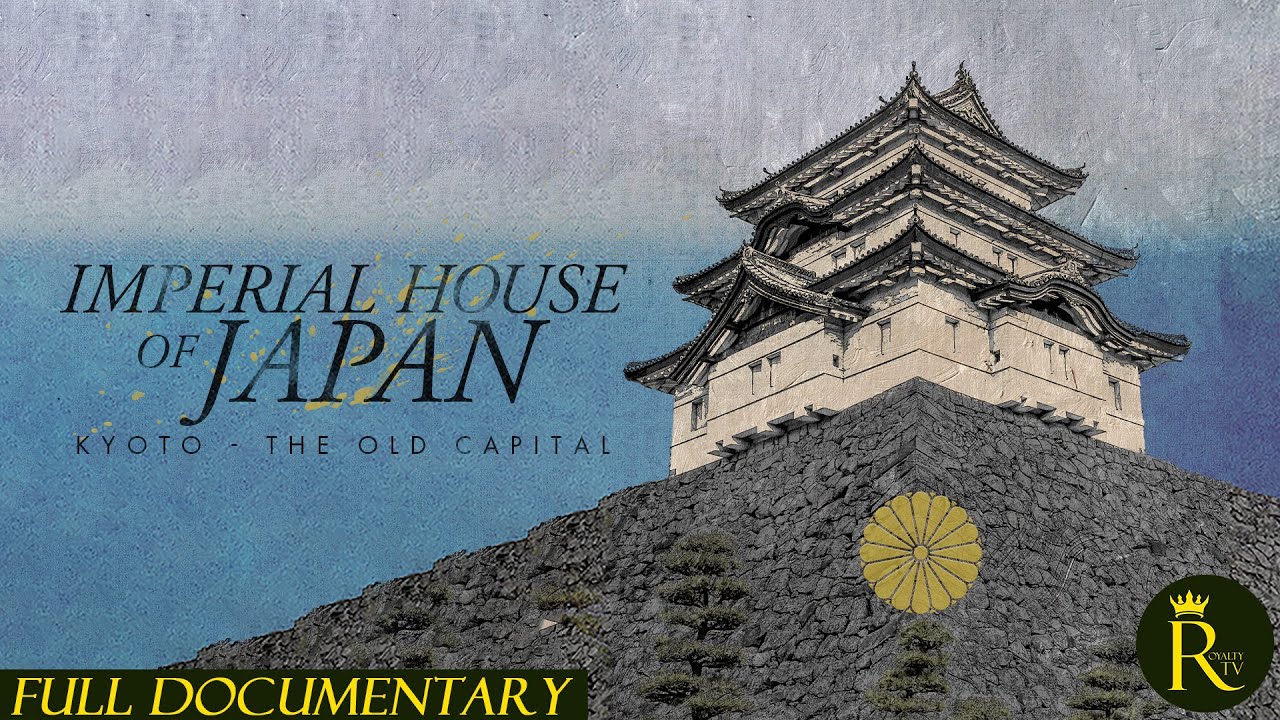
The Yamato dynasty, Japan's oldest continuous hereditary monarchy, has shaped the nation's history and culture over 3,000 years, from Emperor Jimmu to Emperor Naruhito.
Christopher Baker explores Cuba's vibrant culture and its spiritual practices, including an encounter with the saints of Santera.
Tony Bullimore spent five days trapped under his capsized yacht in the Southern Ocean, 1,300 miles south of Australia, before being rescued.
Fourteen thousand Cambodians were killed during the Khmer Rouge regime, including New Zealander Kerry Hamill, whose brother seeks answers about his murder.
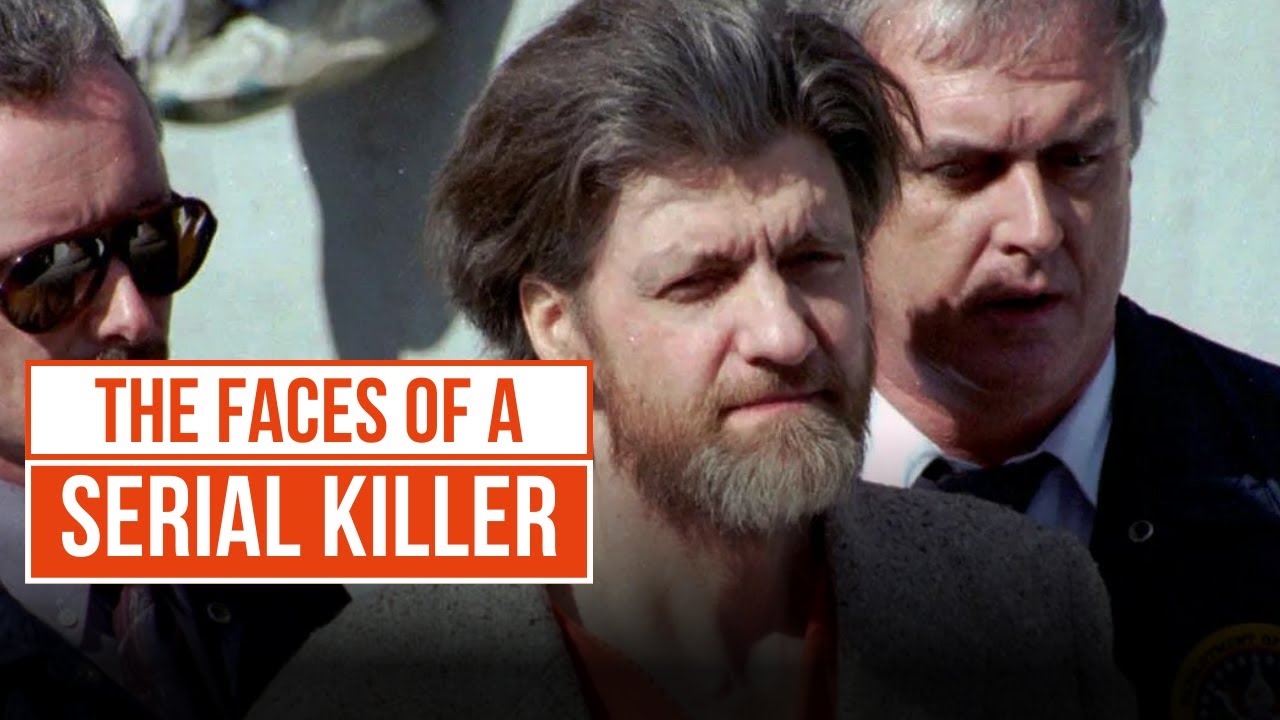
Serial killers, including the Gainesville Ripper, the Unabomber, and the Spokane Prostitute Killer, exhibit sociopathic traits and a lack of empathy.
The National Archives holds 377 ratified Indian treaties, three of which were signed during George Washington's presidency.
Lotte Reiniger, a pioneering German animator, created The Adventures of Prince Achmed in 1926, the oldest surviving feature-length animated film.
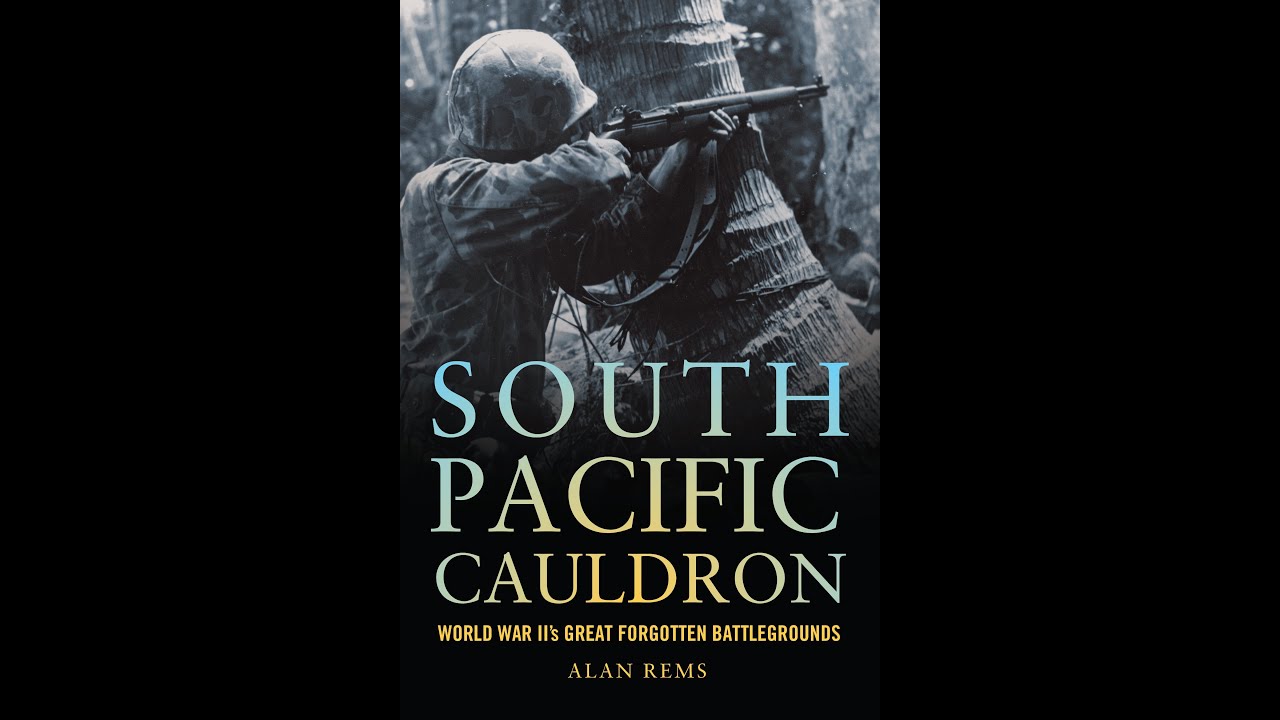
Forgotten battlegrounds of World War II in the South Pacific, including Buna and Rabaul, are examined by author Alan Rems alongside key military figures.
William the Conqueror's rise to power is examined through the lens of the Normans' evolution from Viking raiders to influential rulers in 11th-century Europe.
Al-Andalus, the Islamic Golden Age from 711 to 1492, significantly influenced the Iberian Peninsula through advancements in architecture, engineering, and culture.
Munich's Oktoberfest, the world's largest pop-up festival, is constructed in just 10 weeks, facing challenges like safety inspections and weather setbacks.
In the fall of 1858, Abraham Lincoln faced personal and political setbacks before ultimately securing the Republican Presidential nomination by May 1860.
In the 1980s, New Zealand's undercover police program faced scrutiny as former agents recount their experiences infiltrating gangs and the personal toll it took.
In early 1945, the Allied forces launched Operations Veritable, Plunder, and Varsity to breach the Rhine River and advance into Nazi Germany, resulting in significant casualties.
Archaeological research challenges the traditional view of prehistoric gender roles, revealing the significant contributions of women in ancient societies across various cultures.
In the Middle Ages, master masons and engineers constructed iconic fortresses, including Edward I's Iron Ring, which strained the English crown's finances.
Pontiac, the leader of the Algonquin Nations, led a resistance against British military occupation in the Great Lakes region following the French defeat in 1759.
A contestant receives a titanium prosthesis, the most durable option available, along with $1,000 for her education as part of a beauty pageant for landmine survivors.
Renowned writers and editors share insights into the art of storytelling that has defined the magazine over its 125-year history.
In the Philippines during World War II, US missionaries and civilians faced a perilous rescue operation as they became trapped underwater.
World War II's industrial mobilization, from Roosevelt's "Arsenal of Democracy" to Stalin's Five-Year Plans, reshaped labor and resource allocation on a massive scale.
A hand-picked team of 93 staff members has less than six hours to prepare the White House for the incoming president on Inauguration Day.
Foo Fighters won 12 Grammy awards, including best rock album four times, before facing uncertainty after drummer Taylor Hawkins' death in 2022.
Vienna's historical landscape is shaped by influential figures like Maria Theresa and Franz Joseph, alongside a notable performance by a young Wolfgang Amadeus Mozart.
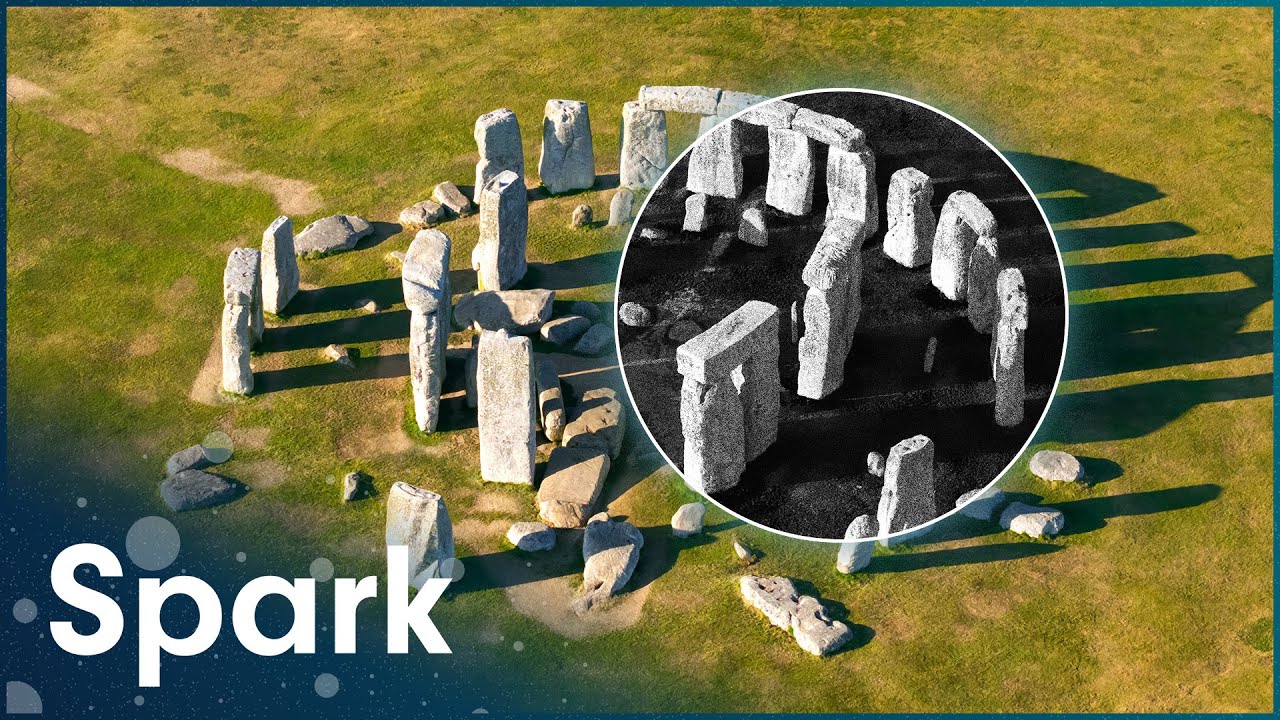
Satellite technology reveals new forensic evidence and engineering insights that challenge long-held beliefs about the origins of England's iconic Stonehenge.
UFOs and extraterrestrial encounters are examined through compelling testimonies and evidence, suggesting a long-hidden truth about humanity's place in the universe.