From over 100,000 films, discover the handful you'll love.
Free or premium access to the world's largest documentary library.
22463 films(Page 69 of 468)
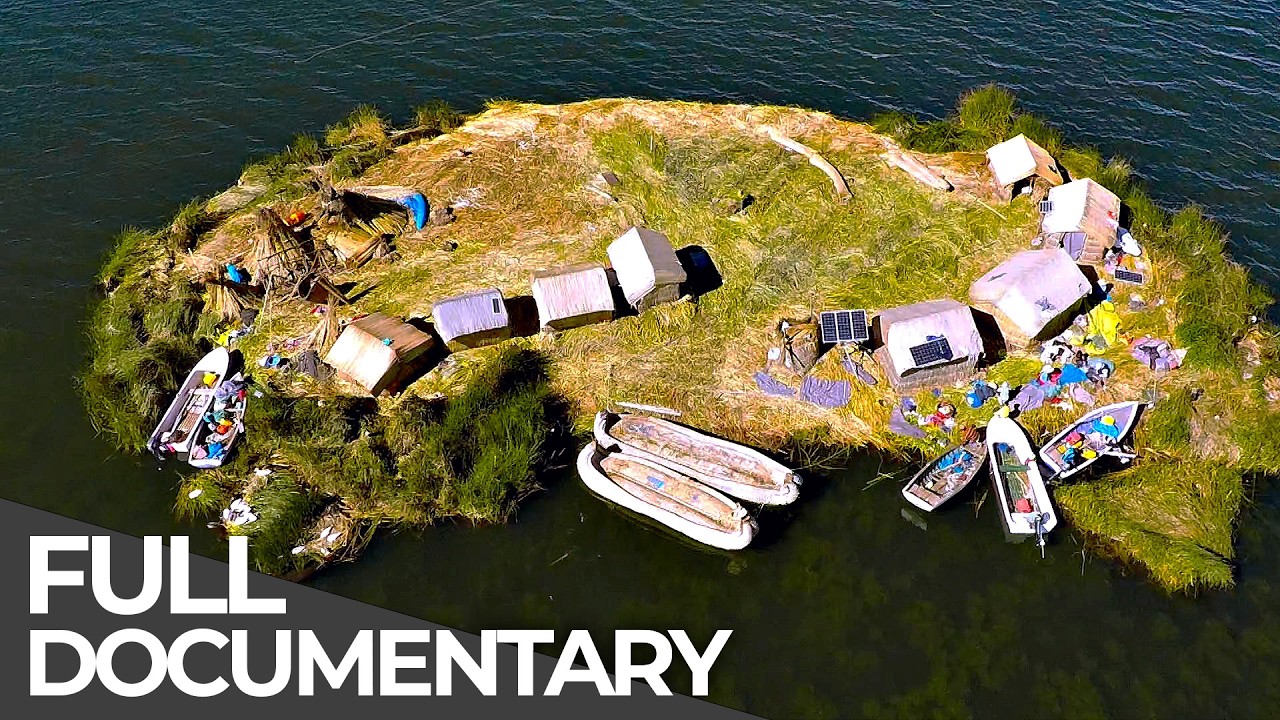
In the high plains of the Andes, the Uros people maintain their ancient way of life on floating islands made of totora reeds in Lake Titicaca, Peru.
Bigfoot, a legendary creature often depicted as a large, hairy, bipedal being, is explored through various sightings, hoaxes, and the cultural mythology surrounding it.
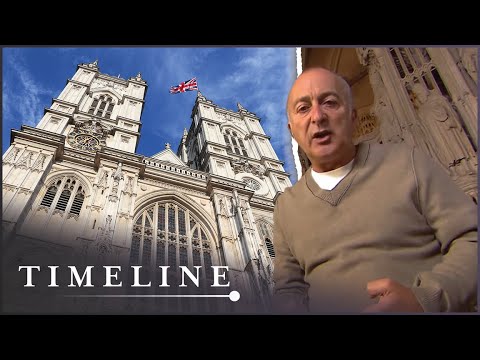
Westminster Abbey serves as the backdrop for archaeologists Tony Robinson and Professor Mick Aston as they search for Henry III's lost sacristy, believed to contain significant treasures.
On March 12, 1938, as Hitler annexed Austria, Spain's Republican prime minister sought help in Paris amid the escalating Spanish Civil War.
For more than 1,500 years, Christians viewed the Bible as the primary source of knowledge until the Scientific Revolution began to challenge this belief.
On September 12, 1974, Boston schools faced violent protests as Black and white students were bused to comply with a federal court desegregation order.
In Siberia, the Mirny diamond mine stands as one of the deepest mines in the world, while the episode also explores a dangerous hotel and a replica Austrian village in China.
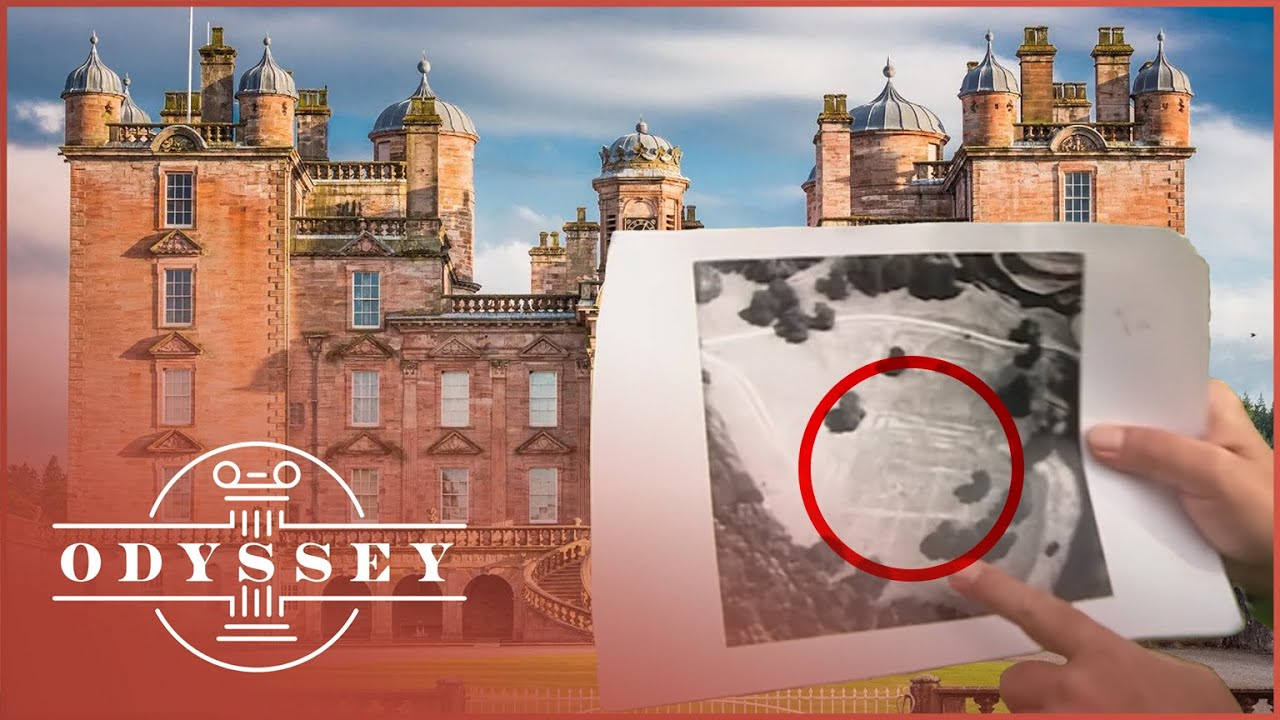
Parch marks in Dumfries, Scotland, revealed the outline of a Roman fort near Drumlanrig Castle, prompting an archaeological investigation into its historical significance.
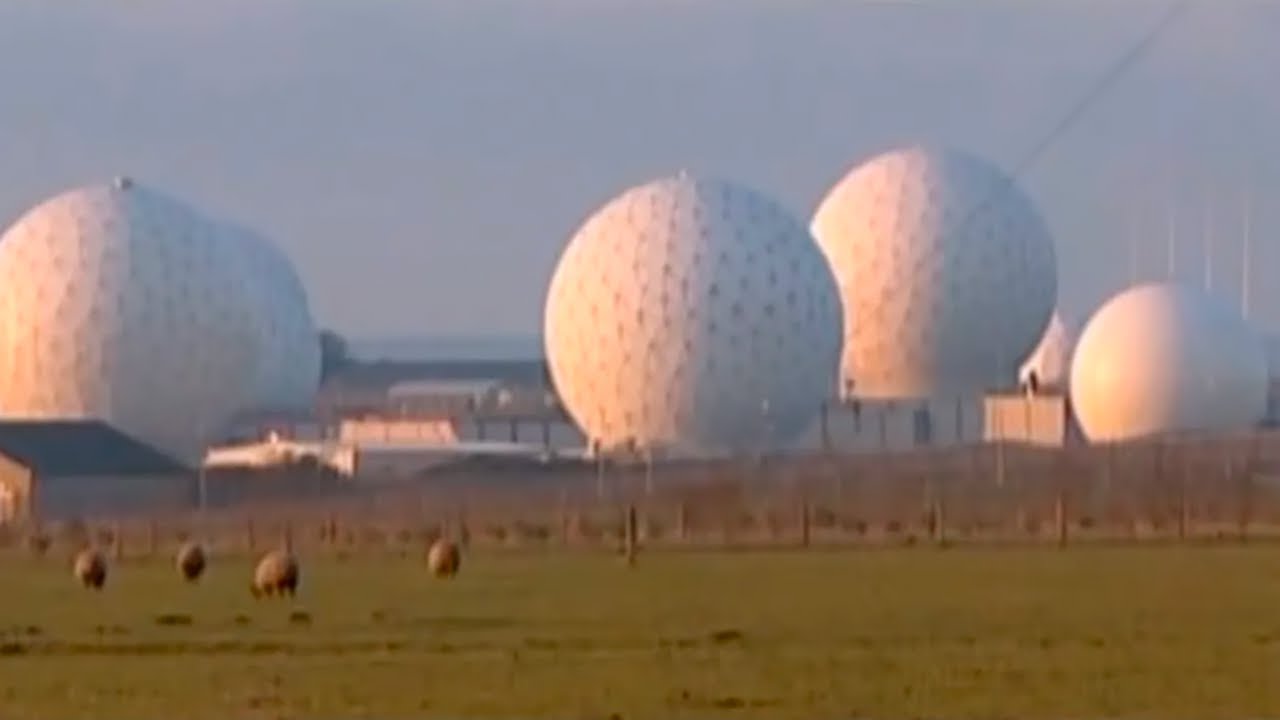
In 1946, the United States and four other countries formed a secret alliance known as UKUSA, which operates a global surveillance network called Echelon.
Engineers aboard the Titanic worked tirelessly to maintain electric power during the sinking, ensuring lights and lifeboat winches remained operational for survival.
Winston Churchill's Cabinet War Rooms, preserved from World War II, served as the secretive hub for his critical wartime decisions away from public scrutiny.
The Tudor dynasty, marked by the reign of Elizabeth I and characterized by naval battles, succession crises, and family feuds, ultimately faced its decline.
Coventry's lost medieval cathedral reveals a burial chamber and artifacts from the Saxon and Early English periods, buried since King Henry VIII's dissolution of the monasteries.
Political power in the United States is shaped by a hidden network of media, Wall Street, the military, and corporations, highlighting systemic inequality.
The Royal Mint Museum houses a remarkable collection of historic coins, including the rare Edward VIII Sovereign, which was never released due to his abdication.
In the New Forest, archaeologists investigate a Saxon cemetery revealing an array of grave goods, including a rare Byzantine brass bucket and Anglo-Saxon artifacts.
On March 19, 2013, Jorge Mario Bergoglio was installed as the 266th Pope and Bishop of Rome, marking a significant moment in the Catholic Church's history.
Baron Haussmann's modernization of Paris under Napoléon III transformed the city with iconic structures like the Arc de Triomphe and major transportation hubs.
Centuries-old feudal law in the Balkans mandates familial vengeance, compelling the eldest male to avenge murder, often leading to cycles of violence and fear.
Anti-government protests erupted in Iran following the death of Mahsa Zhina Amini in police custody, leading to over 500 fatalities amid a regime crackdown.
Five million people died during the famine caused by Stalin's forced collectivization policies in the early 1930s.
Garifuna communities in Honduras maintain their African heritage and traditions through music, dance, and rituals, while facing modern challenges to their cultural identity.
The Battle of the Somme, the bloodiest conflict of World War I, is examined through the extraordinary bravery of seven men awarded the Victoria Cross.
Between 1946 and 1958, the U.S. conducted 23 nuclear tests at Bikini Atoll, displacing local communities and rendering the islands uninhabitable.
Sir Hugh Dowding was born on April 24, 1882, in Moffat, Scotland, and later became a key figure in Britain's defense during World War II.
From Lenin's death to Gorbachev's reforms, the evolution of the Soviet Union is marked by political turmoil, war, and the eventual collapse in 1991.
In the western swamp of Oak Island, a team investigates a sand-covered cobblestone road that may link to a mysterious feature of possible Portuguese origin.
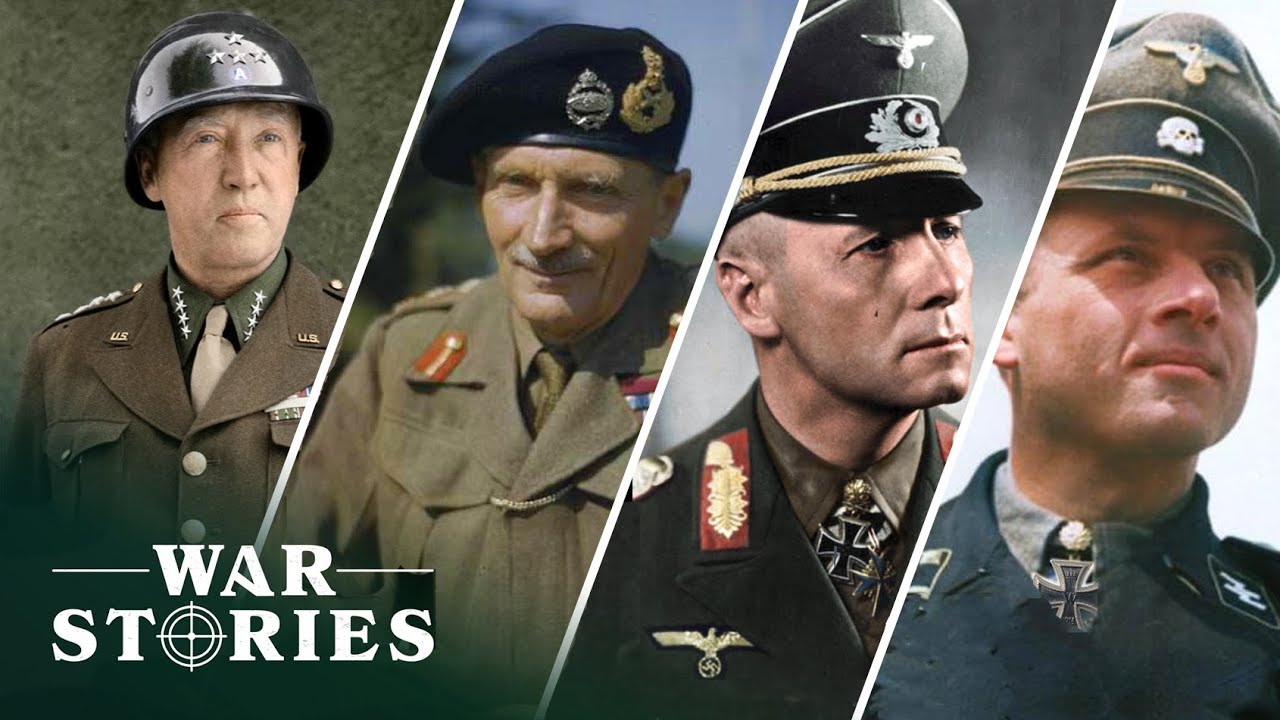
In January 1942, the British Eighth Army faced off against the German Panzer Army Africa, with Rommel commanding 228 tanks against over 400 British tanks.
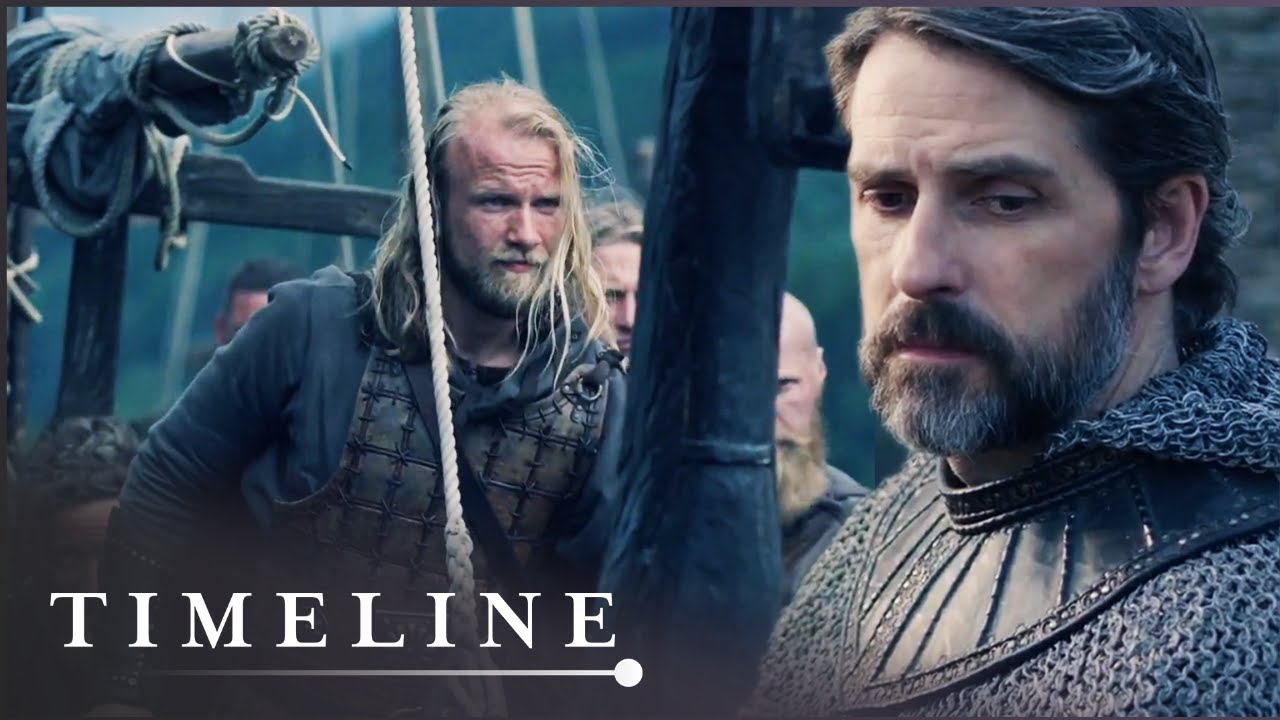
The Vikings leave Scandinavia, settle in Europe, and influence history through Normandy.
Al Qaeda fighters, who fled during the U.S. military operations in Afghanistan, are traced through various countries to assess their regrouping and future threats.
Five computers, ten hard drives, and 110 thumb drives were recovered during the raid that killed Osama bin Laden in Abbottabad, Pakistan, on May 2, 2011.
The Siegfried Line, a formidable German defense system stretching from the Netherlands to the Swiss border, posed significant challenges for Allied forces during World War II.
Fyfe Robertson reflects on the evolution of aviation from early light aircraft to modern jets, highlighting significant milestones in air travel during his lifetime.
Pontius Pilate is examined as a complex figure in Ancient Judea, revealing the political motivations behind his role in the crucifixion of Jesus Christ.
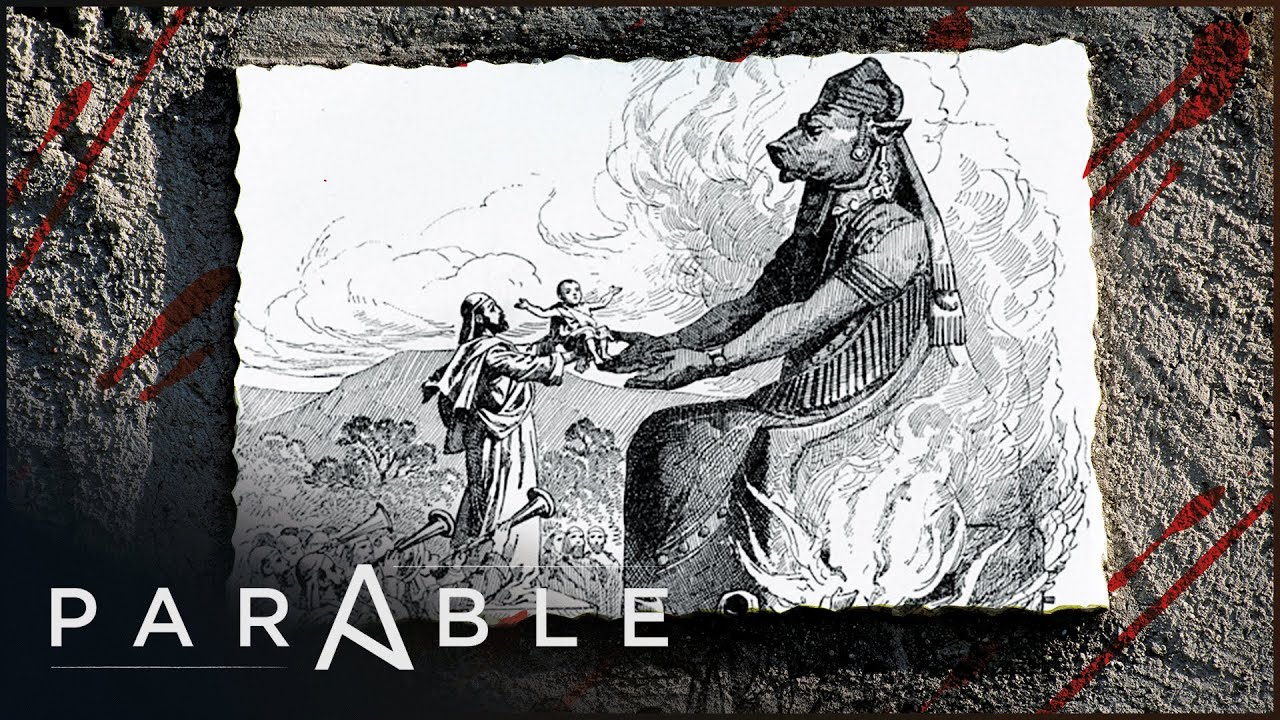
Ancient Phoenicians, also known as Canaanites, are examined for their alleged involvement in child sacrifice rituals, raising questions about historical accuracy.
Ancient civilizations are examined for evidence of extraterrestrial influence on technology and societal development throughout history.
Rag and bone men, portrayed by the iconic Steptoe duo, navigate the streets of London, balancing their roles as scavengers and entrepreneurs in 1966.
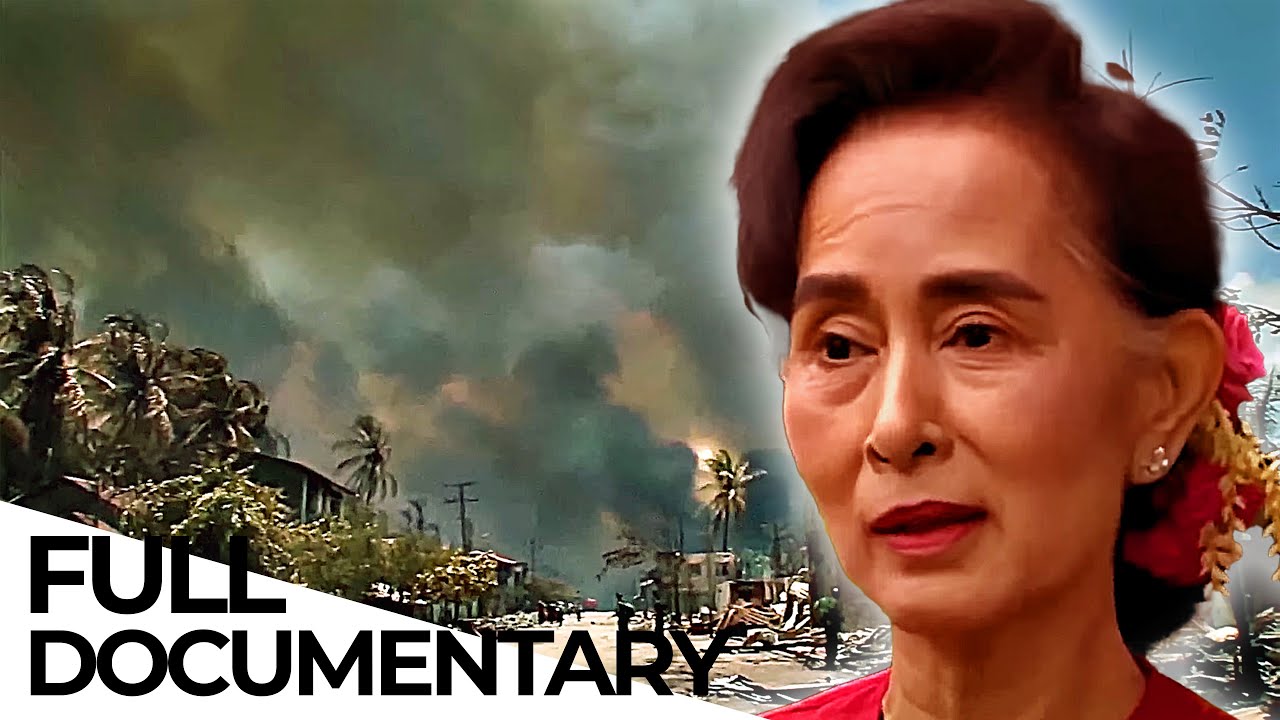
Aung San Suu Kyi's controversial defense of ethnic cleansing reveals the complexities and contradictions of Myanmar's transition from military rule to democracy.
Muhammad died in 632 A.D., and within a century, the Islamic Empire expanded to cover all of Spain, North Africa, and the Middle East.
Franklin Delano Roosevelt's presidency from 1933 to 1945 is examined, highlighting his leadership during the Great Depression and World War II, along with his personal struggles.
Harald Hardrada, born in 1015 or 1016, led a massive invasion fleet to England in 1066, marking a significant moment in Viking history.
Alexander the Great's enduring connection to Egypt is explored through ancient temples, pharaonic depictions, and the mysteries surrounding his burial.
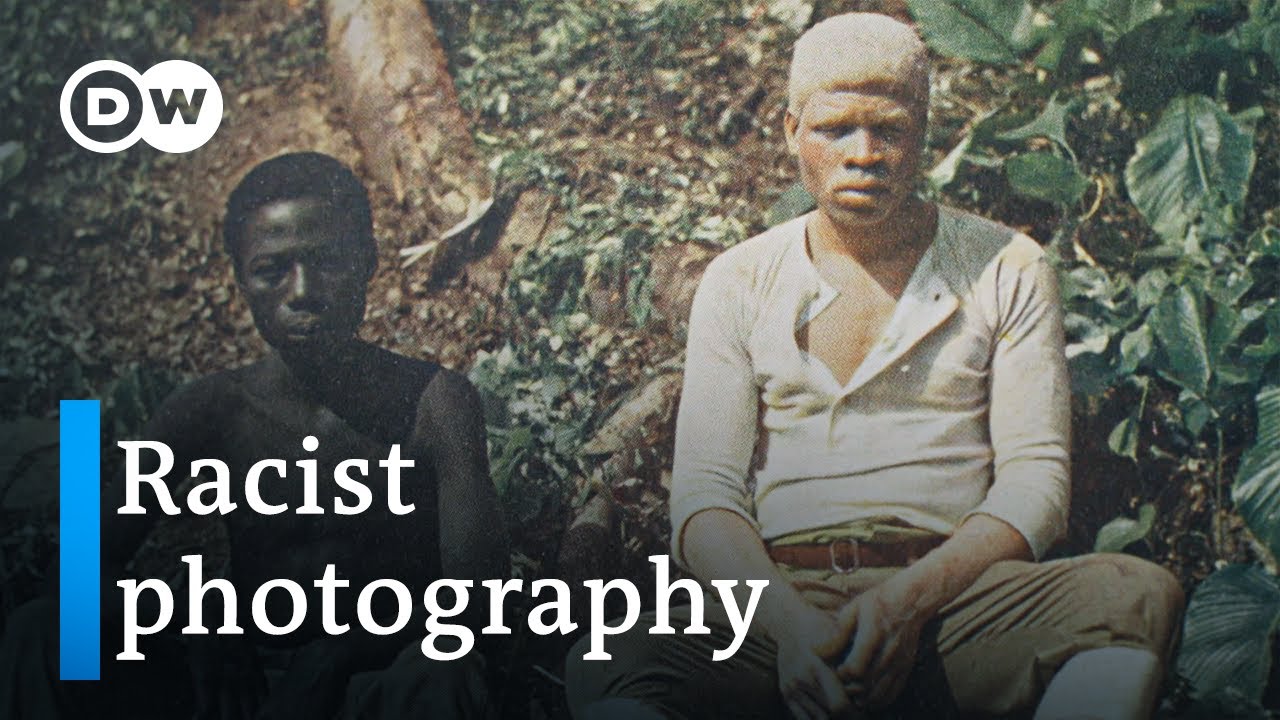
Robert Lohmeyer took the first color photographs of Africa between 1907 and 1909, documenting German colonies and shaping European perceptions of the continent.
Diane Downs shot her three children in Springfield, Oregon, in May 1983, resulting in the death of her seven-year-old daughter Cheryl.
Ancient Egyptian cities, the Black Sea's shipwrecks, Loch Ness, and a Pacific pirate ship are explored in this MEGA EPISODE.
Watling Street, a key route in Roman Britain, is examined for evidence of an ancient pub that sheds light on the daily lives of Roman travelers.
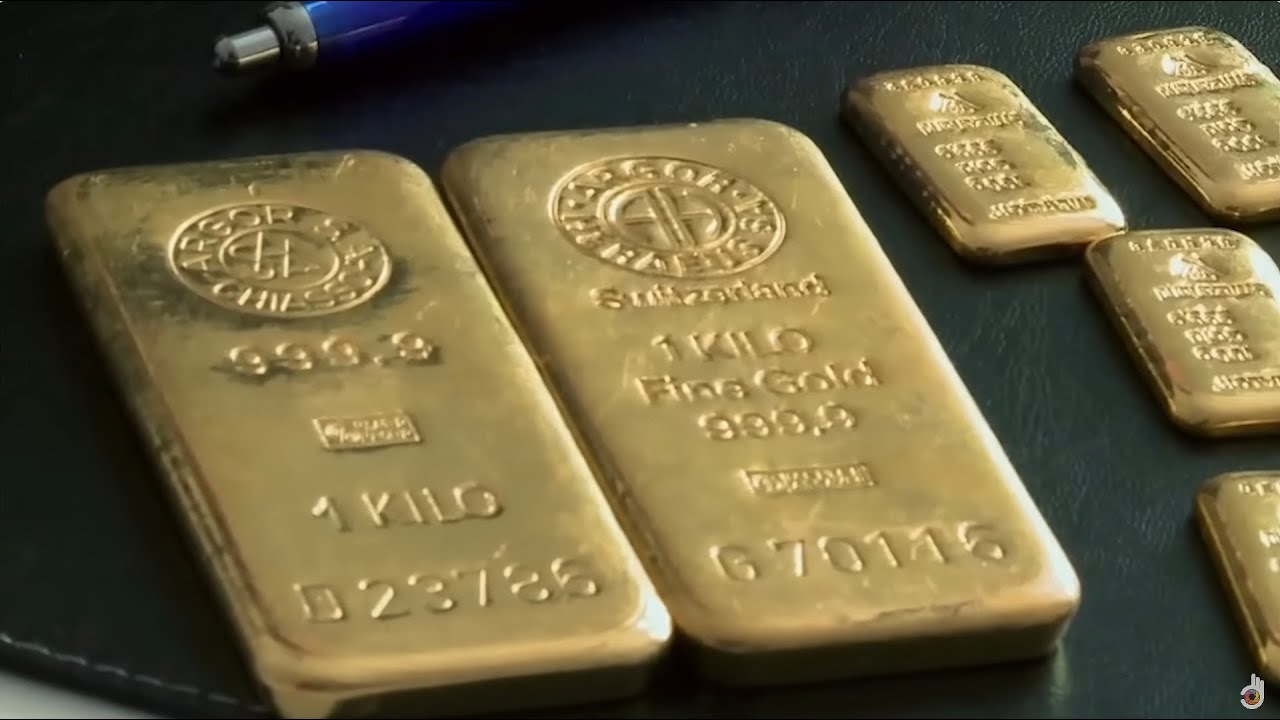
Switzerland produces 70 percent of all gold bars made globally, raising questions about the origins and ethics of this precious metal.
A medieval castle built atop an ancient Roman fort reveals insights into the historical significance and cultural evolution of the region's inhabitants.