From over 100,000 films, discover the handful you'll love.
Free or premium access to the world's largest documentary library.
22463 films(Page 313 of 468)
Experts analyze viral footage and claims to determine their authenticity, distinguishing between real phenomena and elaborate hoaxes in this episode of The Proof Is Out There.
Joe Romano was prosecuted for the murder of his wife Katherine in Quincy, Massachusetts, marking the state's first successful murder case without a body.
Khalid Amiry, a former Afghan special forces colonel, leads a guerrilla resistance against the Taliban in the Panjshir Valley, relying on limited resources and local support.
Pakistan's complex socio-political landscape is examined through its military tensions with India over the Siachen Glacier and the influence of radical clerics like Mullah Abdul Aziz.
Hundreds of thousands of people have fled their homes due to violence in the Anglophone regions of Cameroon.
In Season 2, Episode 1 of Unidentified, former military intelligence officials Luis Elizondo and Chris Mellon investigate the implications of UFO sightings during combat.
A Civil Rights march in October 1968 was violently disrupted by the Royal Ulster Constabulary in Derry, marking the start of a cycle of violence in Northern Ireland.
9,500 kilometers from Baghdad, an Iraqi general plots the fall of Saddam Hussein while living in anonymity in a small American town.
94% of Lithuania's 250,000 Jews were murdered within three years during World War II, yet alleged war criminals remain protected by Australian law.
Henry Louis Gates, Jr. analyzes Barack Obama's election as a pivotal moment in U.S. history while challenging the notion of a post-racial America.
Howard Zinn's impact on social justice and activism is highlighted through reflections from Noam Chomsky and others on Democracy Now! following his death.
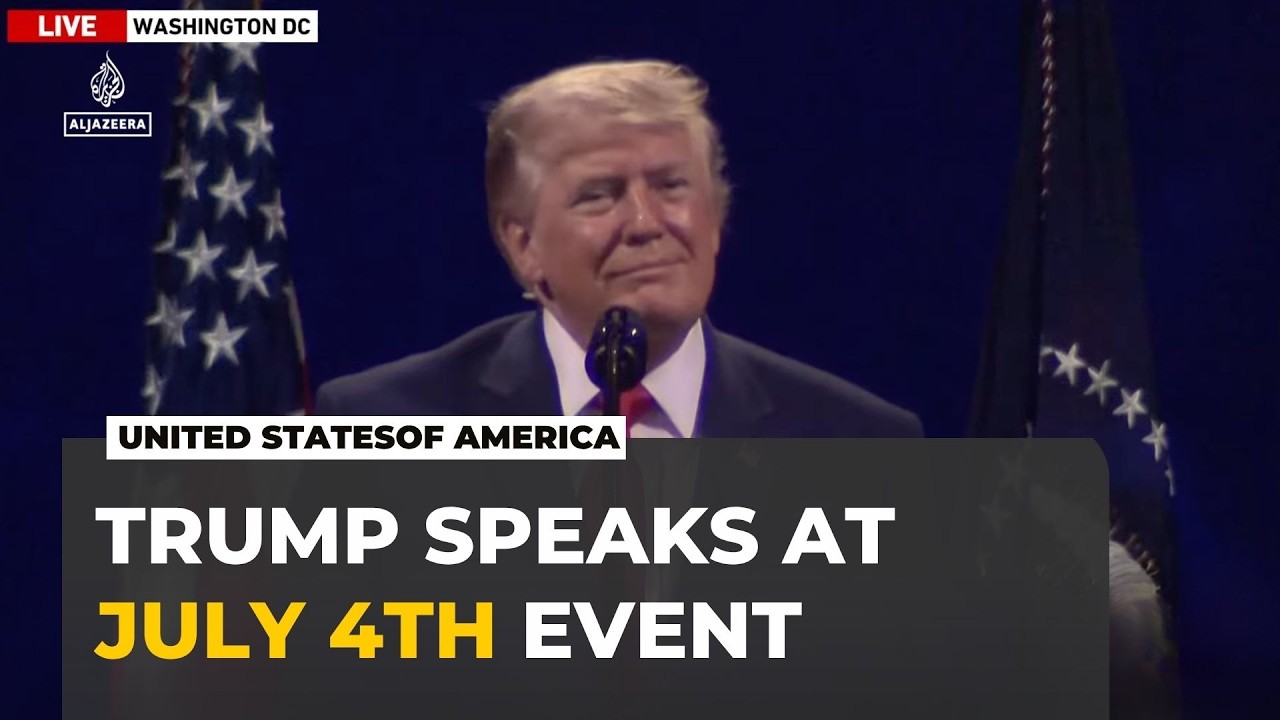
Donald Trump delivered a keynote address at Washington's National Mall to commemorate 250 years of American independence, amid severe weather disruptions.
An Iranian weapons dealer is apprehended in a large-scale sting operation orchestrated by U.S. intelligence agencies, including the FBI and NCIS.
France's annual Bastille Day Parade features various military regiments, including foreign troops, with President Emmanuel Macron hosting leaders from The Coalition of The Willing.
On Halloween morning 1999, Dirk Greineder found his wife, Mabel, brutally beaten in a park in Wellesley, Massachusetts, leading to a complex investigation.
Salman Rushdie discusses the lack of criticism against violence in the Middle East during an event at the New Yorker Festival in 2014.
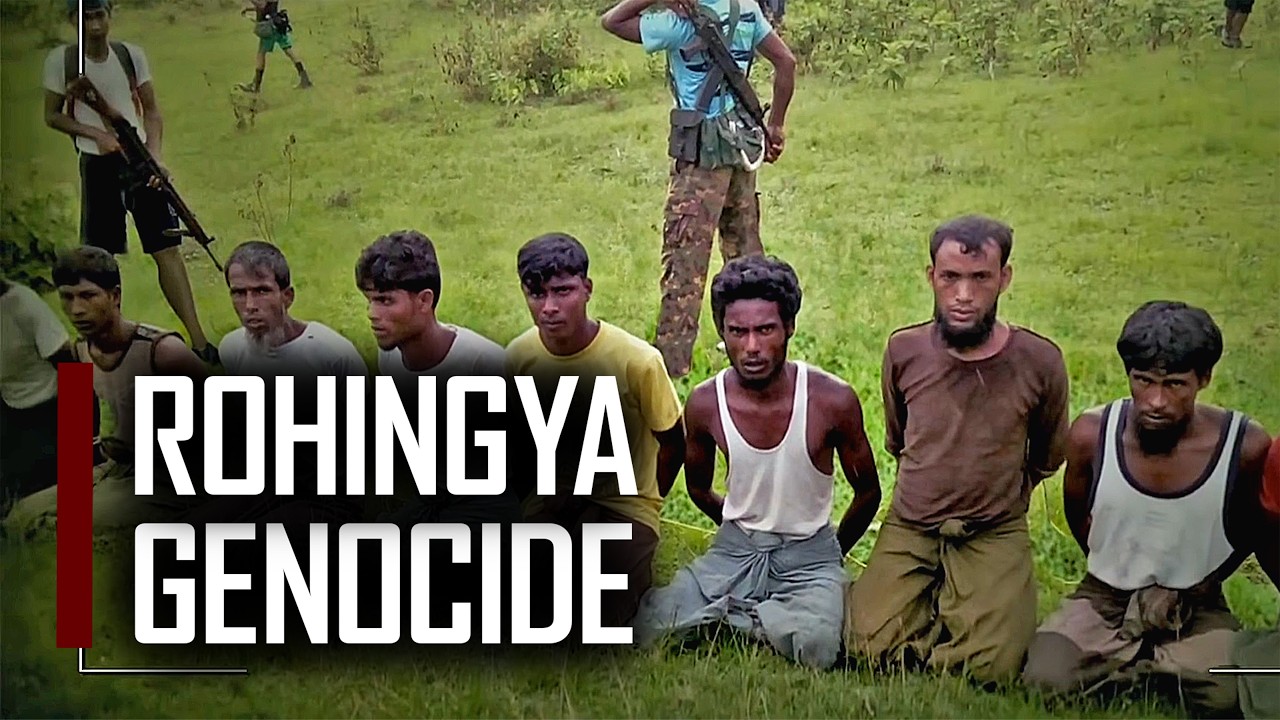
In Myanmar, systematic ethnic cleansing against the Rohingya minority resulted in the burning of hundreds of villages and the forced exile of 700,000 individuals.
Last year, customs officers intercepted over 65 antiques trafficked from conflict zones, including items worth up to €250,000.
In Raqqa, over 300 foreign volunteers joined Kurdish and Arab forces to fight ISIS between July and October 2017, facing reintegration challenges afterward.
In Myanmar, systematic violence against the Rohingya has led to the destruction of hundreds of villages and the forced exile of 700,000 individuals.
Twelve atomic weapons lost during American military operations are investigated in Savannah, featuring firsthand accounts from pilots involved in the incidents.
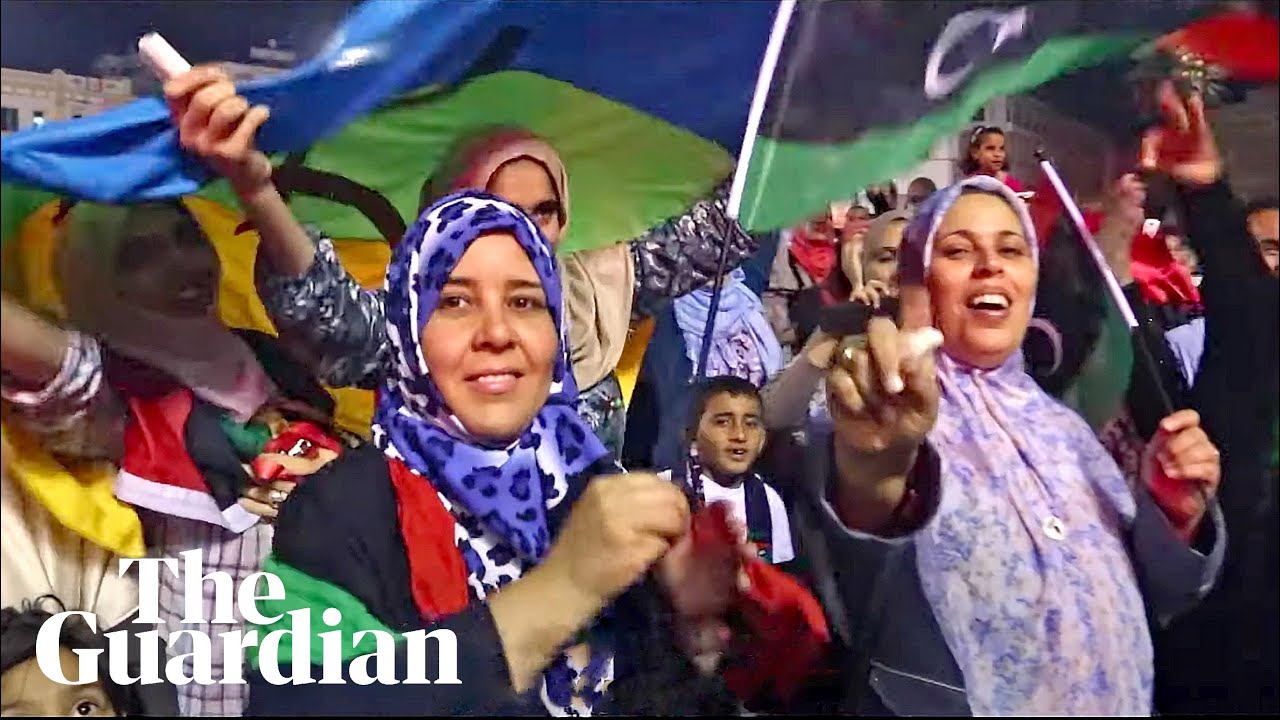
Libya's ongoing turmoil is examined through the lens of Barack Obama's reflections on the 2011 intervention and its aftermath, highlighting the nation's struggles for democracy.
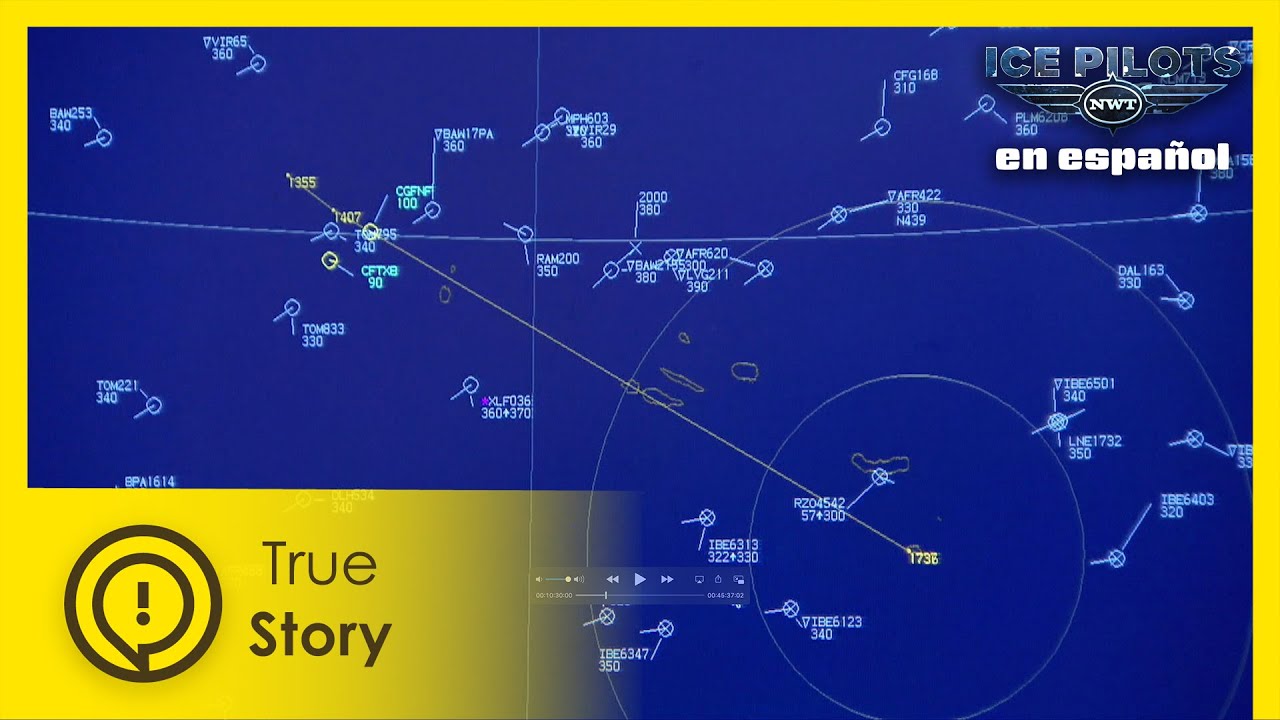
A critical flight over the North Atlantic sees a Turkish crew forced to return to Santa María due to engine failure, prompting an emergency alert at the airport.
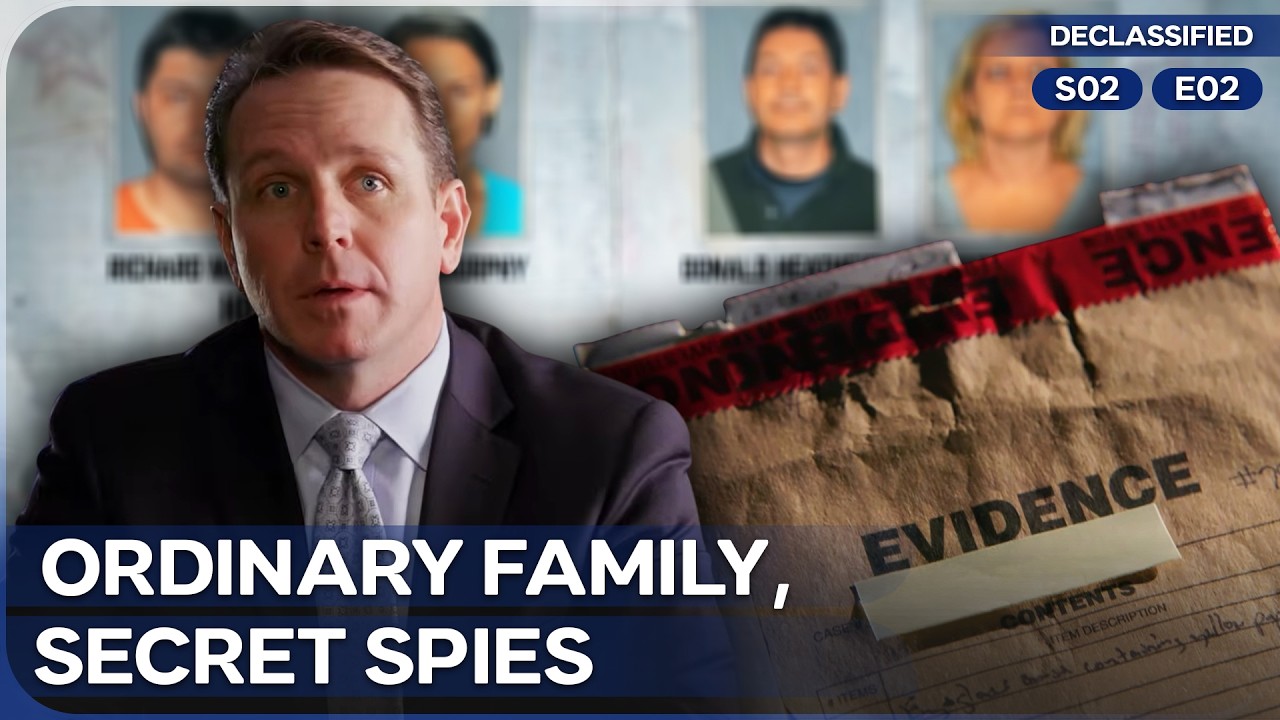
FBI agents, led by former House Intelligence Committee Chairman Mike Rogers, expose a complex Russian sleeper spy network threatening U.S. national security.
British double-dealing during World War I and conflicting promises to Arabs and Jews laid the groundwork for the enduring conflict over Jerusalem.
North Korea's nuclear weapons program has expanded significantly, receiving international support despite global sanctions and widespread condemnation.
China's repression of the Uighur population in Xinjiang involves the detention of over a million individuals in camps, forced labor, and systematic cultural eradication.
In 1987, President Ronald Reagan addressed a crowd at the Brandenburg Gate, calling for the Berlin Wall to be torn down and urging freedom for all.
Gurmeet Dhinsa, a New York gasoline retailer, faces an FBI investigation for rigging gas pumps and employing violent Mafia-like tactics against dissenters.
Robert M. Smith, a former New York Times correspondent, examines how editorial decisions affect the publication of significant stories like the Watergate scandal.
Brexit, the 2016 referendum that divided the United Kingdom along lines of age, geography, and identity, is examined through personal stories and sociopolitical themes.
In 2014, Burkina Faso's revolution leads to the end of a 27-year military dictatorship, resulting in the election of President Roch Marc Christian Kaboré.
On August 9, 1945, President Harry S. Truman announced the results of the Potsdam Conference and the atomic bomb's use on Hiroshima, Japan.
Malaysia Airlines Flight 370's disappearance on March 8, 2014, is reexamined by experts analyzing official documents and uncovering new evidence and theories.
Ariel Sharon's legacy is examined through contrasting perspectives, focusing on his role in the Sabra and Shatila massacre and its lasting impact on the Palestinian community.
In the aftermath of the Nagorno-Karabakh war, Armenian villages like Kornidzor face ongoing threats, while families adapt to life in makeshift accommodations and cope with trauma.
Warren Anderson evades accountability for the Bhopal gas tragedy in December 1984.
More than 1,600 American soldiers remain classified as missing in action from the Vietnam War, prompting families to demand answers from the U.S. government.
Thirty years after apartheid ended, many South Africans still face high levels of poverty and unemployment, struggling to find opportunities.
In the world of international espionage, former FBI agent Mike Rogers hosts a series that reveals sensitive operations by U.S. intelligence agencies to combat espionage threats.
In Russia, a 9,000-kilometer road trip from Vladivostok to Moscow highlights the struggles of civil society activists against corruption and political repression.
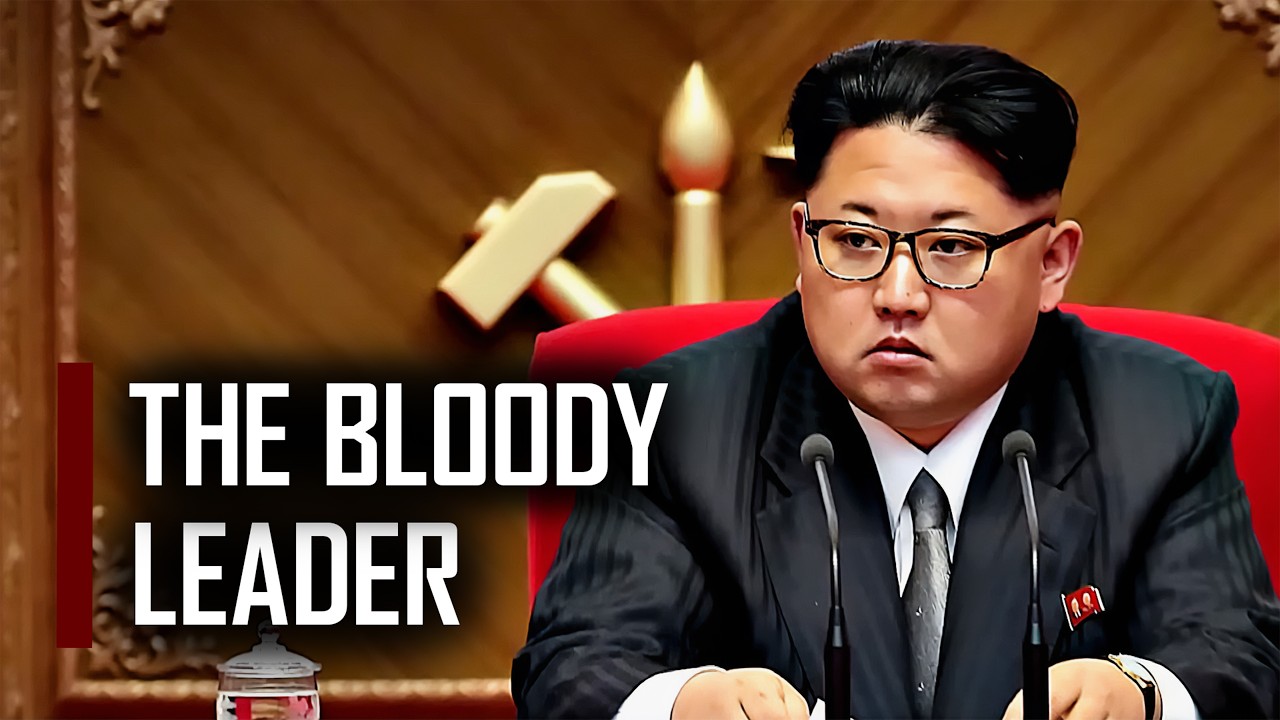
Kim Jong-un, North Korea's secretive leader, has consolidated power through brutal tactics and an aggressive nuclear program while promoting a controlled society in Pyongyang.
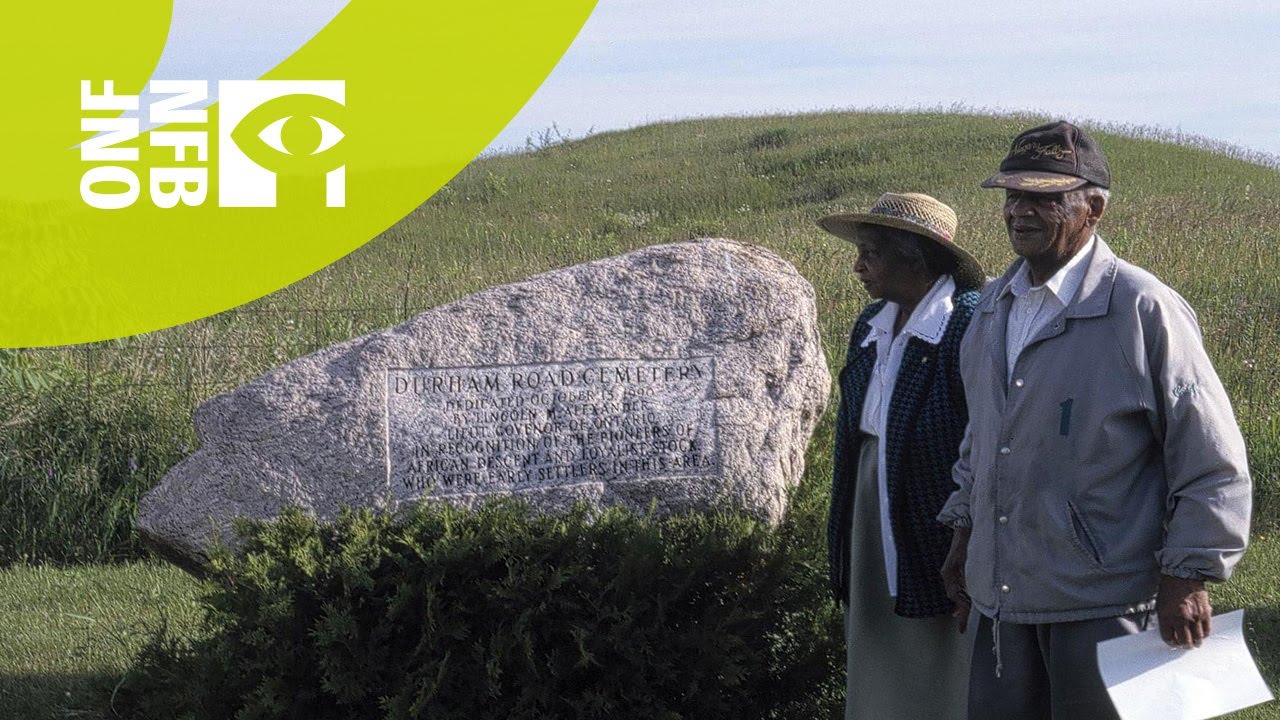
Over 200 signatures were collected on a petition to preserve a Black cemetery in rural Ontario, which had been disturbed to create farmland.
Mike Rogers, a former FBI agent, hosts a series that details the operations of intelligence agencies in combating violent extremist groups and espionage threats.
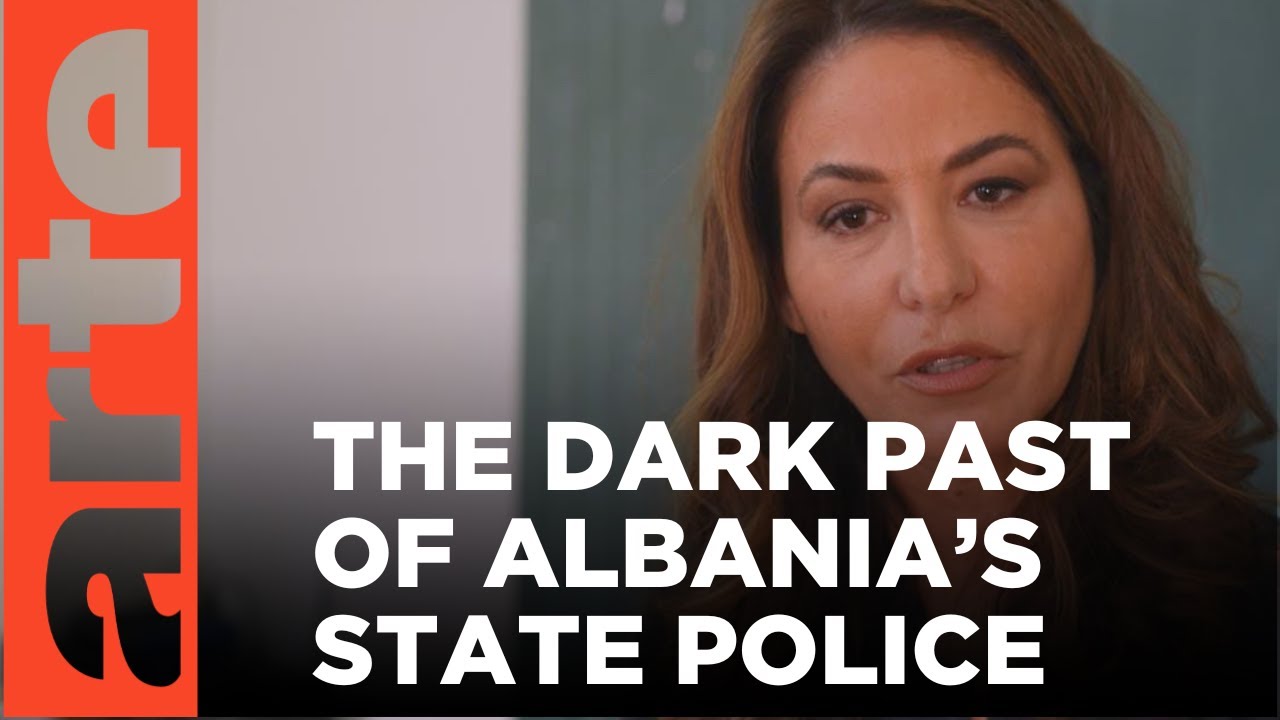
Albania's communist regime, marked by the Sigurimi's extensive surveillance and oppression, faces scrutiny as its archives are opened, prompting discussions on accountability and reconciliation.
A panel discussion features actress Gretchen Mol, who played Gillian Darmody, alongside other key contributors to the HBO series set in Prohibition-era Atlantic City.
International espionage is examined through the lens of real FBI and NCIS operatives as they combat a spy ring leaking sensitive information to China.
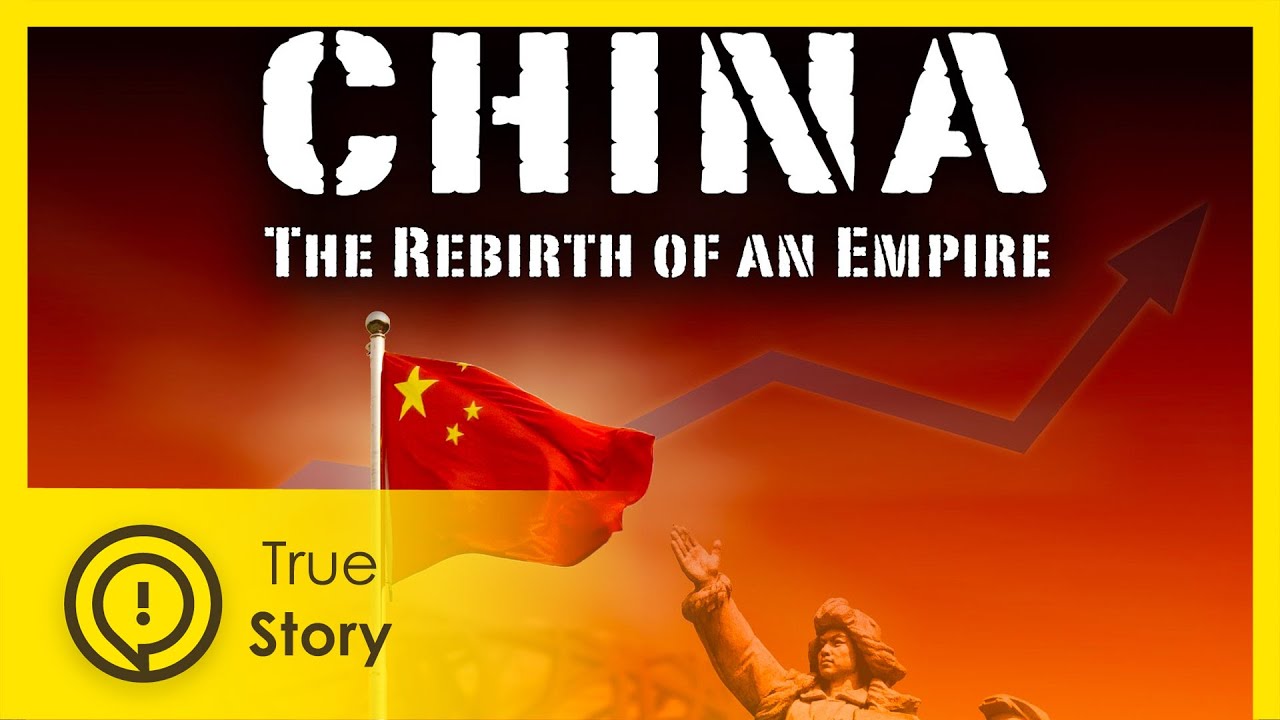
China's rapid economic growth positions it as a potential global superpower, raising questions about its influence in regions like Pakistan, Afghanistan, Tibet, and Xinjiang.