From over 100,000 films, discover the handful you'll love.
Free or premium access to the world's largest documentary library.
7235 films(Page 97 of 151)
Nigel, an internationally acclaimed science popularizer, explains the concept of a light-year as a measure of astronomical distance equivalent to about 9 trillion kilometers.
White holes, as explained by Nigel in response to a question from Willow Roberts, are hypothetical regions of spacetime that allow matter and light to escape.
In 2006, the International Astronomical Union reclassified Pluto as a dwarf planet, reducing the Solar System's recognized planets to eight and highlighting its unique characteristics.
Alzo Slade examines the health effects of a month-long alcohol abstinence in the first episode of National Geographic's series on alcohol's impact on the body.
Hundreds of supposed Bigfoot footprints in the Pacific Northwest raise questions about their origin.
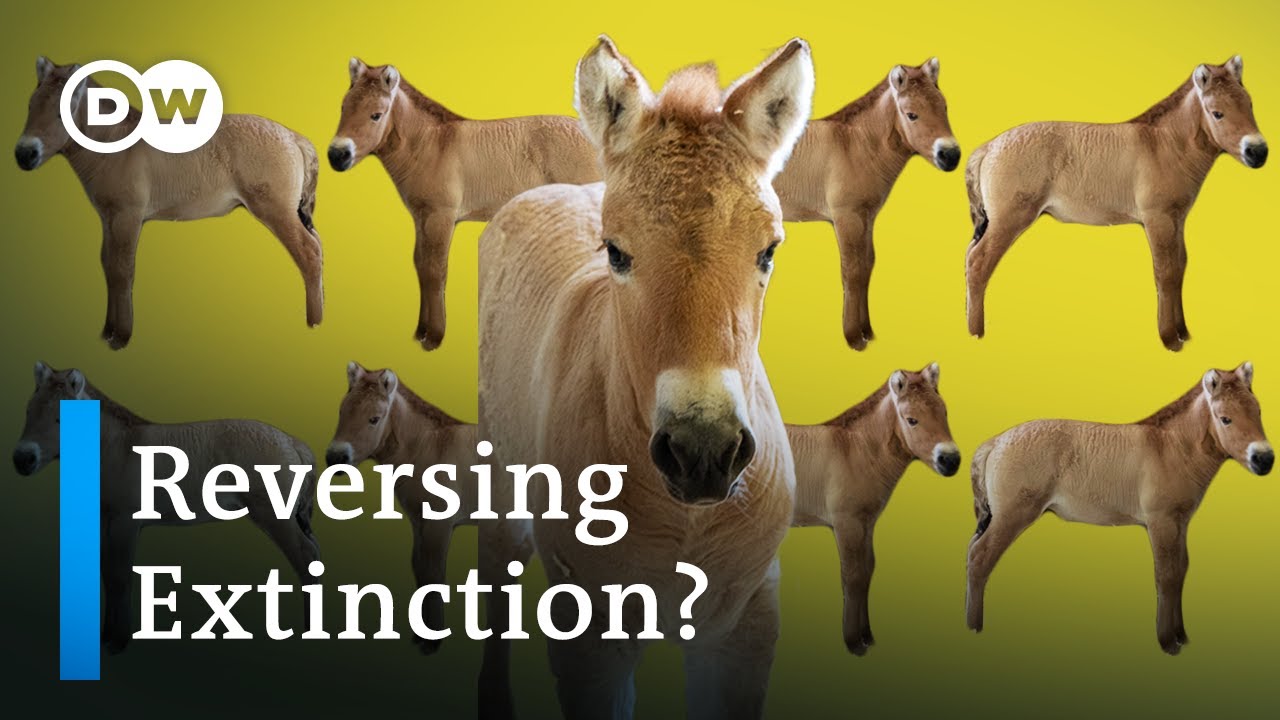
Only 12 wild ancestors remain in the gene pool of Przewalski's horses, prompting scientists to clone Kurt to increase genetic diversity.
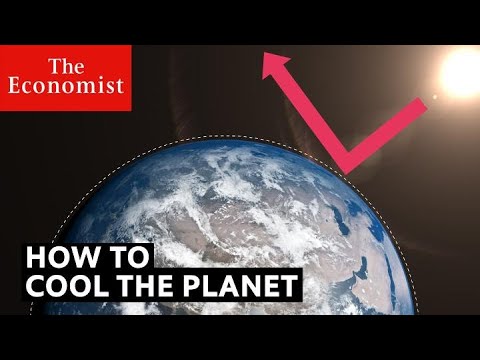
The 1991 eruption of Mount Pinatubo in the Philippines demonstrated the potential of solar geoengineering to lower global temperatures, raising questions about its viability against climate change.
Michael Skinner's research at Washington State University reveals inherited DNA's impact on health.
Ice Moons such as Europa and Enceladus are examined for their potential to harbor alien life, highlighting ongoing scientific research and exploration.
With billions of planets in the Milky Way galaxy, the potential for extraterrestrial life is a topic of significant scientific interest and debate.
Doctors in London use innovative capsules to improve gut health and help sick individuals.
55 Cancri e, a planet composed largely of diamond, raises questions about the potential for human habitation in extreme extraterrestrial environments.
Billions have been vaccinated, but the delta variant and new mutations pose ongoing threats.
Scientists around the world race to develop a vaccine against COVID-19 amid ethical concerns.
A team attempts to transport a 70-ton limestone block across the Nile using a rope-stitched boat, revealing ancient Egyptian engineering techniques.
NASA's Curiosity rover encounters various technical challenges during its mission to Mars, highlighting the complexities of space travel and engineering solutions.
Upsilon Andromedae b is a hot Jupiter with unique thermal properties observed by Spitzer Science Center.
One in 100 people worldwide are affected by epilepsy, a condition that can now be treated more effectively through recent advances in detection and surgery.
Races can be decided by as little as 1/1000th of a second, prompting Great Britain's track cyclists to pursue marginal gains for improved performance.
Dark matter, which constitutes five times more of the universe than ordinary matter, remains undetected despite its significant gravitational influence on visible matter.
Beth Shapiro, Chief Science Officer at Colossal, explains the scientific principles behind de-extinction and why the scenarios depicted in Jurassic Park are unrealistic.
Cavers often crawl on their bellies through tight passages and navigate flooded tunnels while carrying heavy scuba gear in the Cheve cave system.
The Johnson-Sea-Link submarine finds a cold seep 2000 feet down on the ocean floor.
Astronomers use the Very Large Telescope in Chile to reveal new galaxies in the Universe.
Multiple teams of scientists are developing AI-driven methods to detect cancer from a single drop of blood, potentially revolutionizing diagnostics.
A volcanic eruption in Northern Canada 720 million years ago slows life's development on Earth.
Some researchers link Isaac Newton's genius to Asperger's syndrome in this insightful documentary.
COVID-19 has killed potentially upwards of 10 million people and caused an estimated 10 trillion dollars in economic damage worldwide.
Dogs may have hijacked baby features to appear cuter to humans, according to new research.
The Sea Peoples, a confederation of maritime raiders, are examined for their potential role in the widespread collapse of Bronze Age civilizations around 1200 BCE.
People wonder about T. rex's skin covering, debating feathers versus scales.
Scientists estimate there are 3.04 trillion trees on Earth, a total number that actually astounds many.
Dinosaurs lived in the Gobi desert 250 million years ago, as shown in this Spanish video.
Dinosaurs lived in the Gobi Desert 250 million years ago, now explored in Full Documentaries.
An invention using lion fish scent aims to prevent shark attacks effectively.
Astronomers using the NASA/ESA Hubble Space Telescope and ESO’s Very Large Telescope analyze unique wave-like structures in the dusty disc around AU Microscopii.
Sperm whales, known to incapacitate makos with their sonar, share the waters of the Azores with divers Joe and Lauren Romeiro.
Dr. Austin Gallagher and Andre Musgrove utilize innovative dive technology to locate a rare great white shark pupping zone in the Shark Dome.
In 1953, James Watson and Francis Crick built a model of the DNA double helix, establishing it as the code for life and a foundation for molecular biology.
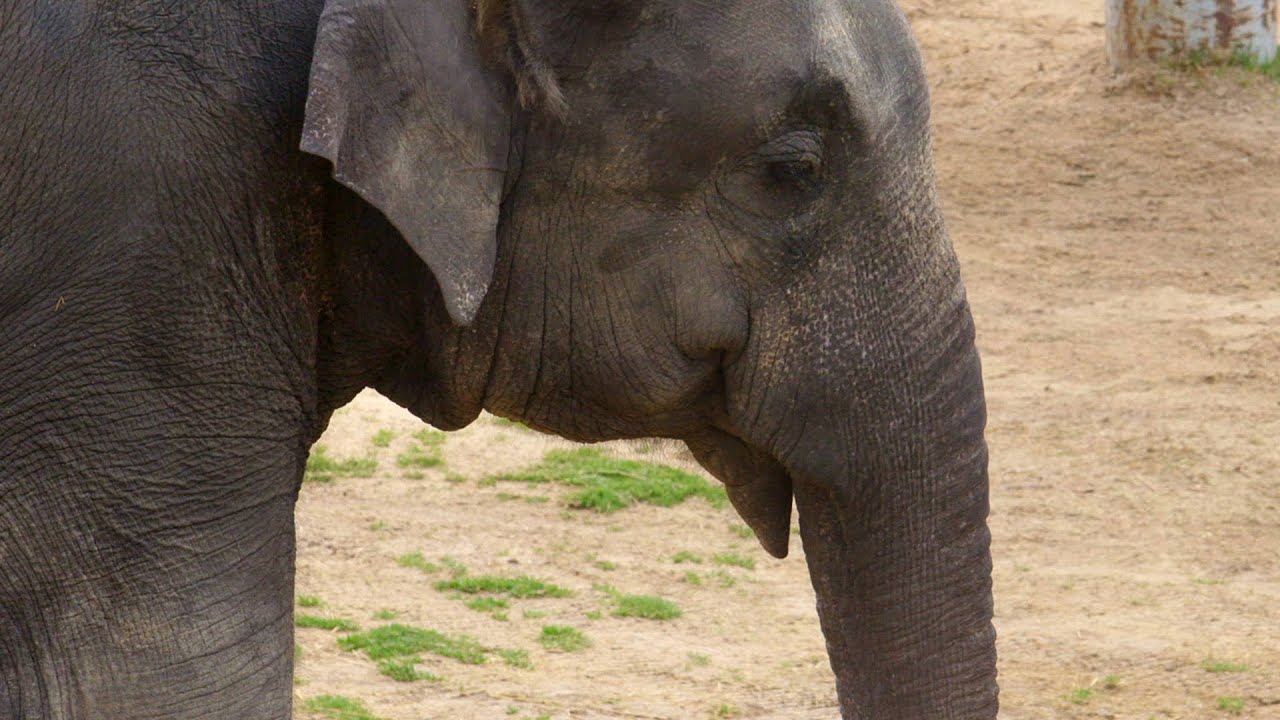
Elephants require a low protein, high fiber diet, which includes fruits, vegetables, and specially designed grain, rather than peanuts.
Ghost phenomena are examined through various scientific perspectives, questioning whether they can be explained by established scientific principles.
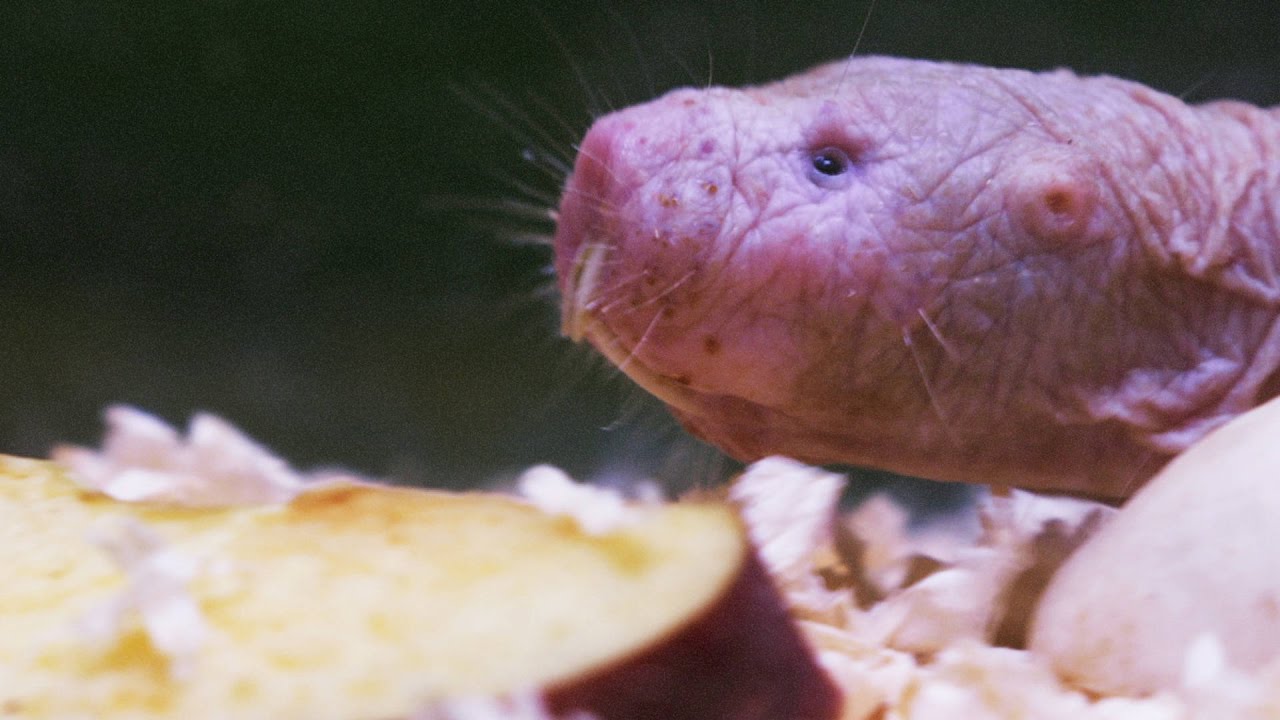
A caretaker at Smithsonian's National Zoo discusses the hairless naked mole rat's unique traits.
Shark experts use acoustic telemetry to study sharks' food associations with boat motors.
The ancients looked into the night sky and thought the universe revolved around Earth.
This parody humorously contrasts ancient views of auroras with modern scientific explanations.
There are 180 meteor impact points scarring Earth, raising concerns about future impacts.
A flea crawling on a spinning tennis ball takes the same time to complete a lap, illustrating how Earth's atmosphere moves with the planet.
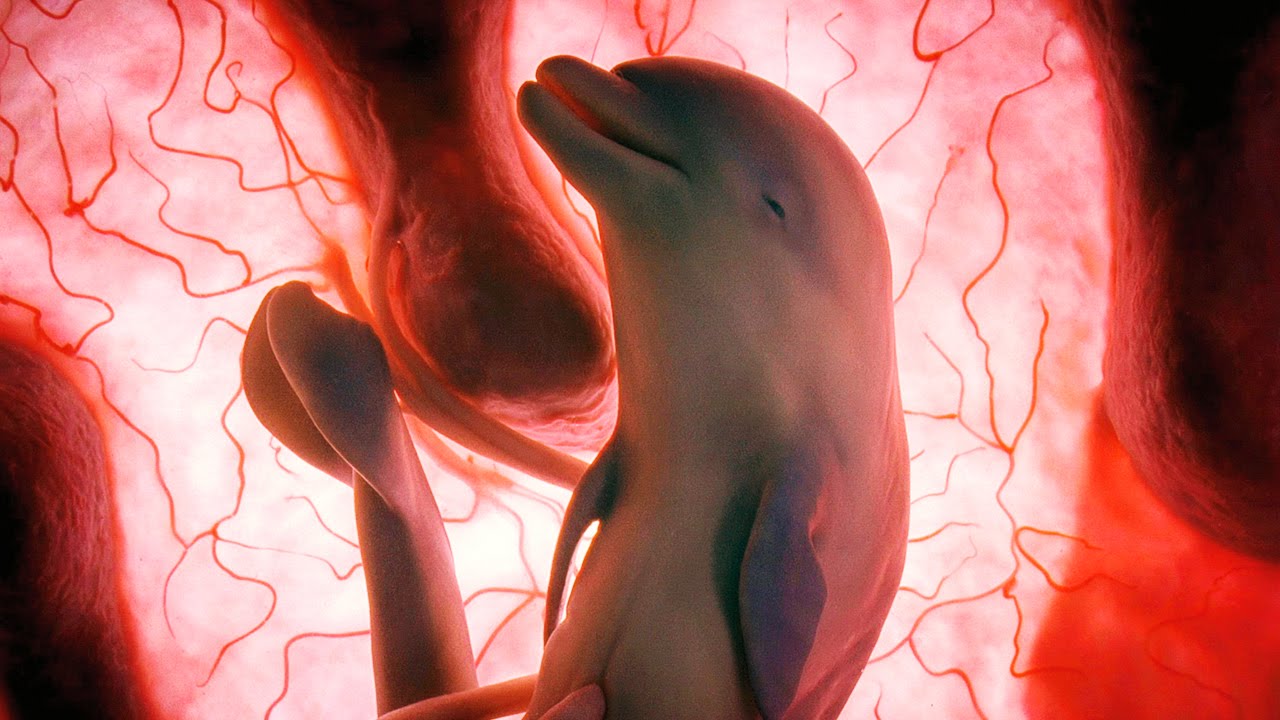
A sample clip shows a dolphin foetus in the womb from the David Barlow Film Archive.