From over 100,000 films, discover the handful you'll love.
Free or premium access to the world's largest documentary library.
7227 films(Page 100 of 151)
Gene editing technologies, including CRISPR, are being utilized by scientists to develop innovative treatments for genetic diseases and conditions.
Fish oil, the third most widely used supplement in America, raises safety concerns due to oxidation.
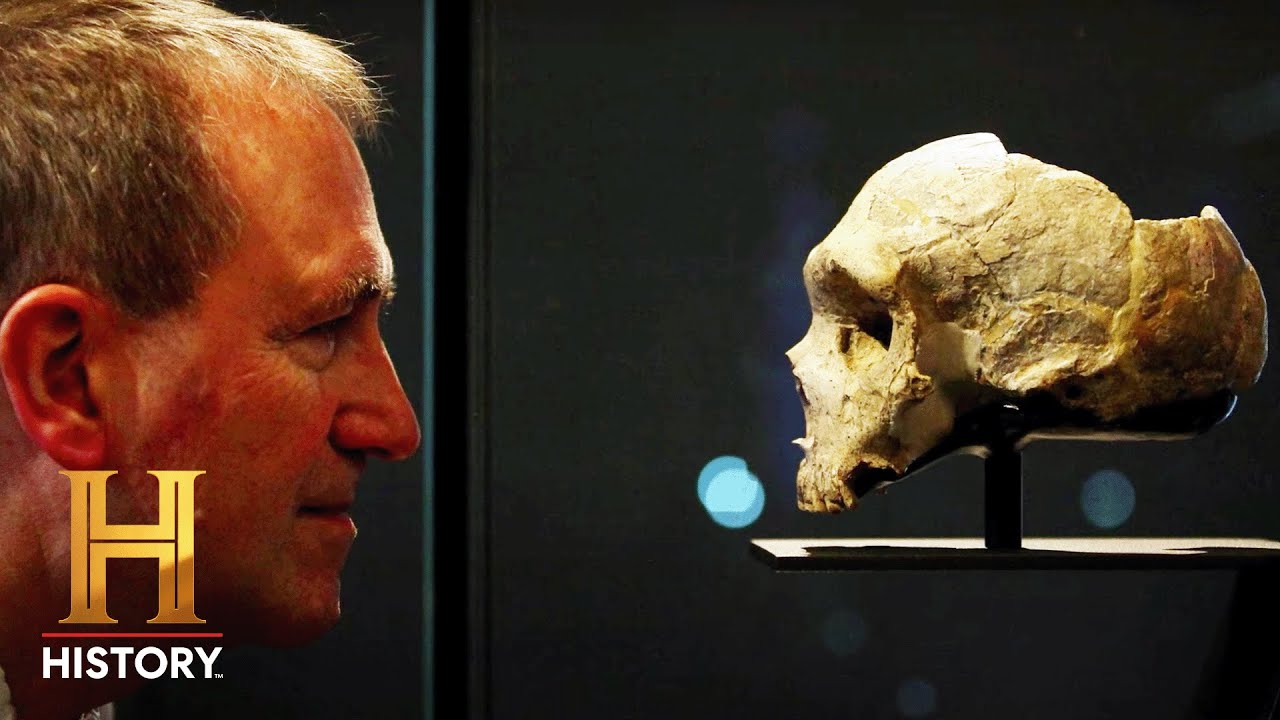
23andMe reveals a significant connection between modern humans and Neanderthals, challenging previous understandings of human evolution through insights from scientists and historians.
Momofuku Ando's creation of instant ramen in post-World War II Japan addresses hunger and revolutionizes global eating habits.
Lizard biologists in the Caribbean reveal surprising traits shared among island lizard species.
Magnetocaloric cooling technology offers a potential 30% increase in energy efficiency for refrigeration and air conditioning systems, addressing environmental concerns linked to traditional methods.
Dr. Edmond Locard applies his forensic principles to a murder case involving a young socialite, demonstrating the critical role of trace evidence in criminal investigations.
One gram of healthy soil can contain millions of microbes that are essential for nutrient cycles and overall ecosystem health.
An 8-meter-high mushroom fossil, discovered on the Arabian Peninsula, dates back 500 million years and illustrates the ancient power of fungi.
More than 15,000 container ships sail daily, contributing to noise pollution that threatens thousands of marine species and disrupts their communication and navigation.
Scientists at Big Bear Solar Observatory determine the Sun's age as 4.57 billion years.
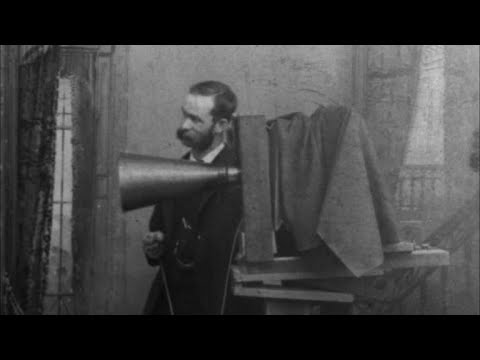
This video discusses how potatoes contributed to the development of color photography.
70,000 liters of water are needed to produce one ton of lithium, raising concerns about the sustainability of current battery technologies.
Carla Dove works to prevent bird strikes, enhancing safety for birds and planes in aviation.
This video clarifies how scientists calculate climate change and its implications.
An autonomous truck navigates traffic, showcasing the future of driving in the United States.
NASA's James Webb Telescope visualizes star formation in the Eagle Nebula's dense clouds.
Nikola Tesla's vision of wireless power is being revived by companies like Why Tricity.
Endless West in San Francisco creates molecular whiskey, redefining traditional whiskey norms.
Pelagornis sandersi, the largest flying bird, uses ocean currents to stay airborne with a 24-foot wingspan.
Great white sharks raise their body temperature to hunt fatty prey in colder waters.
Geothermal energy, utilizing technology from the oil and gas industry, offers a sustainable resource while presenting challenges such as earthquake risks from fracking.
Wilson Greatbatch's invention of the pacemaker transformed cardiac care, stemming from his commitment to help others after a near-death experience in World War II.
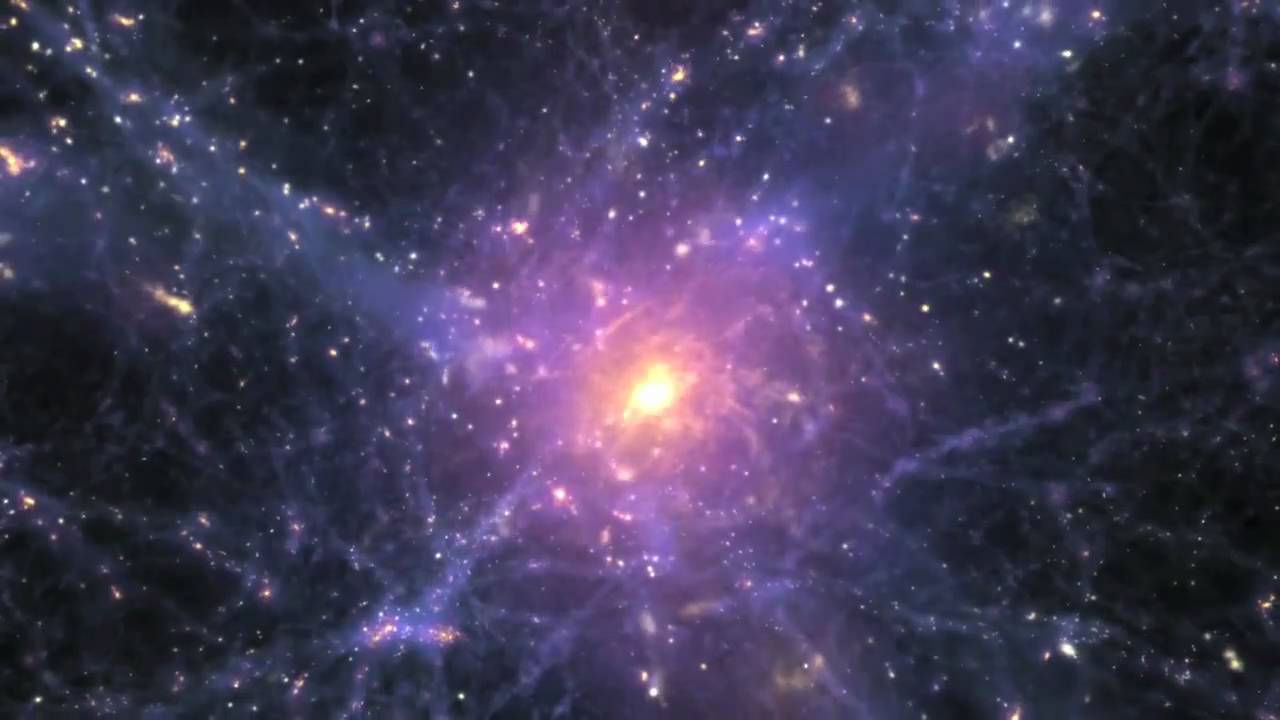
NASA's James Webb Telescope shows how gravity forms large-scale structures in the universe.
In the year 1001, Leif Erikson and his crew reached Newfoundland after sailing for five days from Greenland.
In the Amazon rainforest, environmentalists and indigenous communities collaborate to implement sustainable practices that combat deforestation and promote conservation.
Melanie, a member of the Swiss group Oesch die Dritten, began yodeling at age 10 during a television show performance with her family's band.
More than 17,000 new satellites are expected to be launched by 2030, increasing the risk of collisions from space debris in low Earth orbit.
One hour is given for a trained dog to find a person hiding in a forest, testing the limits of canine tracking abilities.
Alcatraz's infamous 1962 escape is examined through the lens of basic engineering principles, showcasing innovative uses of everyday items for problem-solving.
Brain Worm discusses lethal diseases caused by parasites that invade the brain and vital organs.
Investigators in 1985 Los Angeles search for latent fingerprints in a car abandoned by the Night Stalker, using various powders to reveal evidence.
Major brands invest in bacteria fungus and yeast for sustainable fashion innovations.
Fourteen electrodes are implanted deep into Olivia's brain to investigate the source of her epilepsy and map brain functions.
Freddy Dodge shows how to make a gold bar using mining techniques from 'Gold Rush'.
Egg yolks act as emulsifiers in ice cream, bridging fat and water to create a stable mixture essential for texture and flavor.
Formo, a Berlin startup, brews cheese using whey-like proteins and has begun selling its lab-grown products in Germany.
Rip currents pose significant dangers at beaches, and experts provide essential knowledge on their formation and survival strategies to ensure safety in the surf.
Dr. Fleishman uses maggots to treat infected wounds when antibiotics fail.
James Lovelock proposes AI solutions to save the human race from climate change threats.
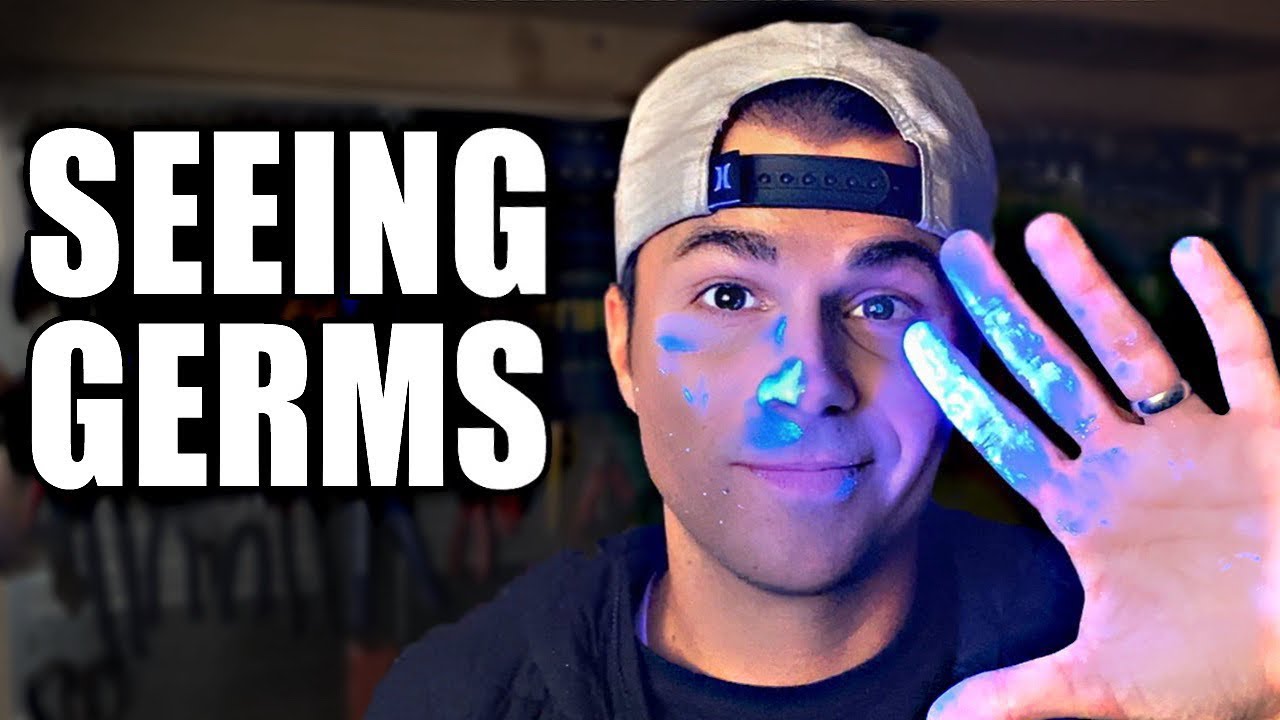
Glo Germ powder reveals how germs spread, showing that they can survive on surfaces for up to nine days after contact.
Gifted children show early skills, self-starting abilities, and obsessive interests in their passions.
COVID-19, identified in January, spreads from China and rapidly replicates in lung Airways.
In 1952, archaeologists near the Dead Sea found The Copper Scroll, prompting a four-year effort to develop a method for unrolling it without damage.
Gravity batteries present a promising solution for storing excess renewable electricity, raising questions about their practicality and cost-effectiveness.
4.3 billion kilograms of warm water and 2.2 billion kilograms of cold water are needed daily for a small ocean thermal energy conversion plant.
Many people believed the Grand Canyon formed from volcanoes, but John Newberry had different ideas.
Dr. Tom Davey tests if waves create sightings of the Loch Ness Monster despite little evidence.