From over 100,000 films, discover the handful you'll love.
Free or premium access to the world's largest documentary library.
7227 films(Page 82 of 151)
Biologische Milchproduktion, Weinanbau und Schweinezucht in der Schweiz werden untersucht, während Ernteausfälle durch die "weisse Fliege" thematisiert werden.
For over 25 years, NASA's Space Shuttle program served as a vital platform for scientific research and technological advancements in low Earth orbit.
Transhumanism advocates for humanity's evolution beyond current physical and mental limitations through advancements in technology and science.
Scientists investigate the evolution of viruses and the development of vaccines and treatments to combat emerging viral threats, featuring insights from experts.
Daintree National Park, a UNESCO World Heritage site, is the focus of biologist Peter Byrnes and his team as they study its unique rainforest ecosystem from a crane.
Animal communication encompasses a variety of sounds, gestures, colors, and scents that species use to survive, attract mates, and coordinate group activities.
Marie Curie, Albert Einstein, Alan Turing, and Tu You You are examined for their groundbreaking contributions to science and the personal sacrifices they made.
The Fox River faces significant challenges related to PCBs, urbanization, and agriculture, as explored by environmental experts Josh Dukelow, Gordon Hintz, and Reid Ribble.
Life's Story examines the relationship between science and faith by analyzing macro evolution and evidence for special creation through wildlife physiology.
Mars showcases its breathtaking beauty through a three-dimensional visual experience, accompanied by music composed by Bjørn Arild Lynne.
Ningaloo Reef along Australia's remote northwest coast hosts a diverse underwater ecosystem, including the world's largest fish, the whale shark, which marine biologist Mark Meekan studies.
Exploring various scientific and cultural theories, this feature-length film examines the potential realities behind the concept of zombies.
Gene-editing technologies are being utilized by scientists globally to enhance food crops, prevent famines, and accelerate reforestation efforts.
Migratory animals traverse breathtaking landscapes across the globe, facing predators and harsh climates in their quest for breeding grounds and resources.
In 1969, NASA astronauts landed on the moon, but some claim it is not the barren landscape portrayed and question whether the landing even occurred.
In extreme climates from the Sahara Desert to the icy mountains of South China, various animal species have developed unique survival strategies to adapt and thrive.
On November 12, 2014, the Philae lander achieved the first successful landing on a comet, marking a significant milestone in space exploration.
A variety of insects, including dragonflies and beetles, demonstrate their unique adaptations and behaviors in diverse ecosystems.
In the last 30 years, the Great Barrier Reef has lost approximately 50% of its coral cover, raising alarms about its future.
Light, a fundamental aspect of daily life, is examined in terms of its properties and significance in the universe, narrated by Michael Smith and directed by John Smith.
Wild animals face extreme challenges in protecting and raising their young, driven by an instinctual need to ensure the survival of their species.
Asteroid mining is emerging as a viable solution for meeting the increasing demand for rare metals essential for high-tech industries and energy transition efforts.
At four months old, a baby in the United States became the youngest American to receive a myoelectric hand, advancing cyborg technology.
Microbiomes serve as crucial ecosystems within the human body, influencing health through the diverse functions of various microbes, as explored by scientists globally.
Dr. Kathryn Sullivan, the first American woman to walk in space, discusses the challenges of human survival on Mars and the future of life beyond Earth.
Professor Rose Anne Kenny explores the scientific advancements in aging prevention and the societal implications of potentially achieving eternal life.
Bee population decline poses significant threats to global ecosystems and food security, driven by habitat loss, pesticide use, climate change, and diseases.
Astronaut Piers Sellers and Explorers Constance Adams, Bethany Ehlman, and Kevin Hand discuss life in micro-gravity and robotic exploration of Mars and Europa.
Marine ecologist Enric Sala, marine biologist Tierney Thys, and submarine pilot Erika Bergman discuss efforts to protect ocean ecosystems and their inhabitants.
Underwater exploration by oceanographers and geologists reveals diverse marine life and geological formations along the coasts of Southern California and Mexico.
Kyler Abernathy studies leopard seals in Antarctica using Crittercams, while Sarah Parcak identifies archaeological sites from space through satellite technology.
Rick Edwards collaborates with physicist Dianna Cowern and inventor Colin Furze to explore the scientific principles behind levitation using physics alone.
Nuclear power presents a contrasting energy solution, with Australia relying heavily on coal while Sweden embraces nuclear for half of its energy needs.
Tim Samaris predicts tornadoes and deploys recording probes into their paths while racing through Tornado Alley each May and June.
Prof. Dr. Ulrich Walter outlines the rigorous training and challenges faced by astronaut candidates, sharing insights from his own experiences and those of legendary astronauts.
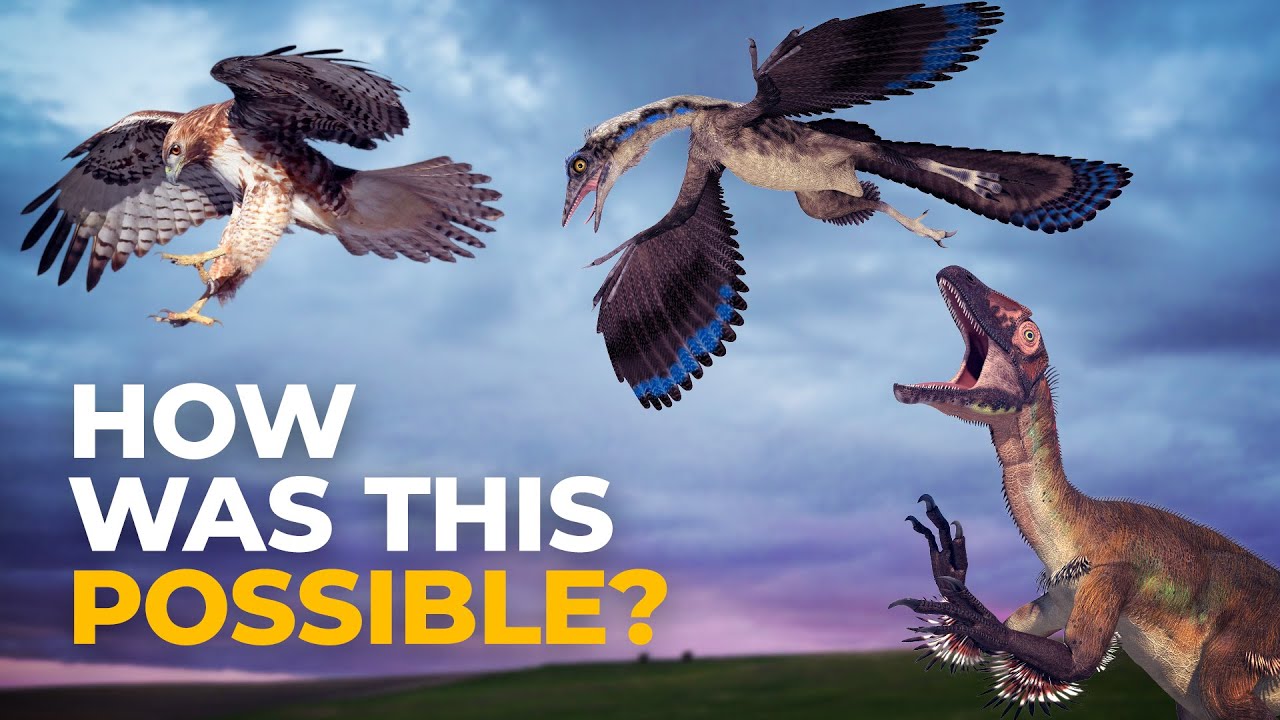
The evolution of flight is explored through the lens of biology, technology, and the impact of human innovation on aviation history.
After constructing the world’s largest aquarium, engineers and marine experts face the challenge of creating a sustainable ocean ecosystem within a 100 million liter tank.
A male leopard marks his territory with urine and scent glands, defending his space to secure food and mates in the wild.
Emperor penguins in Antarctica exhibit remarkable adaptations for survival, including unique breeding behaviors and resilience to extreme cold.
Engineers restore D-Day veteran C47 Night Fright at Membury airfield for its 75th anniversary.
Gloria Ramirez died in 1994 after her blood turned to toxic gas, prompting toxicologists to investigate the unusual symptoms surrounding her death.
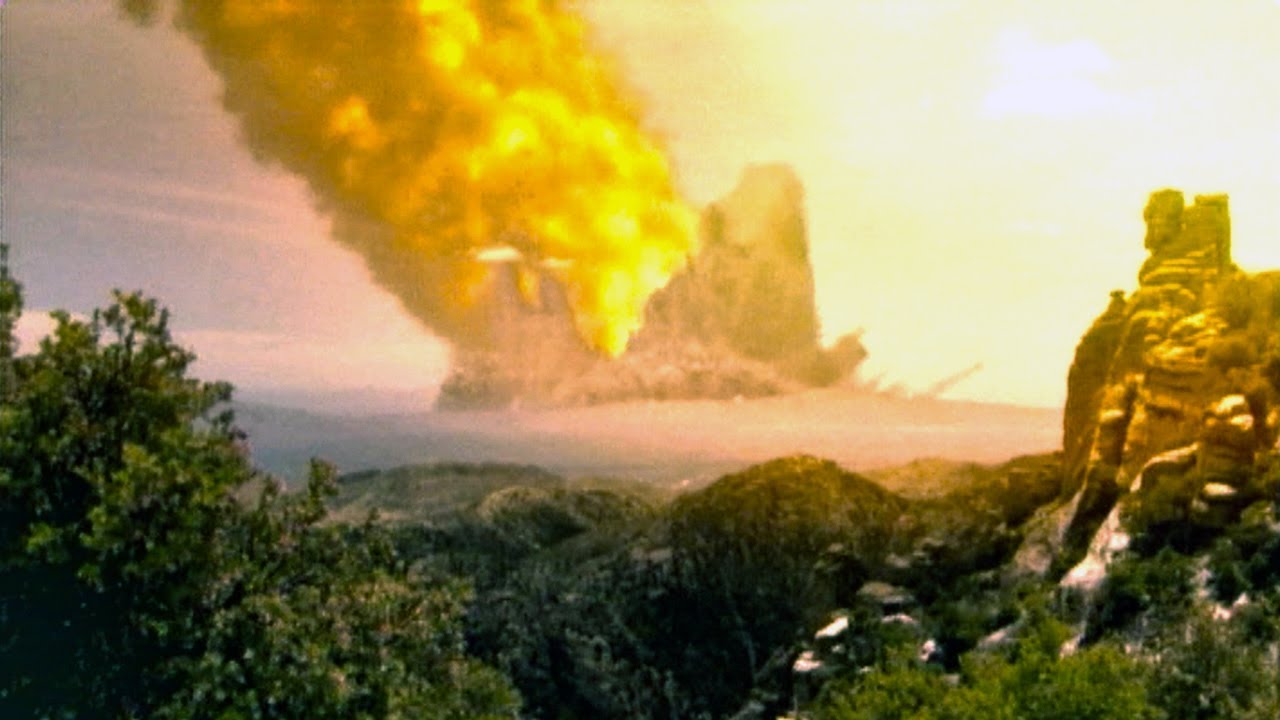
An asteroid the size of Mount Everest struck Earth 65 million years ago, causing the extinction of 70% of all species, including the dinosaurs.
In the Pacific Ocean's Ring of Fire, unique marine life such as the mimic octopus and flamboyant cuttlefish showcases extraordinary adaptations for survival.
An asteroid impact in Yucatan in 2007 triggers global devastation, plunging major cities like Paris and New York into darkness and leading to widespread extinction.
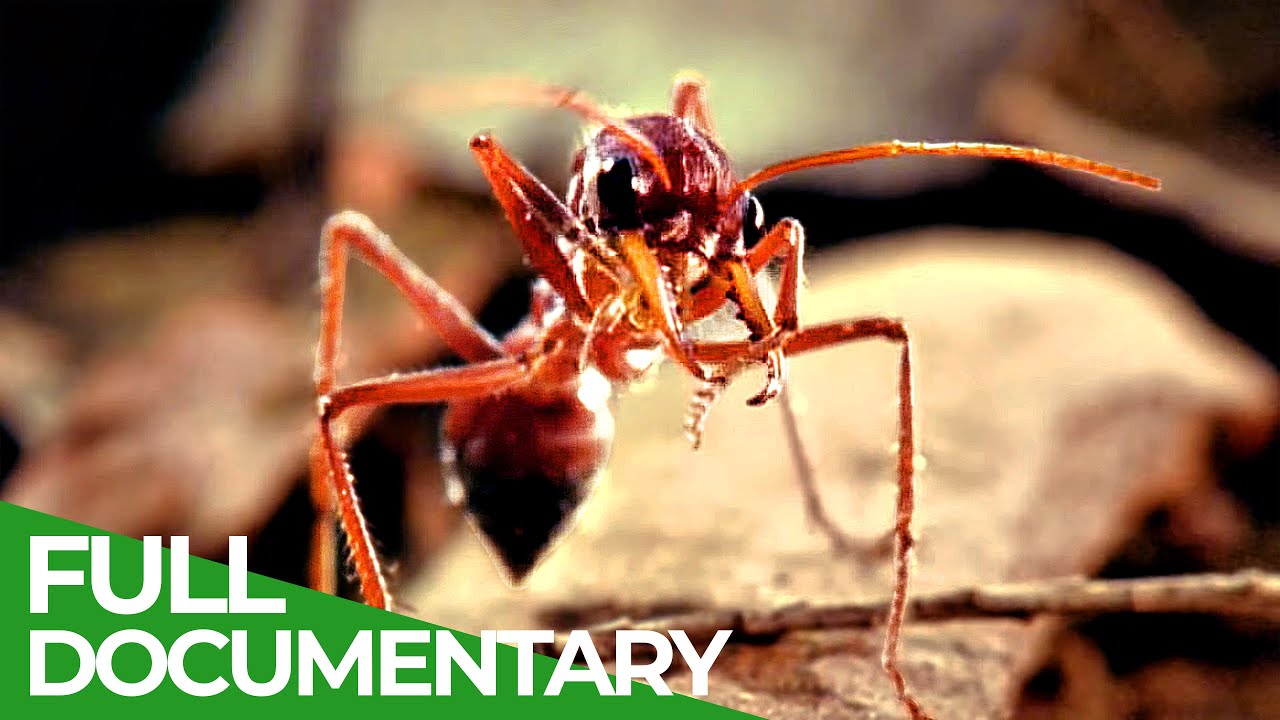
Ants, with over a million individuals for every person, exhibit complex behaviors such as slavery, nest-building, and aggressive defense mechanisms.
Specialized animals like the Bottlenose Dolphin, Barn Swallow, and Gray Wolf exhibit extraordinary adaptations that enhance their survival in diverse environments.
The MythBusters tackle epic myths with explosive experiments and scientific methods.
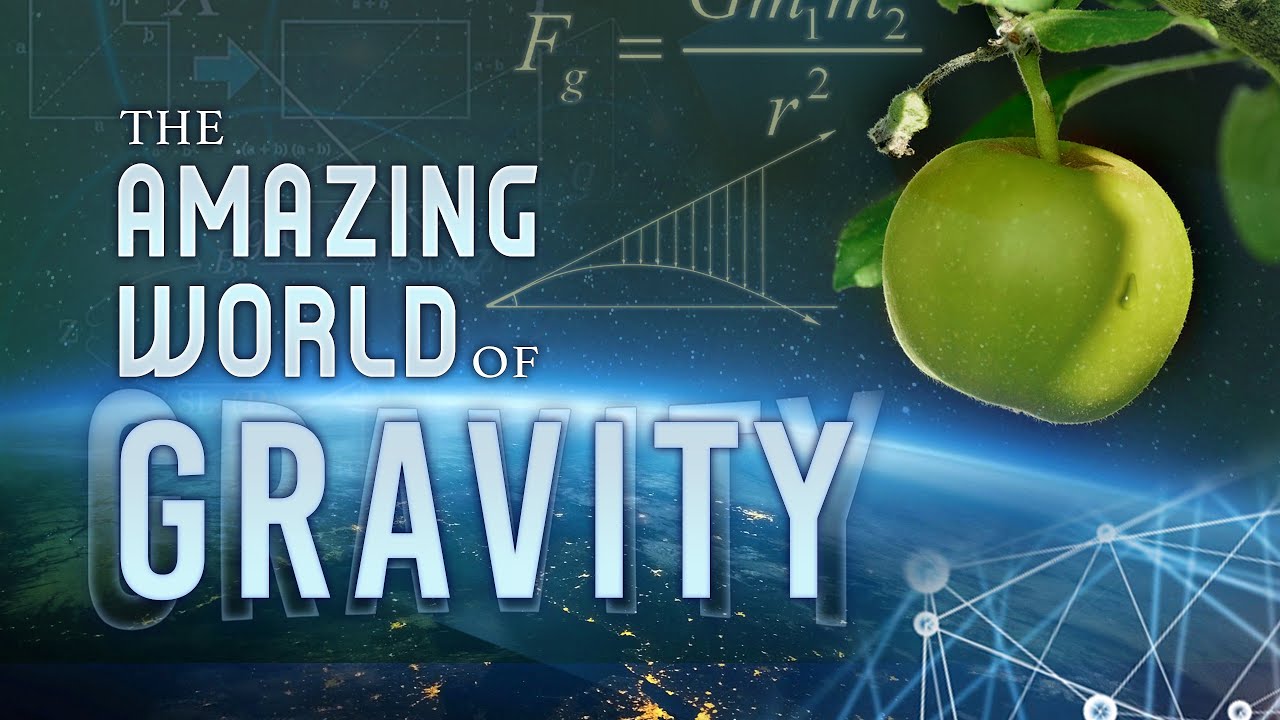
A hammer and a feather dropped simultaneously on the moon in 1971 confirmed Galileo's theory that all objects fall at the same rate in a vacuum.