From over 100,000 films, discover the handful you'll love.
Free or premium access to the world's largest documentary library.
7227 films(Page 128 of 151)
Science fiction works, from Mary Shelley's "Frankenstein" to "The Jetsons," have significantly influenced technological advancements and real-world inventions.
An 8-meter diameter mirror allows the James Webb Space Telescope to collect six times more light than the Hubble Space Telescope.
Scientific methods such as handwriting analysis, voice print identification, and gunshot residue testing are showcased as tools for criminal identification by the U.S. Customs Service.
Breakthroughs in biotechnology have led to the 3D printing of human hearts, potentially transforming the future of organ transplants.
Researchers at Tufts University have created Xenobots, the first living robots, by assembling living cells from frog embryos into new life-forms.
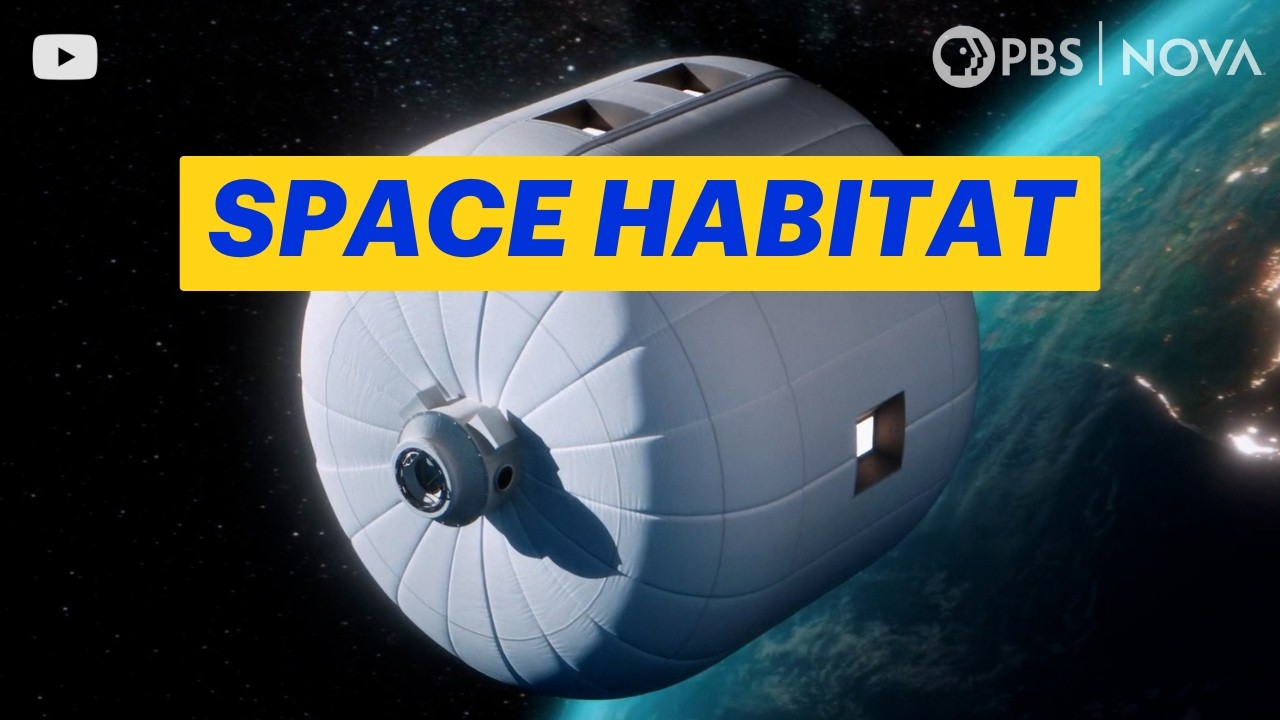
Scientists are developing inflatable habitats for human habitation on the Moon and Mars, testing their ability to withstand high pressures before deployment.
A five-foot-long coelacanth, thought to have been extinct for 65 million years, is discovered by Marjorie Courtnay-Latimer in South Africa in 1938.
They believe our galaxy teems with planets, despite the stars having offered little evidence of life.
Edwin Hubble demonstrated eight decades ago that the Milky Way is just one galaxy among countless others in a vast universe filled with island galaxies.
CERN's Large Hadron Collider will conduct a groundbreaking experiment involving ten thousand scientists to explore matter just after the Big Bang.
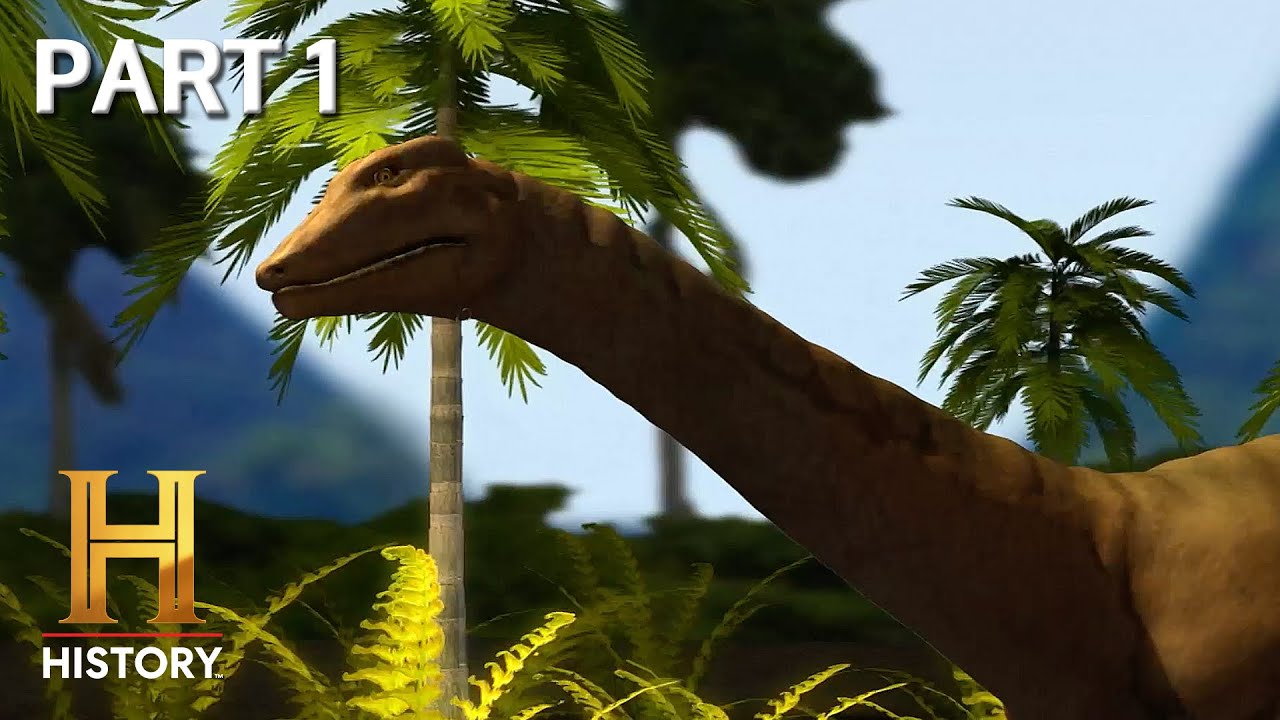
Mokele Mbembe, a living relic, is said to stalk the rivers of central Africa.
$28,000 in sales were generated from a treasure hunt in Virginia, including a signed John Wilkes Booth card valued at $10,000.
A tornado touched down for 41 minutes on May 2, 2024, leaving a path of destruction over 25 miles long in Holly, Texas.
A tornado touched down in Alabama, with eyewitnesses reporting baseball-sized hail and intense winds that left them scrambling for safety.
Spring in Central Europe presents challenges for animals and plants as they focus on energy storage and raising their young, including bees, waterfowl, and wild boars.
Ingaï introduces his grandson Abderahim to camel breeding amidst the stunning flora and fauna of the secret canyons in the Ennedi massif of northern Chad.
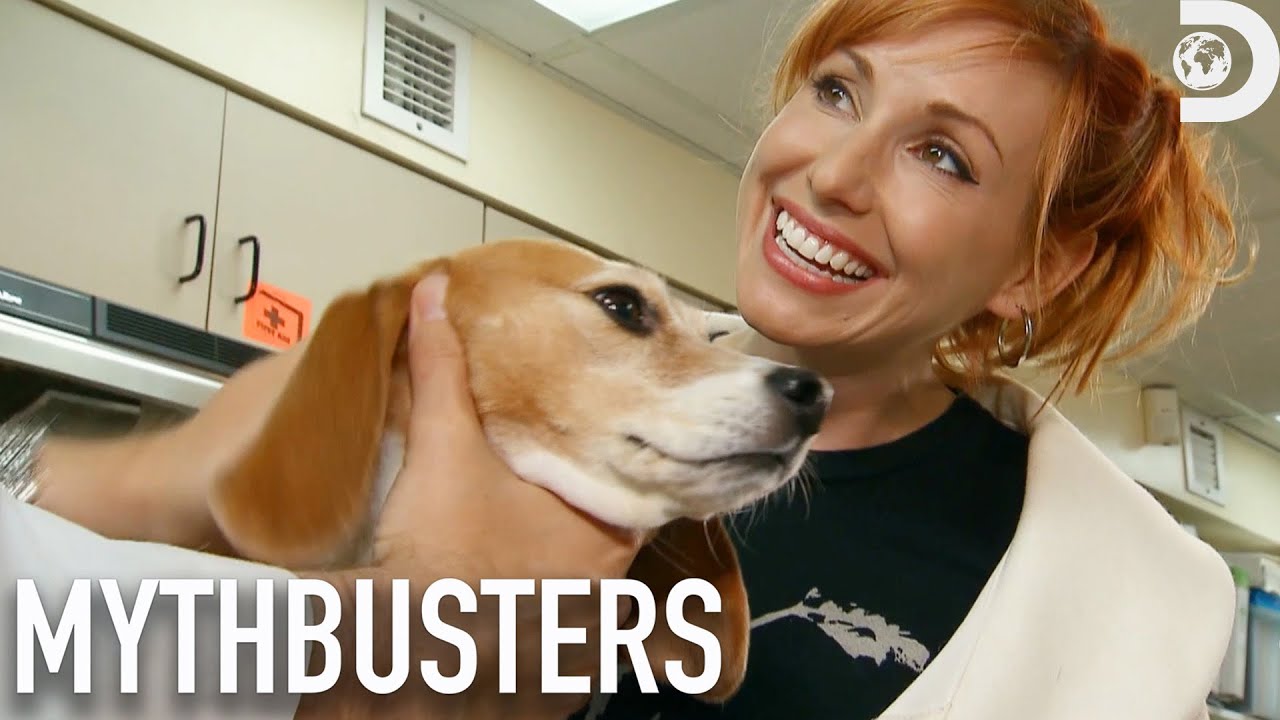
A team tests sniffer dogs' abilities by hiding contraband in various locations, including inside peanut butter, to see if they can still detect it.
NASA's Dawn mission began on September 17, 2007, to study the two largest asteroids, Ceres and Vesta, in the asteroid belt.
Carl Jansky discovered radio waves from the Milky Way in 1931, revealing a universe beyond the limits of human eyesight.
NASA's Operation IceBridge collects data on ice thickness and glacier discharge speeds during its 2017 flights over the Greenland ice sheet.
Dr. Robert Stein uses supercomputers to study the sun's interior and coronal mass ejections.
Dr. Robert Stein from Michigan State University studies solar dynamics and coronal mass ejections.
The Webb Space Telescope will study how planets form and evolve in our solar system and beyond.
Scientists explore the potential for machines to achieve self-awareness through advanced AI technologies like Deep Learning, raising questions about machine cognition and emotion.
NASA and private companies like SpaceX face numerous challenges in sending humans to Mars, including life support systems and transportation logistics.
80,000 wildfires erupt in Canada each year, prompting scientists to conduct controlled fire experiments to improve firefighting strategies and safety measures.
Jaida Elcock profiles seven shark species, showcasing their unique adaptations and survival skills in various marine environments.
In the South Pacific, a scientist from the Under the Pole team experiences a shark attack while exploring deep sea corals, highlighting the risks of marine research.
A family travels from Southeast Florida to Montauk, New York, to participate in a shark tagging program led by marine biologist Dr. Craig O'Connell.
A tall, icy figure resembling the Grim Reaper appeared near Lake Erie in January 2022, prompting speculation about its origins and meaning.
A speaker system with a top output of 118 dB is used to play back a Bigfoot recording in hopes of eliciting a response from the creature.
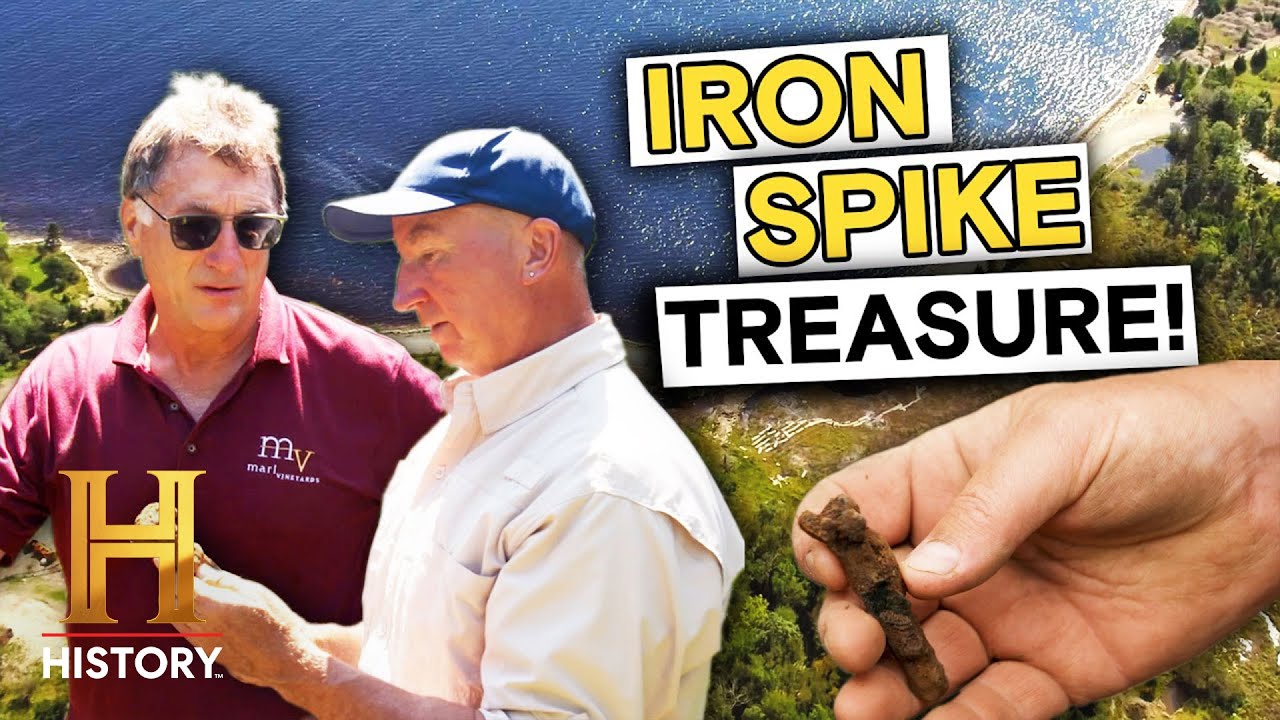
Dr. Christa Brosseau analyzes 18th century iron spikes found near Oak Island, which may provide clues about the treasure's origins and construction.
More than 20,000 soldiers were aboard the Spanish Armada in 1588, which was ultimately defeated by a storm that destroyed half of its fleet.
Animal mating strategies are explored across six continents, highlighting the diverse and often bizarre methods species use to attract mates and ensure reproductive success.
Skylab's three missions conducted a series of scientific experiments, including studies of the universe and human cells, from 1973 to 1974.
Motorcycle riders from the Westchester Motorcycle group navigate the challenging terrain of Mt. Washington, known for its extreme weather and stunning landscapes.
In a coastal habitat, Edwin Towler observes sleepy harbour seals and their playful pups, along with red deer and a mother fox with four cubs.
Solar power plants are examined for their role in renewable energy production and their impact on global energy consumption trends.
Our Sun, a Yellow Dwarf, is 24-26,000 light years from the Milky Way's center.
Nigel, an acclaimed science populariser, explores the mysteries of the outer Solar System and the debate over the existence of Planet X, engaging students' curiosity.
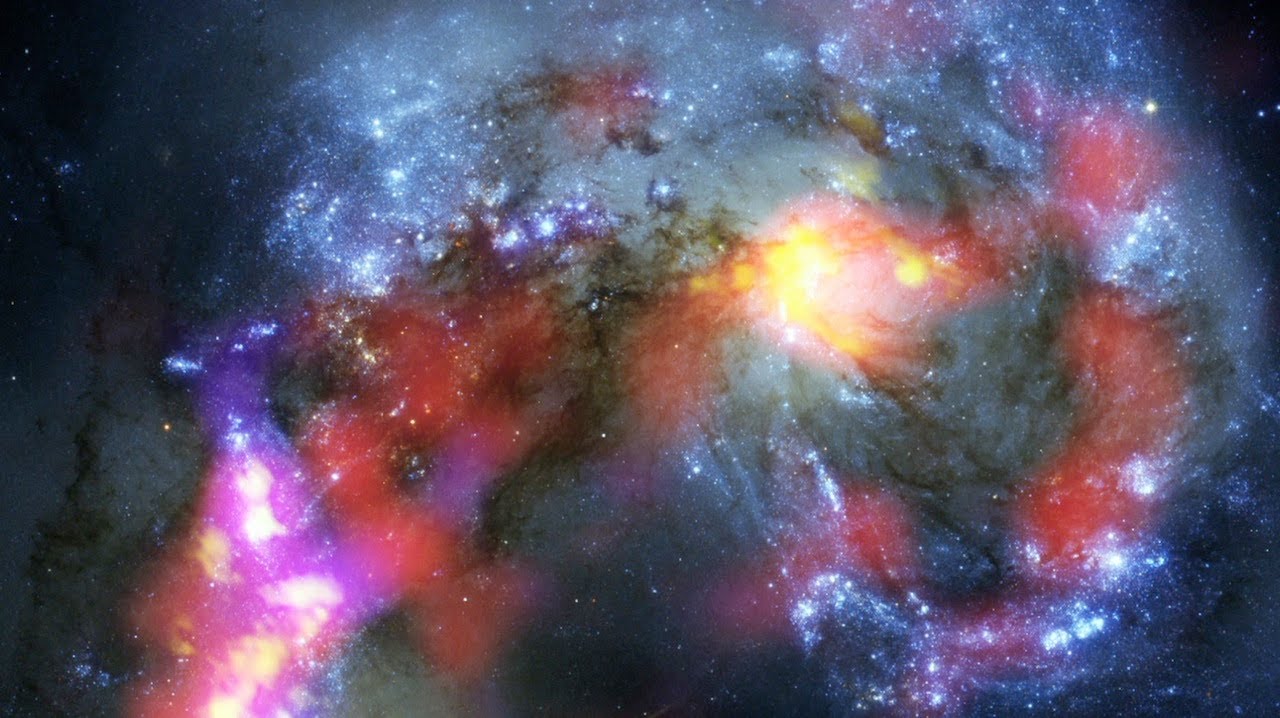
ALMA, the world's largest astronomical project, analyzes submillimeter wavelengths to explore the cold, hidden areas of the universe.
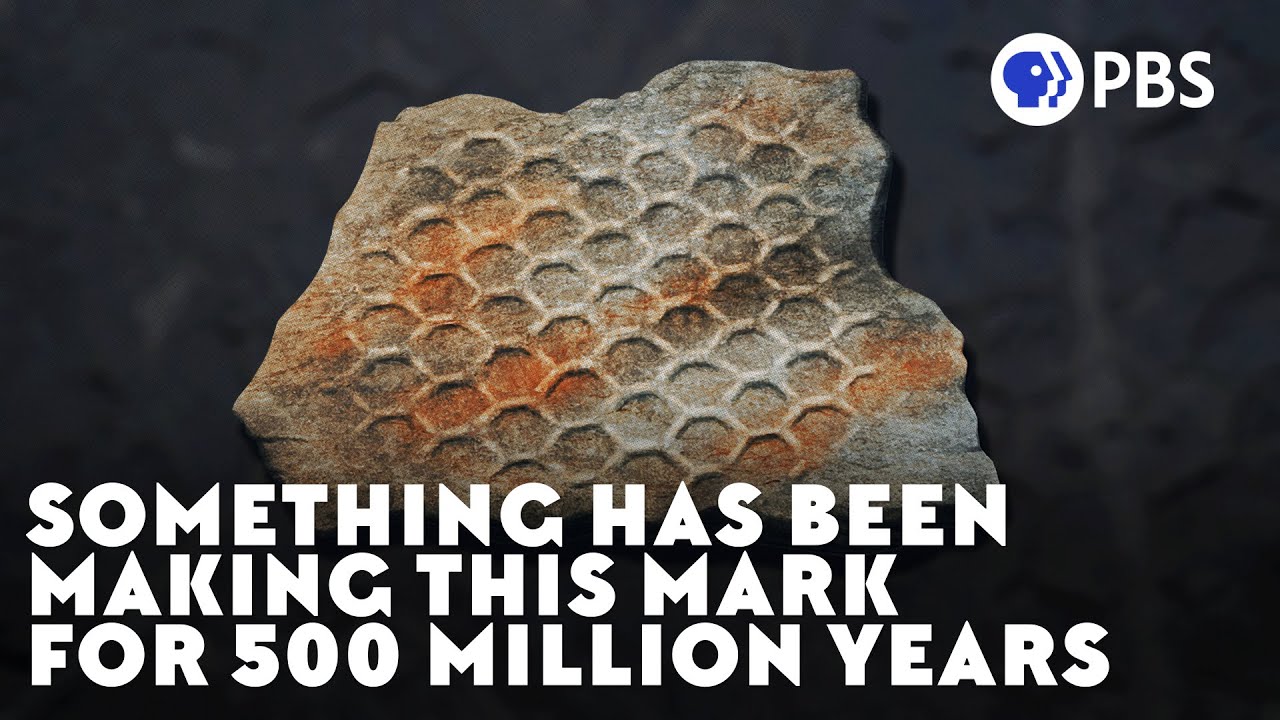
Paleodictyon, a hexagonal-patterned fossil found in various geological formations, raises questions about its classification as either a trace fossil or an organism itself.
Wildlife photographer Edwin Towler explores the habitats of mountain hares and playful otters in the Scottish Highlands for BBC Earth.
More than 700 asteroids could be worth over 100 trillion dollars, raising questions about wealth distribution and tax implications in space.
NASA's James Webb Space Telescope captures vivid imagery of the Orion Nebula, showcasing the blend of art and science in astronomical photography.
More than 90 percent of water on the International Space Station is recycled from sinks, toilets, and condensation for reuse by astronauts.
Experience the International Space Station, brimming with experiments and life support systems.
The event horizon defines a black hole, trapping information and causing spaghettification.