From over 100,000 films, discover the handful you'll love.
Free or premium access to the world's largest documentary library.
7227 films(Page 103 of 151)
Herschel Space Observatory and Spitzer Space Telescope showcase the Milky Way's coldest and hottest regions using advanced infrared imaging.
Scientists predict a collision between the Milky Way and Andromeda Galaxy in 4 billion years.
Visual scientist Prof. Arthur Shapiro explores how optical illusions challenge the brain's perception of reality and the reliability of the senses.
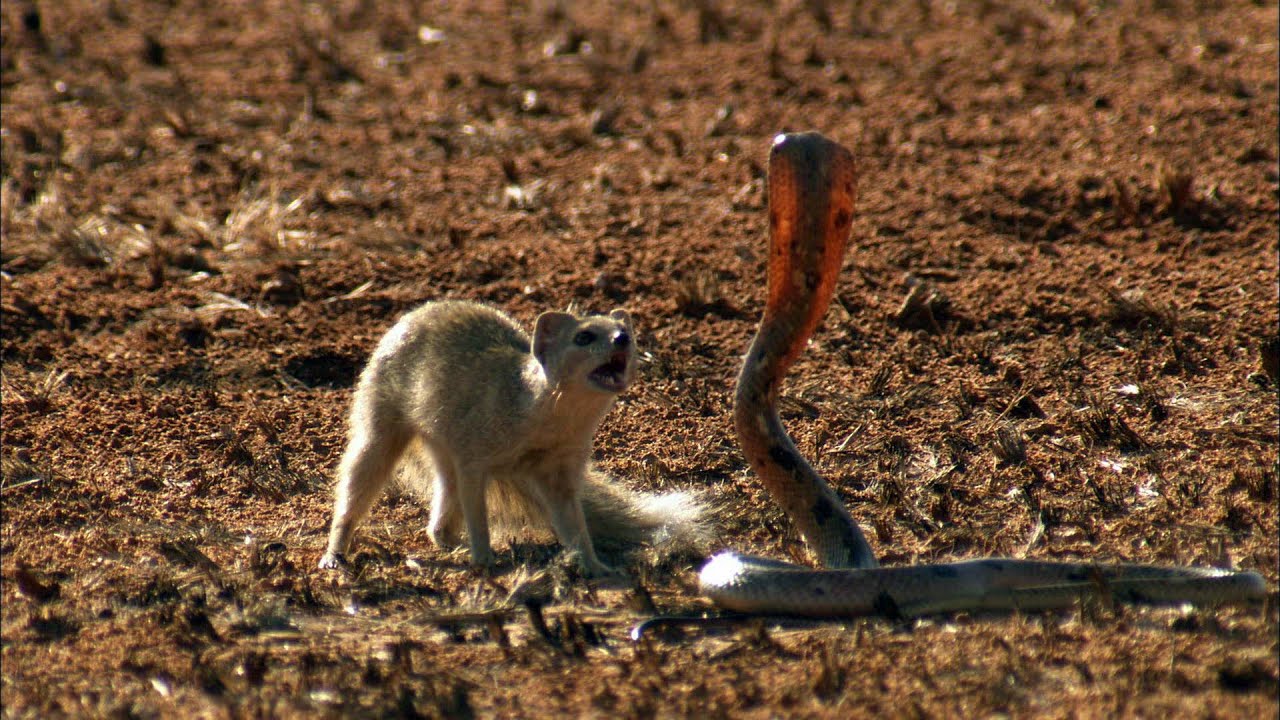
A female squirrel faces a deadly cobra strike, prompting a yellow mongoose to step in as the two engage in a tense battle for survival.
A choir of 22 screaming chicken heads announces lunchtime in a playful demonstration of sound mechanics and engineering creativity.
$10,000 is placed in a glass suitcase as part of a challenge involving a modified tennis ball cannon in a newly built secret lab.
The Bermuda Triangle, infamous for its unexplained disappearances of ships and aircraft, raises questions about its potential dangers and underlying mysteries.
Scientists narrow the search for dark matter using NASA's Fermi Gamma-ray Space Telescope.
Watch as NASA's Jet Propulsion Laboratory combines science and creativity in an epic pumpkin carving showdown using lasers!
NASA's Curiosity Mars Rover landing is explored through the perspective of an engineer, highlighting the emotional and technical challenges of the mission.
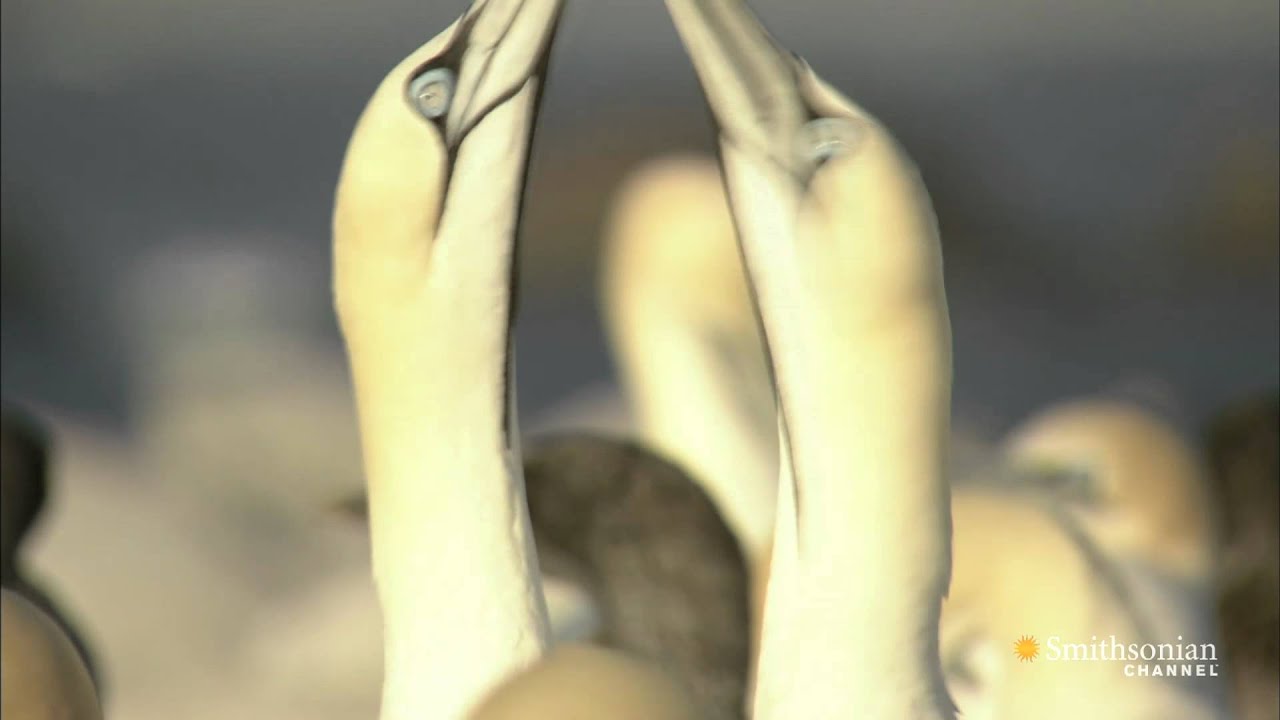
Cape Gannets dive at high speeds to hunt sardines and return to their nests each year.
Neanderthals and modern humans coexisted in Europe and Asia, competing for resources and adapting to changing environments over thousands of years.
NASA's Kepler telescope observes Neptune's rotation and cloud movements in this video.
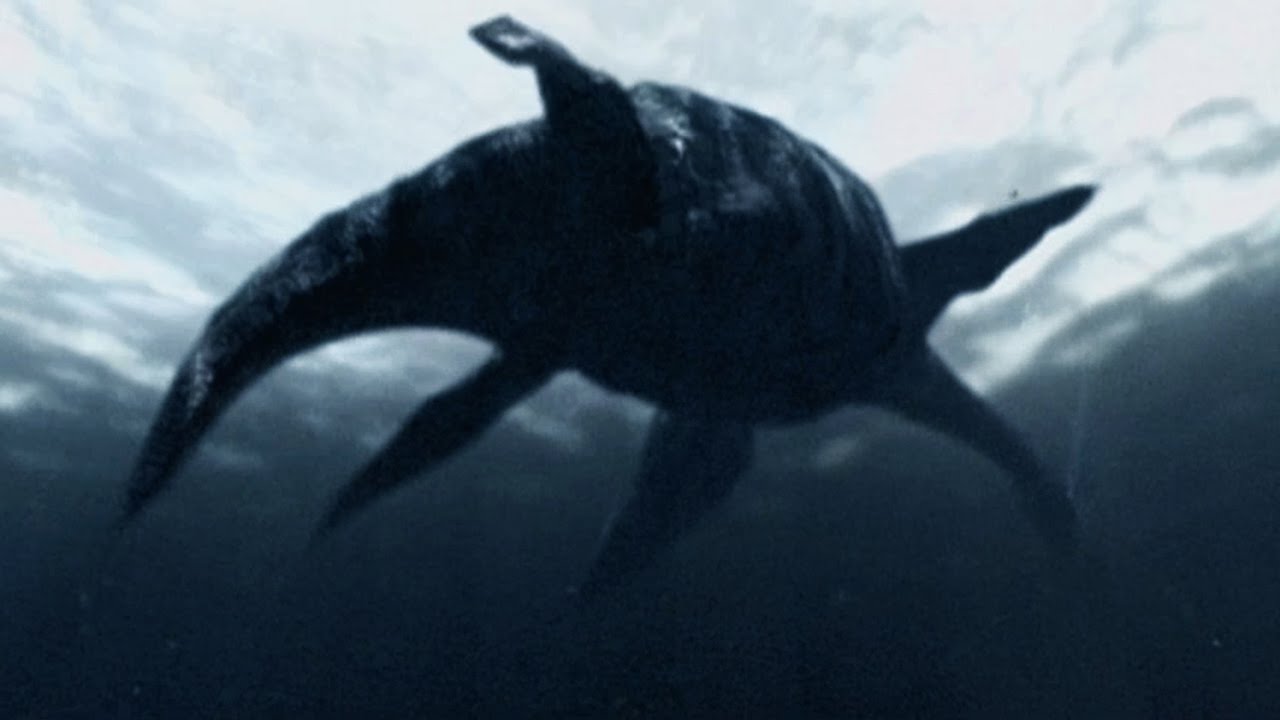
Adrian Shine explains how Loch Ness creates illusions affecting Nessie sightings.
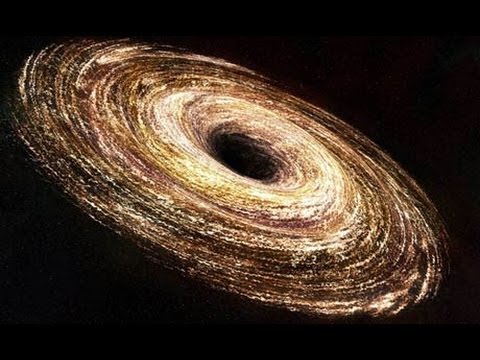
NASA Astrophysics reveals gamma-ray bursts are the universe's brightest explosions.
Clownfish larvae hatch from their eggs at night, revealing their unique development process through specialized infrared footage in the Great Barrier Reef.
New World monkeys and Old World monkeys exhibit distinct differences in behavior, physical traits, and habitats across various regions.
A vivid image from Hubblecast shows colliding galaxies known as Arp 142 in Hydra.
Up to 96 percent of spent nuclear fuel is recyclable, yet only a few countries are reusing it despite the potential benefits.
Ocean Souls is an emotive cetaceans documentary showcasing diverse marine life and new science.
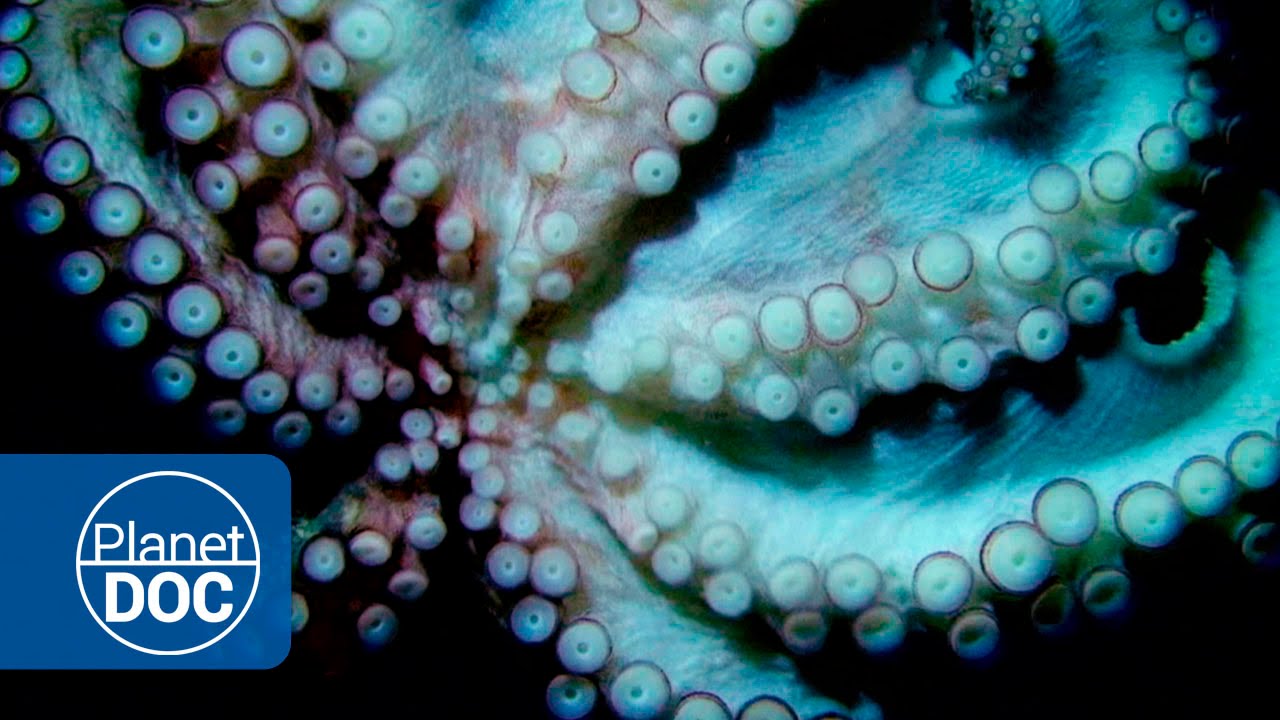
Octopuses utilize their exceptional eyesight and advanced hunting techniques to effectively trap prey in total darkness, showcasing their remarkable adaptations as nocturnal hunters.
A common octopus named Sashimi must solve a nine-part underwater obstacle course to reach a vault filled with her favorite food.
About 15.5 people out of every thousand in a large population will have an accident each year, illustrating the principles of probability theory.
Willis Hodges becomes the first Black lighthouse keeper at Cape Henry Lighthouse in 1870.
X-rays revolutionized medical imaging and diagnostics, enabling non-invasive examination of the human body since their discovery by Wilhelm Conrad Röntgen in 1895.
A Sumatran rhinoceros weighs about 1,700 pounds and requires four square miles of jungle space to survive in its natural habitat.
The Bionic Man takes his first steps using hydraulic hips and computer controlled knees.
New infrared images from the Vista Telescope showcase the fabled Orion Nebula's beauty.
The video details human evolution, highlighting long legs and sweat glands for Savanna running.
Some marine life is exposed to noise levels that can destroy their sense of hearing, leading to stress and reduced reproductive success.
Our sun, a G-type main sequence star, is shown to be calmer than other yellow dwarfs, revealing insights into its stability and characteristics.
An innovative experiment featured on History's original programming reveals unexpected results that challenge conventional perceptions of scientific inquiry.
Many flowers exhibit a preference for five petals, or other Fibonacci numbers like 8 and 13, reflecting mathematical patterns in nature.
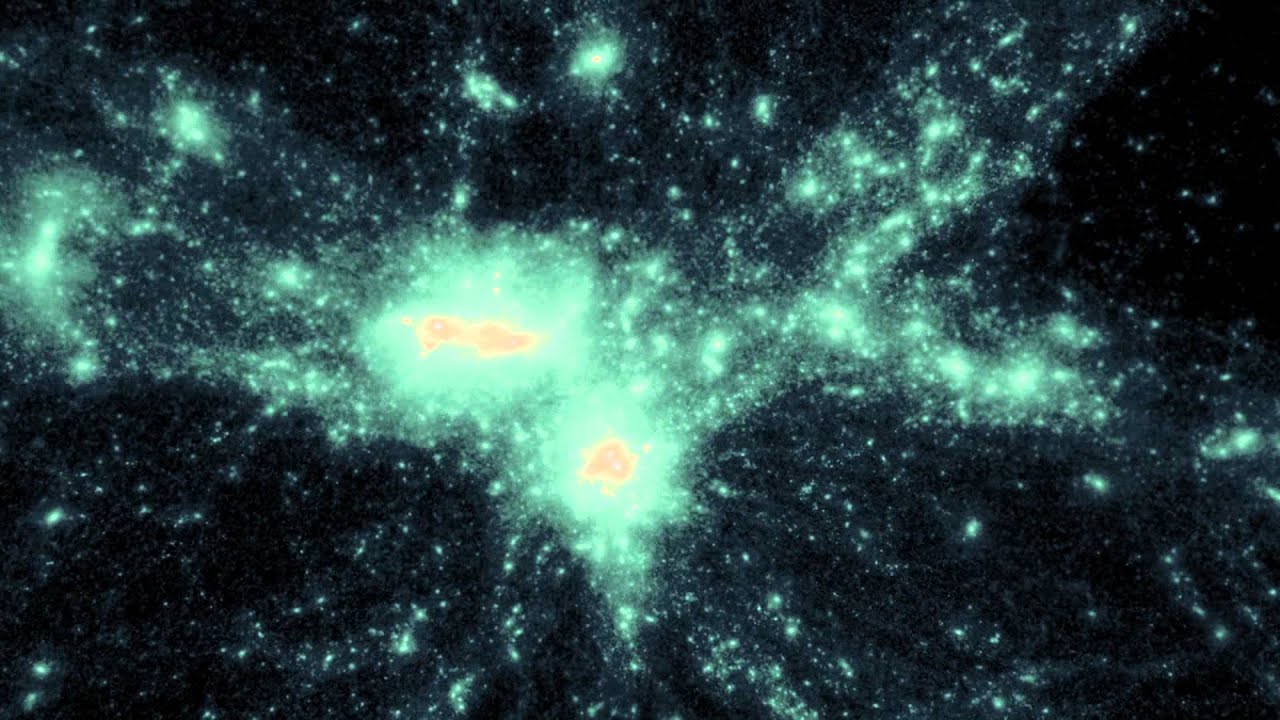
Recent observations reveal the violent history of Abell 2744, or Pandora's Cluster.
Panspermia suggests life spreads through the Universe via comets and other celestial bodies.
Parker Schnabel reflects on his first trail in the Yukon, connecting his gold mining experiences to the legacy of his grandfather, John Schnabel, during the Klondike Gold Rush.
IRIS makes a major heliospheric discovery about solar heat transport.
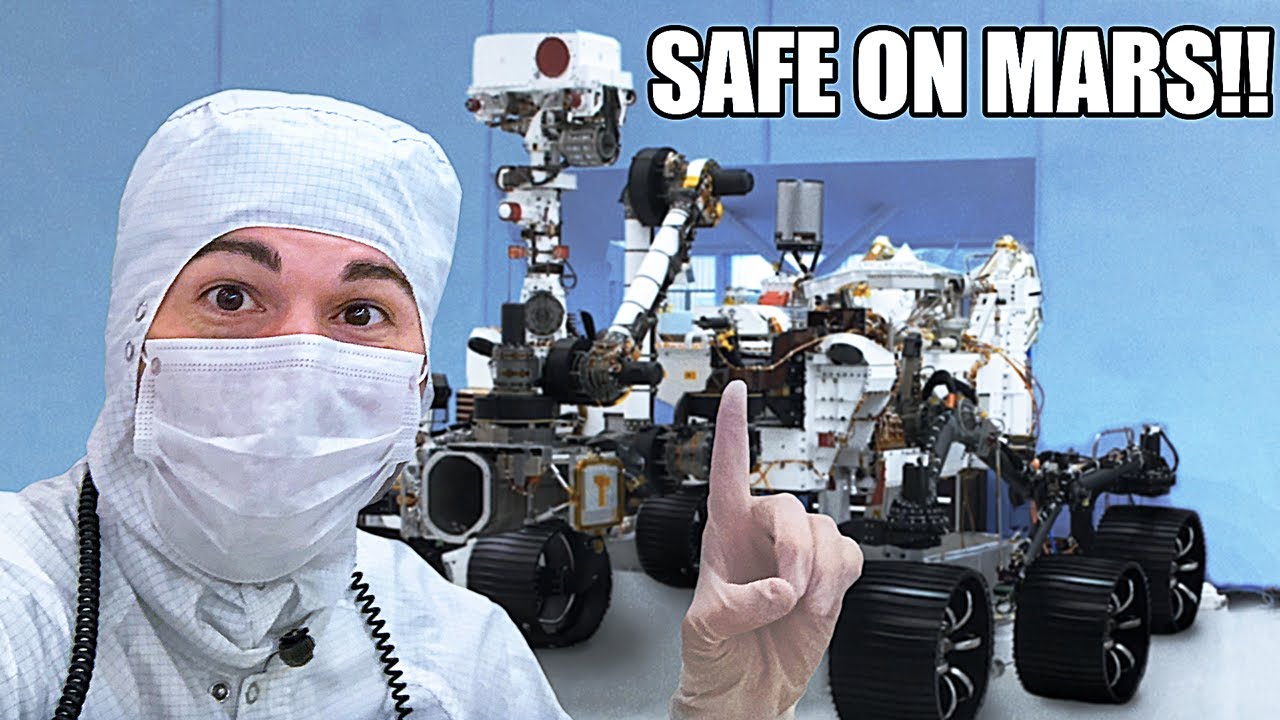
NASA's Perseverance rover successfully landed on Mars, showcasing the intense 'seven minutes of terror' during descent and the innovative technology behind the mission.
Miguel Alcubierre's theoretical warp drive concept, inspired by Star Trek, is examined for its potential to create faster-than-light travel through real-world physics.
Pinky Shortcake confronts her fear of heights by jumping off the top rope, supported by Syko, as the Big Little Brawlers prepare for MicroFest.
The video discusses the search for Planet X and its significance in our solar system.
The video addresses the debate over Pluto's classification in the solar system.
This ESOCast briefly describes the planetary discoveries around Gliese 581 and Exobiology.
A magnitude 9 earthquake in March 2011 caused the seafloor to move 50 to 60 meters, resulting in a devastating tsunami that killed 18,000 people.
Watch how advanced cloning helps protect endangered species and preserve biodiversity.
2.7 billion years ago, a mutation in bacteria allowed for oxygen production, leading to the evolution of complex organisms like Myllokunmingia.
William the Conqueror built the White Tower in stone to control London and its vital bridge, establishing a new order in 1066.
Terry Williams discusses 'The Hole' in a series premiering on Mon, July 29 at 10/9c.