From over 100,000 films, discover the handful you'll love.
Free or premium access to the world's largest documentary library.
7227 films(Page 24 of 151)
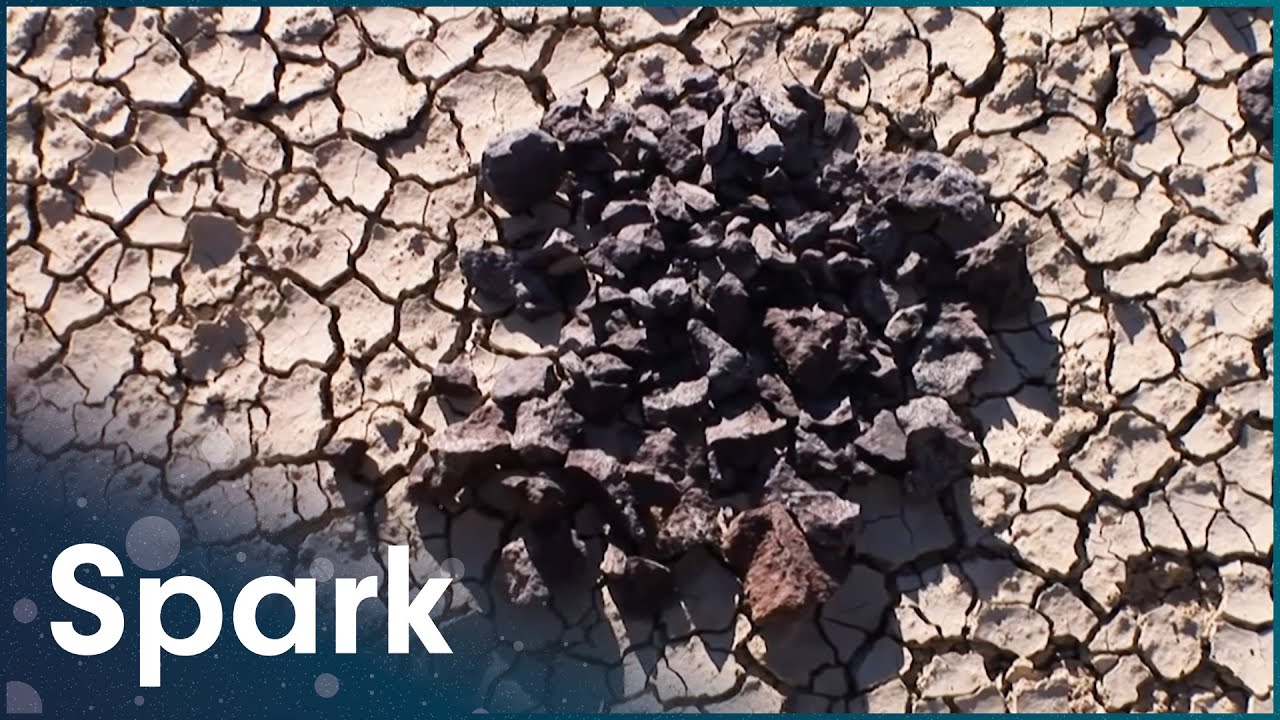
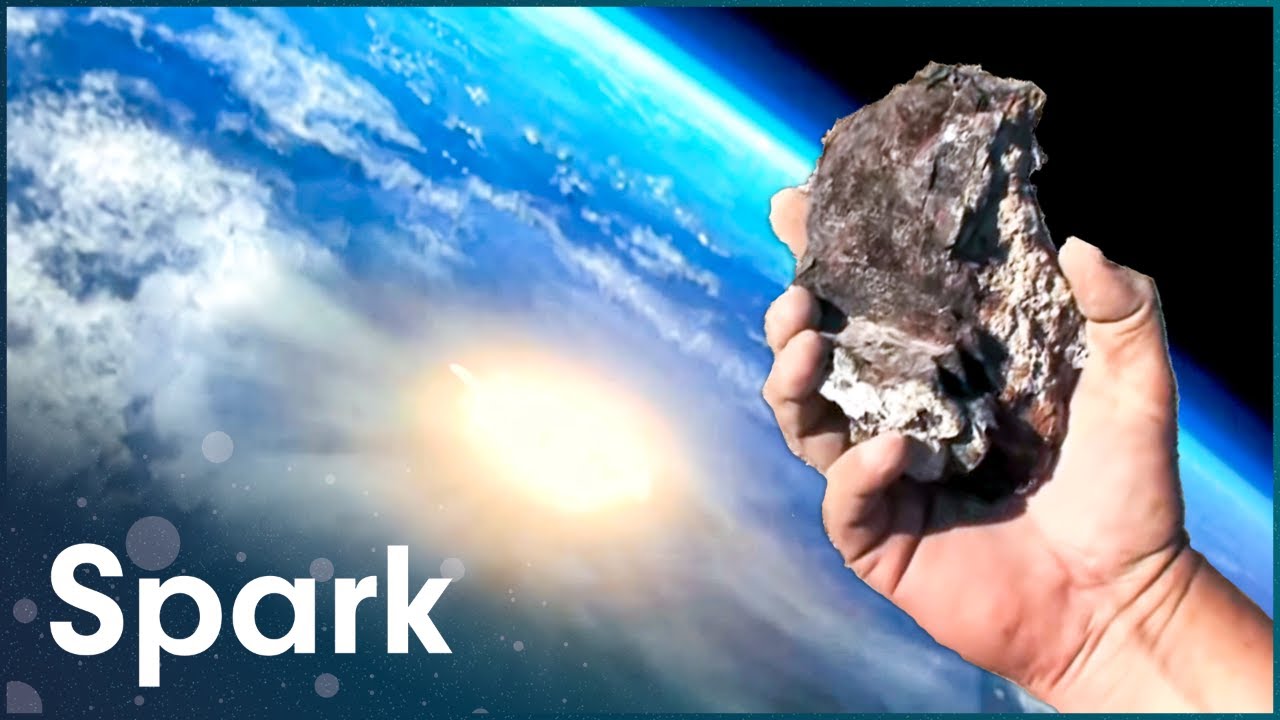
A two-pound meteorite found in a dry lake bed in Nevada is valued at approximately three thousand dollars, contributing to the duo's total haul of eight thousand dollars.
Huaorani tribe members in Ecuador's Amazon forest face increasing threats from deforestation and oil companies, highlighting the urgent need for conservation efforts.
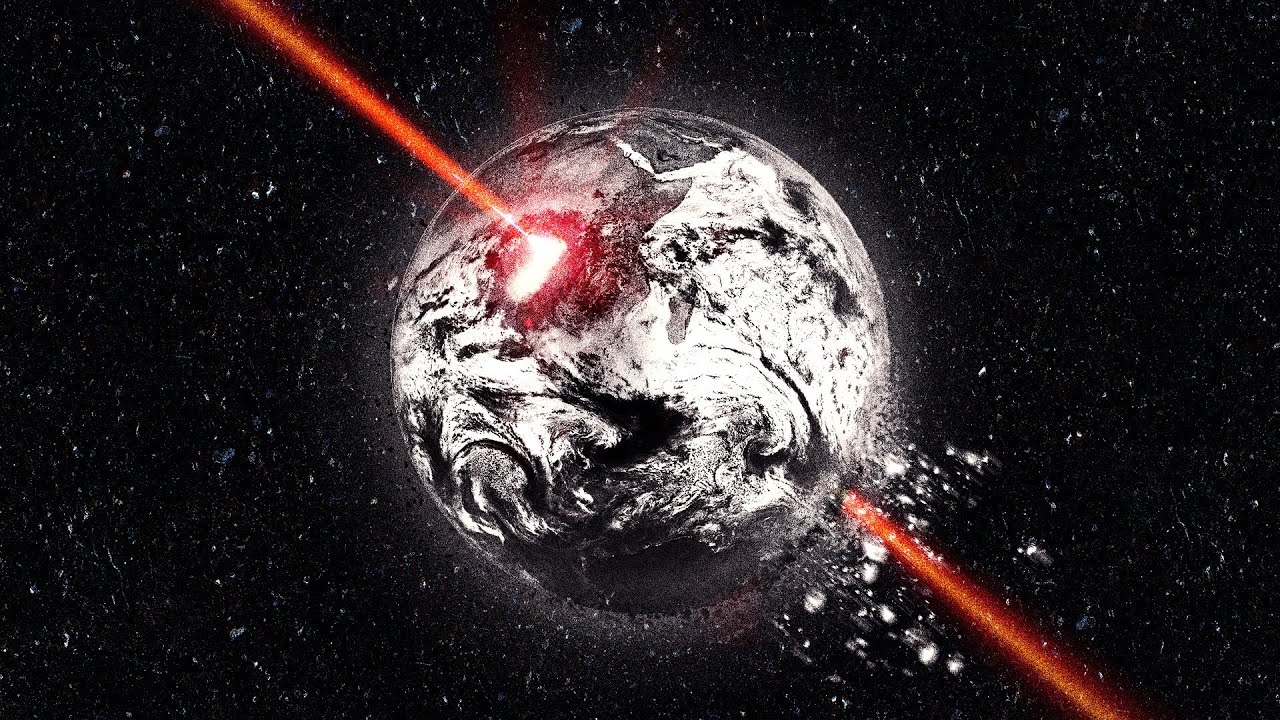
Mass extinctions throughout Earth's history, including the asteroid impact that killed the dinosaurs, highlight the planet's vulnerability to catastrophic events.
Seven different bull sharks have been spotted in a golf course lake, prompting investigations into their unexpected presence in freshwater environments.
Explorer Dr.
Human extinction risks are at an all-time high, with new research suggesting a 1 in 6 chance that civilization may not survive this century.
In 2003, a severe heatwave in Europe resulted in approximately 70,000 deaths, highlighting the deadly impact of rising global temperatures and carbon emissions.
Australia was once home to a diverse array of dinosaurs, as evidenced by dramatic fossil findings and reconstructions presented by Dr Kelly Strzepek.
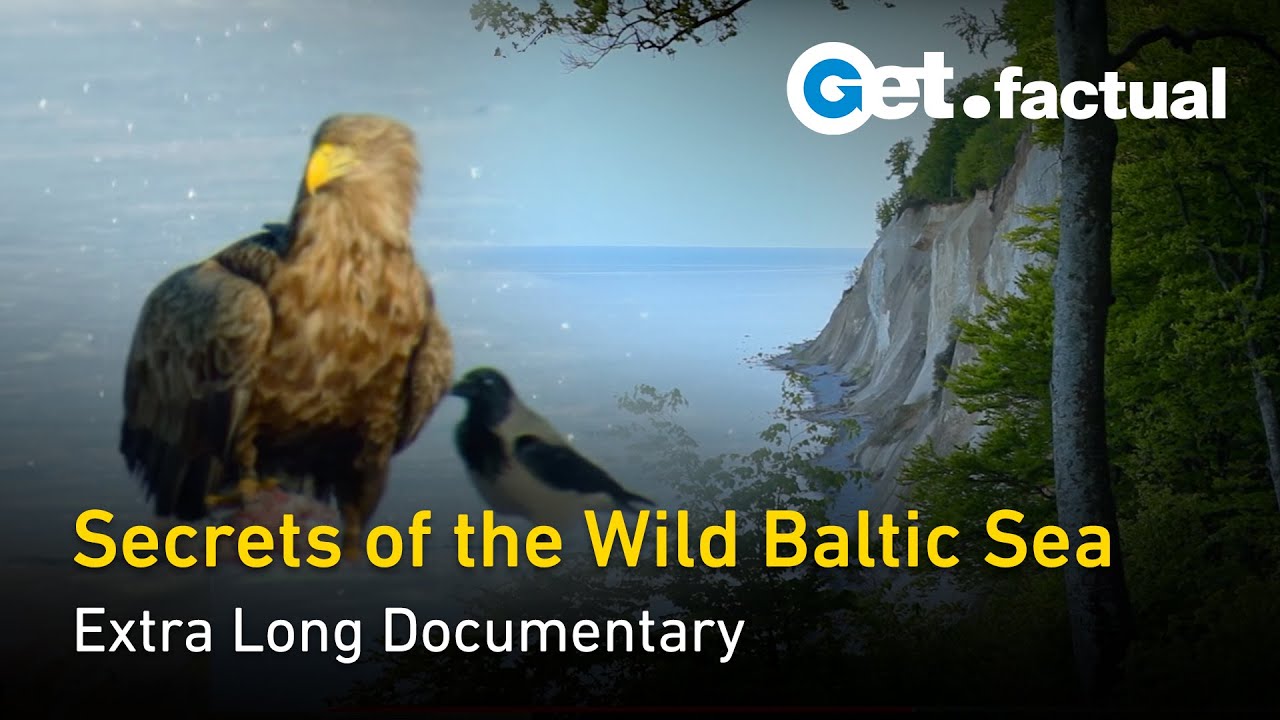
Wildlife in the Baltic Sea includes dolphins, seal pups, and rare birds, showcasing the region's unique ecosystems and the impact of climate change.
Super rats, genetically resistant to poison and adept at evading traps, are proliferating in urban areas, prompting urgent research into control methods.
In the rain forests along the northern Pacific, a newly identified subspecies of gray wolf exhibits unique behaviors such as swimming and fishing for salmon.
In the depths of the ocean, Blue Planet II showcases a variety of marine life, including bioluminescent fish and the venomous Portuguese Man O' War.
In 1939, scientists first noted uranium fission, leading to the potential for self-sustaining chain reactions and the release of energy.
A caterpillar spins a silken pad to anchor itself before transforming into a chrysalis, marking a significant change in its life cycle.
Sawfish harvesting techniques, the production of tea bags, car recycling processes, and the making of Camembert cheese are explored in this episode.
Extreme storms and natural disasters are explored through the perspectives of survivors, first responders, and science experts, highlighting their impact and resilience.
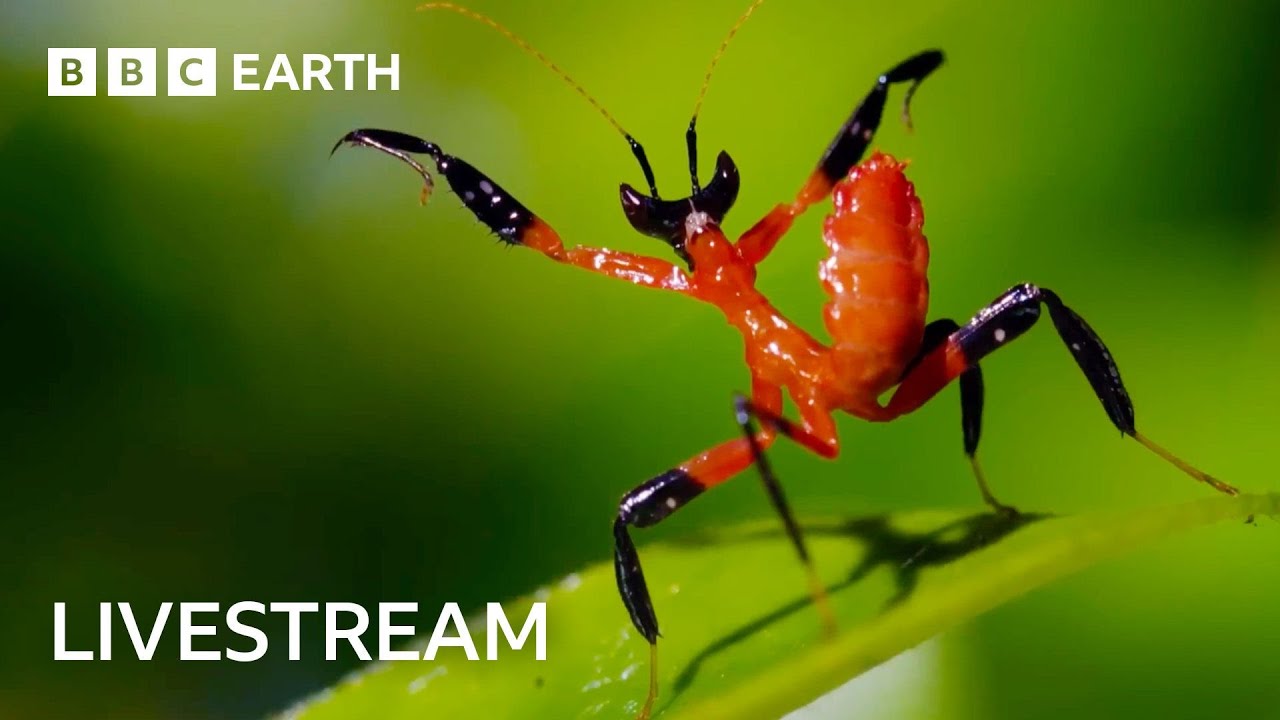
Insects exhibit remarkable behaviors and adaptations, showcasing their complex life cycles and ecological roles in various environments around the world.
Geoff and Steve search for meteorites at a 63,000 year-old crater near Odessa, Texas.
Discover what your cat does when she leaves your living room sofa for the wild.
3,000 buildings were damaged and nearly 1,500 people were injured when a meteor exploded over Chelyabinsk, Russia, in February 2013.
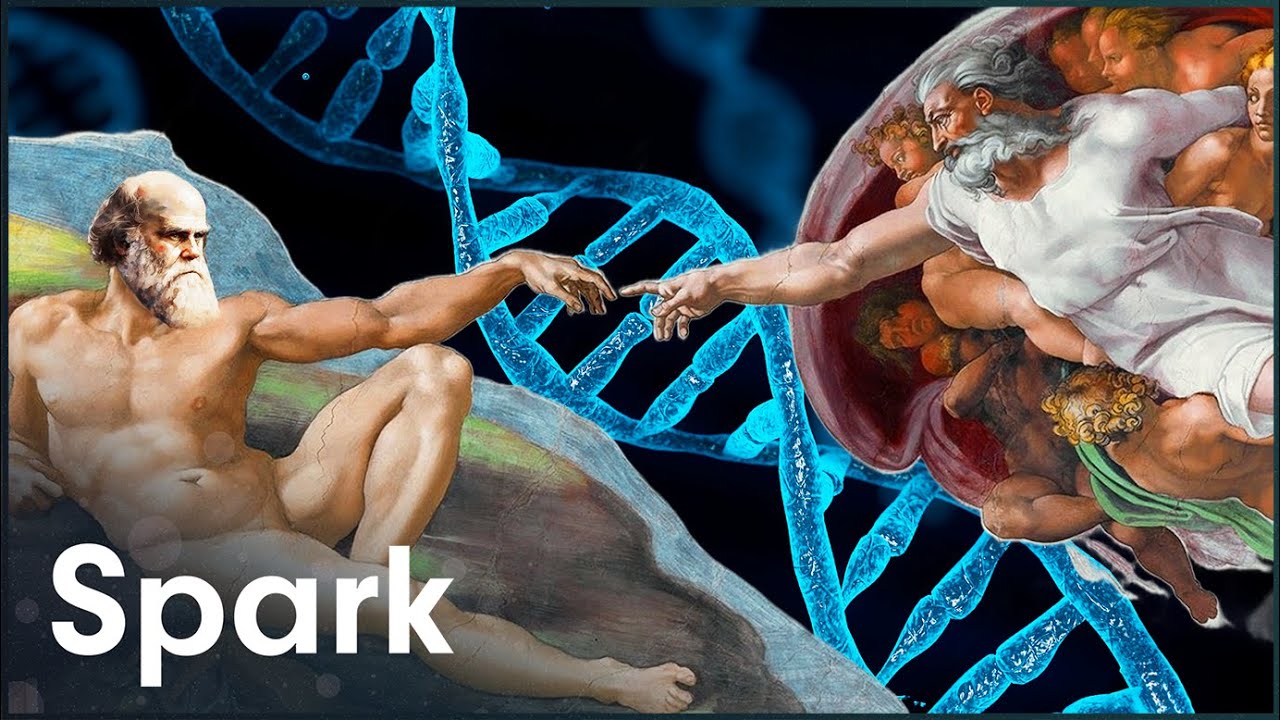
This episode features a clash between Darwinism and creationism, highlighting their key arguments.
A bull shark chased and killed a 12 to 13-foot great hammerhead in a rare encounter captured on video in spring 2021.
Forensic investigators utilize minute evidence like eyelashes and carpet fibers to link crimes to a murderer’s lair in Atlanta.
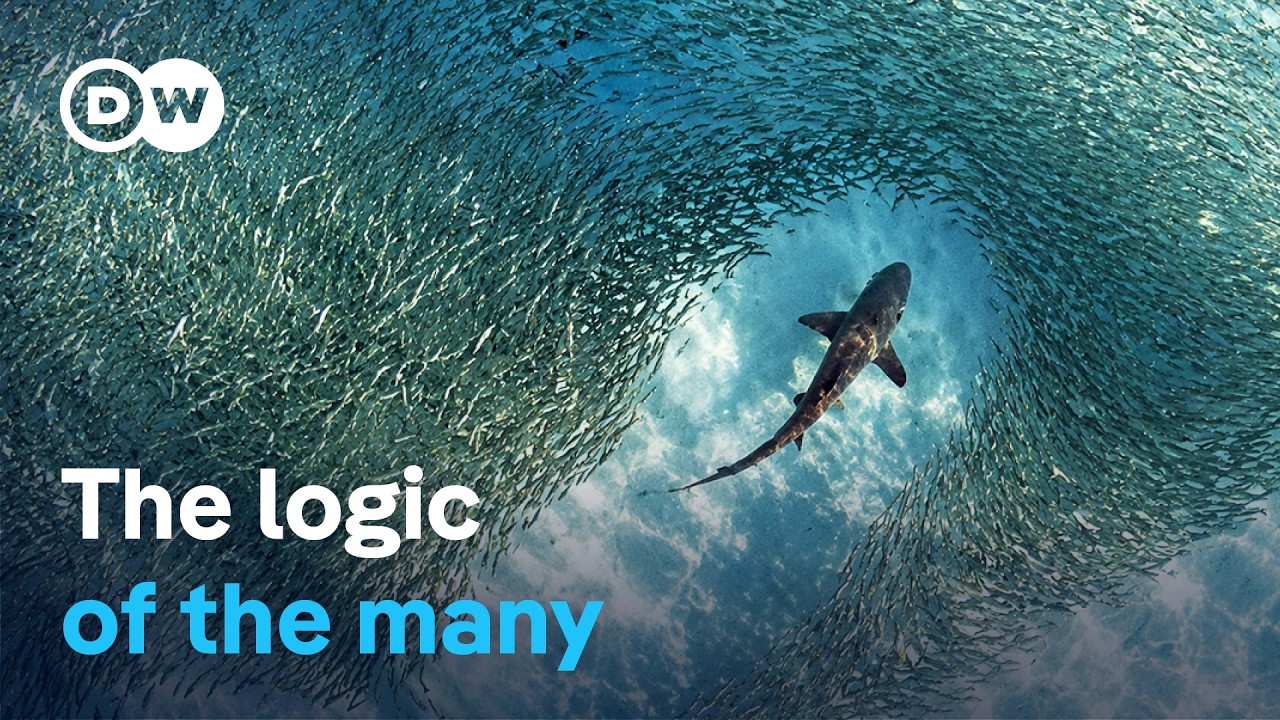
Swarm intelligence research at institutions like the University of Konstanz and ETH Zurich explores applications in robotics, logistics, and participatory democracy.
Artificial intelligence significantly influences daily life, shaping technology, work, and societal structures while highlighting the need for future preparedness.
North Carolina's Cape Fear River has been contaminated for decades by toxic "forever chemicals," affecting the health and water supply of thousands.
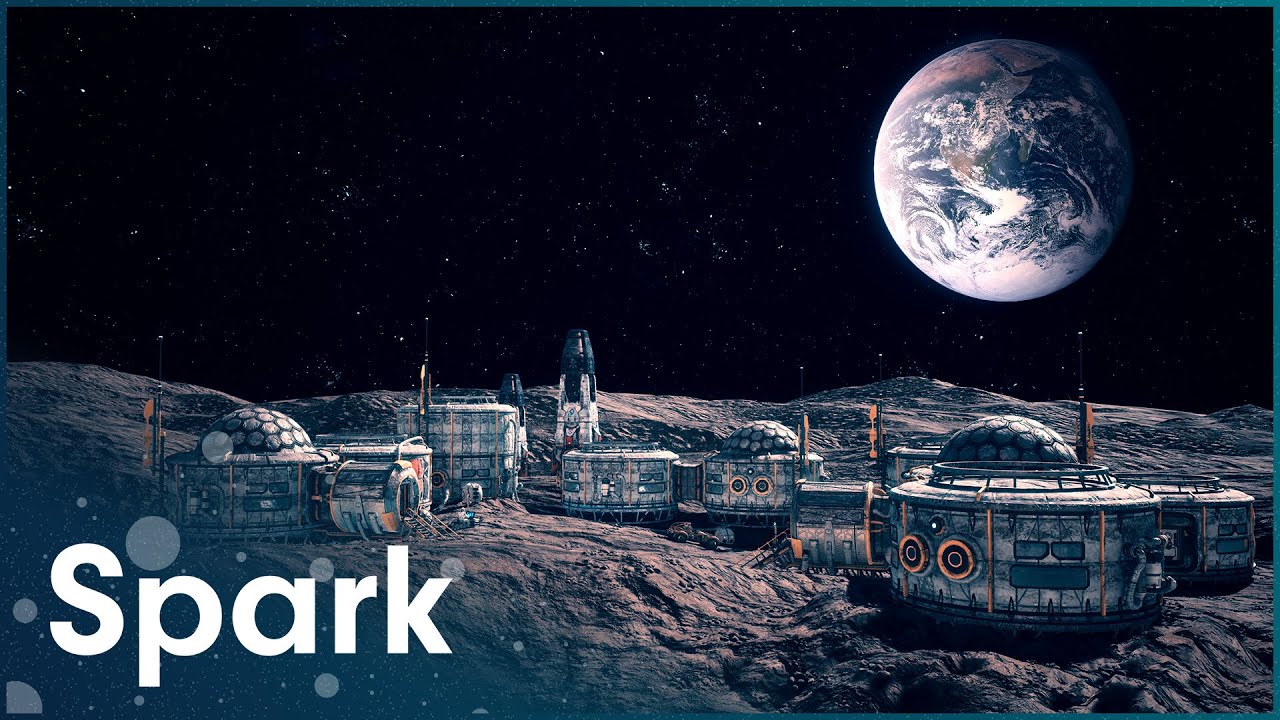
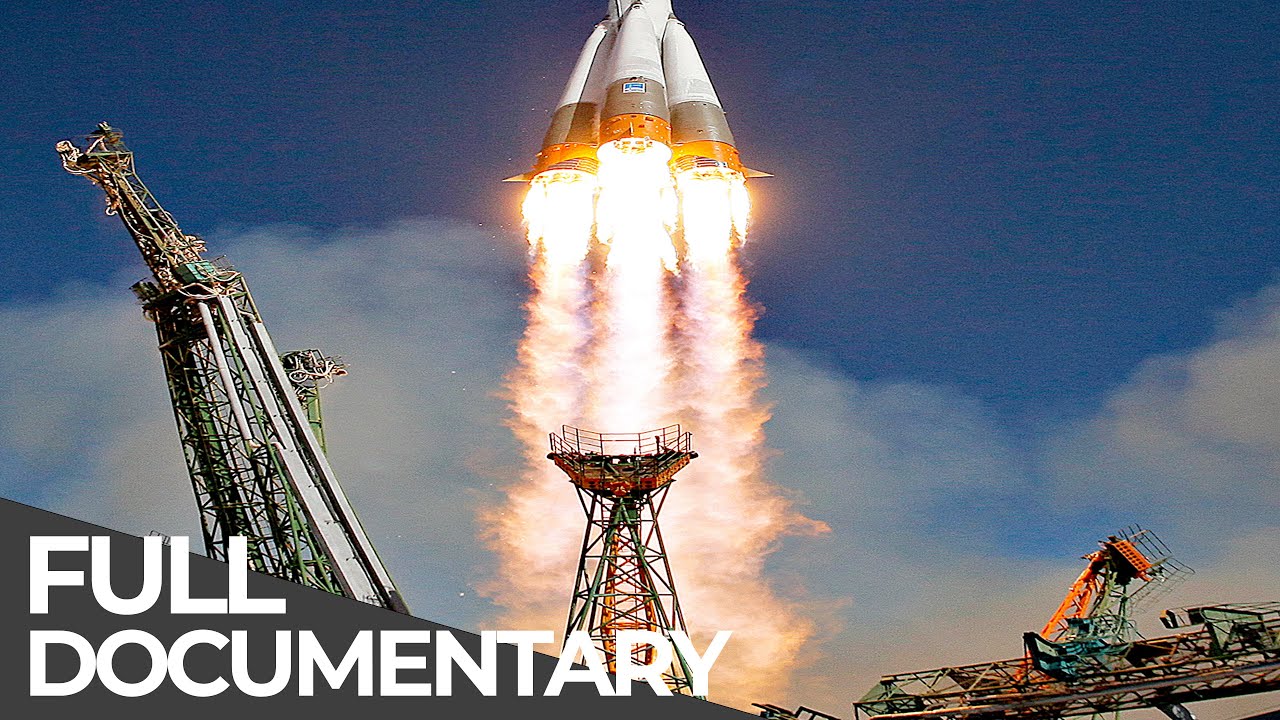
Humanity prepares to return to the Moon as a stepping stone for Mars exploration.
Scientists in the 1960s separated twins at birth to study their development without informing their adoptive families or the twins themselves.
In the East African savannah, the interactions between herbivores and carnivores reveal how their diets shape their behaviors and ecological roles.
Forensic science techniques, often seen as infallible, have led to wrongful convictions, highlighting the urgent need for oversight in a flawed system.
A solar storm in March 1989 caused a blackout in Quebec, leaving 6 million people without power for 12 hours due to a massive explosion on the sun.
In 1805, Professor Giovanni Alini was expelled from Britain for attempting to resuscitate the dead using electricity during a public demonstration.
The Dehesa ecosystem in the southwestern Iberian Peninsula is home to diverse species, including the black Iberian pig, booted eagle, and the rabilargo magpie.
The Pacific Ring of Fire, home to half of the world's active volcanoes and 90% of earthquakes, poses significant risks to nearly 800 million residents.
Active and dormant volcanoes, including Vesuvius in Italy and Kilauea in Hawaii, are examined through the insights of leading volcanologists.
USS Kentucky, an Ohio-class ballistic missile submarine, represents a formidable element of America's nuclear deterrent, capable of immense destructive power.
Season 3, Episode 3 questions if we can travel faster than light speed in space travel.
The clash of traditional rural life and modern atomic research at Dounreay in Caithness highlights the transformative impact of technology on local communities.
James Cameron examines NASA's ambitious manned space program in Houston, questioning the motivations behind the race to land a man on the moon.
Hurricanes, powerful tropical cyclones with wind speeds up to 230 miles per hour, pose increasing risks as climate change intensifies their unpredictability.
Rhineland's extensive coal mining operations contribute to Europe's highest CO2 emissions, prompting the largest protest against coal in Germany's history.
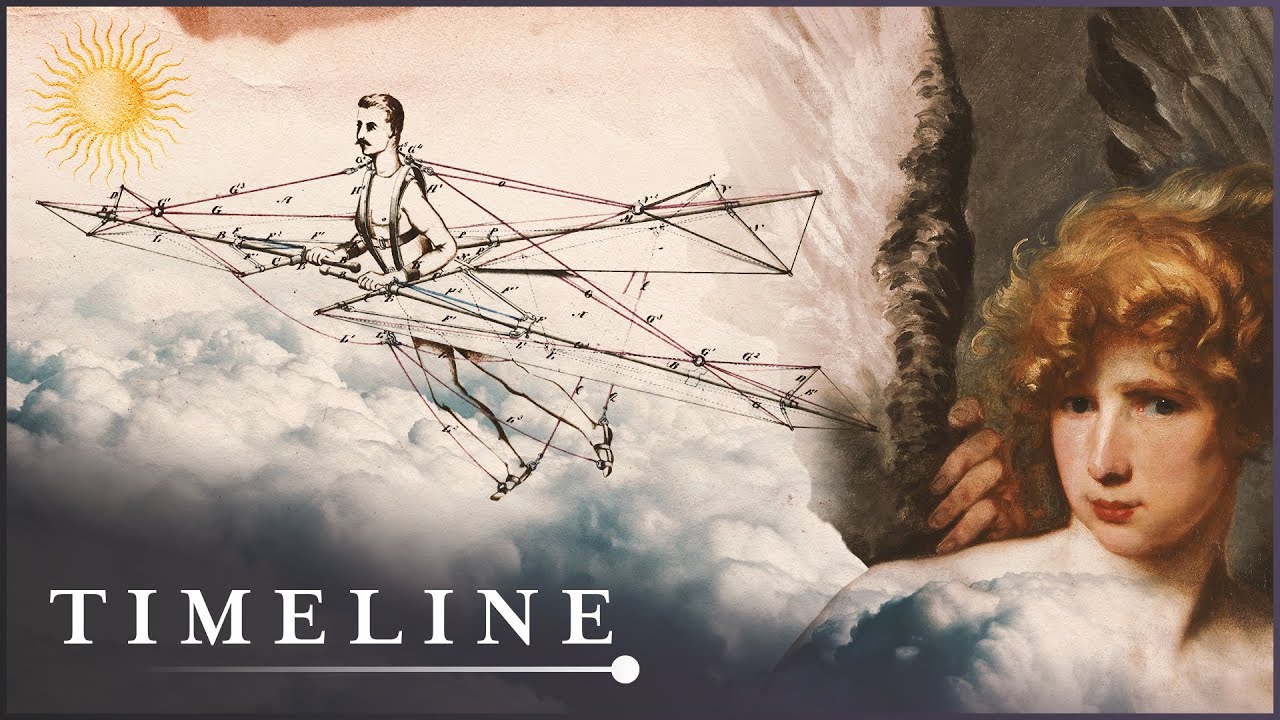
Todd Reichert and his team of young engineers strive to construct and fly a human-powered ornithopter, blending artistry and science in an ambitious challenge.
Scientists reveal that play is a vital component for survival and development in various species, including lizards and fish.
Voyager 1, launched in 1977, is now 22 billion kilometers from Earth and continues to transmit data from outside the solar system.
Space debris poses a significant threat to astronauts aboard the International Space Station and satellites, with hundreds of thousands of fragments orbiting Earth.
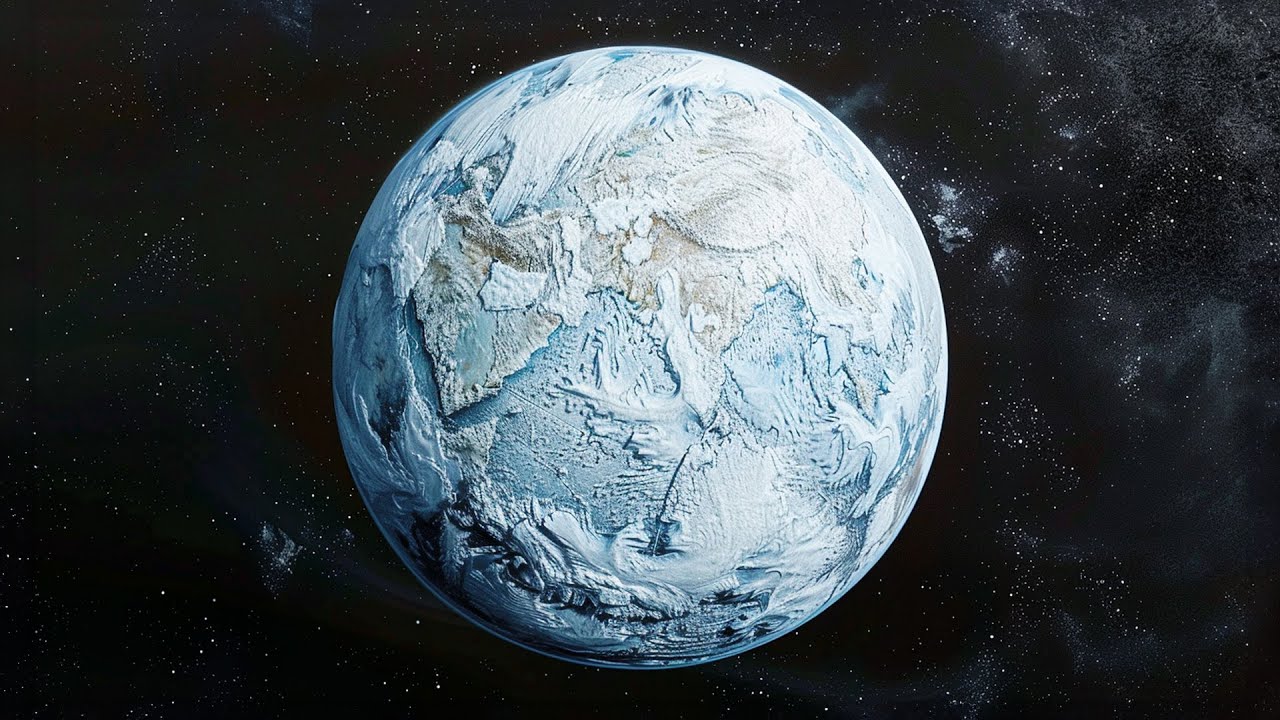
650 million years ago, Earth was locked in ice for 25 million years, nearly wiping out all life and setting the stage for complex organisms to evolve.
The solar system, centered around the Sun, includes eight planets and the heliosphere, a protective bubble formed by solar wind.
This episode highlights SETI's search for extraterrestrial intelligence in our vast universe.