From over 100,000 films, discover the handful you'll love.
Free or premium access to the world's largest documentary library.
7231 films(Page 8 of 151)
Around 300 years ago, humans developed machines capable of processing extraordinary amounts of energy to perform previously unimaginable tasks.
The transformation of Nazi Germany's ballistic missile technology into a symbol of American progress highlights the complex interplay of science, power, and morality.
At the Severn estuary, Time Team excavates 15 cubic metres of silt to recover rare Mesolithic artefacts before the tide washes them away.
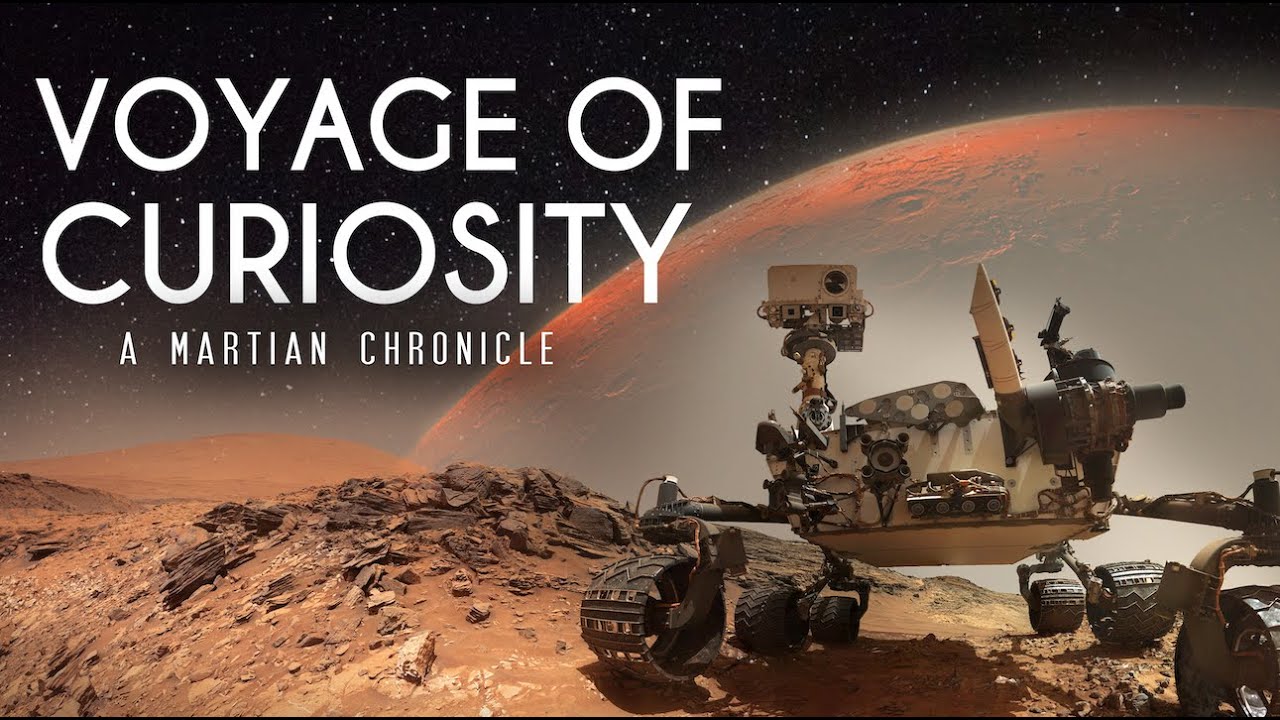
Curiosity's landing in Gale Crater marked the most accurate Mars landing yet achieved, positioning the rover to analyze the planet's geological history.
More than 10,000 galaxies exist, each containing up to 100 million solar systems, raising questions about the potential for extraterrestrial life.
Madagascar's chameleons, including the world's smallest species at 2.5 cm, have evolved unique hunting adaptations and face survival challenges from hatching alone.
A South American mummy's wounds are analyzed by a University of York research team to determine if he was a victim of crime.
Neuromarketing is a controversial practice that influences consumer decisions through brain study.
Neil deGrasse Tyson interviews filmmaker James Cameron on StarTalk, exploring the connections between storytelling, exploration, and science.
On September 14, scientists made a remarkable discovery by detecting black holes for the first time using a radical new experiment in Washington state.
A female giant Pacific octopus guards her eggs for over seven months, slowly starving to death while ensuring their safety.
Titanic's wreck site is revealed in unprecedented detail through a groundbreaking scan, providing insights into the ship's final hours and its historical significance.
More than 10 male anacondas coil around a single female during their annual breeding ball in Guyana's tropical lowlands.
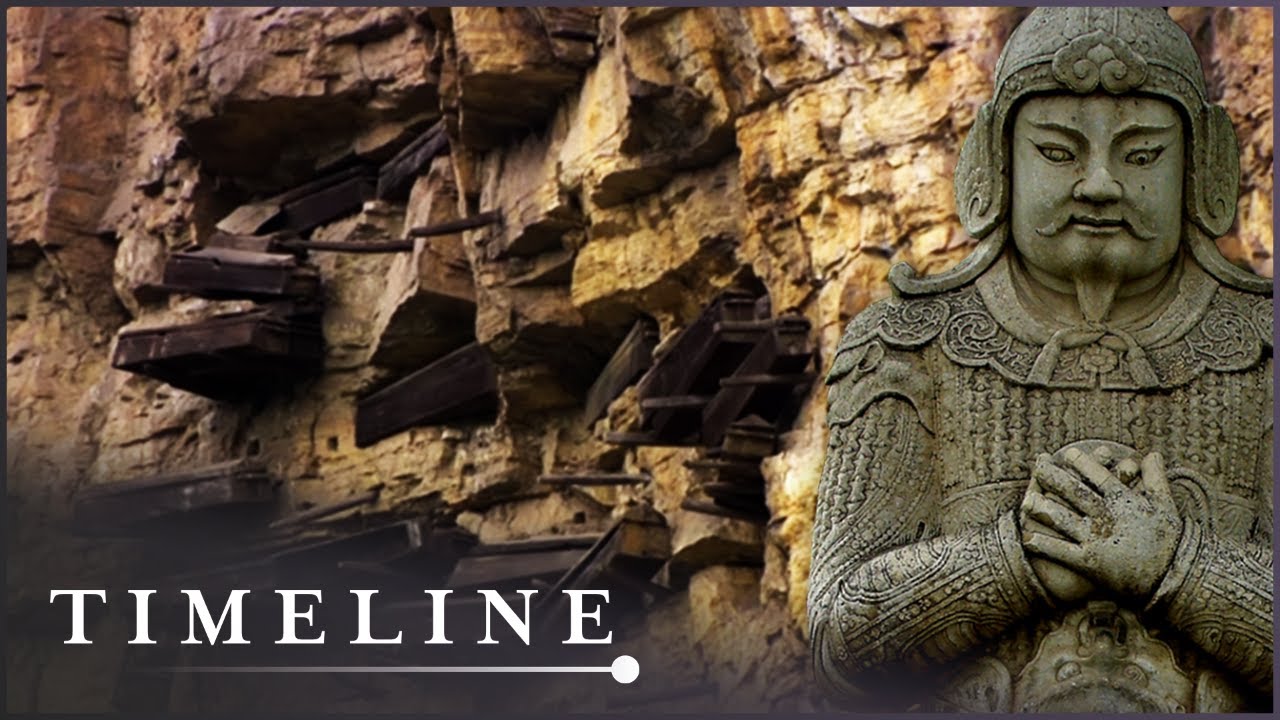
Ancient wooden coffins hang from cliffs in Sichuan Province, revealing burial mysteries in China.
James May attempts to make Action Man travel faster than the speed of sound in this episode.
Jim Al-Khalili shows how much information remains hidden from human understanding.
Dinosaur hunters in Montana employ archaeological methods to excavate fossil remains, revealing a thriving tourist industry centered around these ancient creatures.
Over 70 research bases built by 30 countries operate in Antarctica, where temperatures can drop to 135.8 degrees below zero.
90 percent of the world’s earthquakes occur in the Ring of Fire, threatening millions living along the Pacific coast, including Seattle and Tokyo.
The final days of NASA's Apollo program highlight the bravery of three astronauts and the dedication of thousands who contributed to lunar exploration.
Light from the farthest regions of the universe takes billions of years to reach Earth, prompting scientists to consider the implications of potential alien contact.
Cold seeps, formed by the subduction of oceanic plates, create unique ecosystems that support diverse chemosynthetic life, including mussels and tube worms.
Sergei Korolev, a Gulag survivor, transformed intercontinental ballistic missiles into the vehicles that launched humanity into space, reshaping global politics and technology.
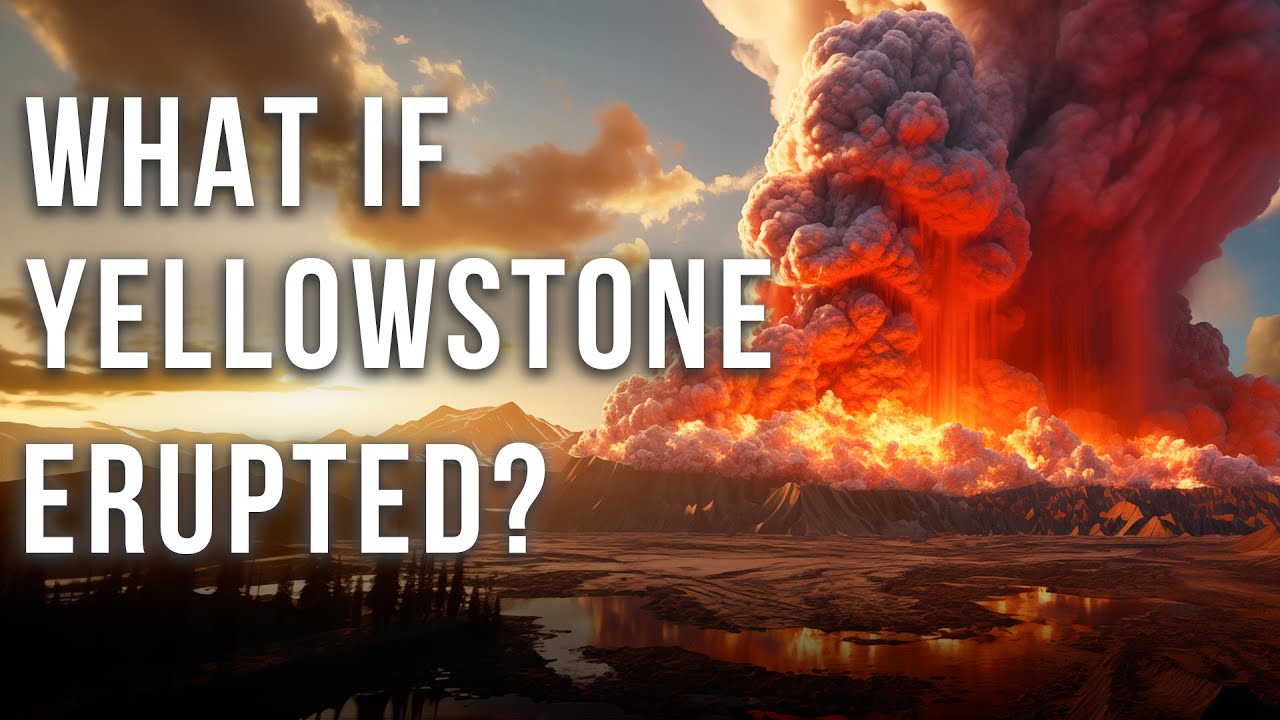
A super volcanic eruption could release ash over half the United States, potentially leading to millions of deaths and widespread famine.
An advanced civilization, after billions of years of effort, concludes that their universe is just one of infinitely many in a vast multiverse.
Renowned neuroscientist Dr. Vilayanur Ramachandran examines extraordinary neurological conditions that challenge our understanding of the mind and brain's adaptability.
Emeritus Professor Salim T.
NASA's Project Gemini used the Titan 2 missile to develop techniques for orbital rendezvous, crucial for the success of the Apollo moon landing.
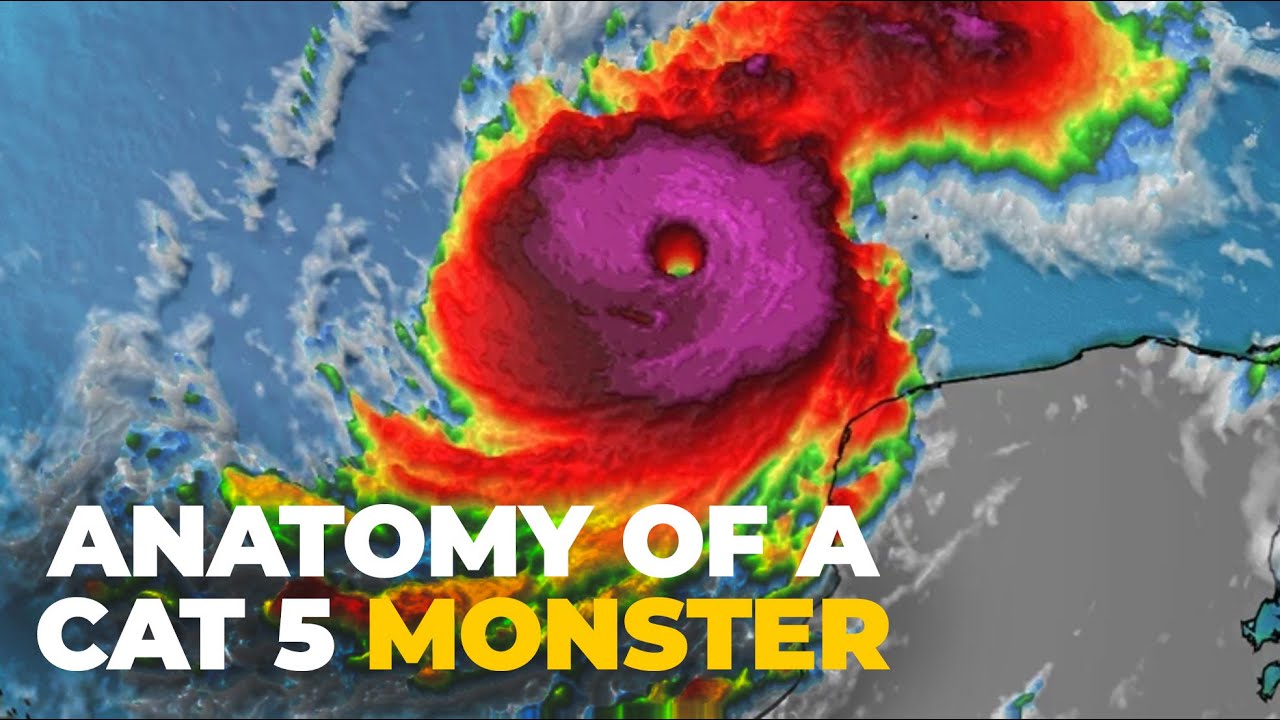
Hurricanes are influenced by a complex interplay of factors beyond just rising ocean temperatures, including atmospheric conditions and climate patterns.
Steve Arnold unearthed a record-setting 1,430-pound meteorite in Kansas in 2005, which was later dubbed the million-dollar rock.
David Attenborough, a revered naturalist, warns that humanity faces a man-made catastrophe threatening the Earth, urging immediate action to avert disaster.
In 1929, Hubert Wilkins rented a World War I submarine from the US Navy for $1 a year to attempt a scientific expedition to the North Pole.
Over a billion dogs live on the planet, with more than 75 million in the United States alone, reflecting their deep bond with humans.
Ancient Egypt's civilization is explored through key questions about pyramids, mummification, and cultural practices, answered by Egyptologist Chris Naunton.
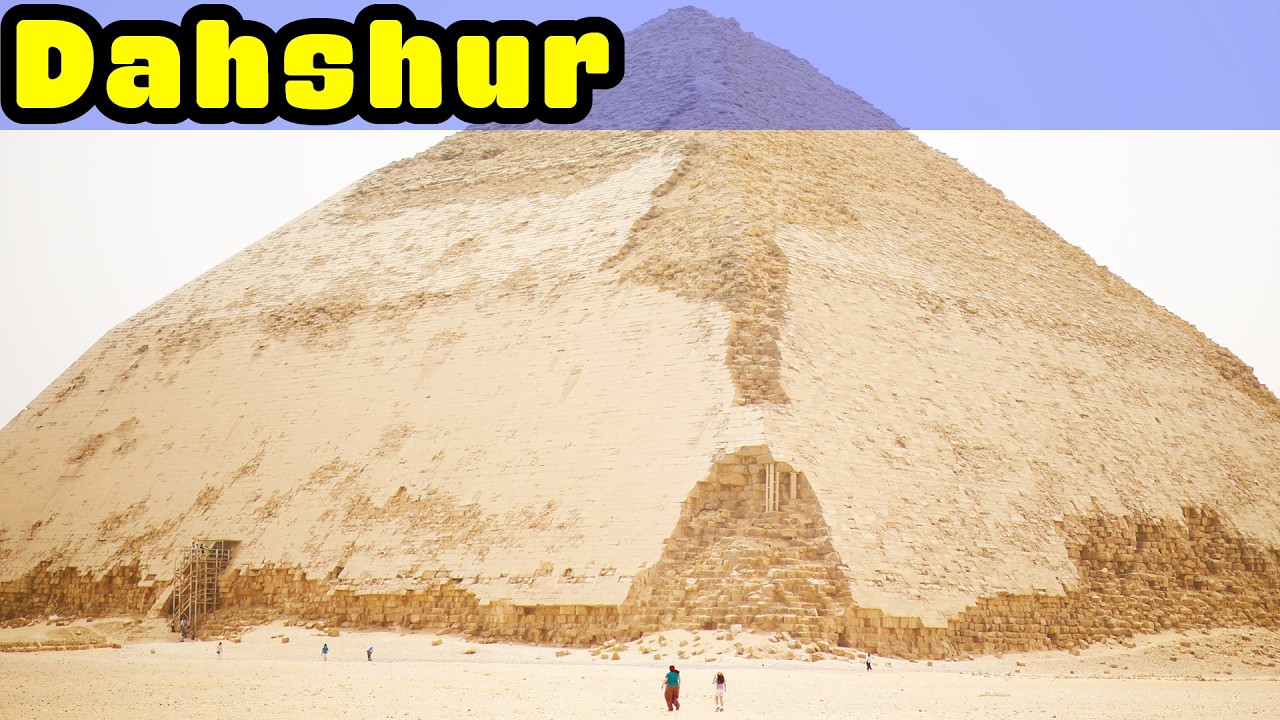
Dahshur, home to the Bent and Red Pyramids of King Sneferu, offers a unique glimpse into ancient Egyptian architecture away from the crowds of Giza.
Fossil evidence reveals how birds, the only surviving dinosaurs, adapted and evolved after the asteroid impact that caused the mass extinction 66 million years ago.
A search for a World War II era plane linked to the infamous Flight 19 reveals no evidence of the Bermuda Triangle's supposed curse.
The International Space Station weighs 460 tons, the same as about 300 cars, and requires complex systems to keep astronauts alive in space.
A filmmaker ventures into the perilous depths of the ocean at night to capture the elusive creatures that inhabit this mysterious underwater world.
Sir David Attenborough leads a team investigating a significant archaeological site in southern England, revealing mammoth bones and Neanderthal artifacts from over 200,000 years ago.
Radar operators on the USS Princeton detect unidentified objects off the coast of Southern California in November 2004.
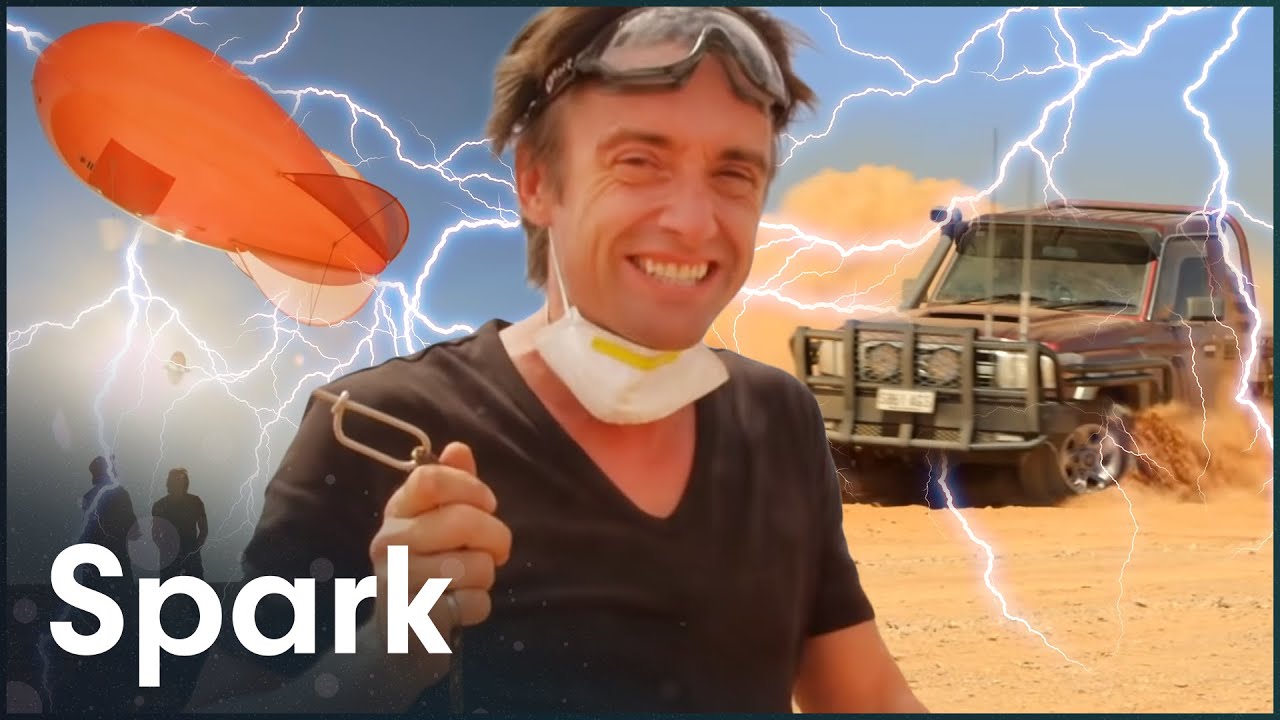
Two specially built metal tables are heated to 200 degrees Celsius to demonstrate how temperature drives weather phenomena like clouds and thunderstorms.
In 1967, UFO sightings at Malmstrom Air Force Base coincided with the malfunction of U.S. nuclear missiles, raising national security concerns.
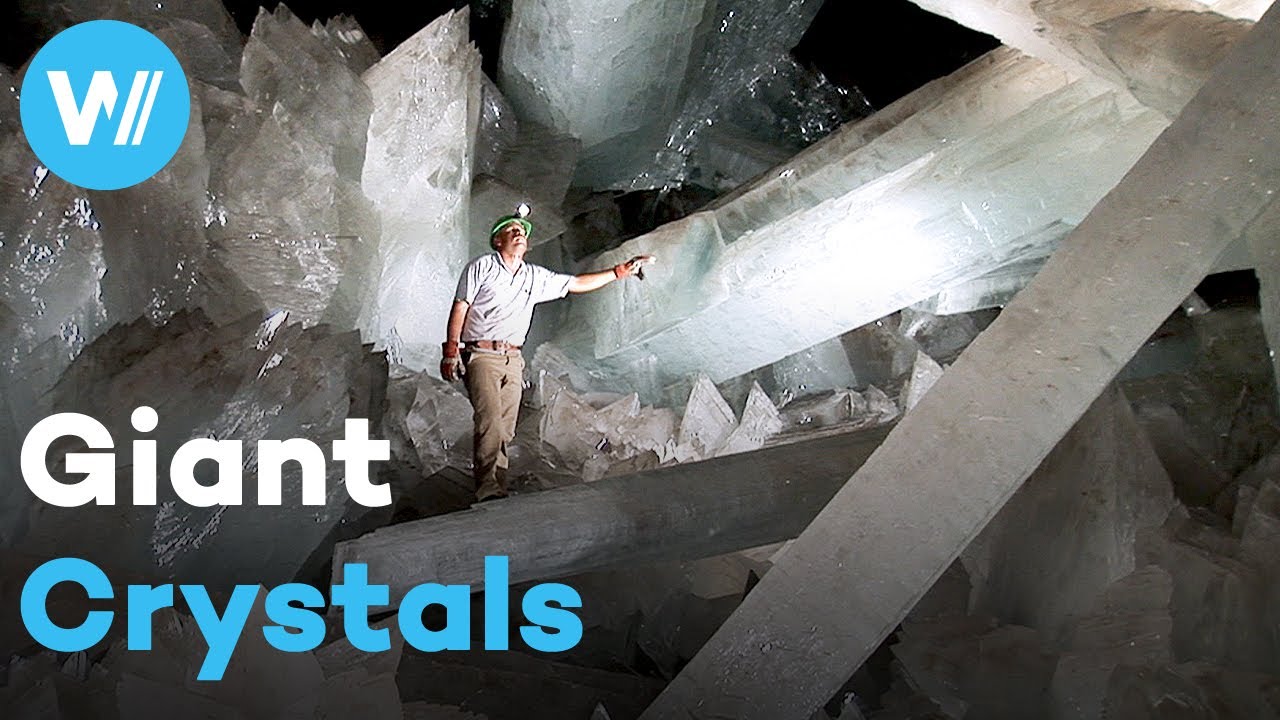
Cueva de los Cristales de Naica in Chihuahua, Mexico, is explored alongside other significant crystal formations to explain the science behind giant gypsum crystals.
Fractal geometry, exemplified by the Mandelbrot set, reveals complex patterns in nature and has applications in fields ranging from medicine to art, featuring insights from Stephen Hawking.
Leading physicists believe new evidence shows the existence of parallel universes.
The Battle of Visby in 1361 reveals insights into medieval warfare through the analysis of skeletons and injuries, highlighting the lethal impact of spiked weapons.
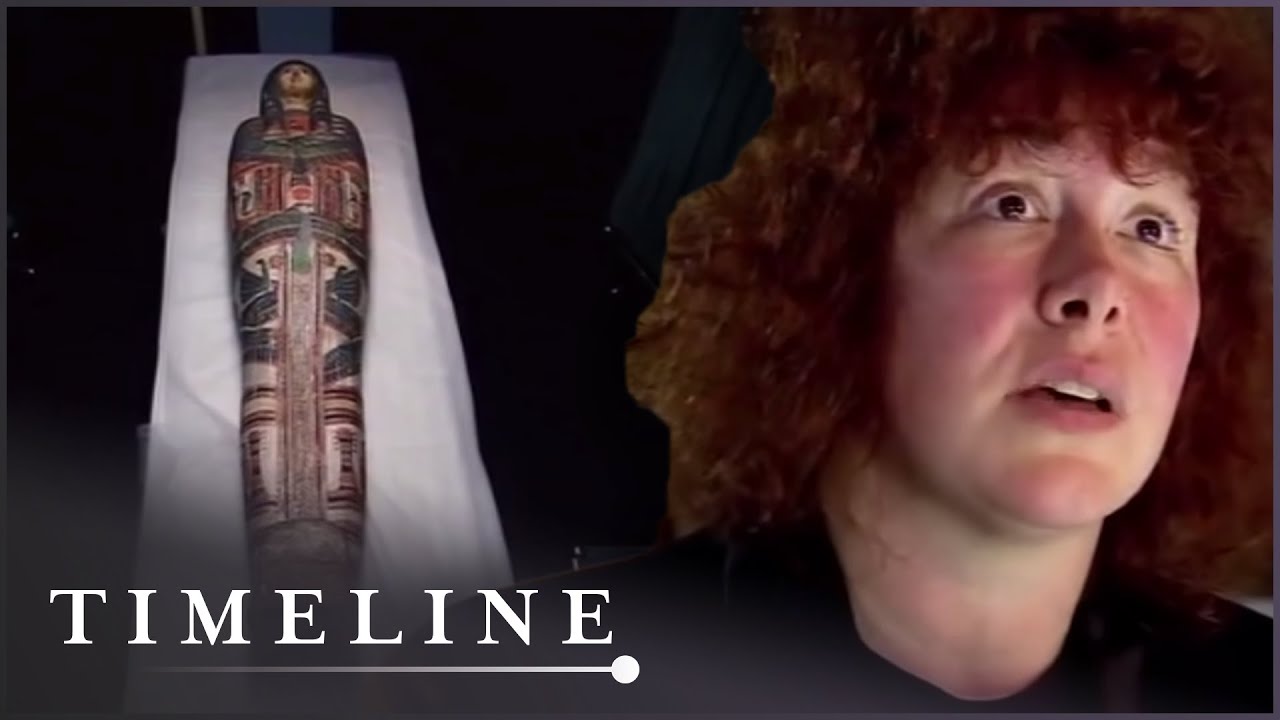
A female mummy, sealed in an intricately painted coffin, was found to have been murdered by a knife attack to the abdomen, complicating her afterlife.