From over 100,000 films, discover the handful you'll love.
Free or premium access to the world's largest documentary library.
7235 films(Page 71 of 151)
One million species of insects inhabit Earth, and innovative technologies developed by Austrian entomologist Andreas K. will reveal their hidden world.
Light-up shoes serve as a practical example of electronic sensors in action. Dr. Laura Bottomley and Dr. Nehemiah Mabry, known as Dr. Nee, disassemble a light-up shoe to explore its components, including the mechanisms behind the illumination.
In Europe's dense forests, apex predators like the goshawk utilize advanced senses to survive against rivals and face threats from human expansion and poaching.
In extreme environments from the Arctic to the Amazon, animals like meerkats and mountain goats exhibit remarkable survival strategies that showcase nature's resilience.
Jupiter's icy moons, with their potential subsurface oceans, are the focus of scientific exploration aimed at understanding life in extreme environments.
The Colosseum in Rome is still standing and inspires modern stadium construction today.
Chinese scientists claim to have nearly eradicated malaria on Moheli island with a controversial drug, but the World Health Organisation remains skeptical.
Dr. Nehemiah Mabry, known as Dr. Nee, leads the Trapology team in "Watt in the World?!"
Nick, known as the Snake Master, searches for a legendary snake in the Phetchabun mountains that has not been seen for nearly a century.
In Haida Gwaii, Angelika and Peter release two aggressive bear siblings by boat, while Kim collaborates with conservation officers in Smithers to rescue orphaned cubs.
A 29-meter experimental craft, known as the Spiderboat, aims to revolutionize waterborne travel with its innovative wave-adaptive technology.
DNA testing reveals unexpected ancestral connections for journalist Jack Tame and chef Ray McVinnie, reshaping their understanding of identity and heritage.
Researchers are increasingly applying scientific methods to investigate unidentified flying objects, challenging long-held perceptions of these phenomena.
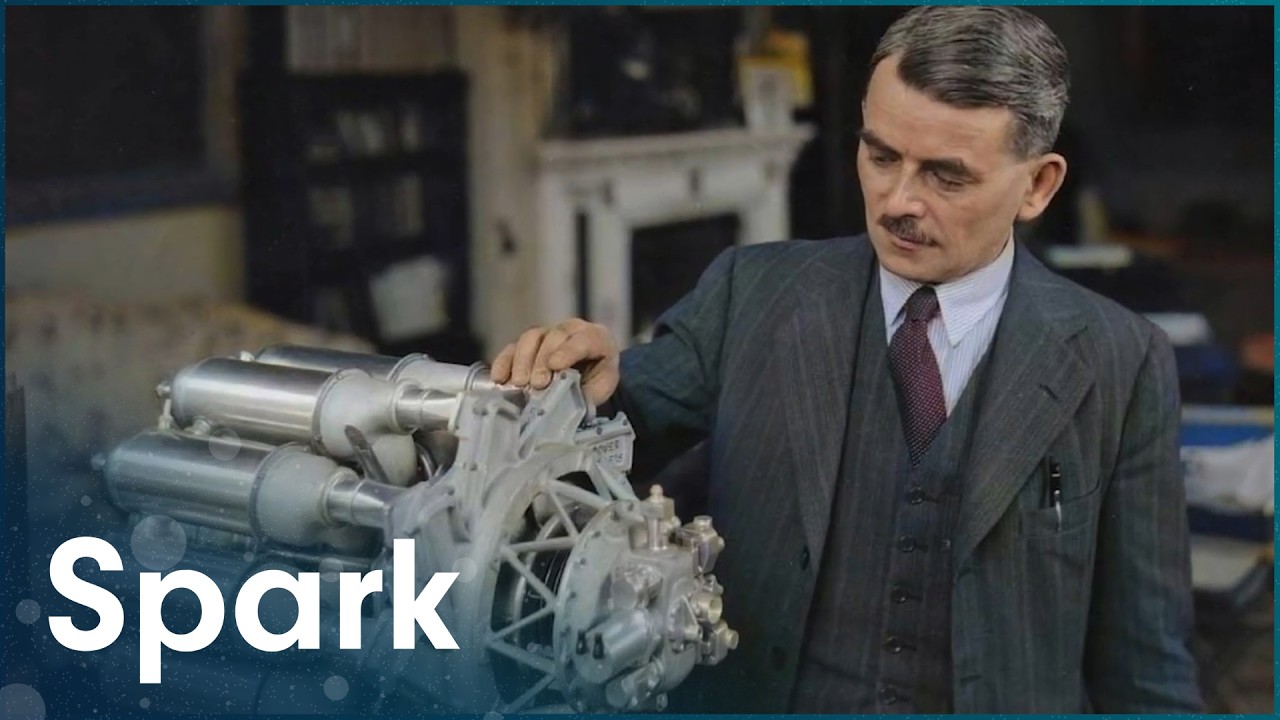
Sir Frank Whittle, a pioneering RAF engineer, revolutionized aviation with his invention of the turbojet engine during World War II, as revealed through family insights.
The looming renewable energy crisis poses significant challenges for humanity as the global population is projected to nearly quadruple in 150 years.
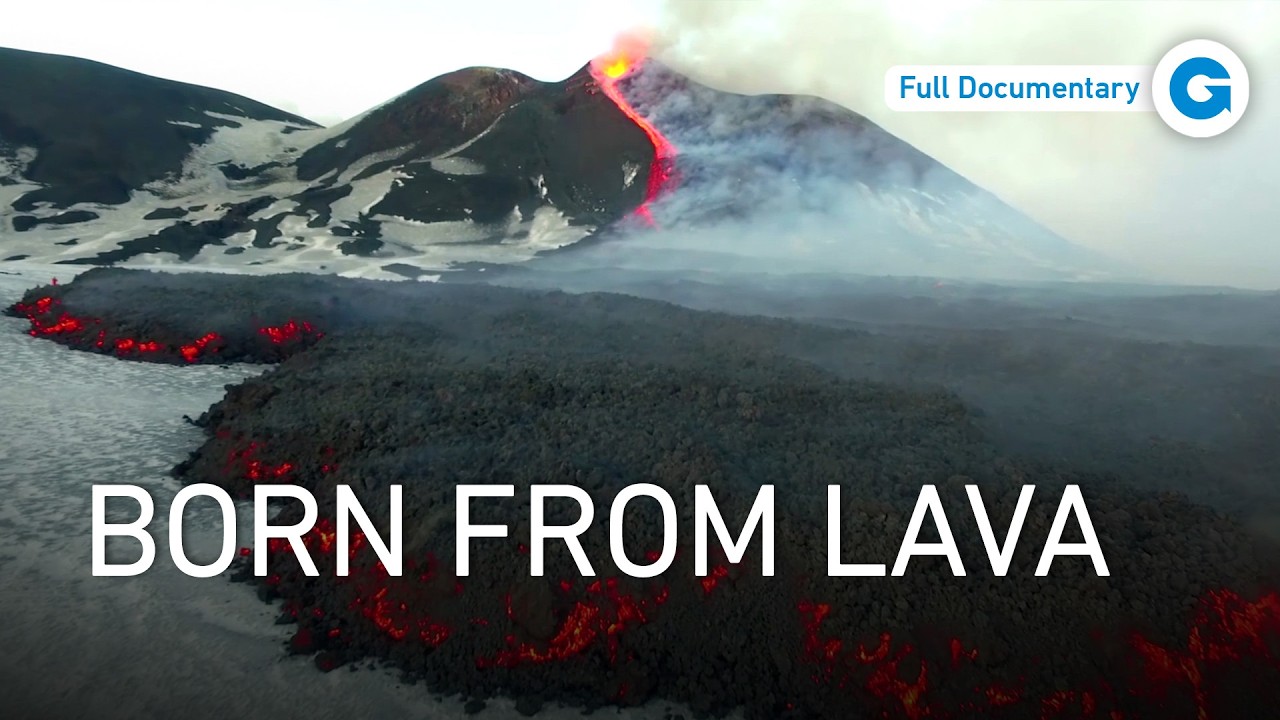
In Vanuatu, biologist Jens Kallmeyer leads a team investigating extremophiles in one of the world's most active lava lakes to explore the origins of life on Earth.
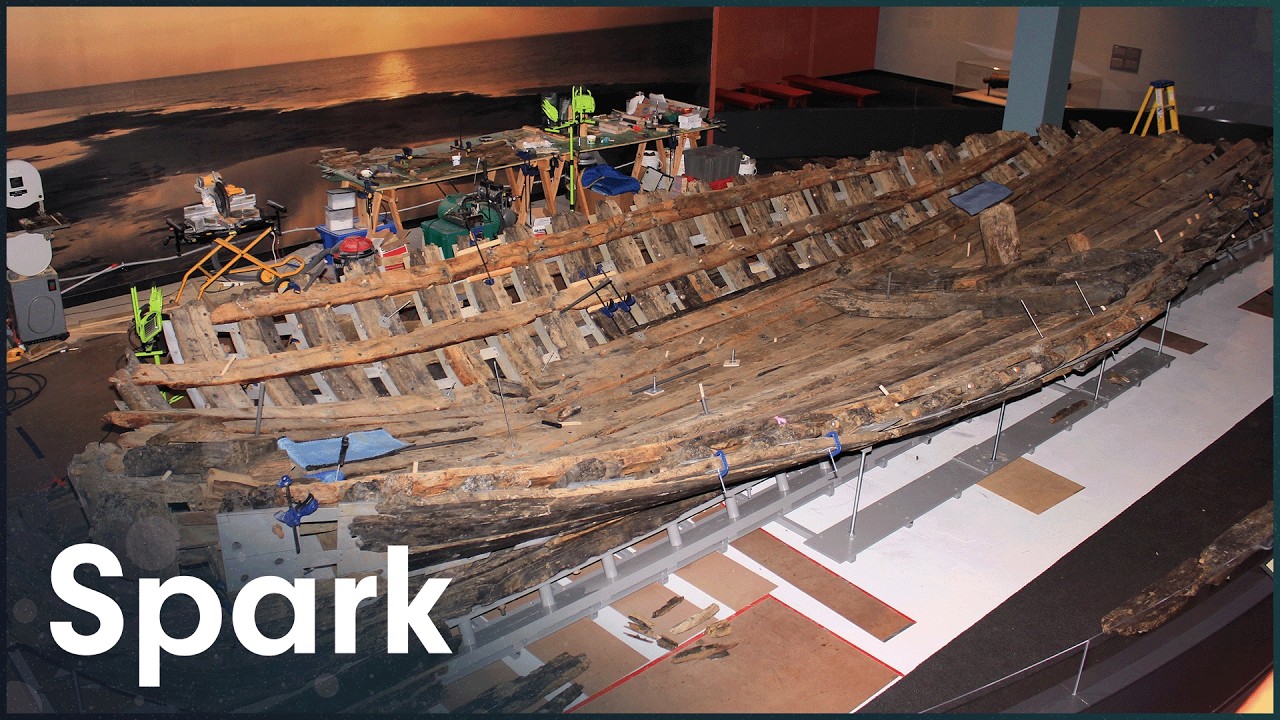
La Belle, a 300-year-old ship lost by explorer René-Robert Cavelier, is the focus of an advanced archaeological dig in Texas's Matagorda Bay.
New Zealand's endangered penguins face threats from predators, habitat loss, and climate change, while conservationists strive to protect their fragile populations.
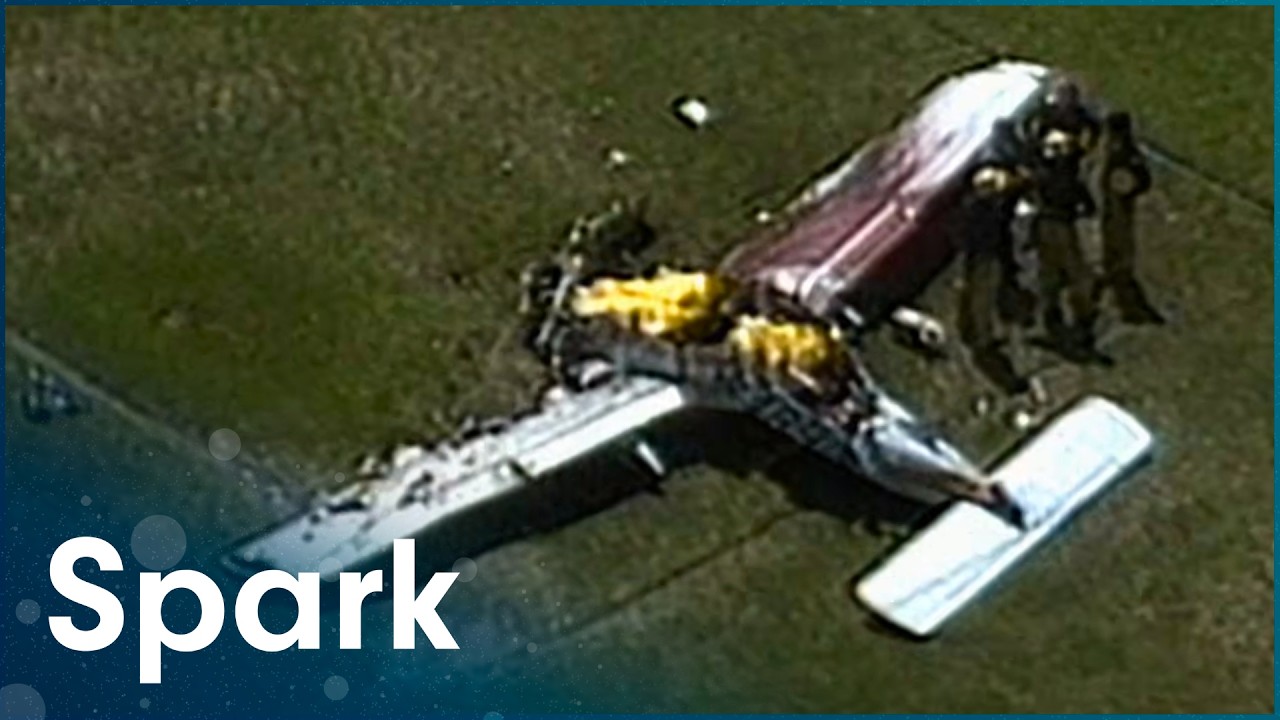
Aviation's radar-based air traffic control system faces critical flaws, prompting the FAA to implement satellite-powered NextGen technology for enhanced safety.
Franz Neyer explores the nature-nurture debate, examining whether personality traits are fixed at birth or influenced by environmental factors.
Conflicts between traditional distribution methods and digital piracy are examined through interviews and commentary on copyright and artistic freedom in 2007.
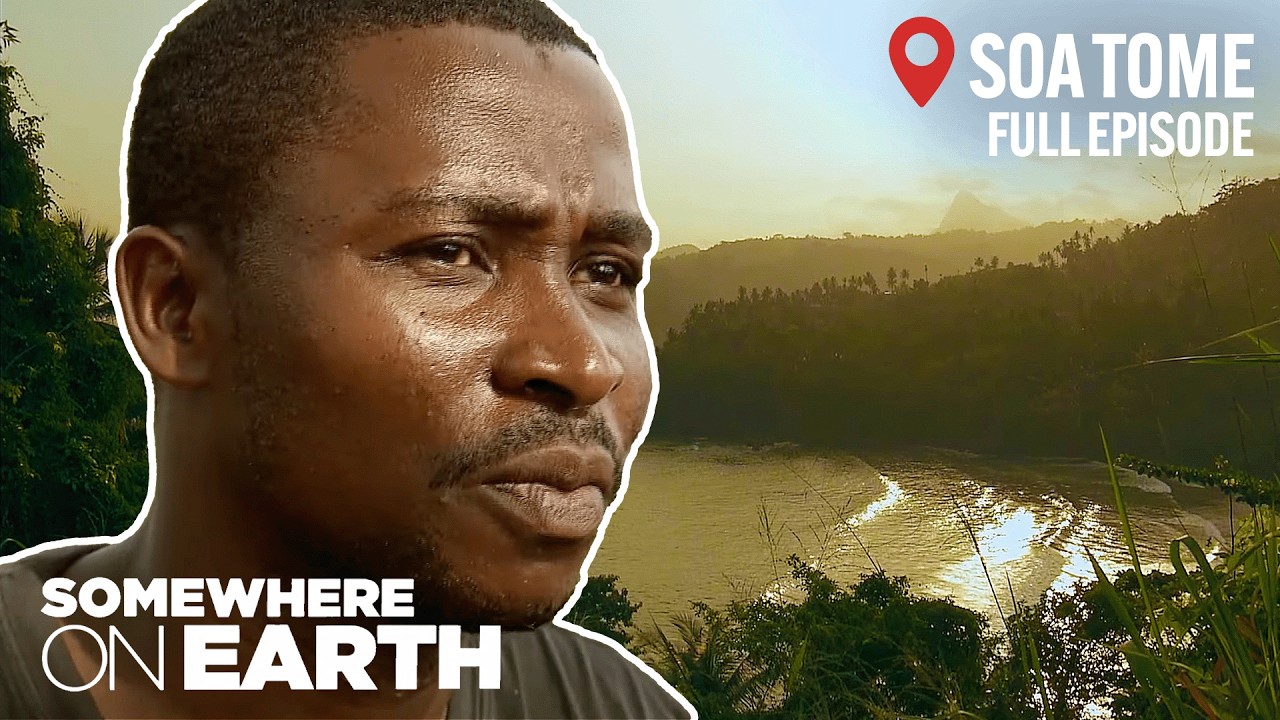
Sao Tome and Principe, an isolated volcanic archipelago, showcases its rich biodiversity through the lives of its inhabitants dedicated to environmental protection, cocoa farming, and medicinal plant research.
Australia's unique ecosystems, from Fraser Island's sand dunes to Shark Bay's prehistoric landscapes, showcase the continent's diverse wildlife and natural wonders.
Kilauea, one of the world's most active volcanoes in Hawaii, experiences a sudden collapse of its crater floor, leading to a significant lava drainage and new exploration opportunities.
On May 25, 2008, NASA's Phoenix lander successfully touched down on Mars to search for signs of water and the potential for life.
Insects, comprising over ninety percent of Earth's animal life, inspire scientists in Boston to create innovative medical solutions using silkworm-derived materials.
Port Jackson Sharks, measuring about three feet long, exhibit unique breeding methods that Ian Gordon investigates during their breeding season.
Golden Eagles, apex predators of the European wilderness, navigate harsh winters and intense breeding seasons while influencing their ecosystem from mountain heights to forest floors.
Human resilience is tested against extreme weather conditions, as survival expert Dr. Kenneth Kamler and volunteer Louise Brady face intense simulations.
A group of scientists investigates animal behavior, including snakes and elephants, to determine if these creatures can predict earthquakes and save lives.
At 235 mph, the space shuttle had the fastest touchdown speed of any flying vehicle ever built, marking a significant achievement in aerospace engineering.
Kondwani Phiri examines how genetic engineering, including CRISPR and PRIME editing, can enhance health, agriculture, and even resurrect extinct species.
The violent birth of a black hole occurs when a massive star's core collapses, resulting in a supernova and emitting ultra-high energy light.
The Checklist Effect highlights how implementing simple checklists in surgical procedures can significantly reduce errors and save countless lives.
Soviet experiments in atomic gardening aimed to enhance agricultural productivity, leaving a complex legacy that impacts modern farming practices and the environment.
Mars, with its relatively benign environment, stands as the most promising candidate for future human civilization and exploration.
Planetary engineers and scientists at an Oxford lab simulate the creation of a solar system, exploring the essential conditions for life through innovative experiments.
Humpback whales, along with monarch butterflies and snow geese, exhibit remarkable migration patterns and behaviors in their natural habitats.
Sa Kaeo province, known for its venomous Siamese Russel's vipers, hosts a mission by the Queen Saovabha Memorial Institute to collect specimens for antivenin production.
Five men, led by Dr. Joe McGinnis, lower themselves into the Arctic Ocean for the first time in history to study its underwater environment.
Food sustainability is examined through diverse diets and expert insights, highlighting the ethical implications of food production on humans and ecosystems.
Baltic Sea Divers conduct contrasting underwater missions, featuring trainee Eustus's ultrasonic measurements on a fish cutter and ROV deployment near a tunnel site.
Rare albino kangaroos in Australia are highlighted alongside the unique adaptations and social behaviors of various marsupials, including quokkas and wallabies.
NOVA's interactive escape room series, "Live Escape Room Night 3: Power Up!", challenges participants to prevent a catastrophic Y3K meltdown.
Crab-eating macaques in Thailand navigate urban environments and remote islands, showcasing unique hunting techniques and complex social hierarchies.
A giant asteroid hits Earth, causing darkness and extinction across the planet.
Forrest Galante estimates that several dozen large shark species remain undiscovered, particularly in deep-sea environments.
Mining operations in South Africa, particularly Vantech, contribute significantly to global vanadium production, raising concerns about health impacts on workers.