From over 100,000 films, discover the handful you'll love.
Free or premium access to the world's largest documentary library.
7227 films(Page 17 of 151)
Astronomers at a remote outpost in the Andes Mountains use the Reuben telescope to gather data on dim objects and exploding stars in distant galaxies.
Five lion cubs in Masai Mara Reserve navigate challenges and internal tensions as they grow into skilled hunters under the leadership of Oloborr.
3,000 by 1,000 kilometers of seabed in the Pacific Ocean could be destroyed within 50 to 100 years due to deep-sea mining for valuable metals.
Ancient civilizations, including those that built Angkor Wat and Sree Padmanabhaswamy Temple, demonstrated advanced astronomical knowledge aligned with the spring equinox.
Tsunamis, defined in Japanese as 'harbor wave', are explored through the catastrophic events of the 2011 Japan earthquake and the 2004 South Asia disaster.
Kangaroos boxing, iguanas escaping snakes, and big cats hunting in packs illustrate the fierce battles for survival in the animal kingdom.
Female great white sharks can grow over 21 feet long and weigh around two tons, making them dominant predators in the ocean.
BBC Earth uses animatronics and high-definition cameras to document animal behavior and social structures across various species in their natural habitats.
Insects around the world are examined by entomologist Ruud Kleinpaste, who showcases their remarkable abilities and challenges while confronting some of the most feared species.
The human brain contains about 100 billion neurons and hundreds of trillions of connections, forming a complex system that scientists aim to understand better.
The sun, containing 99.
An earthquake of magnitude 8 or higher releases as much energy as a billion tons of TNT, posing a significant threat to densely populated cities.
Two leopard cubs, just days old, rely on their mother for survival in the challenging environment of the Serengeti National Park.
Existence poses a profound mystery, as the universe's creation should have led to the annihilation of matter and antimatter, yet they coexist.
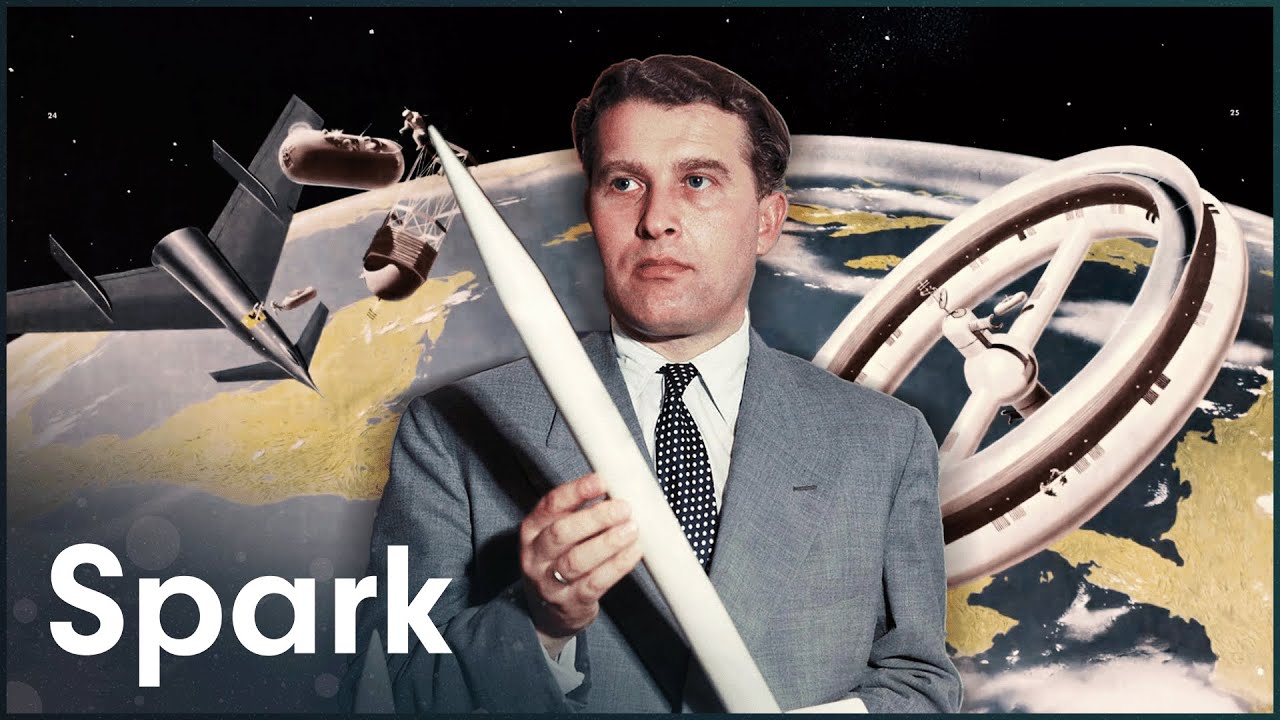
Wernher von Braun's pivotal role in rocket technology during World War II and the Cold War laid the foundation for modern space exploration and human spaceflights.
The Red Sea is 2,240 kilometers long and contains about 438,000 square kilometers of water, supporting diverse marine life and coral reefs.
Archaeological discoveries in Leicester are providing compelling evidence for the existence of a long-rumored Roman amphitheatre in the city.
Join a tour from Earth to the outermost reaches of the universe in this informative documentary.
This episode discusses Time Travel, one of the Universe's most enduring mysteries.
Yellowstone National Park, home to the world's largest volcanic system, experienced a catastrophic eruption 6,000 years ago that covered 3,000 square miles in ash and lava.
Giant Pacific octopuses can weigh up to 600 pounds and have eight arms that can span 30 feet, yet much about their lives remains unknown.
Animal athletes demonstrate their skills through sprints, acrobatics, and dives, featuring species like cheetahs and monkeys across diverse ecosystems.
Cannabis emerges as a potential therapeutic option in cancer treatment, highlighting its benefits and risks through personal stories and expert insights.
Jim Al-Khalili examines revolutionary discoveries in modern physics, including Einstein's General Theory of Relativity and the concept of a holographic universe.
Scientific materialism is challenged through an exploration of biological engineering, suggesting that life may indicate the presence of intelligence rather than random processes.
Milwaukee's 'Sewer Socialists' implemented socialist policies in the early 1900s, showcasing both successes and failures in American governance.
A tsunami triggered by the second most powerful earthquake in recorded history on December 26, 2004, killed more than 250,000 people across multiple countries.
Remains of a 13th Century Carmelite friary, known as Whitefriars, were discovered beneath a demolished car park in Gloucester, revealing its historical significance.
South America, home to a quarter of all bird species on Earth, showcases its diverse avian life from Patagonia's icy peaks to the Amazon rainforest's vibrant ecosystems.
Ten predictions made by the Gaia hypothesis have been confirmed, including the role of algae in cloud formation and climate regulation.
Forensics reveals how science helps solve the cold-blooded murder of a taxi driver.
In the wild, leopards confront hyenas while fish target birds, showcasing the fierce competition for survival in nature.
Sam Vaknin, a self-identified narcissist, undergoes extensive testing to determine if he also meets the criteria for psychopathy.
Artificial intelligence, exemplified by MacHack's victory over chess player Benjamin Landy, raises questions about machines surpassing human intellect.
Scientists use functional magnetic resonance imaging to study how romantic love affects brain activity in students at Stony Brook University.
Evidence shows that massive volcanic eruptions can cause significant global temperature drops for up to two years, raising concerns about future cold periods.
Every year, there are up to 100 shark attacks worldwide, prompting scientists to study the behavior of these predators to improve safety for ocean users.
Litlington, a quiet village in Cambridgeshire, is the focus of an archaeological search for the remains of one of Britain's largest Roman villas.
Sir David Attenborough narrates a series showcasing the hidden behaviors and survival strategies of plants in various ecosystems, including deserts and rainforests.
A one-mile-wide comet crashing into Earth at over 20,000 miles an hour could cause catastrophic damage, as evidenced by the extinction of the dinosaurs.
Adam Riess co-discovered dark energy, revealing that the universe's expansion is accelerating, a finding that reshaped astrophysics.
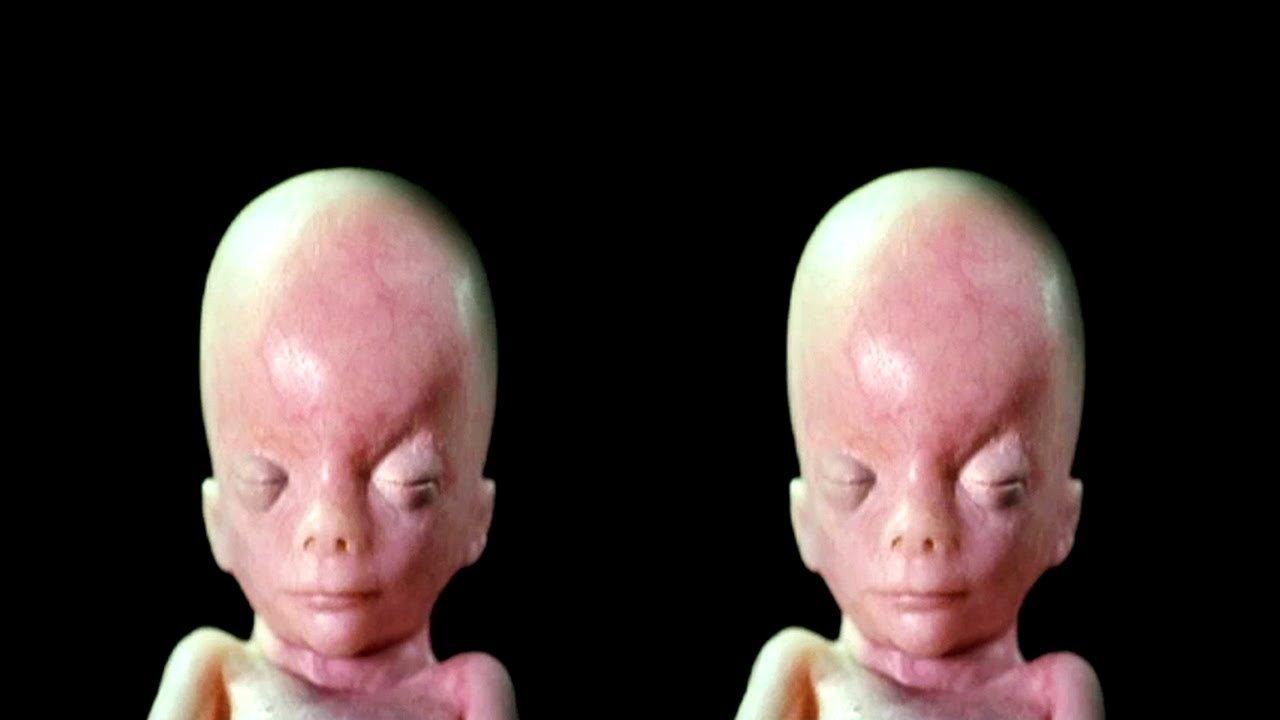
Identical twins are formed from a single fertilized egg, with the documentary exploring their fetal development, unique challenges, and a reunion after 40 years apart.
Surgical techniques have evolved significantly from medieval practices to modern methods, shaped by historical events and advancements in medical knowledge.
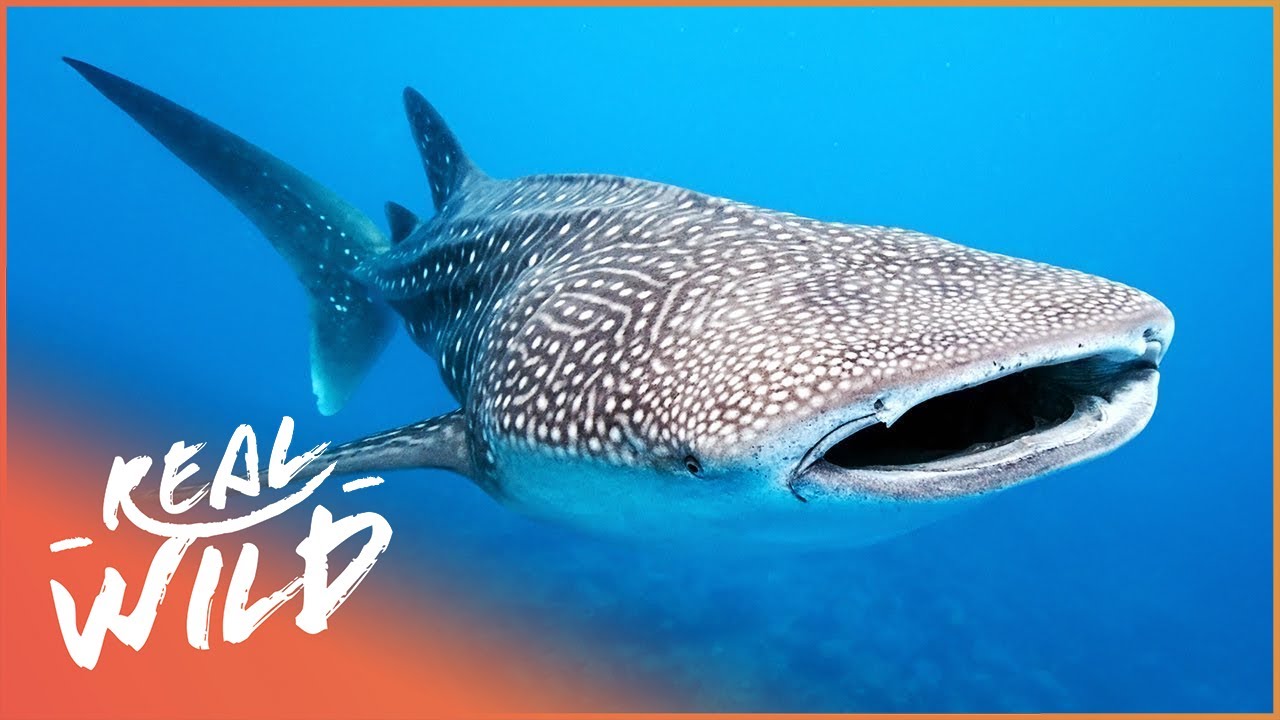
Scientists utilize NASA technology to identify, catalogue, and track individual whale sharks in a race against time to ensure their survival.
A great hammerhead shark measuring 14.5 feet long and weighing 1,282 pounds is the largest specimen ever caught and donated for scientific research.
NASA's development of reusable spacecraft revolutionized space travel, significantly reducing costs and paving the way for future missions beyond the Apollo program.
Billions of Earthlike exoplanets are believed to exist in our galaxy, raising the possibility of life beyond our planet.
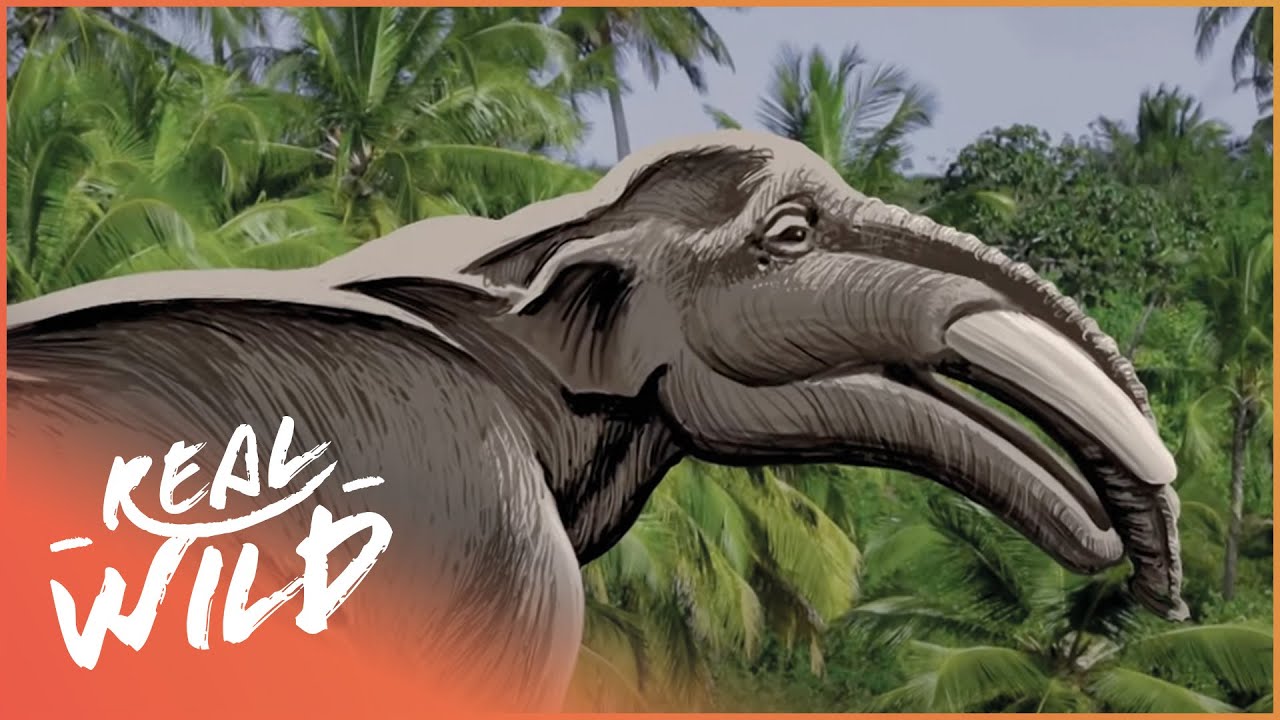
In south-central Nebraska, paleontologists explore ancient fossils, including a four-tusked elephant, revealing the region's rich prehistoric ecosystem.