From over 100,000 films, discover the handful you'll love.
Free or premium access to the world's largest documentary library.
7227 films(Page 127 of 151)
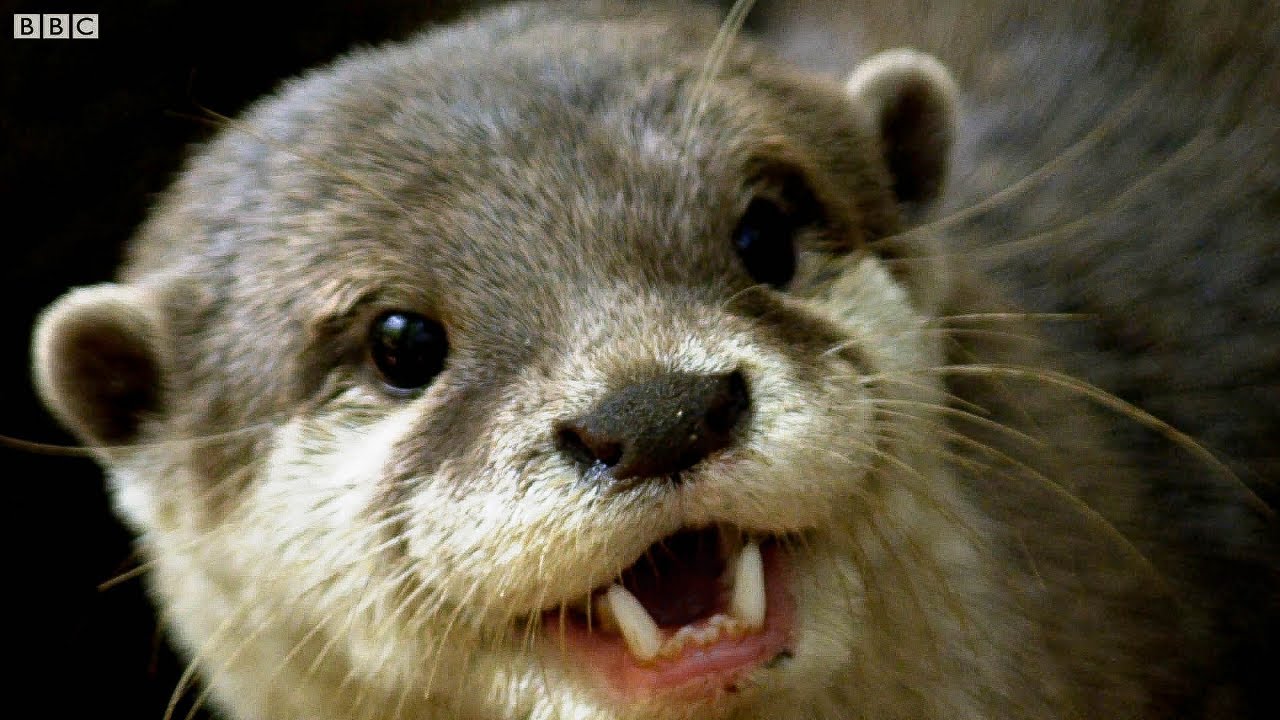
In Newquay Zoo, Hannah Stitfall highlights the playful behaviors of various animals, including red pandas, meerkats, and Asian small-clawed otters.
Oumuamua, the first known interstellar object to pass through the Solar System, has sparked debates among scientists regarding its origins and implications for extraterrestrial life.
In the field of molecular genetics, research led by Riley J. Mangan at Duke University highlights the significance of previously deemed "junk DNA" in understanding human genetics.
Around the time some fishapod relatives were adapting to life on land, others, like Qikiqtania, were returning to aquatic environments.
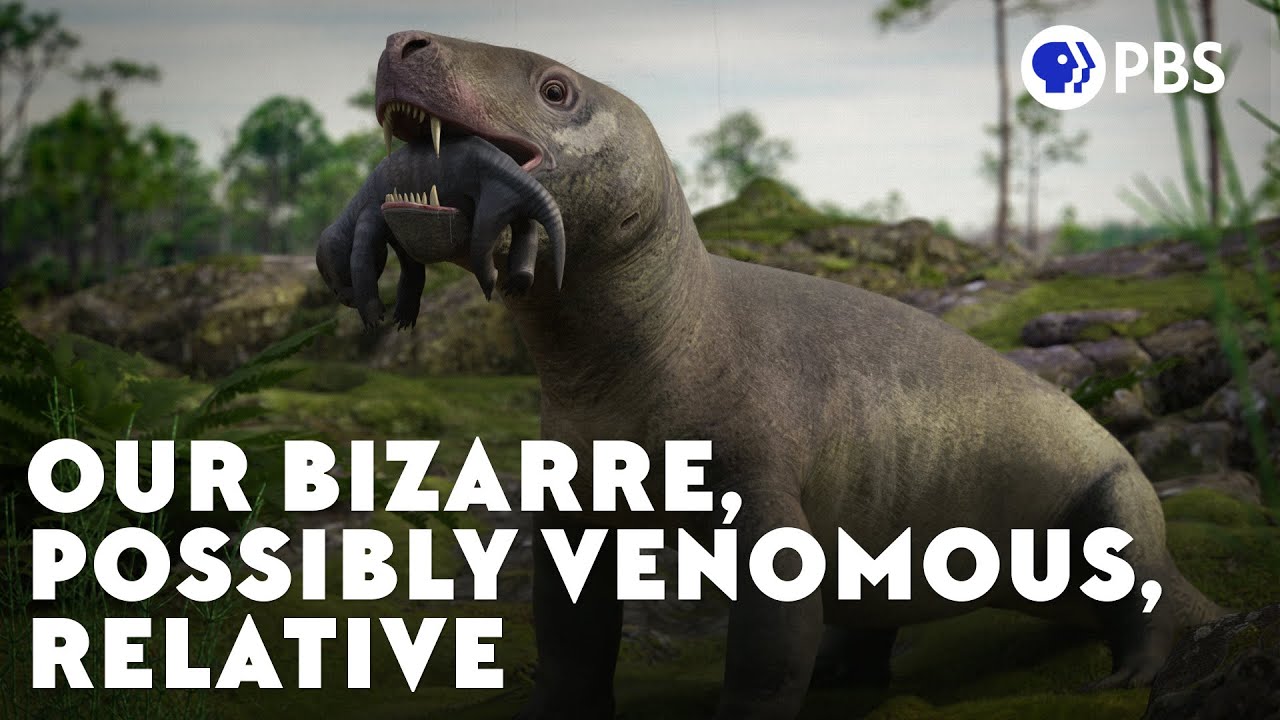
Euchambersia, a prehistoric mammal, may have possessed venom 20 million years before lizards and 150 million years before snakes, highlighting the evolution of venomous mammals.
A group of hominins, including Paranthropus, followed a parallel evolutionary path to modern humans, ultimately leading to their extinction.
Pardis Sabeti, a computational geneticist and Emerging Explorer, utilizes complex algorithms to combat infectious diseases.
Parker plans to test the recovery rate of gold at the Kemci Mine, aiming to determine if the operation is worth investing in.
Scientists have been able to explore the black hole at the center of our galaxy using advanced technology.
A man in Porter, Texas, appears to vanish on camera, raising questions about the existence of teleportation technology.
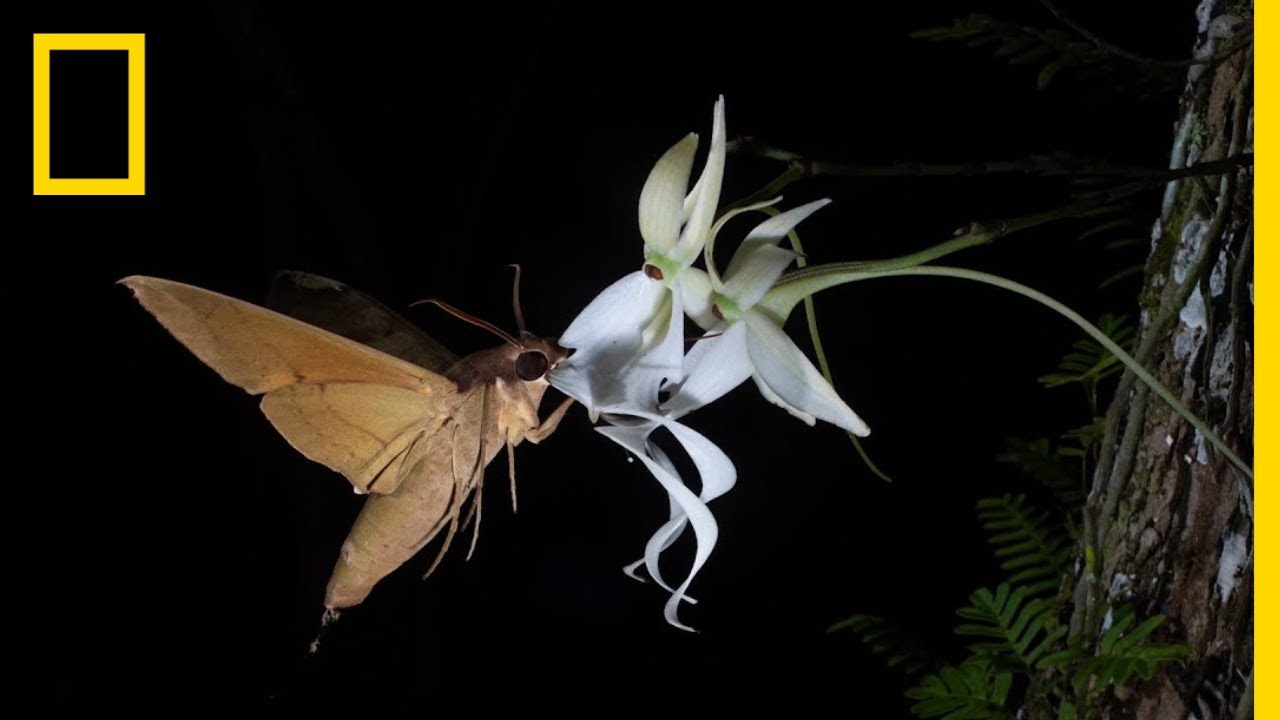
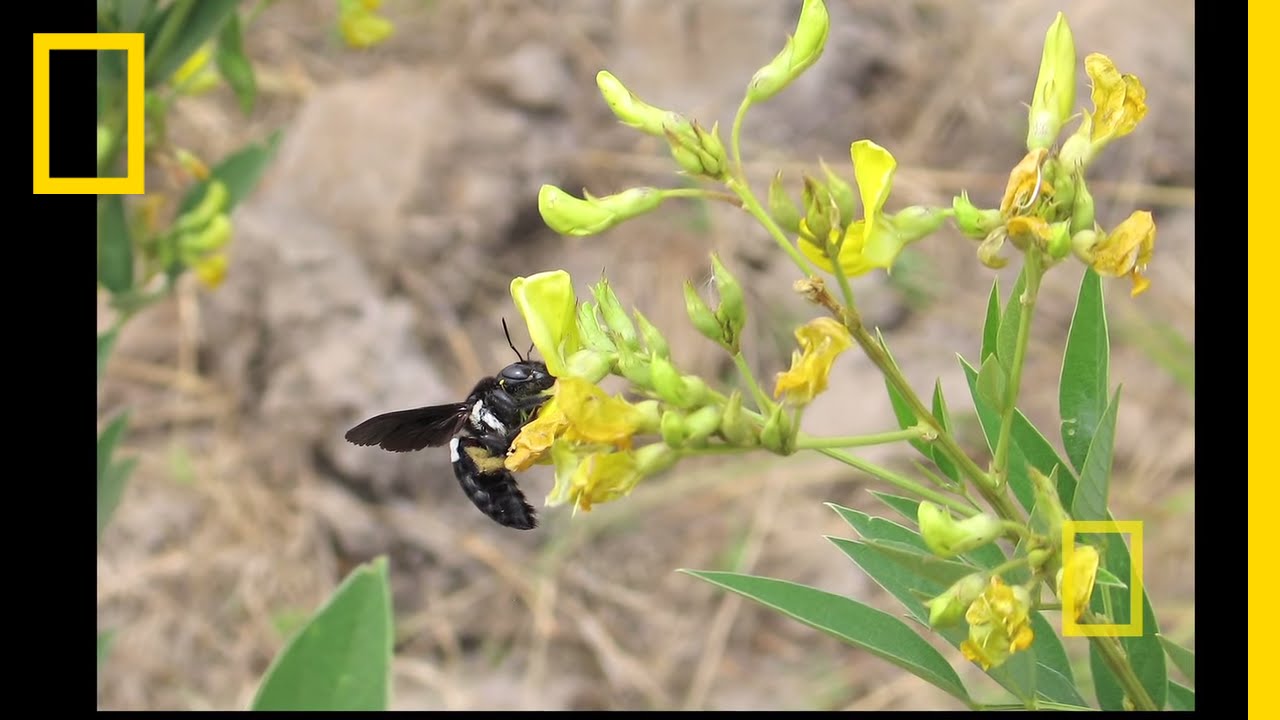
Emerging Explorer Dino Martins highlights the crucial role of pollinators, such as long-tongued bees and hawk moths, in sustaining ecosystems worldwide.
Every week, 10 players with Parkinson's meet in Fulda, Germany, to play table tennis, which helps them manage symptoms and combat loneliness.
Astronomers estimate there are at least 10 billion potentially habitable Earth-sized planets in the Milky Way Galaxy alone.
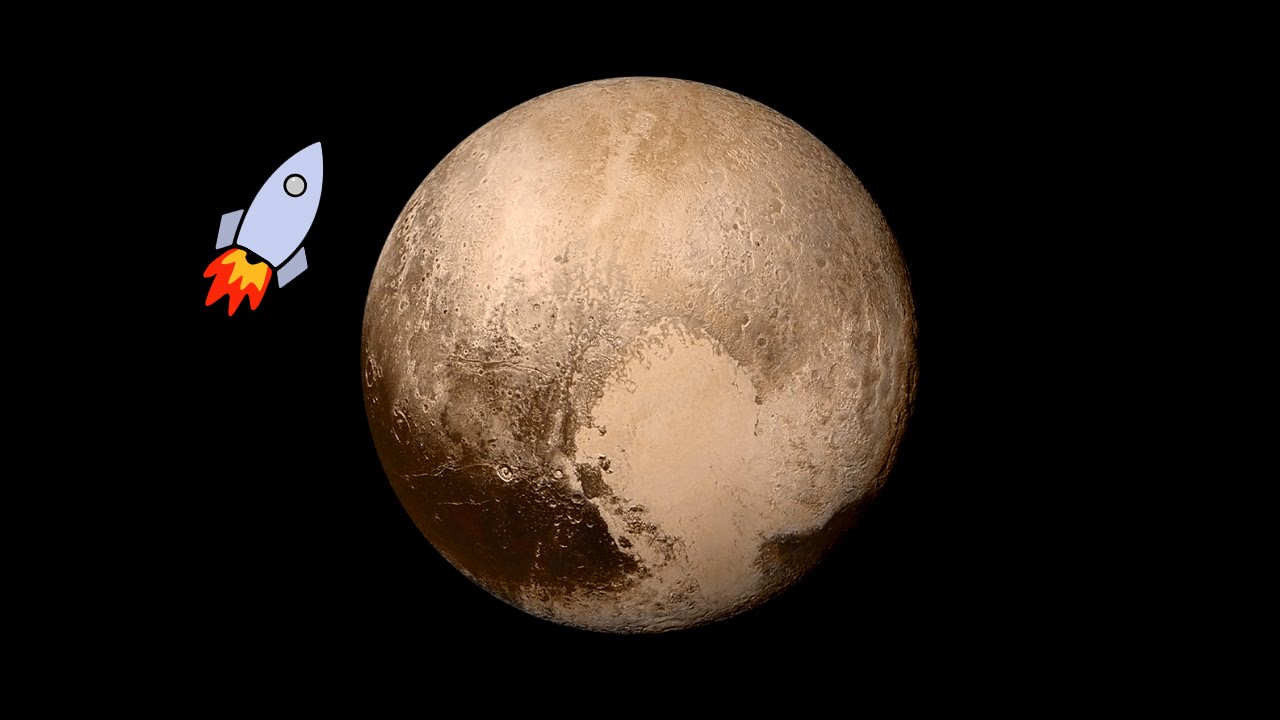
New Horizons traveled at 60,000 kilometers per hour, making it the fastest spacecraft ever launched, to study Pluto and its moon Charon.
Plastic, once hailed as a miracle material, transformed modern life but has now become a symbol of environmental crisis due to its lasting impact on the planet.
A new exoplanet finder uses the Very Large Telescope on Mt Paranal to detect planet atmospheres.
Polynesians, renowned for their advanced navigation skills, settled across the Pacific, prompting explorers to investigate their origins and migration routes.
Five F1 engines on the Saturn V's first stage develop a total of 7.12 million pounds of thrust, crucial for launching the Apollo spacecraft into orbit.
The 1955 Atoms for Peace exhibition in Tokyo showcased the history of nuclear science and its applications in medicine, industry, and agriculture.
Archaeological findings from a prehistoric grave provide insights into human evolution and explore potential extraterrestrial influences on development.
The Snake Detection Hypothesis suggests that primates, including humans, have evolved the ability to quickly identify and avoid snakes due to the long-standing threat they pose.
This episode details the bloodiest uprising in San Quentin's history in Marin County.
Elon Musk and Richard Branson are key figures in the development of private space travel, highlighting their respective companies, SpaceX and Virgin Galactic.
Two billion protons collide every second inside the Large Hadron Collider, recreating conditions from less than a billionth of a second after the big bang.
Programmable bacteria are explored as innovative tools in biotechnology, showcasing their potential applications in medicine, agriculture, and environmental sustainability.
Gemini 8's docking maneuver was initially successful, but the linked crafts began spinning uncontrollably, forcing astronauts Neil Armstrong and Dave Scott to initiate an emergency return to Earth.
NASA makes an astonishing discovery about Yellowstone in Season 1, Episode 6, 'Killer Finds.'
Astronomers detect Proxima b, a planet orbiting Proxima Centauri, our nearest stellar neighbor.
Private First-Class Sadraznee Normally tests a chemical agent, revealing psycho-chemical warfare risks.
Quantum teleportation was successfully achieved by Chinese scientists using a satellite, marking a significant advancement in quantum communication technology.
A rock formation in Siberia rises 130 feet and has a diameter of 520 feet, baffling scientists since its first study in 1949.
In remote Florida swamps, researchers Carlton Ward Jr.
At a depth of more than 70 feet in the RP-1 Shaft, the Oak Island team discovers an iron strap that may connect to the fabled Money Pit treasure.
Researchers reveal evidence of human DNA mixing with extraterrestrial DNA in this clip.
400-year-old longbows salvaged from the Mary Rose shipwreck reveal the enduring significance of archery in the medieval period, even amid the rise of gunpowder.
A tactile sensor on a robotic fingertip can measure vibration, temperature, and shape changes, advancing the integration of technology and human capability.
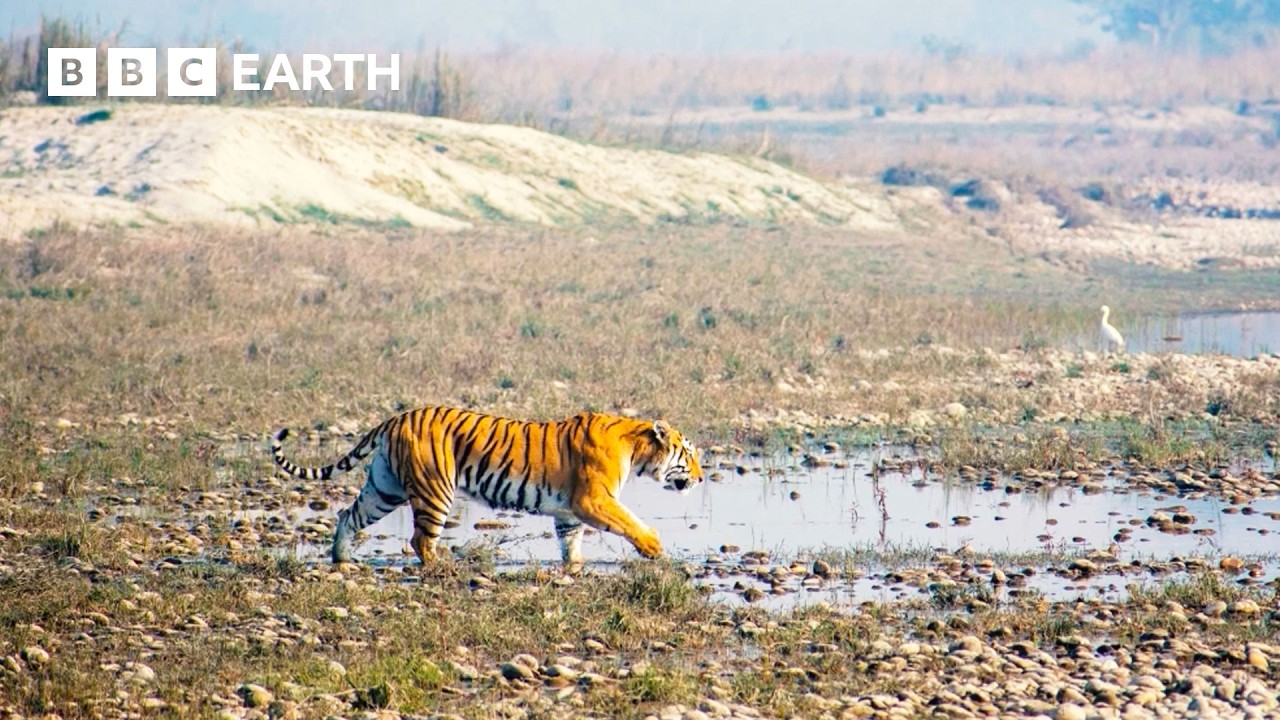
Wildlife biologist Dan O'Neill presents new insights into tiger behaviors filmed in Nepal for the series Tiger Island.
Apollo 11 launched on July 16, 1969, and marked the first successful manned moon landing, with Neil Armstrong's famous words, "That's one small step for man."
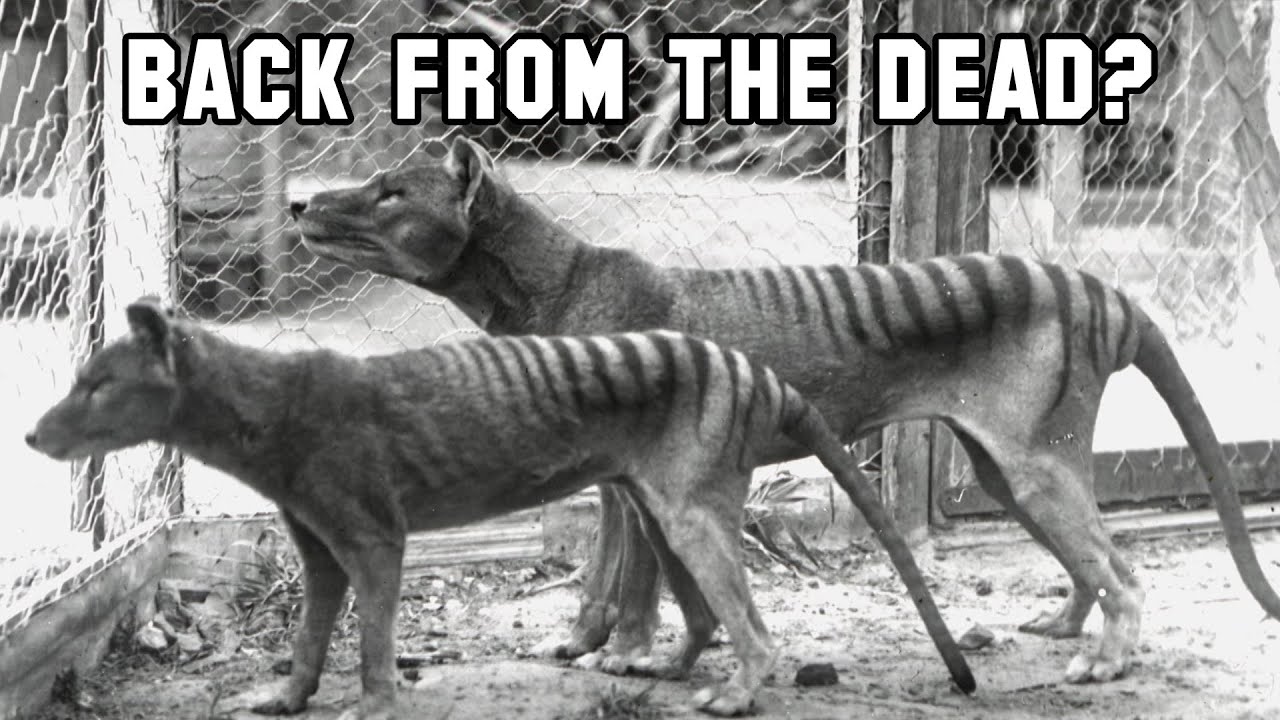
A $15 million project aims to resurrect the thylacine, which was declared extinct in 1936 after being hunted by humans in Tasmania.
Lea Roth, Peter Somogyi, and Alex Spilberg return to Auschwitz with their descendants, reflecting on their survival and the lasting impact of their childhood experiences.
Recent studies in biotechnology suggest that reversing the aging process may be achievable, highlighting advancements in genetic and cellular research.
Rio de Janeiro faces an ecological crisis as its forest degrades rapidly, challenging the city to restore its natural environment amidst urban pressures.
Rising seal populations along the coasts are attracting more great white sharks, creating unexpected dangers for surfers and marine biologists studying these interactions.
Herpetologist Zoltan Takacs, despite being allergic to snake venom, captures deadly snakes in pursuit of potential lifesaving medicines.
NASA's supercomputer simulation analyzes plasma flows within the Sun to reveal how solar eruptions impact space weather.
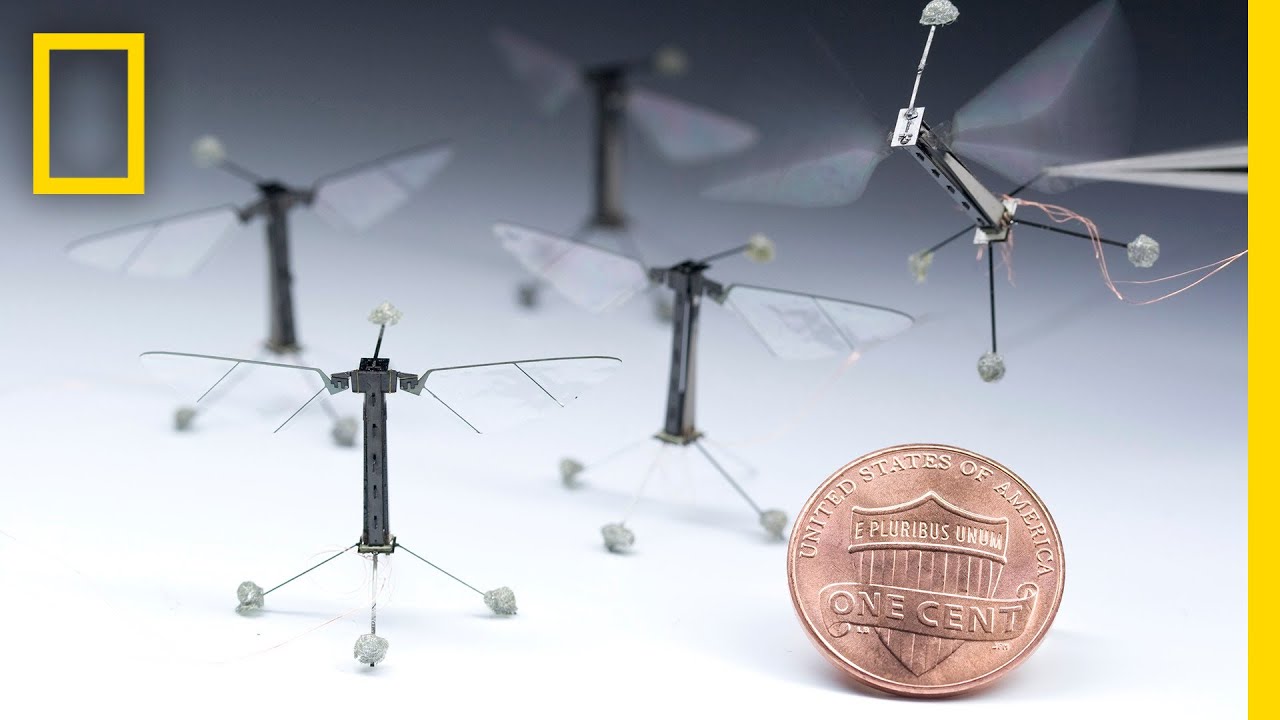
Electrical engineer Robert Wood and his team at Harvard University develop innovative microrobots that have potential applications in medicine, search-and-rescue, and agriculture.
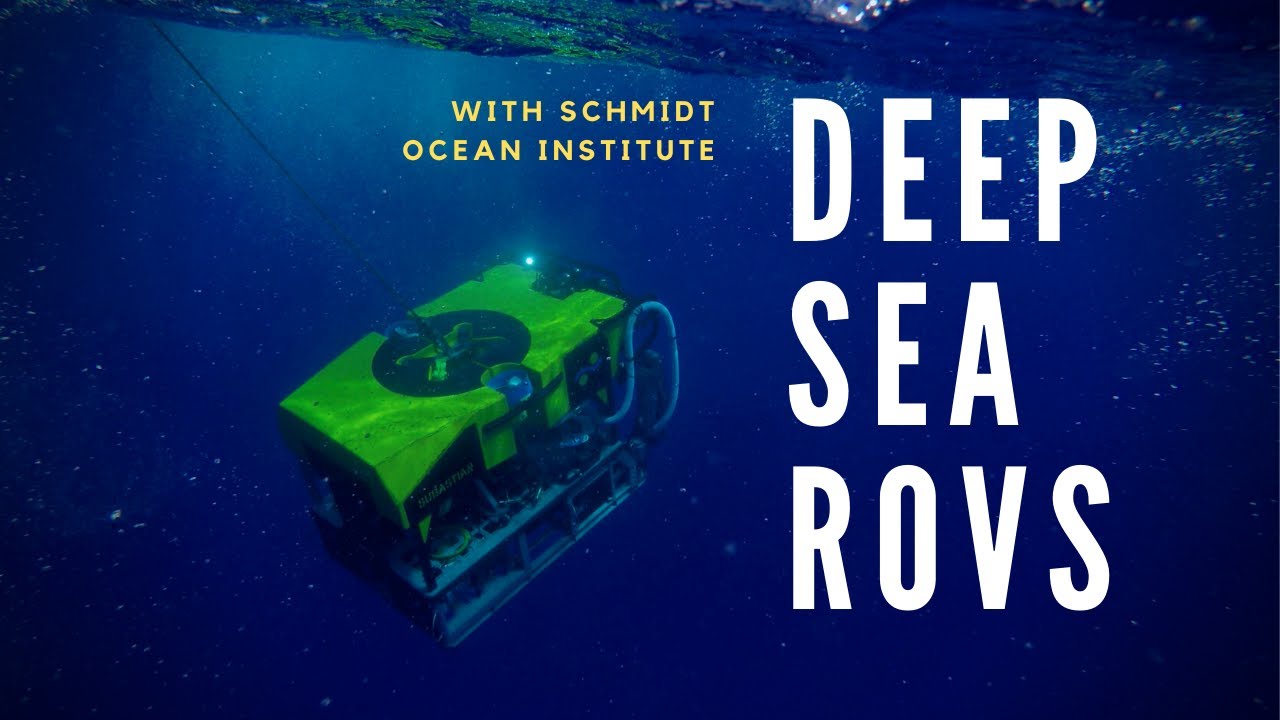
Innovations in remote-operated vehicles and sampling systems by the Schmidt Ocean Institute enhance the study of midwater biodiversity in the deep ocean.
MythBusters tests whether rocks ejected from lawnmowers can match the velocity and impact of bullets through a series of scientific experiments.










![Documentary backdrop image for Private Space Travel [Elon Musk, SpaceX, Richard Branson] (2014)](https://i.ytimg.com/vi/VHhM53XKlWU/hqdefault.jpg)