From over 100,000 films, discover the handful you'll love.
Free or premium access to the world's largest documentary library.
7227 films(Page 140 of 151)
Caffeine, a molecule produced independently by various flowering plants, evolved multiple times across distantly-related lineages, influencing global consumption patterns.
Illusions manipulate perception and trick the brain, revealing the science behind visual perception and the techniques magicians use to create astonishing effects.
Nicole Richard, a neurologic music therapist from Belmont University, discusses how music can help people remember important information like phone numbers.
Sea turtles face significant threats from evolutionary adaptations and human activities, highlighting the urgent need for ocean conservation efforts like #TeamSeas.
Allergies persist in modern humans due to evolutionary trade-offs that favor immune system responses, as explored by various scientists and researchers.
Horseshoe crab blood, harvested primarily in the United States, is crucial for the medical industry due to its unique properties in detecting bacterial contamination.
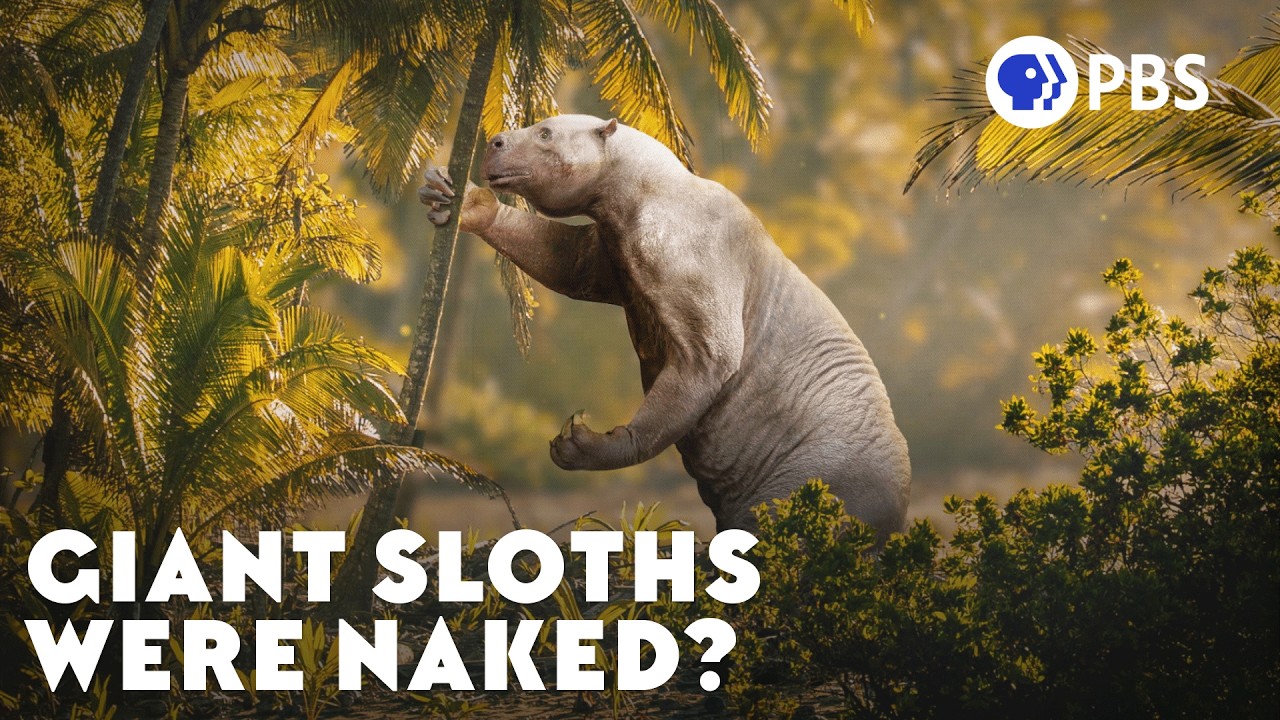
Giant sloths, once familiar to ancient peoples, have left a gap in human knowledge regarding their biology and behavior that remains largely unexplored today.
Hybrid animals are increasingly adapting to the North's changing ecosystems, raising questions about biodiversity and species survival.
Insects, with an estimated 5 to 10 million species and around ten quintillion individuals, exhibit complex behaviors that are crucial for ecological balance.
Bioluminescence in the ocean, primarily found in organisms like jellyfish and deep-sea fish, plays a crucial role in communication, predation, and camouflage.
0.00729735256, or approximately 1/137, is the fine structure constant that physicists have long sought to understand due to its fundamental role in quantum physics.
Identifying the sex of dinosaurs has remained a significant challenge for paleontologists, despite advancements in understanding their biology and behavior.
Dr. Michael Oliver from Belmont University explains why live music feels better than recordings.
A Mars-sized planet, known as Theia, collided with Earth, leading to the formation of the Moon, which is crucial for future space exploration.
Jumping from a plane without a parachute exposes the body to terminal velocity, which can reach speeds of over 120 miles per hour.
Woolly mammoths, primarily found in fossil records as males, raise questions about their extinction at the end of the last ice age, explored with insights from TierZoo.
Curiosity found rocks in Gale Crater that indicate Mars once had flowing water, suggesting it may have supported life in the past.
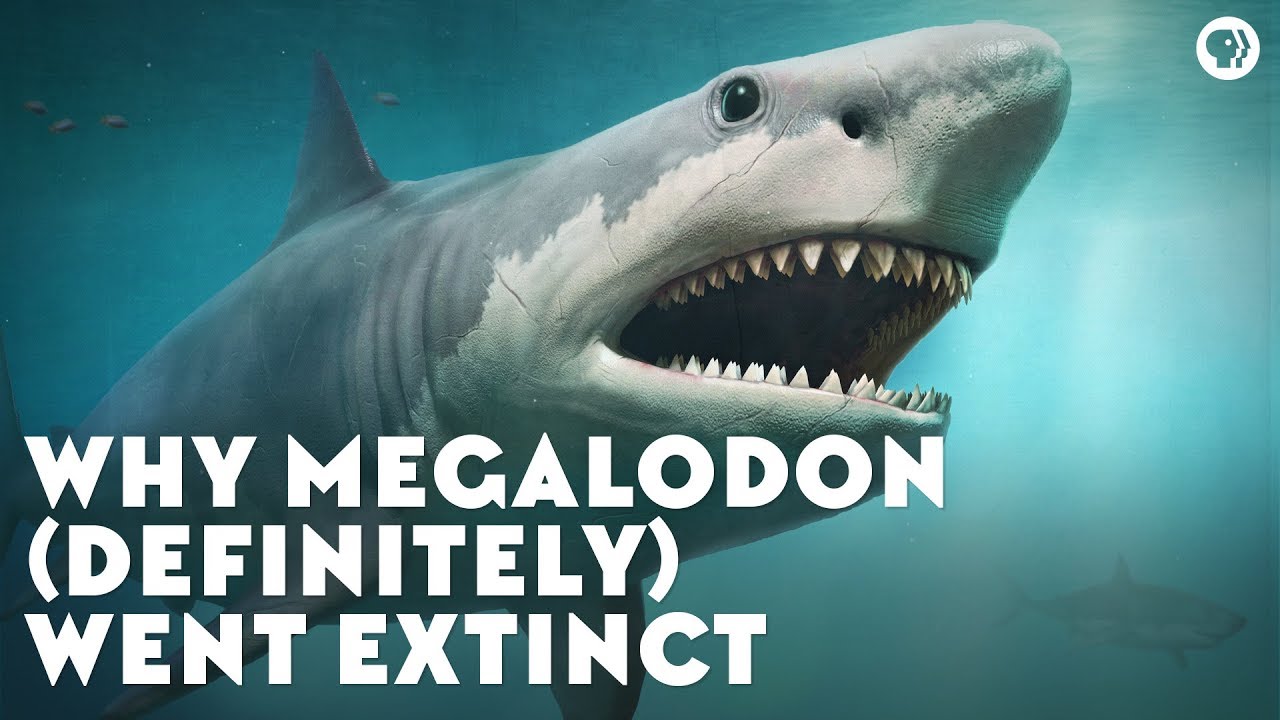
Megalodon, the largest shark in history, dominated the oceans for over 10 million years before its extinction 2.6 million years ago, raising questions about its demise.
Nudibranchs, known for their vibrant colors and unique adaptations, exemplify remarkable survival strategies in diverse marine environments.
Fire, a phenomenon unique to Earth, has evolved over billions of years through photosynthesis, influencing and being influenced by life forms.
Neuroscientist Erich Jarvis explains how specific brain architecture enables speech and complex behaviors like dancing and problem-solving in various species.
Spinosaurus, a dinosaur once thought to be semi-aquatic, is re-evaluated by paleontologists as new fossil evidence raises questions about its swimming abilities.
Giant pandas, native to China, face significant survival challenges due to their specialized diet, low reproductive rates, and habitat loss.
Sour taste, originally a warning signal for danger in vertebrates, has evolved in humans and some animals into a sought-after flavor, as explored by Eons.
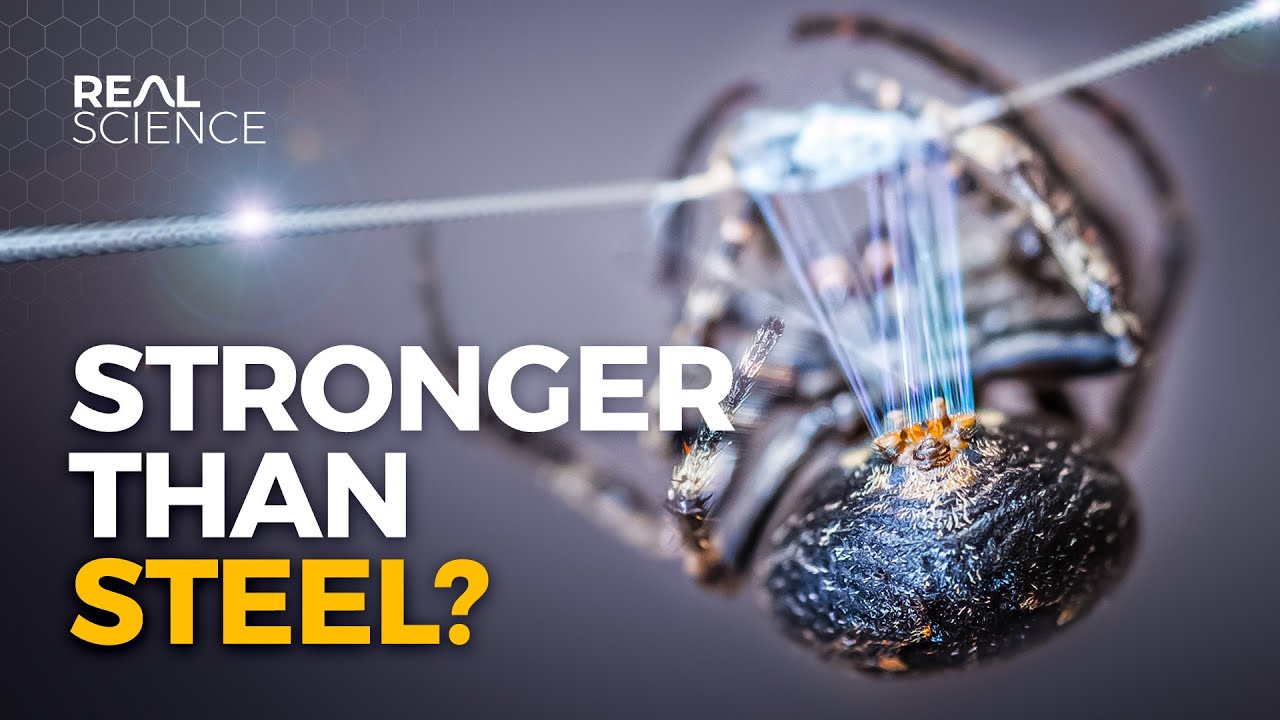
Spider silk, produced by various arachnids, exhibits tensile strength greater than steel, prompting research into its potential applications in materials science.
Research on sloths, led by Dr. Becky Cliffe from the Sloth Conservation Foundation, highlights the challenges of studying these elusive creatures in their natural habitat.
The evolution of the giraffe's neck has sparked extensive debate among biologists, challenging traditional understandings of evolutionary processes.
Displate sponsors a video discussing the multiverse and offers exclusive discounts with code SPACETIME.
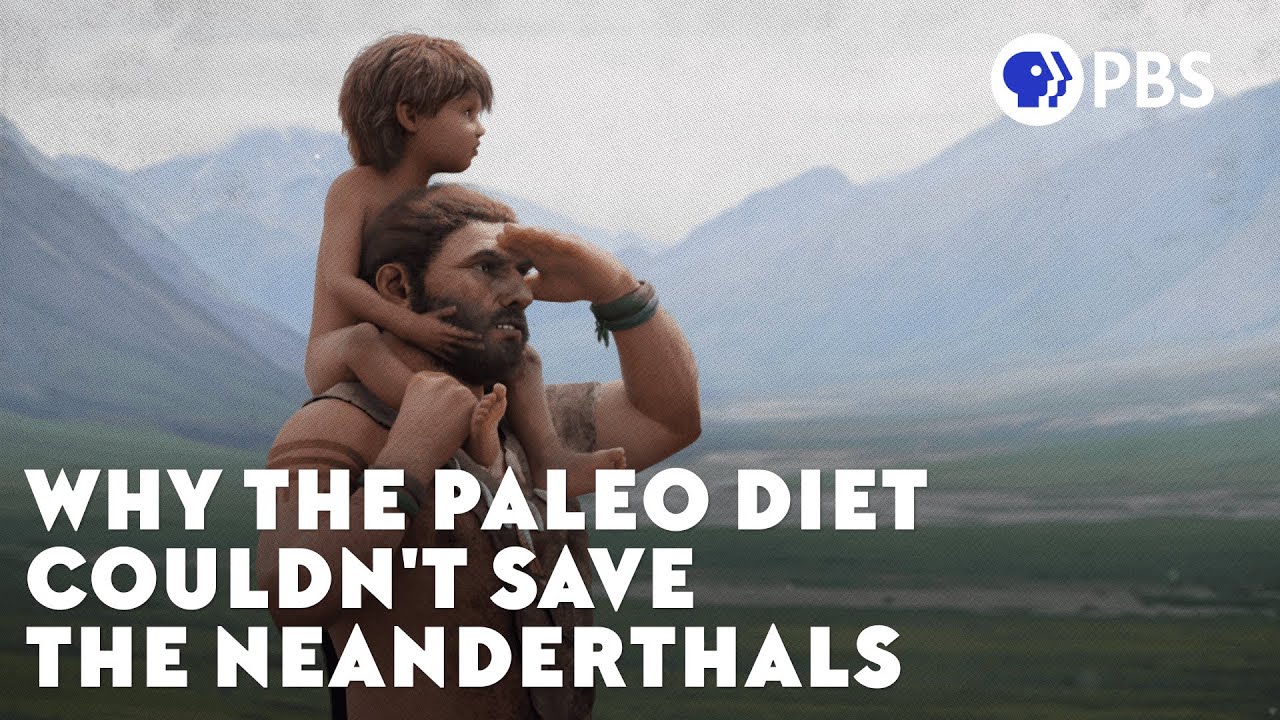
Neanderthals, who thrived in Eurasia for over 300,000 years as skilled toolmakers and hunters, faced decline potentially due to competition with early humans.
The venom of the box jellyfish, found in the waters of Australia and Southeast Asia, is examined for its lethal effects and medical implications.
The Triassic period featured a diverse array of unique animals, illustrating evolutionary patterns shaped by two significant mass extinctions.
The K-Pg mass extinction event, caused by an asteroid impact, led to the decline of non-avian dinosaurs and raised questions about the subsequent dominance of mammals.
Mammals, birds, and amphibians exhibit a maximum of five digits, with evolutionary insights provided by paleoartists like Julio Lacerda and Fabrizio de Rossi.
A team of scientists and drone pilots embarks on a ten-mile round trip across treacherous terrain to study the melting of Vatnajökull glacier.
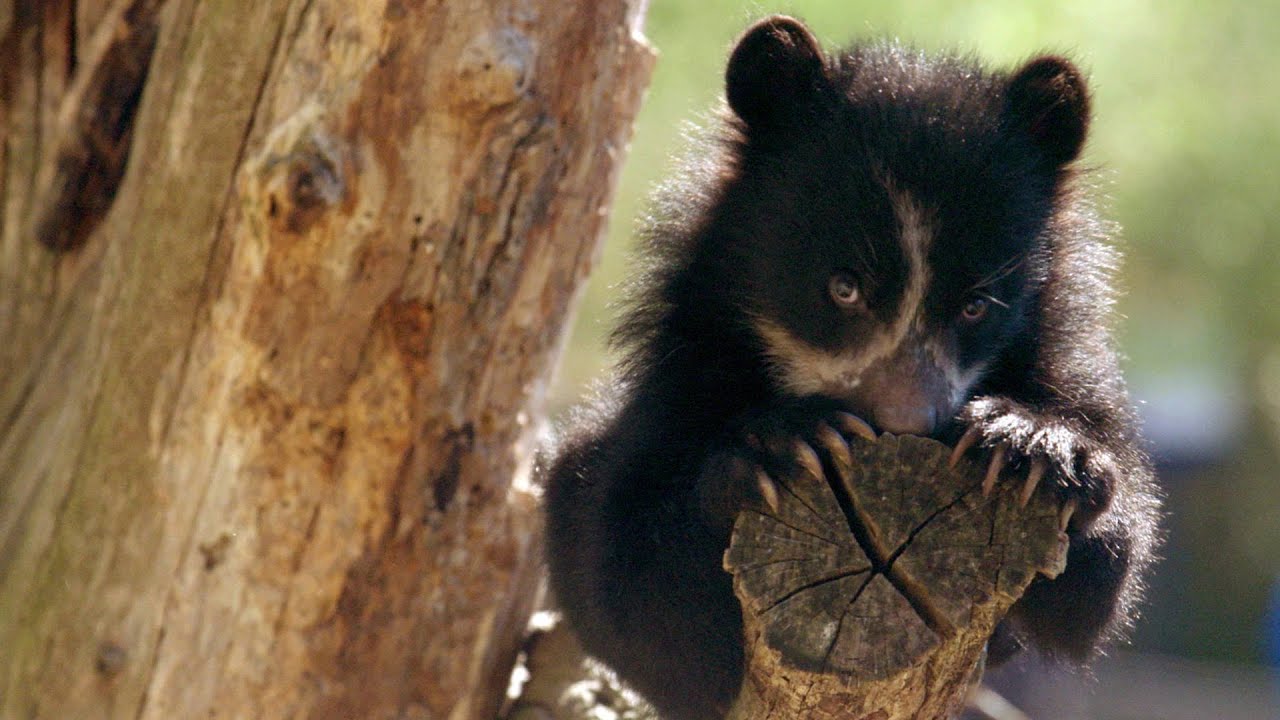
Mayni and Muniri, Andean bear cubs, transition to adventurous life at the Smithsonian's National Zoo.
Cuban crocodiles at the National Zoo are trained to build safe keeper relationships.
Echo and Zayda welcome two pups at the Smithsonian Conservation Biology Institute after three years.
Red Bull Soap Box Races in cities like Johannesburg, Kaunas, and London showcase the creativity and chaos of homemade racers in hilarious crashes.
The episode discusses Mars as humanity's potential next home in space exploration.
NASA's Perseverance rover, launched in 2020, is tasked with analyzing rock samples on Mars to search for signs of ancient life.
Wind and solar power are examined as vital renewable energy sources through global initiatives and technologies, particularly in Germany and the United States, amid climate change challenges.
Icewave competes against Free Shipping in a BattleBots match that highlights advanced robotic combat and culminates in a split decision on the winner.
A dolphin's intestines measure 38.5 meters during an autopsy conducted by Mike Rowe in Oxford, Maryland, as he investigates the animal's cause of death.
Wombats, the only animals known to produce cubed feces, are examined by Chris Packham and Megan McCubbin as they explore the scientific reasons behind this phenomenon.
3.9 kilometers below South Africa, the intense heat of the world's deepest mine reaches 60 degrees, making further travel impossible.
Five candidates for Mars One, a private foundation aiming to colonize Mars by 2025, discuss their motivations for a potential one-way trip to the red planet.
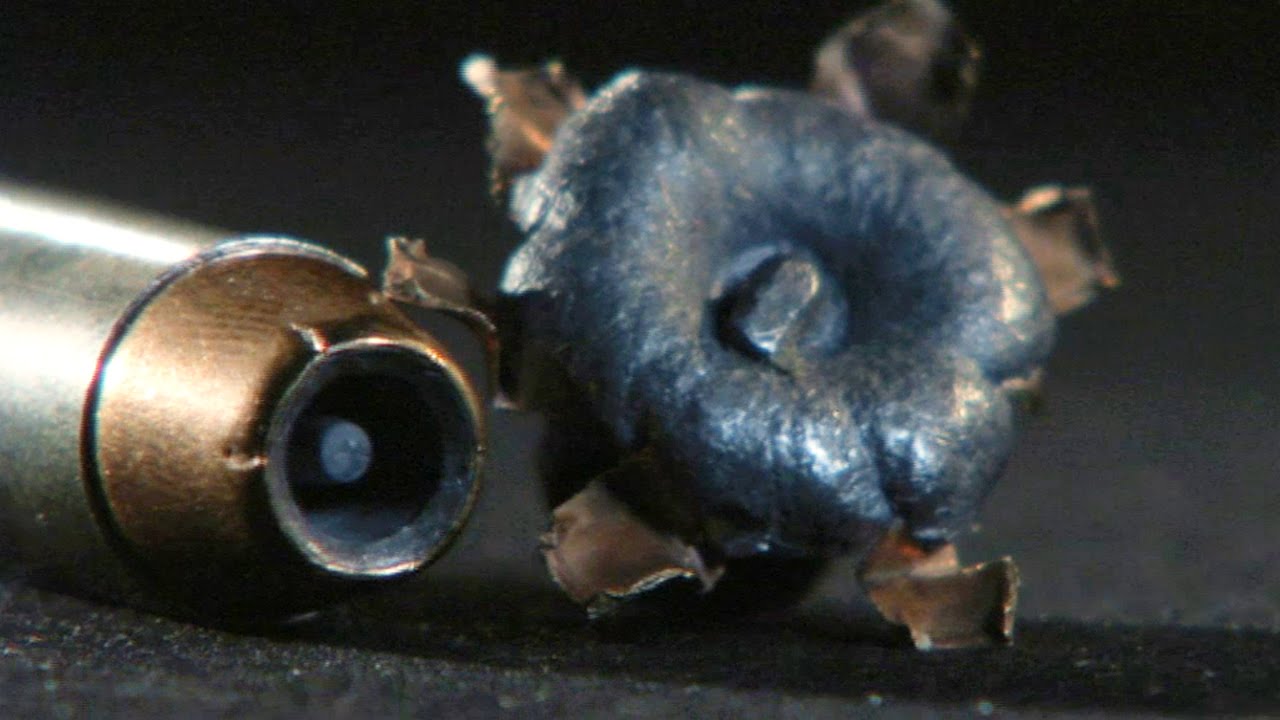
This demonstration shows the difference between round nose and hollow point bullets in combat.
Xiaolin Zheng, a nanoscientist and Emerging Explorer, is developing innovative solar stickers that aim to revolutionize sustainable energy.