From over 100,000 films, discover the handful you'll love.
Free or premium access to the world's largest documentary library.
7235 films(Page 4 of 151)
The last believer in the phlogiston theory of heat died in the mid-20th century, marking the end of a once-prominent scientific explanation.
Bufo Alvarius, a potent hallucinogen derived from the Sonoran Desert toad, is attracting psychedelic tourists to Tulum, raising concerns over safety and negative experiences.
The fine structure constant, a number close to one divided by 137, remains one of the greatest mysteries of physics, puzzling scientists since the 1940s.
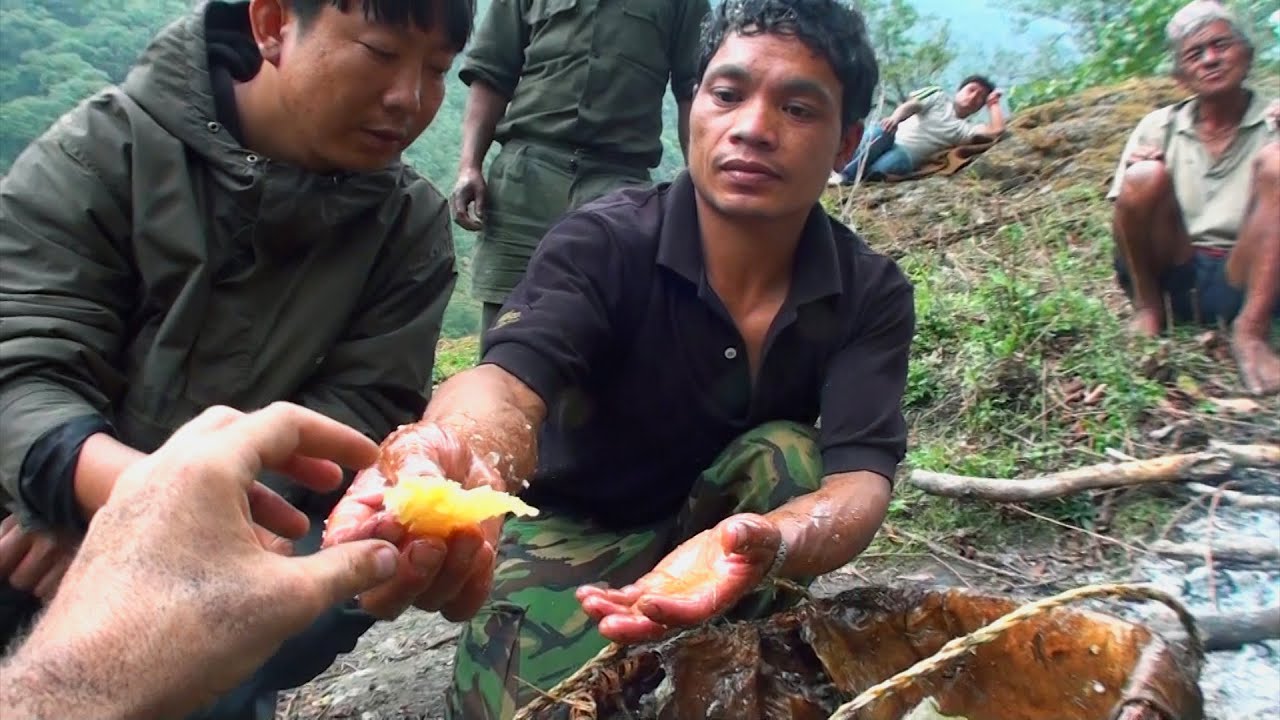
Two days' walk from the nearest road, the Gurung tribe in Nepal harvests mad honey from cliffs, risking their lives for its psychoactive properties.
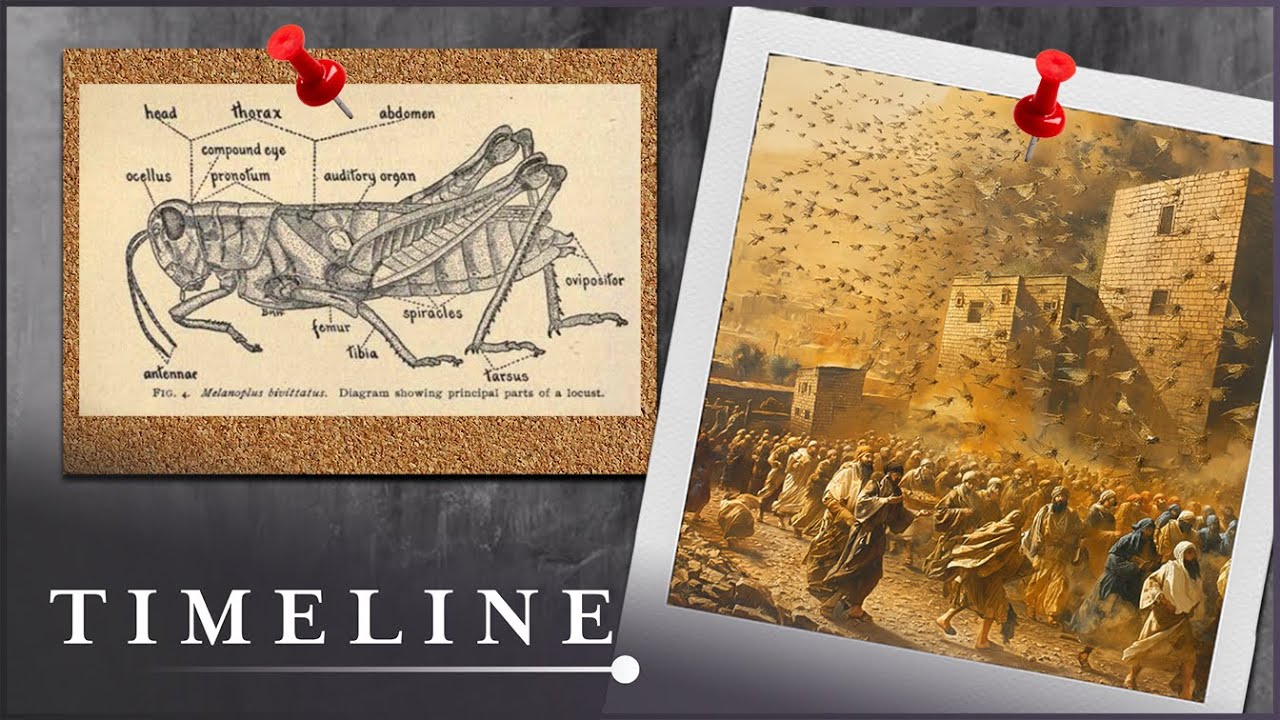
Ancient hieroglyphics and stone carvings depict the parting of the sea and the biblical plagues, suggesting these events may have historical roots.
A jury of 12 listens as a lawyer argues that a defendant's actions can be traced back to the origins of the universe.
The Black Death, which devastated Europe, Africa, and Asia in the 14th century, was conclusively identified in 2017 as not being caused by bubonic plague.
In early 2021, 200 scientists at Fermilab conducted an experiment measuring the wobble of muons to test predictions about fundamental forces in the universe.
447 cats and 247 exhibitors gather at the 40th TICA cat show in Las Vegas, while experts discuss the domestication and intelligence of felines.
About 25% of animals in the savanna perish due to water and food shortages during the harsh dry season.
Cheddar Man, a 9,000-year-old skeleton, provides crucial insights into the early human inhabitants of Britain and their migratory patterns.
Bison, revered by Indigenous peoples of the Great Plains, were vital for survival, shaping early hunting strategies and community practices.
Three billion years ago, Earth was a vibrant water world teeming with life, as evidenced by ancient rocks in Western Australia.
Hydrothermal vents, discovered in 1977, are among the few locations on Earth where life relies on chemical energy instead of sunlight.
Contact between Polynesia and South America is examined through emerging evidence and historical context, highlighting the significant Polynesian Exchange.
Thylacines, once believed extinct since 1936, spark renewed hope as Neil Waters leads a two-year search fueled by a passionate civilian movement.
Cahokia, the largest pre-Columbian city in the United States, showcases impressive mounds and plazas that reflect its significant cultural influence across the region.
Temperatures in Oymyakon can drop to minus 70 degrees Celsius, forcing children to brave one of the world's coldest commutes to school each day.
Over 100 hours of unseen footage document Jane Goodall's work with chimpanzees in Gombe Stream Game Reserve, starting in 1960.
Chaco Canyon, a renowned archaeological site, continues to intrigue experts with its unique architecture, economy, and astronomical alignments from ancient history.
Indigenous peoples across the Americas have utilized controlled burning for millennia to enhance land productivity, support agriculture, and maintain ecological balance.
385 million years ago, the first trees emerged during the late Devonian period, marking a significant evolution in Earth's plant life.
The midnight zone, stretching to 4 kilometers deep, hosts unique life forms that have adapted to extreme pressure and darkness.
Light's behavior is examined through Quantum Mechanics, highlighting its wave-particle duality and making complex scientific concepts accessible to a broad audience.
Prehistoric brochs, unique drystone towers from the Iron Age, dominate northern Scotland's landscape, showcasing the architectural prowess of ancient builders.
More than 8 km below the surface, the Mariana Trench is home to around 400 identified species, a stark contrast to the thousands found in freshwater lakes.
A typical supercluster can hold over 10 million billion Suns worth of material, illustrating the immense scale of cosmic structures.
A crocodile can launch itself from the water at speeds of 20 meters per hour, using instincts shaped by a brain that has remained largely unchanged for 200 million years.
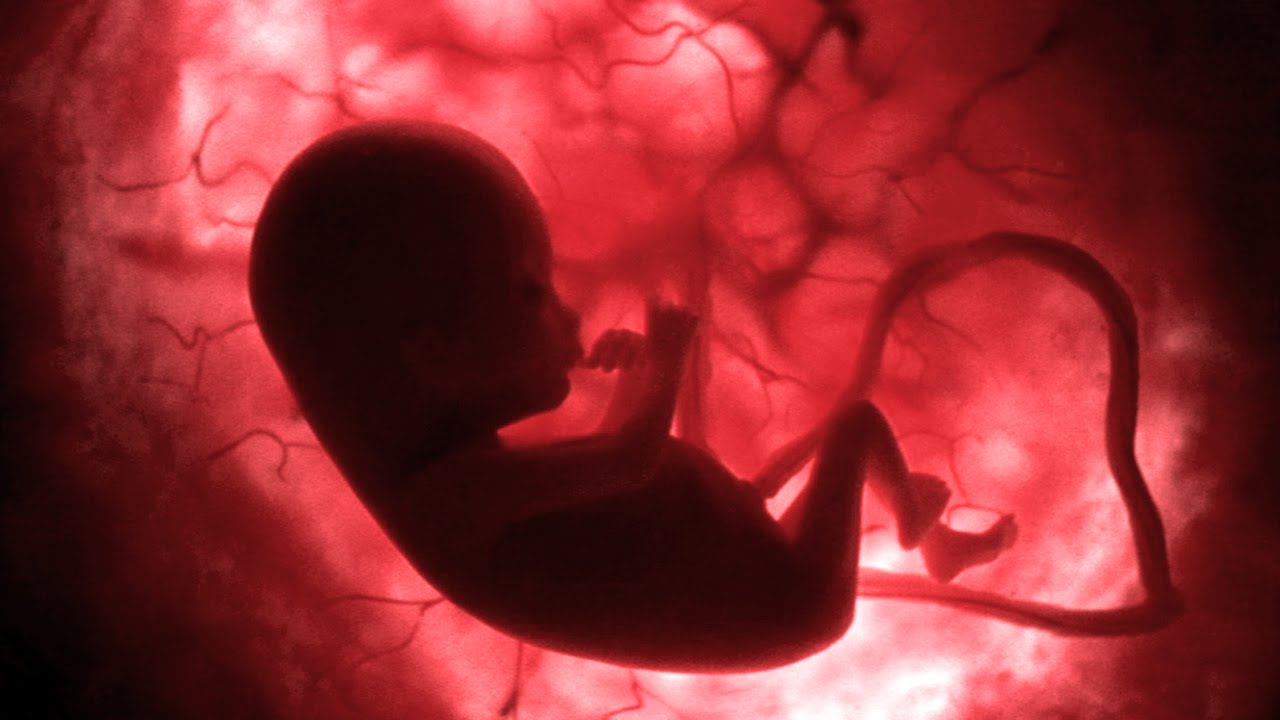
Up to 500 million sperm are released during ejaculation, beginning the complex process of human development from a single cell to a fully formed baby.
The eruption of Krakatoa in A.D. 535 generated power equivalent to 2,000 million Hiroshima-sized nuclear bombs, leading to a century of climate disruption.
Rain bombs, a dangerous atmospheric phenomenon linked to climate change, are examined through scientific research and storm-chasing efforts to understand their formation and impacts.
In the Florida Everglades, invasive Burmese pythons are significantly disrupting local ecosystems and threatening native wildlife populations.
Emotional stress is examined through historical context and its neurological and psychological effects, featuring insights from Dr. Daniel Monti and Dr. Andrew Newberg.
In the deep sea, unique creatures have evolved remarkable anatomical, physiological, and behavioral adaptations to survive in extreme conditions, including high pressure and darkness.
Average temperatures plummeted to around 6 degrees Celsius colder than today during the last glacial maximum, covering a quarter of the world's land in ice.
A fossil from the Geological Survey of Canada, much larger than any previously found from the Cambrian period, poses a mystery for Professor Harry Wittington.
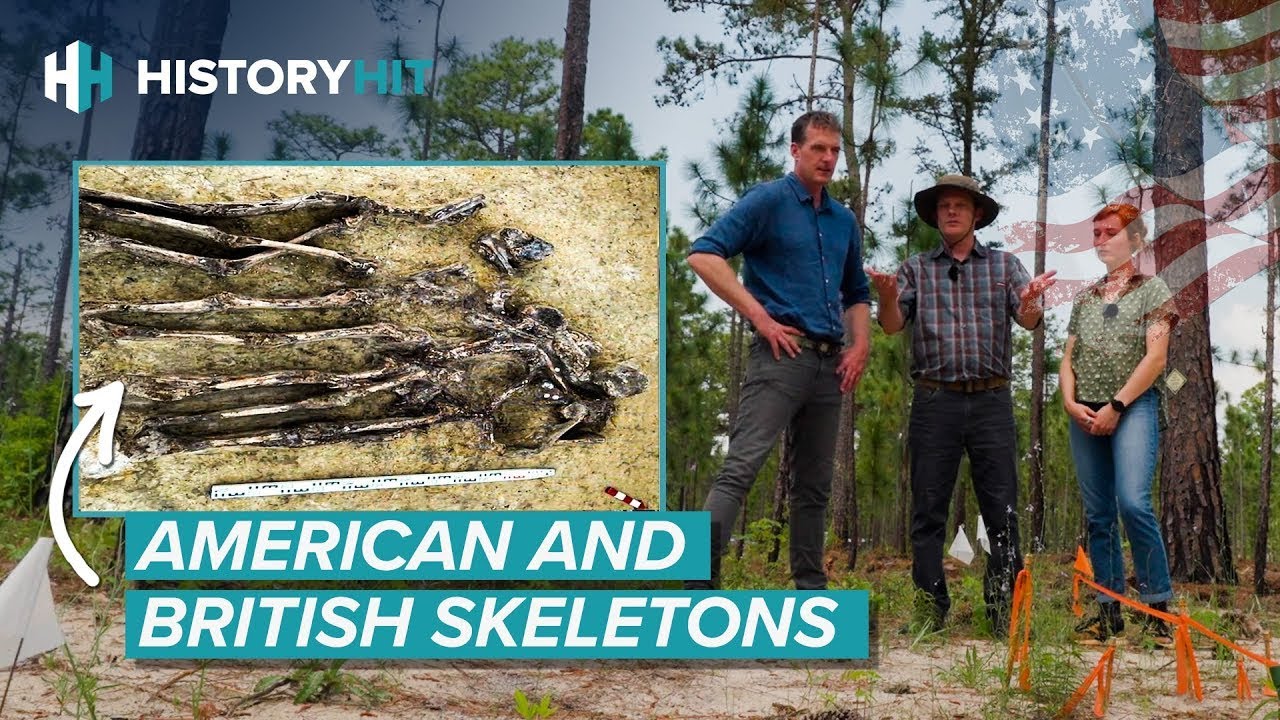
Skeletons of 14 soldiers from the Battle of Camden, a pivotal yet overlooked conflict in the American Revolutionary War, have been exhumed for memorial honors.
Five million words of writing by Augustine of Hippo survive to the modern age, raising questions about the nature of time and its progression.
A 15-meter tsunami struck Japan on March 11, 2011, following a powerful earthquake, leading to a crisis at the Fukushima Daiichi nuclear power plant.
The 2014-2015 Ebola outbreak in West Africa exposed critical failures in global health responses, as firsthand accounts reveal the tragic human impact and systemic missteps.
In 1900, Max Planck tackled the mystery of heated filaments at the Physicalisch-Technische Reichsanstalt in Berlin, leading to the birth of quantum mechanics.
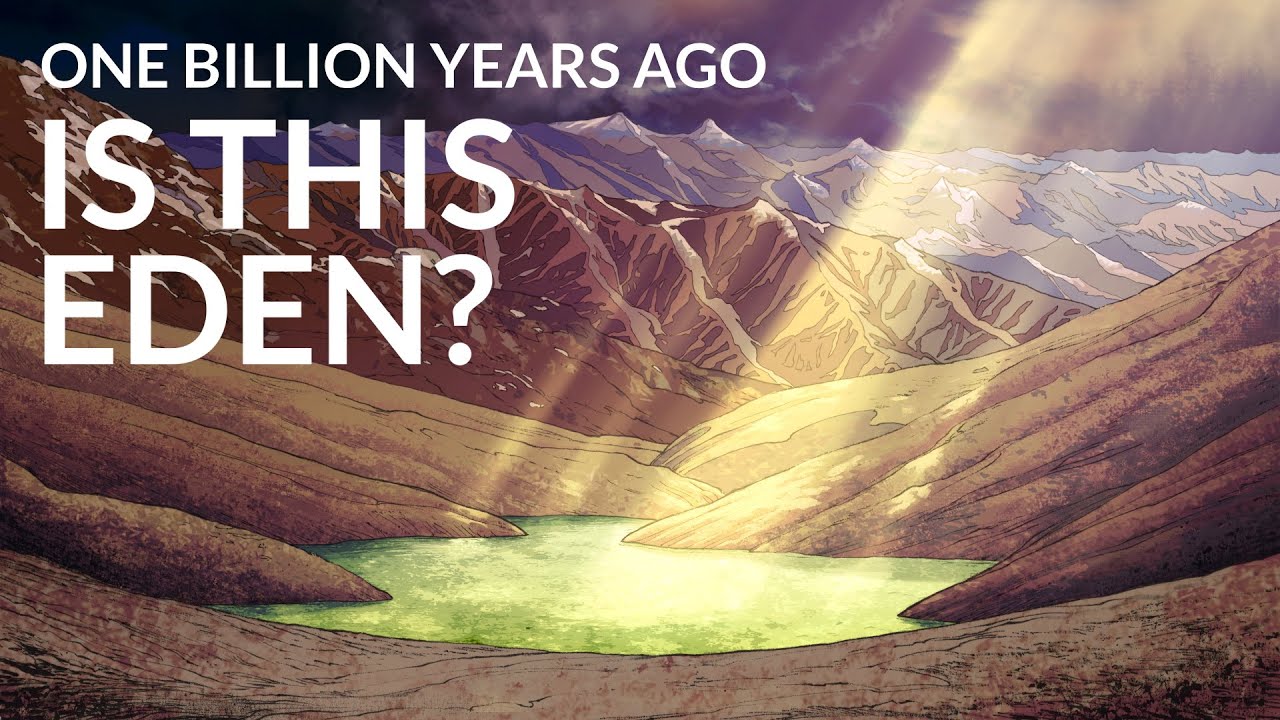
One billion years ago, the Earth was a toxic environment where certain life forms could not survive, marked by black oceans and barren land.
Homo sapiens' origins are explored through fossil evidence and expert insights, revealing the complexities of human evolution and survival among extinct species.
A special detector aboard the International Space Station searches for the antimatter version of a helium isotope, anti-helium-3.
A massive volcanic eruption around A.D. 535 caused two years of darkness, leading to famine, plagues, and the collapse of civilizations worldwide.
On August 15, 1977, the Big Ear radio telescope received a signal from the constellation Sagittarius that lasted 72 seconds and was 30 times more intense than usual.
Neutron stars can reach half the speed of light when an object is dropped from their surface, where gravity is so strong that mountains form only fractions of a millimeter high.
Less than 250 beachings of oarfish have been reported worldwide in the last two centuries, yet one was recently observed alive off the French coast.